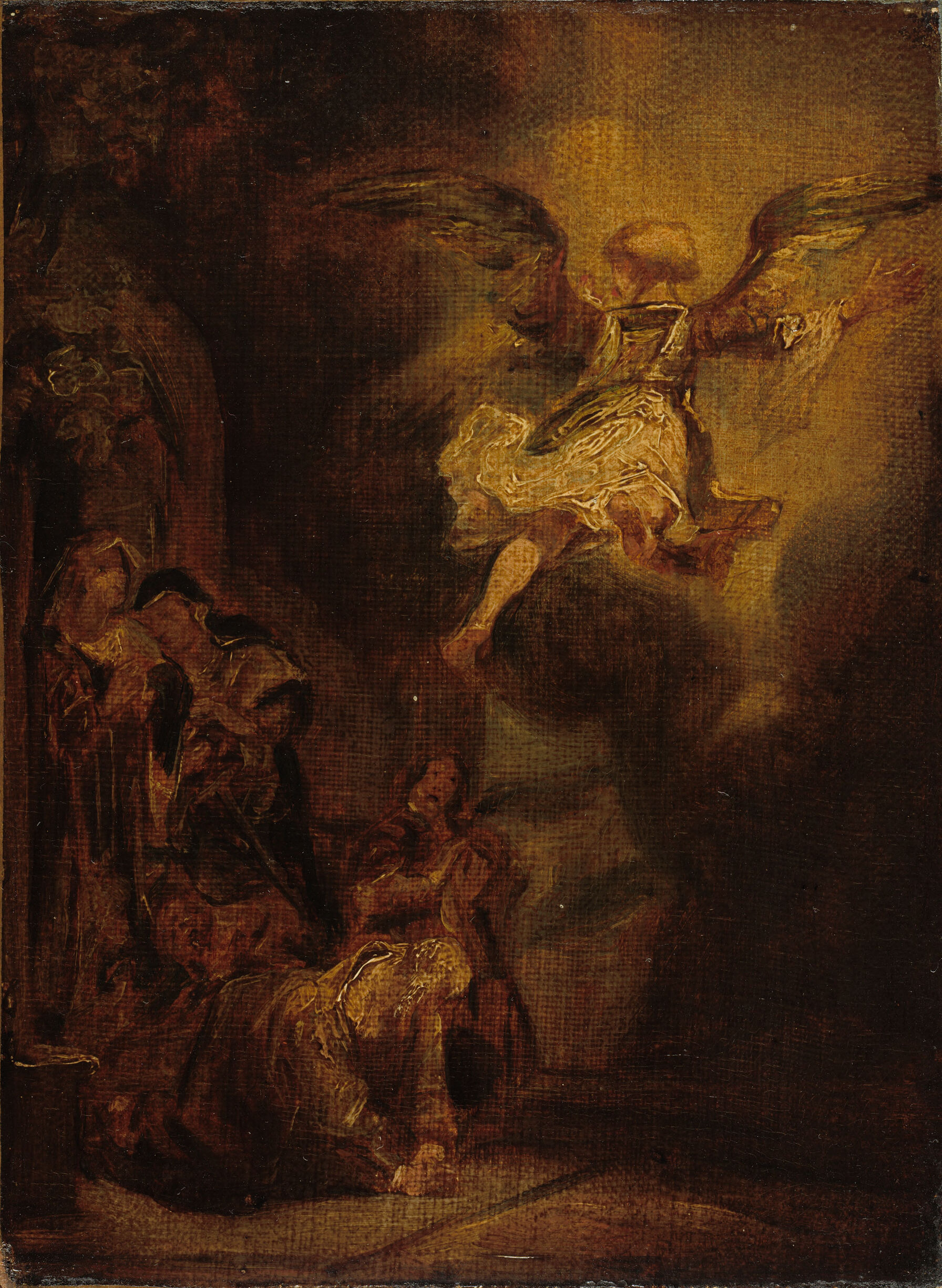
The Angel Leaving Tobias and His Family, after Rembrandt — History & Analysis
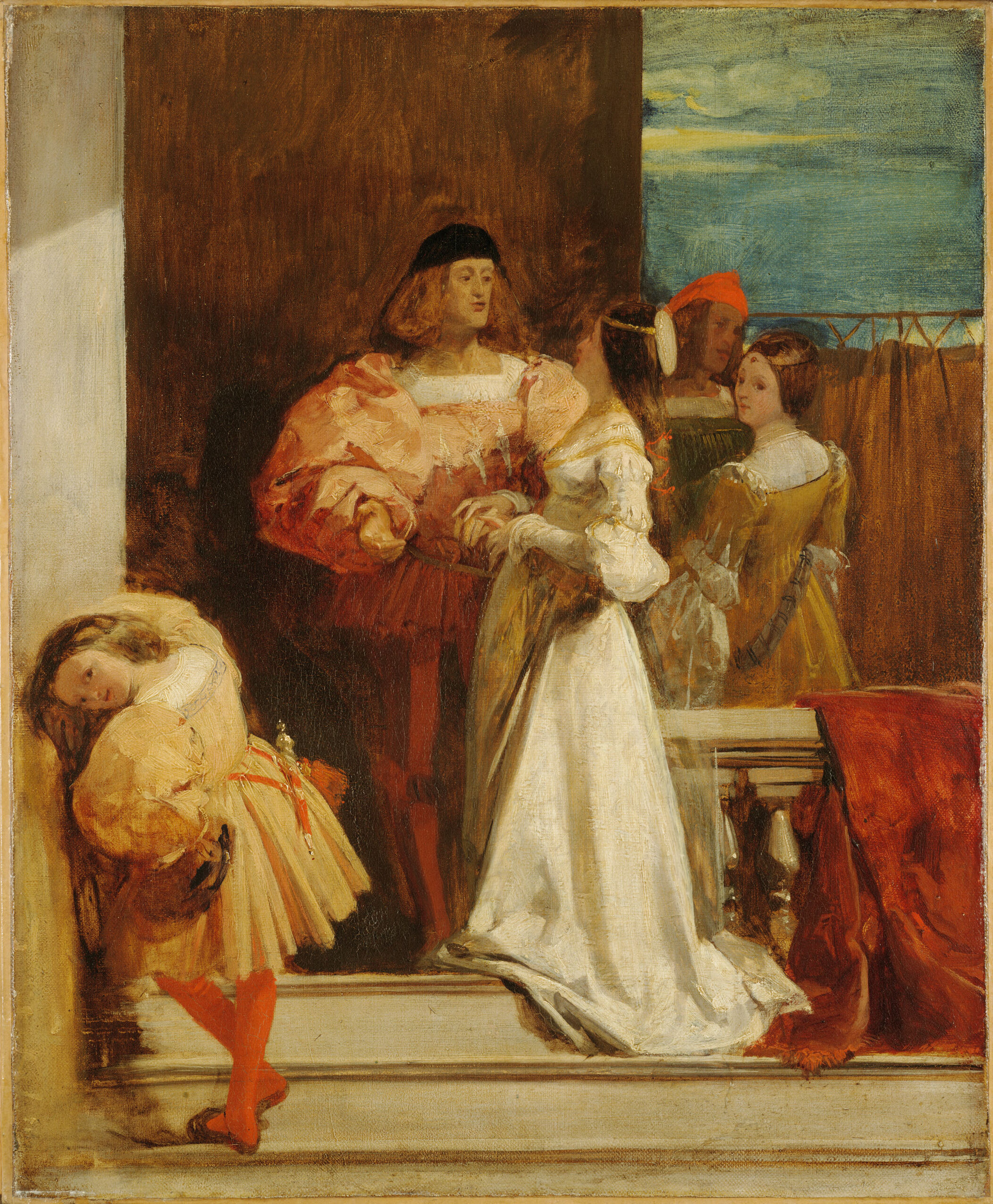
“The canvas doesn’t lie — it simply waits.” In the stillness of this piece, an unseen tension ripples beneath the surface, hinting at the madness that lurks just beyond the edge of clarity. What secrets lie in this moment of departure, when the divine meets the earthly, and the boundaries between the two blur? Start by focusing on the angel beautifully poised on the left side of the canvas, her ethereal wings unfurling with quiet grace. Notice how the soft light cascades down, illuminating her figure and contrasting sharply with the darker tones surrounding Tobias and his family.
The delicate brushwork captures the texture of her garments, evoking a sense of floating, as if she might dissolve into the air at any moment. The muted palette enhances the solemnity of the scene, inviting a contemplation of faith and mystery. Delve deeper into the emotional fabric of the painting — the somber expressions of Tobias's family reveal their vulnerability, caught between hope and despair. The angel's serene gaze offers a promise of guidance, yet there’s a palpable disquiet in the atmosphere, suggesting the fragility of human resolve.
This duality speaks to the madness that can accompany divine intervention; the weight of expectation paired with the fear of the unknown creates a poignant contrast that resonates through the ages. Between 1820 and 1828, Richard Parkes Bonington worked in Paris, influenced by the Romantic movement and the works of his predecessors. During this period, he engaged with themes of emotion and nature, as well as the interplay of light and shadow. The world around him was transitioning toward modernity, yet Bonington remained deeply tethered to the emotional depth of his subjects, continuously exploring the complex relationship between humanity and the divine in his art.