The Appian Way — History & Analysis
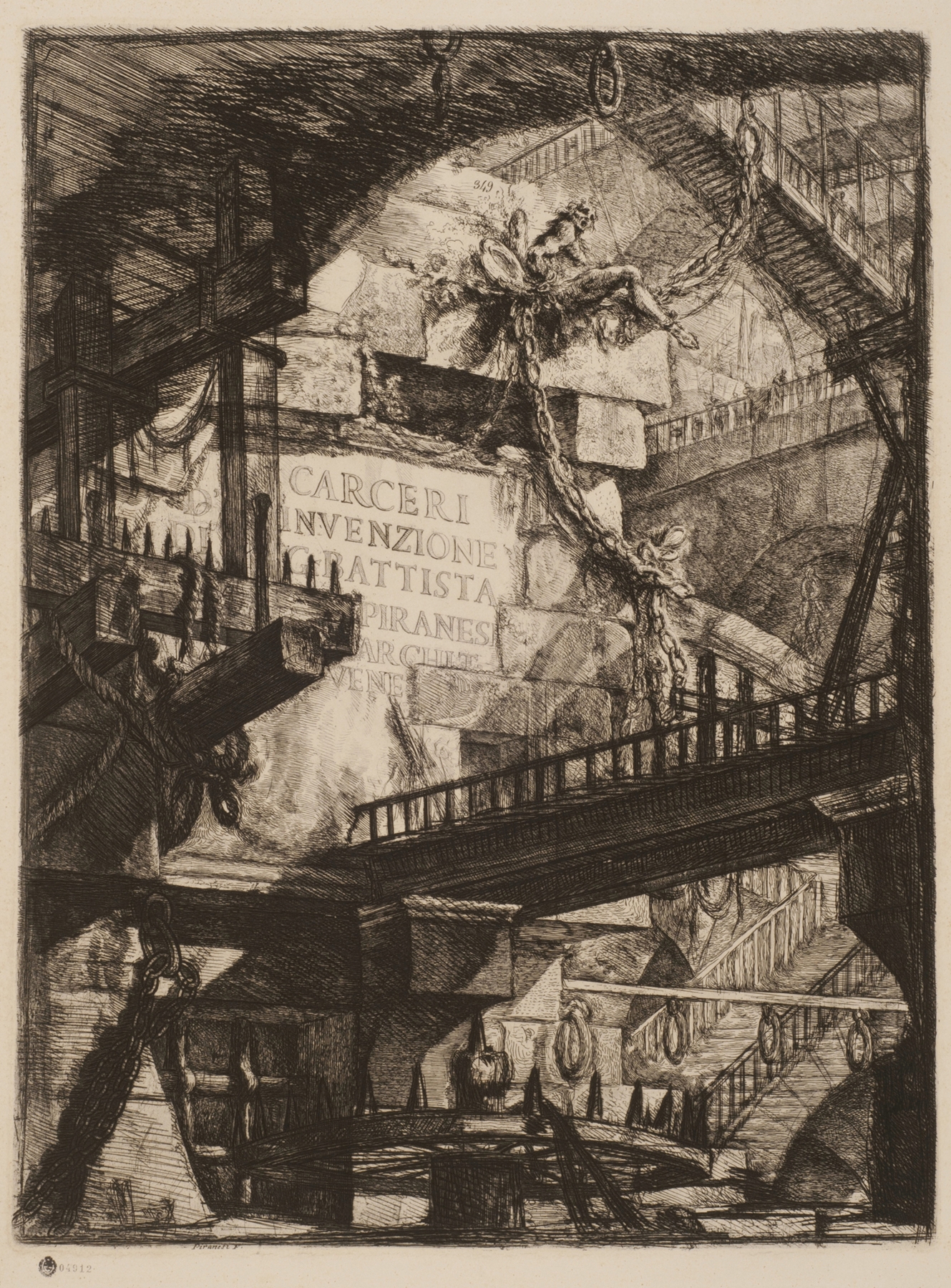
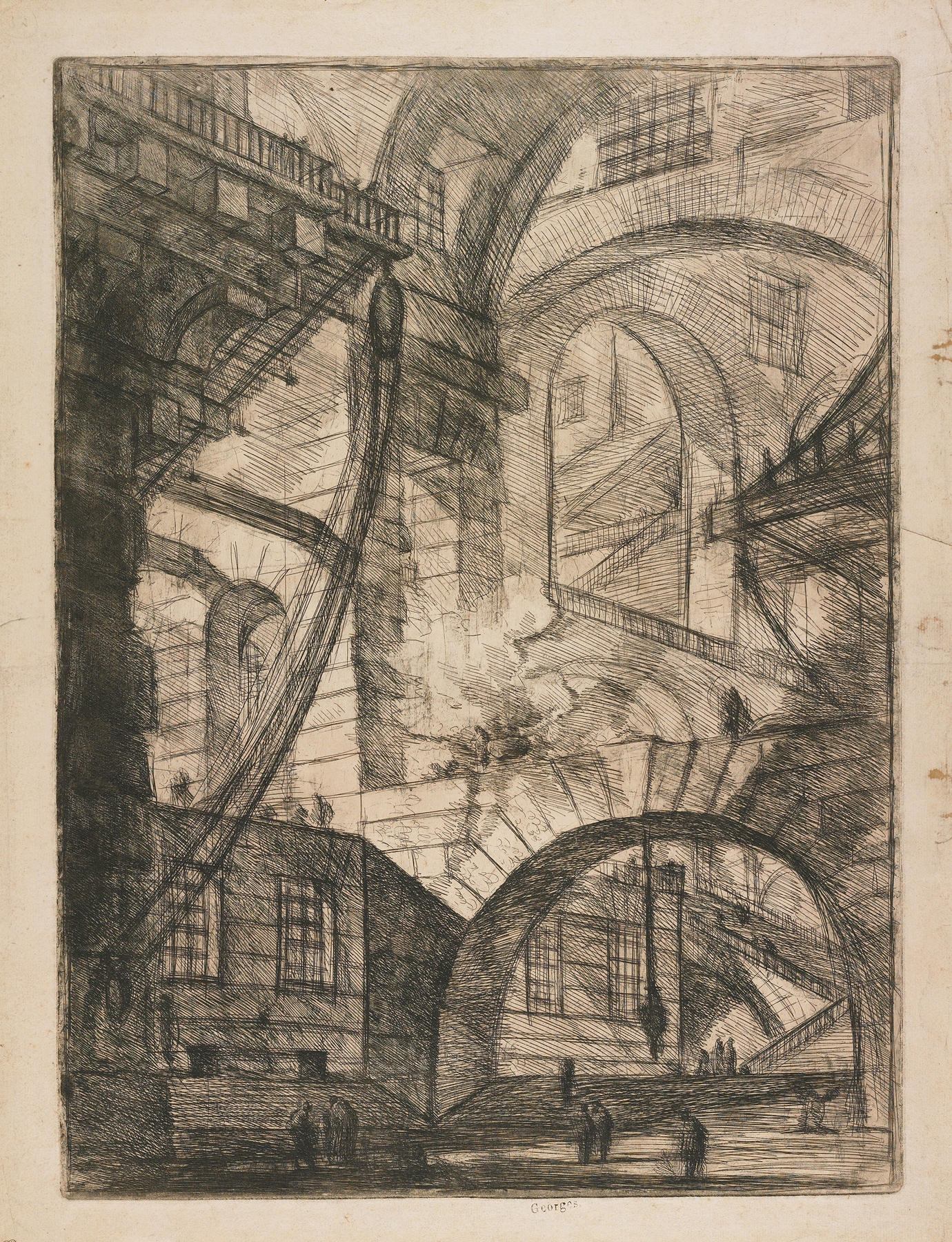
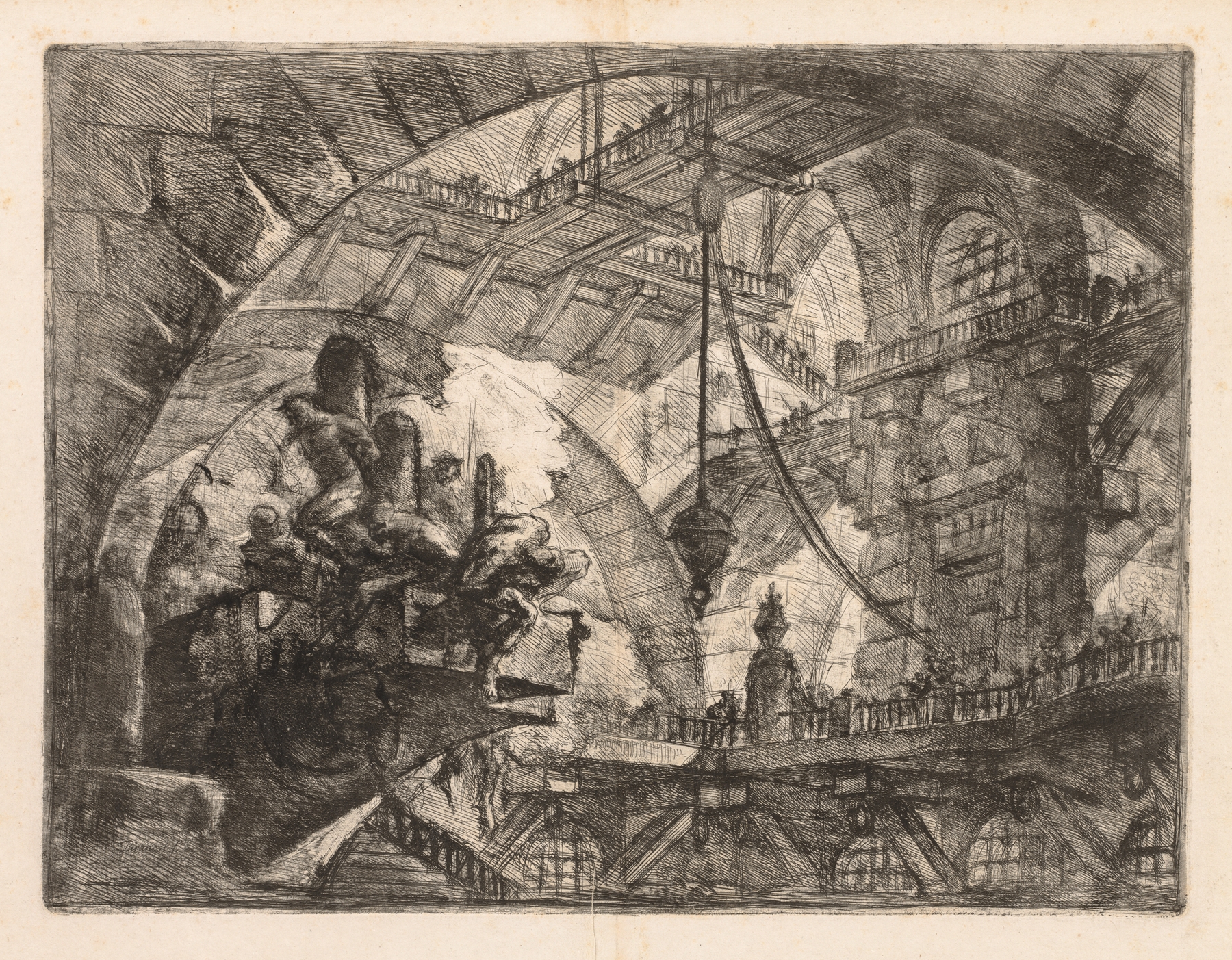
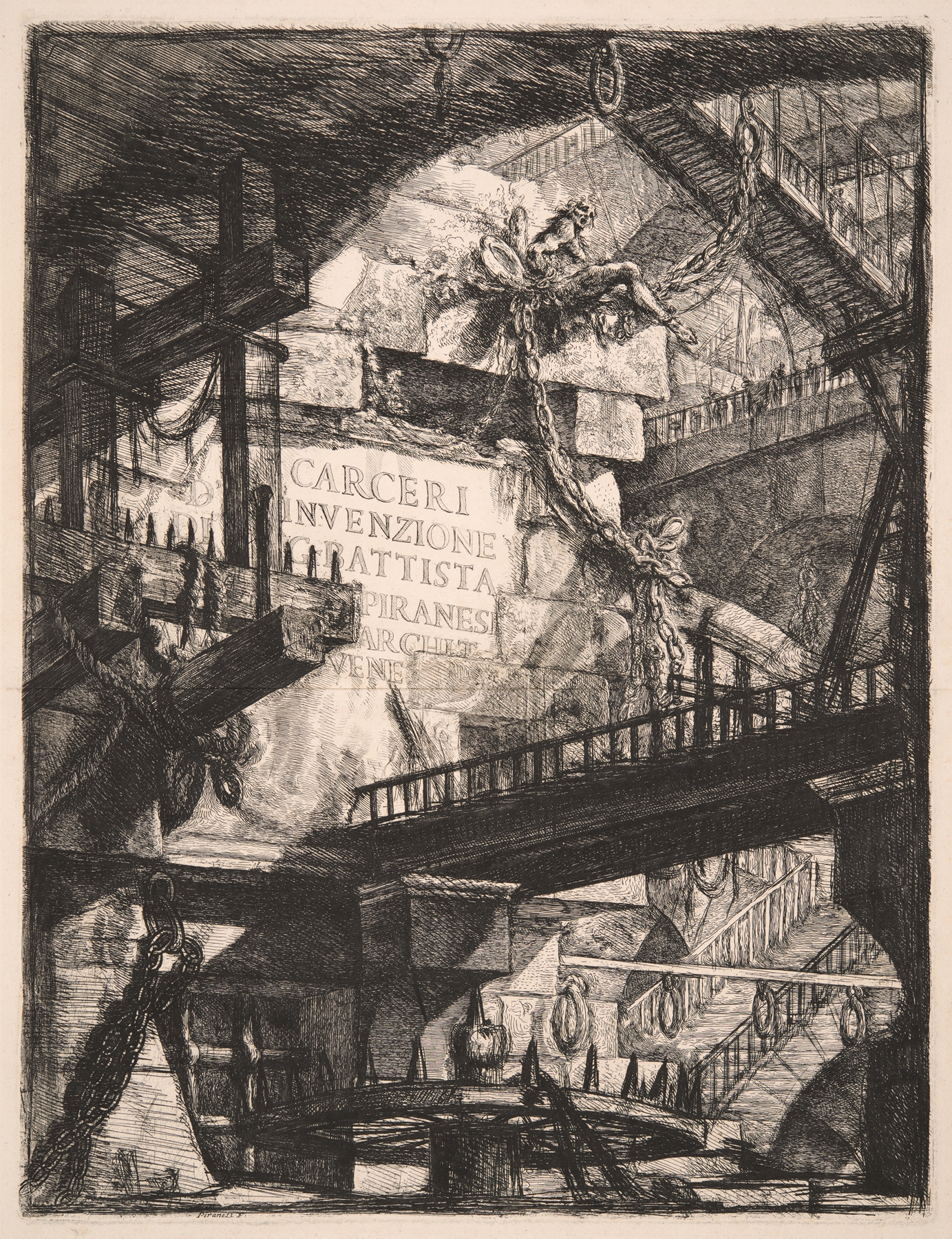
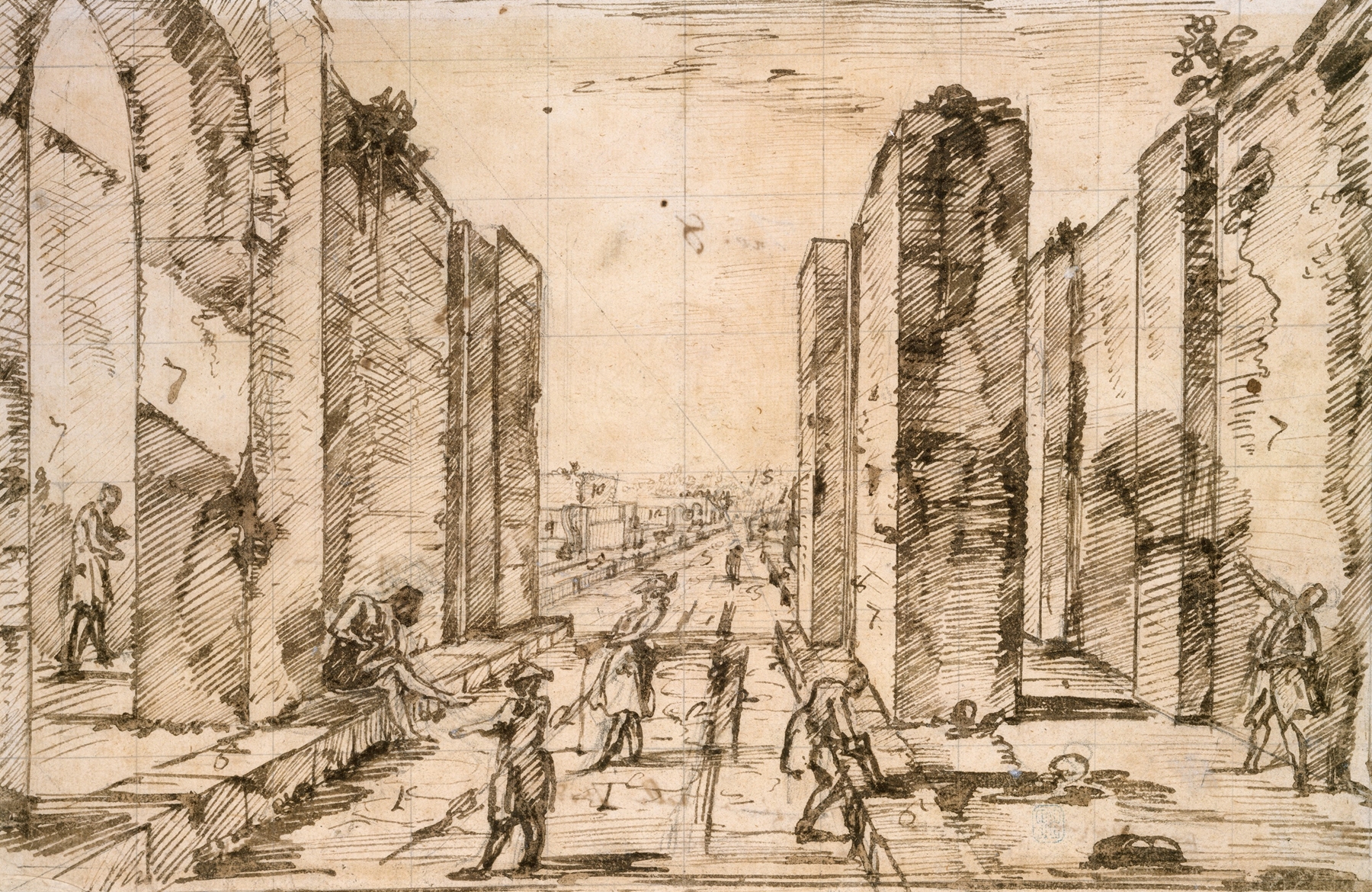
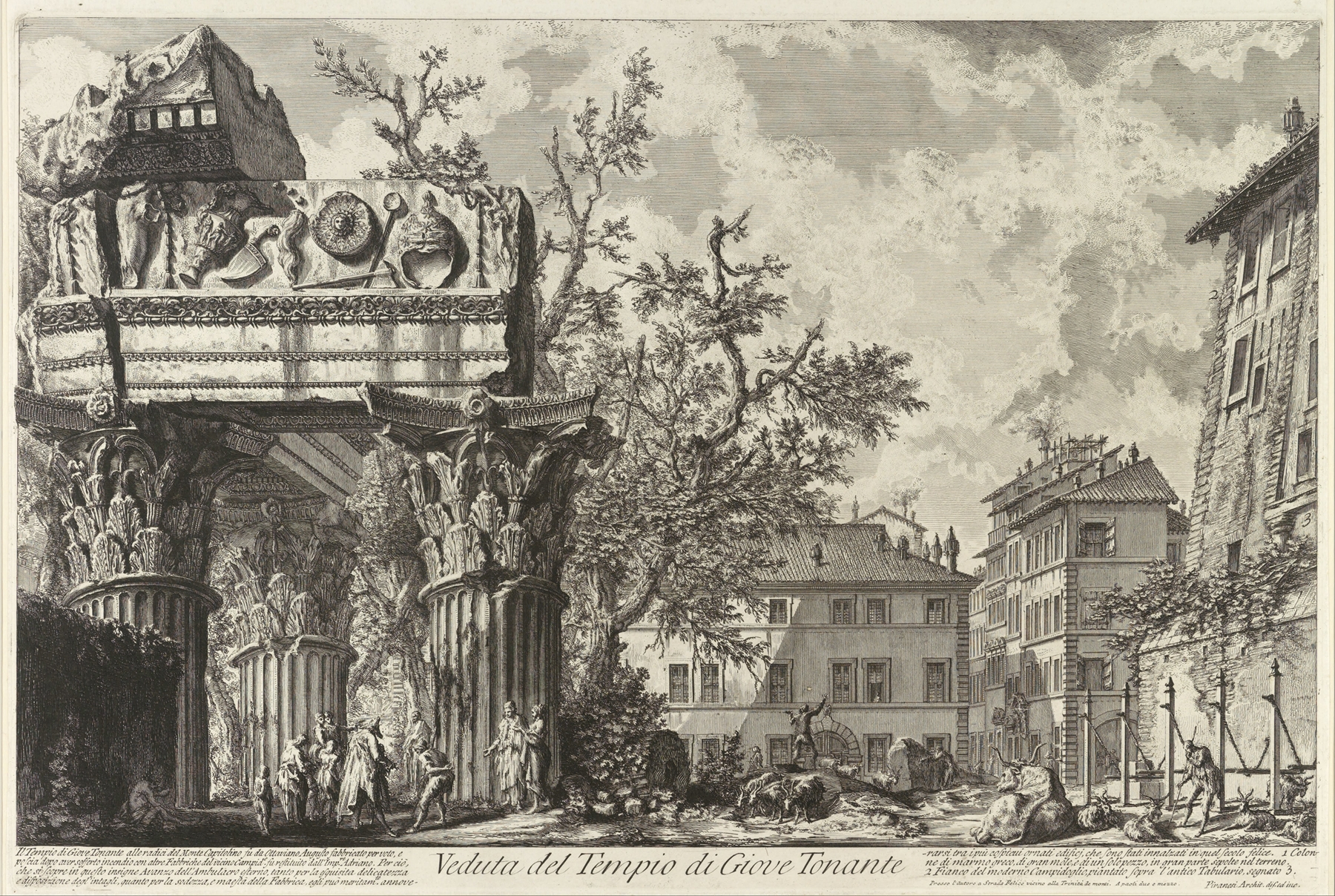
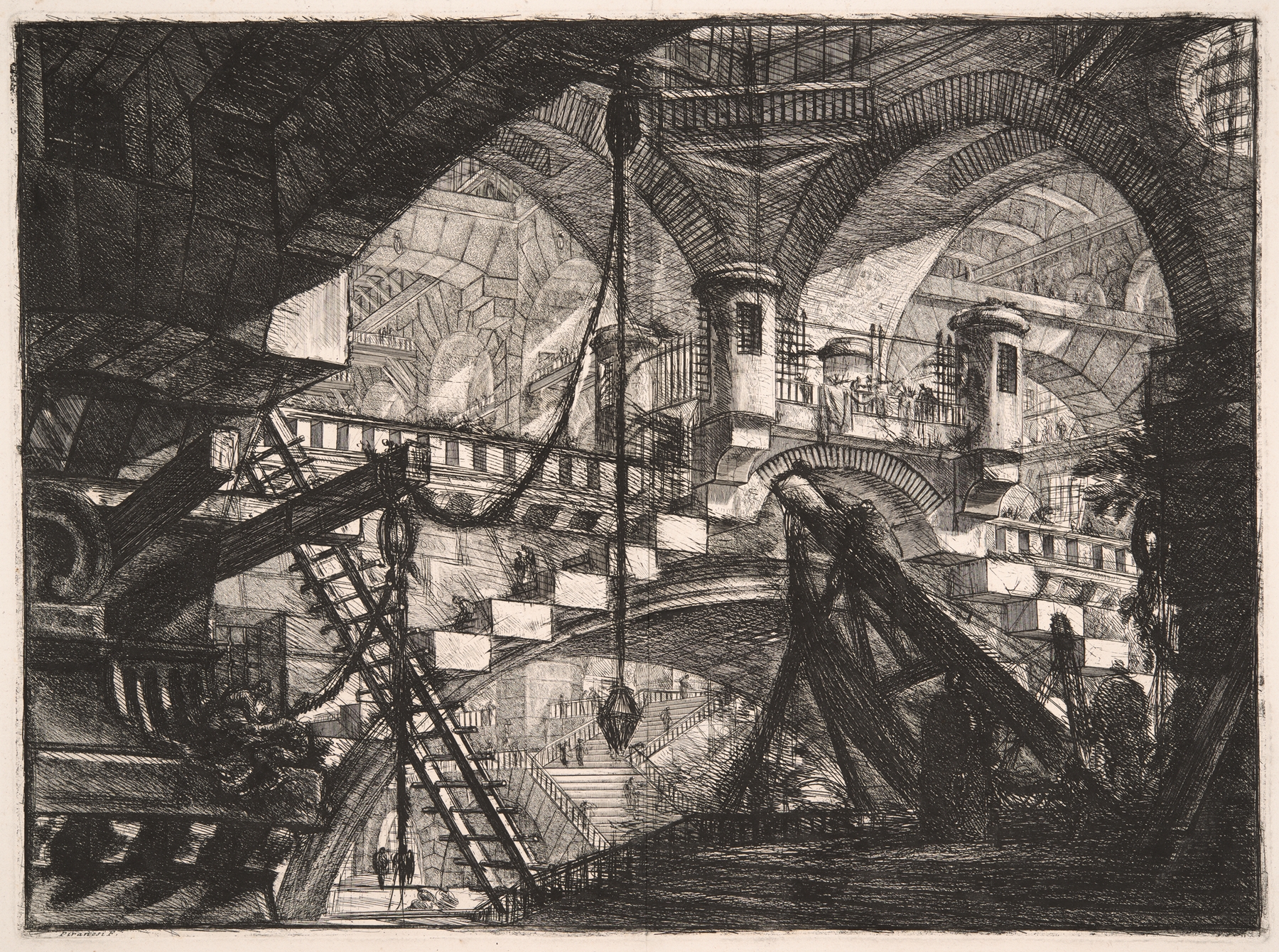
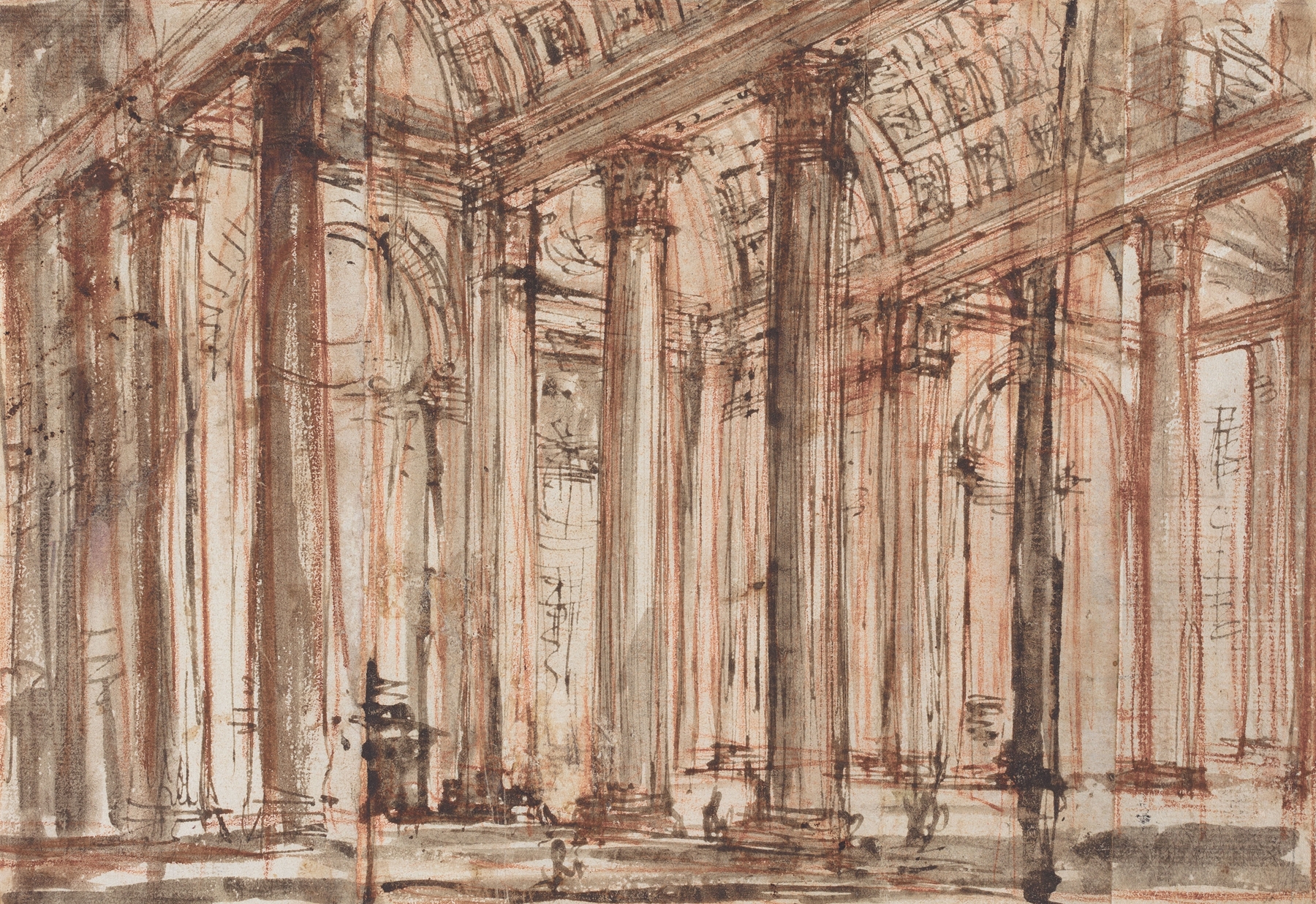
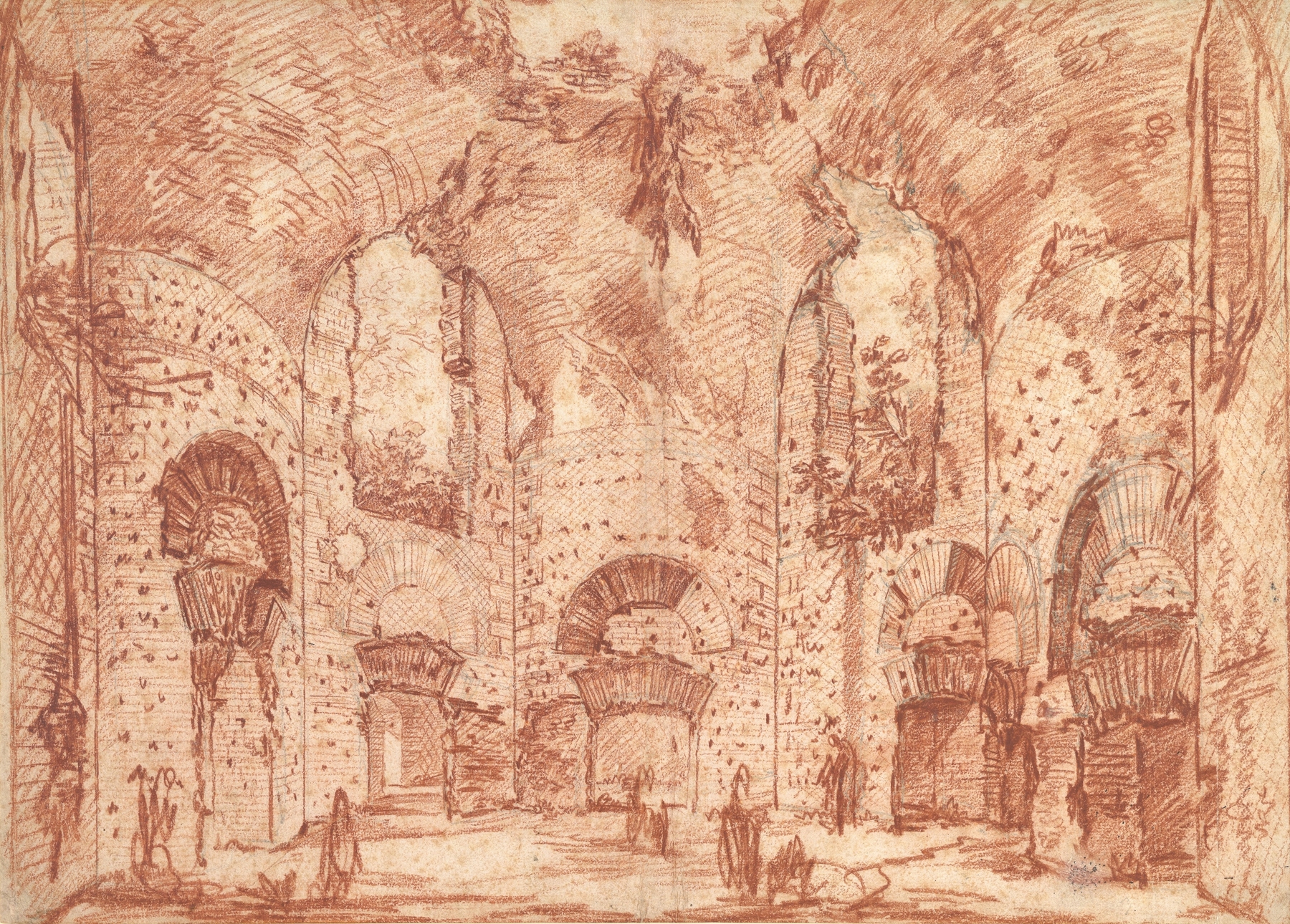
Can paint confess what words never could? In The Appian Way, the fragility of ancient ruins stands in stark contrast to the imposing landscape they inhabit, whispering stories of a bygone era. Look to the foreground where weathered stones lie in disarray, their texture rendered with painstaking precision. The artist's meticulous use of chiaroscuro brings depth, emphasizing the way sunlight bathes certain areas while leaving others shrouded in shadow.
Notice how the winding road draws the viewer’s eye, guiding us along the forgotten path that once echoed with the life of Roman legions and merchants. As you absorb the scene, consider the juxtaposition of strength and decay. The magnificent arches, though crumbling, still hint at grandeur, embodying the tension between the permanence of nature and the transience of human achievement. Piranesi's choice of monochromatic tones enhances the melancholic atmosphere, provoking reflections on time, memory, and the inevitable passage of history.
Each crack and crevice is a testament to fragility, inviting contemplation on the remnants of our own legacies. Created during a period of profound exploration in the mid-18th century, this work reflects Piranesi's fascination with architecture and antiquity. Living in Rome at the time, he was deeply engaged with the city’s historical narratives, drawing inspiration from its majestic ruins while experiencing the burgeoning neoclassical movement. This moment in art history underscores a yearning for the past and a reverence for the remnants that define our cultural identity.