The Arch of Titus and the Temple of Venus and Rome near the Roman Forum — History & Analysis
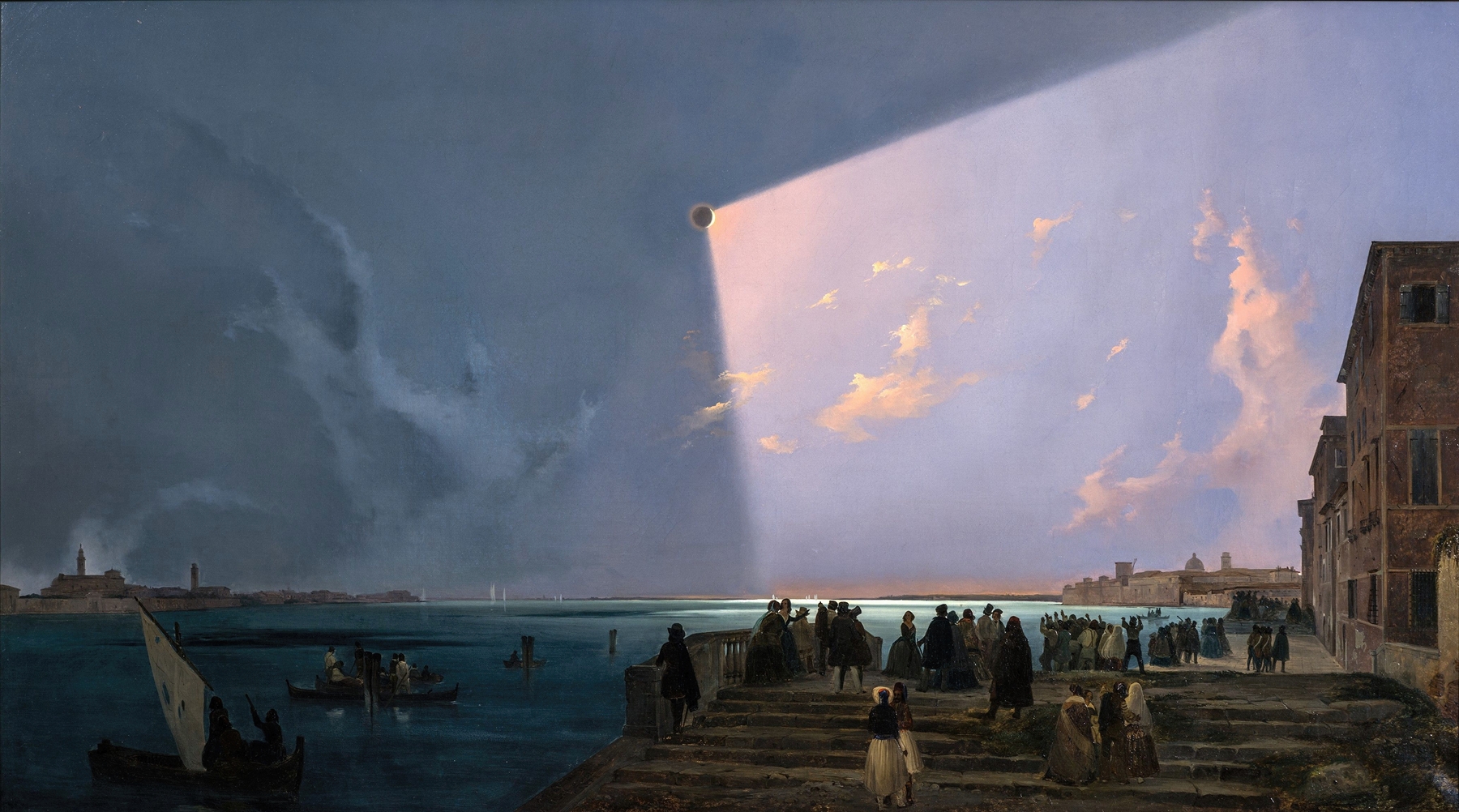
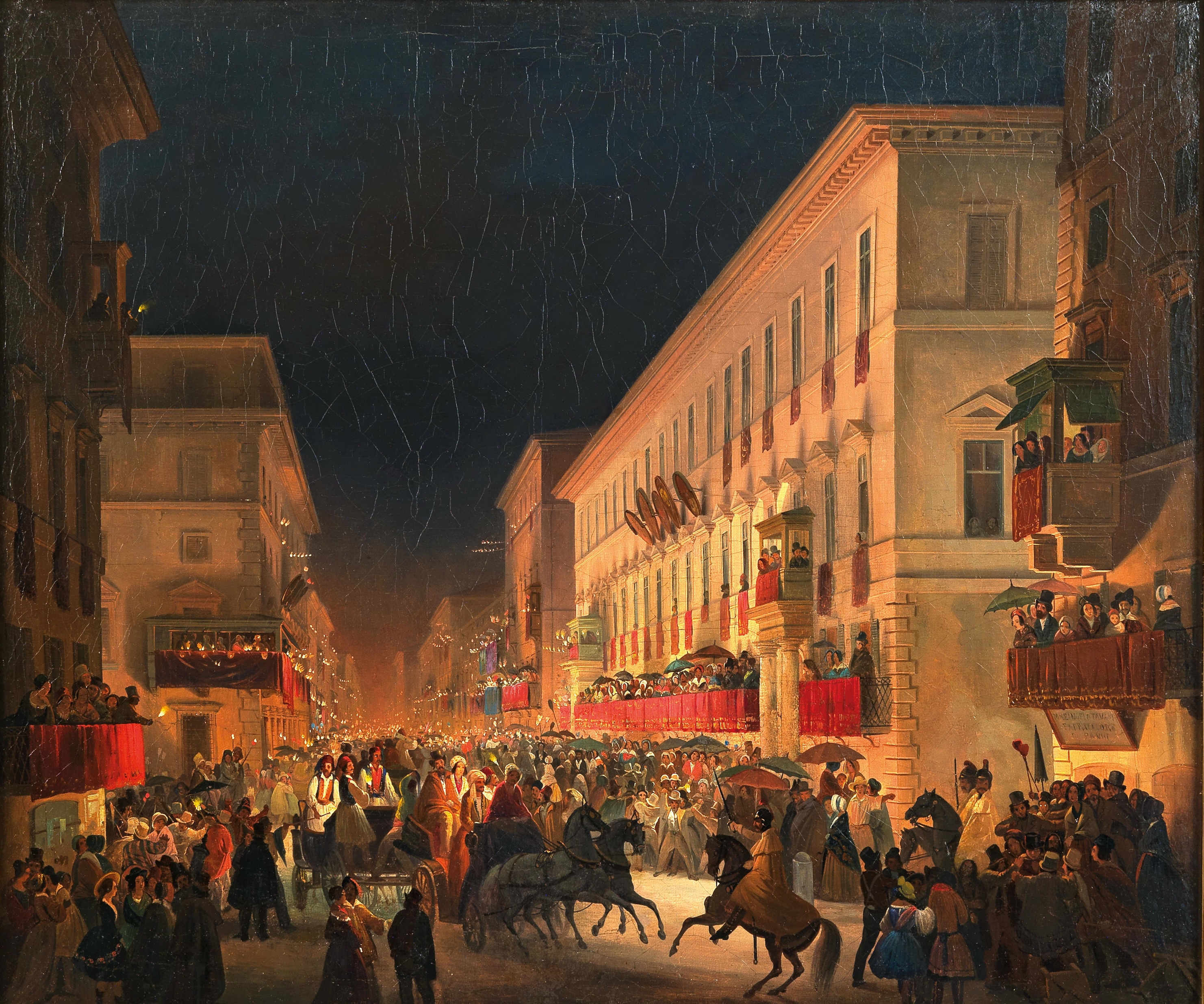
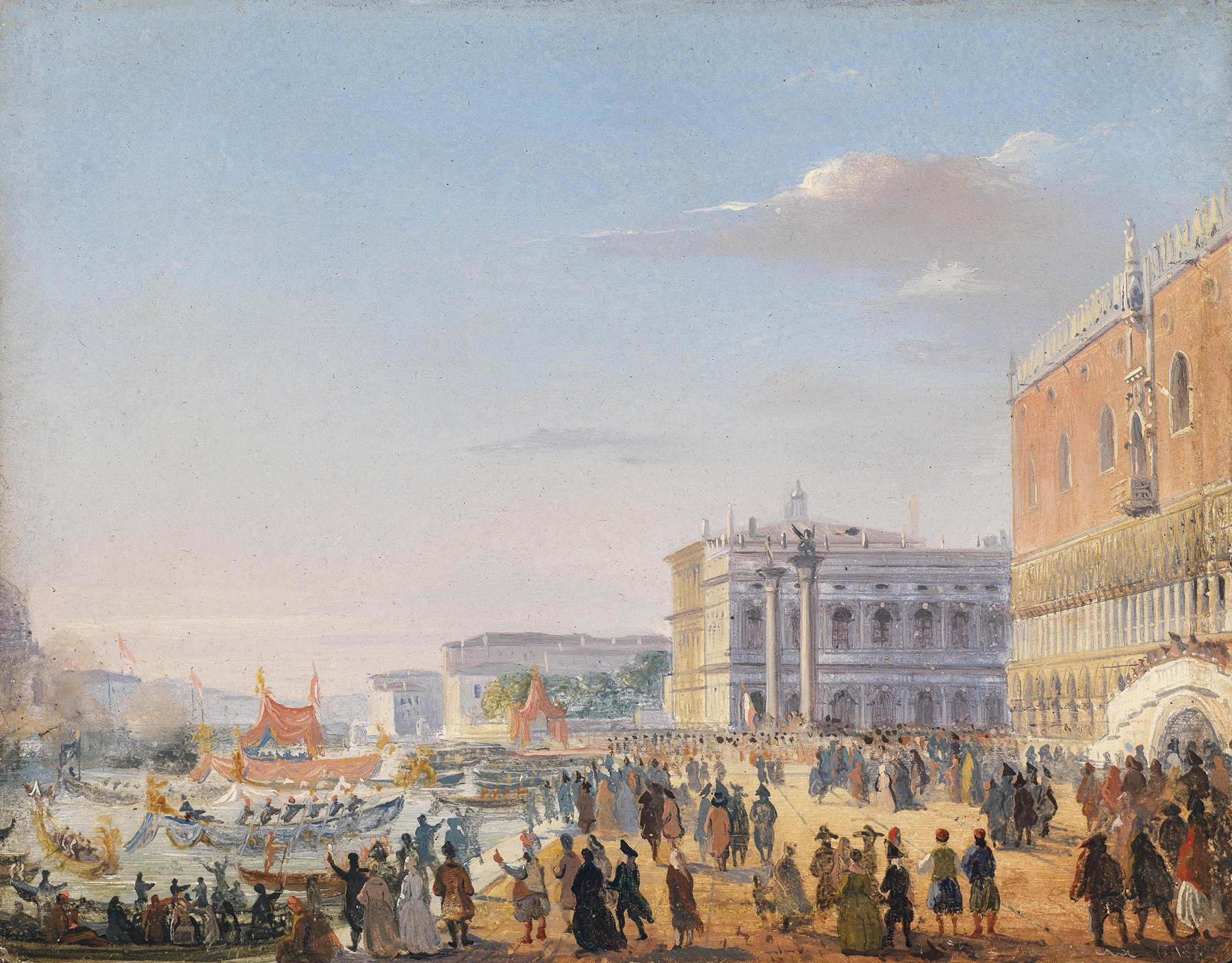
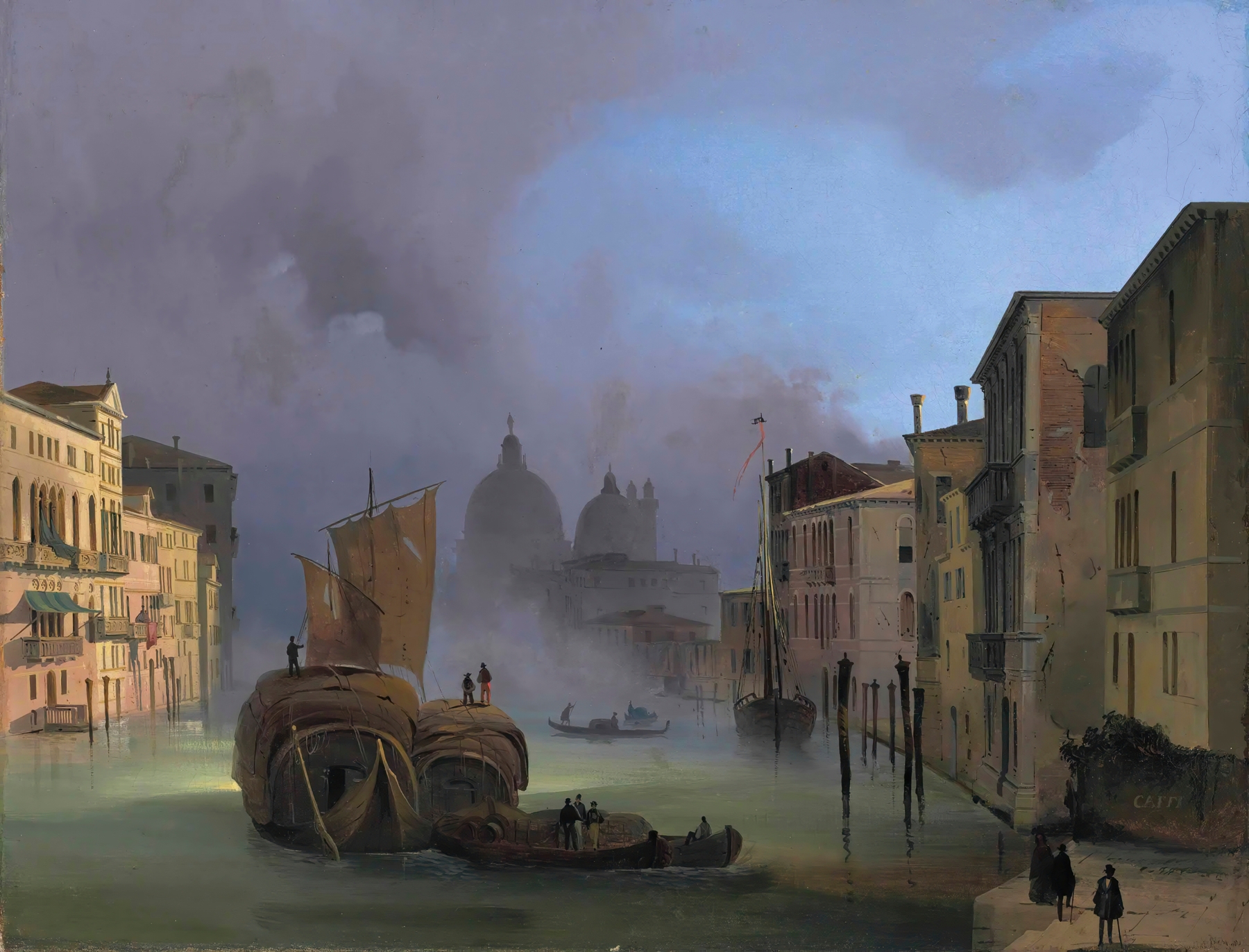
“Under the brush, chaos becomes grace.” The fleeting nature of existence is artfully captured in the interplay of light and shadow, revealing how mortality and beauty coexist in the echoes of time. Focus on the archway as it rises majestically to the sky, a testament to ancient grandeur. The stone's weathered texture tells stories of centuries past, while the soft blush of twilight casts a gentle glow over the temple.
Notice how Caffi employs subtle gradients of color that lead the eye from the vibrant hues of the sky down to the richly detailed architectural elements, inviting contemplation of both the physical and metaphysical. In the fine details, we find poignant reminders of impermanence. The crumbling edges of the arch hint at time's inevitable decay, juxtaposed with the enduring elegance of the temple – a sanctuary that symbolizes humanity’s quest for the divine amidst the temporal.
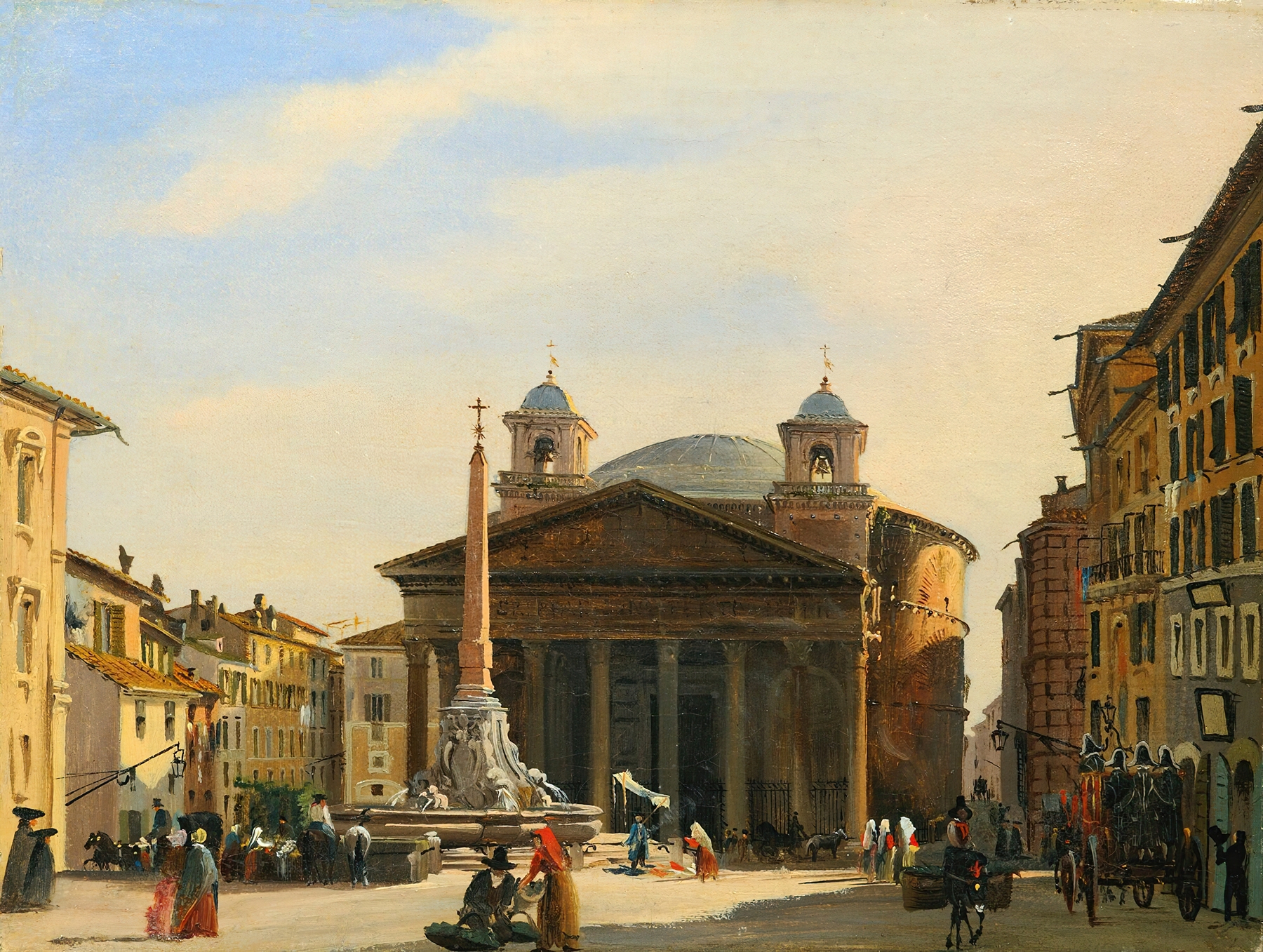
The figures in the foreground, perhaps pilgrims or onlookers, embody the tension between reverence for history and the reality of their mortal journey, suggesting that every moment is a fleeting brushstroke in the vast canvas of life. Ippolito Caffi painted this scene during a period of rich artistic exploration in the 19th century, likely in Italy while grappling with the rise of Romanticism. His work reflects a fascination with the ruins of the past, capturing both the grandeur of Roman architecture and the melancholic beauty found in decay, mirroring the broader cultural movements of a society in transition.