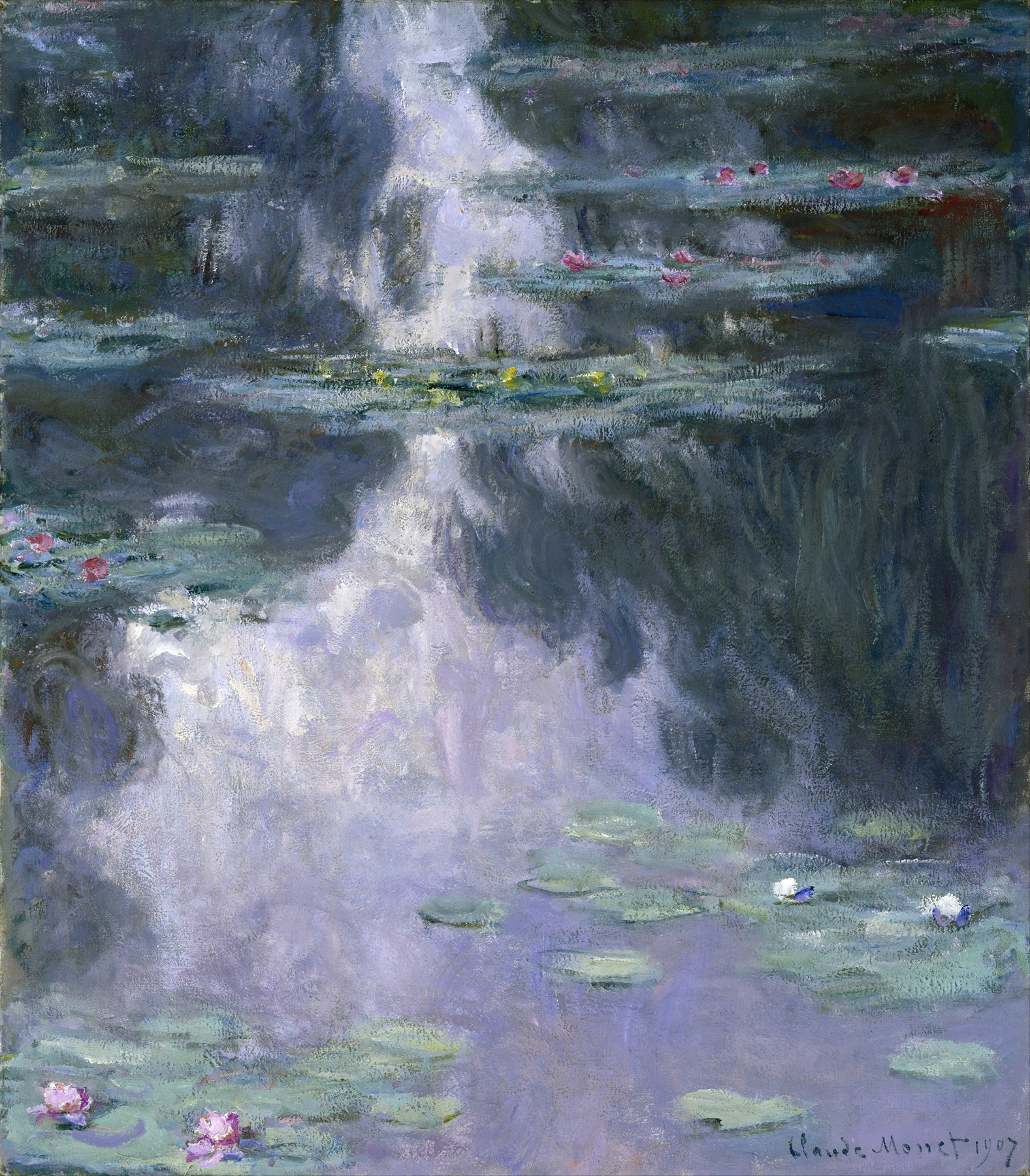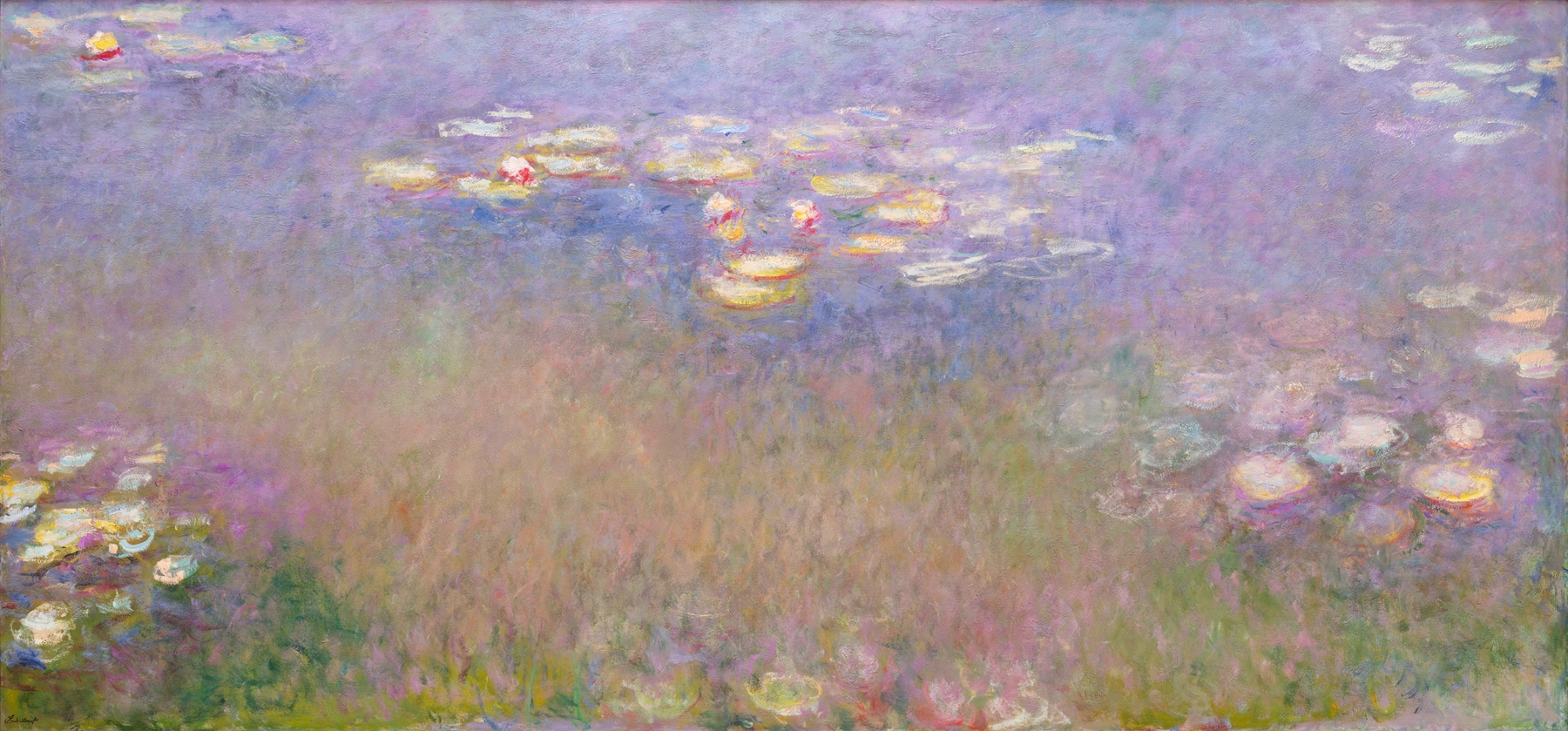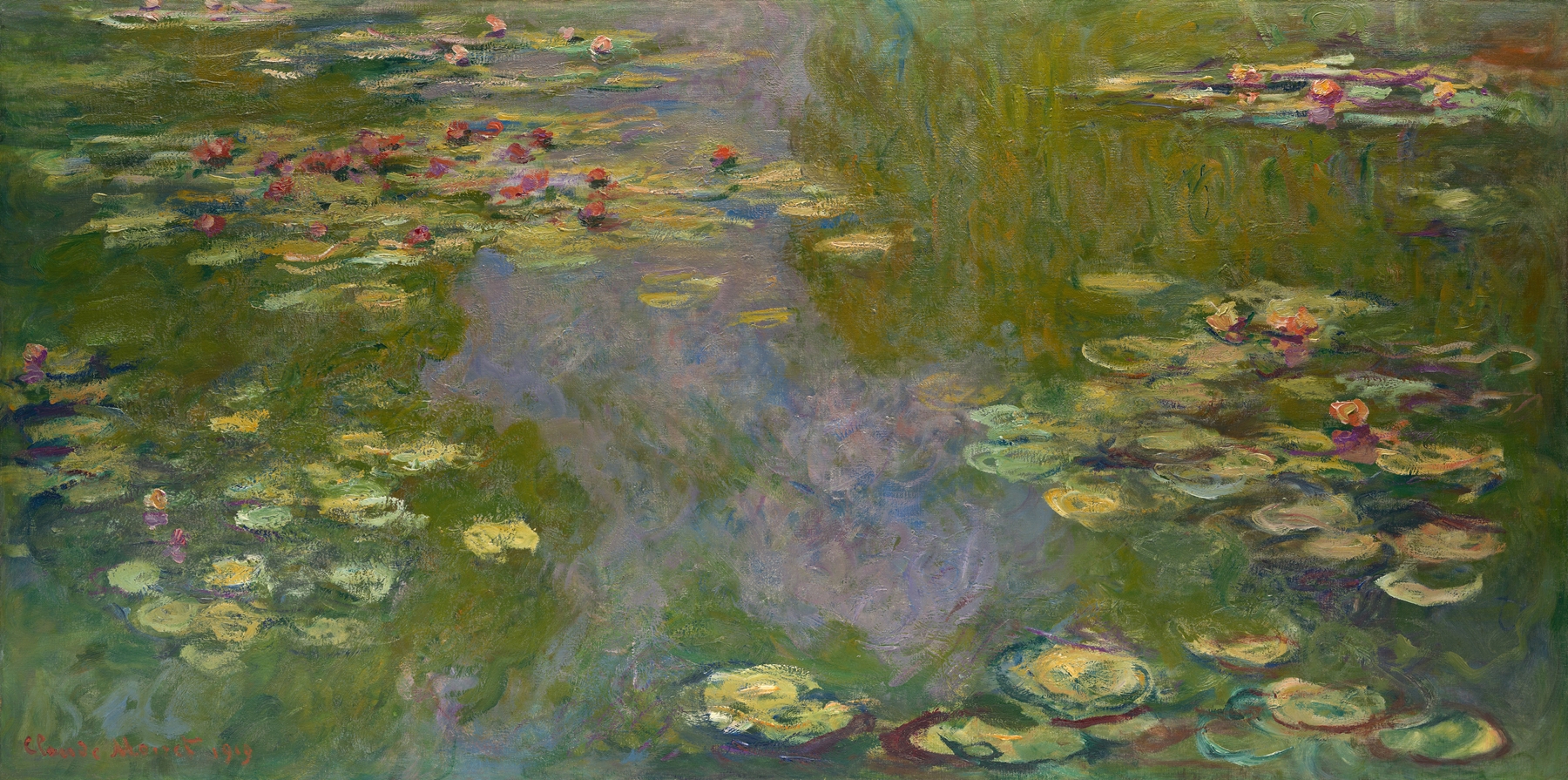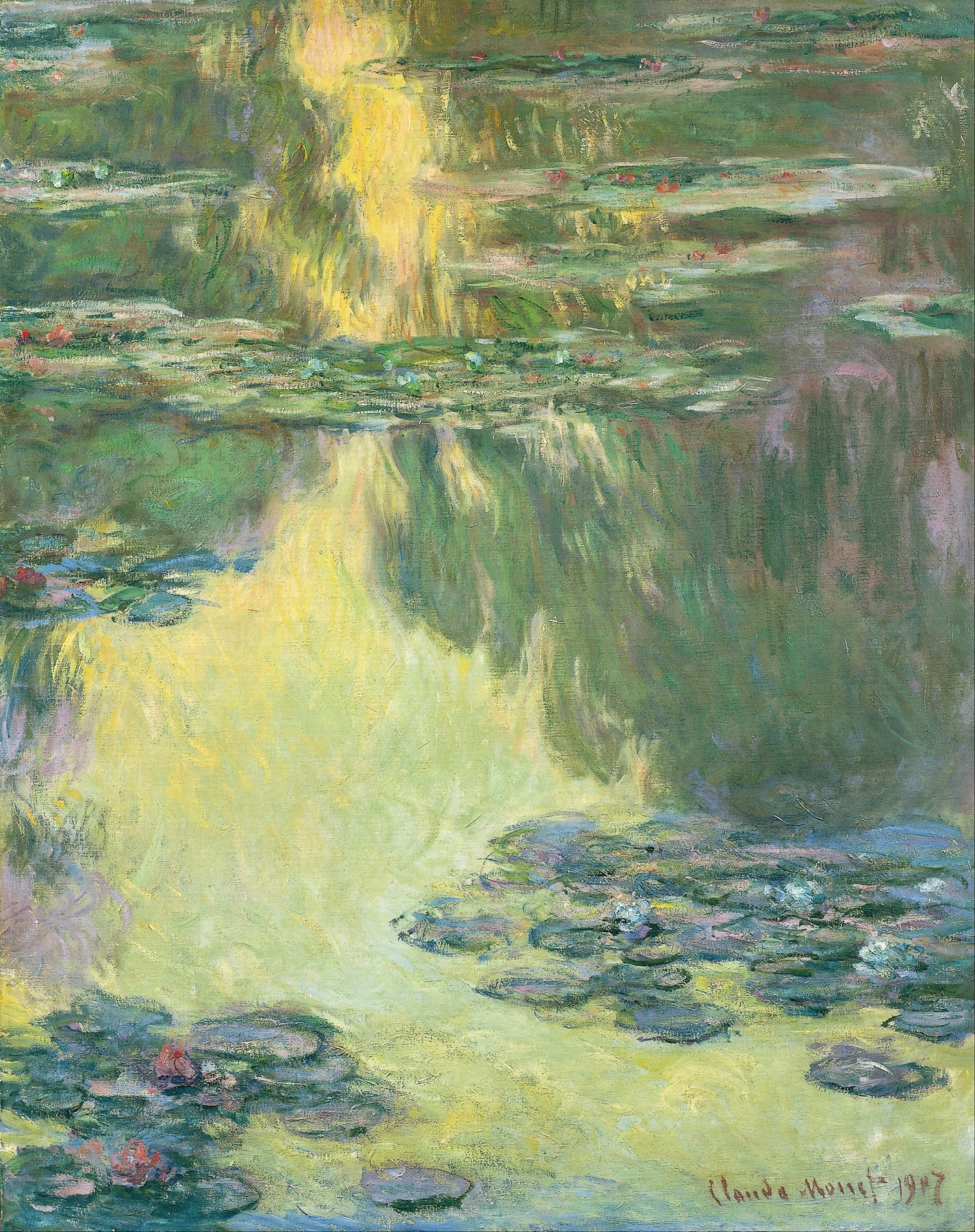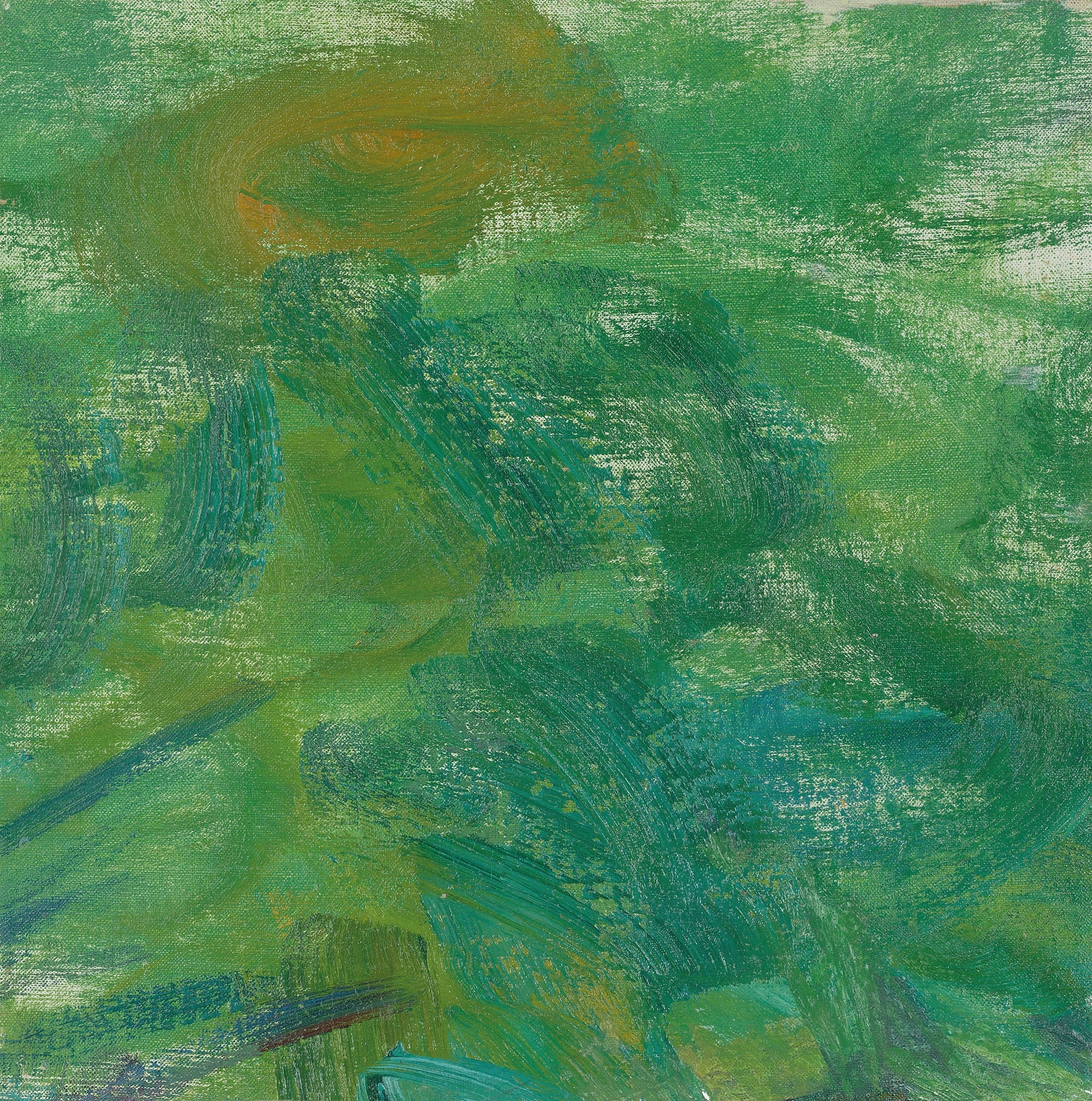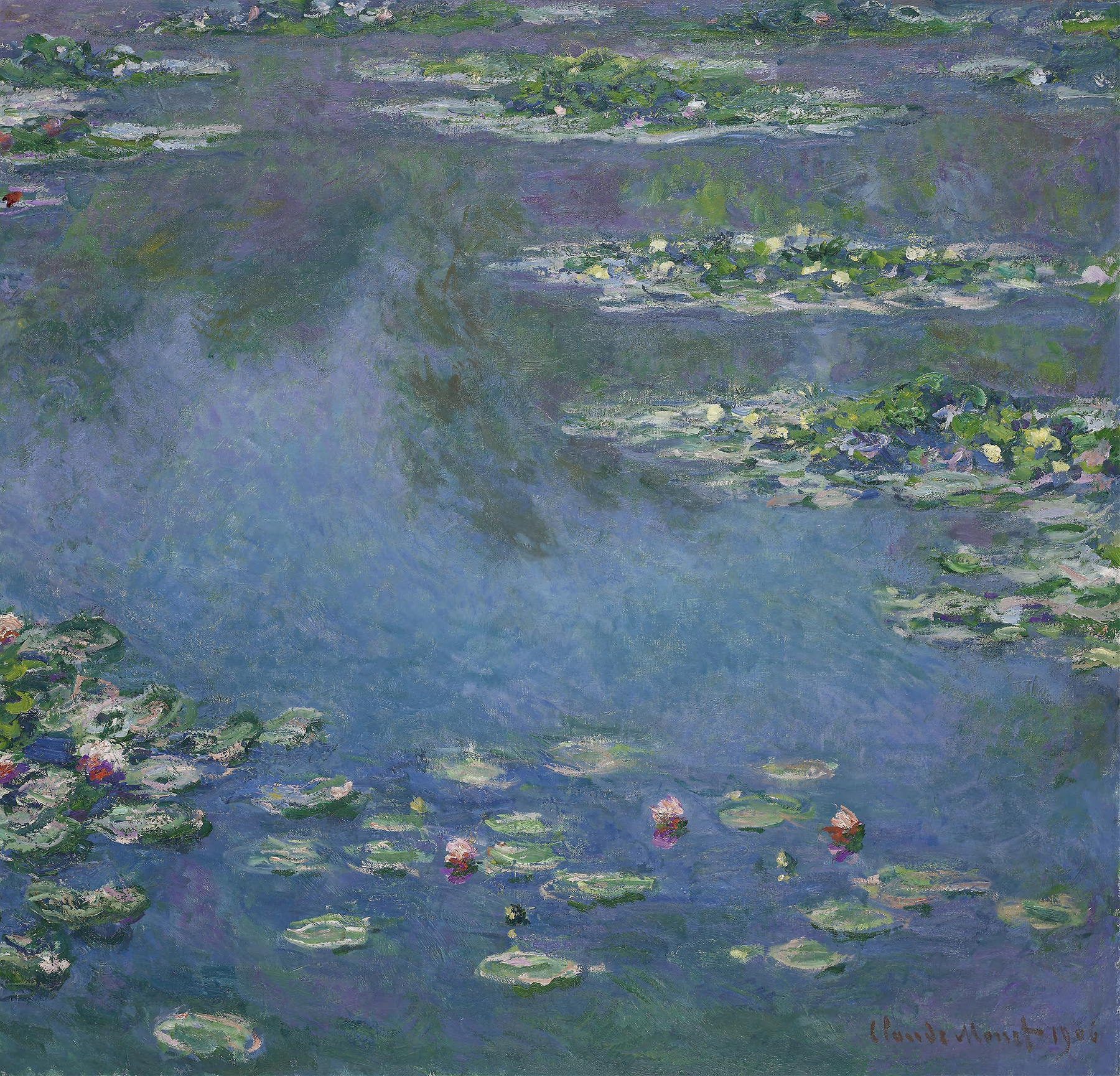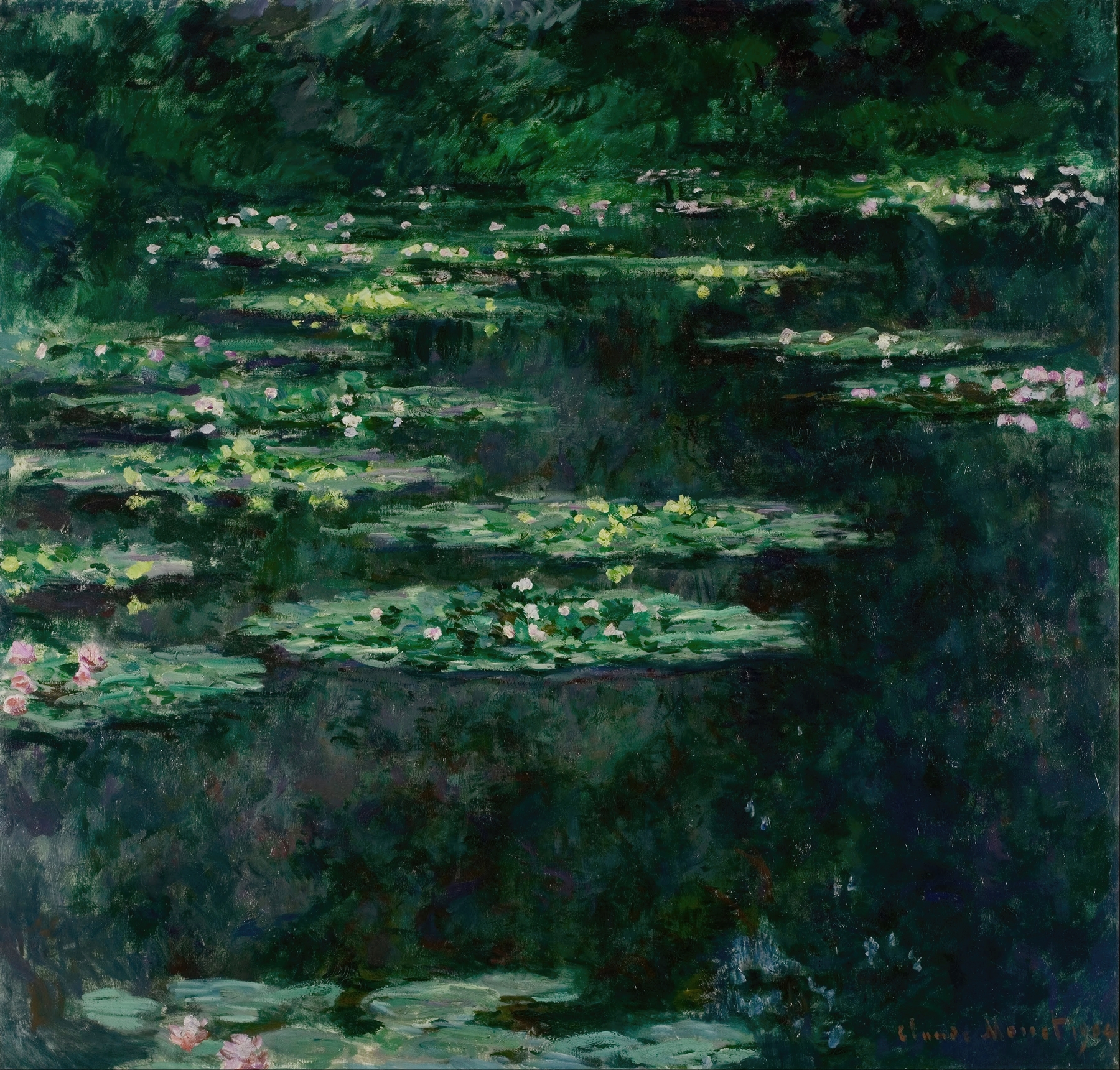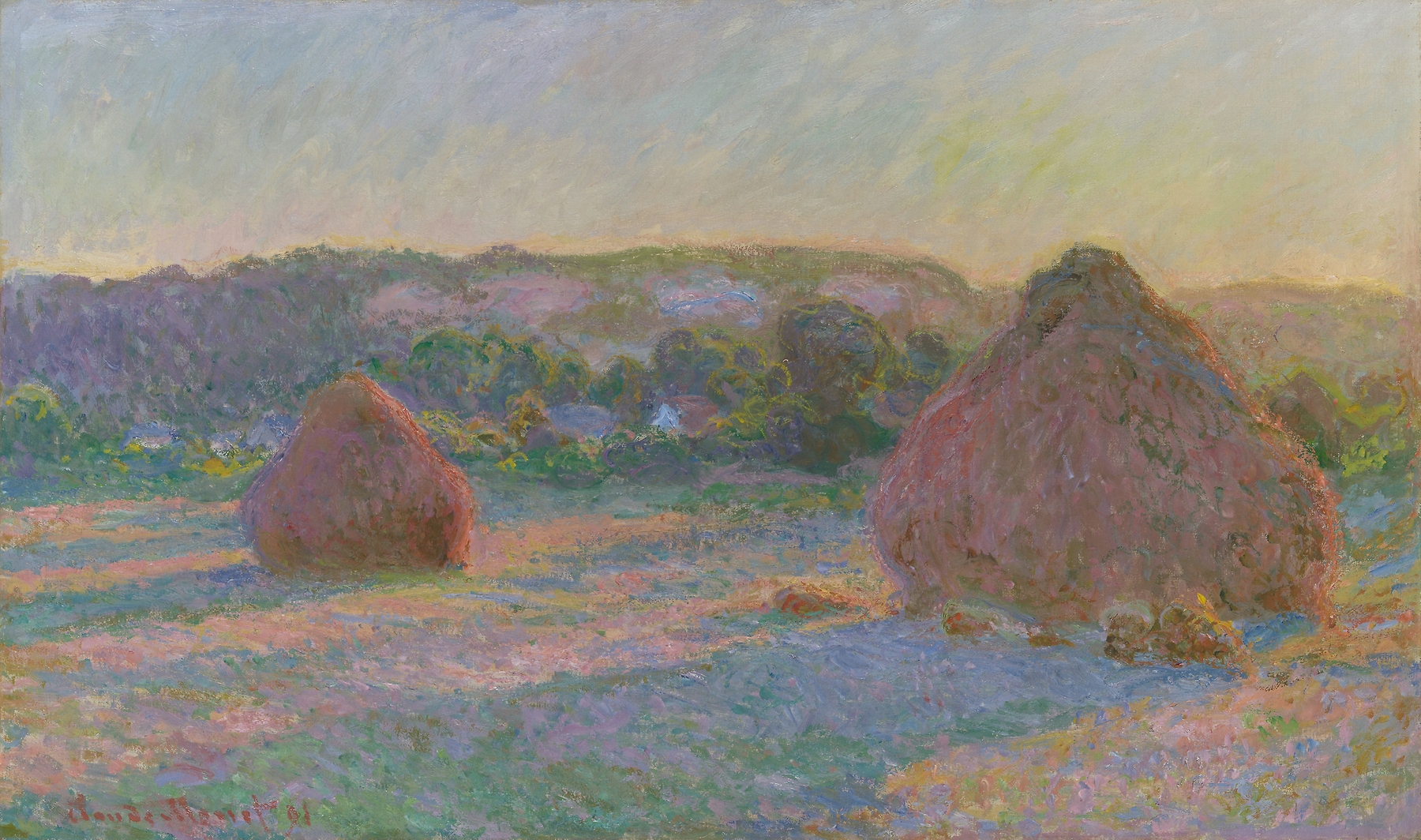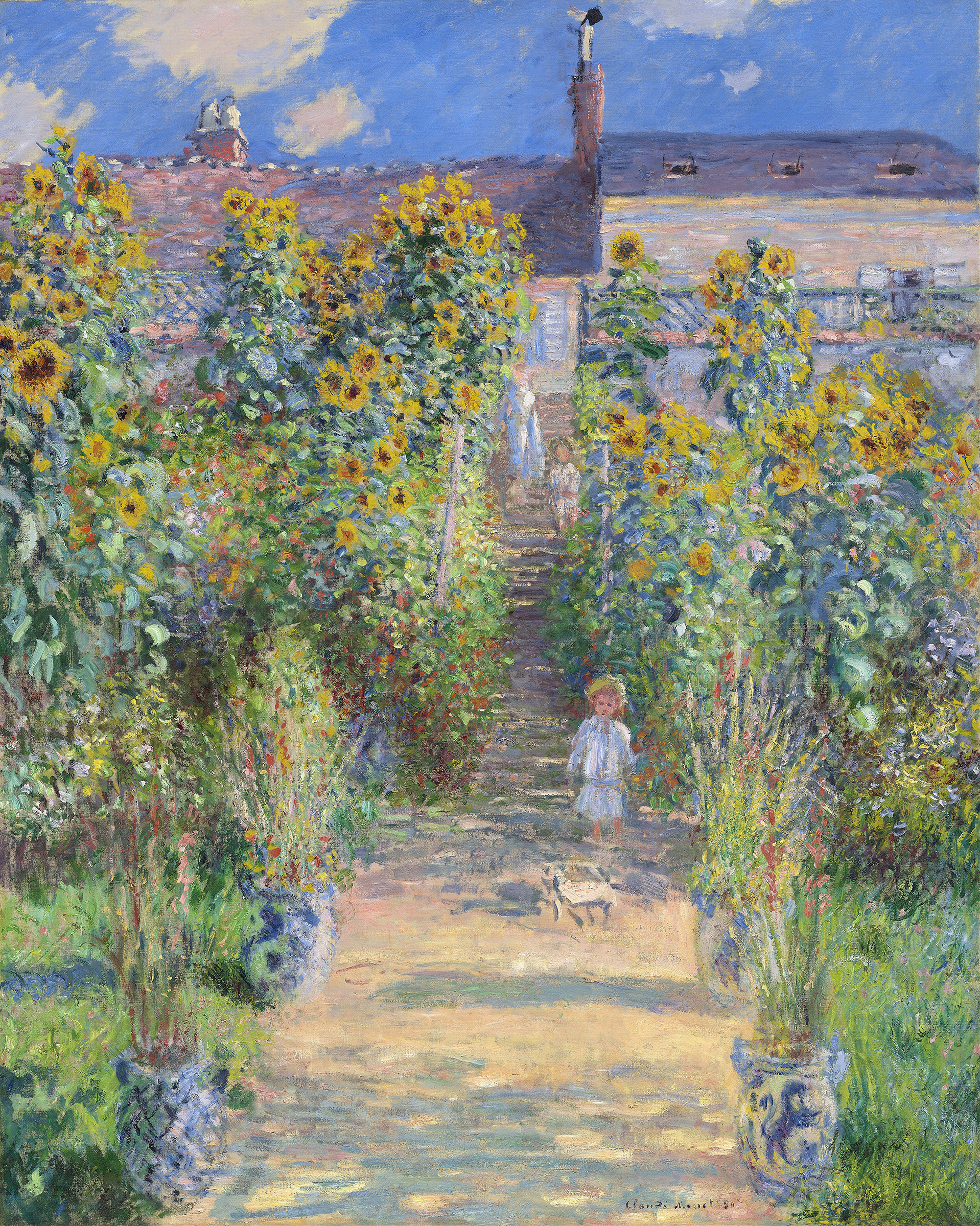
Sunlight filters through the shimmering leaves, casting dappled patterns on the vibrant flowers below. In the heart of the garden, strokes of color explode like laughter in the air, with blossoms reaching up to greet the warm embrace of summer. A gentle breeze carries the sweet perfume of blooming petals, while the soft rustle of foliage whispers secrets to the artist, lost in the ecstasy of creation. Look to the right at the burst of crimson and gold; Monet expertly layers paint to evoke the texture of the petals, almost as if they could sway with the wind. The composition draws your eye toward the garden path, inviting you to stroll through a riot of colors framed by lush green foliage. Notice how the sunlight dances across each flower, illuminating the scene while creating a harmony between light and shadow that breathes life into the canvas. Hidden within this joyful display lies a tension between nature's serenity and the artist's urgent brushwork. The rapid strokes suggest a fleeting moment, capturing the ephemeral beauty of the garden. Each color choice reflects his inner landscape—passion intertwined with a longing for capturing fleeting impressions, a quintessential theme in Impressionism where the world is in constant flux and beauty is ephemeral. In 1881, Monet was entrenched in his own garden at Vétheuil, surrounded by a changing world that was both modern and chaotic. He sought refuge in nature, painting with a fervor that mirrored his emotional state. This work encapsulates his artistic evolution during this period, marked by experimentation with light and color, as he navigated both personal struggles and the broader Impressionist movement, which was gaining recognition across Europe.