The Beach at Trouville — History & Analysis
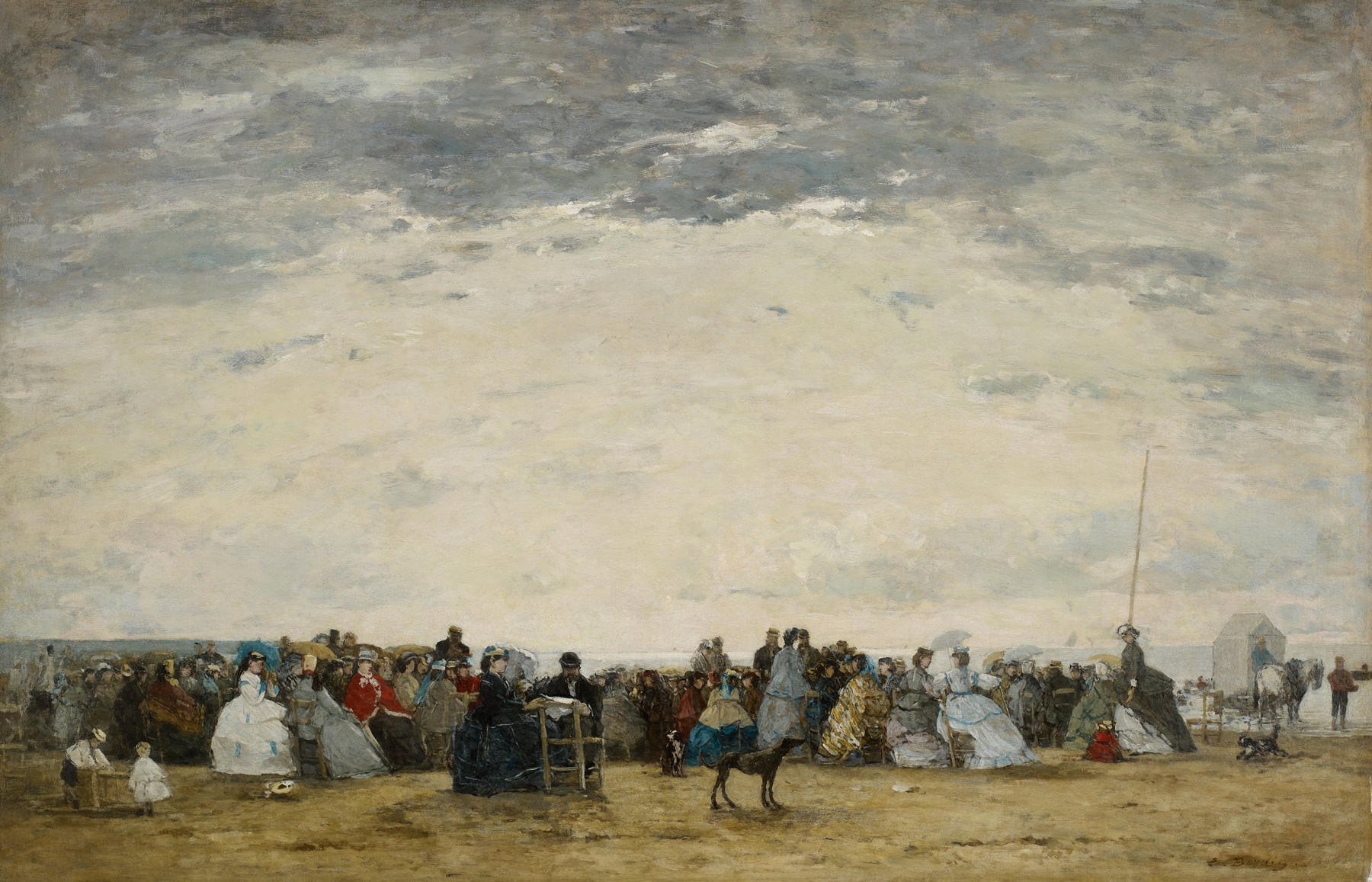
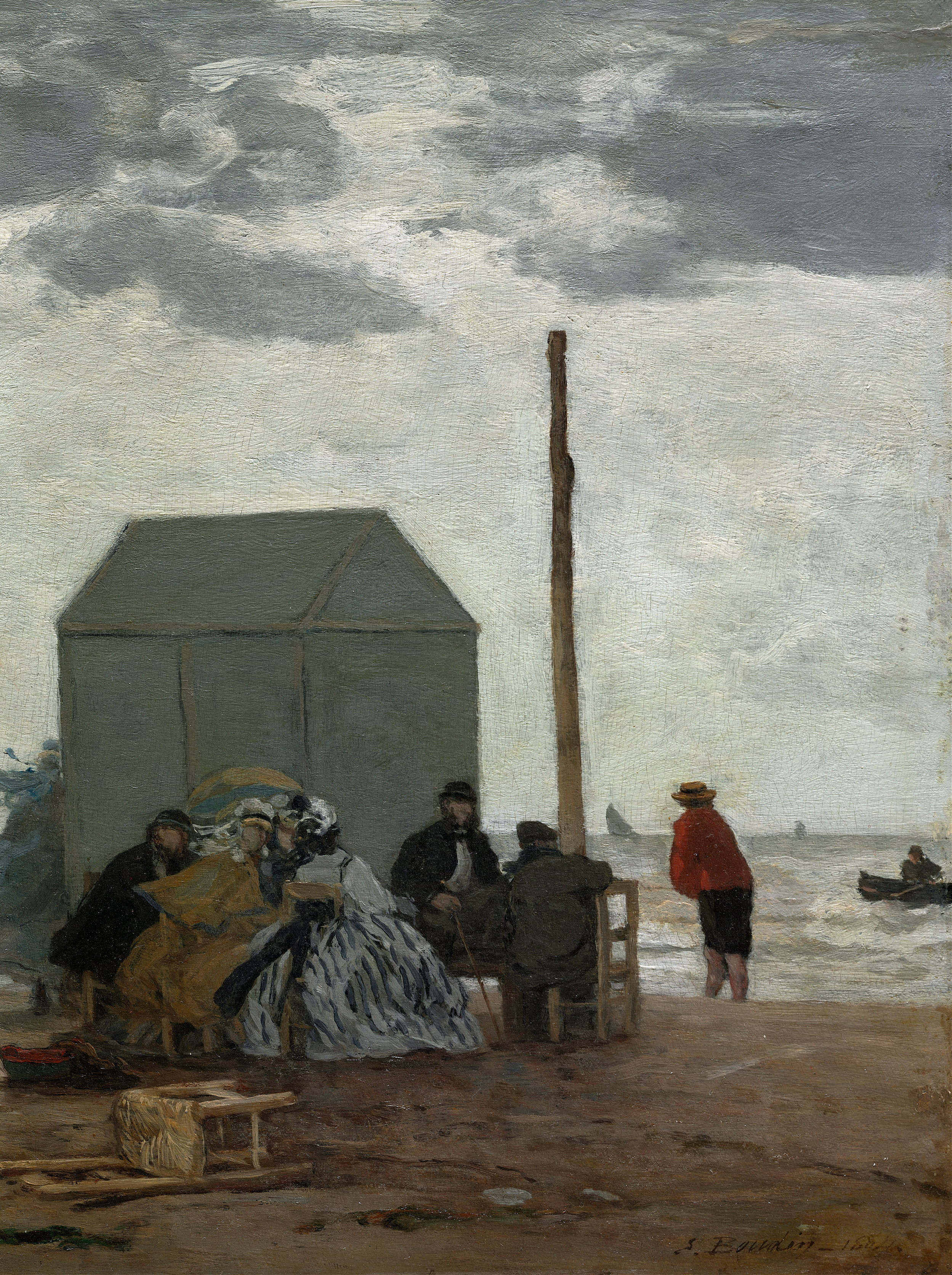
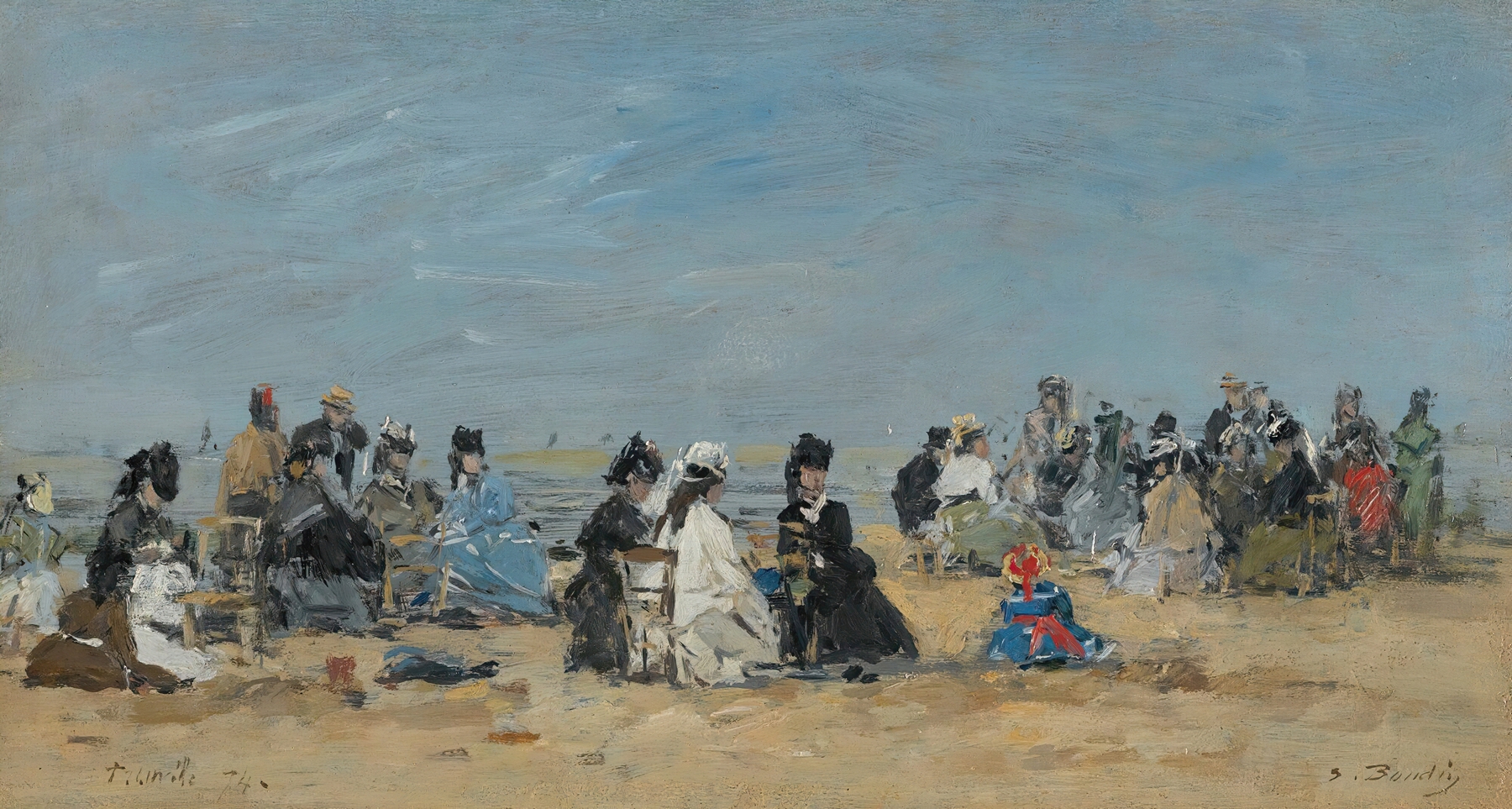
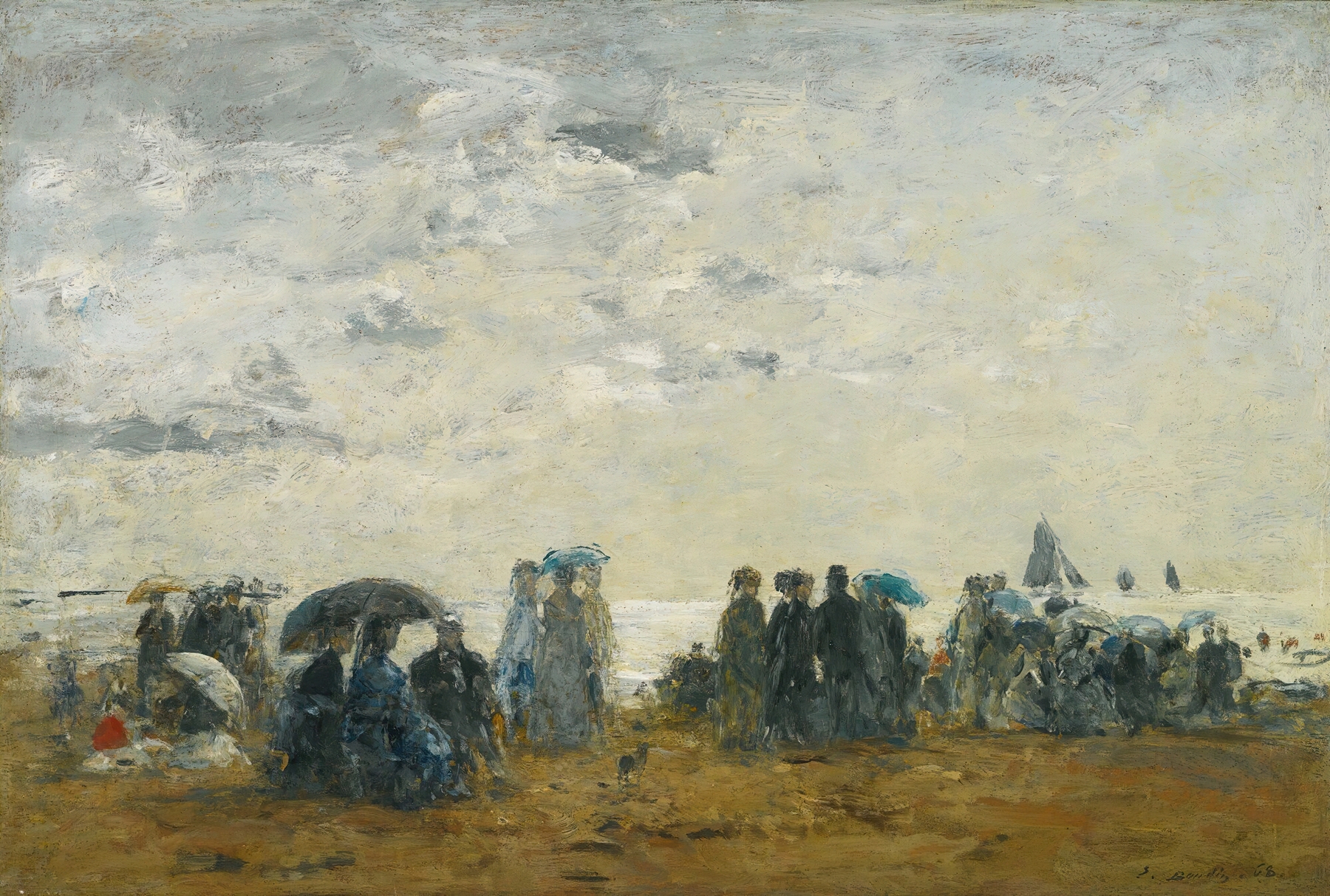
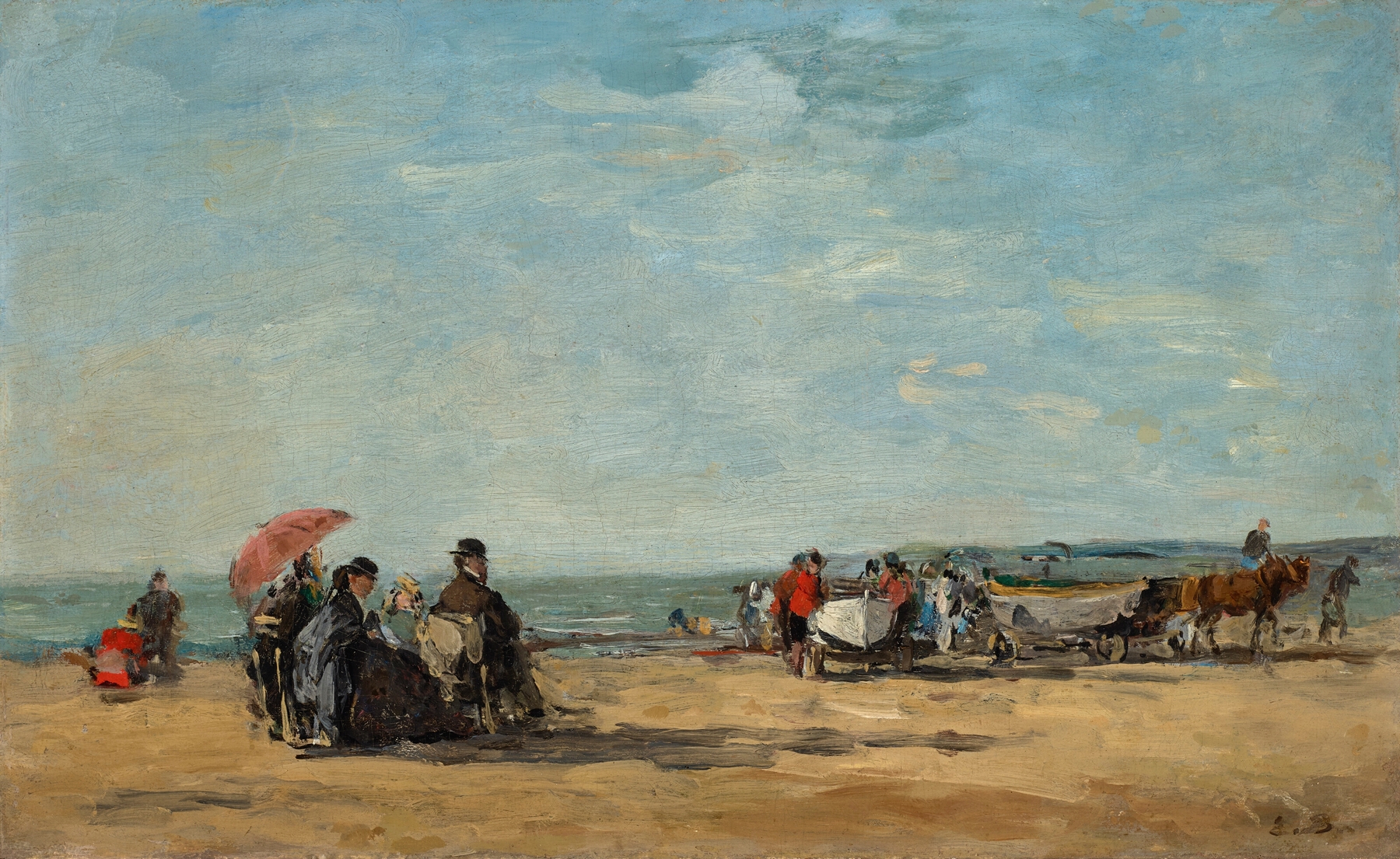
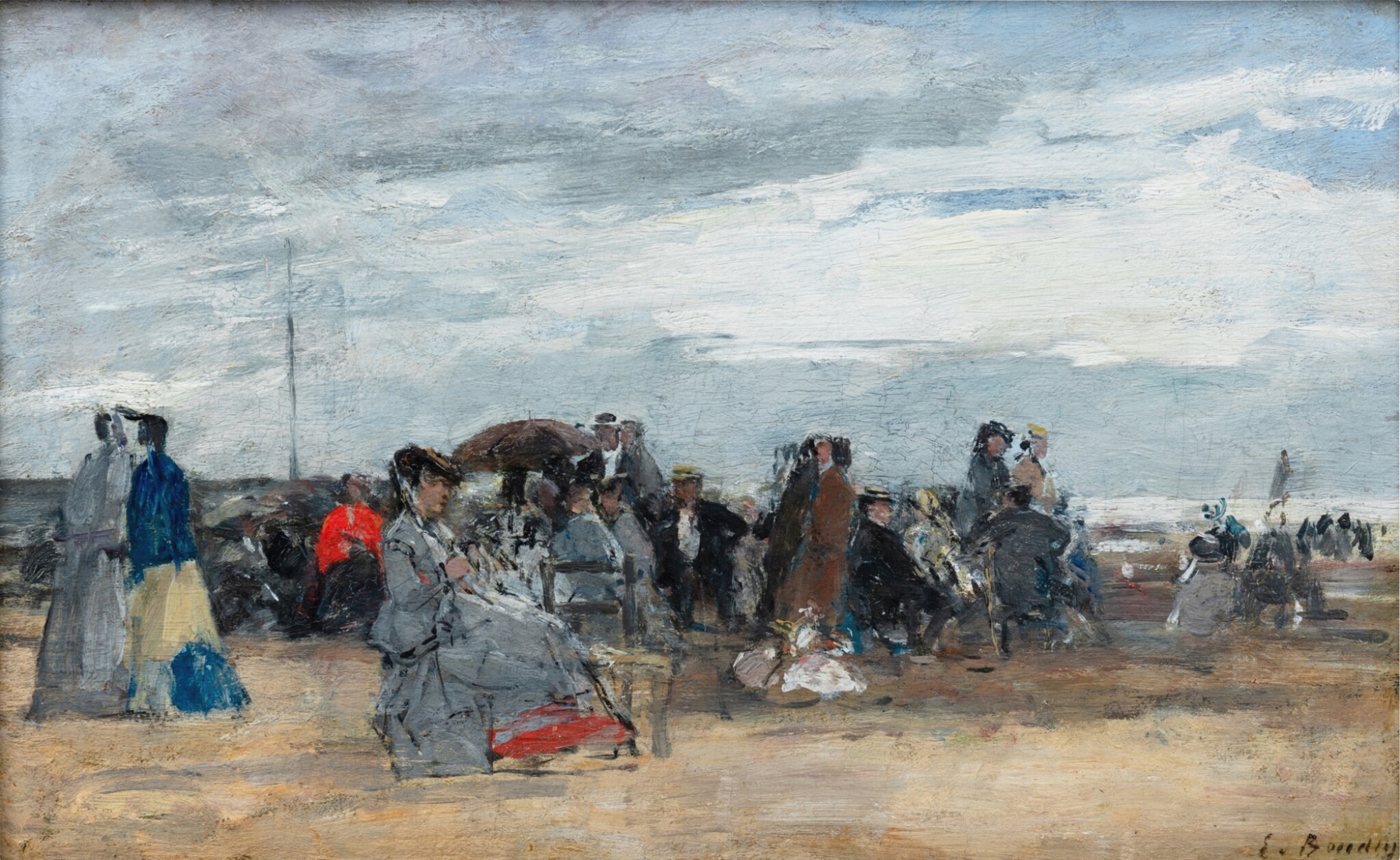
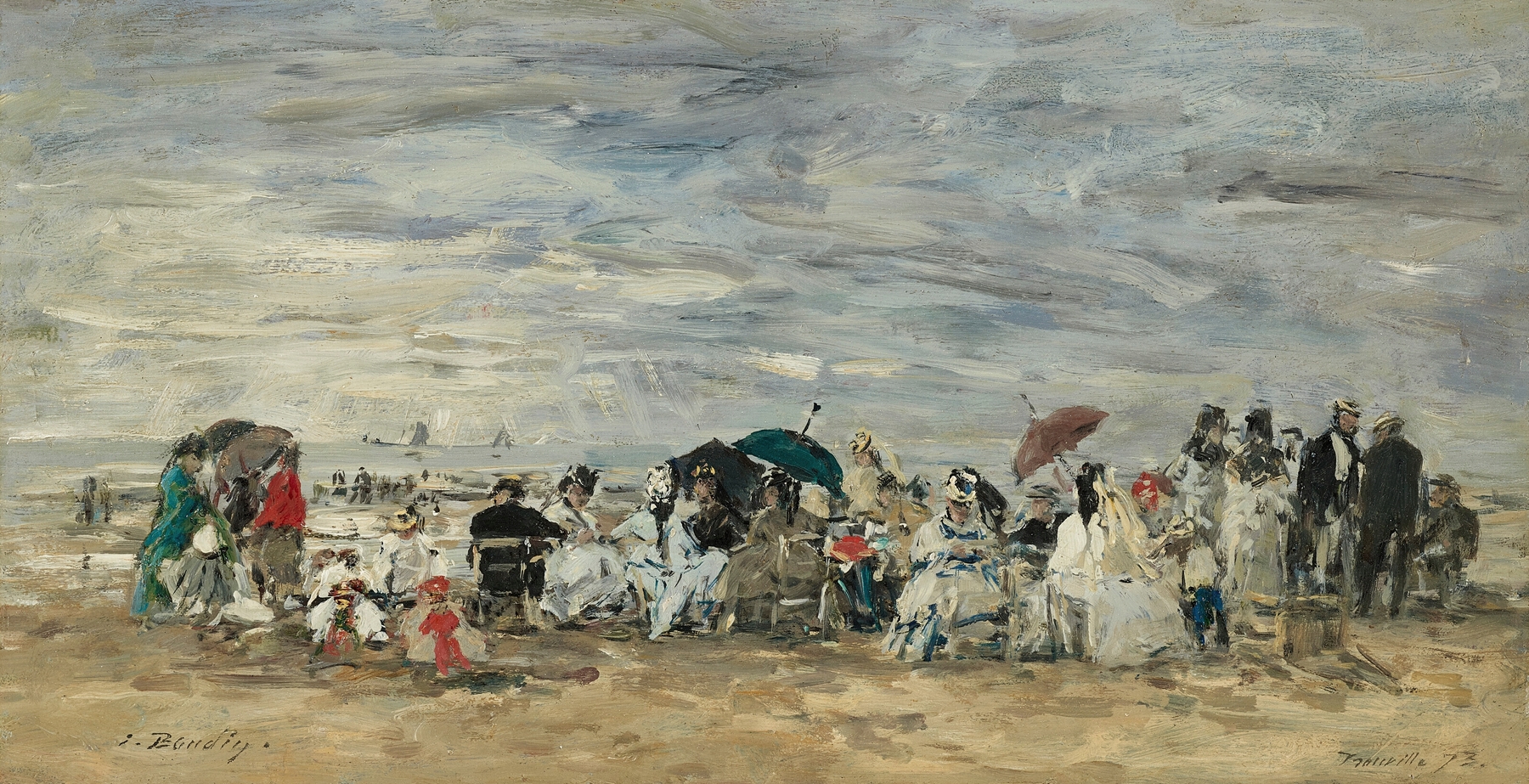
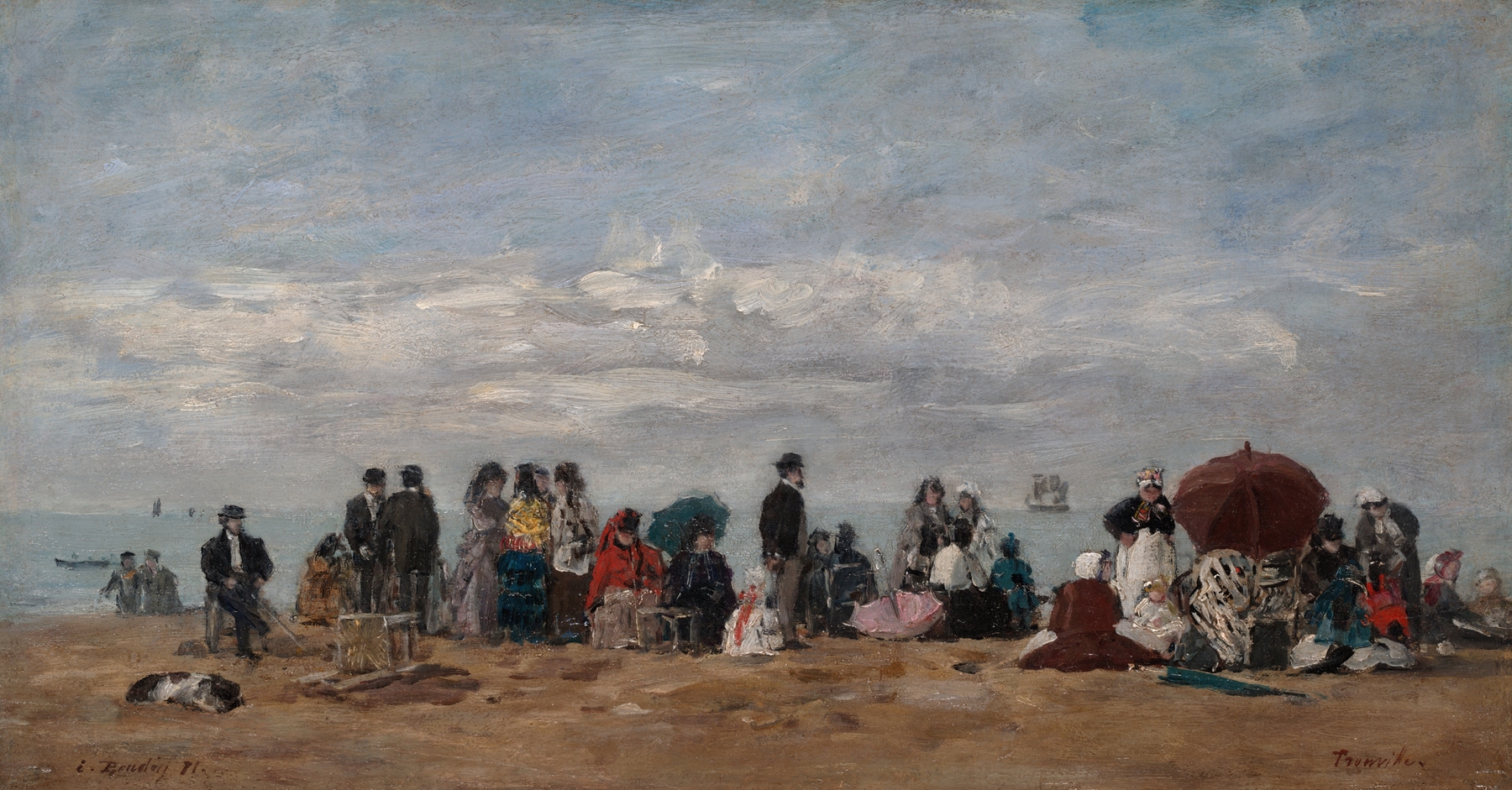
“Every brushstroke is a heartbeat remembered.” In *The Beach at Trouville*, beauty emerges not merely from the scene but from the artist's tender connection to the moment, embodying the essence of leisure and life by the sea. Look to the left, where waves gently kiss the golden sands, capturing the sun’s shimmer with delicate strokes of blue and white. The figures of bathers, each painted with a soft touch, draw the eye, their playful postures brimming with joy. Notice how the light dances across the canvas, creating a vibrant interplay of colors that evoke a sense of warmth and tranquility, inviting the viewer to linger in this serene seaside haven. Yet beneath the surface of this idyllic portrayal lies a tension between nature and humanity. The juxtaposition of the expansive sky and the clustered figures reminds us of the fleeting nature of joy, as if each wave threatens to sweep away their laughter. The painting also reflects the burgeoning shift towards modernity, where leisure activities begin to take center stage in the lives of the bourgeoisie, hinting at a cultural evolution that is both captivating and inevitable. Created in 1871, this work marks a significant period for the artist, who was deeply influenced by the Impressionist movement yet remained aligned with traditional techniques. Working in Trouville, a popular seaside resort, Boudin captured the essence of contemporary life amidst a backdrop of changing artistic ideals. The era was marked by a growing fascination with outdoor scenes and the joys of modern leisure, setting the stage for a new wave of artistic expression.