The Black Pigs — History & Analysis
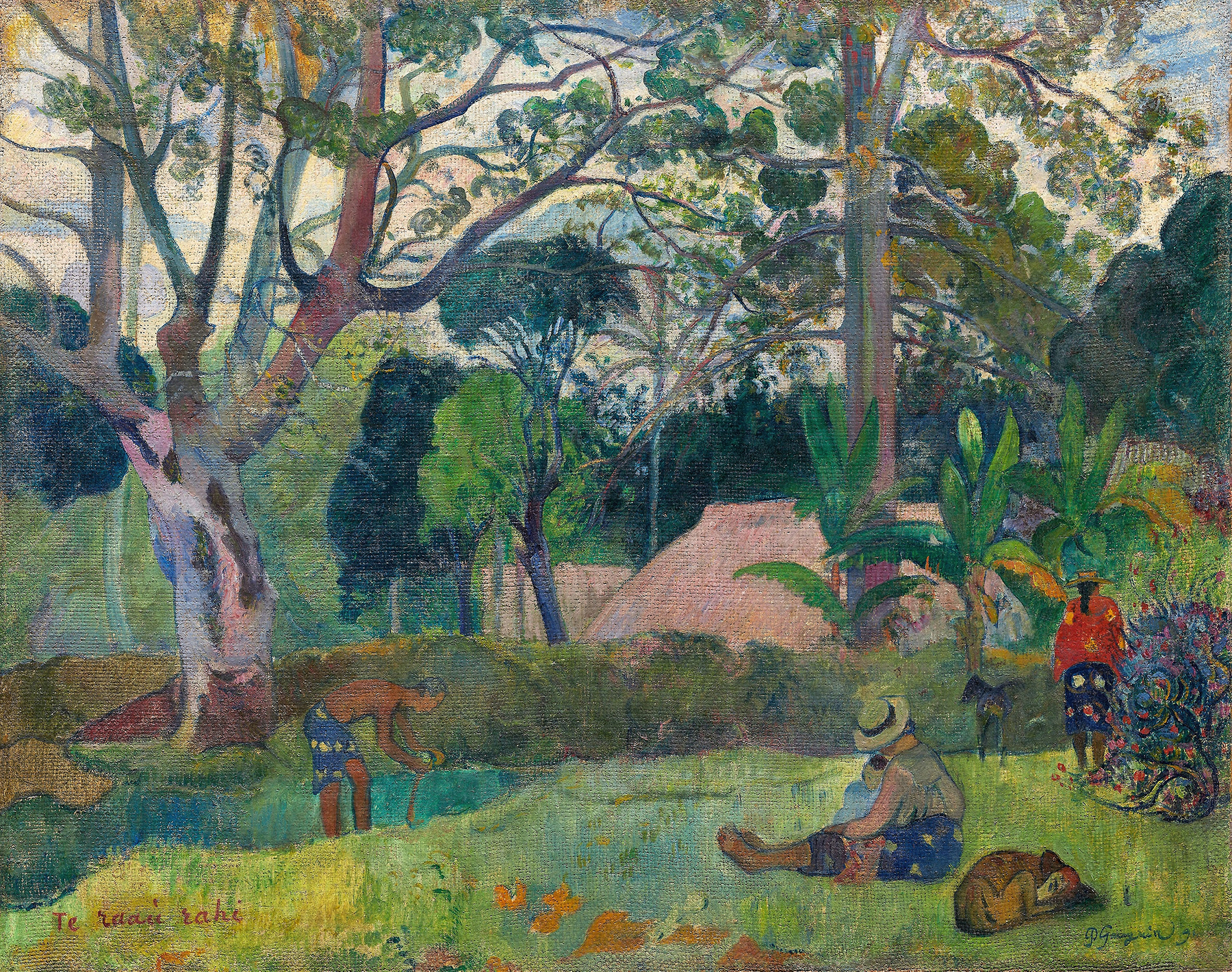
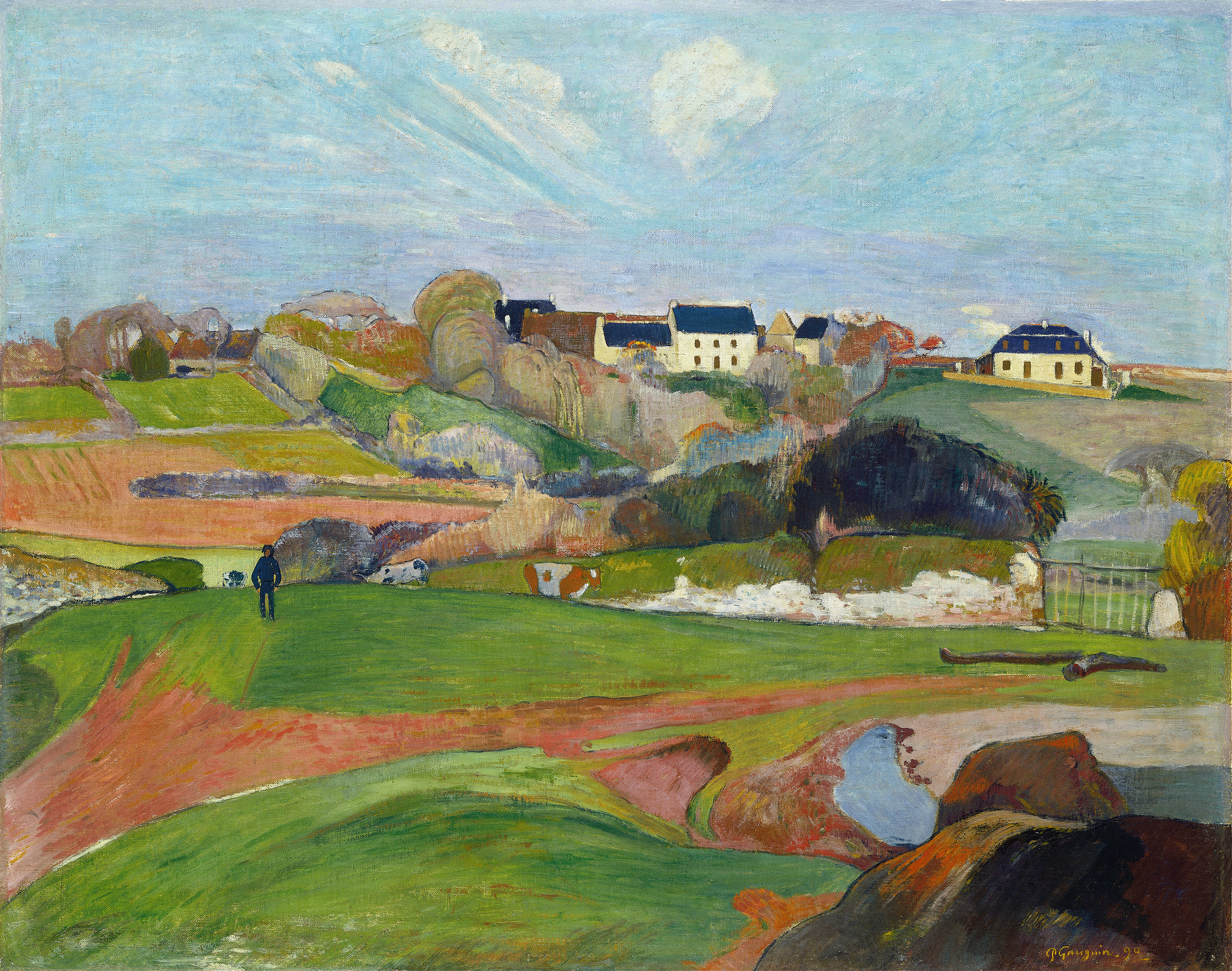
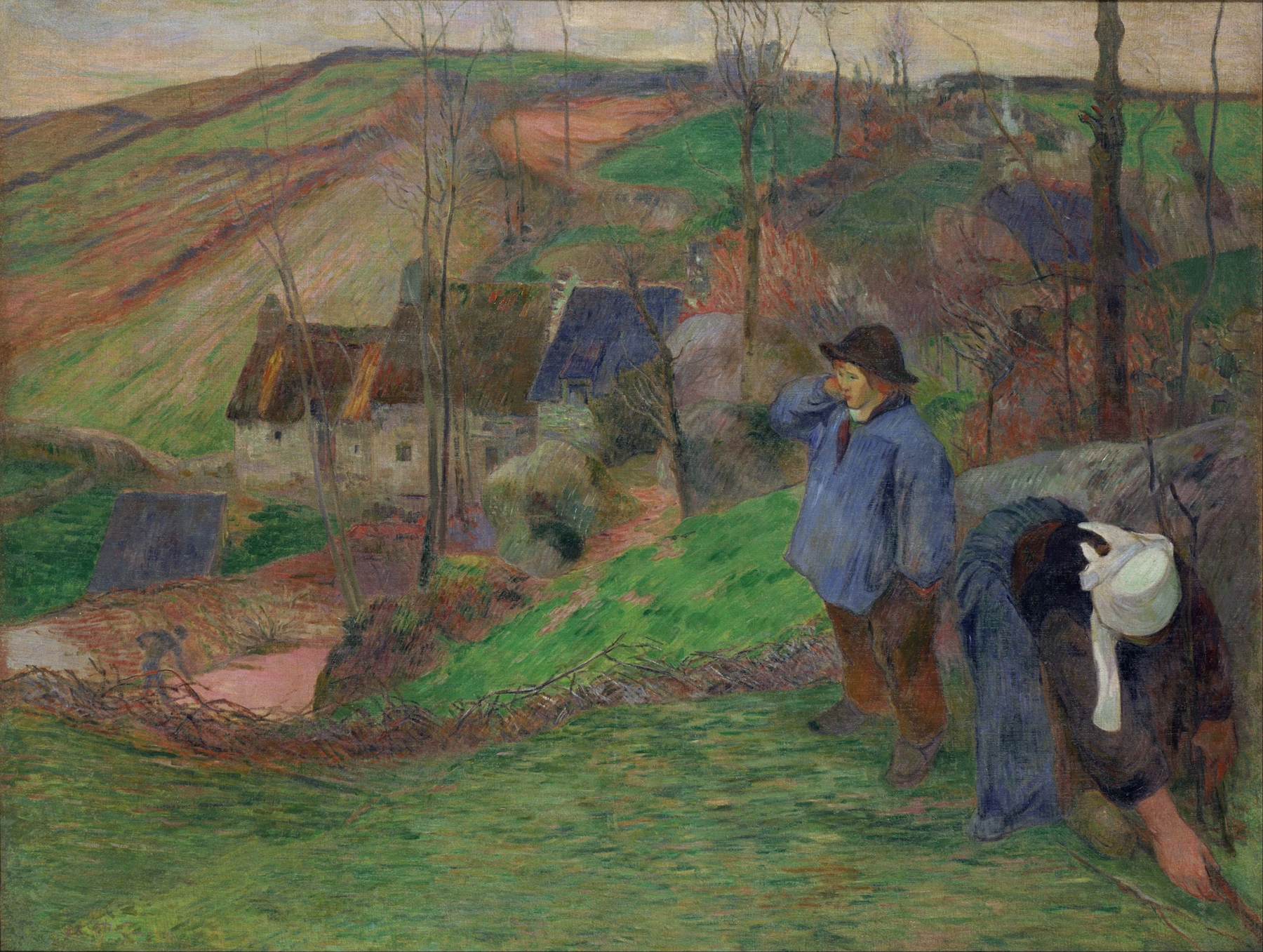
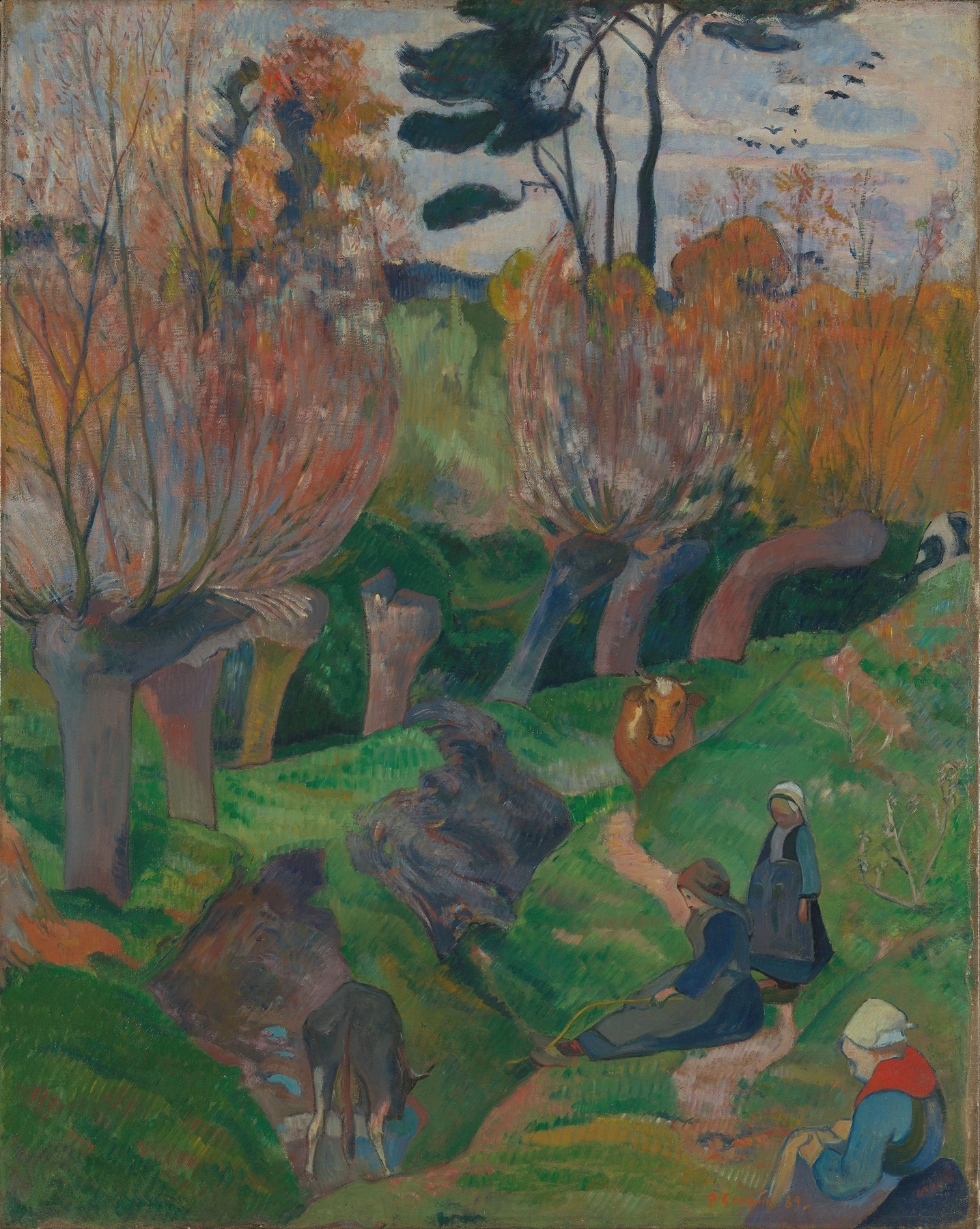
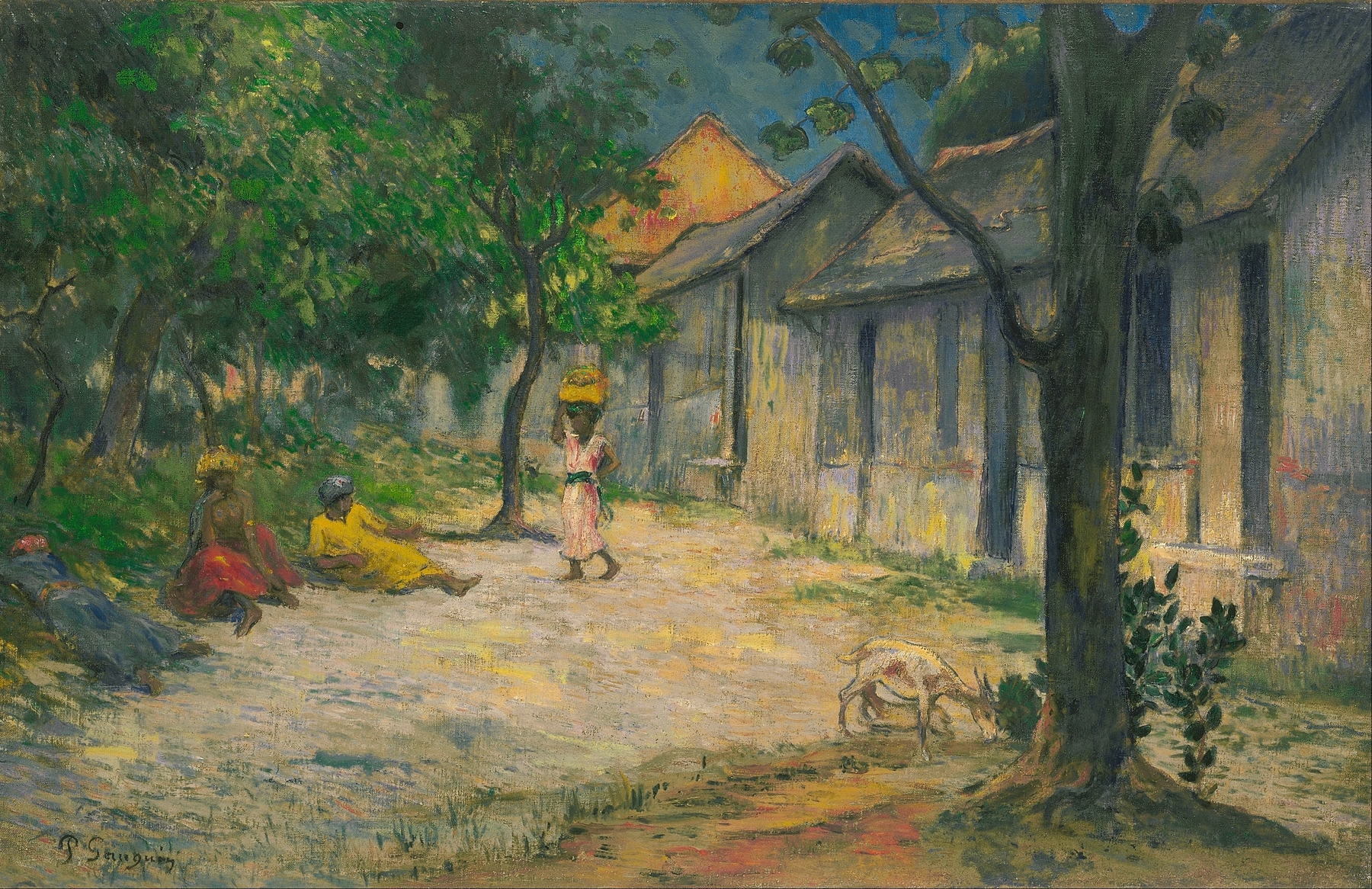
What if beauty was never meant to be finished? In The Black Pigs, the viewer stands before a world that teeters between the natural and the imagined, inviting reflection on the essence of existence itself. Look to the left where the stark silhouettes of the pigs command attention, their rich, dark bodies contrasting against the vibrant hues of the surrounding landscape. Notice how the brushstrokes blend seamlessly to create a texture that feels lively yet raw, evoking the earthiness of their habitat.
The interplay of sunlight and shadow dances across the canvas, highlighting the lush greens and warm oranges that envelop the figures, setting a stage ripe for contemplation. Beneath the surface, the pigs symbolize both simplicity and the complexity of life. Their presence suggests a return to nature, yet their stylized rendering hints at something deeper—a critique of civilization’s detachment from the raw beauty of existence. This dichotomy fosters an emotional tension, prompting questions about the balance between domesticity and wildness, and how that balance is reflected in our own lives.
Created during a period of exploration and self-discovery, Gauguin painted this piece in the late 19th century, likely while he was influenced by his transformative experiences in Tahiti. At this time, he sought to break free from the constraints of European artistic norms, pushing towards a more symbolic and expressive oeuvre. This work encapsulates his desire to connect with the fundamental truths of life, celebrating the beauty found in simplicity and the untamed spirit of nature.