The Cathedral — History & Analysis
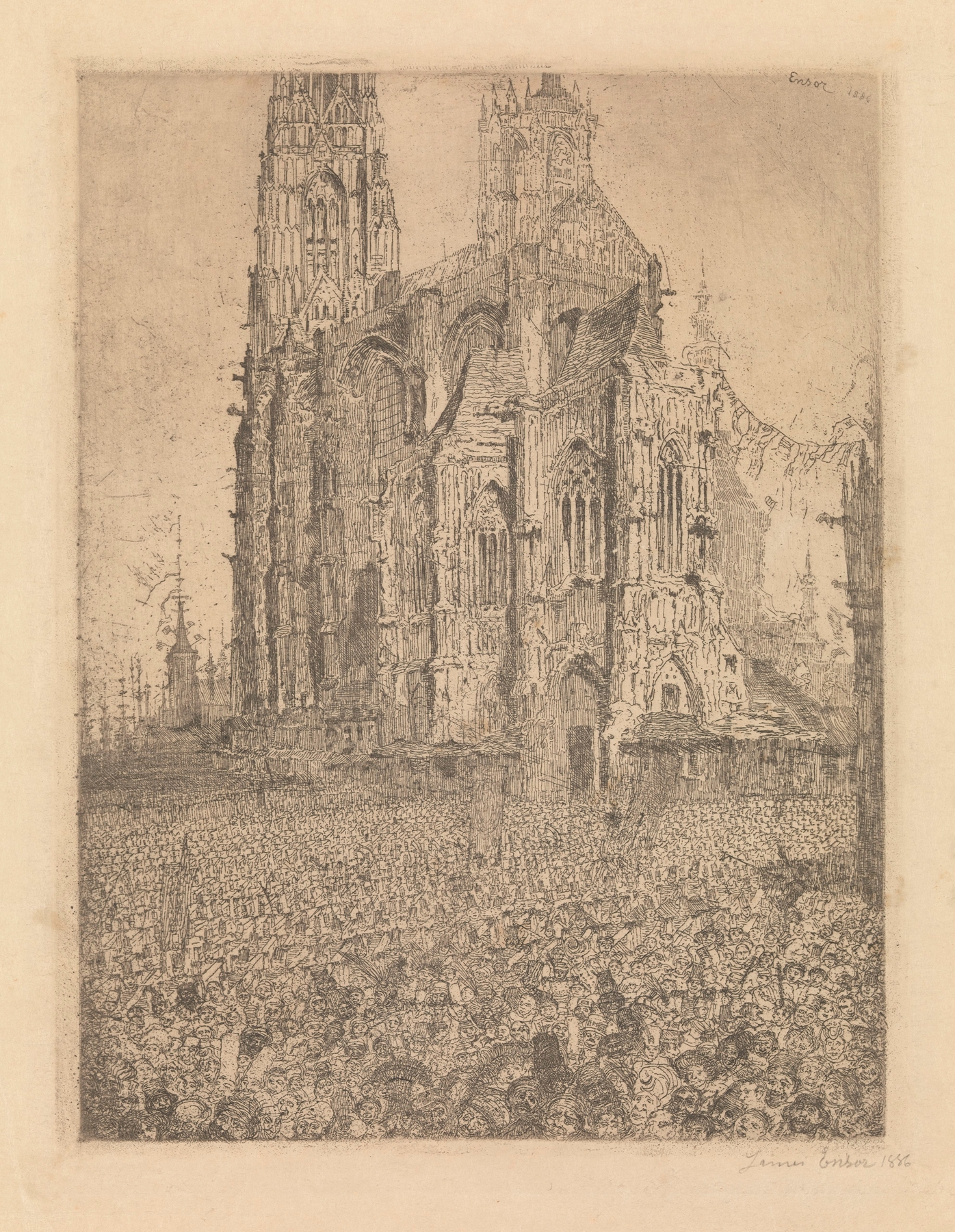
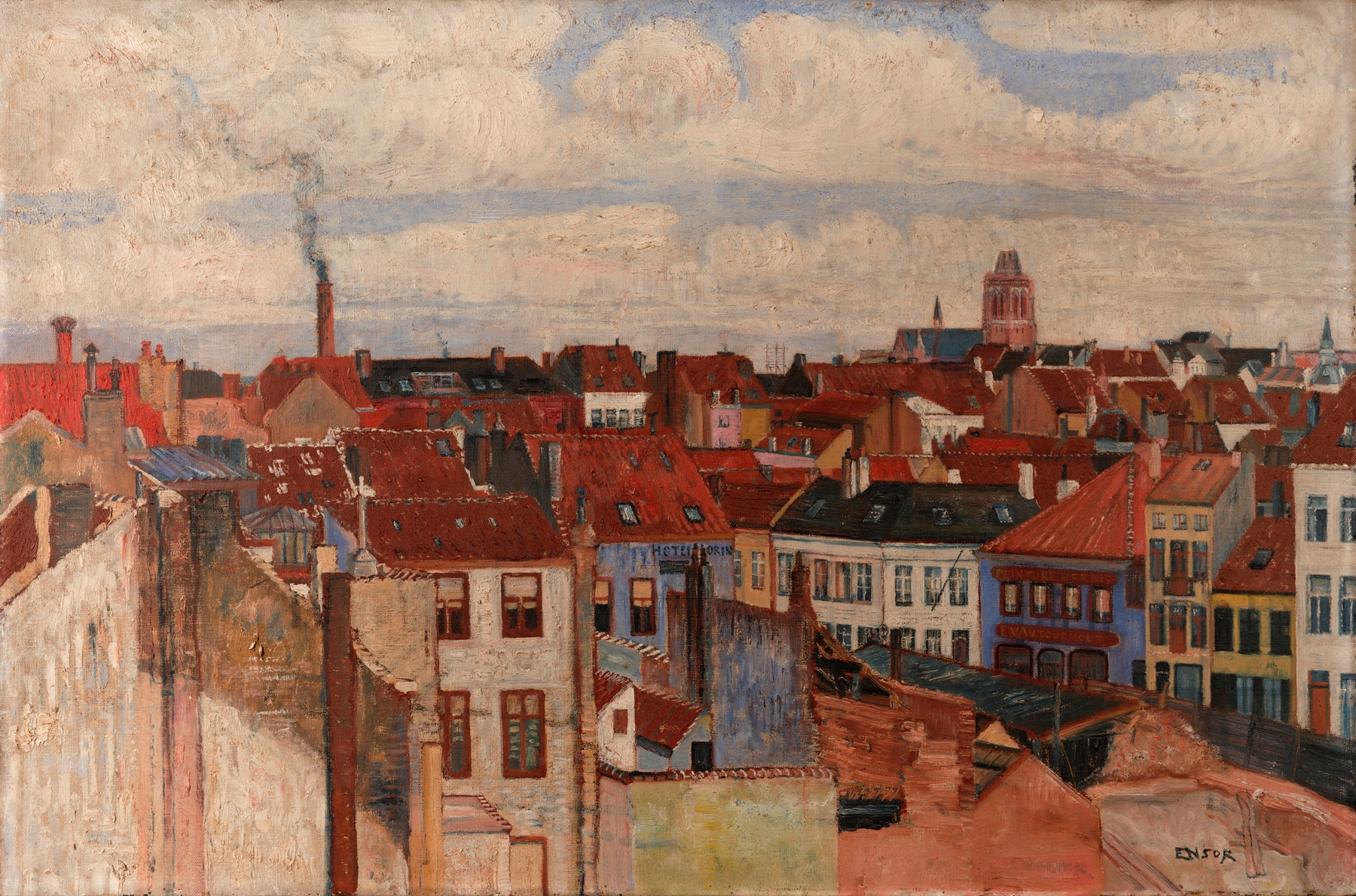
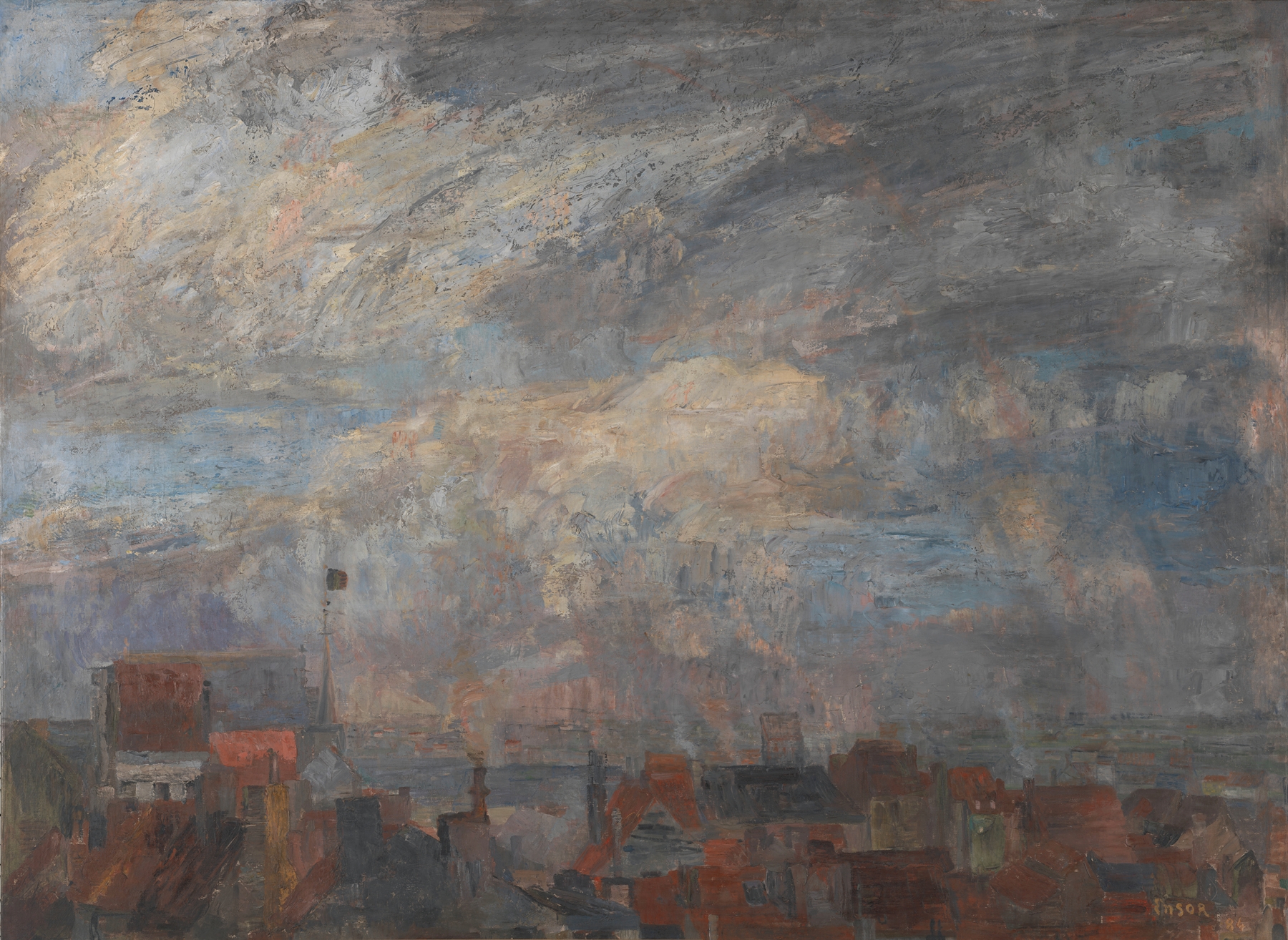
“Every silence here is a confession.” In the realm of art, what truths lie hidden in the void? How do the spaces we create—or leave unfilled—speak to our deepest fears and desires? Focus on the starkness of the composition, where architectural elements rise ominously against an expanse of unsettling emptiness. The play of light, both harsh and soft, invites the viewer to linger on the skeletal forms of the cathedral. The deliberate absence of figures intensifies the sense of isolation, as if the walls themselves bear witness to untold stories.
The muted color palette, dominated by browns and grays, envelops the viewer in a contemplative atmosphere, drawing attention to the haunting beauty of absence. Within this void lies a paradox: the grandeur of the cathedral juxtaposed with an unsettling stillness. Each archway and spire seems to echo with the unspoken thoughts of countless souls, raising questions about faith, existence, and the fleeting nature of life. The emptiness conveys a sense of yearning, suggesting that what is not present can resonate as powerfully as what is.
The silence, profound and palpable, urges us to confront our own confessions—the hidden fears and desires that dwell within the sanctity of our souls. James Ensor painted this work during a period of personal introspection and artistic evolution in the late 19th century, a time marked by his departure from traditional representation toward a more expressive, symbolic style. Living in Belgium, he grappled with the tension between modernity and the remnants of the past, as the world around him was undergoing profound transformation. This isolation, both personal and artistic, is reflected in the stark yet evocative portrayal of the cathedral, merging the spiritual with the existential in a hauntingly unforgettable way.