The Cock-Tails Done — History & Analysis
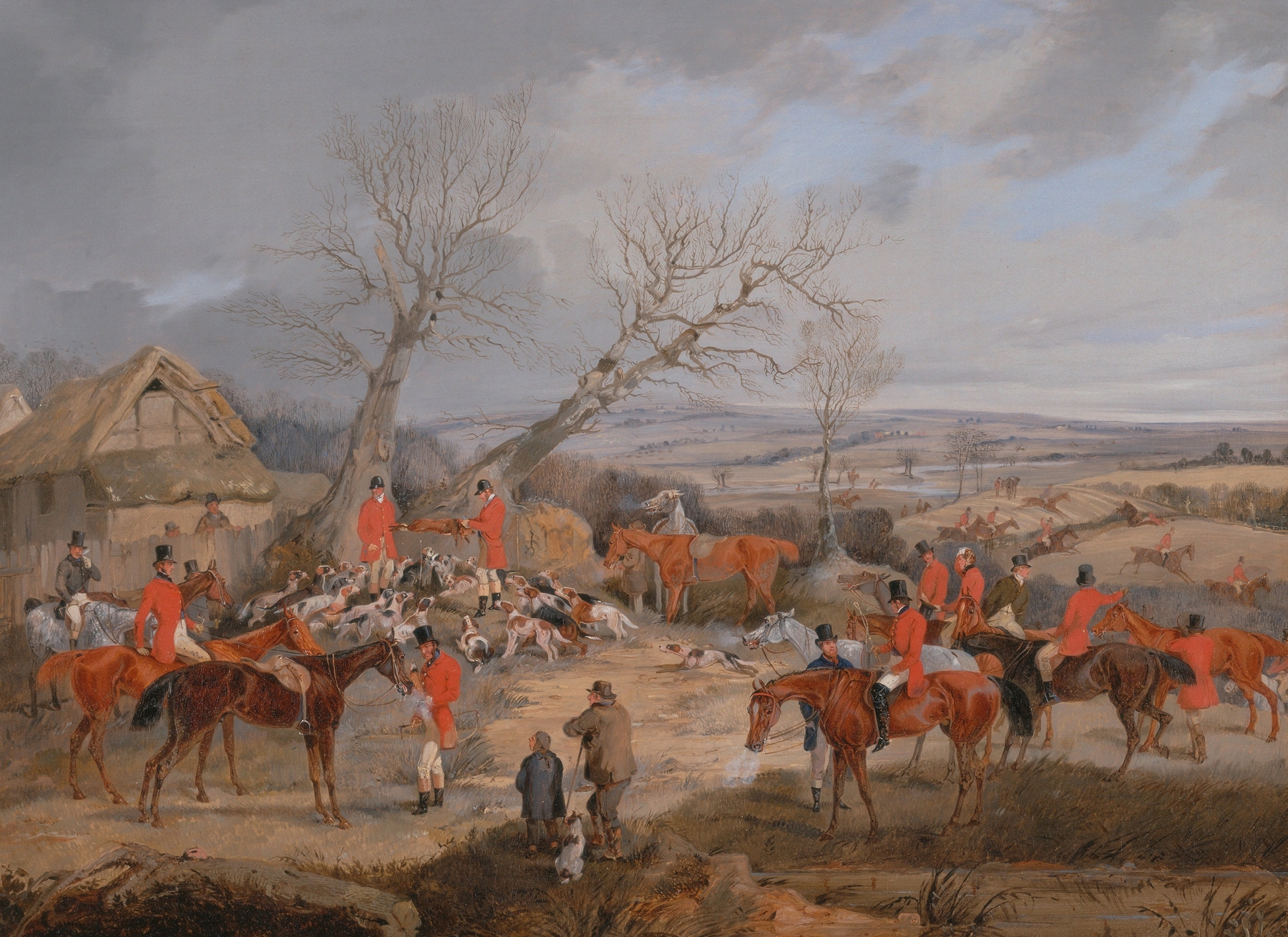
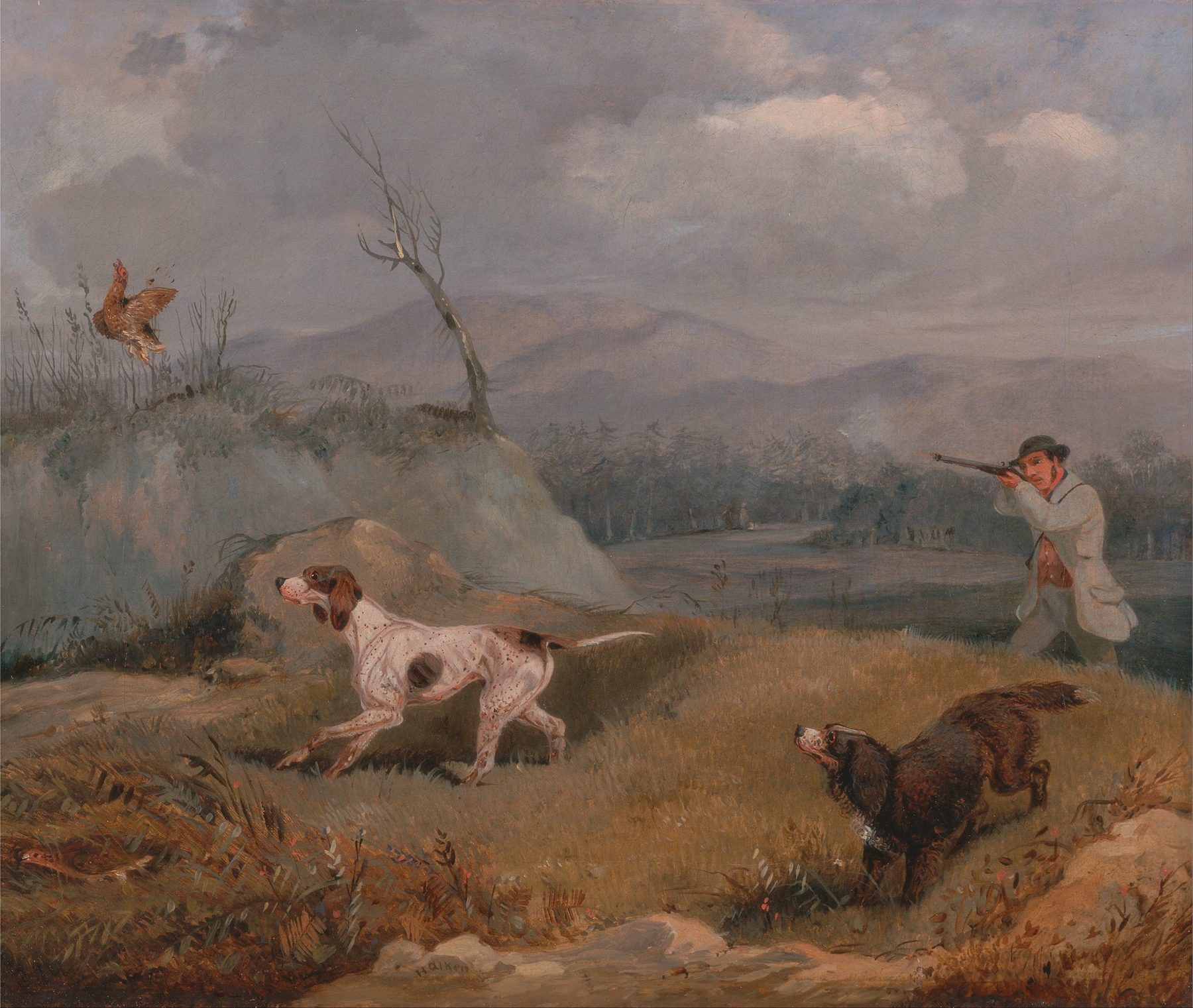
“Sometimes beauty is just pain, disguised in gold.” In The Cock-Tails Done, this sentiment echoes through the shadows cast over a seemingly jubilant gathering. Focus first on the vibrant scene of revelry, where figures in lavish attire swirl about a table. The rich colors of their garments juxtapose against the muted tones of the background, drawing the eye to the animated expressions of the participants. Notice how the flickering candlelight dances across their faces, illuminating joy and exhaustion in equal measure.
Each gesture is meticulously depicted, from raised glasses to animated conversations, yet lurking in the interplay of light and shadow is a deeper narrative waiting to unfold. Look closely and you’ll discover the tension between celebration and melancholy. While the figures appear caught up in festive delight, their slightly disheveled attire suggests the weight of excess. The shadows, those silent observers, seem to whisper of secrets and regrets, reminding us that each toast might also carry an unspoken burden.
The contrasting vibrancy of colors hints at a fleeting happiness, as if the merriment is an escape from a harsher reality. Alken created this work in 1834 during a time when the art world was evolving rapidly, moving towards more personal and expressive styles. Living in England, he was fully immersed in the social dynamics of the Regency era, an age marked by both extravagance and turmoil. This painting captures the essence of a society teetering between joy and despair, making it a poignant reflection of his time.