The Coliseum amongst Roman Ruins — History & Analysis
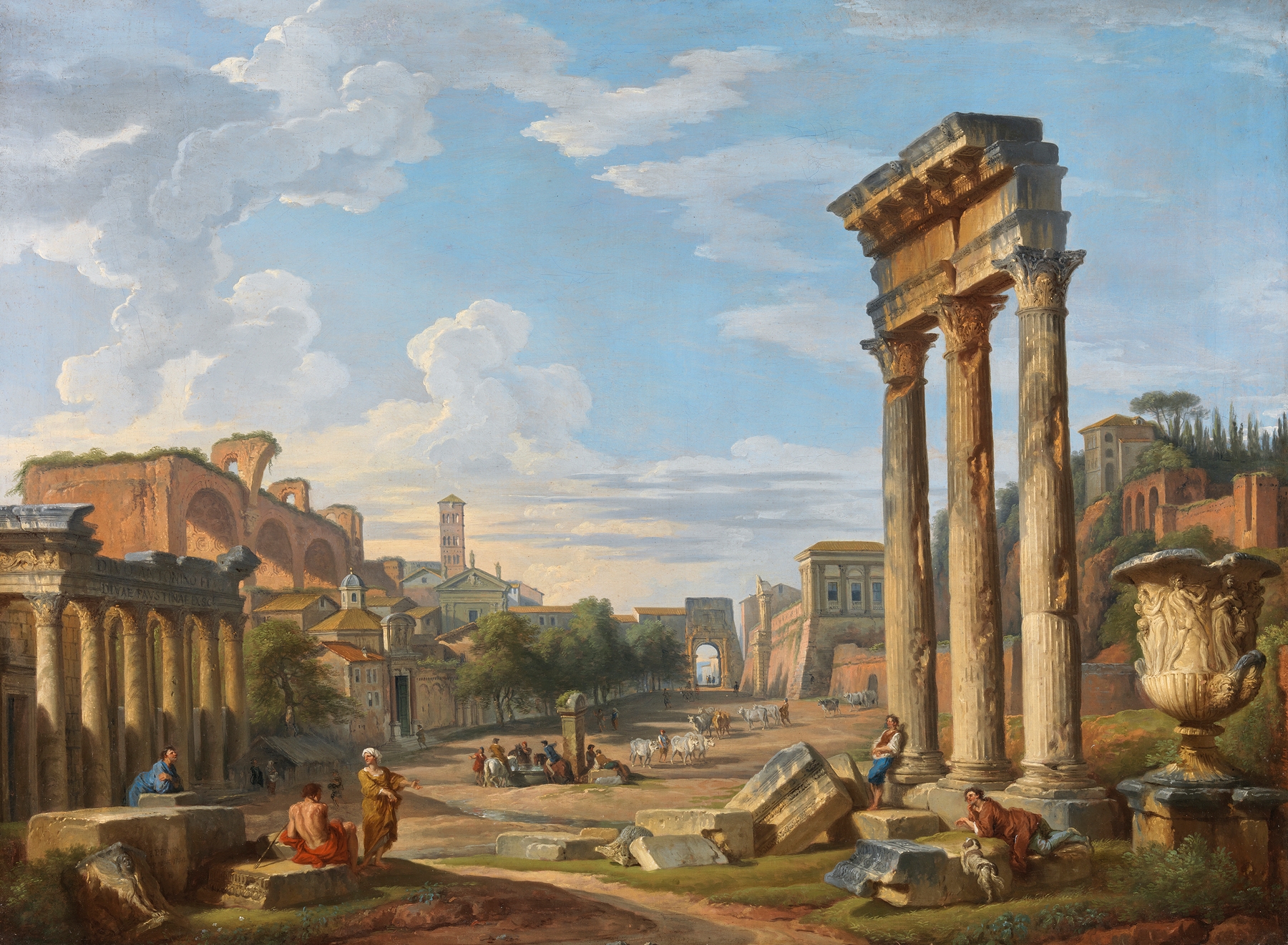
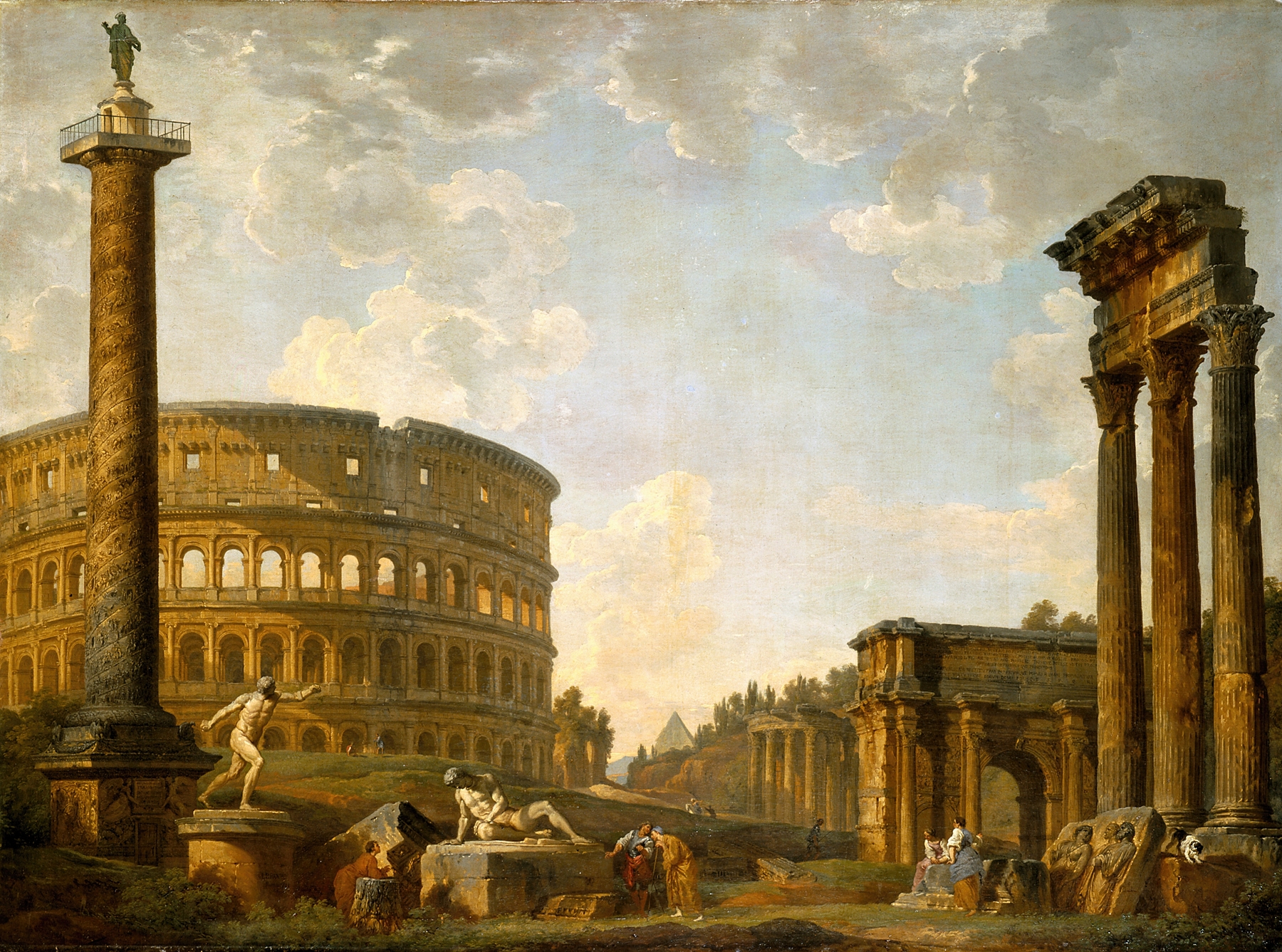
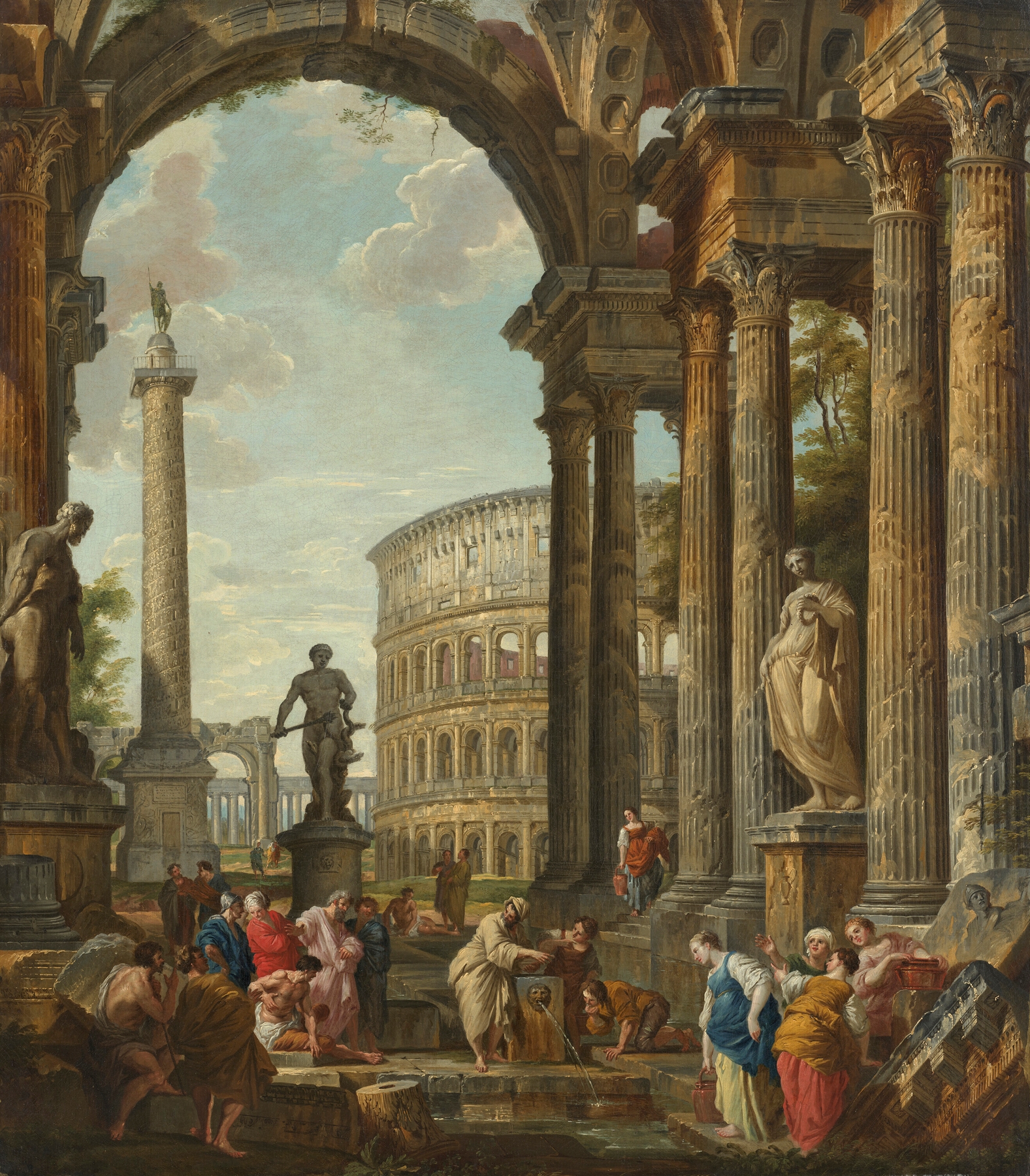
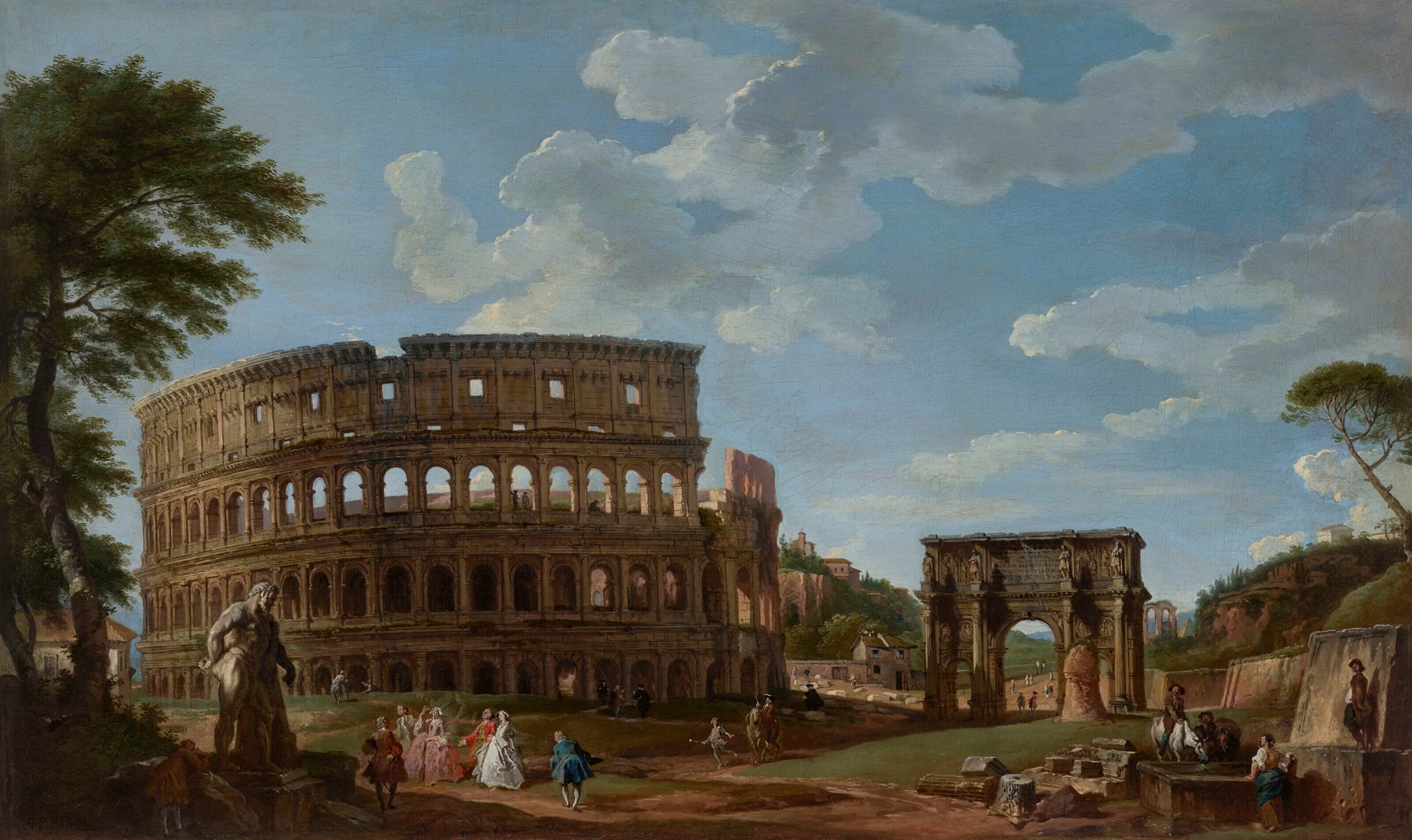
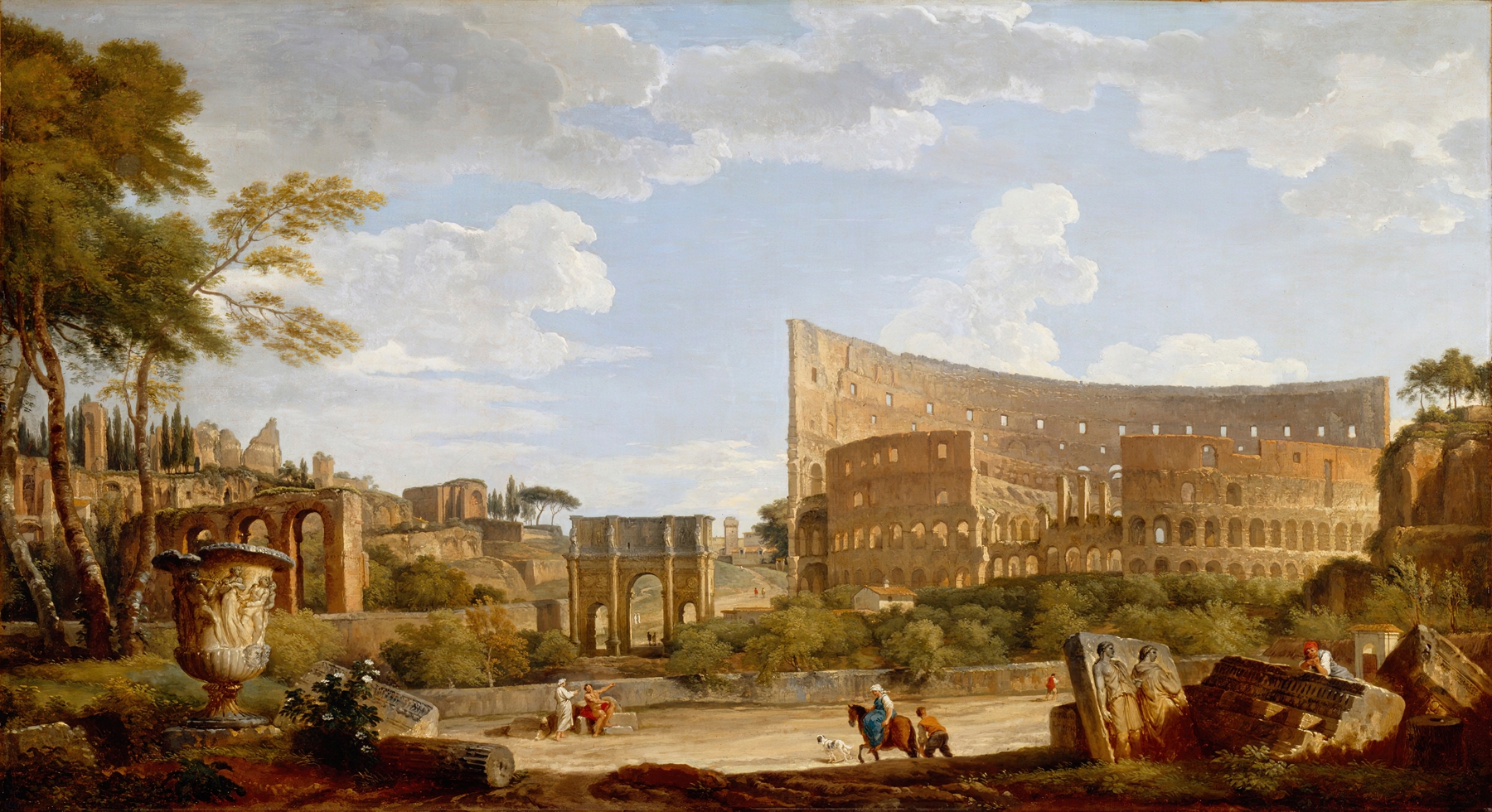
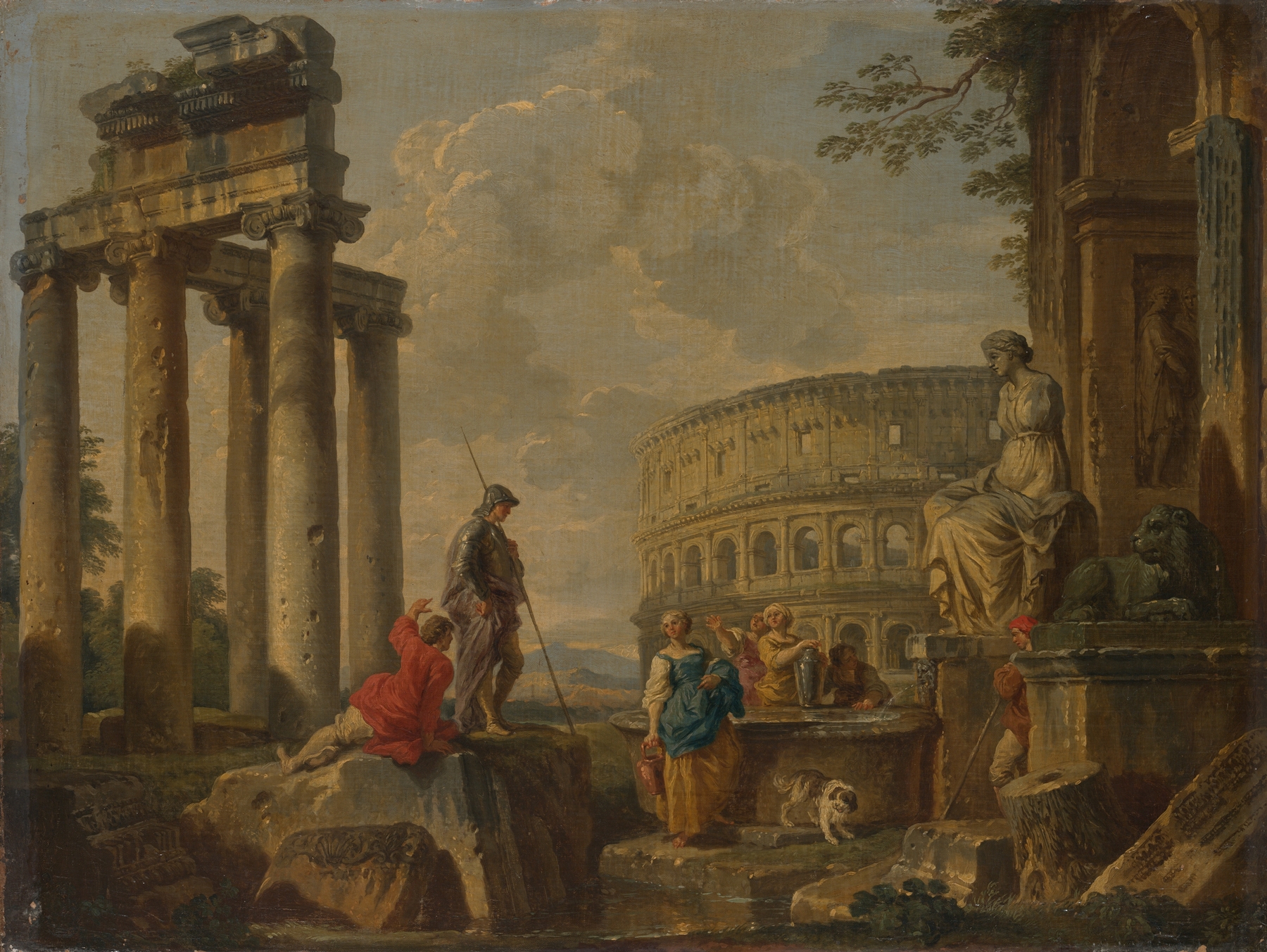
Did the painter know this moment would outlive them? In The Coliseum amongst Roman Ruins, a yearning for a lost era resonates deeply, inviting viewers into a rich tapestry of history and nostalgia. Focus on the majestic Coliseum at the center, its grandeur framed by weathered ruins and lush greenery that speak of time’s passage. Notice how Panini employs warm ochres and cool blues, skillfully blending them to evoke both the splendor of ancient Rome and the wistfulness of its decline.
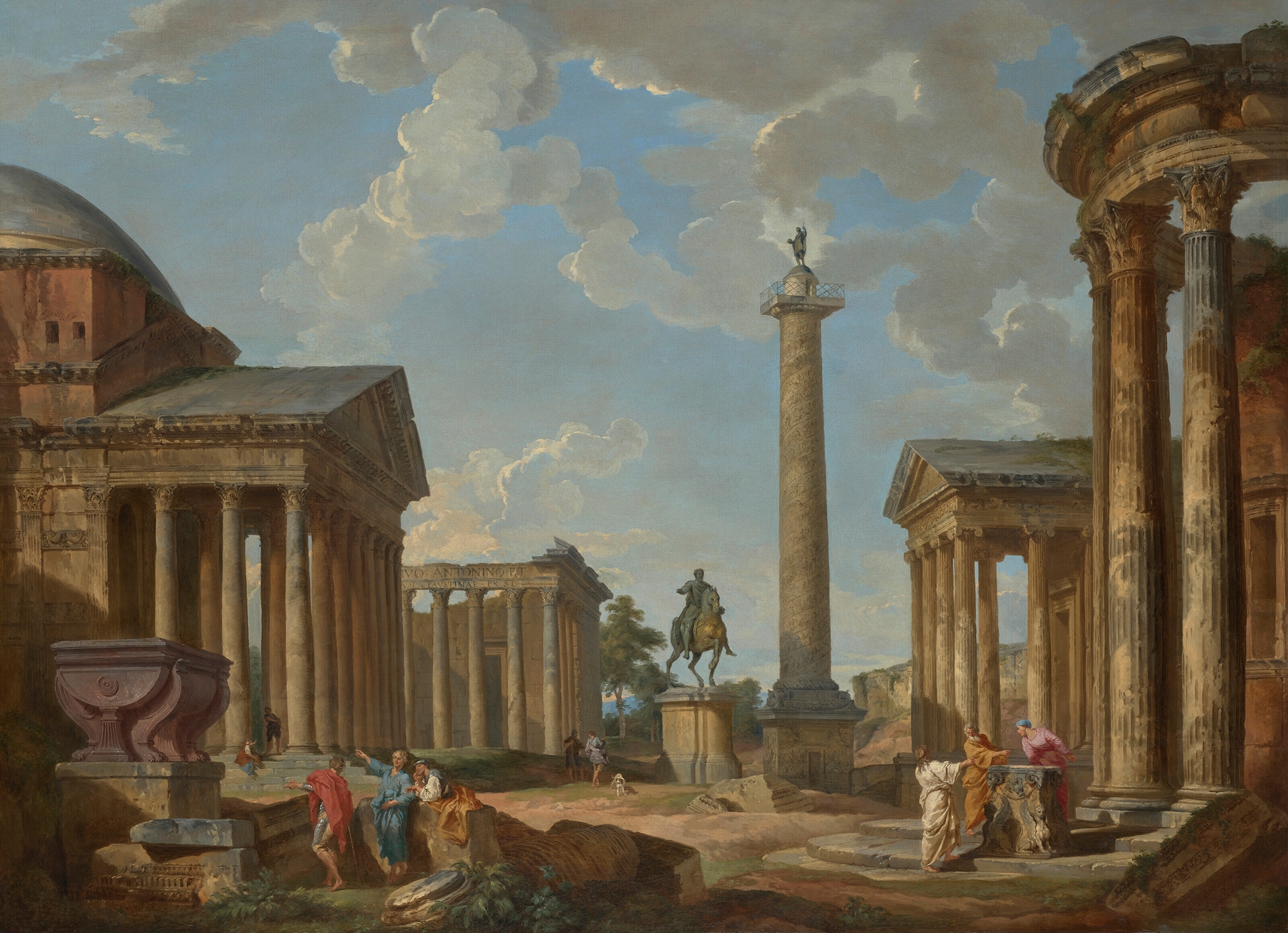
The composition draws the eye upward, encouraging an exploration of both the architectural marvel and the decaying remnants that cradle it, creating a dialogue between past and present. Within this picturesque landscape lies a tension between grandeur and decay. The juxtaposition of the vibrant Coliseum against the crumbling structures surrounding it captures a poignant sense of loss. Each fragment of ruin tells a story of resilience and fragility, while the distant figures scattered throughout hint at a human connection to this fading glory.
The painting becomes a meditation on time, evoking emotions that echo through centuries—regret, reverence, and hope intertwined. In 1730, Panini painted this masterpiece amid the flourishing of the Grand Tour, a period when many artists sought to capture the essence of classical antiquity. Living in Rome at the time, he was influenced by the vibrant art scene that celebrated both the old and the new, reflecting the cultural enthusiasm for the remnants of the past alongside the burgeoning fascination with the Enlightenment.