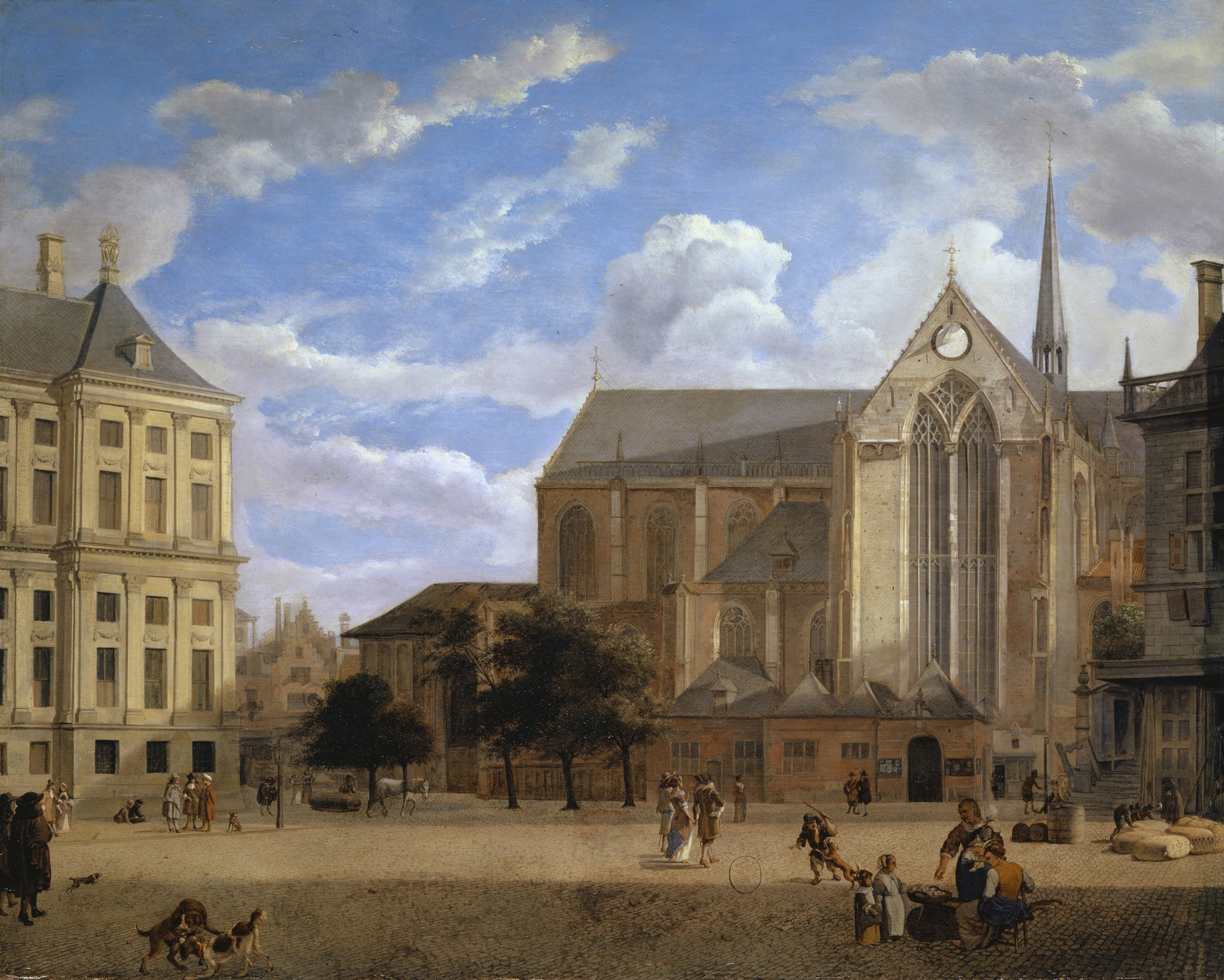
The Dam and Damrak, Amsterdam — History & Analysis
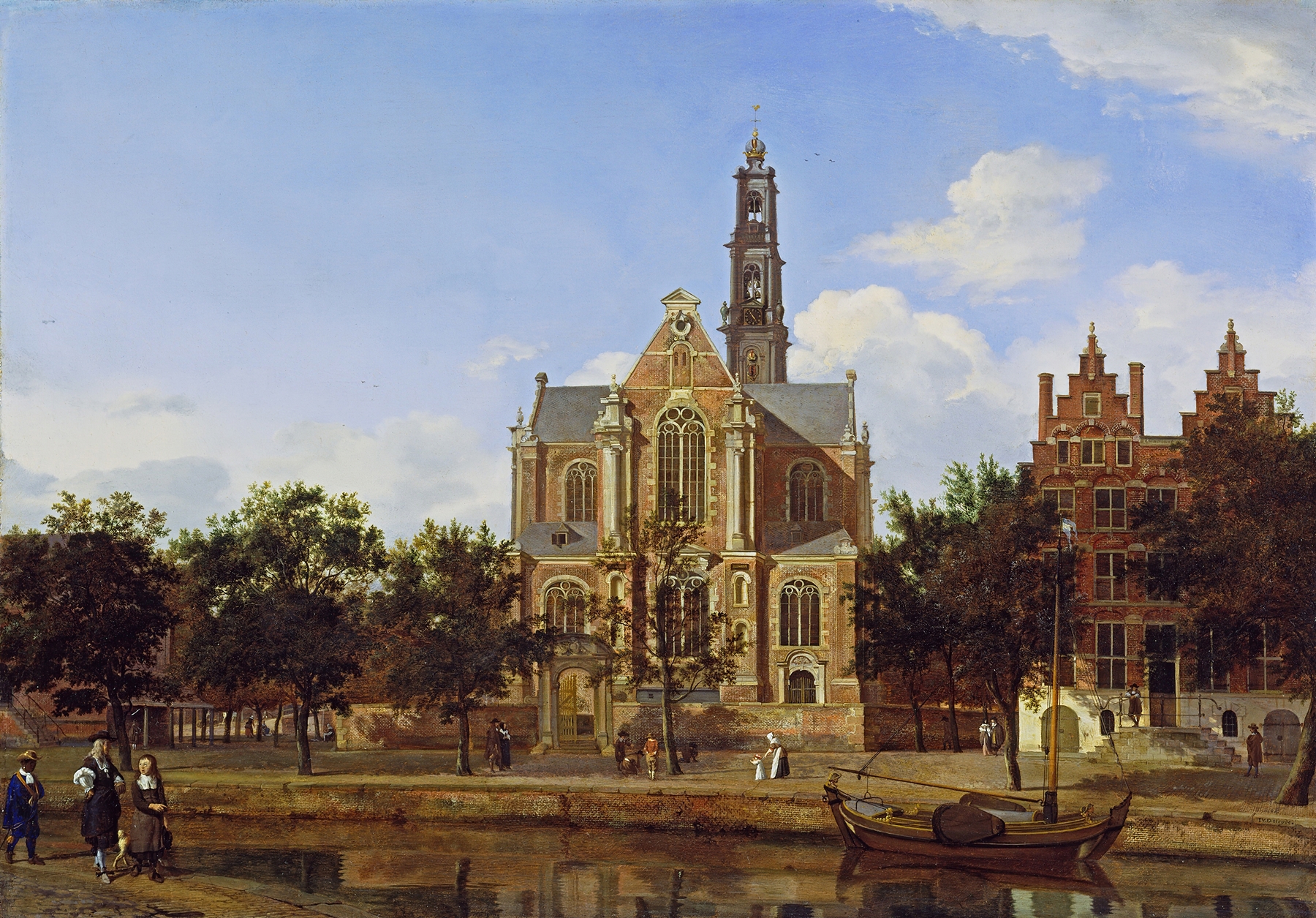
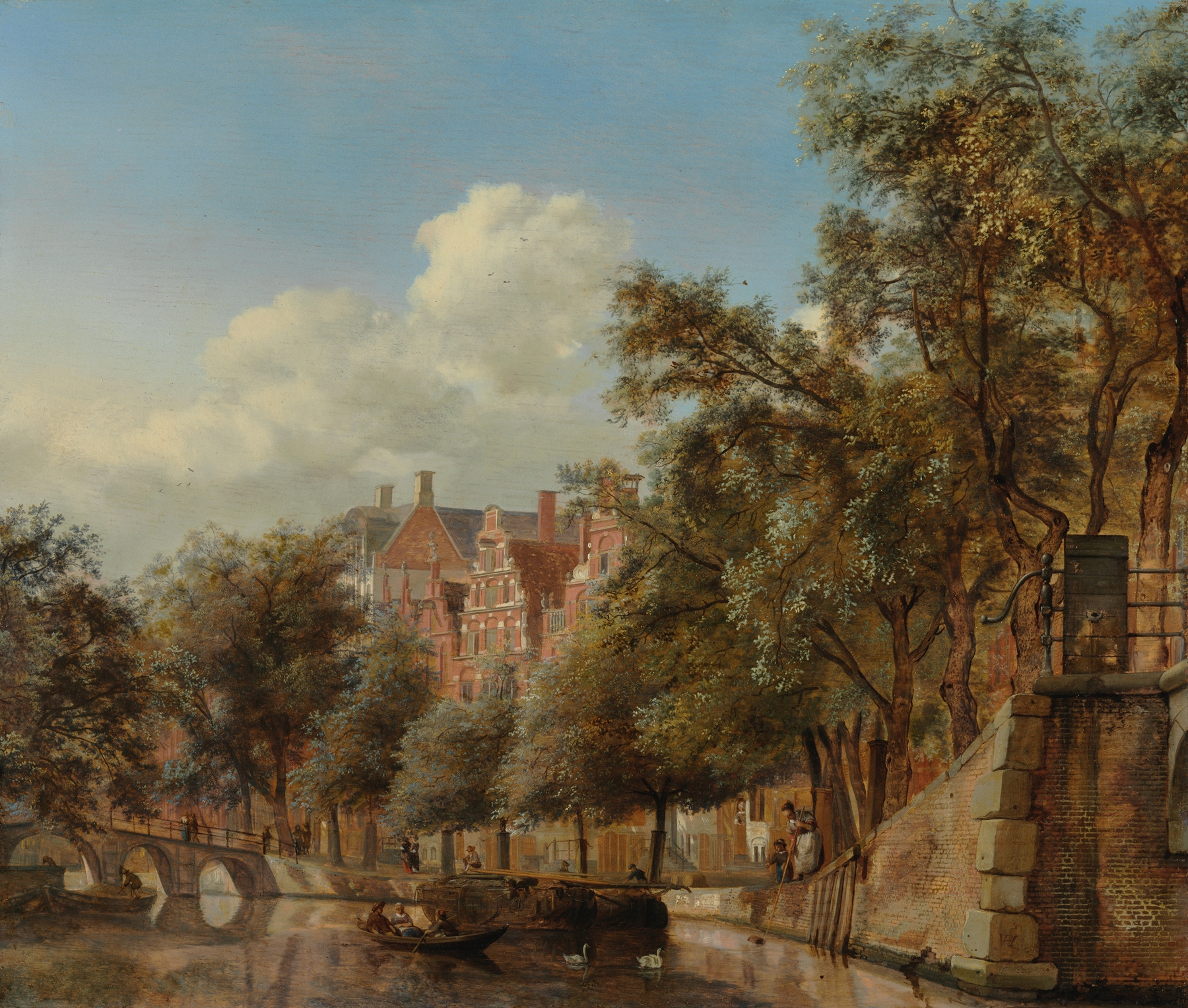
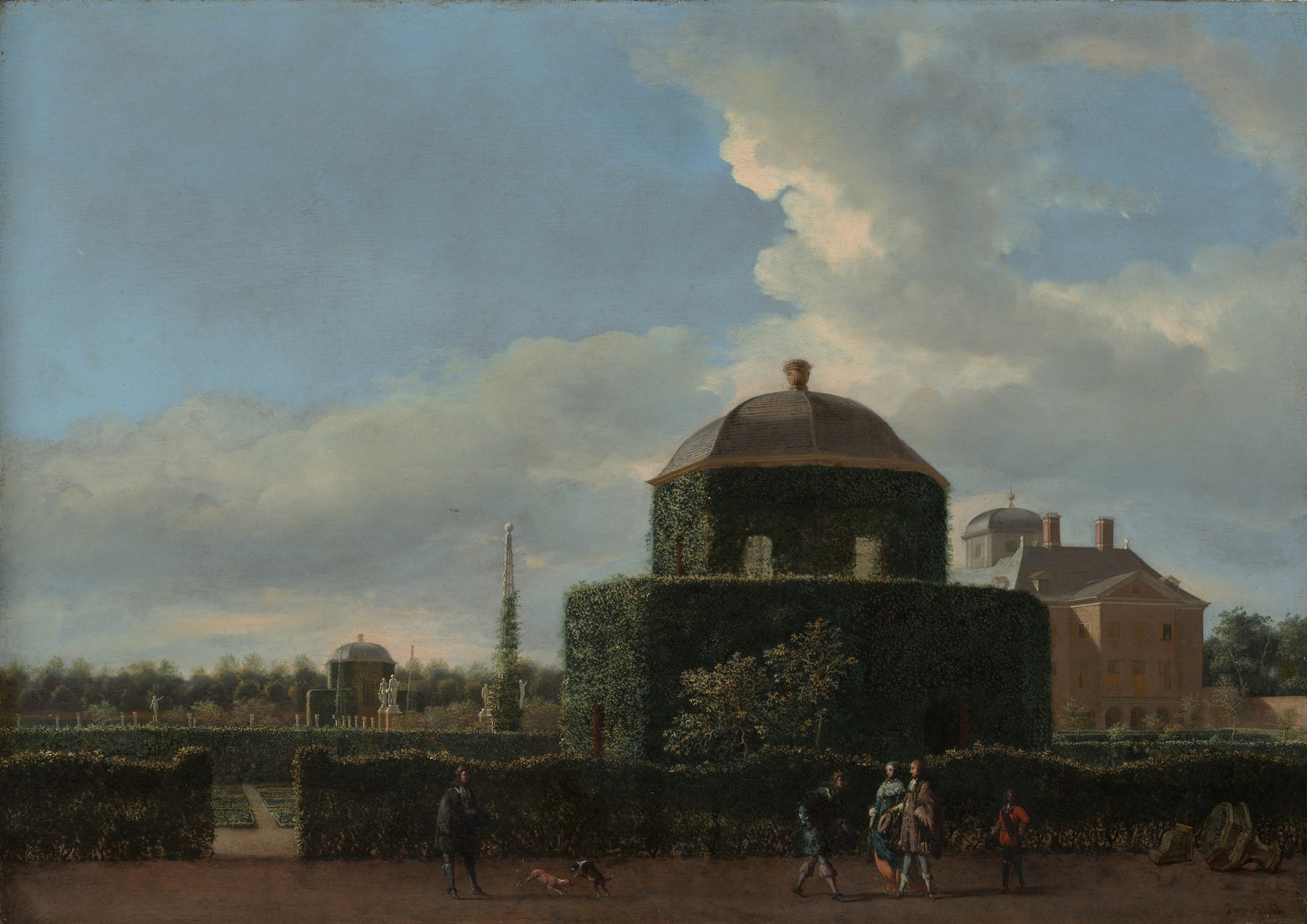
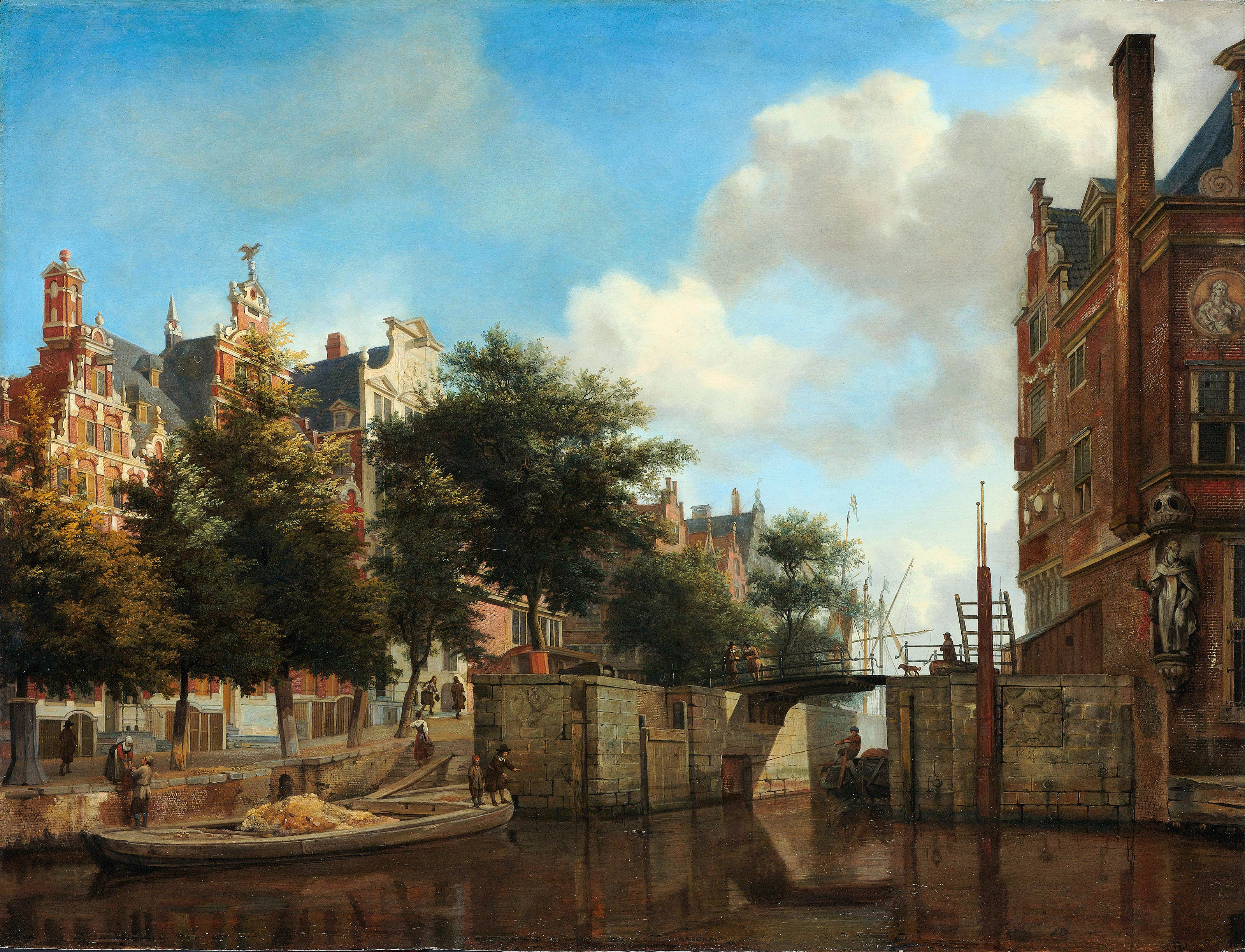
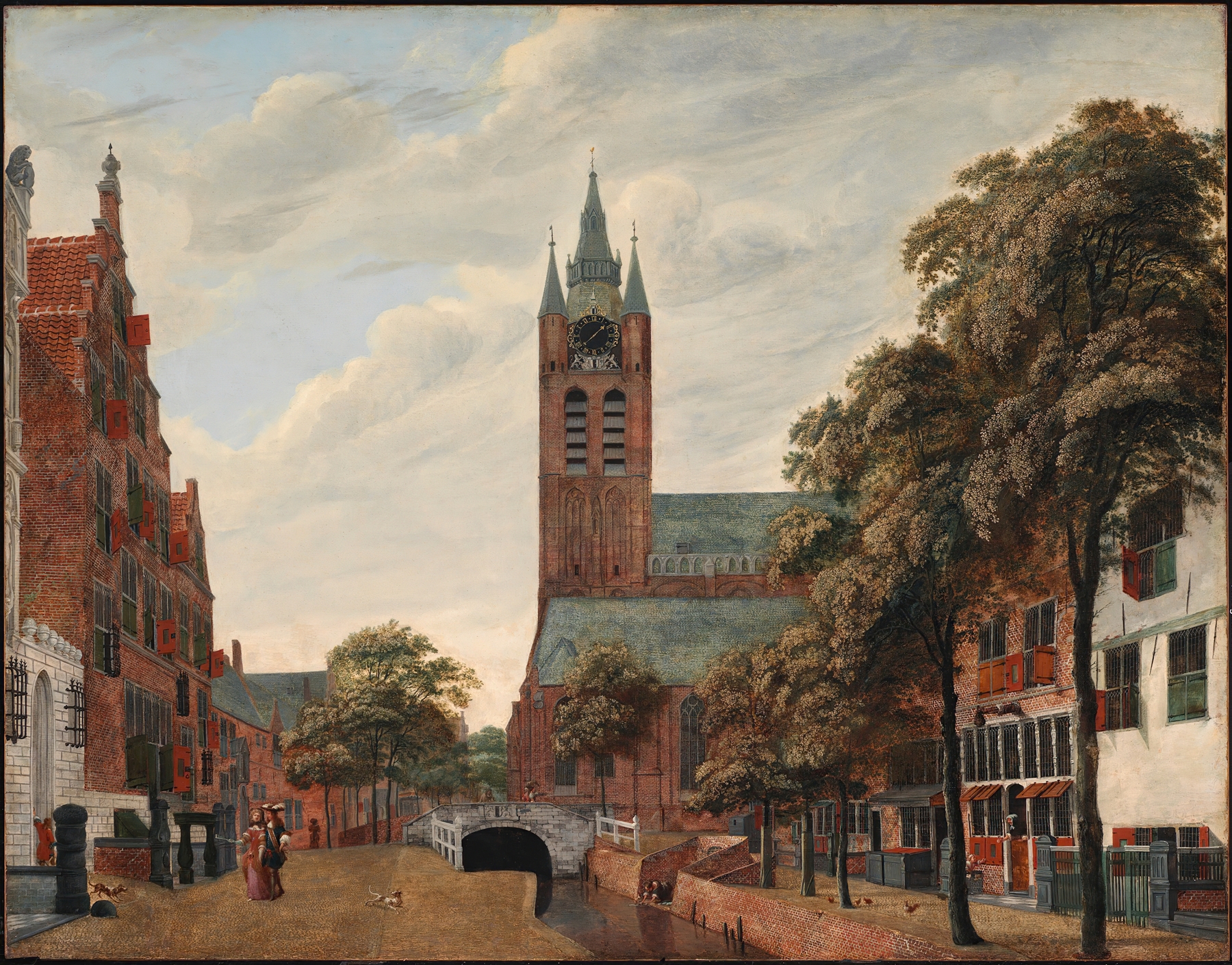
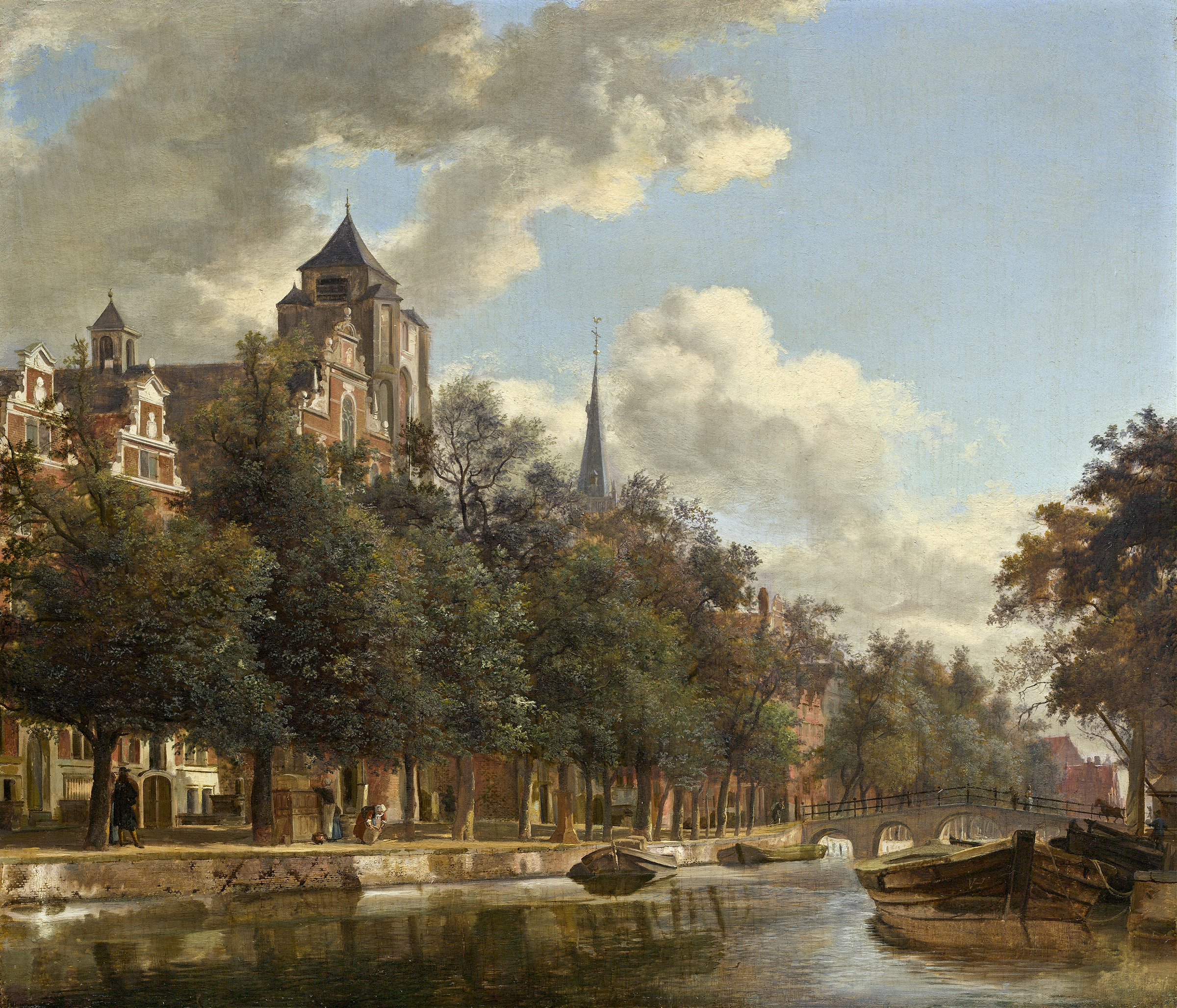
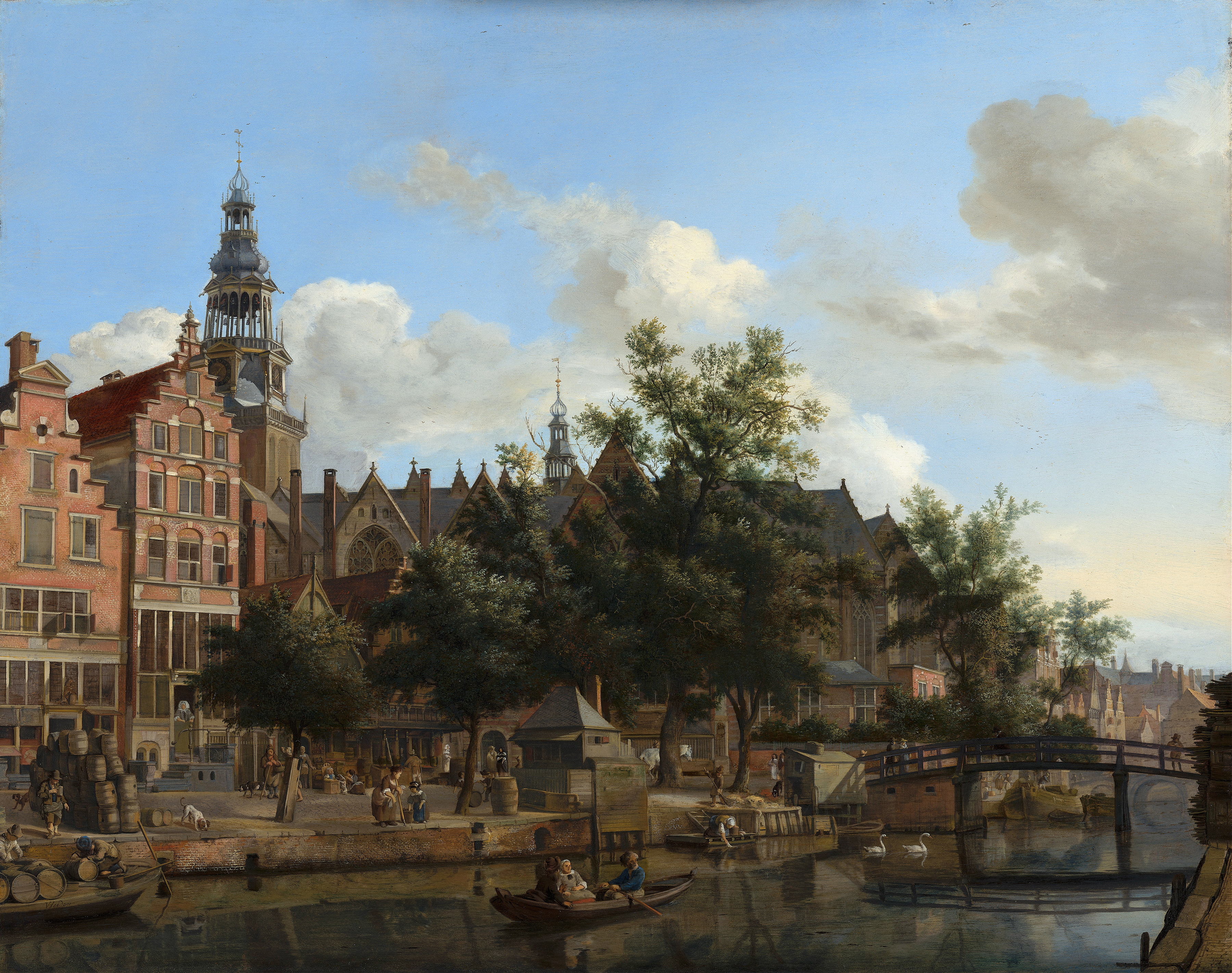
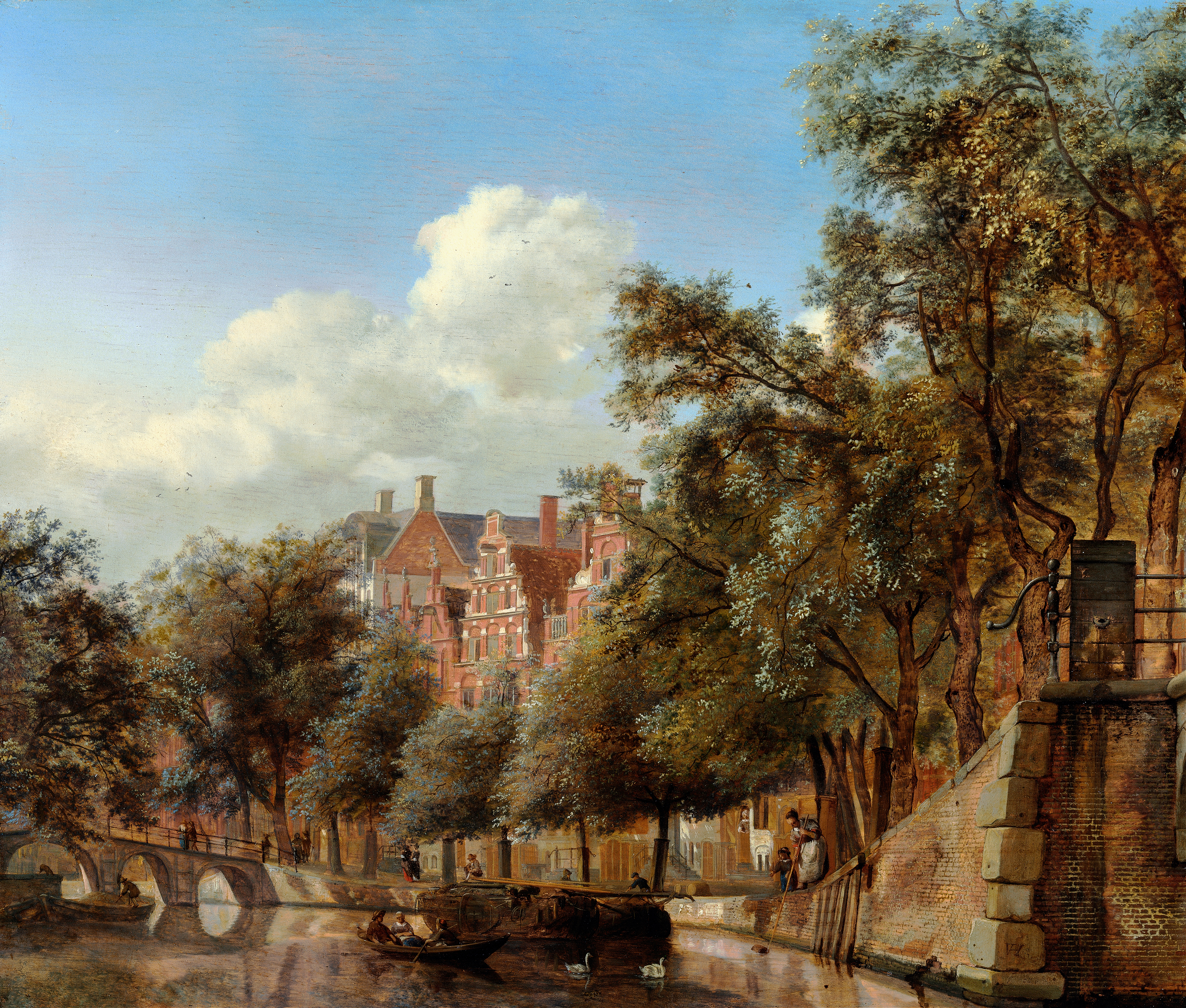
“Between color and silence, truth hides.” The essence of solitude subtly permeates the canvas, urging us to explore the depths of loneliness hidden within its serene depiction. Focus first on the harmonious blend of blues and grays, which create an almost melancholic atmosphere, drawing the viewer’s gaze to the waterways that wind through Amsterdam. Notice how the gentle ripples reflect the soft glow of the sky, instilling a sense of tranquility amidst the stark architecture. With meticulous detail, the artist captures the stillness of the scene, urging you to linger on the empty spaces that dominate the composition, fostering an intimate connection with the city’s silent rhythm.
Delve deeper into the composition, where the solitary figures along the quayside contrast sharply with the vastness of the water. The quietude of the scene speaks volumes; the absence of bustling crowds invites contemplation on isolation and the human experience within urban spaces. The subtle interplay between light and shadow further emphasizes the profound sense of loneliness, revealing that even in a bustling city, one can find an echo of solitude.
Created around 1663, this work emerged during a time of significant artistic development in the Netherlands, characterized by a flourishing of realism and attention to detail. Jan van der Heyden, a master of perspective and architectural representation, painted this piece in Amsterdam, capturing the city’s distinctive character while reflecting his own sensitivity to the themes of solitude and the passage of time. This era was marked by a burgeoning interest in cityscapes, laying the groundwork for future explorations of urban life.