View Down a Dutch Canal — History & Analysis
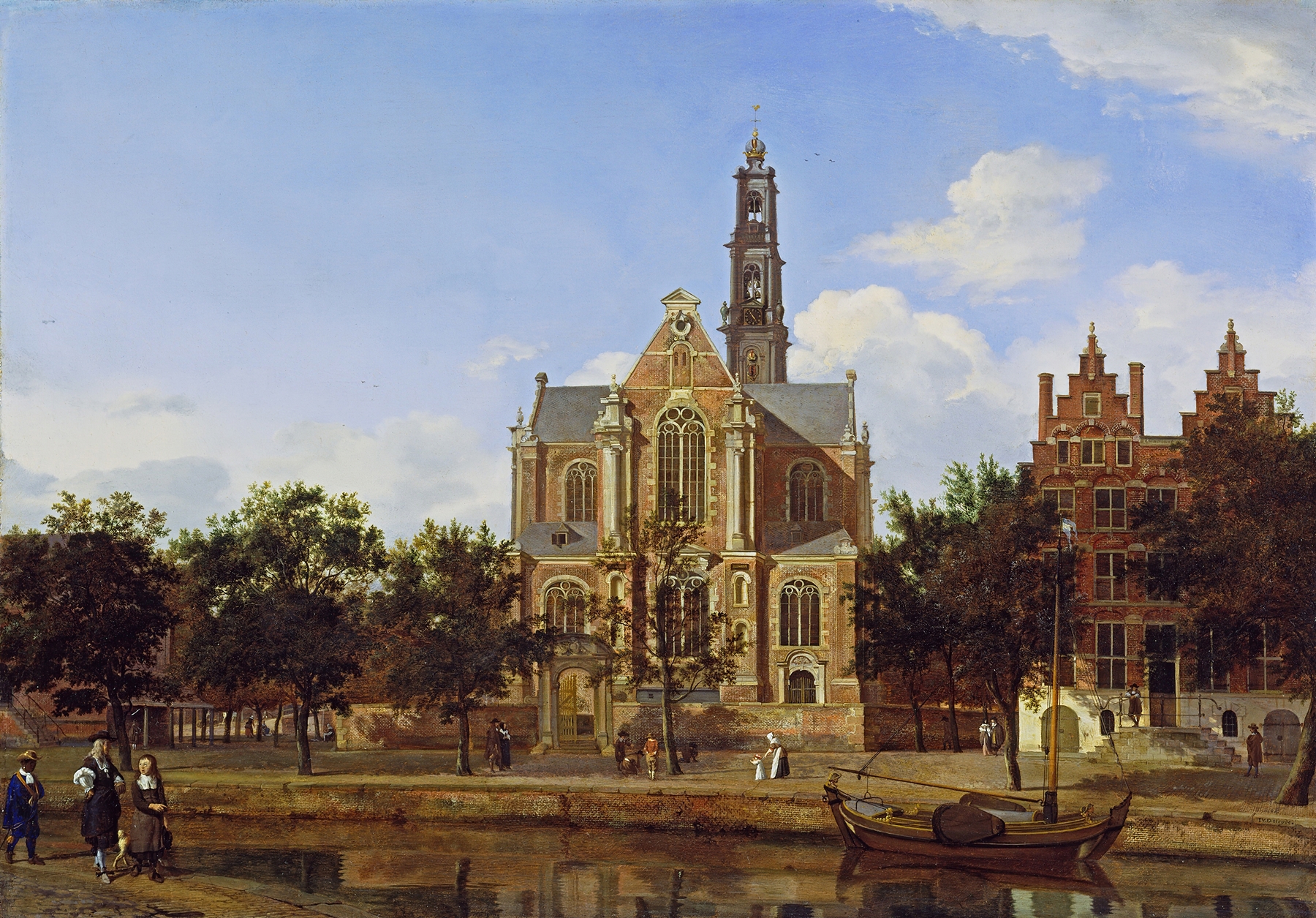
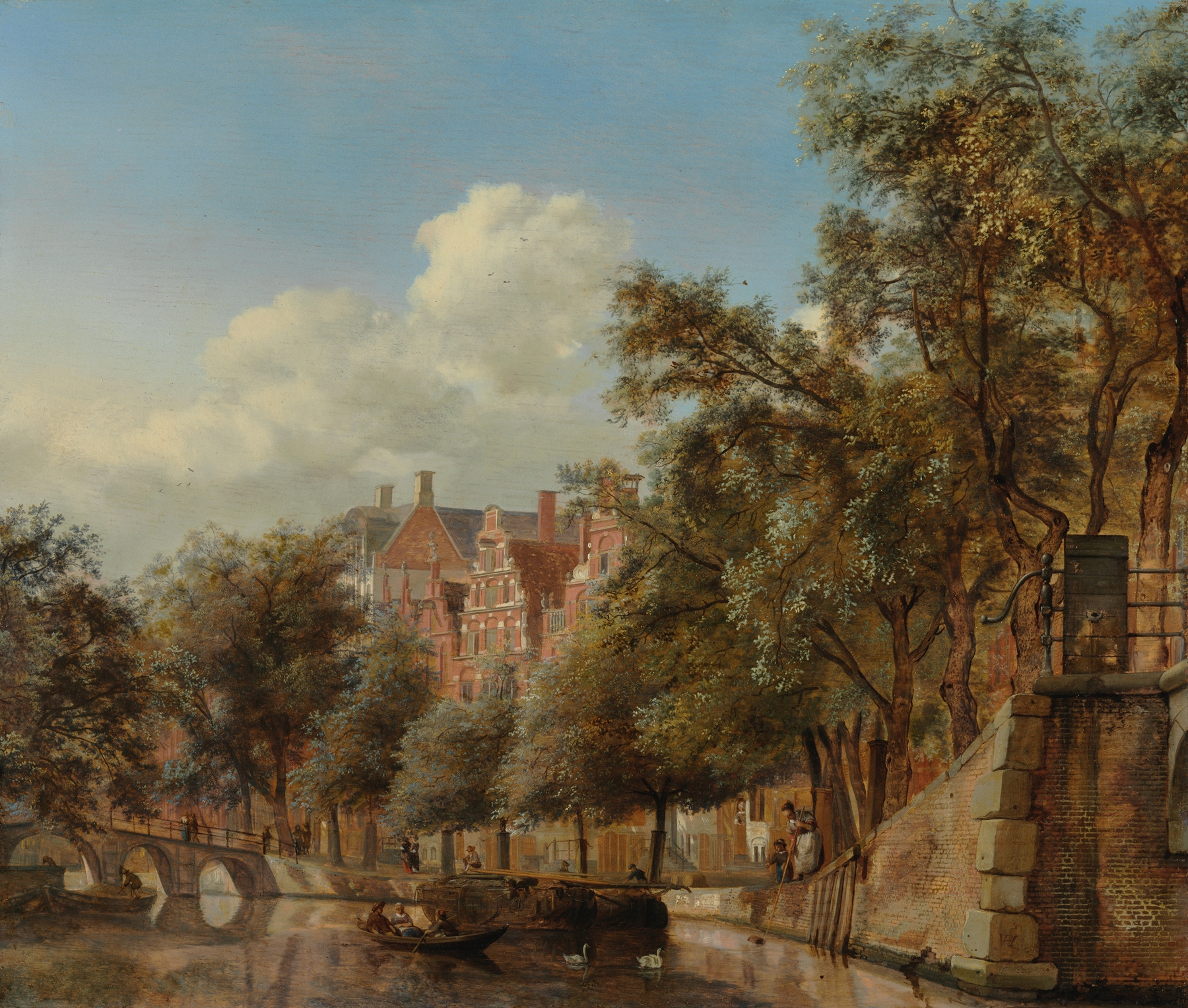
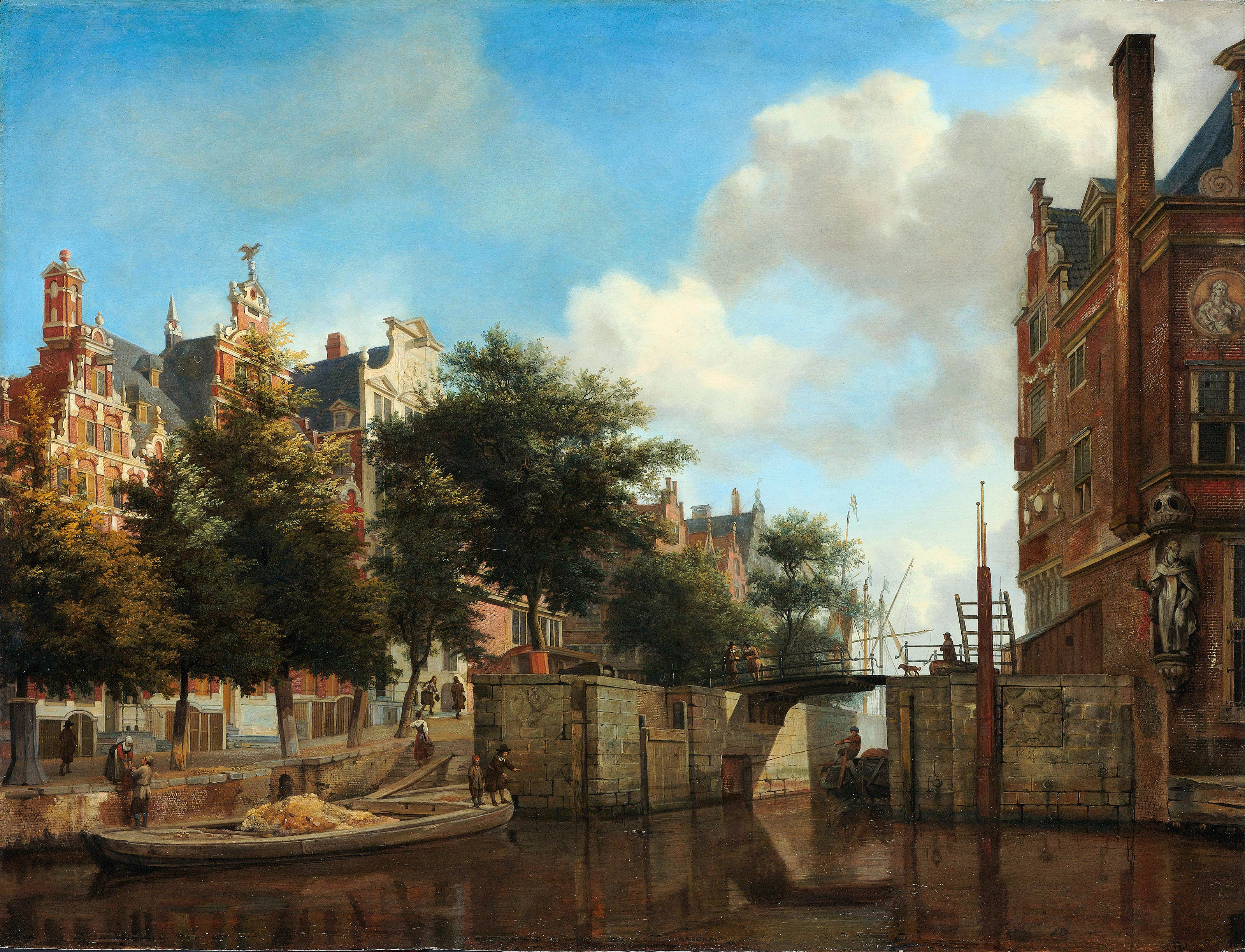
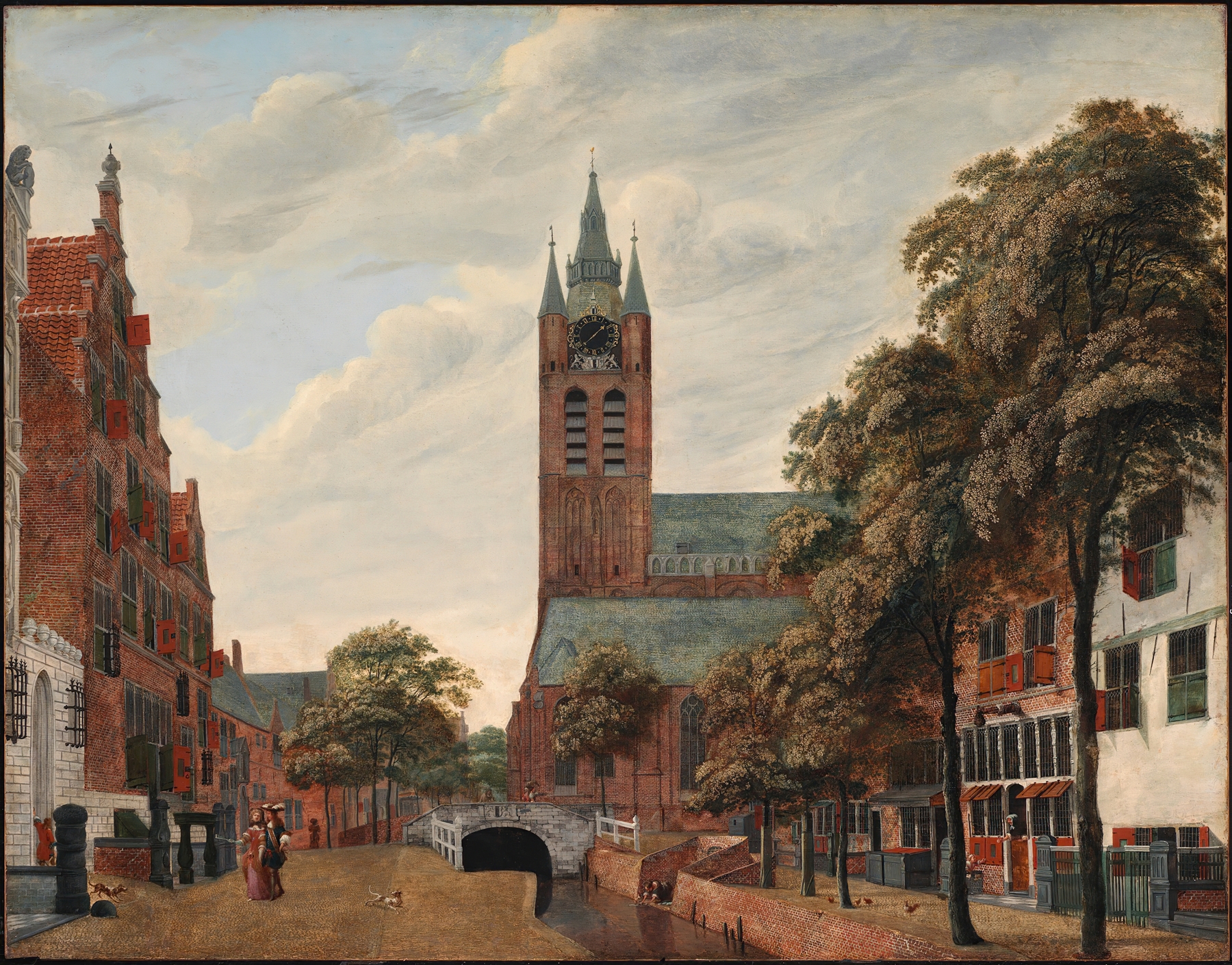
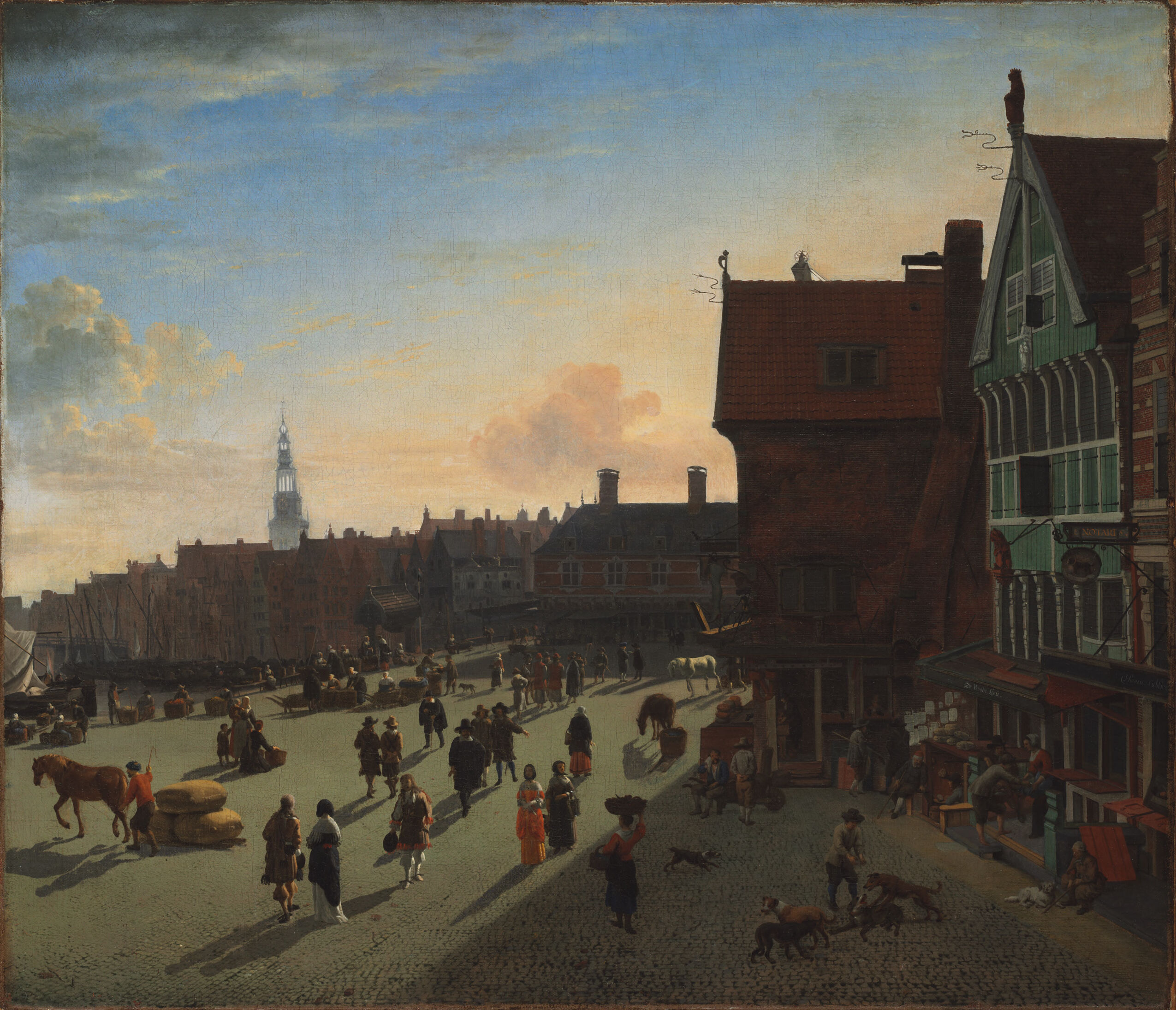
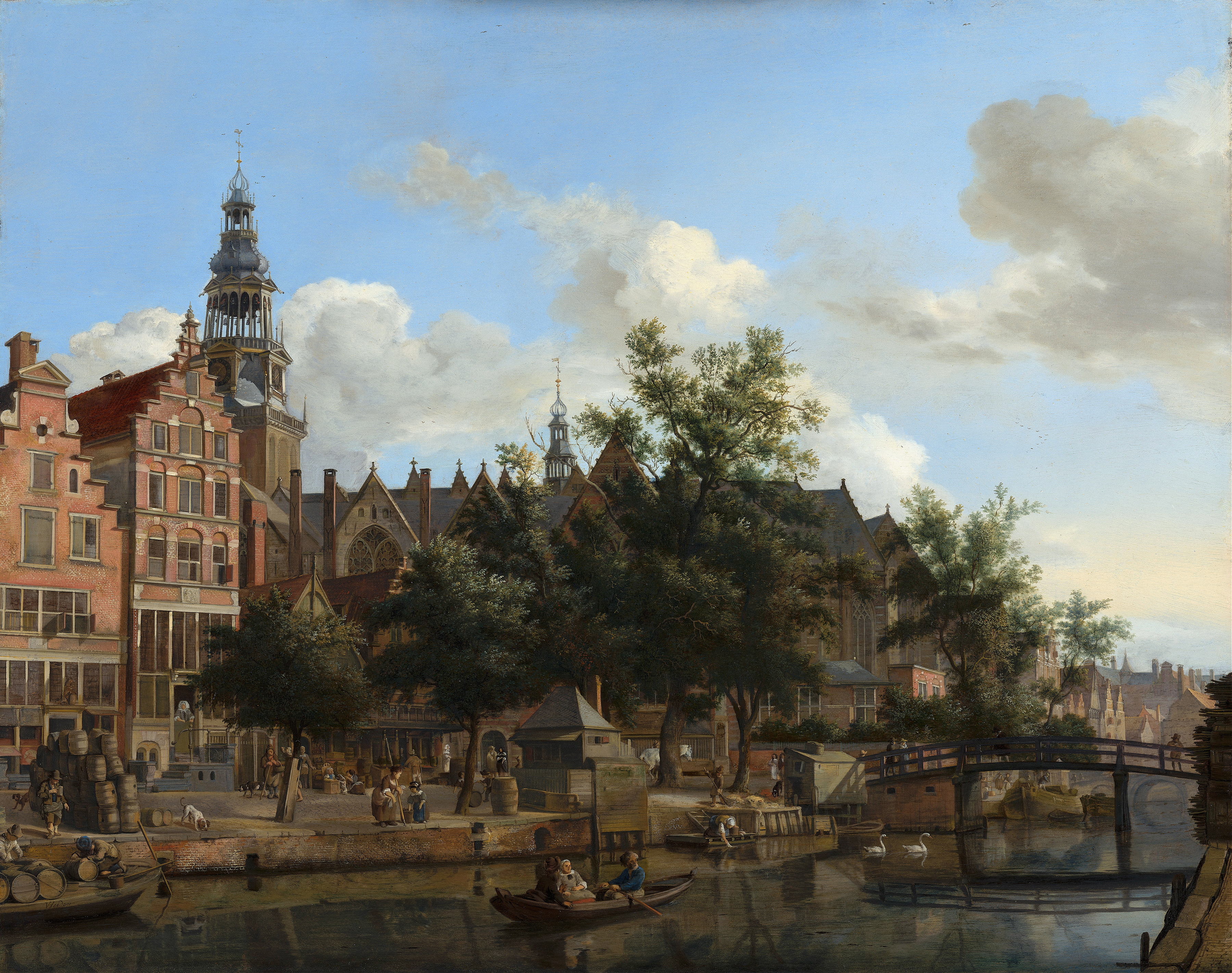
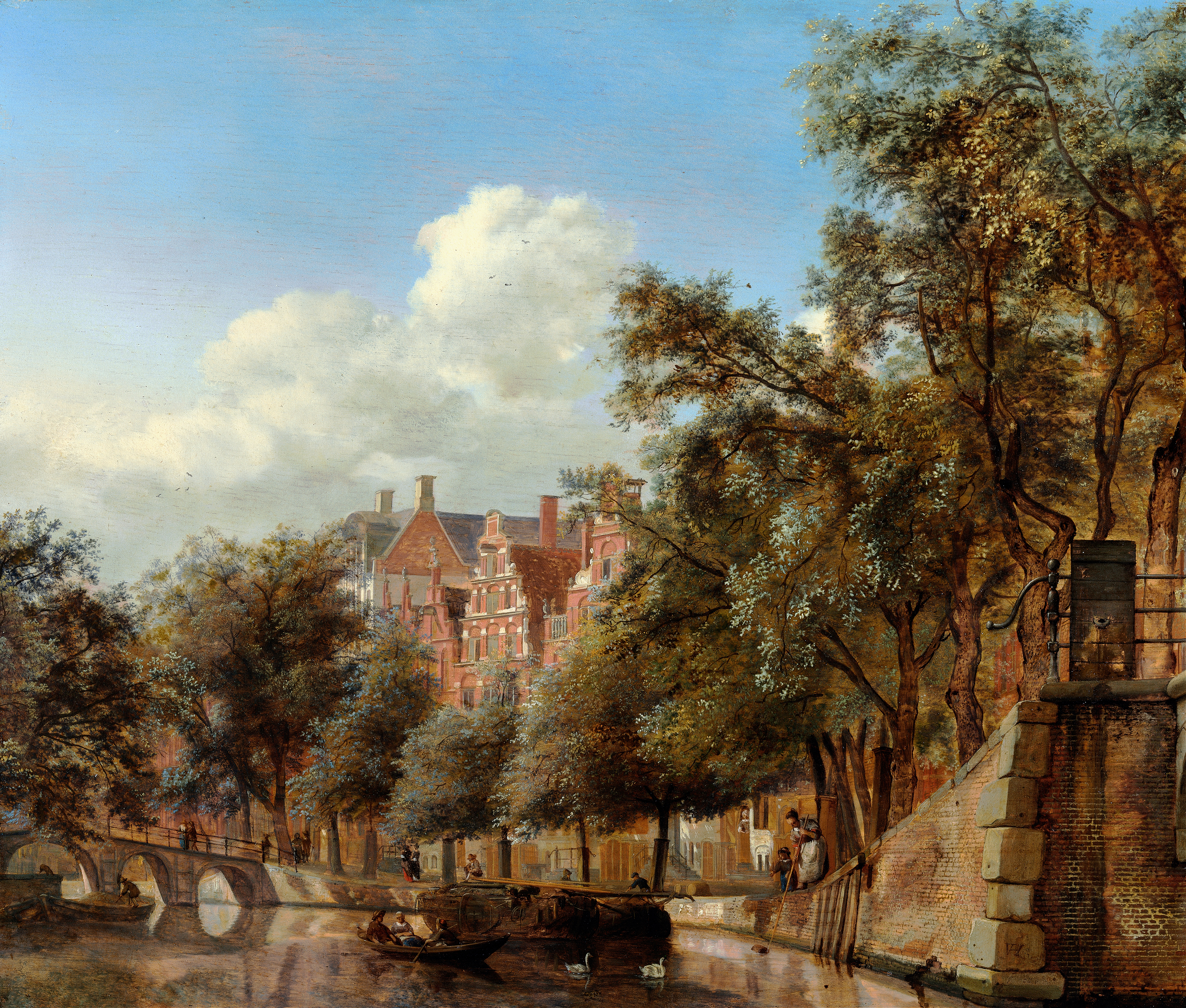
Where does light end, and longing begin? In the quiet embrace of a Dutch canal, the shimmering reflections dance on the water's surface, inviting contemplation and faith in the allure of what lies beyond. Focus first on the gentle curves of the canal that elegantly draw your eye into the painting's depth. The meticulously rendered architecture on either side stands in harmonious contrast to the fluidity of the water, each brick and beam illuminated by the soft glow of midday sun. Notice how the light falls upon the vessels gently bobbing on the surface, their sails stilled, suggesting a moment suspended in time.
The artist's precise brushwork enhances the tranquility, conveying a sense of stillness that resonates deeply with the viewer. Yet, amidst this serene setting, subtle tensions emerge. The juxtaposition of the rigid structures against the flowing water speaks to the duality of human experience — the desire for stability against the inevitable ebb and flow of life. The play of light hints at a deeper yearning for connection and understanding, suggesting that even in stillness, the soul remains restless.
The delicate clouds drifting above echo the ephemeral nature of existence, urging us to reflect on our own journeys of faith and longing. Jan van der Heyden painted this exquisite scene around 1670, during a period of flourishing trade and urban growth in the Netherlands. At this time, he was establishing himself within the Dutch Golden Age, a moment marked by remarkable developments in landscape and cityscape painting. His work not only captured the beauty of the environment but also revealed the intricate relationship between humanity and its surroundings, a legacy that continues to speak to us today.