The Dam in Amsterdam towards the Townhall and Nieuwe Kerk — History & Analysis
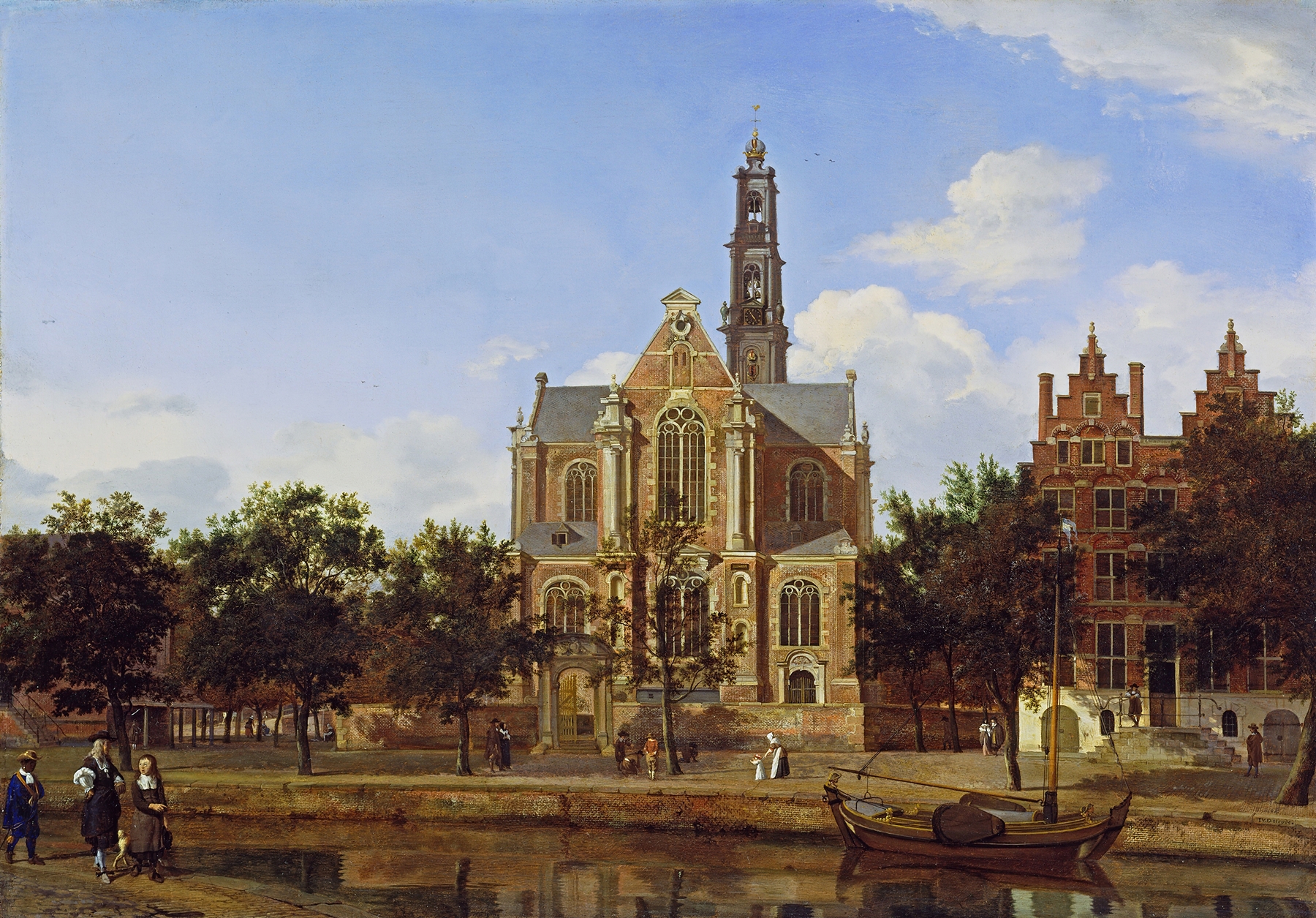
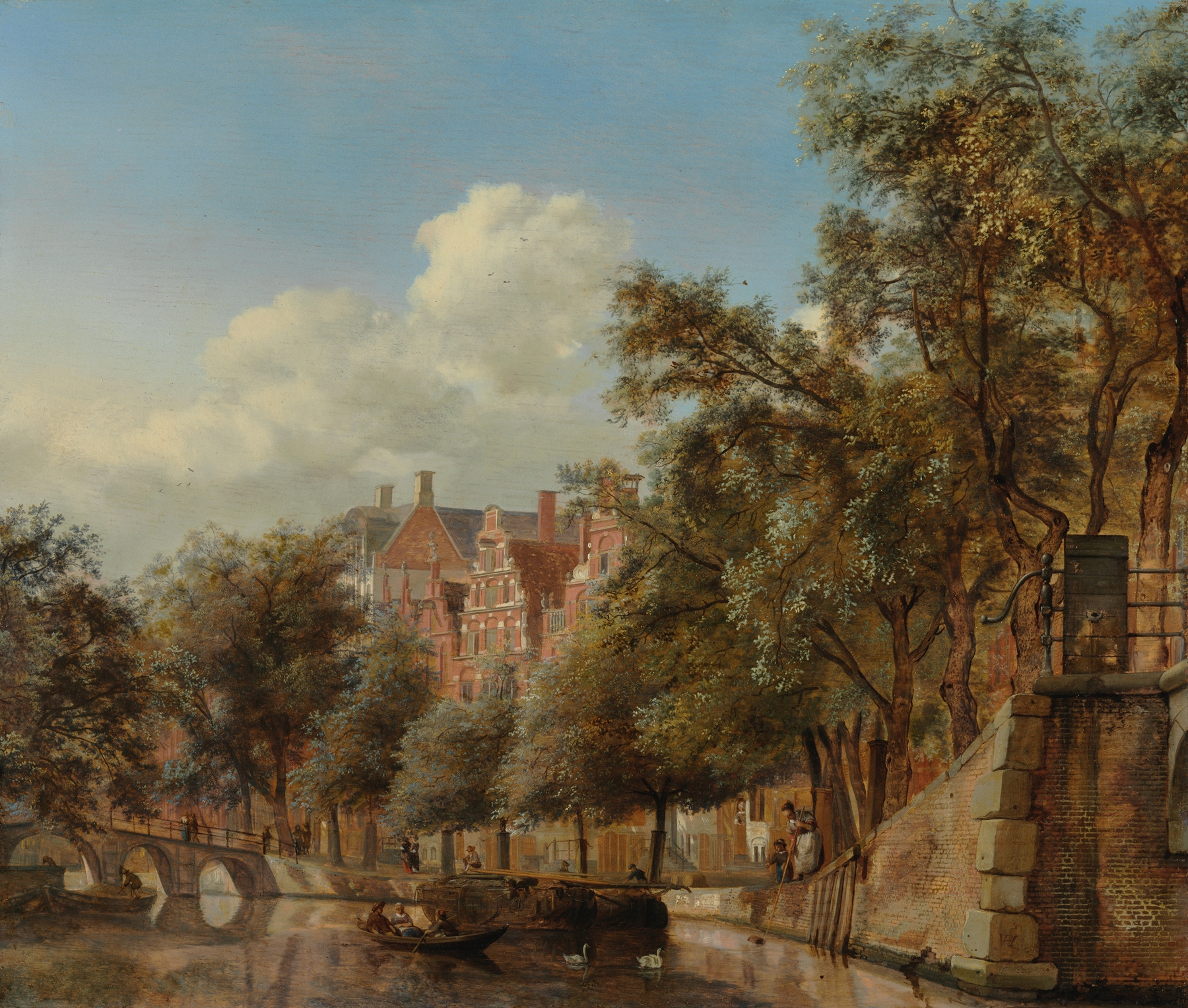
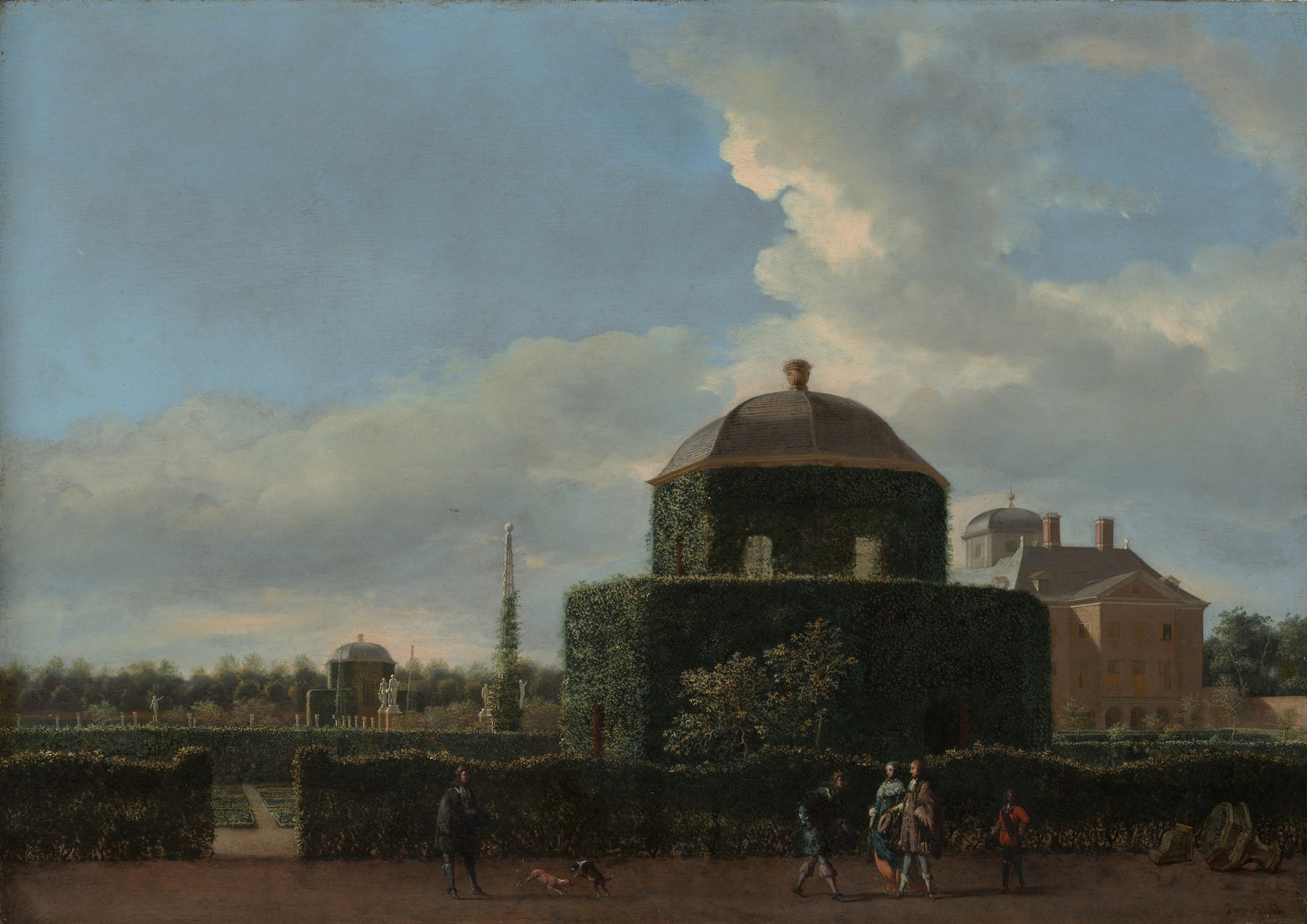
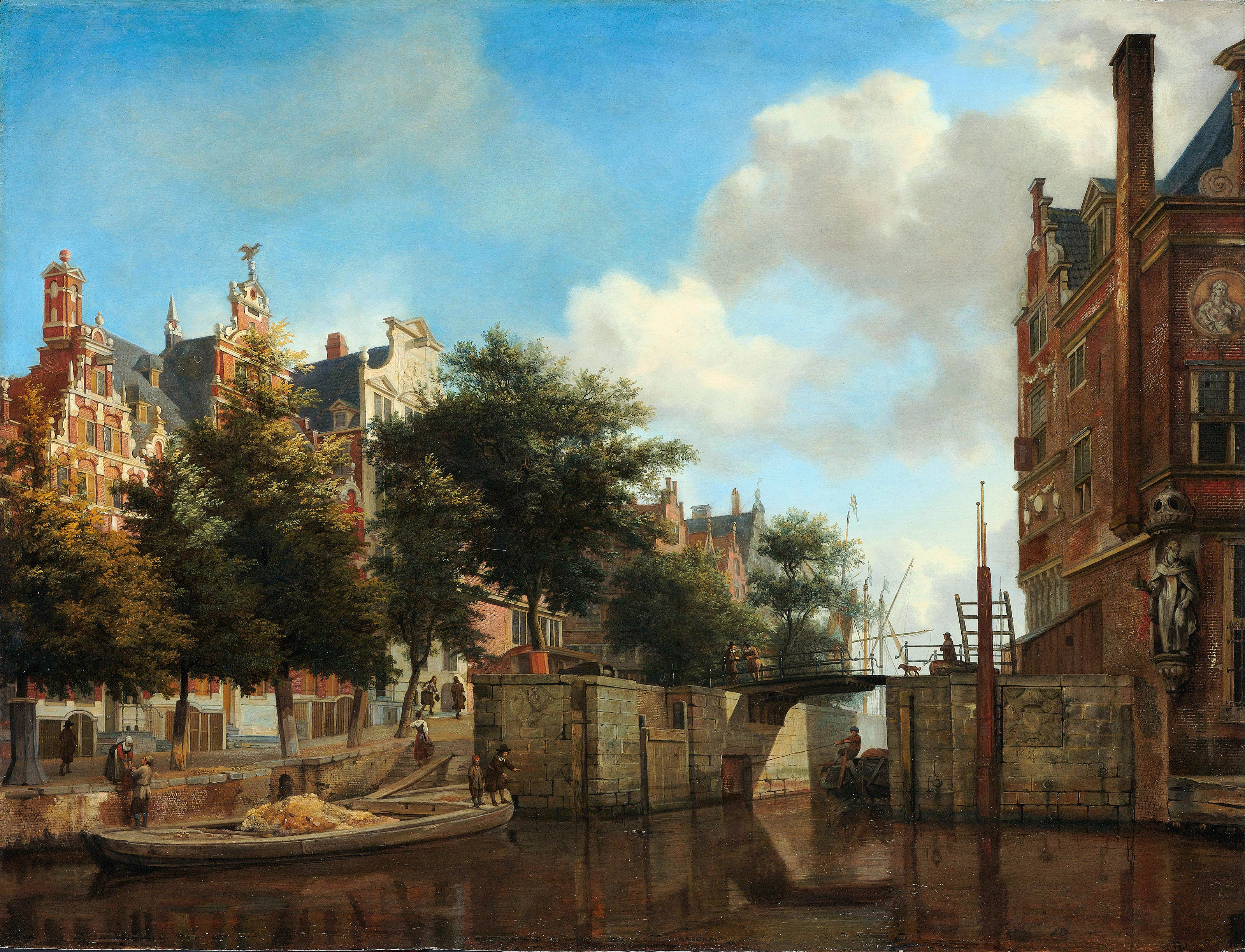
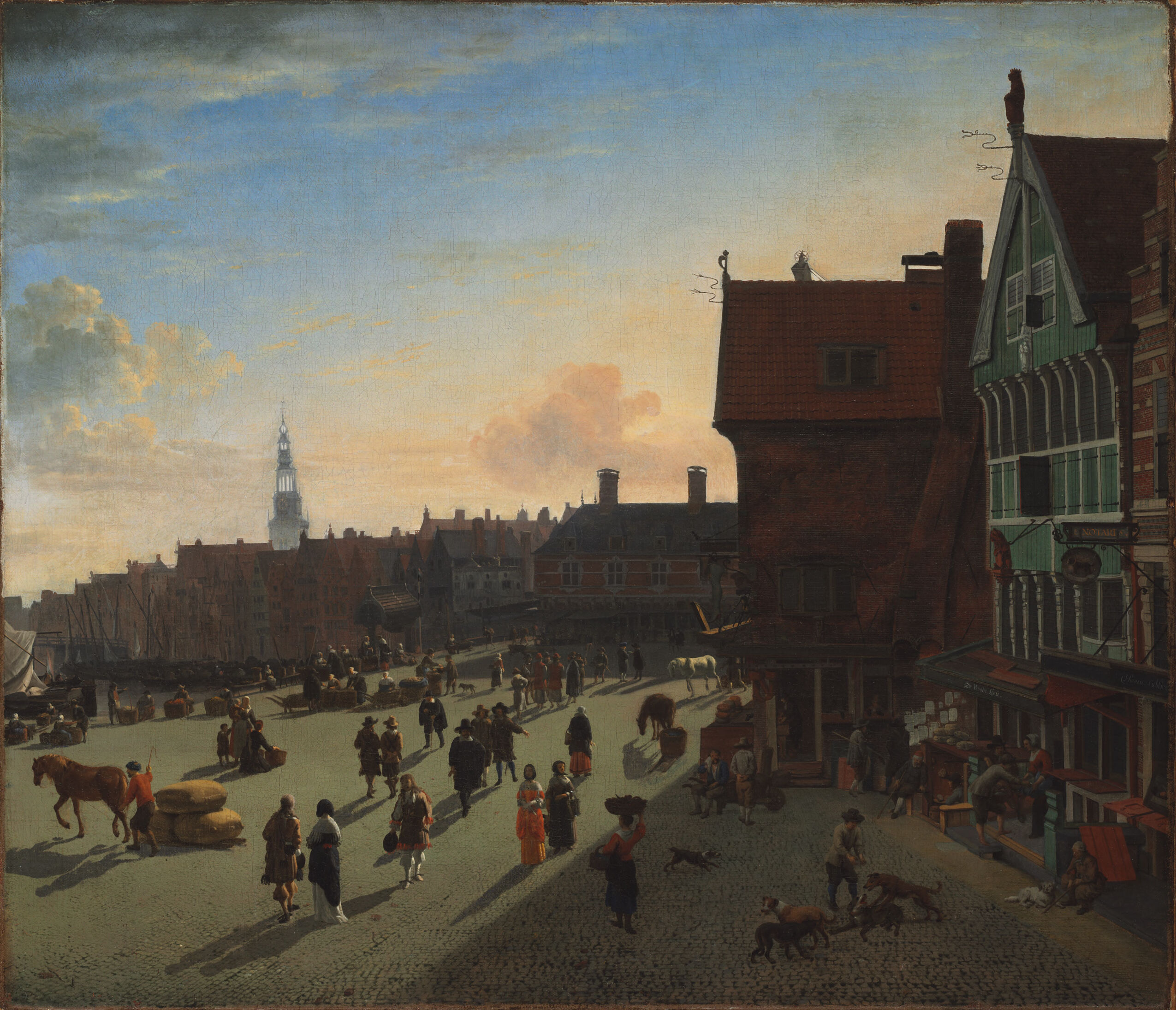
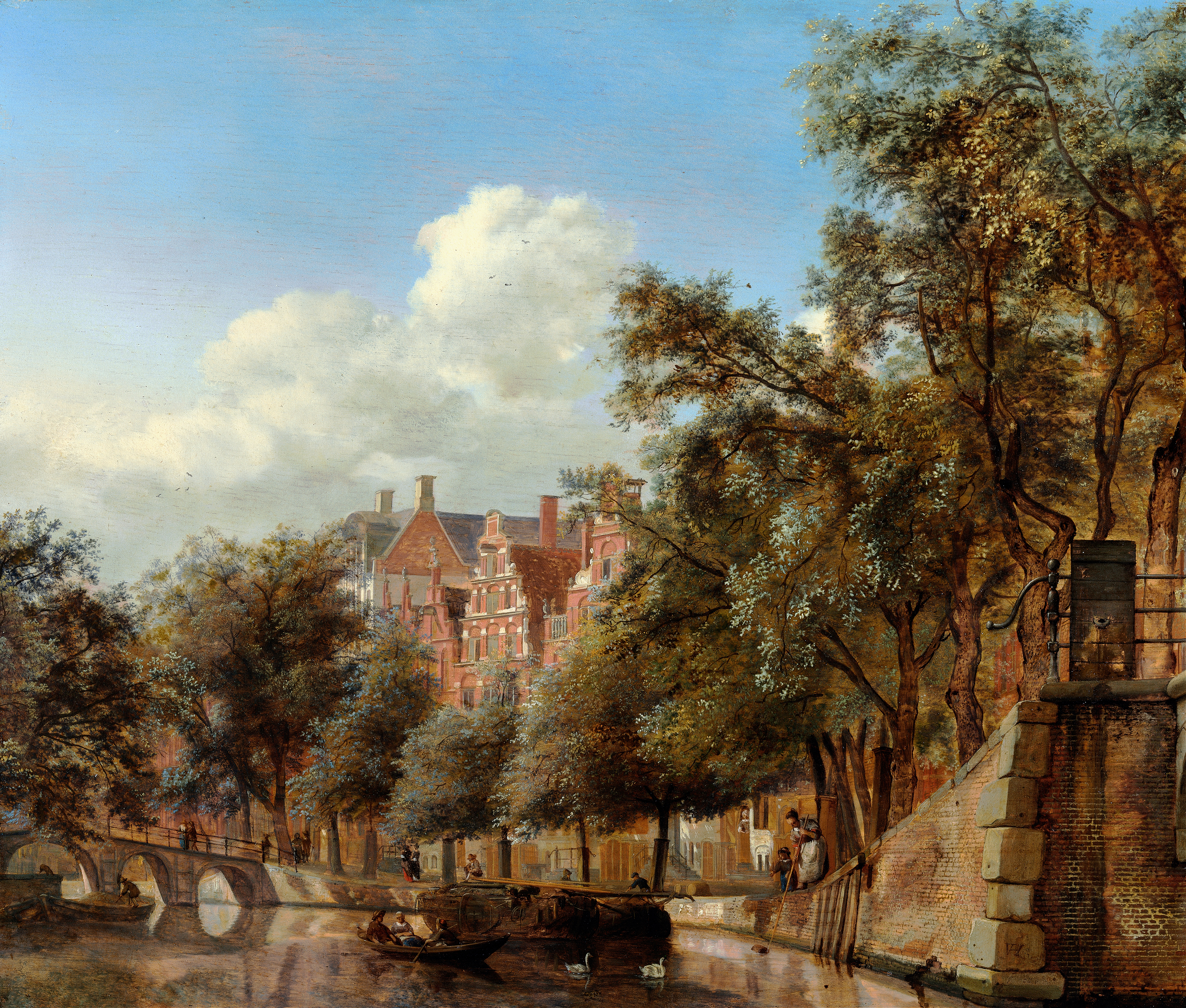
Can paint confess what words never could? In the quiet expanse of a Dutch landscape, reflection and reality intertwine, offering a bittersweet glimpse into a moment suspended in time. Focus on the calm waters of the dam, where the mirror-like surface captures the silhouettes of the Townhall and Nieuwe Kerk. The gentle ripples disrupt the reflection, creating a dance of light and shadow that guides your gaze to the ornate architecture.
Notice the cool palette of blues and greys, punctuated by the soft golden hues of a fading afternoon sun, evoking a sense of longing and introspection that envelops the viewer like a tender embrace. Within this serene composition lies an undercurrent of melancholy, resonating with the ebb and flow of the water. The juxtaposition of the sturdy, imposing buildings against the fragile surface of the dam speaks to the transient nature of life and the passage of time. Hidden figures along the banks, engrossed in their mundane activities, serve as a reminder of the ordinary amidst the extraordinary, inviting contemplation of their stories and aspirations.
In 1670, Jan van der Heyden painted this work during a period of artistic innovation in the Netherlands, marked by an increased interest in urban landscapes. At this time, he was gaining recognition for his ability to capture the intricate interplay of light and architecture. Living in Amsterdam, a hub of trade and culture, he embraced the changing world around him, creating works that celebrate both the beauty and the transience of life within the burgeoning cityscape.