View of the Oude Delft Canal, Delft — History & Analysis
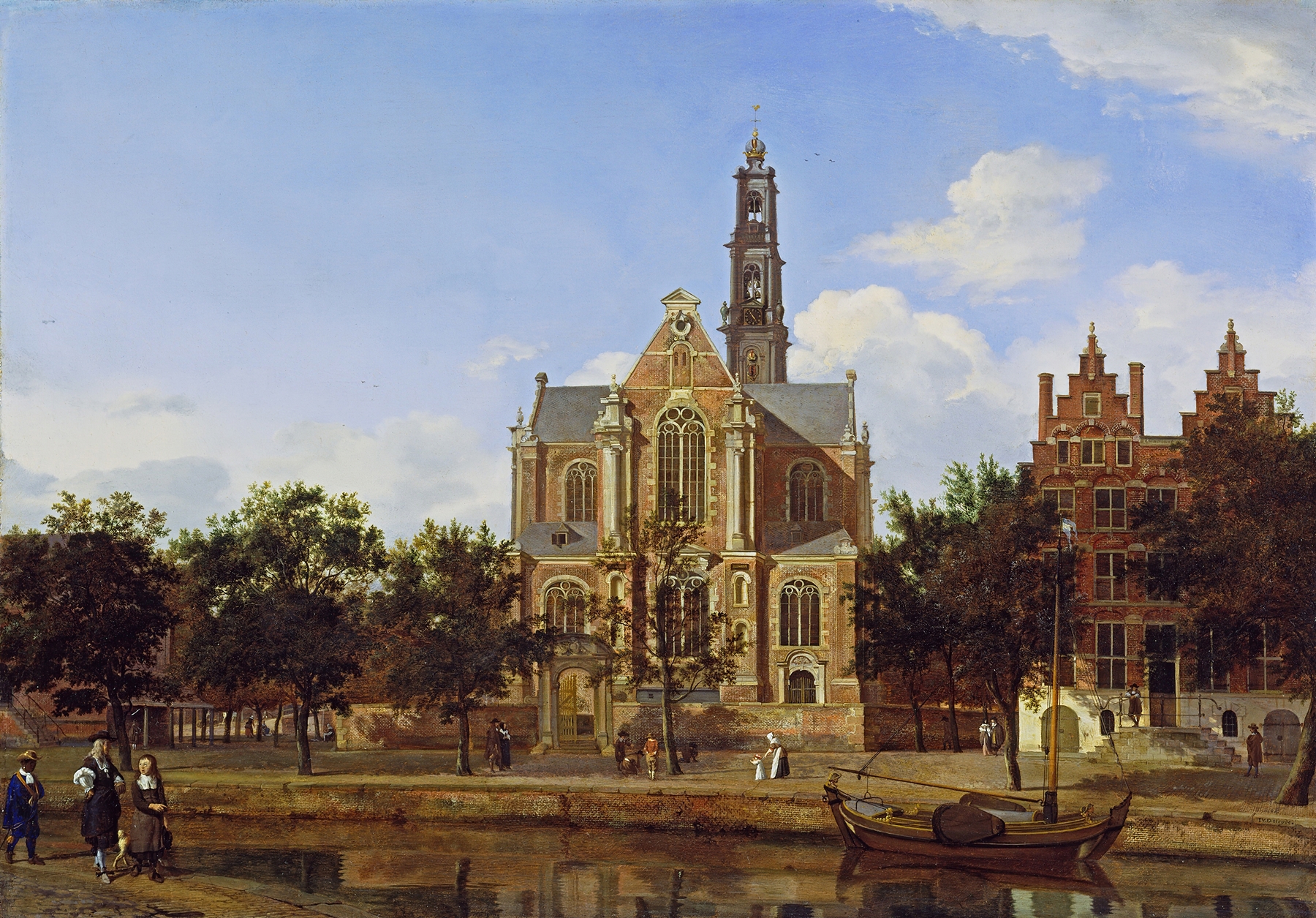
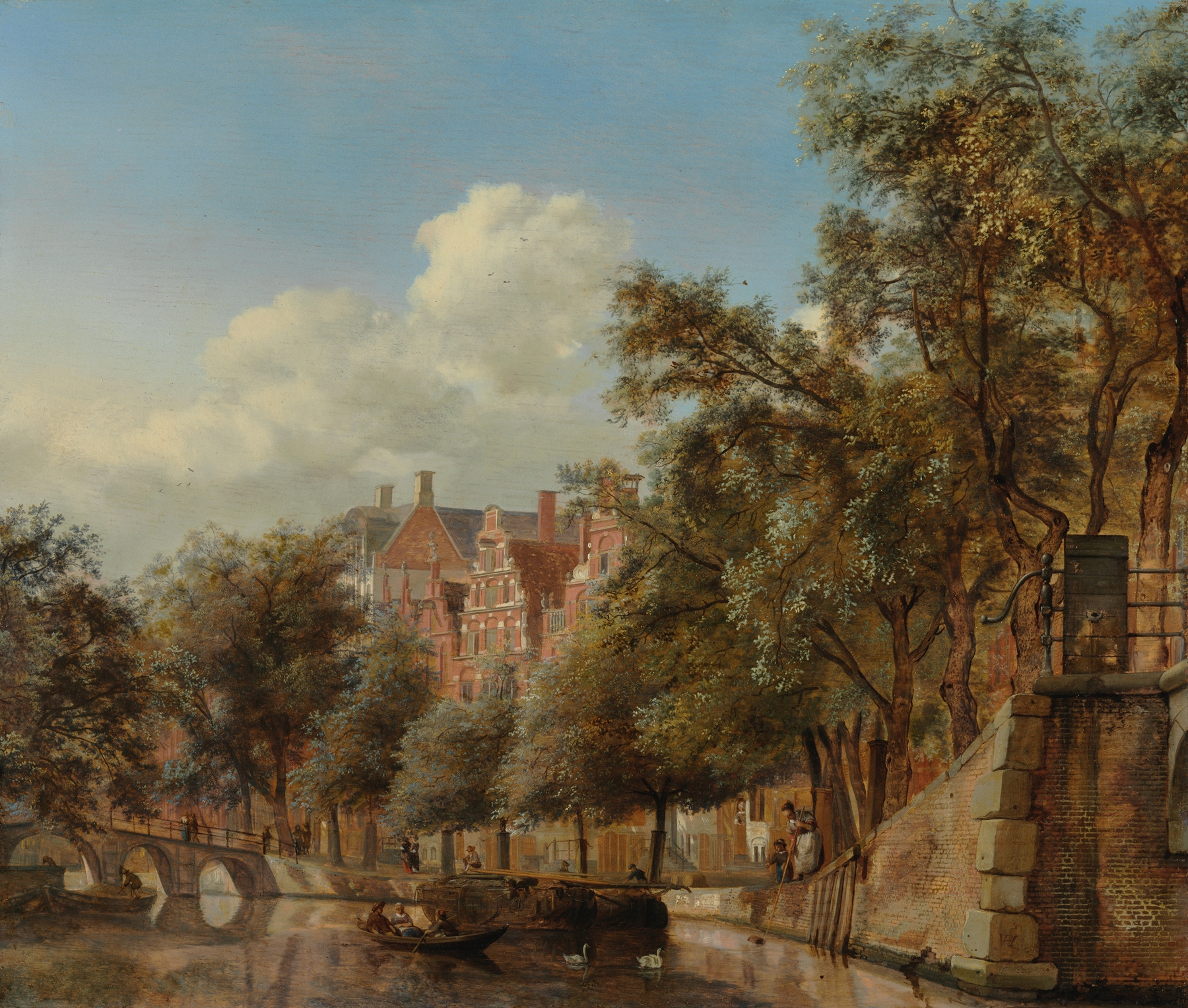
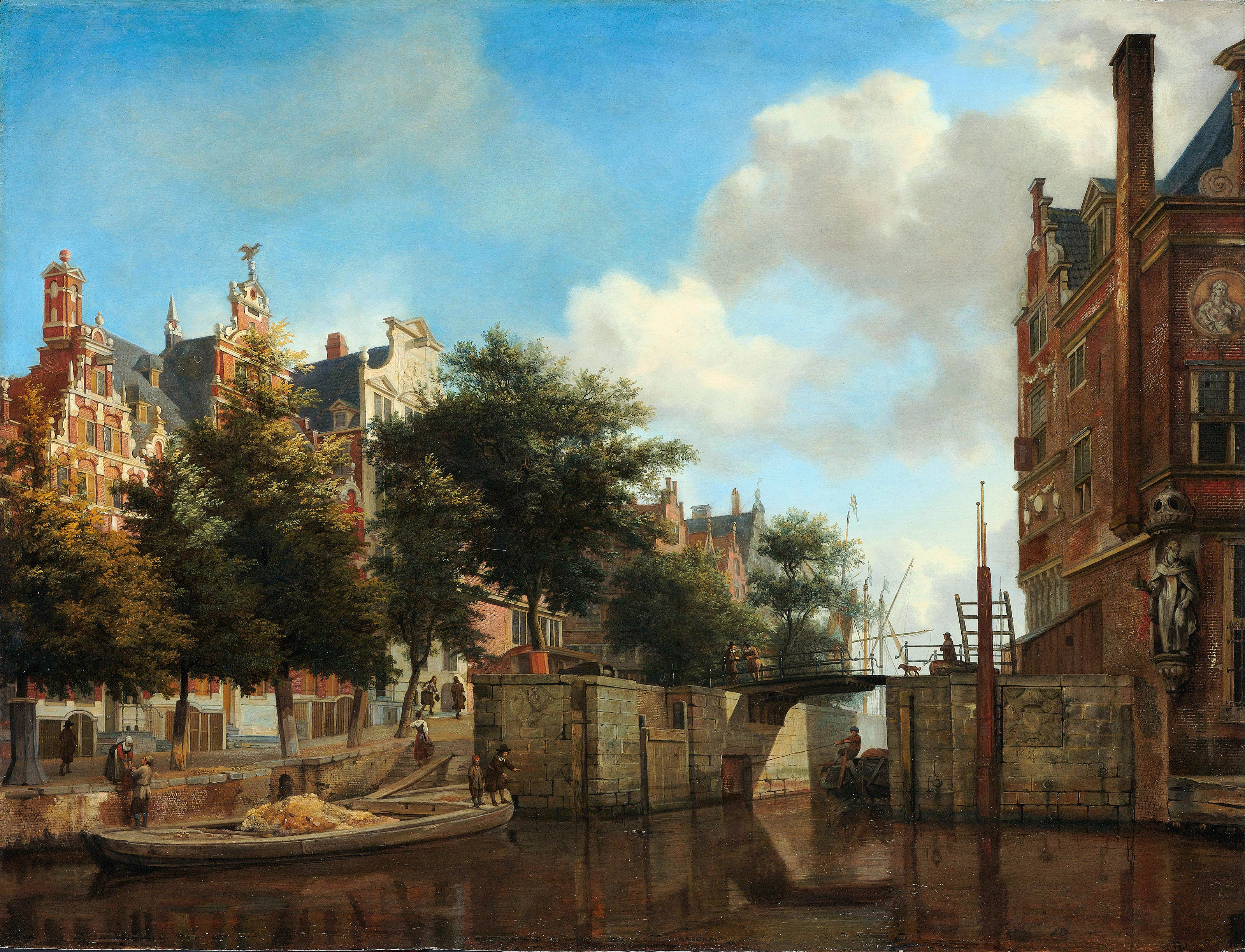
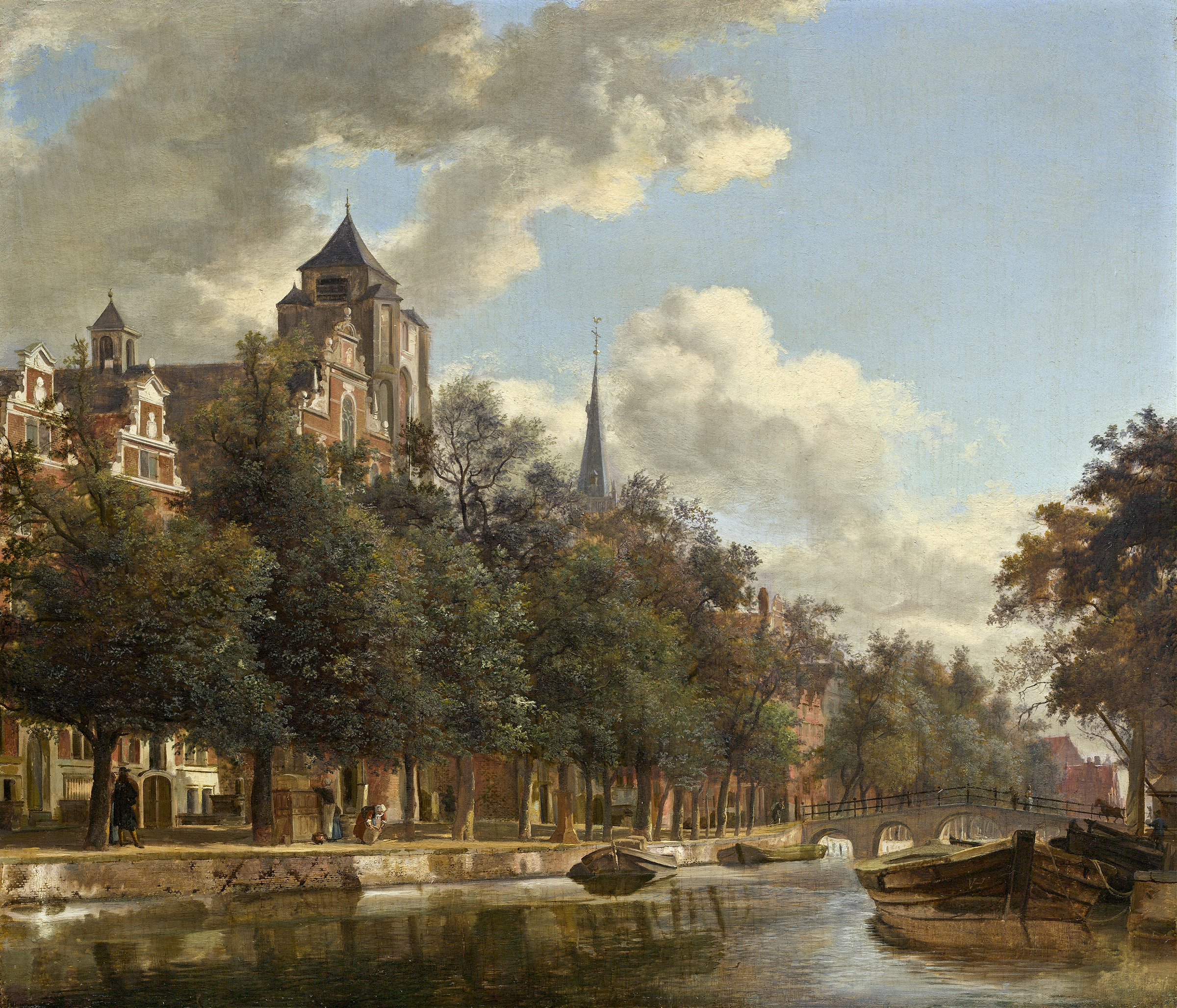
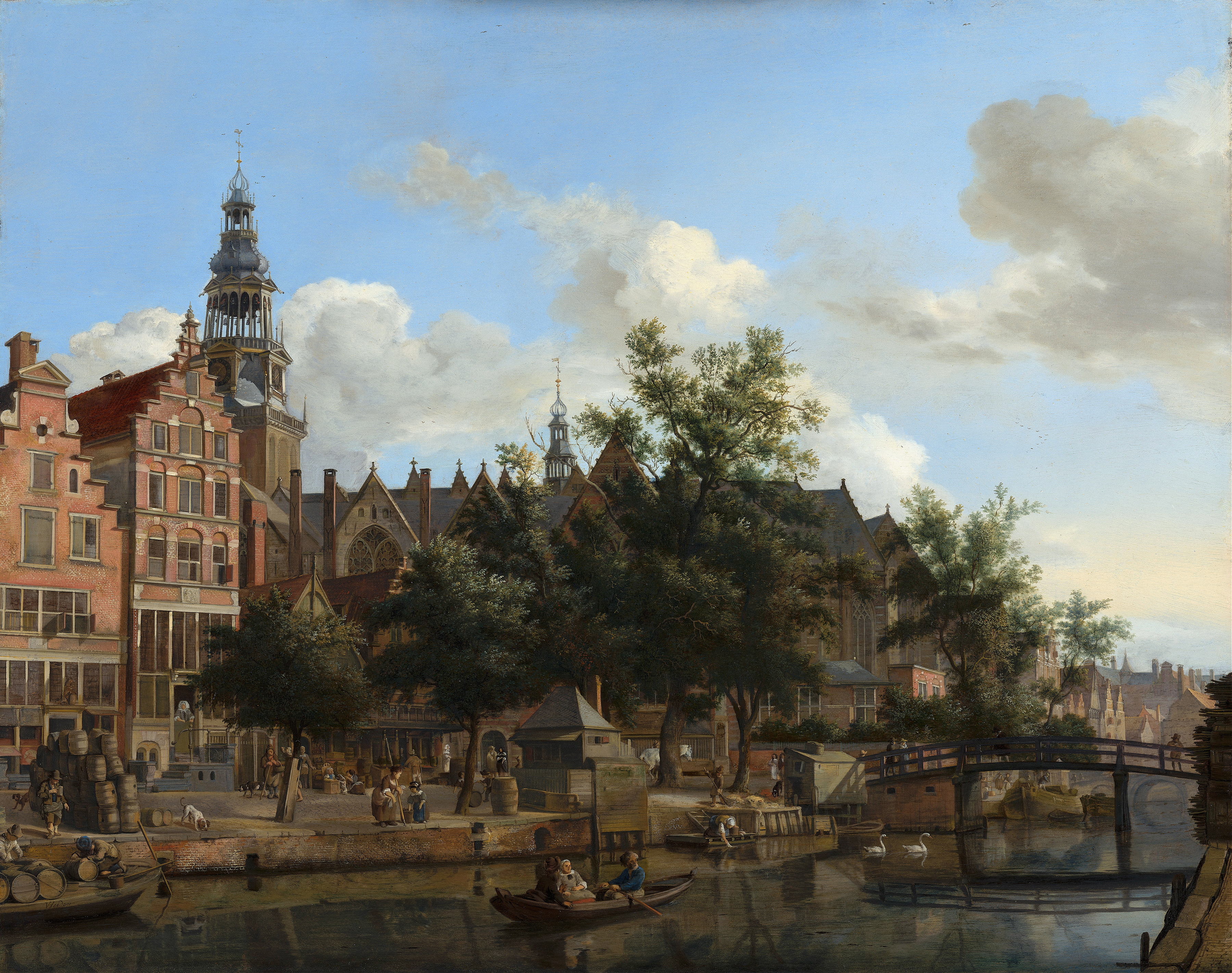
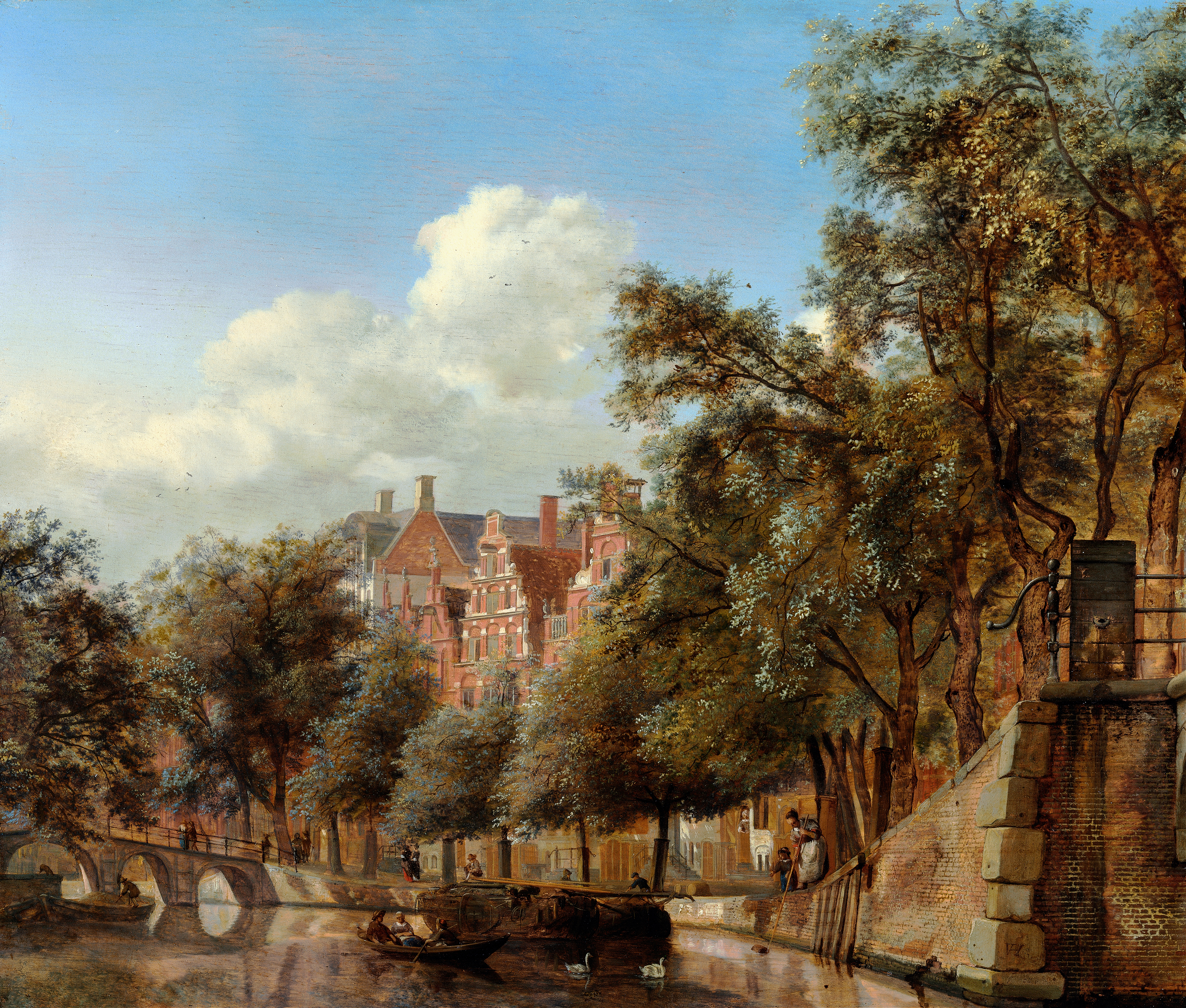
Did the painter know this moment would outlive them? In View of the Oude Delft Canal, a serene longing seeps through the gentle ripples of water, echoing the beauty of the past intertwined with the present. Look to the foreground where the tranquil canal reflects the soft, dappled light of the sky, casting shimmering patterns that draw the eye. To the left, the elegant gables of brick houses rise gracefully, their rich earthy tones harmonizing with the cool blues and greens of the water.
Notice how Van der Heyden's meticulous brushwork captures the delicate play of light across the surface, creating a sense of stillness that invites reflection. Beneath its surface beauty lie the emotional tensions of an era transitioning from the vibrancy of daily life to the stillness of memory. Each precise detail—the boats floating lazily along the canal, the trees swaying softly in the breeze—invites contemplation on impermanence and nostalgia. There’s a duality present; the scene is both a lively depiction of a bustling Dutch city and a quiet meditation on the passage of time.
Painted in 1660, during a period of remarkable artistic and commercial prosperity in the Netherlands, this work reflects Jan van der Heyden's deep appreciation for urban landscapes. Living in Delft, he was at the forefront of a movement that celebrated the beauty of everyday life while also witnessing the rise of a new artistic realism. The tranquility of this scene contrasts sharply with the complexities of his time, capturing a moment that resonates through centuries.