The Huis ten Bosch at The Hague and Its Formal Garden (View from the East) — History & Analysis
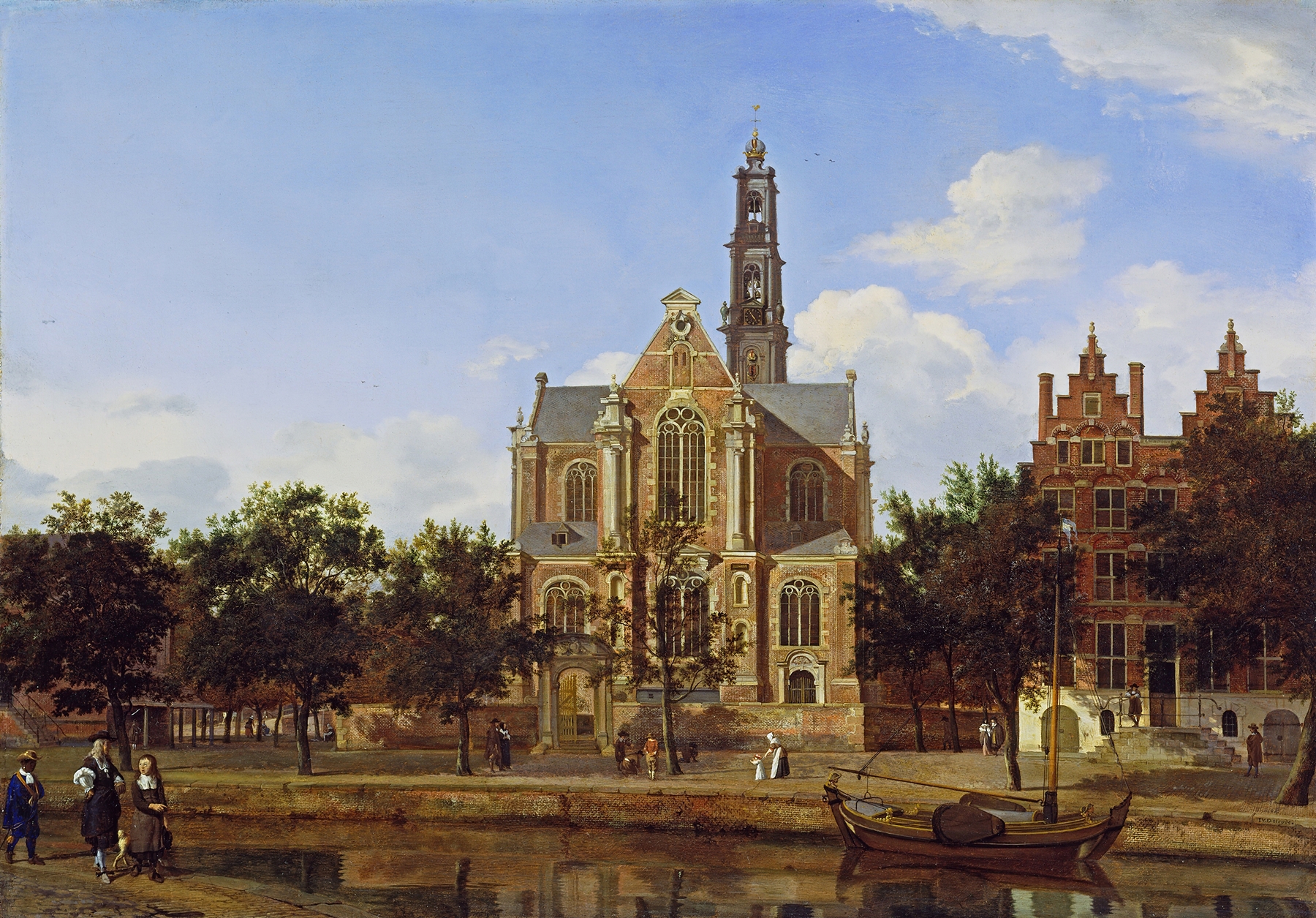
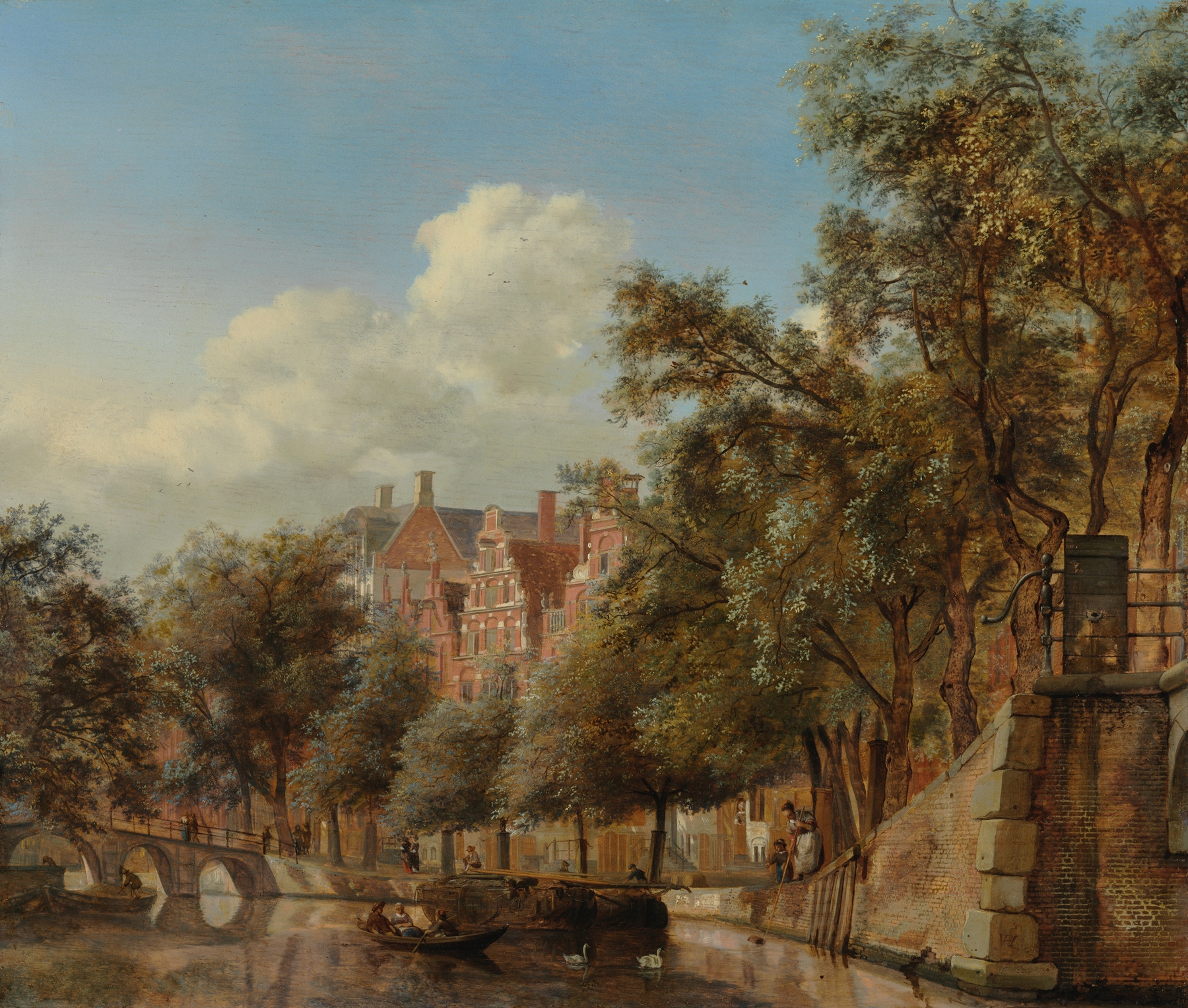
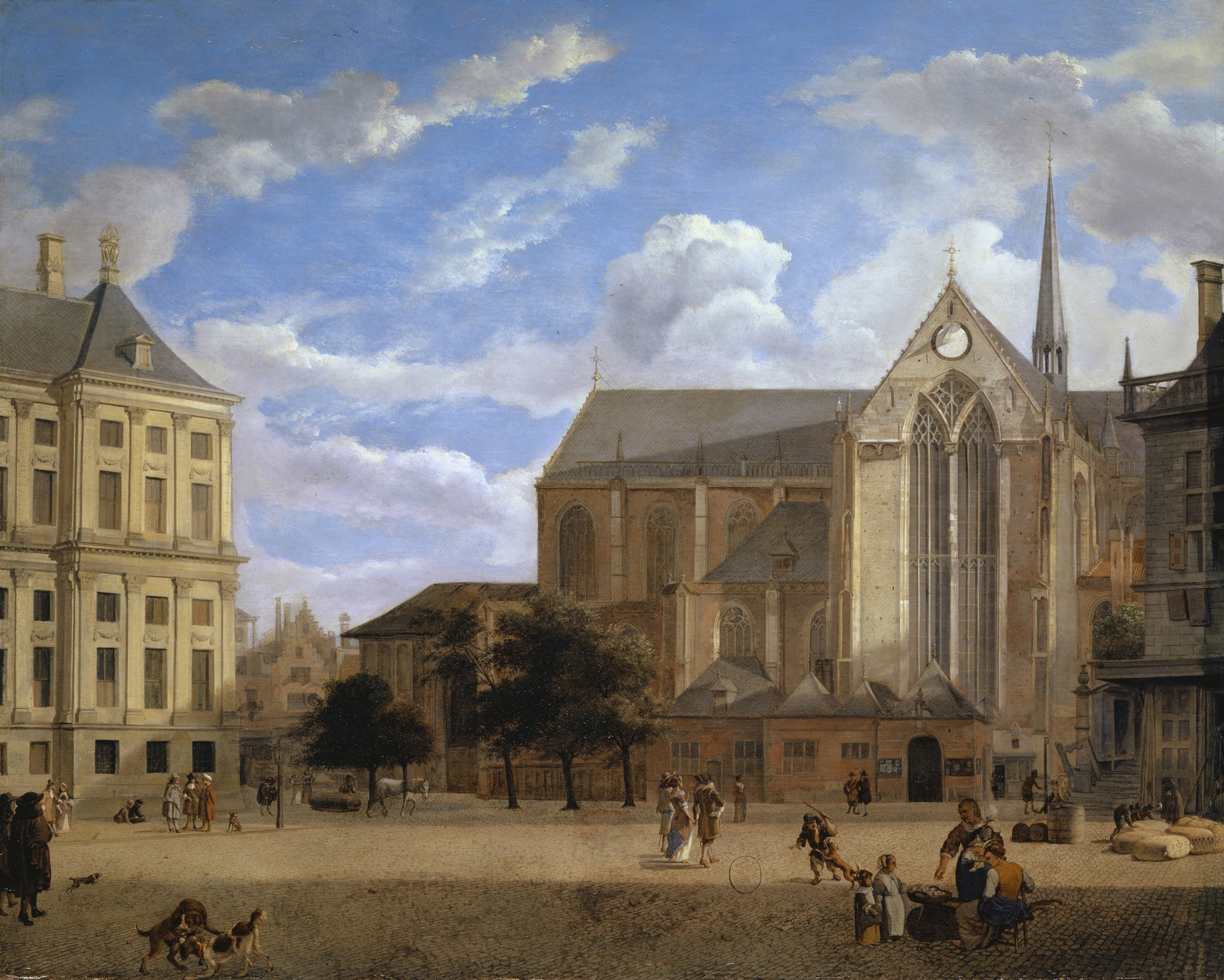
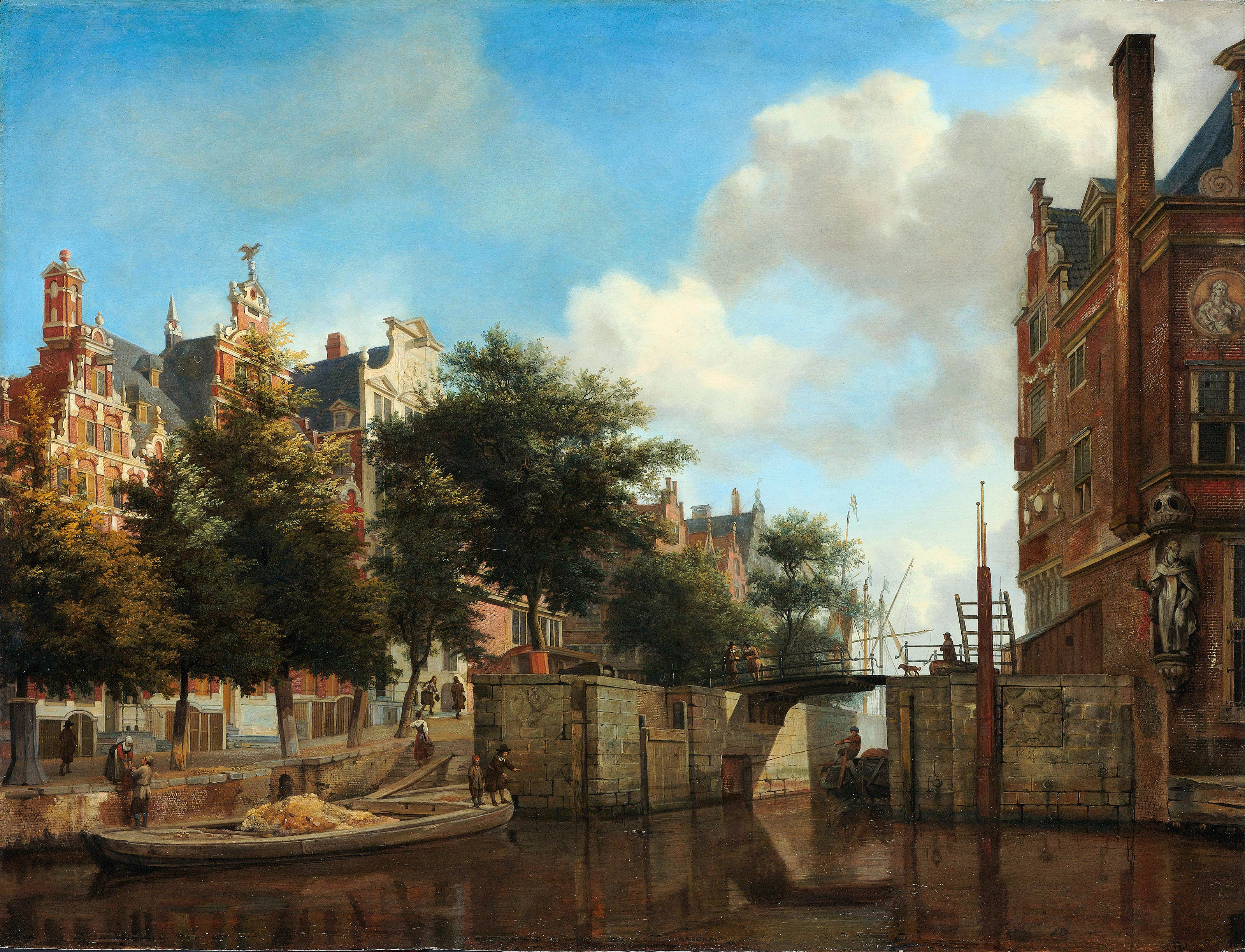
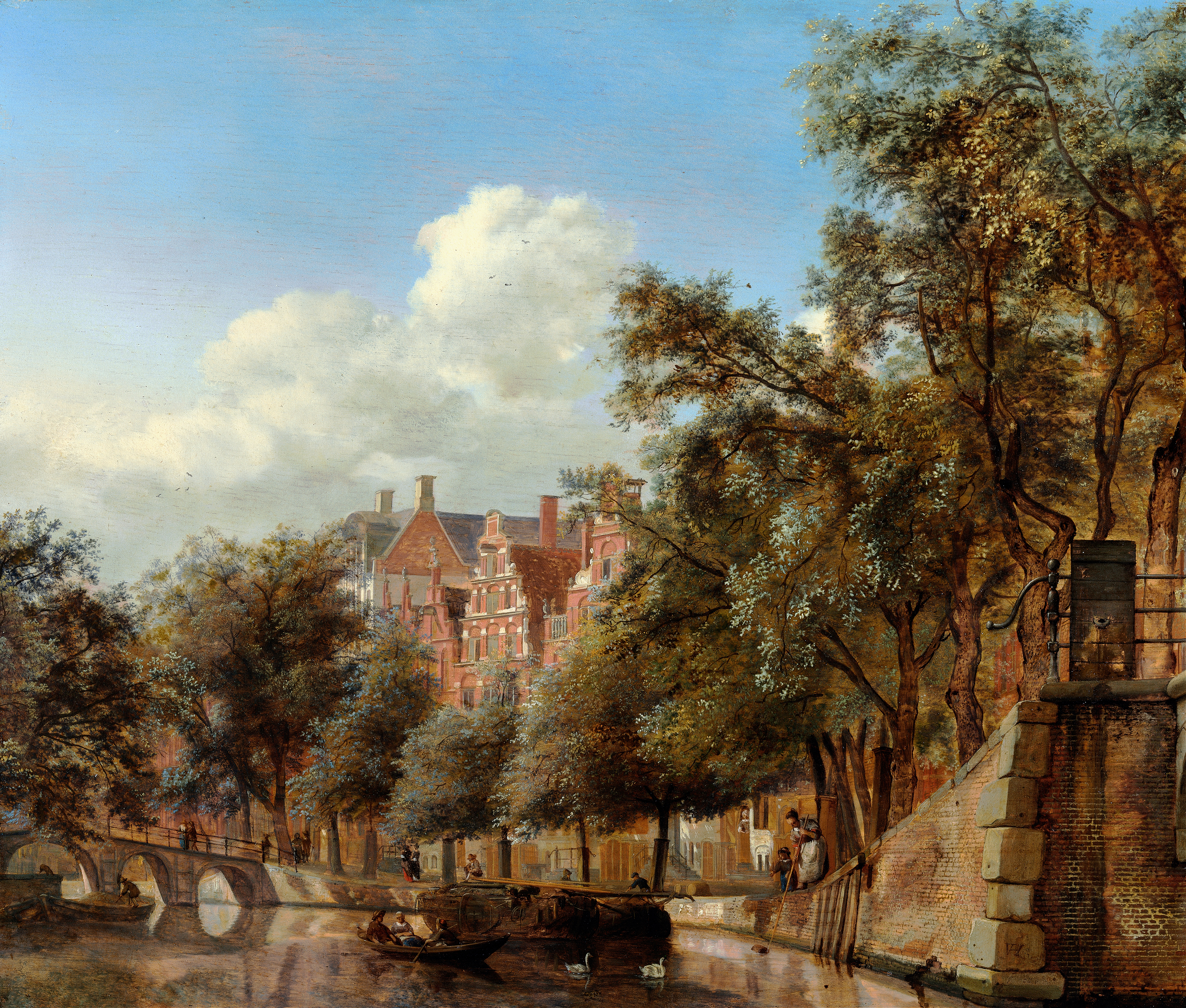
Morning light spills gently over the meticulously arranged gardens, casting intricate shadows on the cobblestone paths. The tranquil canal reflects the grandeur of the Huis ten Bosch, its elegant architecture standing proud against a backdrop of leafy greenery. A lone figure ambles through the scene, their presence a whisper amidst the vibrant blooms and carefully drawn hedges, capturing the essence of serenity and hope. Look to the left at the meticulously shaped topiary, the greens varying in hue from deep emerald to soft jade, inviting your gaze deeper into the scene.
Notice how the light dances upon the surface of the water, creating soft ripples that mirror the delicate clouds above. The composition pulls you into a harmonious balance, where the structured garden meets the fluidity of nature, and every petal and stone seems alive with purpose. Within this seemingly idyllic setting lies a rich tapestry of contrasts. The stillness of the garden speaks of human ambition and order, while the gentle sway of the trees hints at a world that remains untamed.
The figure in motion becomes a symbol of hope, bridging the gap between cultivated beauty and the wildness of life, suggesting that even in the most controlled environments, nature's spirit thrives. Jan van der Heyden painted this work between 1668 and 1670 in The Hague, during a period when he was deeply engaged with the art of perspective and architectural detailing. The Netherlands was flourishing, marked by advancements in both science and the arts, and Van der Heyden himself was at the forefront, known for his remarkable ability to blend realism with elegance in his depictions of urban and pastoral scenes.