View of the Westerkerk, Amsterdam — History & Analysis
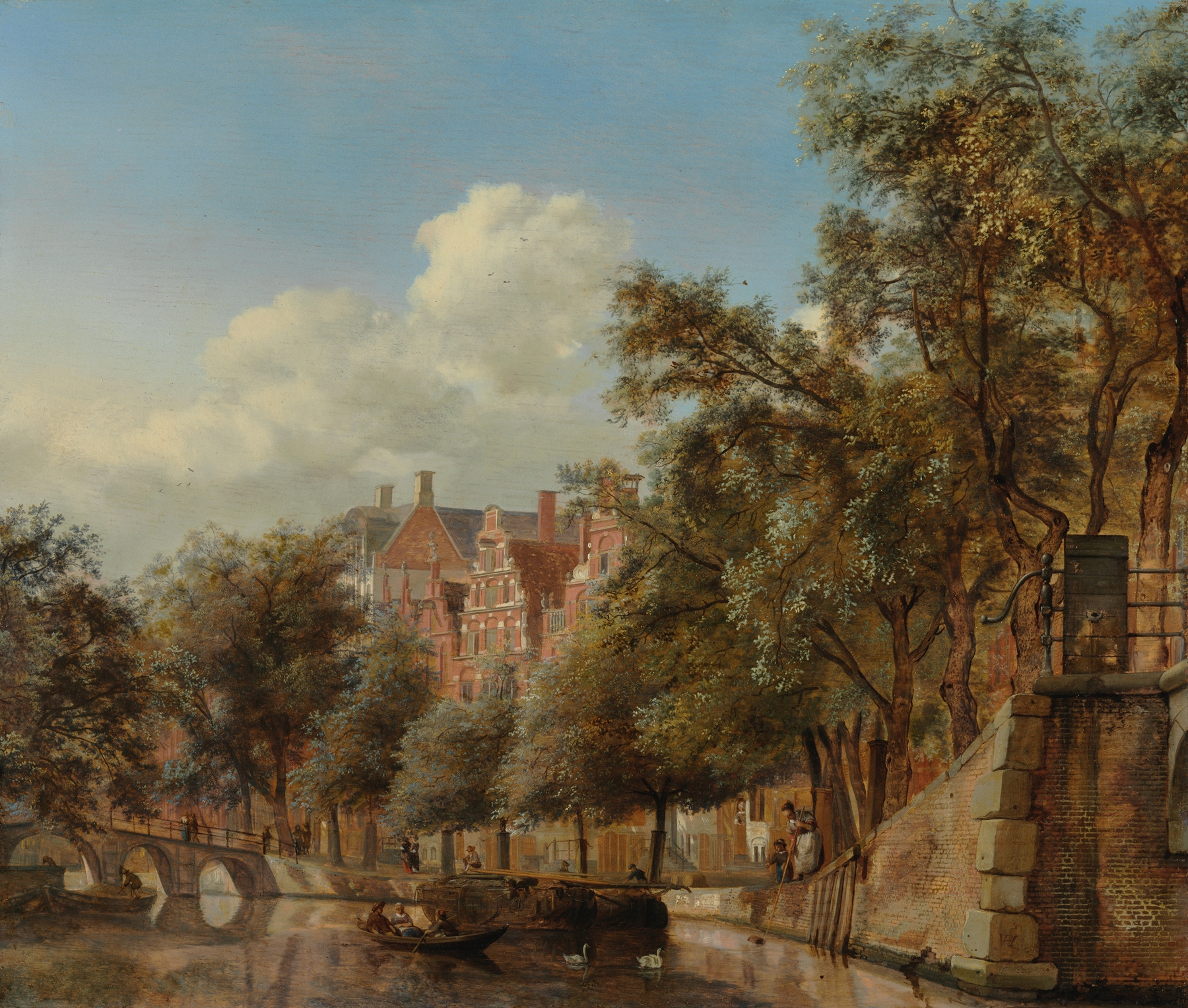
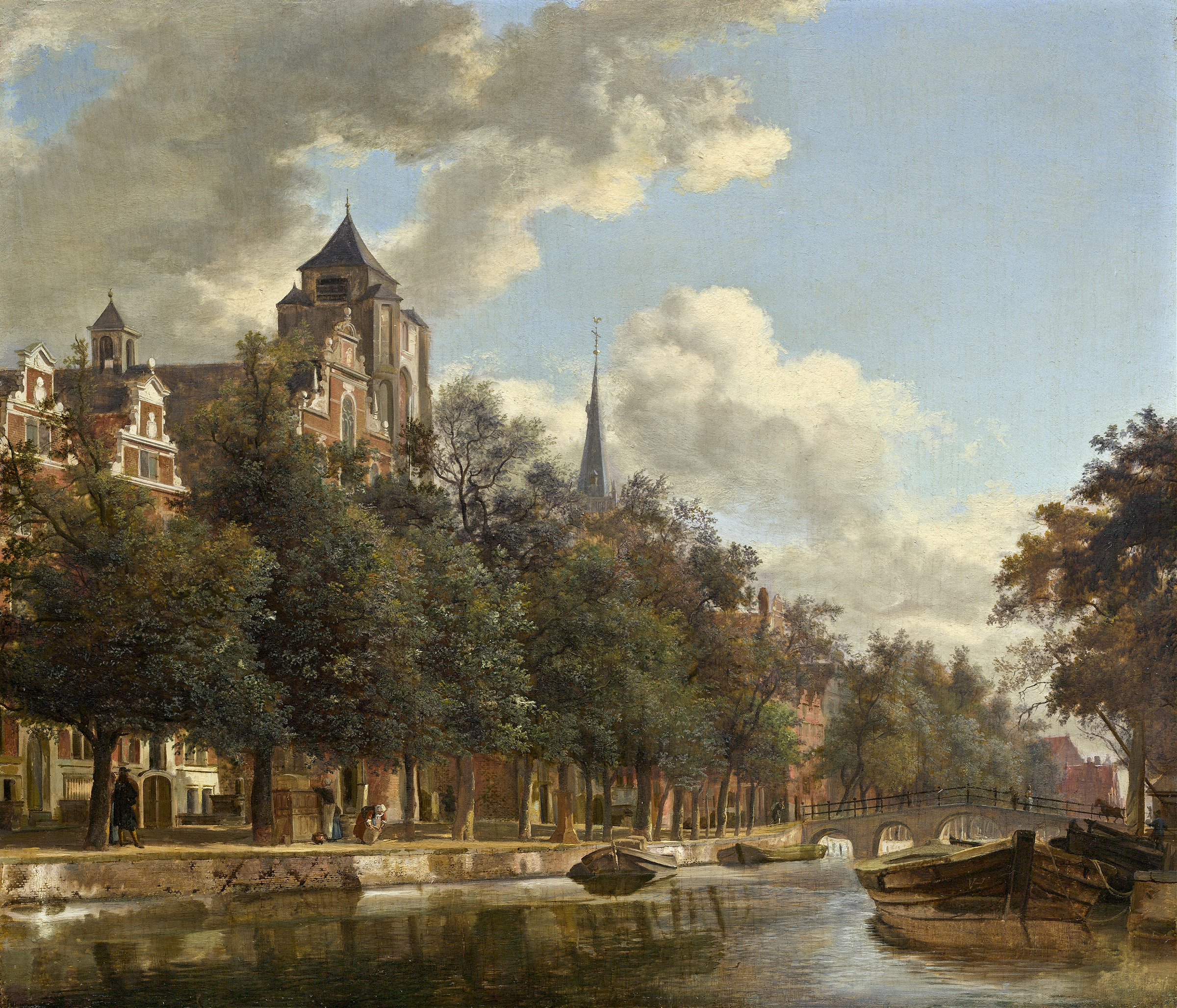
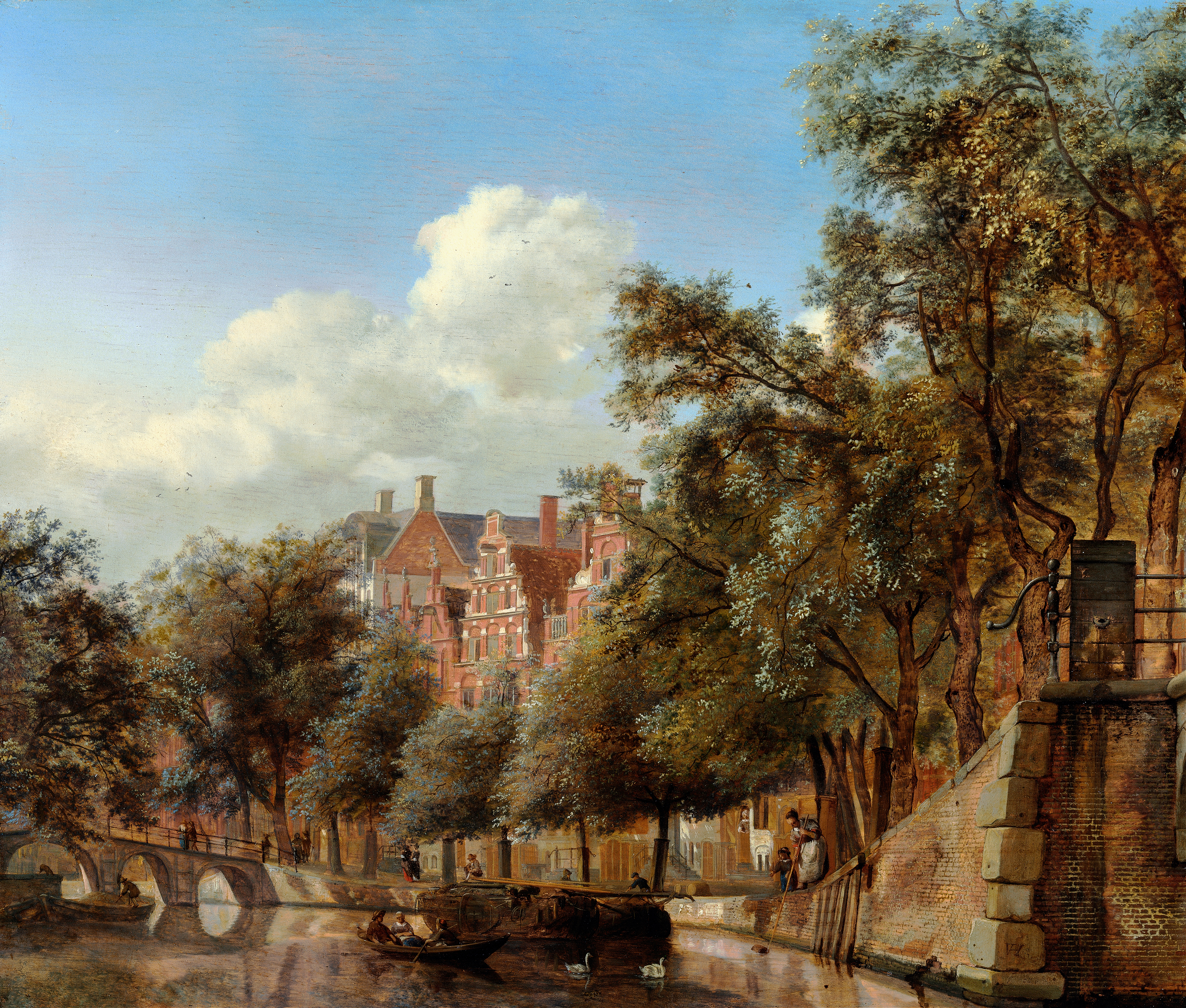
“Under the brush, chaos becomes grace.” The melancholic beauty of a city enveloped in twilight often evokes a sense of longing, a bittersweet reminder of time's passage and the stories etched into its cobblestones. In View of the Westerkerk, Amsterdam, the viewer is transported into a world where the interplay of light and shadow captures the essence of a fleeting moment. Look to the left at the intricate details of the church's tower, its silhouette rising boldly against a delicate sky painted in shades of lavender and soft gray. Notice how the light cascades over the rooftops, illuminating the textured facades and revealing the quiet life below.
The precision of the brushstrokes imparts a sense of order, while the palette evokes a wistfulness that entices the observer to linger within the scene. Delve deeper into the painting's emotional landscape. The juxtaposition of the sturdy Westerkerk tower against the ephemeral cloud formations speaks to the fragility of existence. Each window reflects the faded light of day, a poignant reminder of yesterday's vibrance slipping into obscurity.
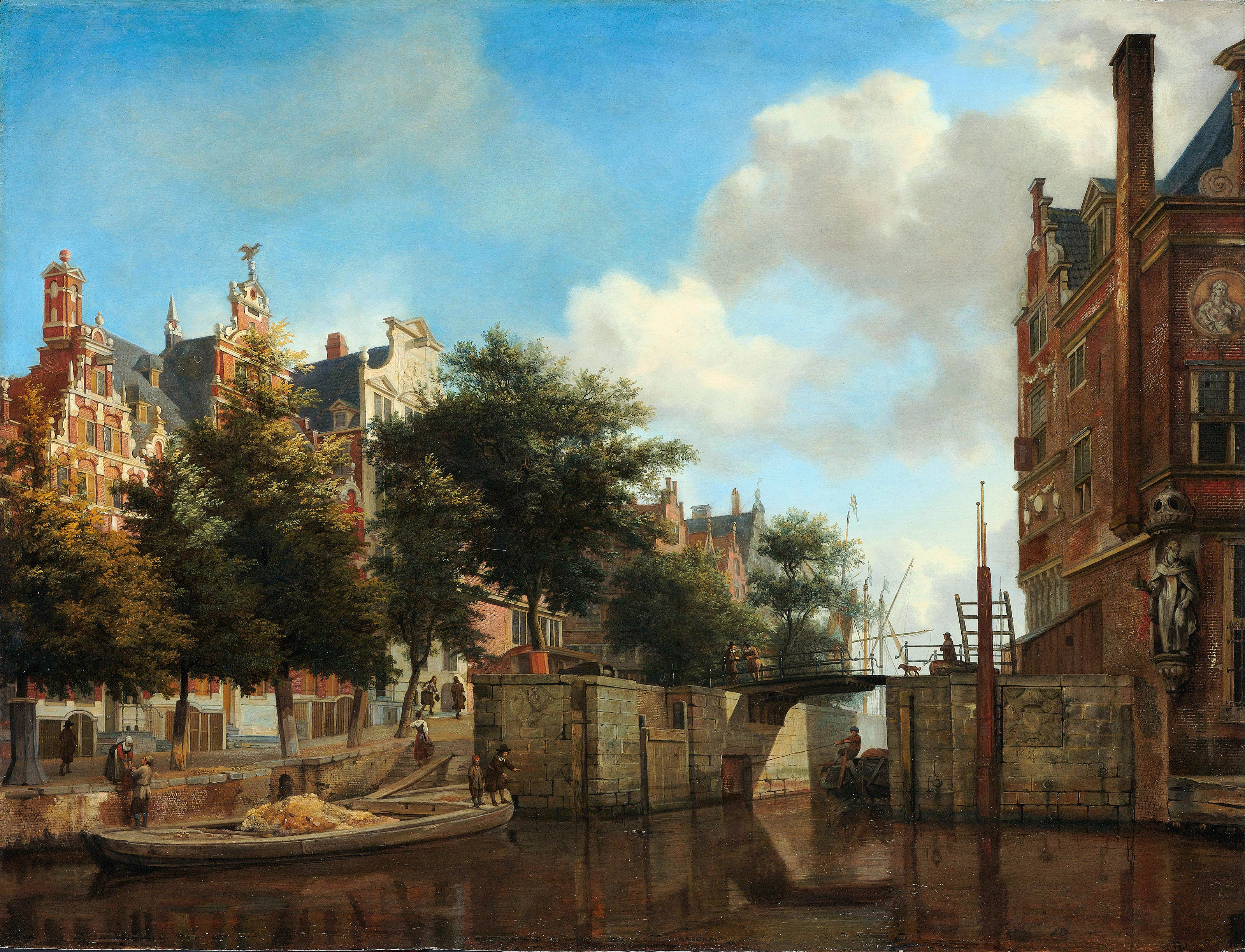
The calm waters of the canal carry this sense of melancholia, mirroring the silhouettes of the buildings and suggesting an underlying current of introspection. In the late 17th century, Jan van der Heyden was at the forefront of Dutch realism, painting in Amsterdam during a time of great artistic achievement and burgeoning civic pride. This period saw the emergence of landscape painting as a celebrated genre, and van der Heyden, with his meticulous craftsmanship, captured the spirit of the cityscape that was both familiar and profoundly intimate.