View of Oudezijds Voorburgwal with the Oude Kerk in Amsterdam — History & Analysis
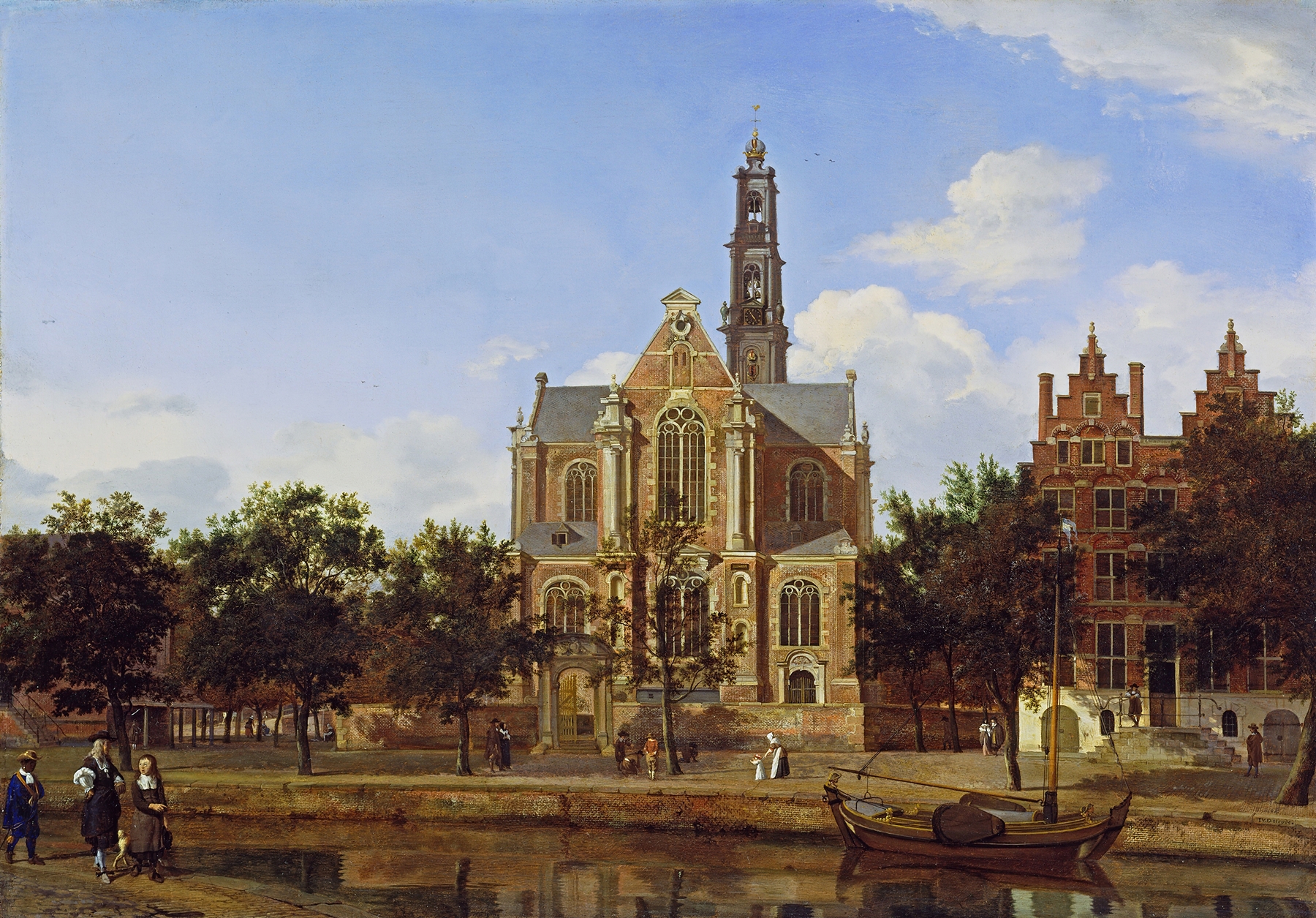
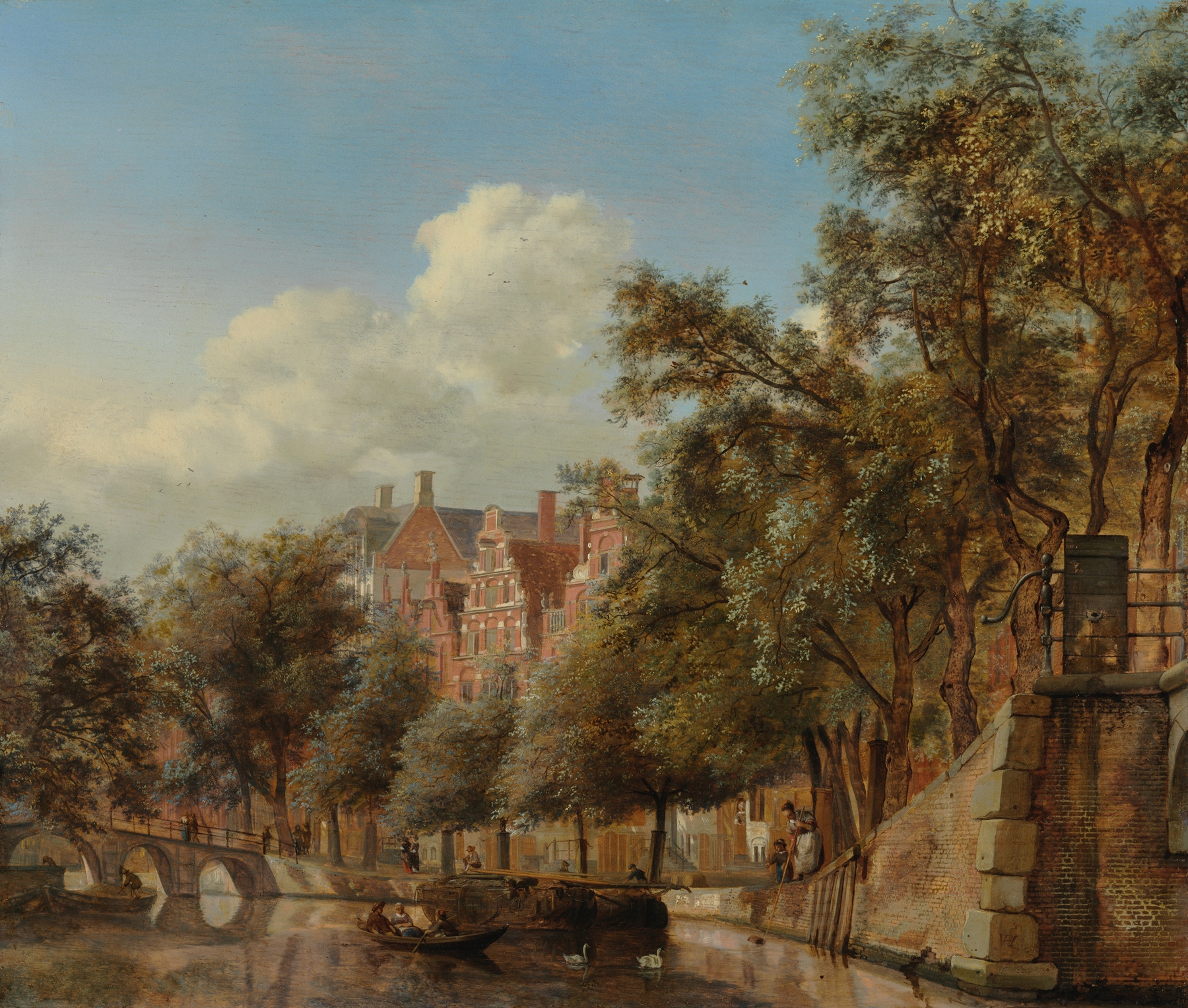
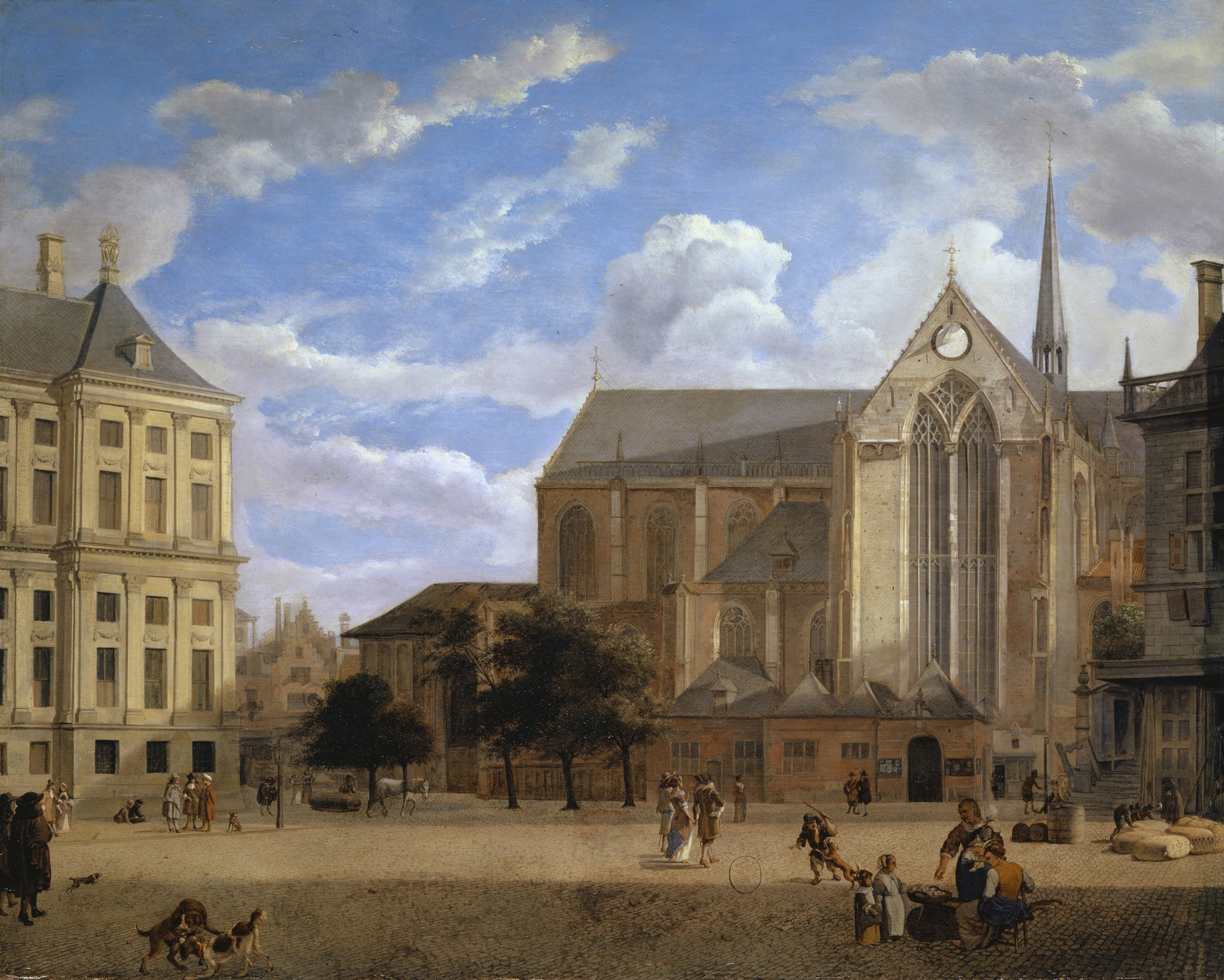
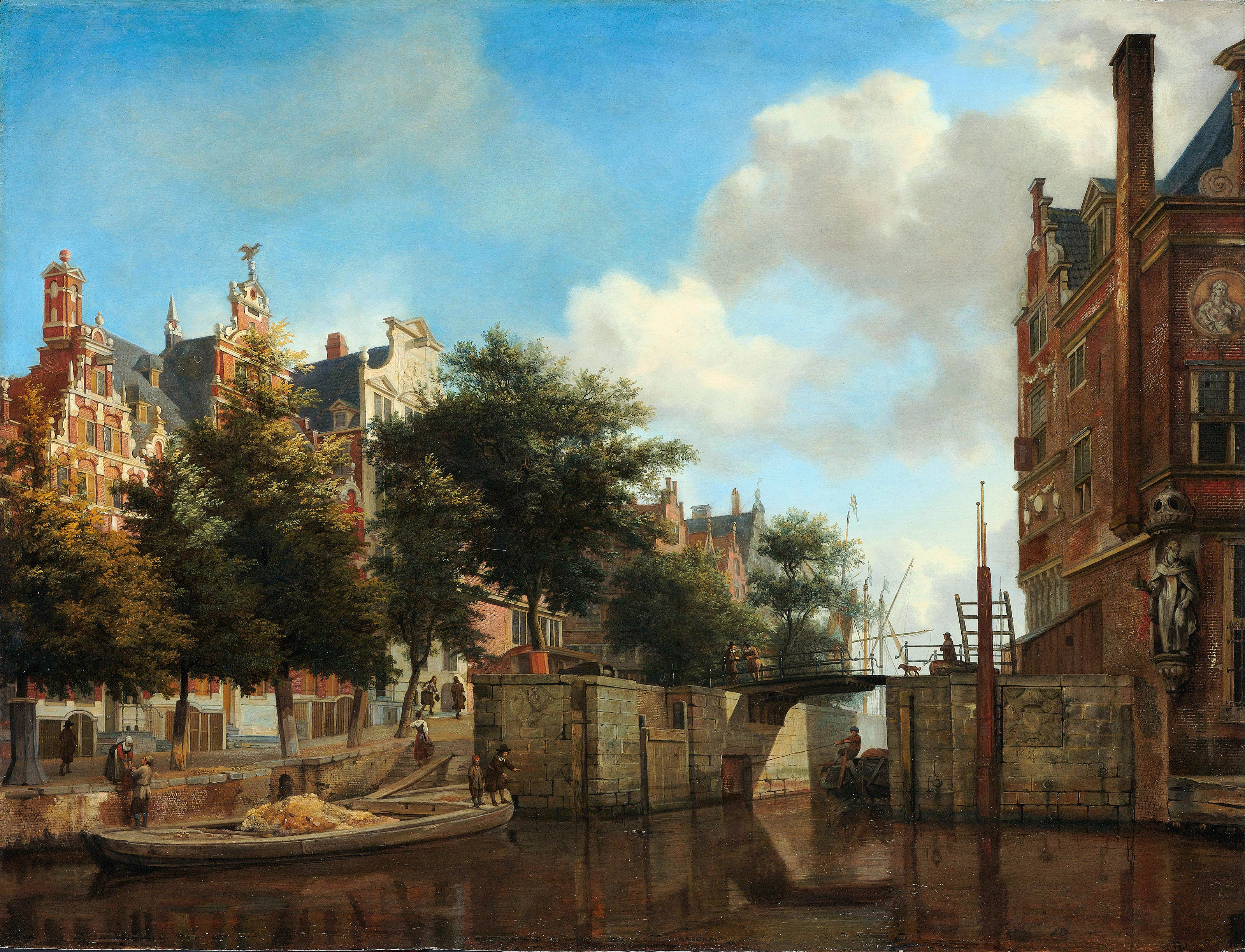
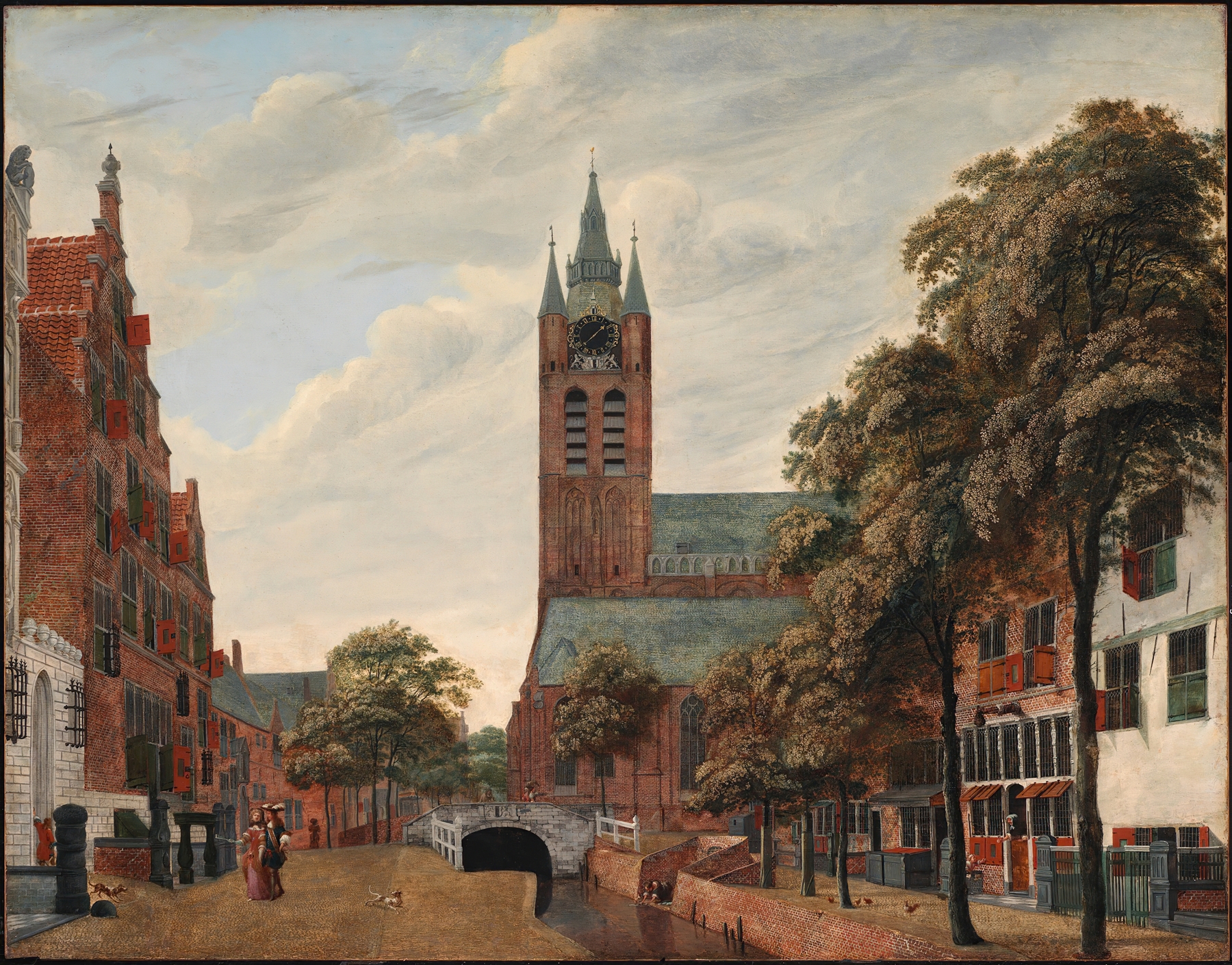
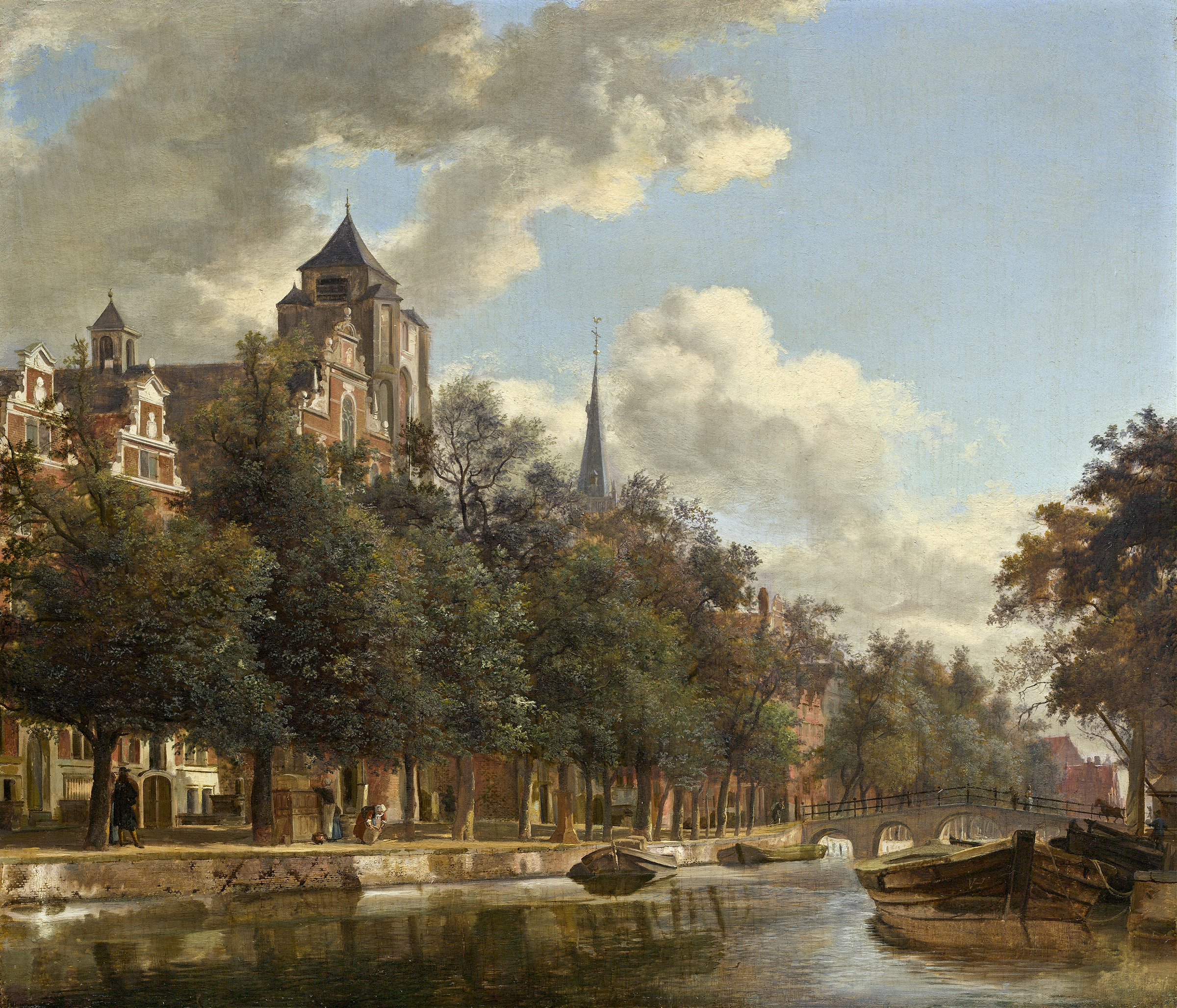
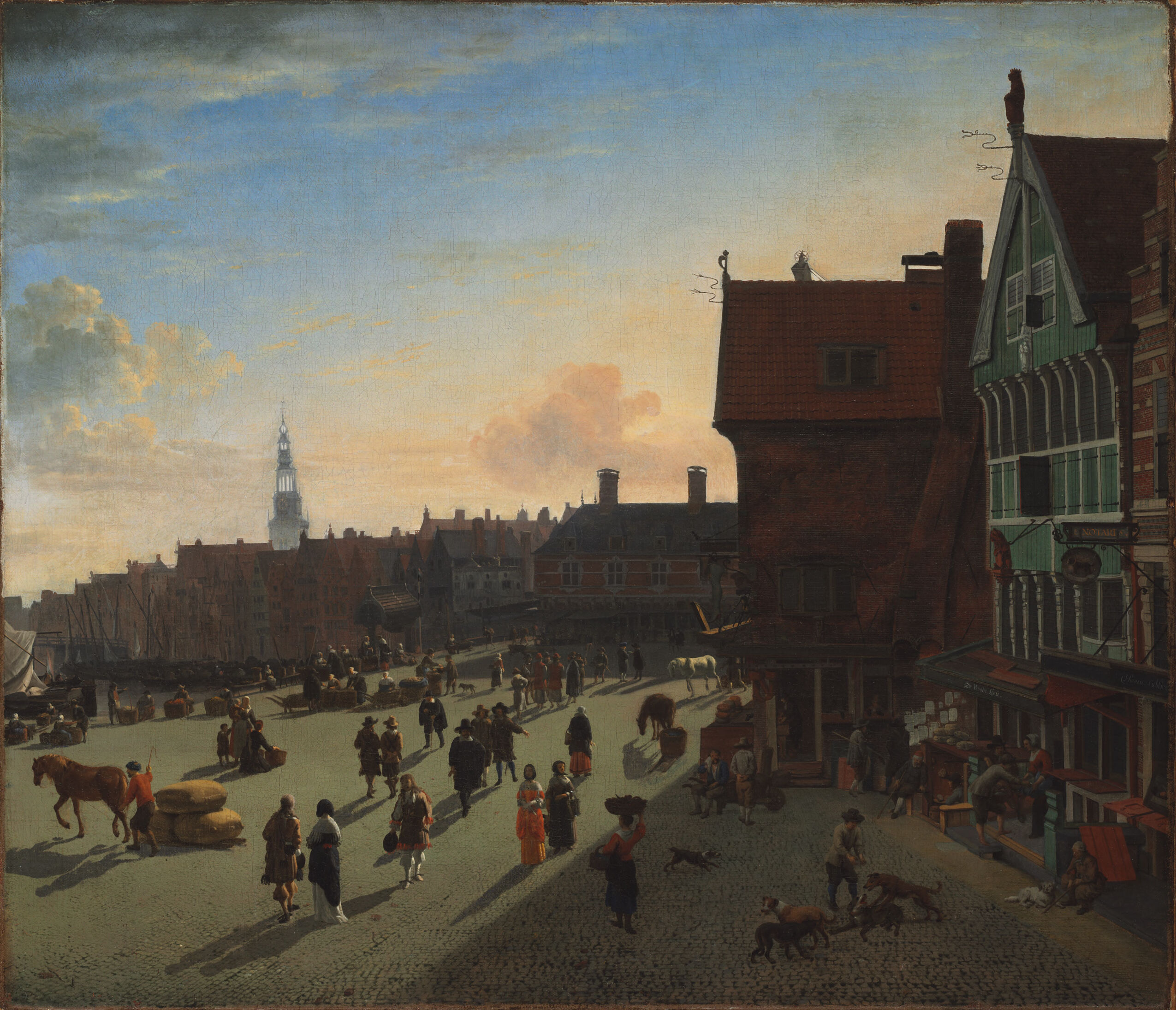
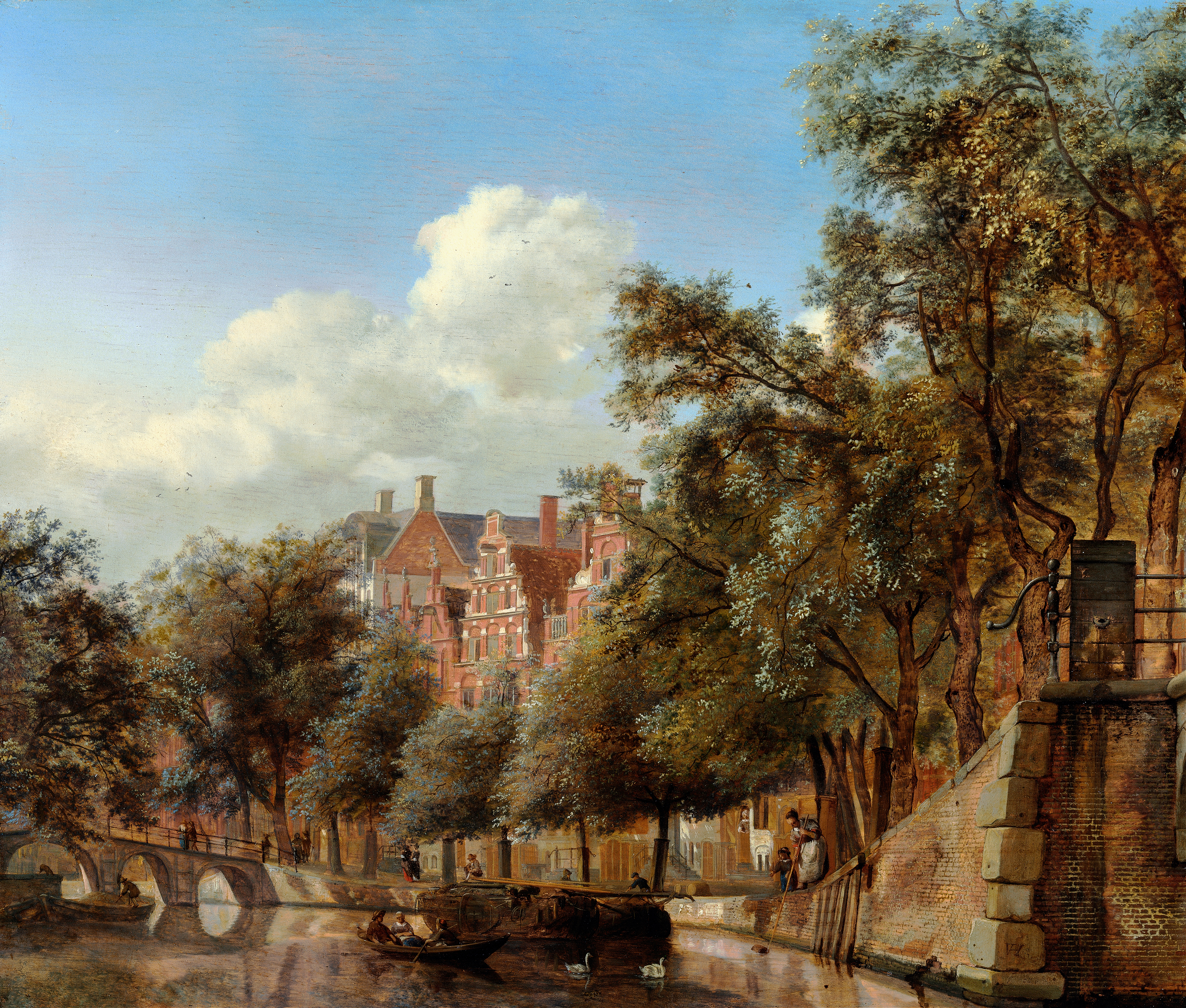
Can paint confess what words never could? In the delicate stillness of View of Oudezijds Voorburgwal with the Oude Kerk in Amsterdam, the emptiness speaks volumes, capturing a moment where time seems to pause, urging reflection on the void that surrounds us. Look to the left at the serene waters of the canal, their surface mirroring the muted hues of the sky. The composition draws you in with the elegant lines of the buildings, punctuated by the striking silhouette of the Oude Kerk rising in the background. Notice how the gentle play of light dances across the façades, revealing intricate details and textures while casting soft shadows that heighten the sense of calm.
A palette of earthy tones envelops the scene, anchoring the viewer in the tranquil yet poignant atmosphere. Beneath this tranquility lies a profound tension. The empty streets and vacant windows evoke a sense of isolation, as if the city itself holds its breath in contemplation. The contrasting solidity of the church hints at permanence amidst change, a reminder of faith and history in a fleeting world.
Each brushstroke reinforces the feeling of solitude, allowing the viewer to confront the unspoken emotions that linger in the stillness. Jan van der Heyden painted this work around 1670 in Amsterdam, a city flourishing with trade and art during the Dutch Golden Age. At this time, van der Heyden was evolving as a master in urban landscapes, capturing not only the physical realities of his surroundings but also the emotional essence of city life. His meticulous attention to detail and innovative techniques positioned him as a pivotal figure in the chiaroscuro of urban representation.