The Damrak, Amsterdam — History & Analysis
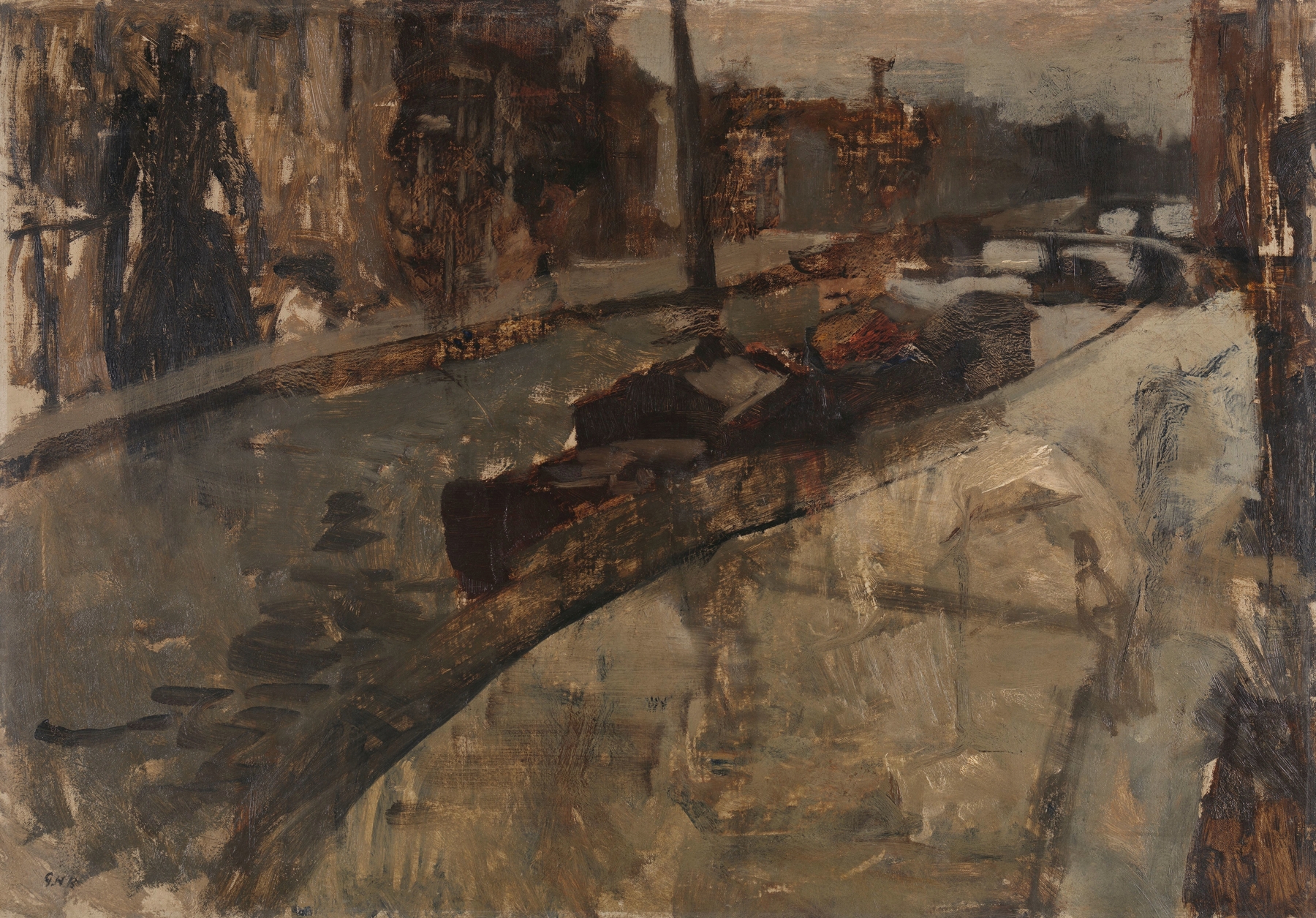
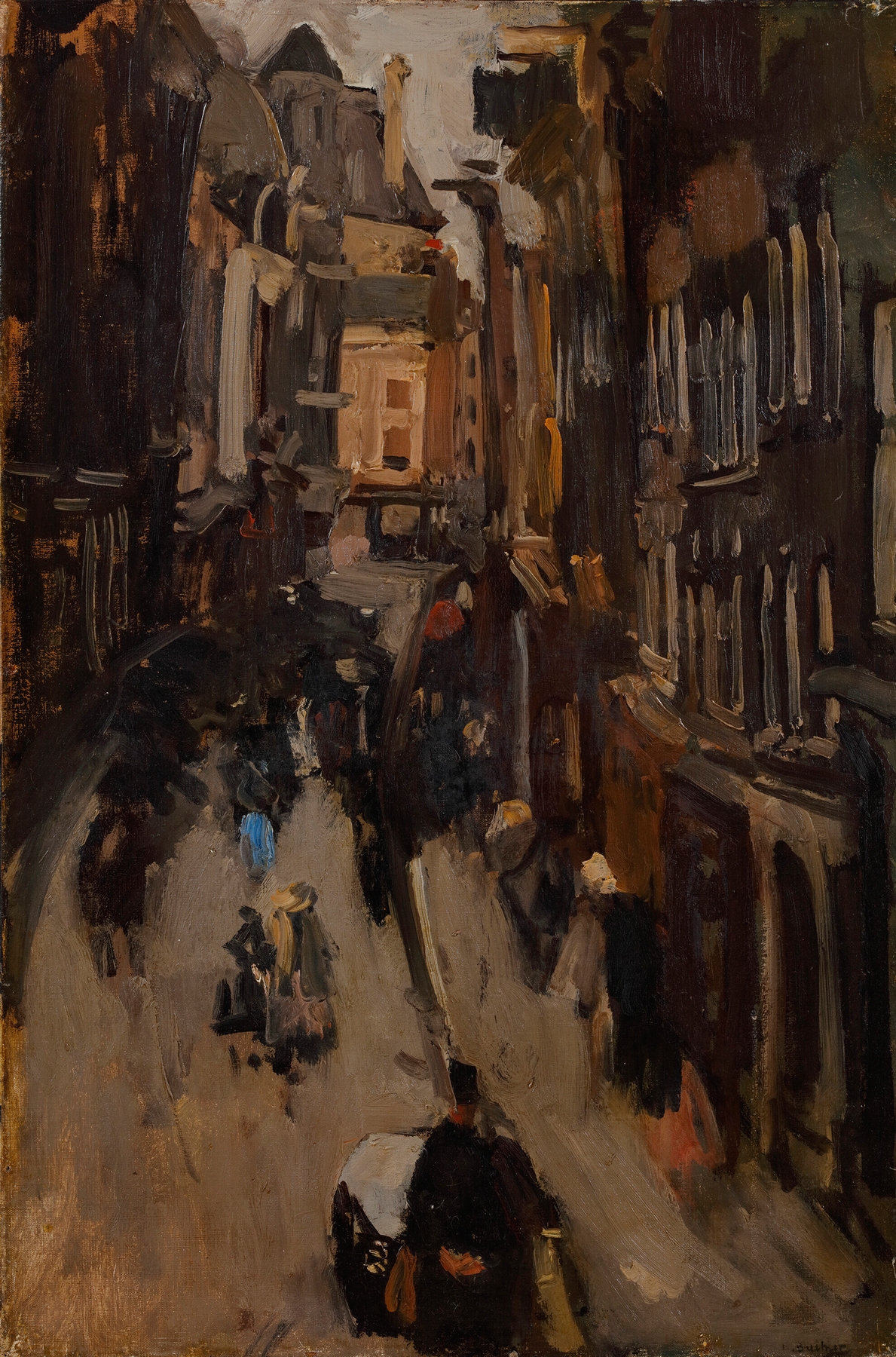
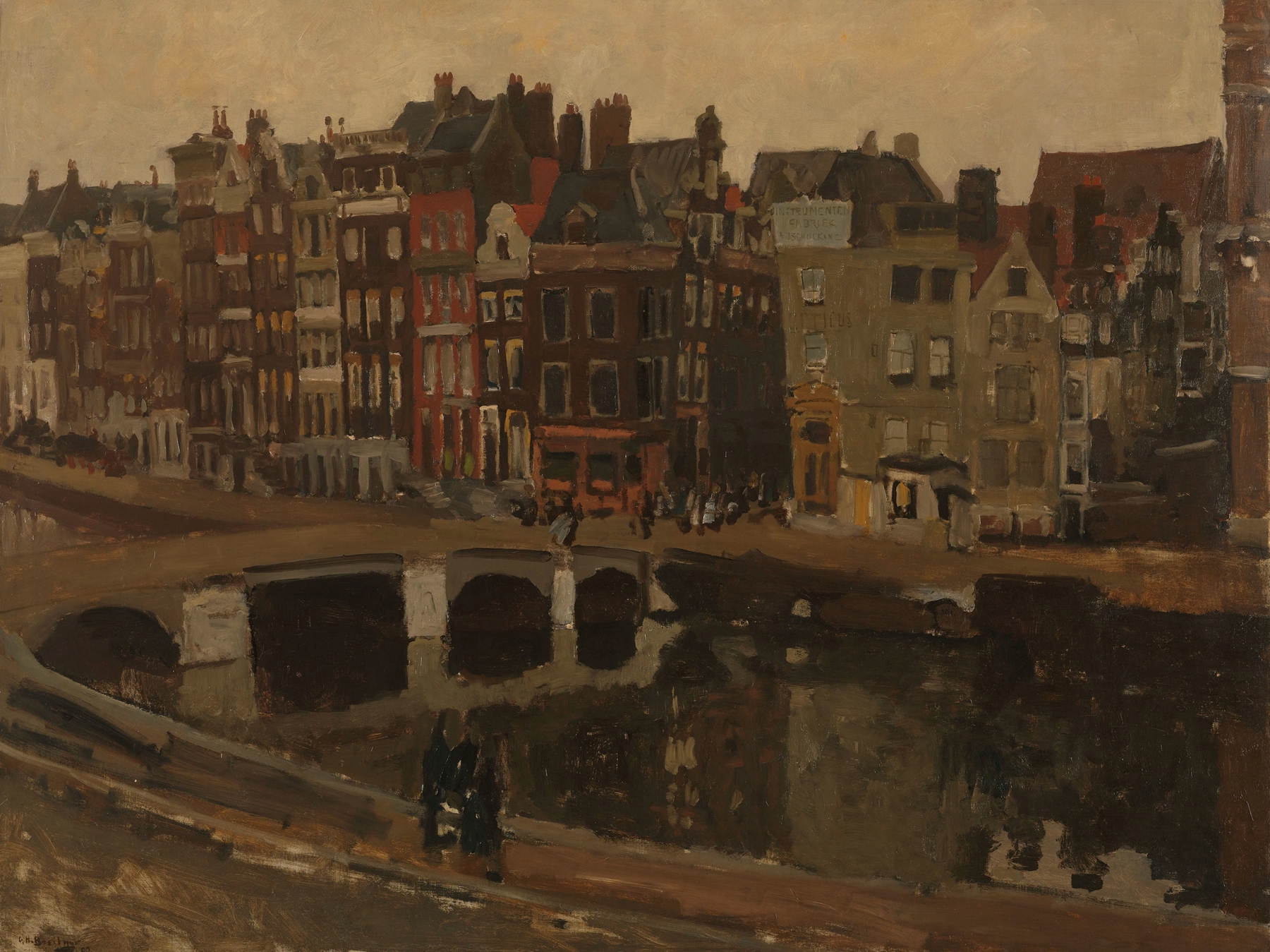
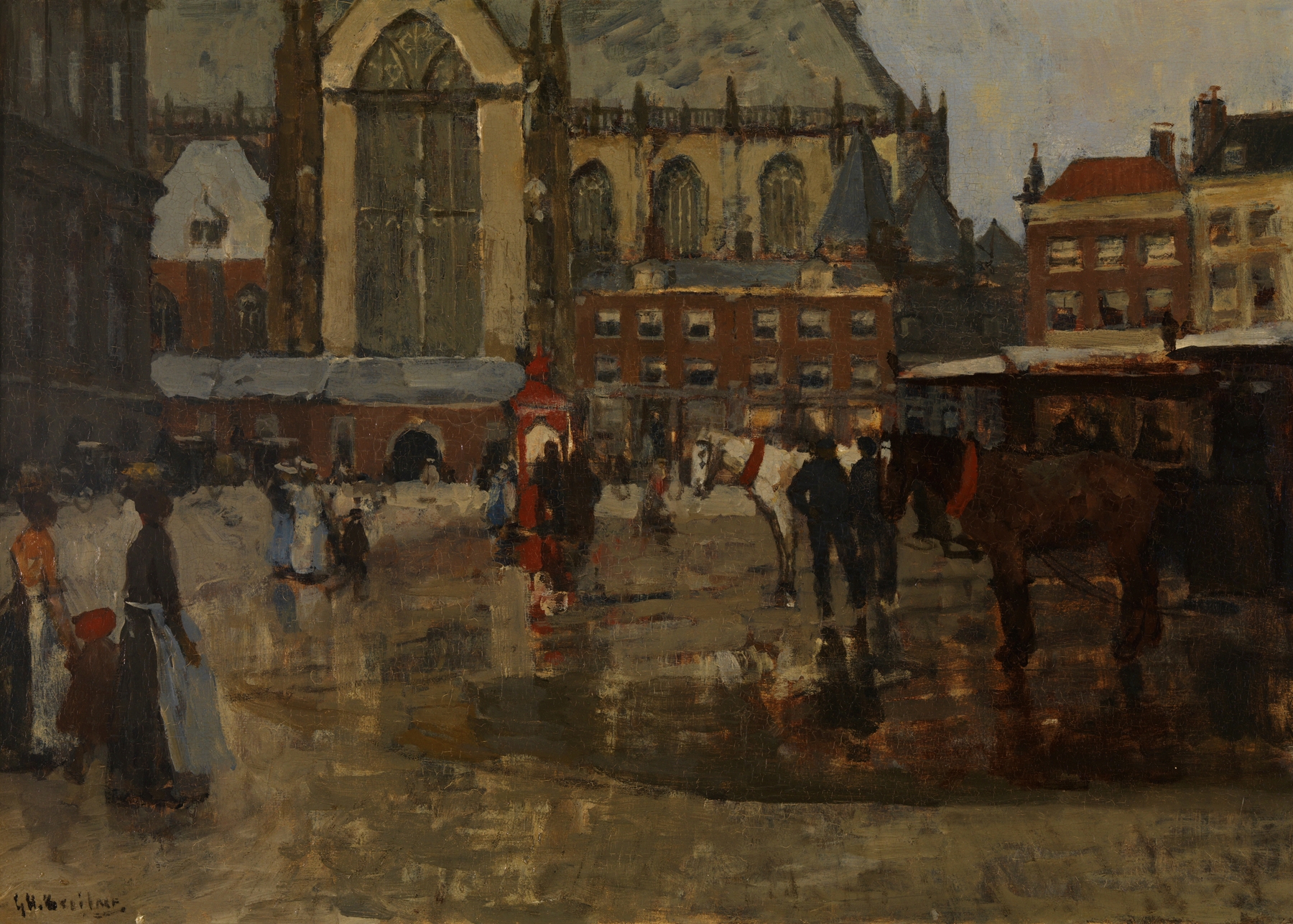
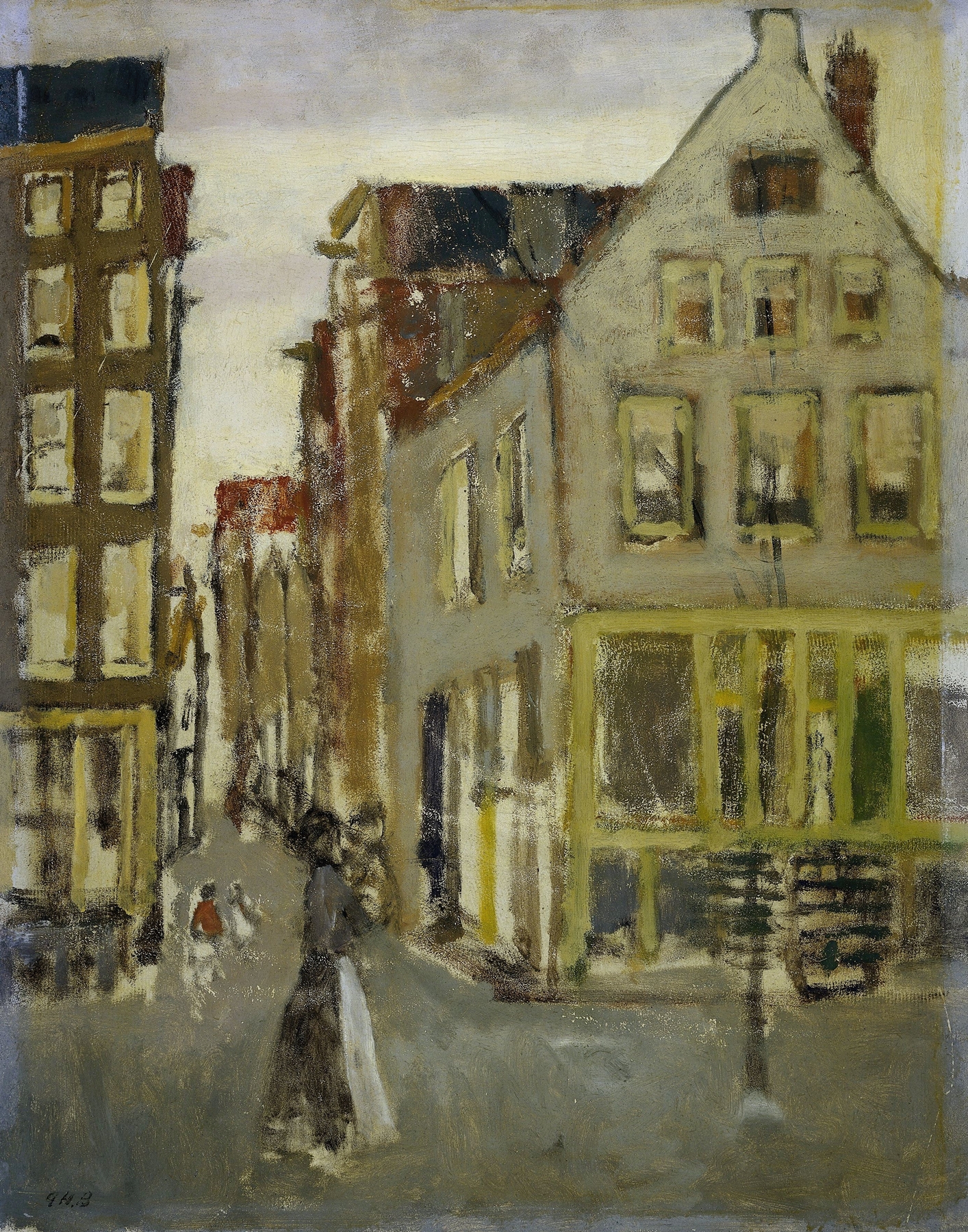
What if beauty was never meant to be finished? In the heart of Amsterdam, the layers of the city whisper stories of change and continuity, revealing the essence of life in flux. Look to the foreground, where a bustling canal reflects the soft yet vibrant hues of twilight. The water shimmers, a blend of blues and muted oranges, capturing the day’s last light while the silhouettes of figures move along the Damrak.
Notice how the buildings, with their distinctive gabled facades, lean in slightly, as if engaging in a conversation with the passersby. The brushstrokes are both loose and deliberate, evoking a sense of immediacy, as if time itself is a fluid element in this urban landscape. In this moment, contrasts abound—between the solidity of brick and water’s movement, between the warm glow of lamplight and the encroaching coolness of night. Each person, though dynamic, is enveloped in their own contemplative solitude, evoking a quiet camaraderie amidst the bustling atmosphere.
The interplay of light and shadow suggests both familiarity and mystery, prompting viewers to ponder what lies just beyond the canvas’s edge. Created in 1903, the year The Damrak, Amsterdam emerged, Breitner found himself in a city on the verge of modernity, where traditional beauty met the energy of the burgeoning urban life. At this time, he was deeply immersed in the Impressionist movement, capturing the vibrancy and pulse of daily life. The artist’s own evolution paralleled that of Amsterdam, as he sought to express the raw, unfiltered beauty of his surroundings in a moment suspended between past and future.