The Leidsegracht, Amsterdam — History & Analysis
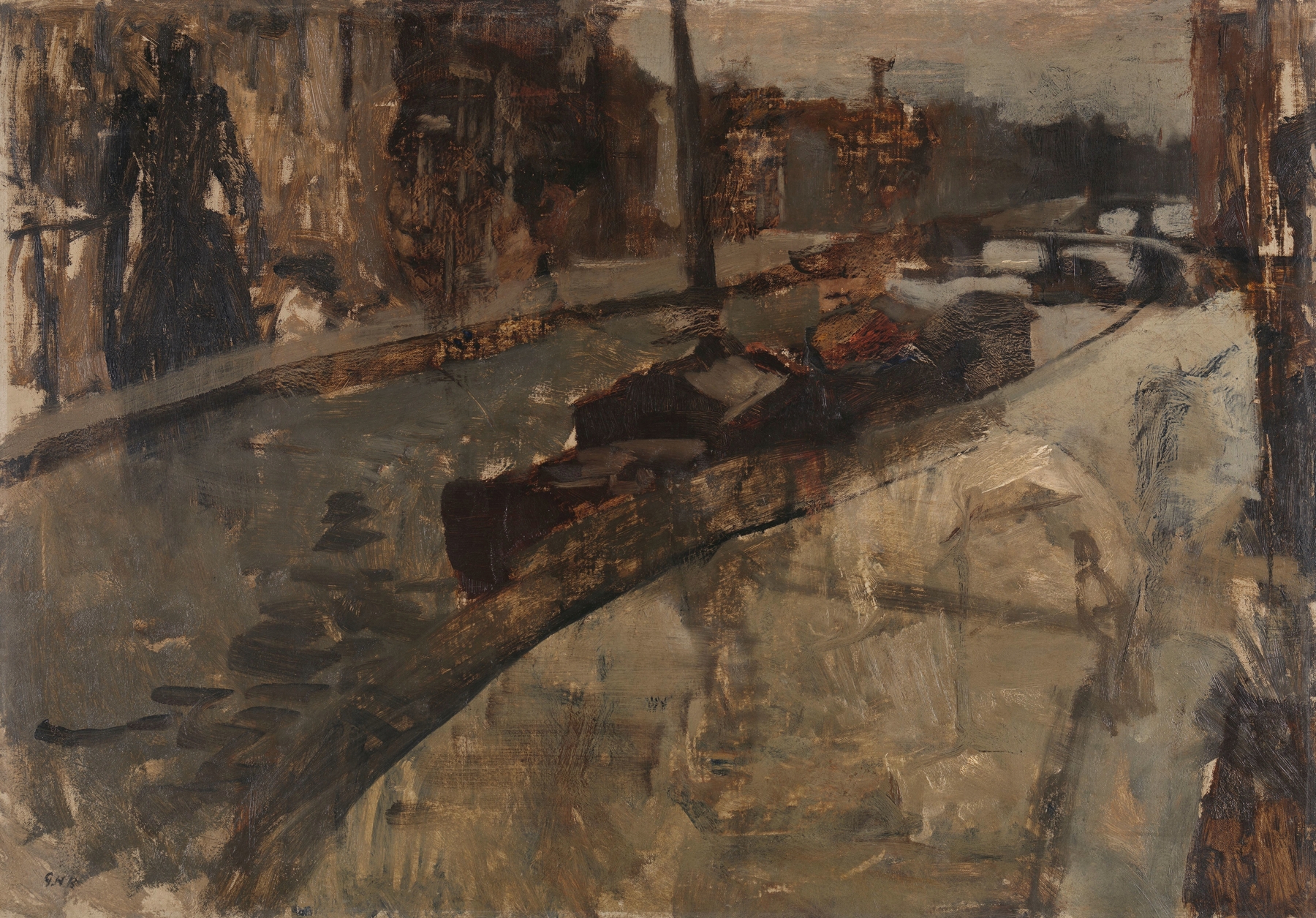
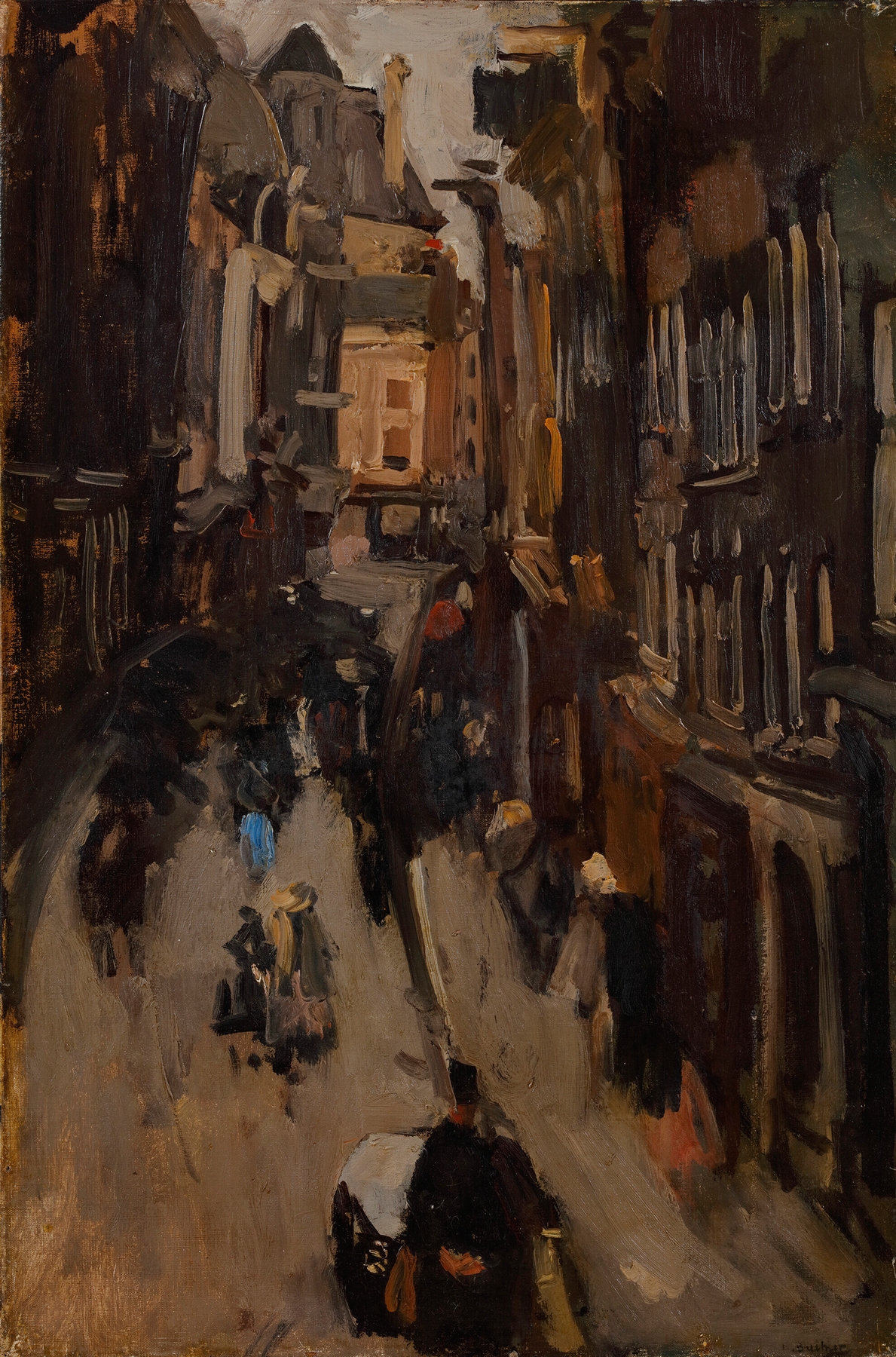
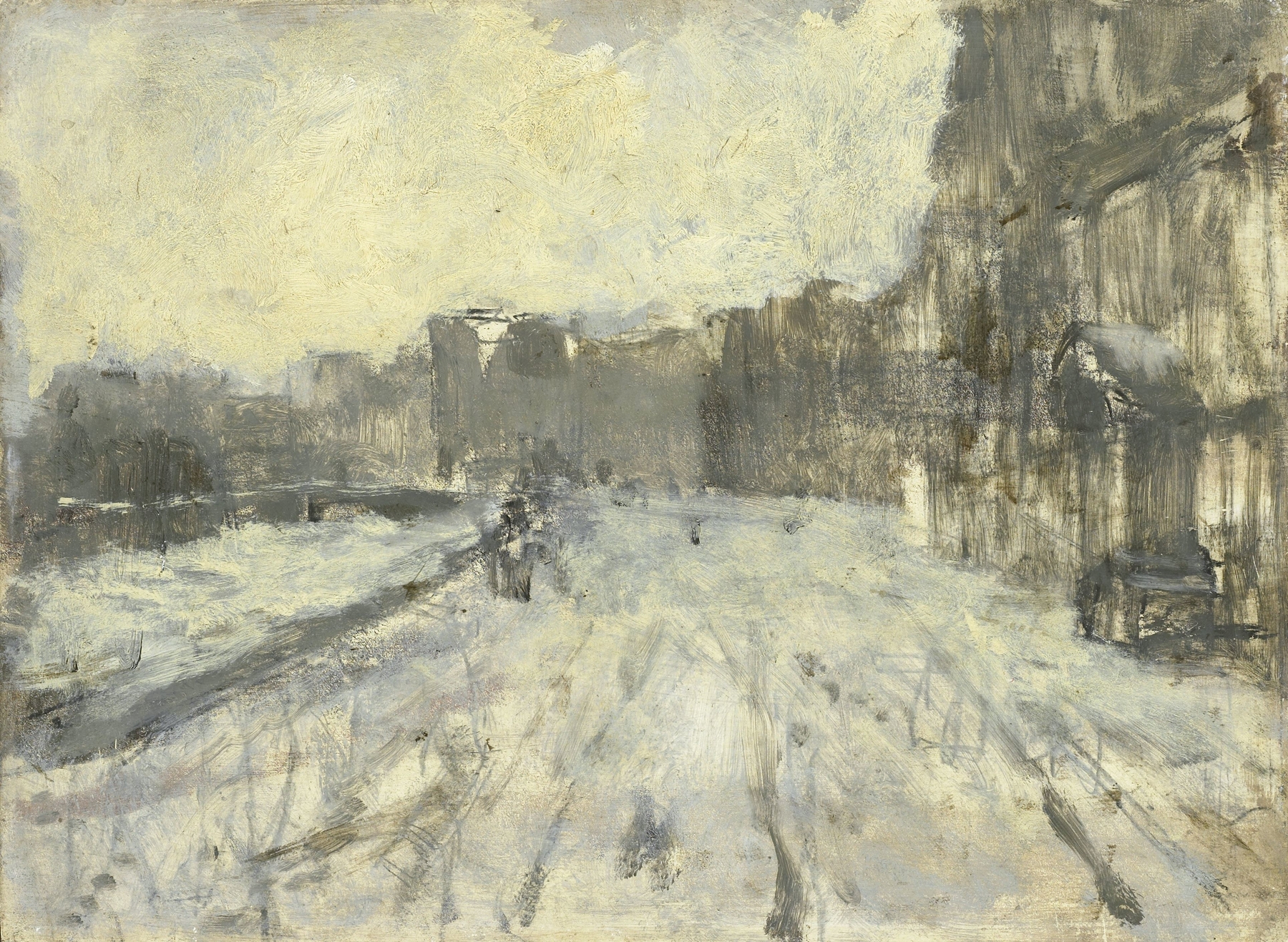
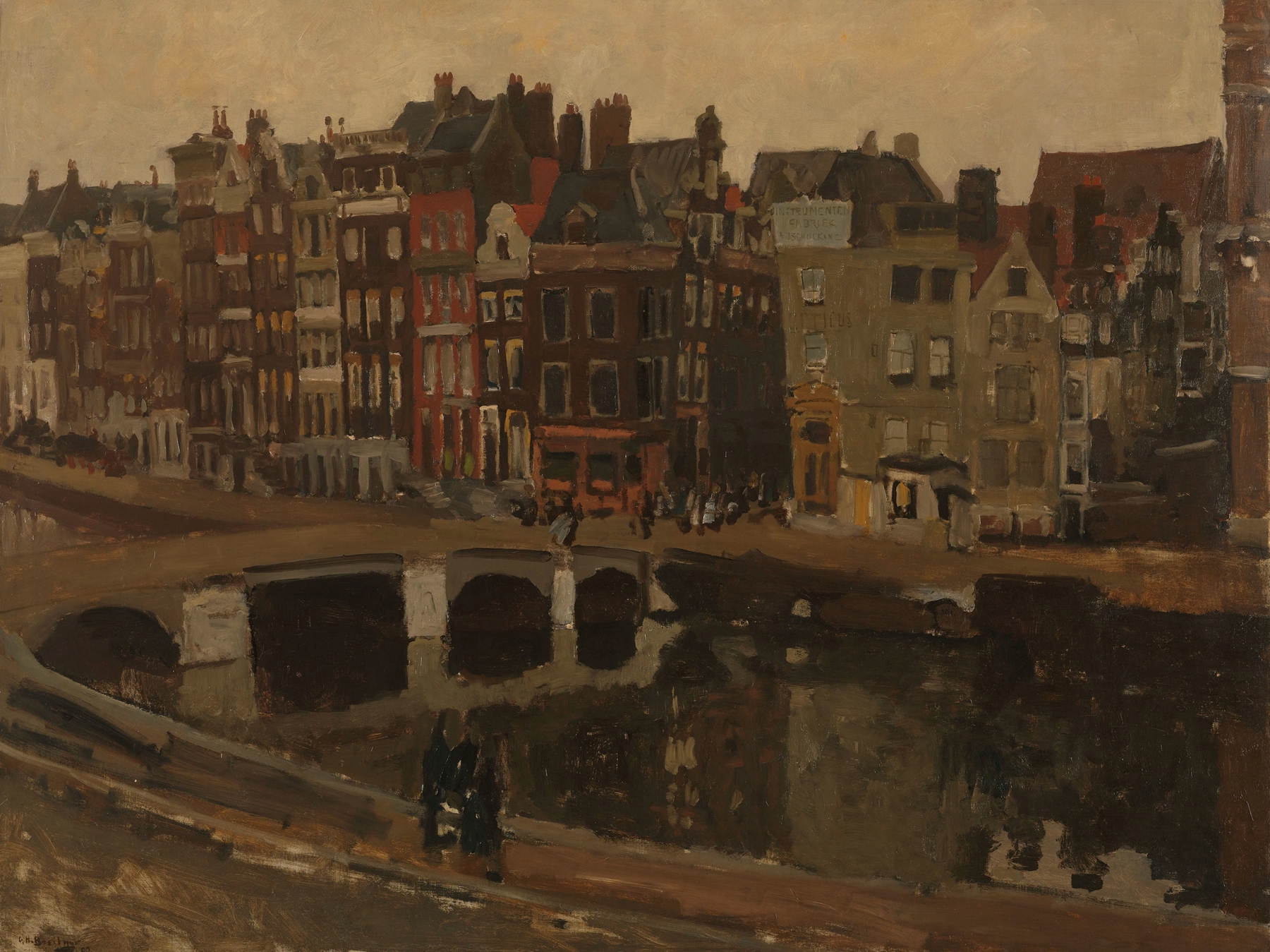
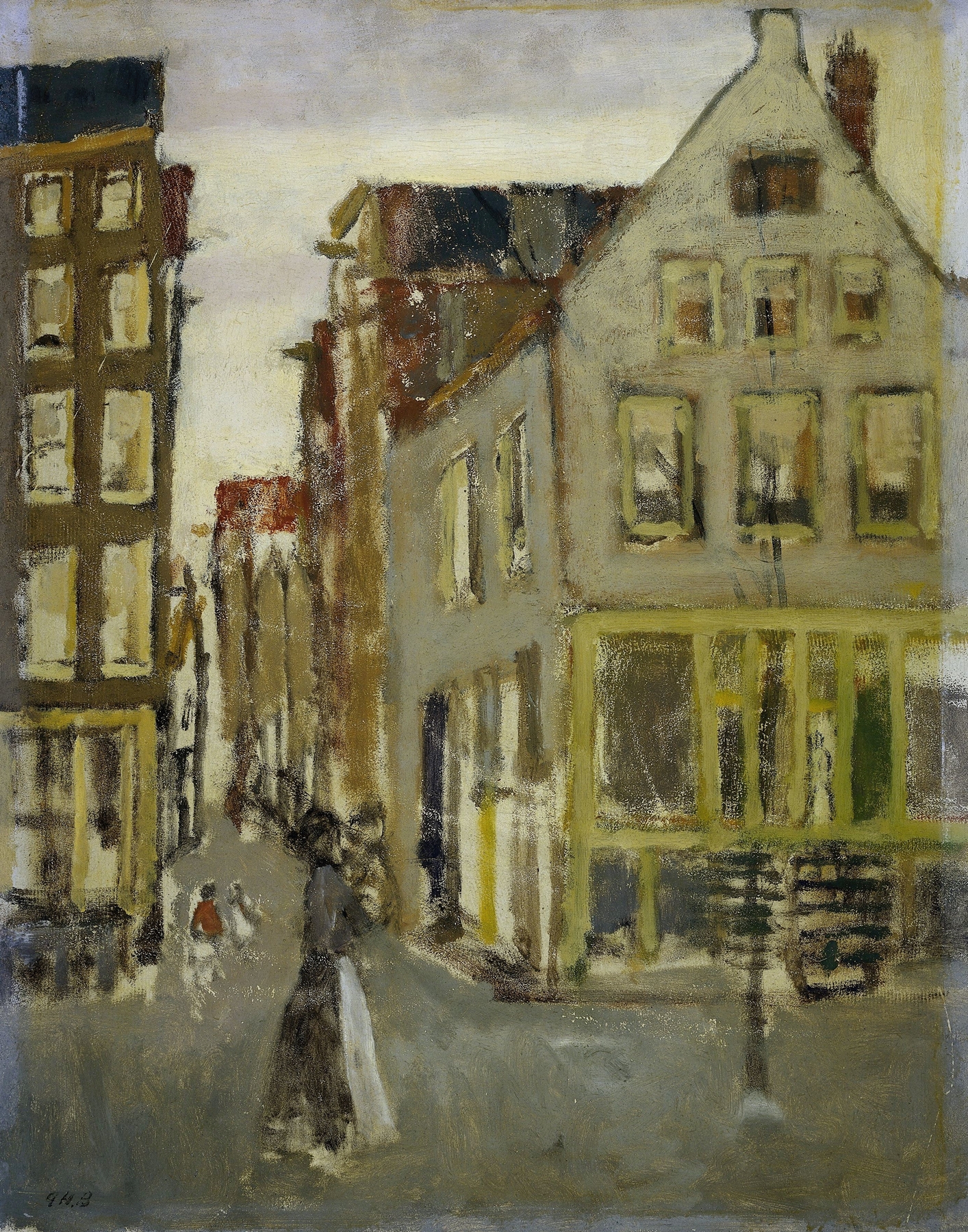
Can beauty exist without sorrow? In George Hendrik Breitner's The Leidsegracht, Amsterdam, the answer dances between the rippling waters and the muted shadows of a bustling city. Look to the left at the gentle curve of the canal, where light plays upon the surface, inviting your gaze to linger. The rich, earthy tones of the buildings line the waterway, their reflections shimmering like memories just out of reach. Notice how the brushstrokes delineate the figures of pedestrians, encapsulated in their own worlds, yet connected by the shared experience of the scene unfolding before them.
The palette breathes life into the canvas, with accents of green and ochre that evoke a sense of nostalgia and longing. Delve deeper into the emotional tension within this composition. Each figure, despite their apparent harmony within the scene, hints at individual stories, perhaps burdened by their own sorrows even amidst the beauty of the Amsterdam setting. The interplay of light and shadow not only highlights the architectural elegance but also suggests the duality of existence—the joy of life lived alongside the inevitable ache of lost moments.
It’s a bittersweet reflection on daily life, where the ordinary becomes extraordinary through the artist's eyes. Breitner painted this piece around the turn of the 20th century, a time when he was immersed in the Impressionist movement in the Netherlands. During this period, the artist explored urban landscapes, capturing the essence of modern life as it flourished in Amsterdam. While the world around him experienced rapid change, he found solace in the city's quiet beauty, translating it onto canvas with a profound understanding of its fleeting moments.