The Rokin, Amsterdam — History & Analysis
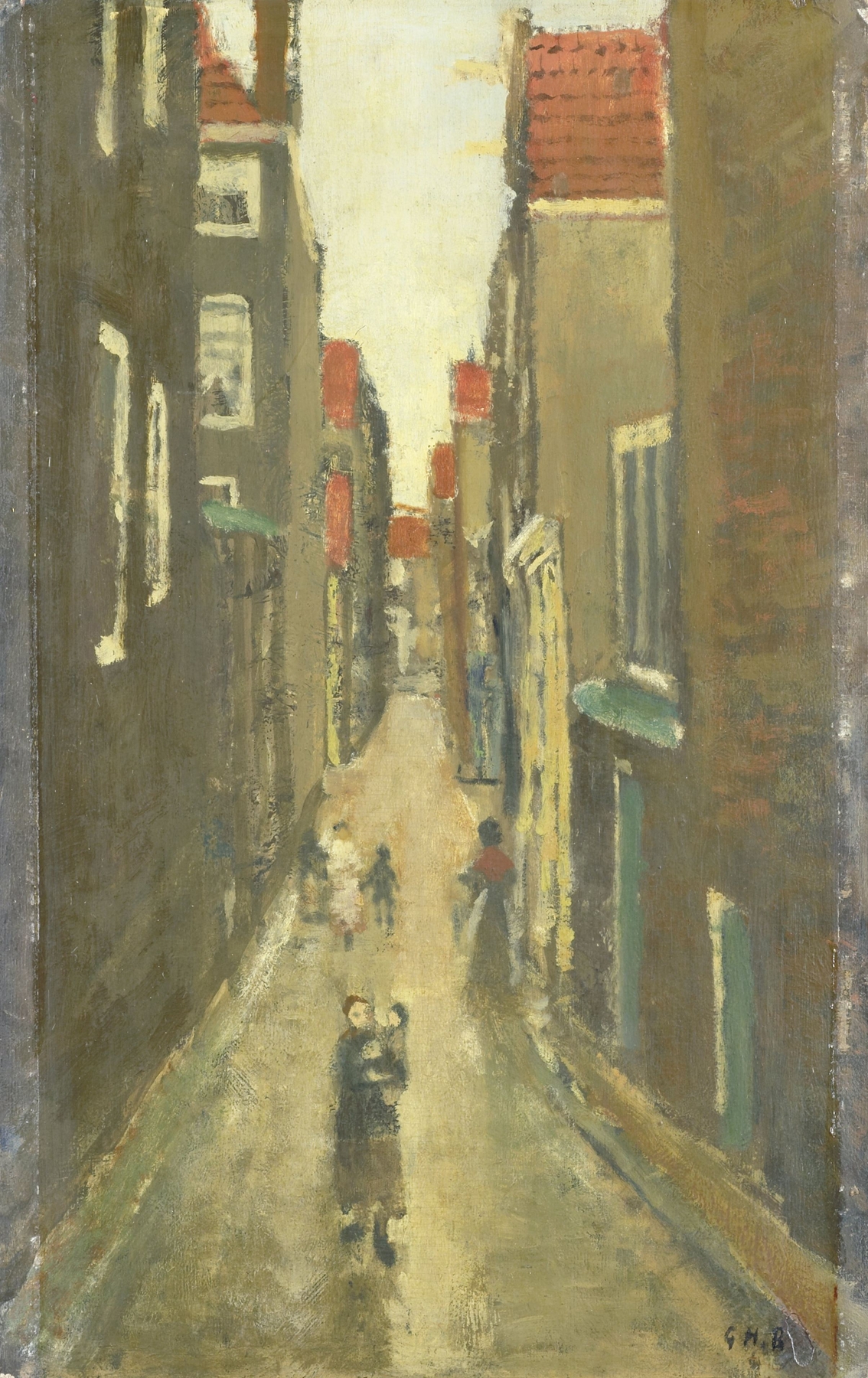
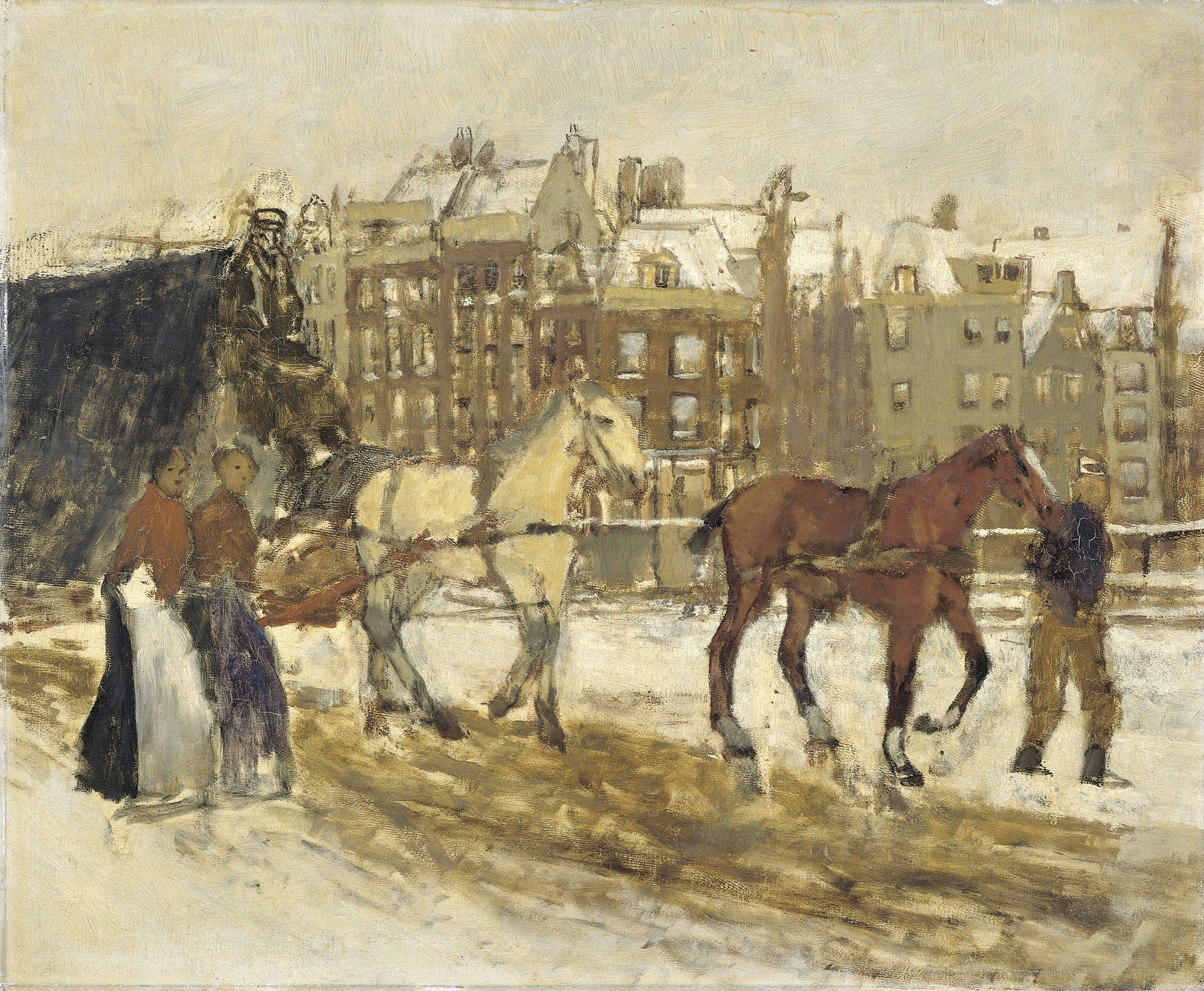
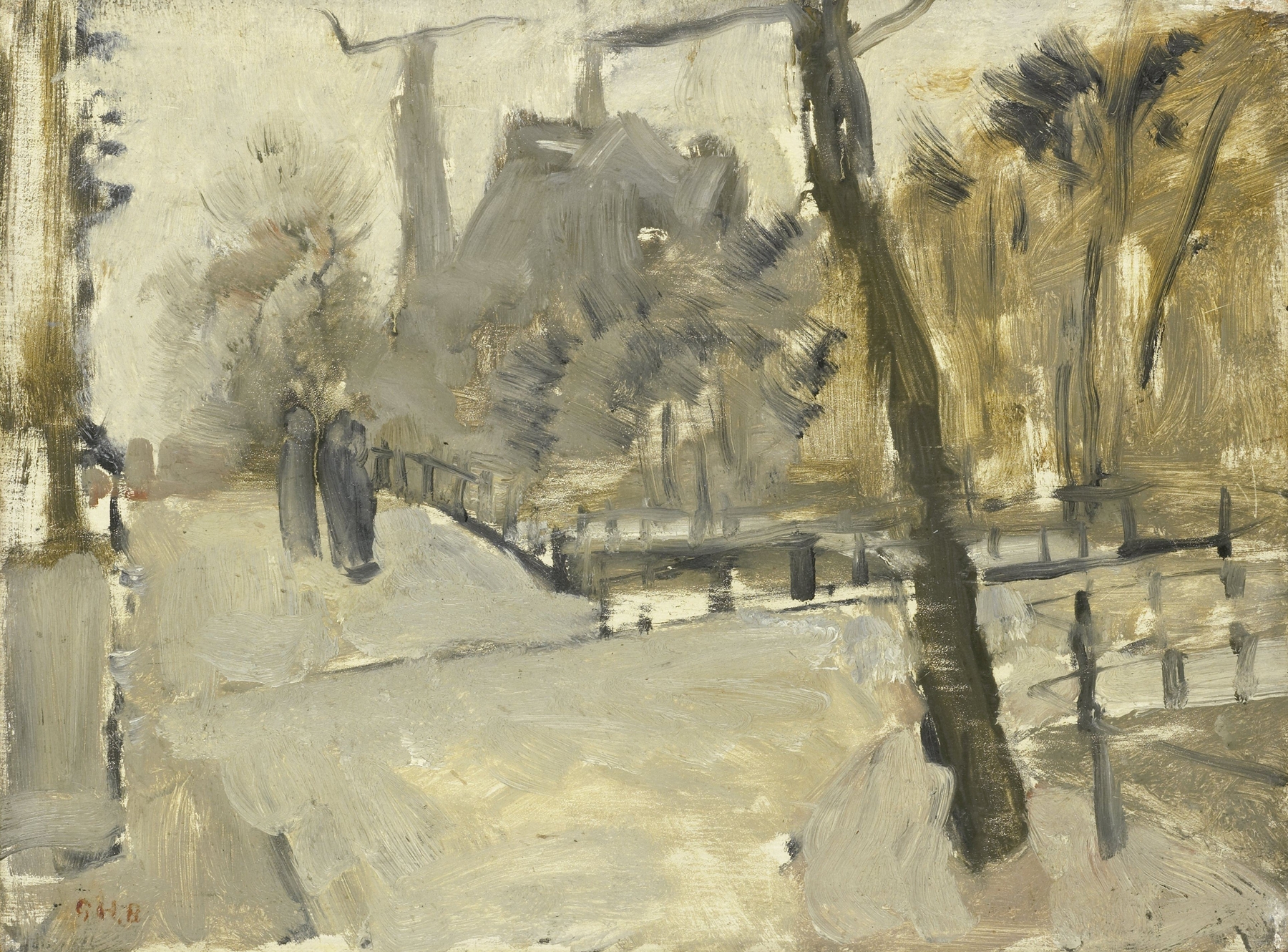
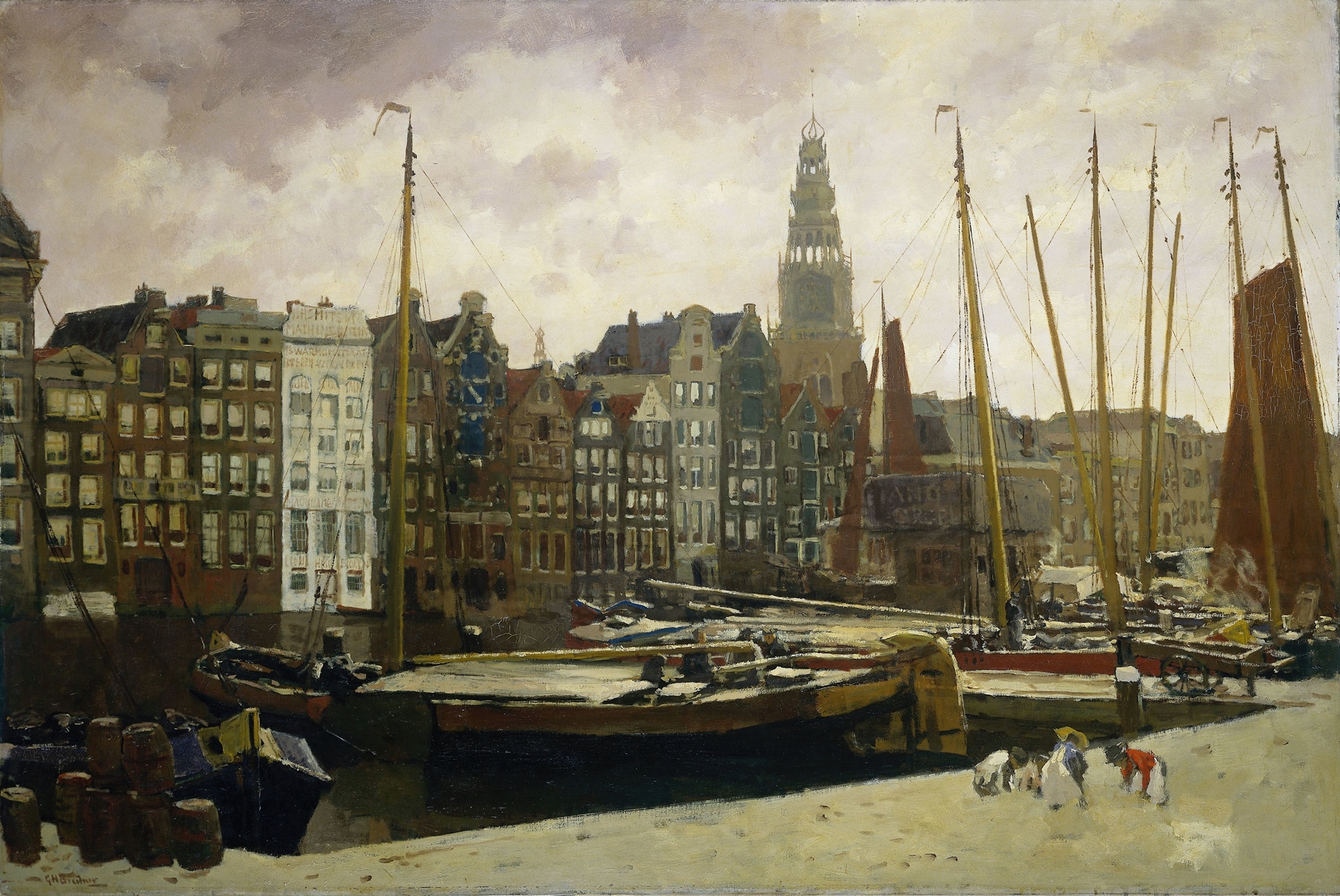
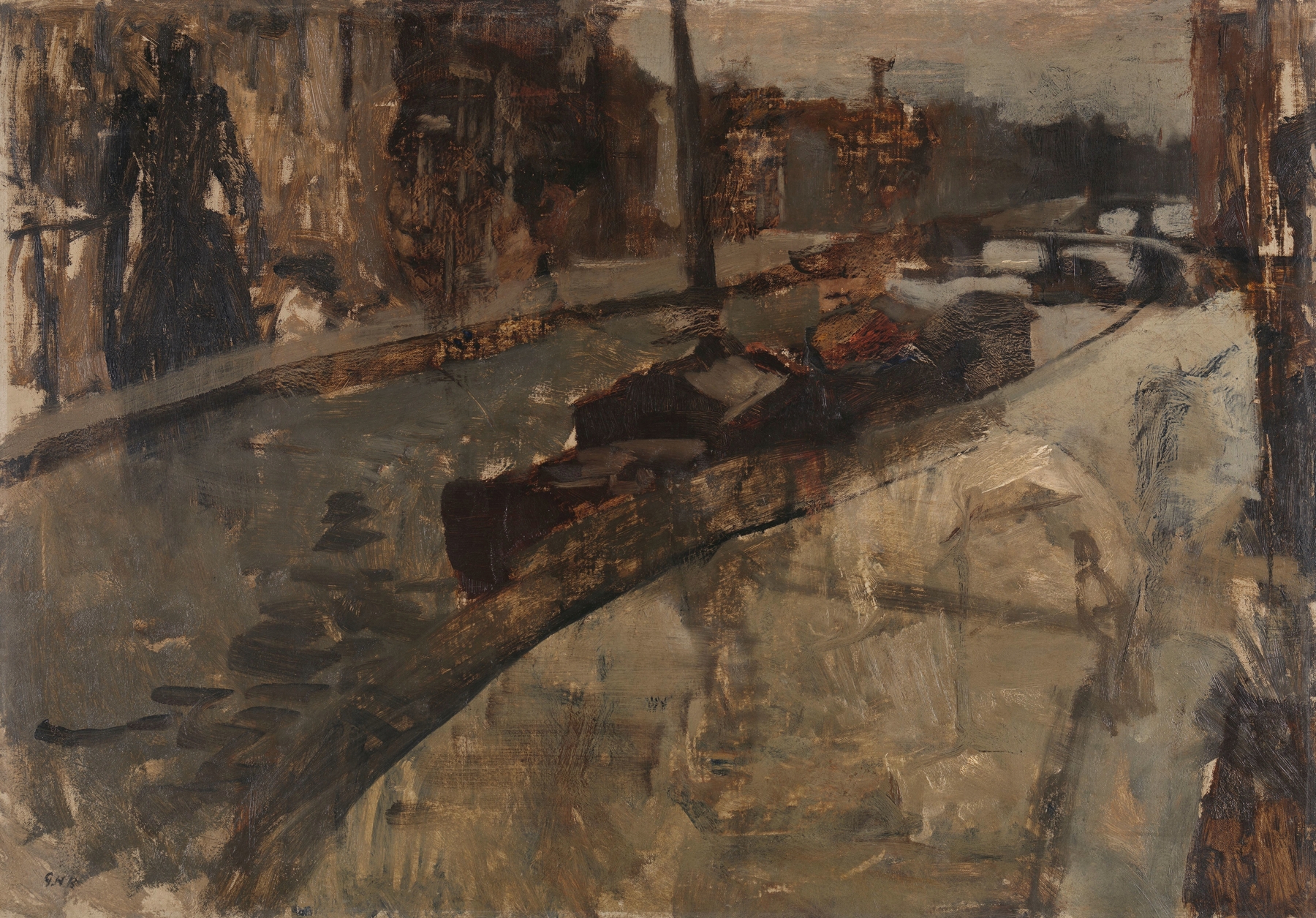
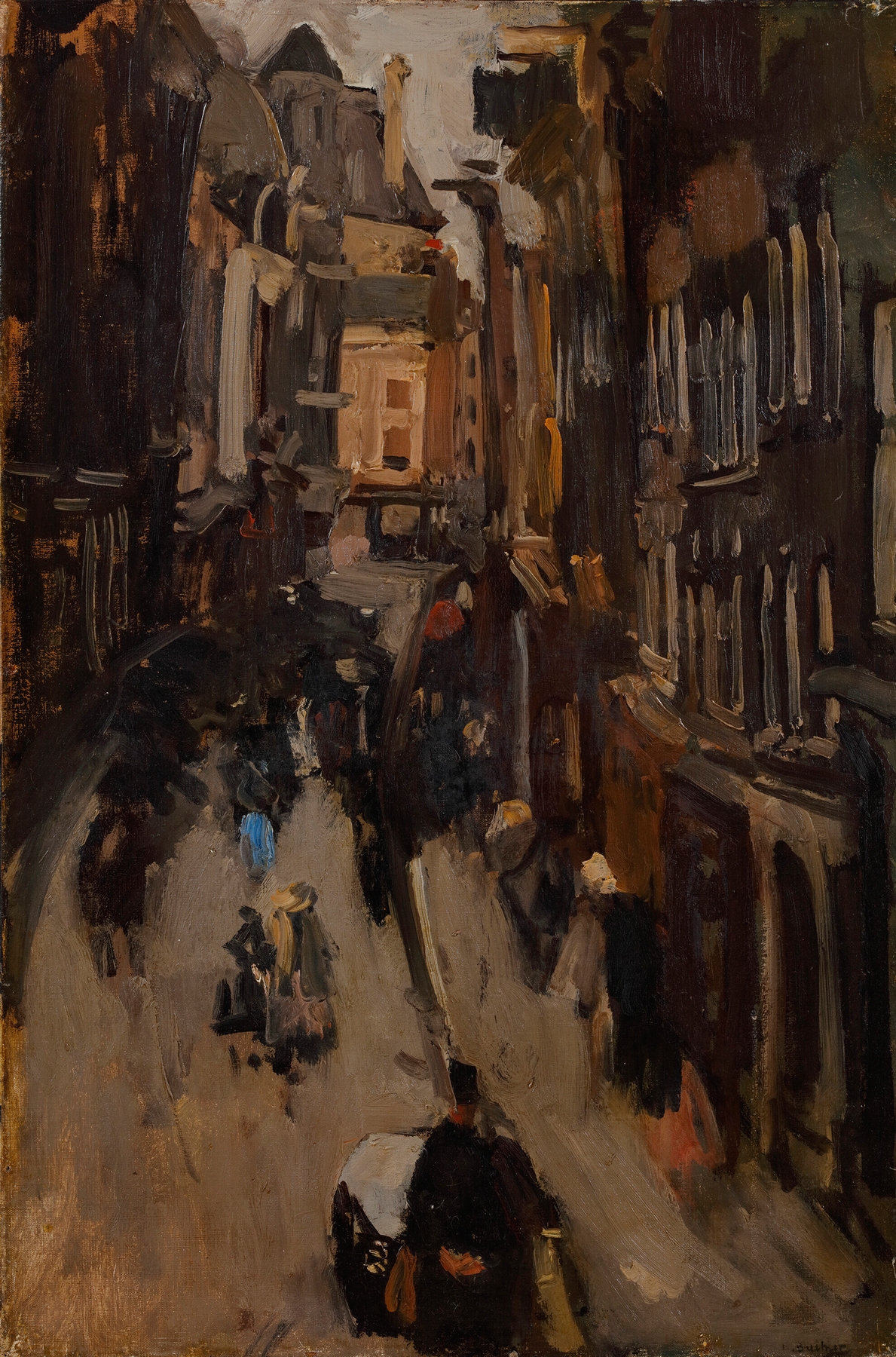
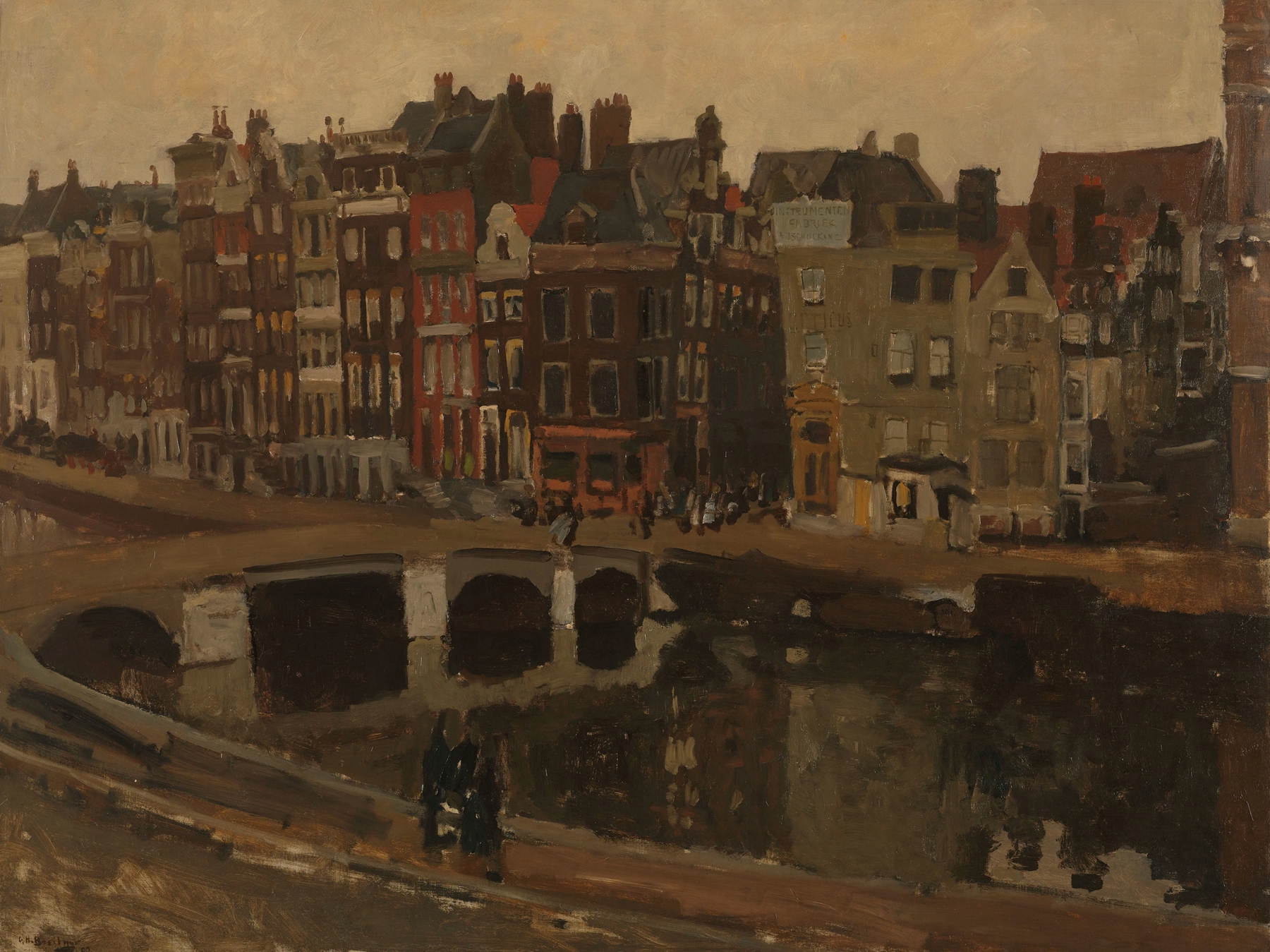
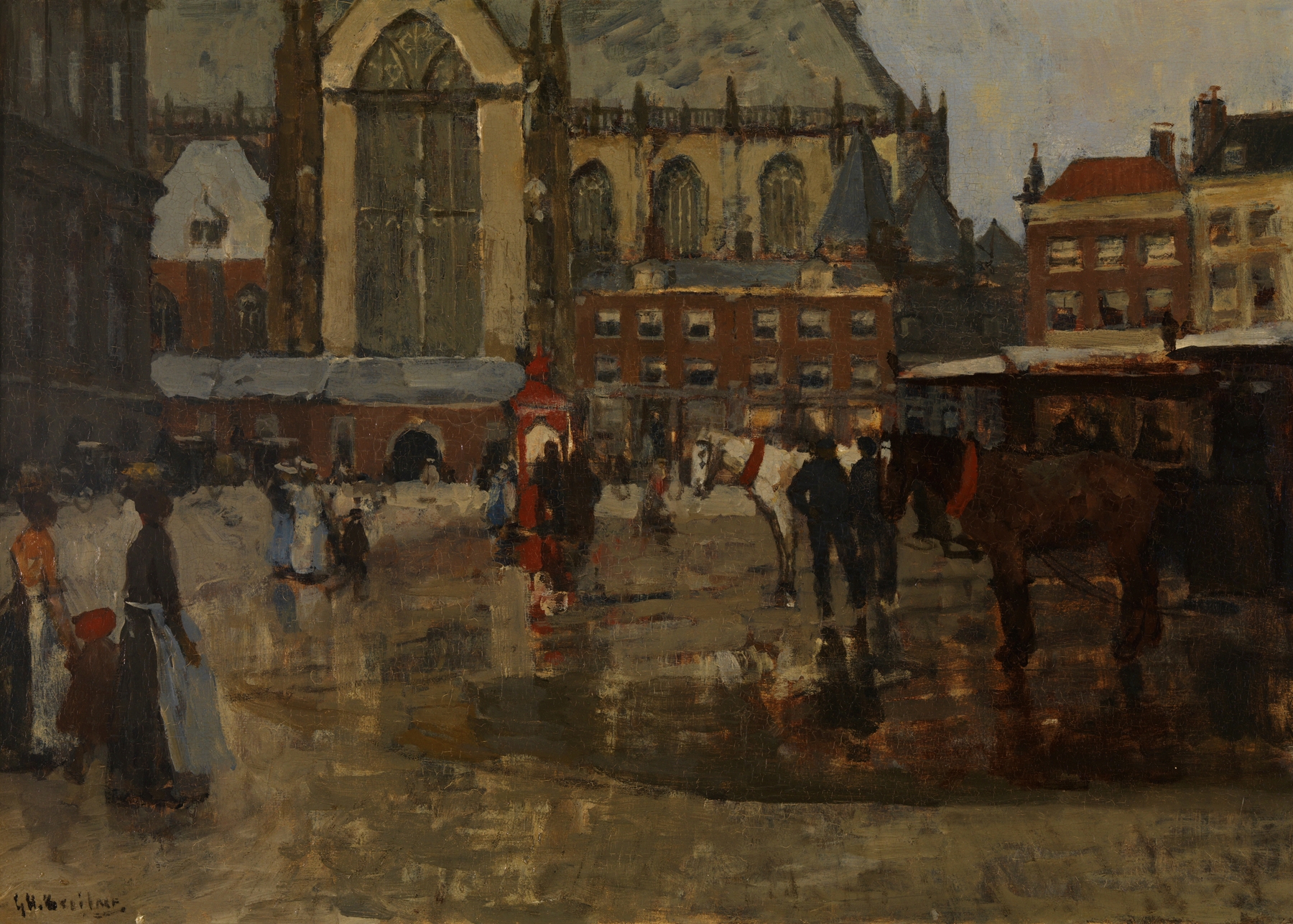
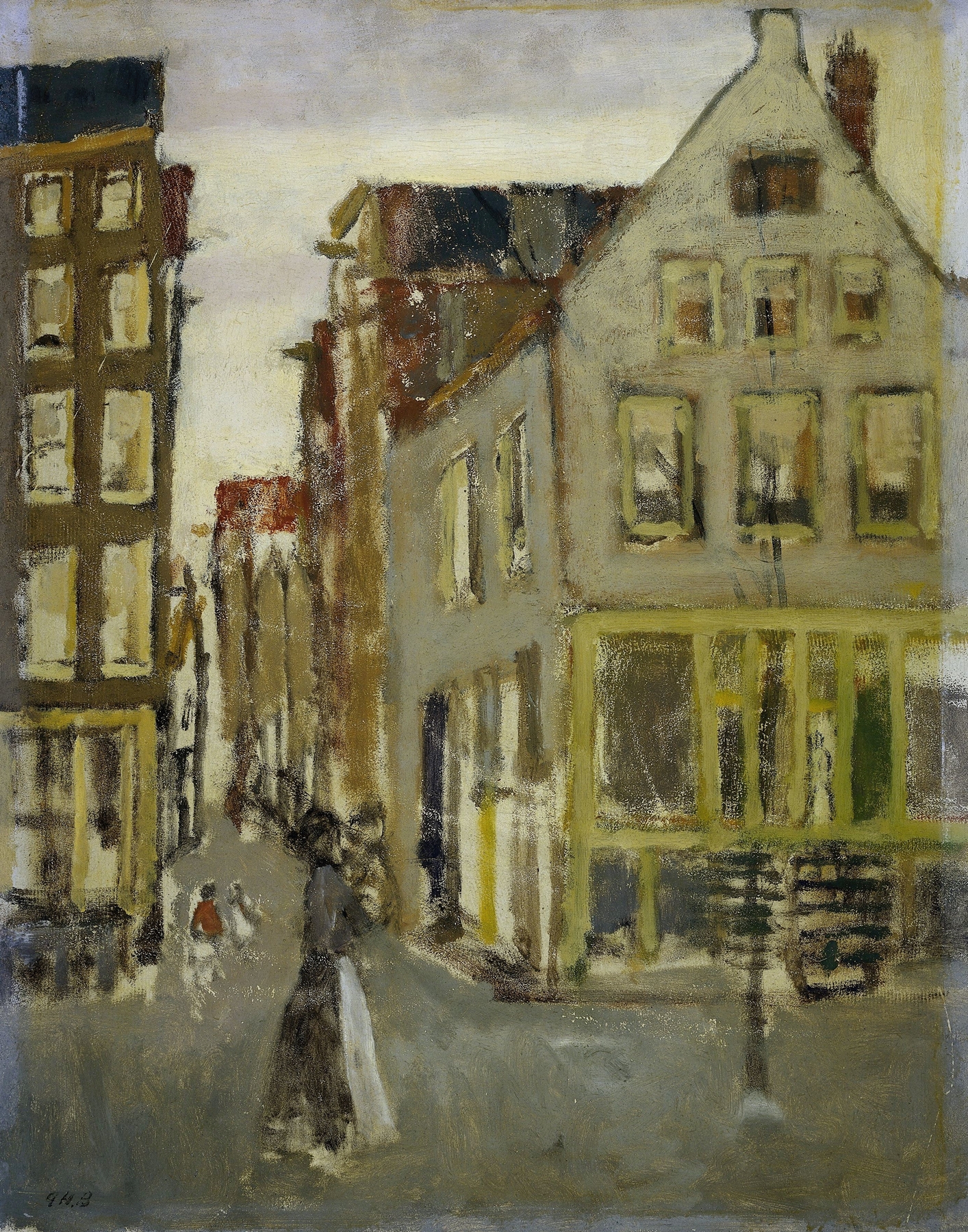
“Between color and silence, truth hides.” In the heart of the bustling city, where the Rokin pulses with life, the shadows of loss linger quietly. Here, amidst the vibrancy, each brushstroke breathes an unspoken sorrow, inviting the viewer into a world where grief dances delicately with the vibrancy of everyday life. Look to the center where figures clad in muted tones drift along the canal's edge, their postures suggestive of a shared sorrow. Take in the reflections that shimmer on the water’s surface, the ripples whispering secrets of longing.
Notice how the artist employs a muted palette, contrasting dark, earthy hues with splashes of light that seem to emerge from within, illuminating the pain and beauty of existence. The composition draws your eye toward the canal, its winding path suggesting movement, yet the stillness of the figures evokes a poignant stillness, as if time itself is holding its breath. Beneath the surface, the painting captures the tension of urban life intertwined with an underlying sense of loss. The juxtaposition of animated city life against the solitary figures hints at the isolation that can accompany grief, even in a crowd.
The light filtering through the trees casts a soft glow, evoking memories while simultaneously emphasizing the present moment, as if the artist is urging us to acknowledge our own hidden sorrows amid the noise of the world. Created between 1880 and 1923, this piece emerged during a transformative period for the artist, who was deeply influenced by the Impressionist movement. Living in Amsterdam, he was witnessing the rapid modernization of the city while grappling with his own experiences of loss and change. This painting represents not just a moment captured in time, but a reflection of an artist’s inner turmoil shaped by the evolving world around him.