Gezicht op de Dam — History & Analysis
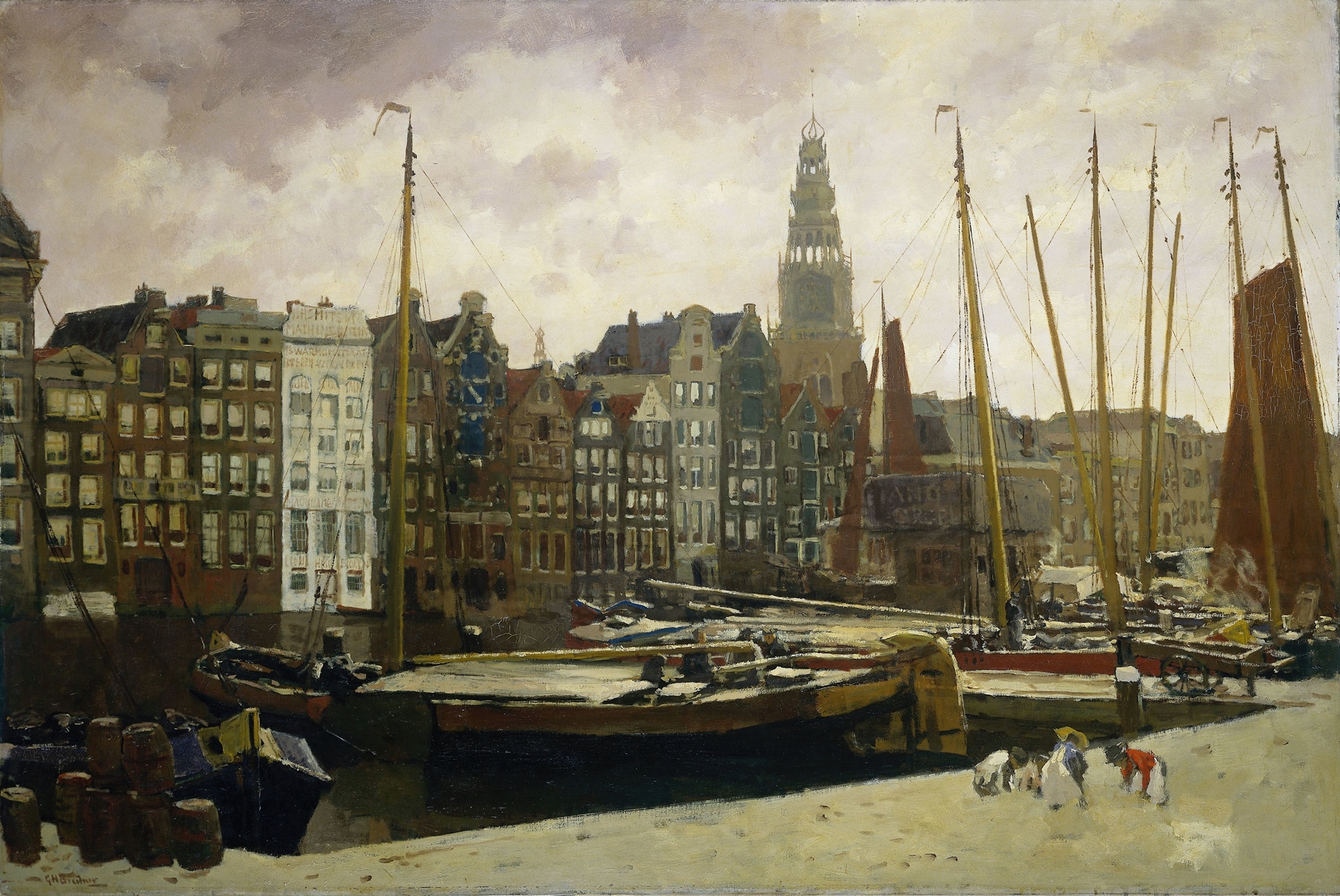
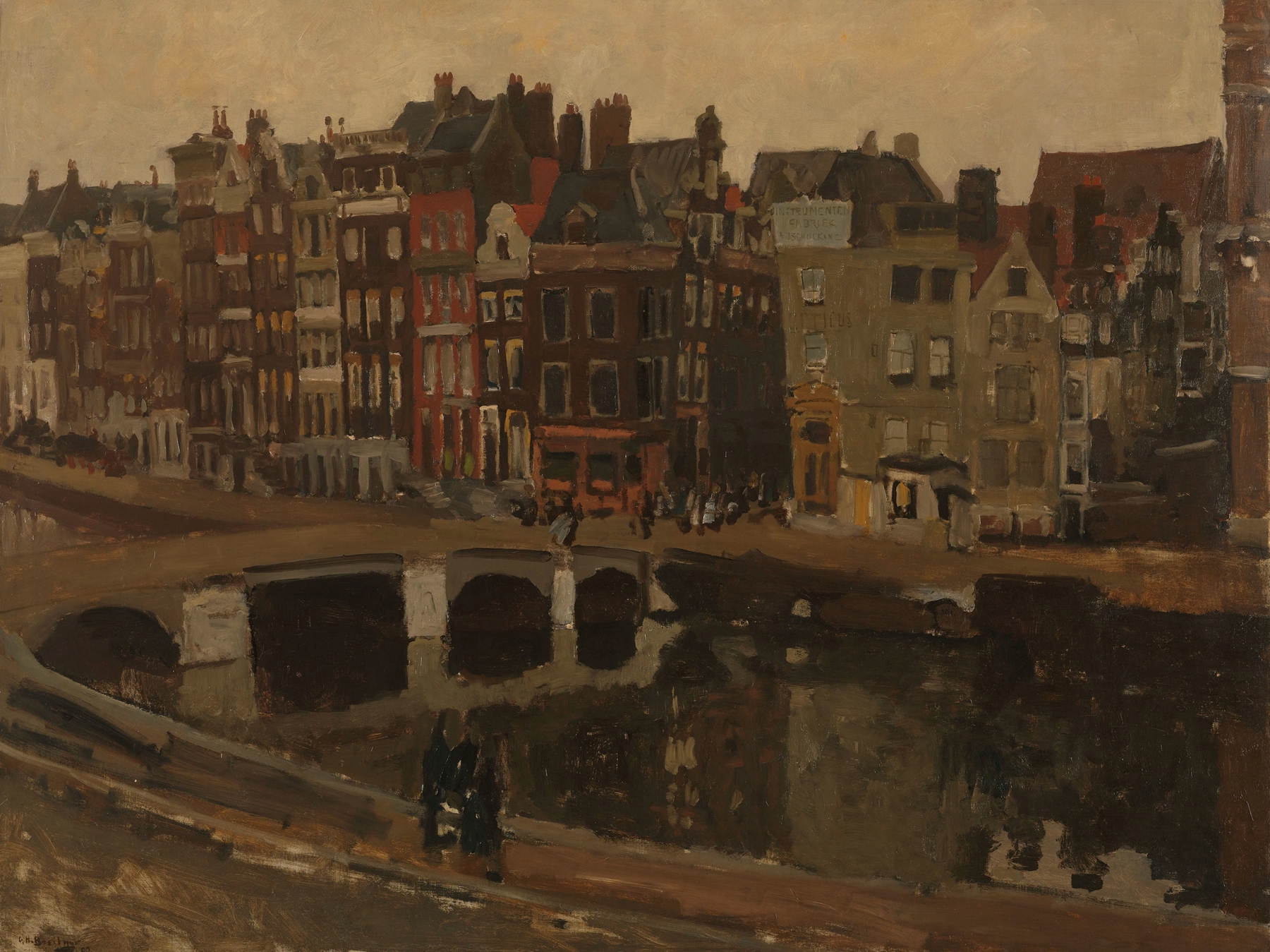
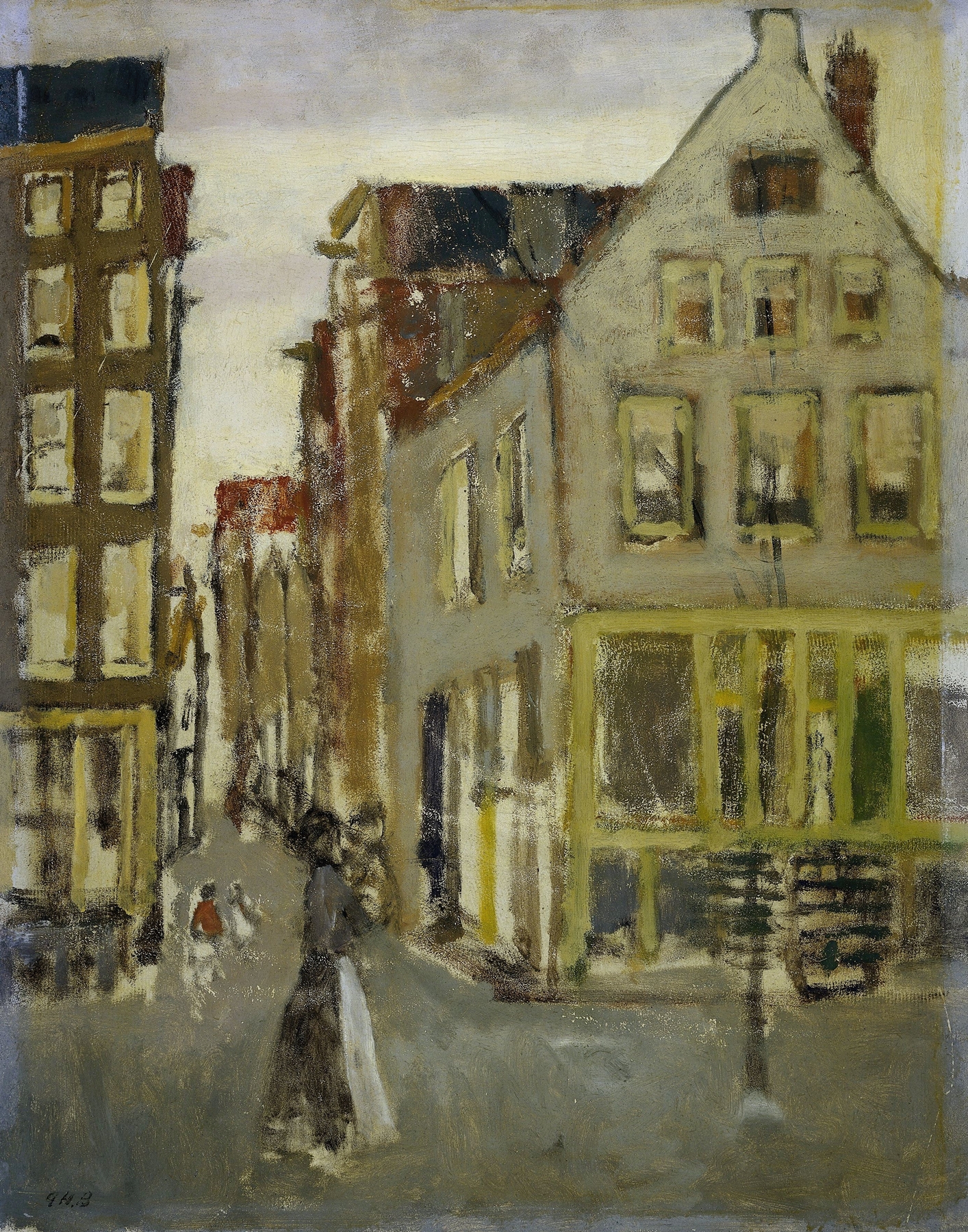
Did the painter know this moment would outlive them? In Gezicht op de Dam, a bustling Amsterdam square, time folds over itself, capturing the essence of life that feels both fleeting and eternal. Look to the center of the canvas, where the iconic Royal Palace stands grandly against a backdrop of billowing clouds. The interplay of light and shadow dances across its facade, revealing intricate details that draw you into the scene.
Notice the vibrant hues of the pedestrians' attire, woven with splashes of red and blue, as they navigate the cobblestone paths, their movements alive with energy. The brushwork is both dynamic and deliberate, each stroke cultivating a sense of urgency amidst the calm afternoon light. Beneath the surface of this seemingly ordinary day lies a striking juxtaposition: the permanence of the architecture versus the transitory nature of the crowds. The soft, golden light hints at the warmth of a bygone era, yet the figures bustle with modernity, suggesting change on the horizon.
The tableau is an exploration of urban life—how moments merge and dissolve into one another, ultimately creating a rich tapestry of history and memory. George Hendrik Breitner painted Gezicht op de Dam in 1898 during a period characterized by rapid urbanization in the Netherlands. The artist was deeply influenced by the Impressionists, striving to capture the immediacy of life as it unfolded before him. This work serves as both a celebration of the city's vibrancy and a poignant reminder of the temporality inherent in each passing moment, as he intertwined his personal experiences with the broader narrative of a changing world.