The Rokin, Amsterdam — History & Analysis
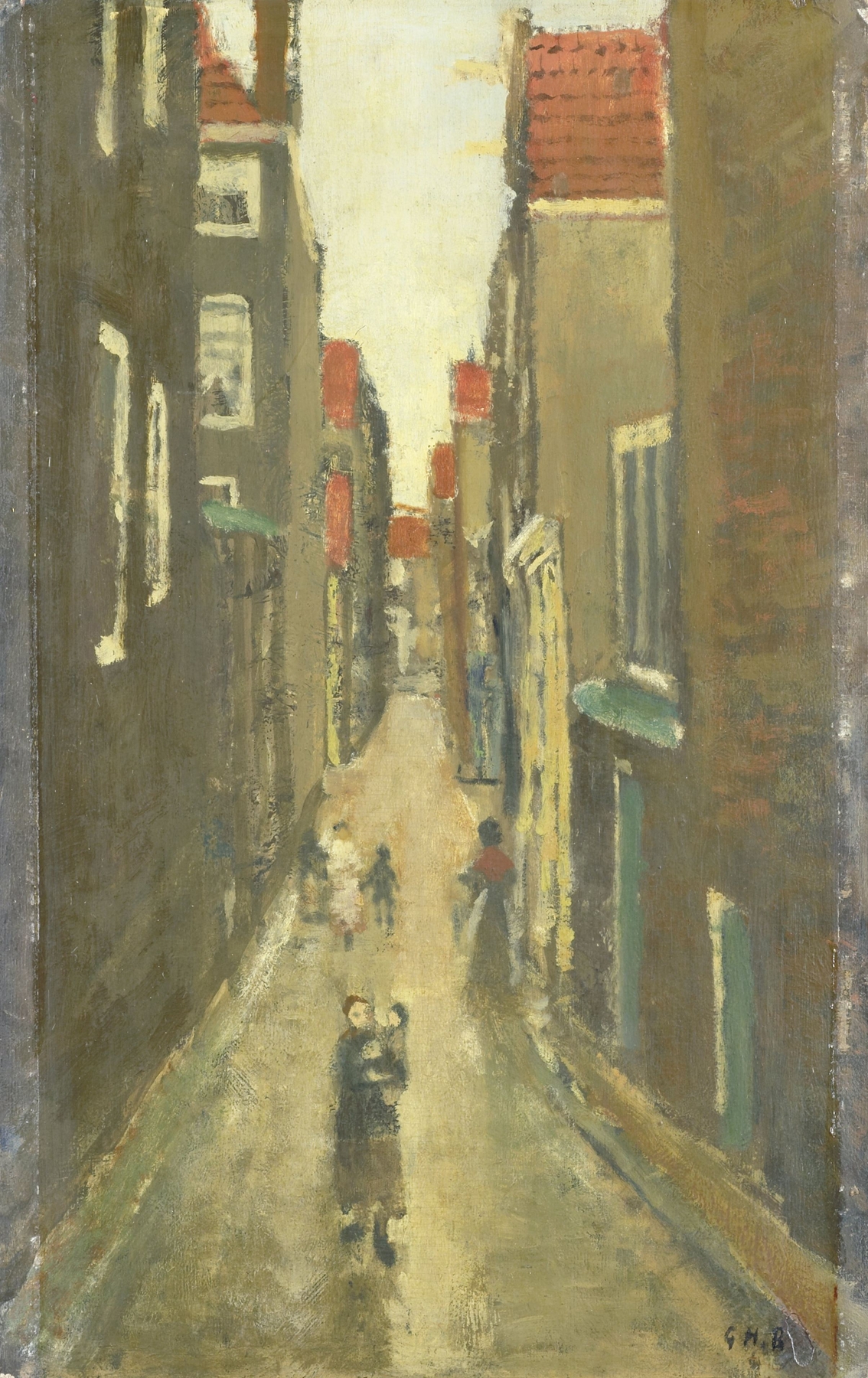
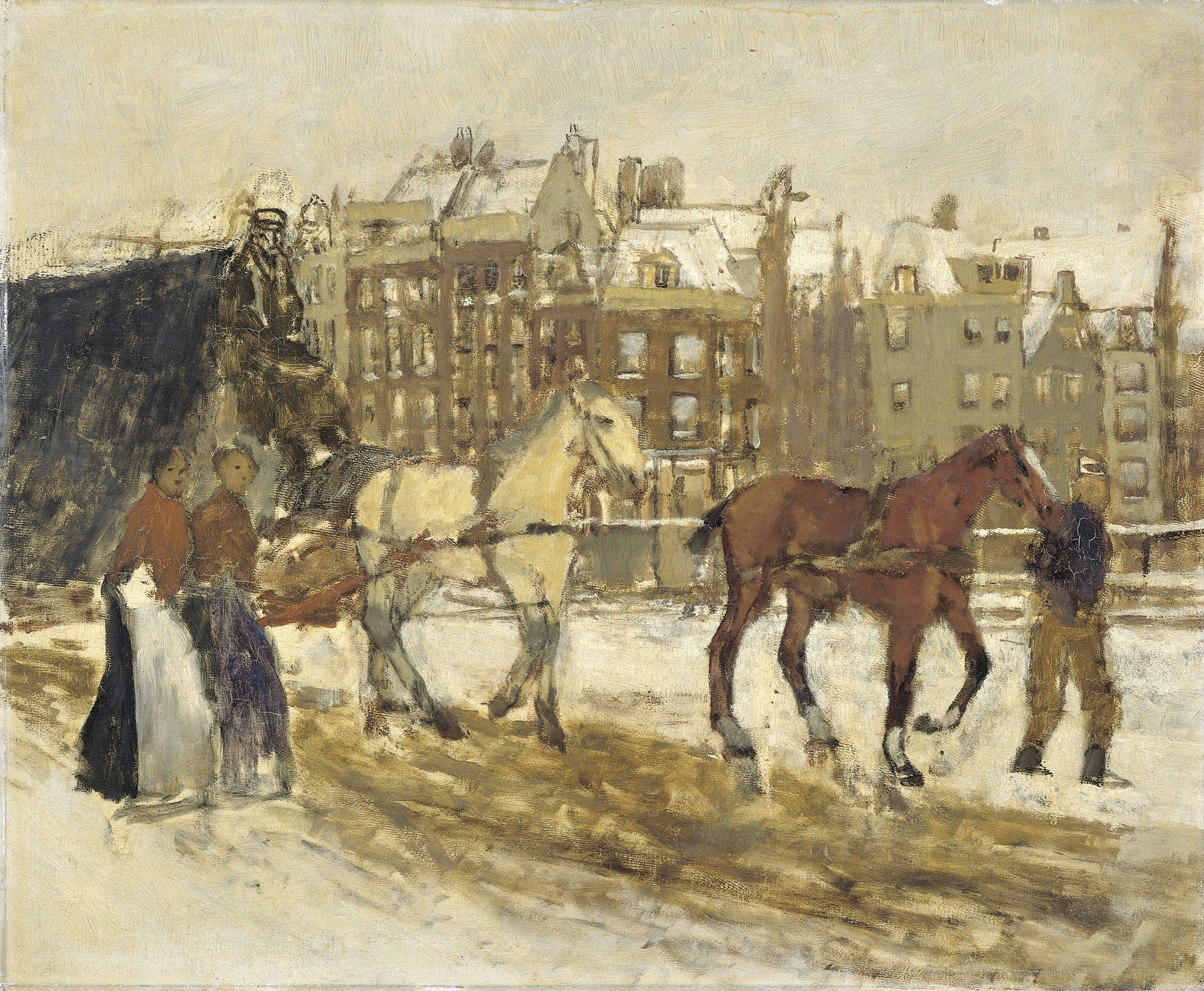
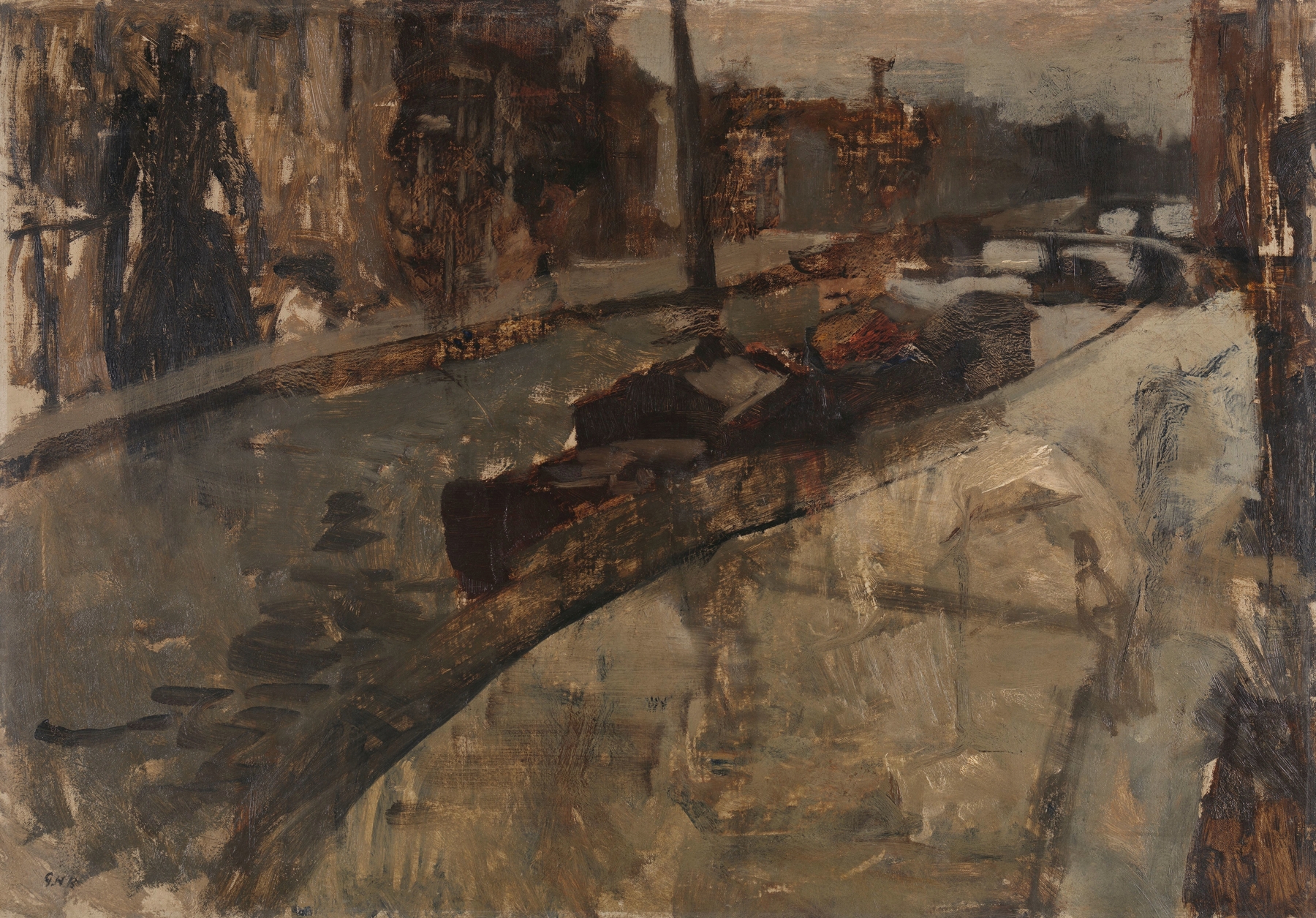
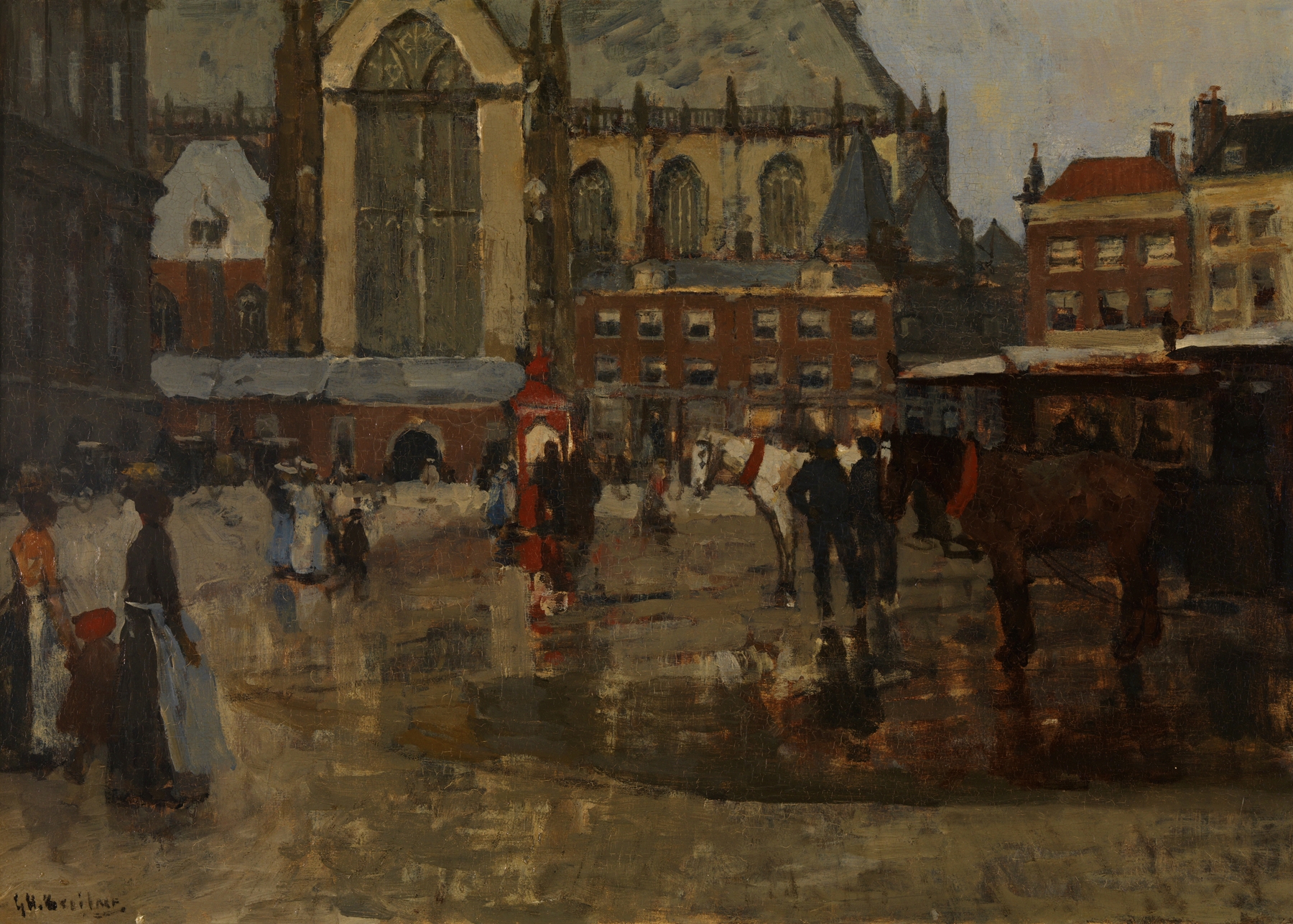
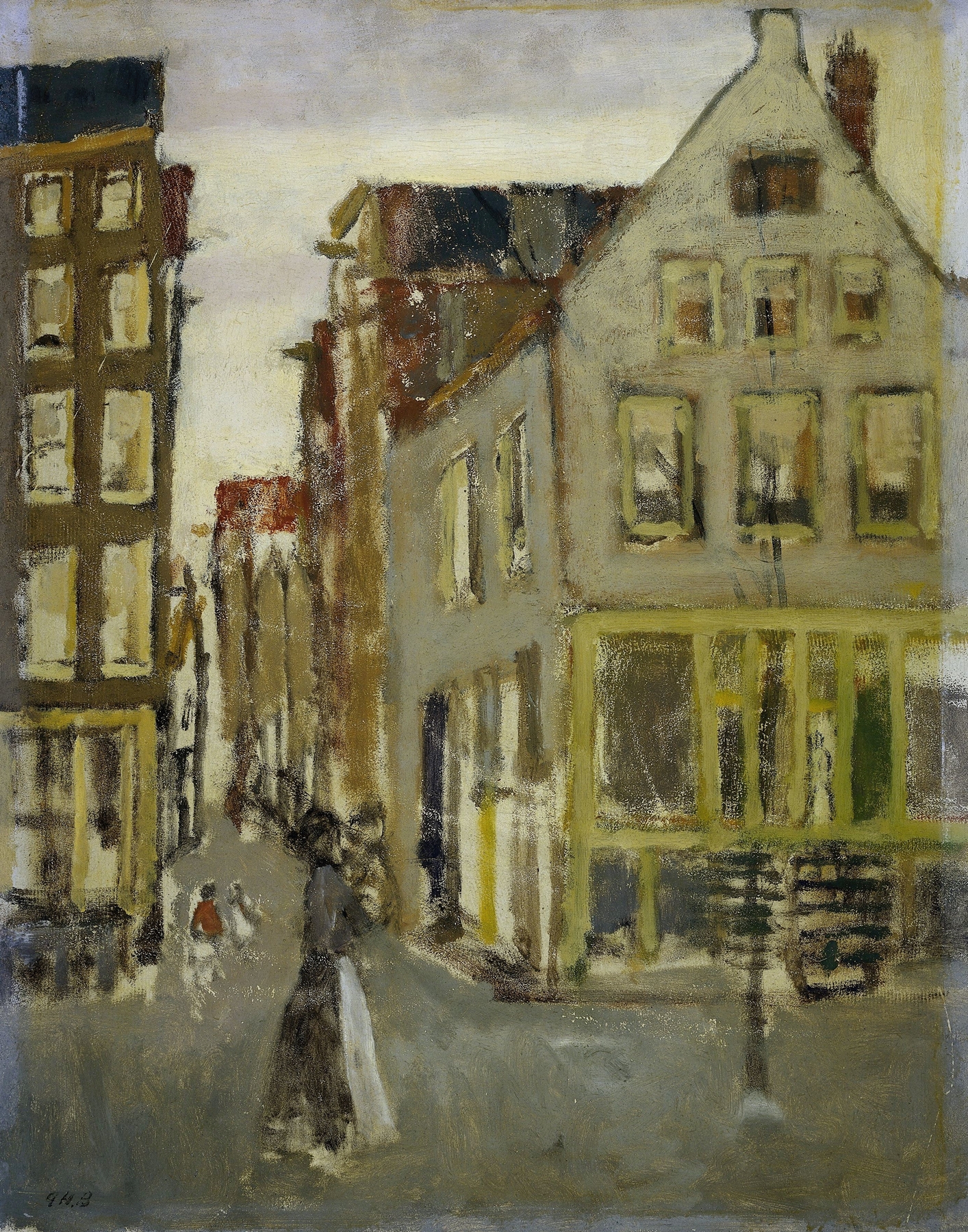
Where does light end, and longing begin? In the quiet embrace of a city street, nostalgia dances with shadows, inviting us to wander through the past. Look to the left at the intricate reflections of water on cobblestones, where the glimmering surface catches the fading daylight. Notice how the soft hues of twilight blend seamlessly into the muted palette of the buildings that rise beside the canal.
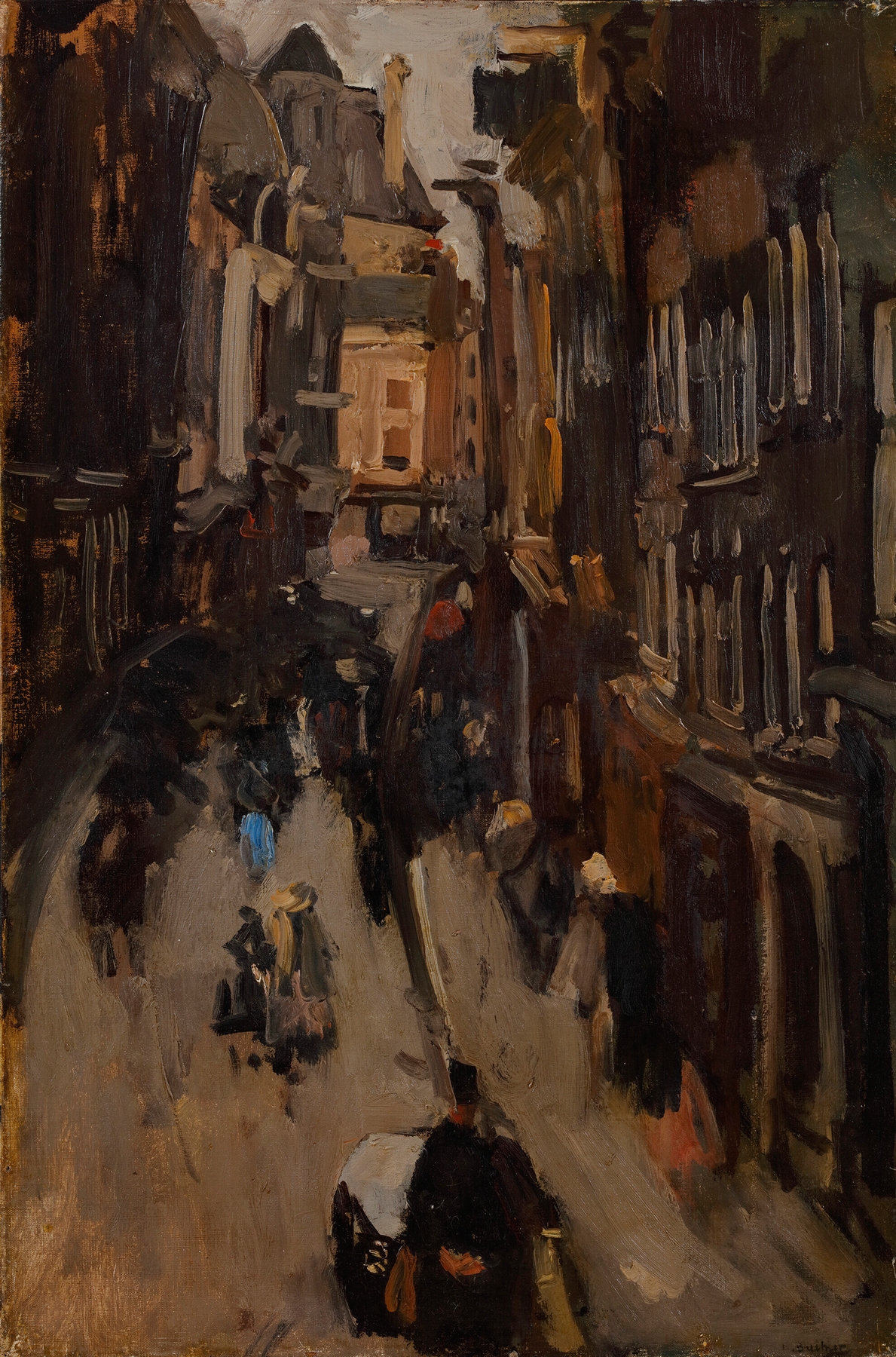
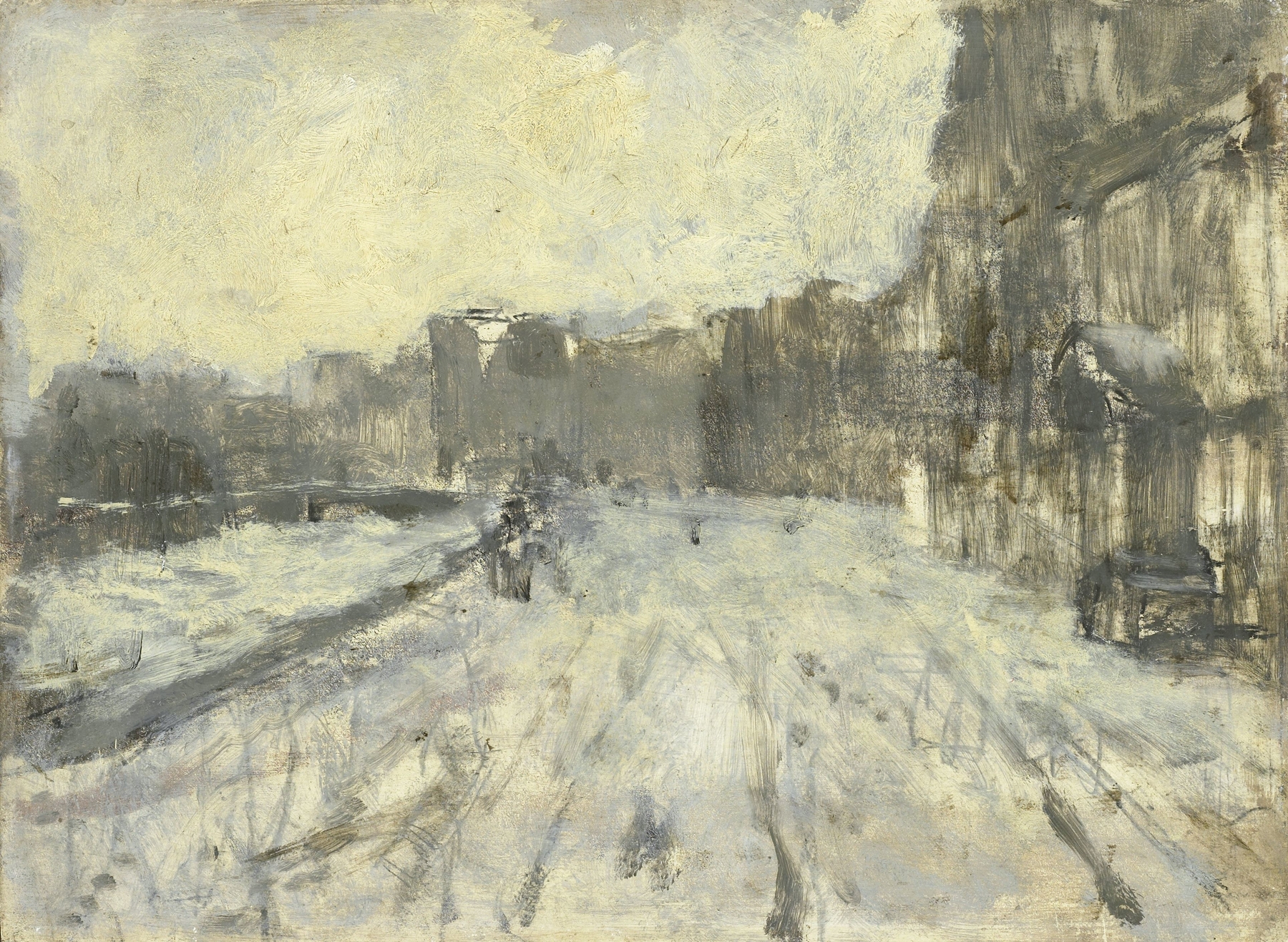
The artist employs loose brushstrokes, echoing the movement of the bustling street, while the figures, barely defined, suggest a fleeting moment in time—a glimpse of life caught in the act of flowing onward. This artwork reveals a tension between the vibrancy of urban life and the solitude of individual experience. The figures, though lost in their own worlds, seem connected by the delicate wash of evening light. The contrast between the warm glow of the setting sun and the cool shadows evokes a sense of yearning, as if each passerby carries their own stories wrapped in layers of time.
The scene encapsulates a bittersweet memory, a reflection on the impermanence inherent in each moment. George Hendrik Breitner painted this scene in Amsterdam in 1897, during a period of rapid urbanization and artistic experimentation in the Netherlands. He was immersed in the Impressionist movement, focusing on capturing the essence of everyday life with a fresh perspective. This era marked a significant moment in his career, as he sought to blend the vibrancy of modernity with the poetic elements of nostalgia, making The Rokin, Amsterdam a poignant representation of his artistic vision.