The Eel Gatherers — History & Analysis
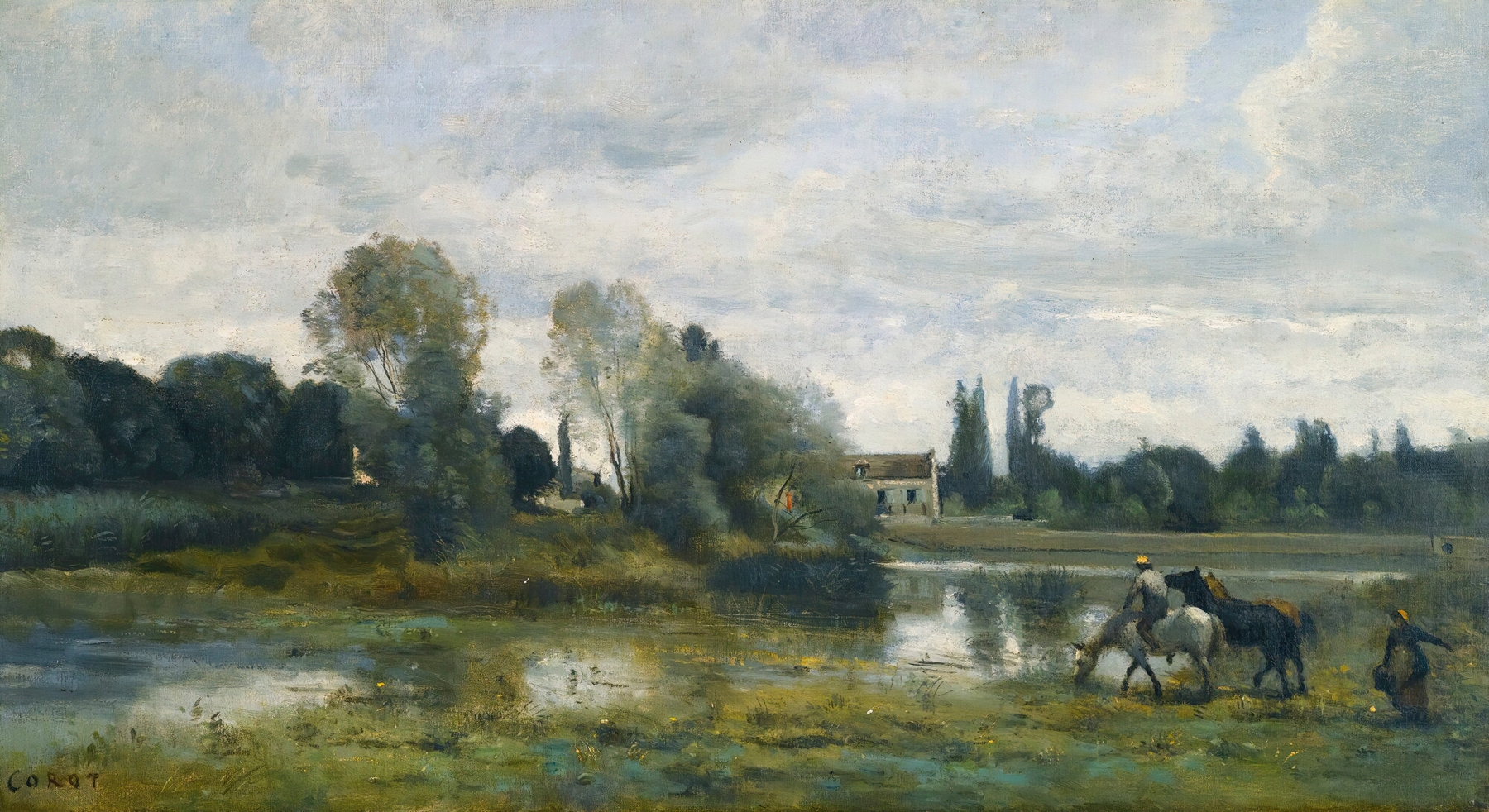
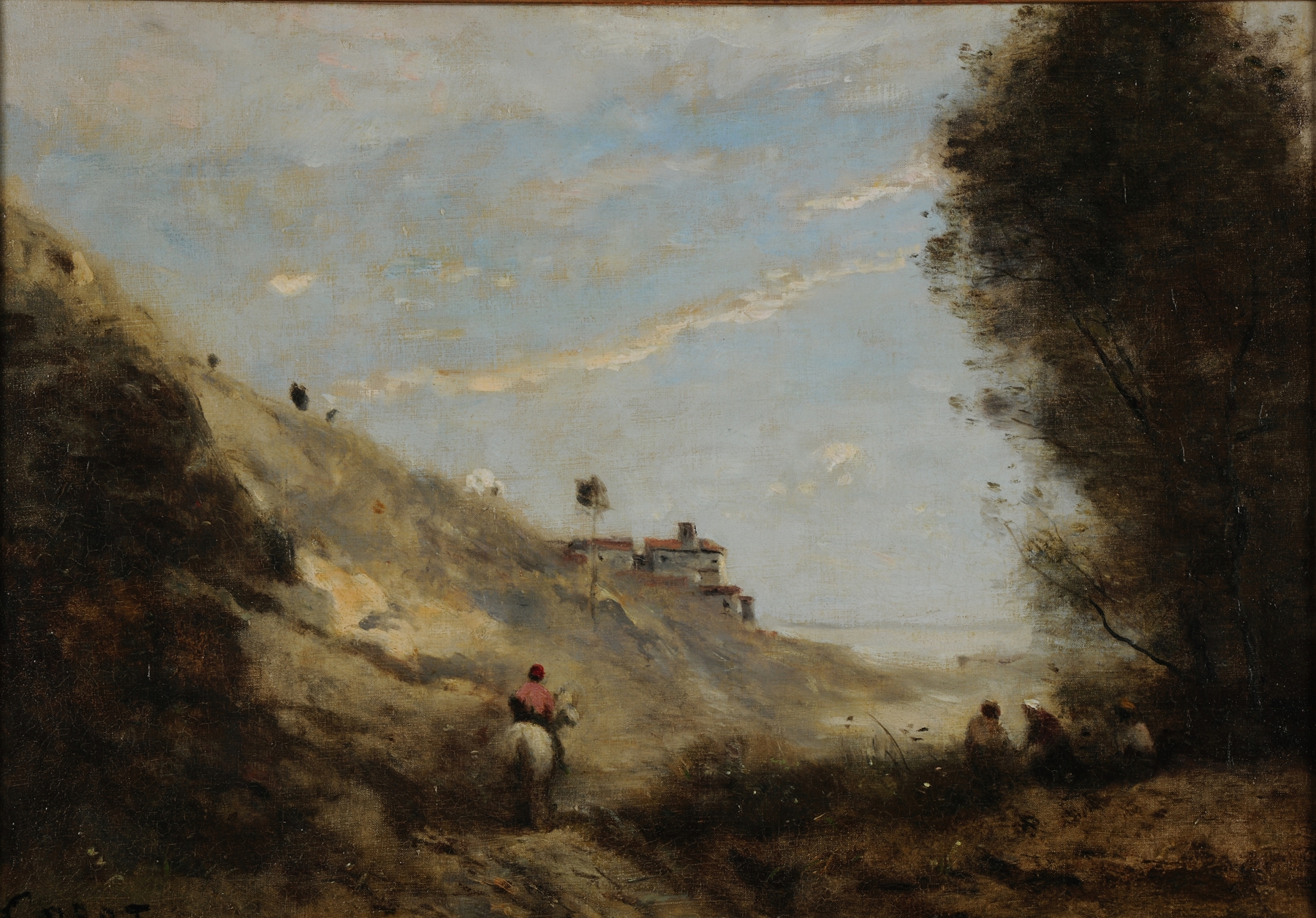
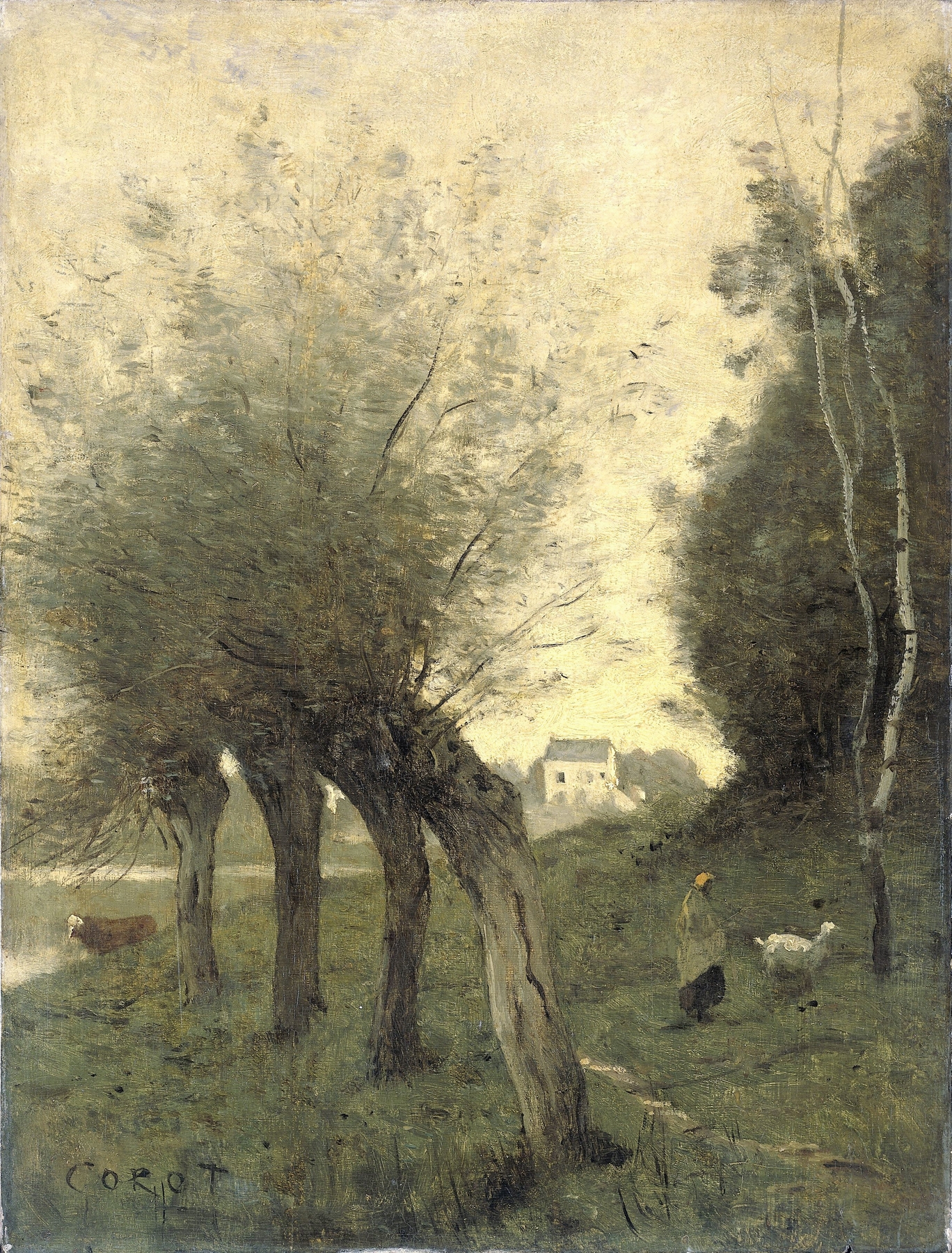
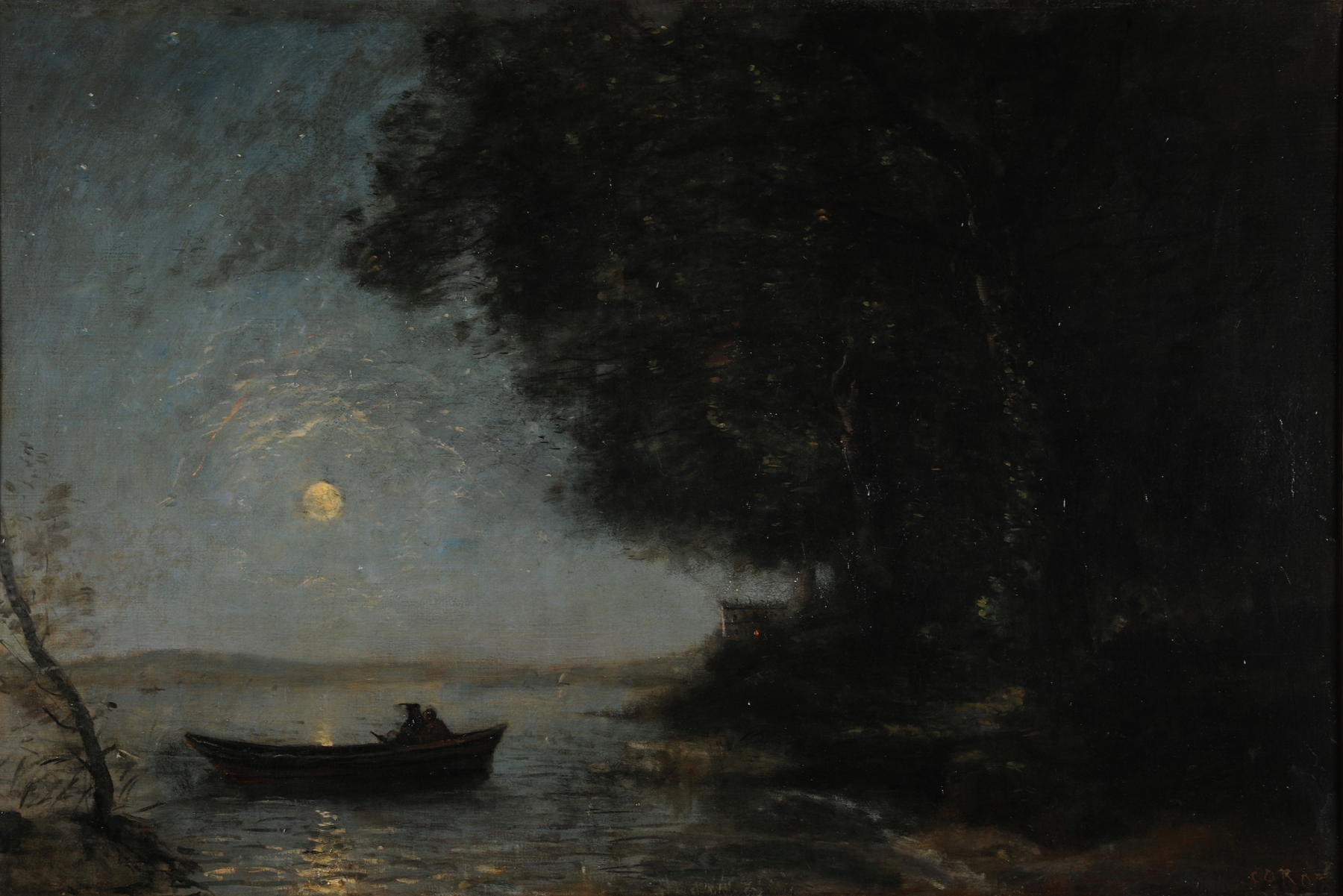
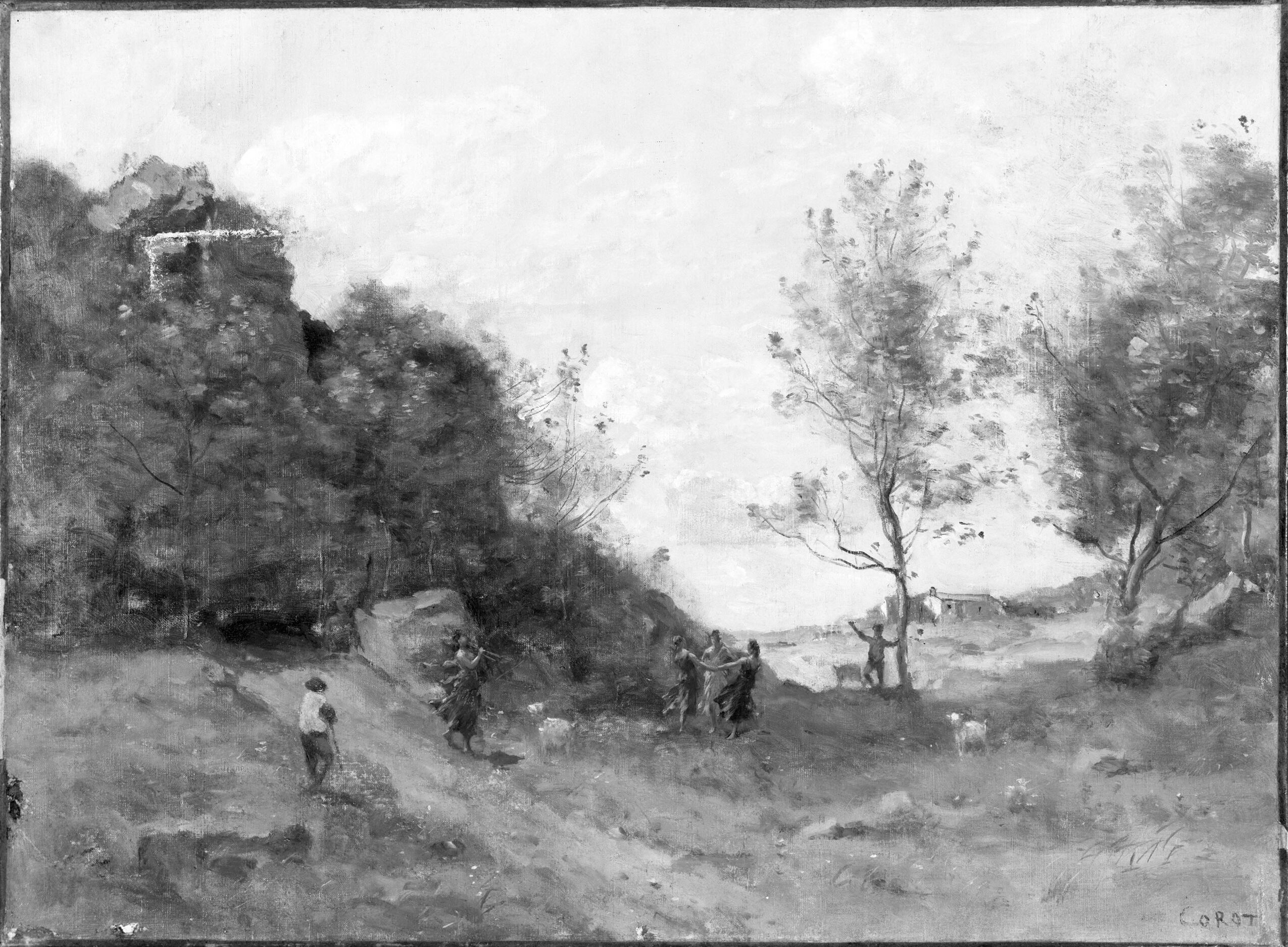
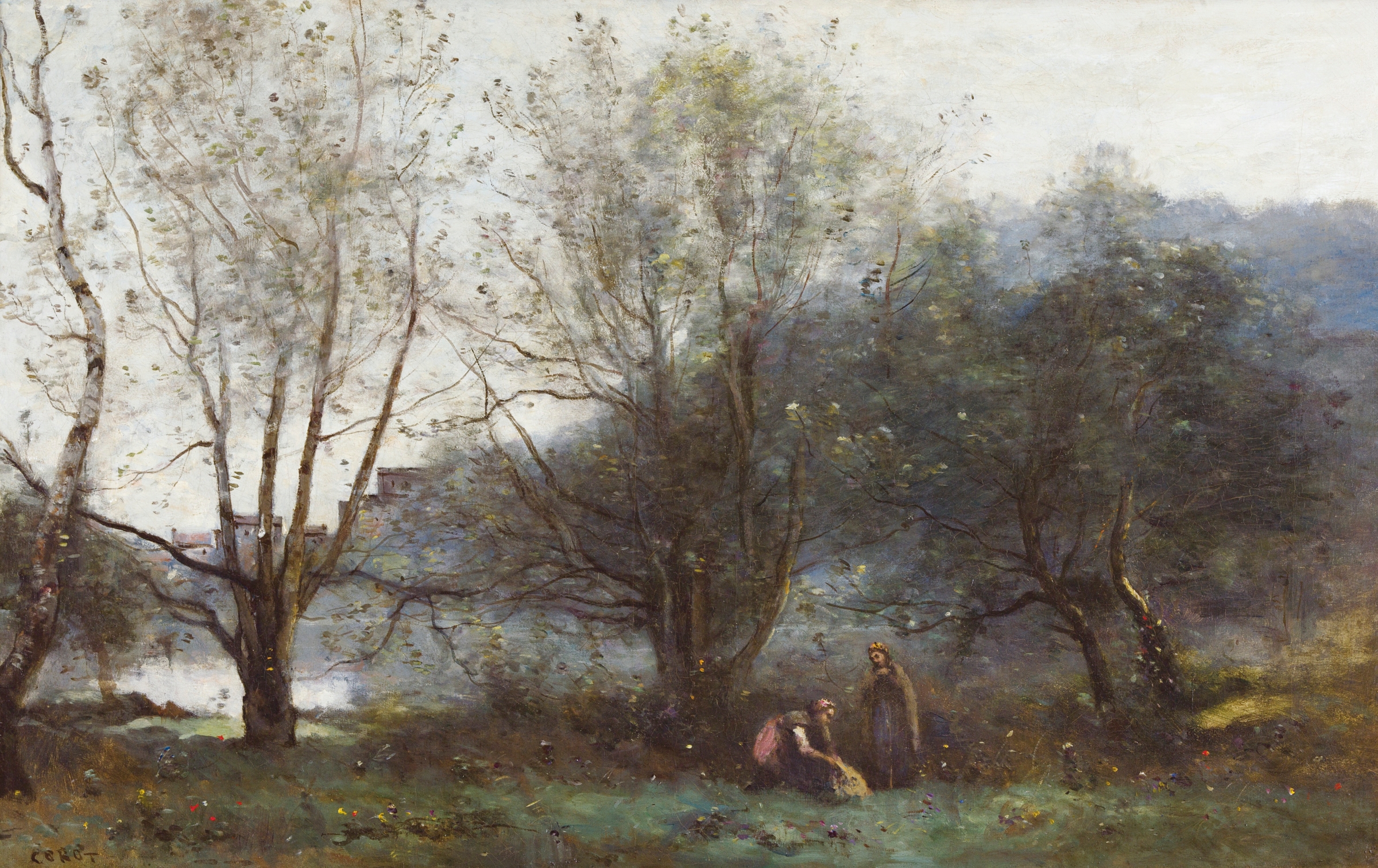
“Every silence here is a confession.” The quietude of nature holds a profound weight, whispering secrets of existence to those who dare to listen. In The Eel Gatherers, the stillness of the landscape offers a sanctuary, inviting awe and reflection. Look to the left where the figures, enveloped in soft earth tones, kneel by the water’s edge, their bodies a harmonious blend with the surrounding environment. The gentle strokes of Corot's brush create a landscape that feels alive, with dappled sunlight filtering through the leaves and casting a serene glow on the water’s surface.
Notice how the reflections ripple softly, blurring the boundaries between reality and illusion, inviting viewers to lose themselves in the enchantment of the moment. Yet, beneath this tranquil surface lies a tension between man and nature, a delicate dance of survival. The eel gatherers, absorbed in their task, evoke a sense of humility as they bow to the river’s bounty. Their presence speaks to the cyclical relationship between humanity and the natural world, while the encroaching shadows hint at the relentless passage of time—reminding us of the transient nature of both life and livelihood.
This interplay of light and shadow emphasizes a deeper connection to the environment, revealing layers of meaning in the seemingly simple act of gathering. During the years between 1860 and 1865, Jean-Baptiste-Camille Corot worked in France, a time marked by significant transformation in the art world with the rise of realism and impressionism. As he embraced the natural world in his late career, Corot sought to capture the essence of fleeting moments, reflecting the evolving philosophies of beauty and nature that were beginning to flourish among his contemporaries. This piece stands as a testament to his legacy, intertwining personal introspection with broader artistic movements.