The Elbe by Moonlight — History & Analysis
When did color learn to lie? In the delicate interplay of twilight and shadow, the moonlight caresses the water, whispering secrets of loss and longing. Look closely at the shimmering surface of the Elbe, where silvery hues dance beneath a heavy, inky sky. Notice how the crescent moon’s reflection stretches across the water, guiding your gaze toward the distant horizon.
The trees lining the riverbank stand silhouetted, their dark forms contrasting against the luminous glow, creating a sense of both serenity and foreboding. Dahl’s masterful use of light and shadow evokes the essence of nocturnal beauty, inviting contemplation while leaving a trace of melancholy. At first glance, one might celebrate the tranquil beauty of this night scene, yet deeper scrutiny reveals hints of loneliness and isolation. The vast expanse of water feels both inviting and unfathomable, mirroring the ache of memories that linger in the heart.
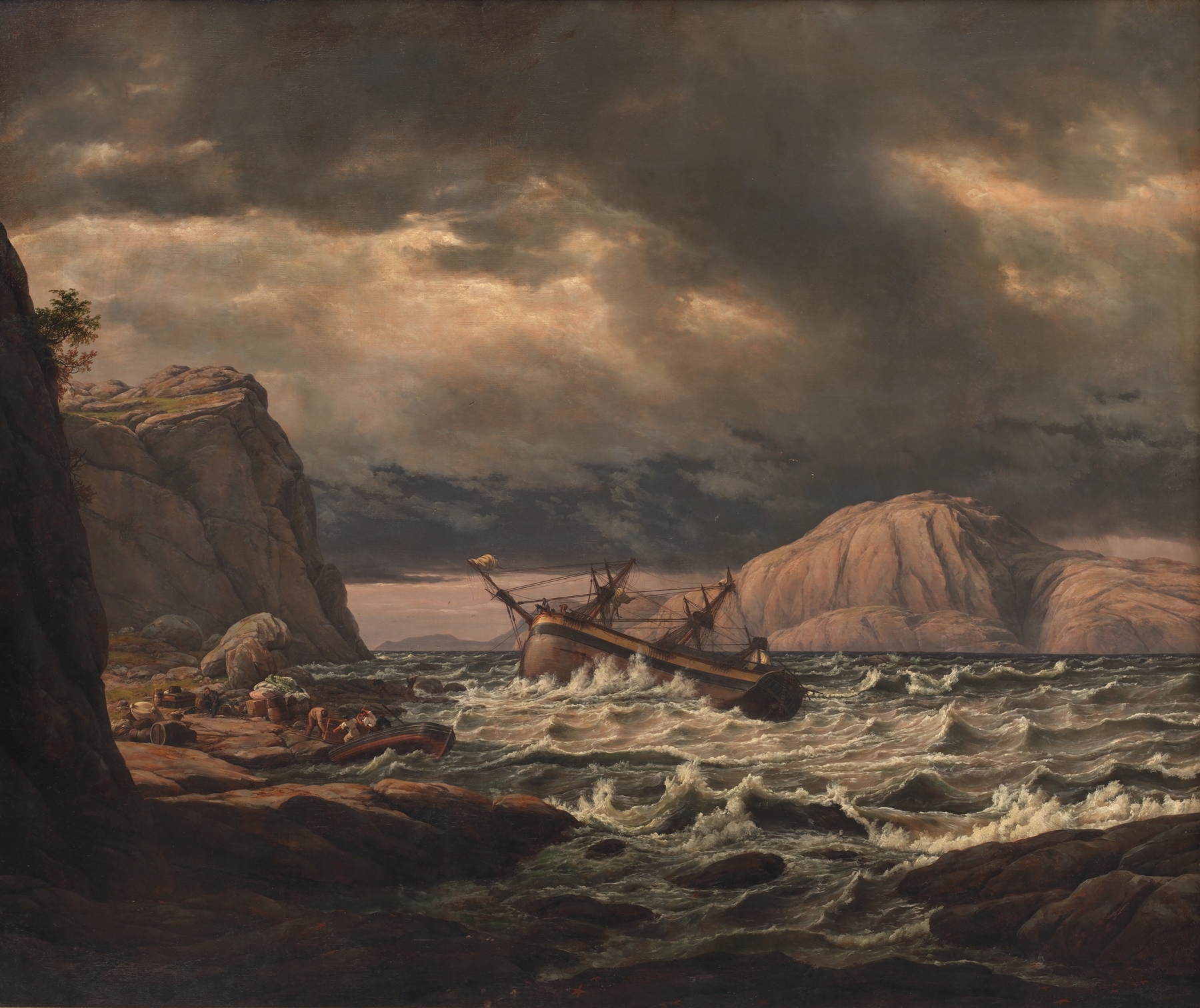
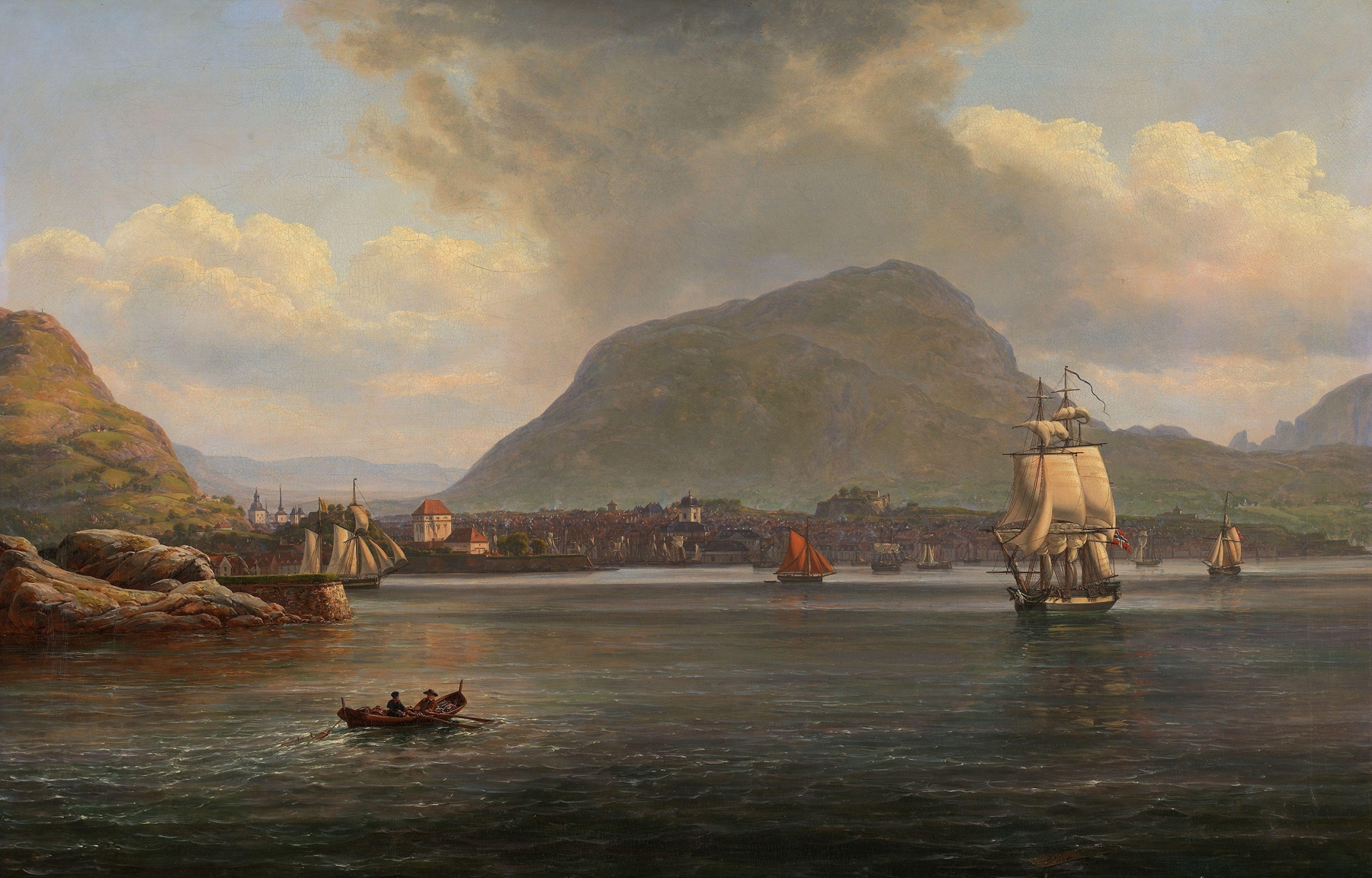
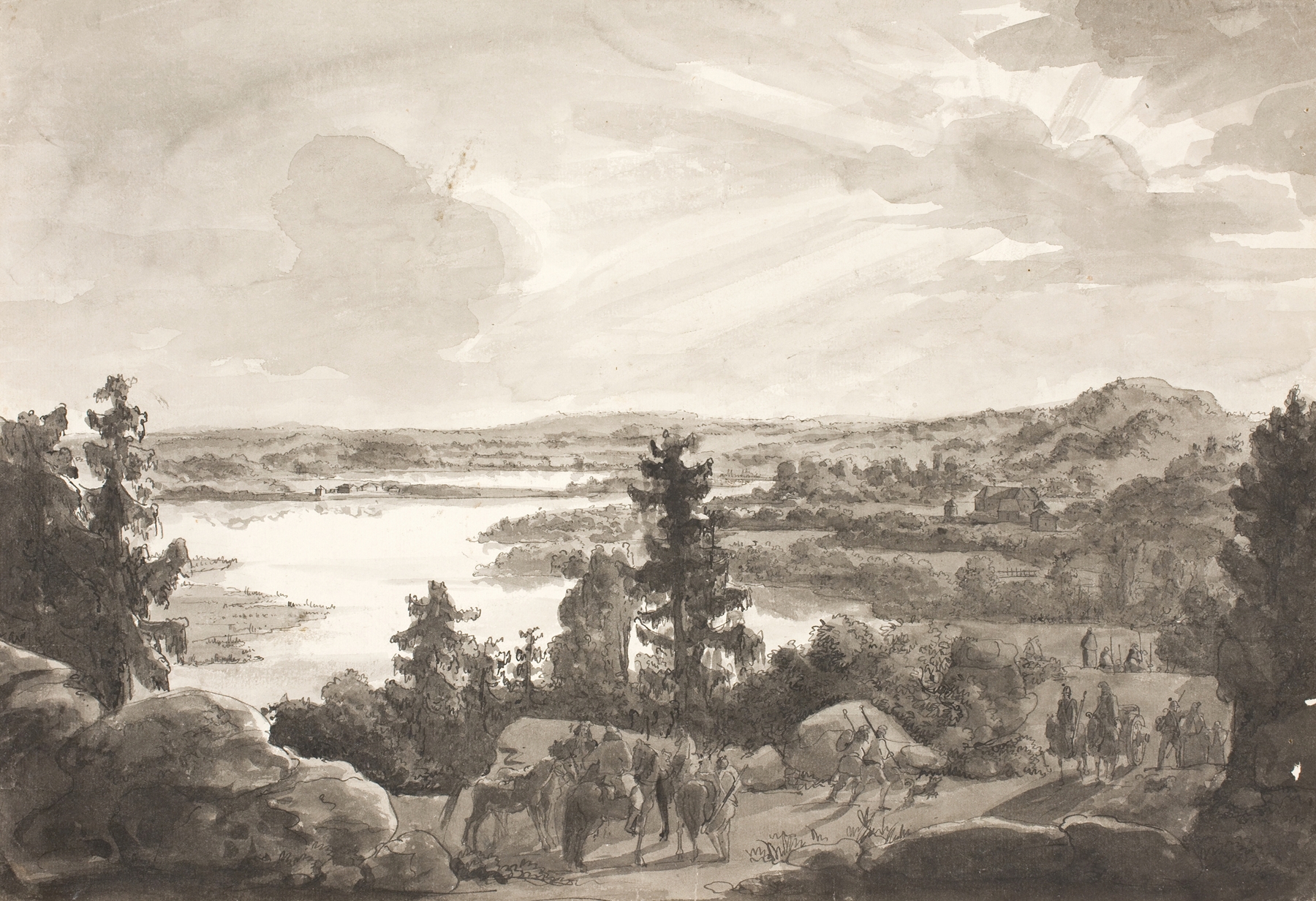
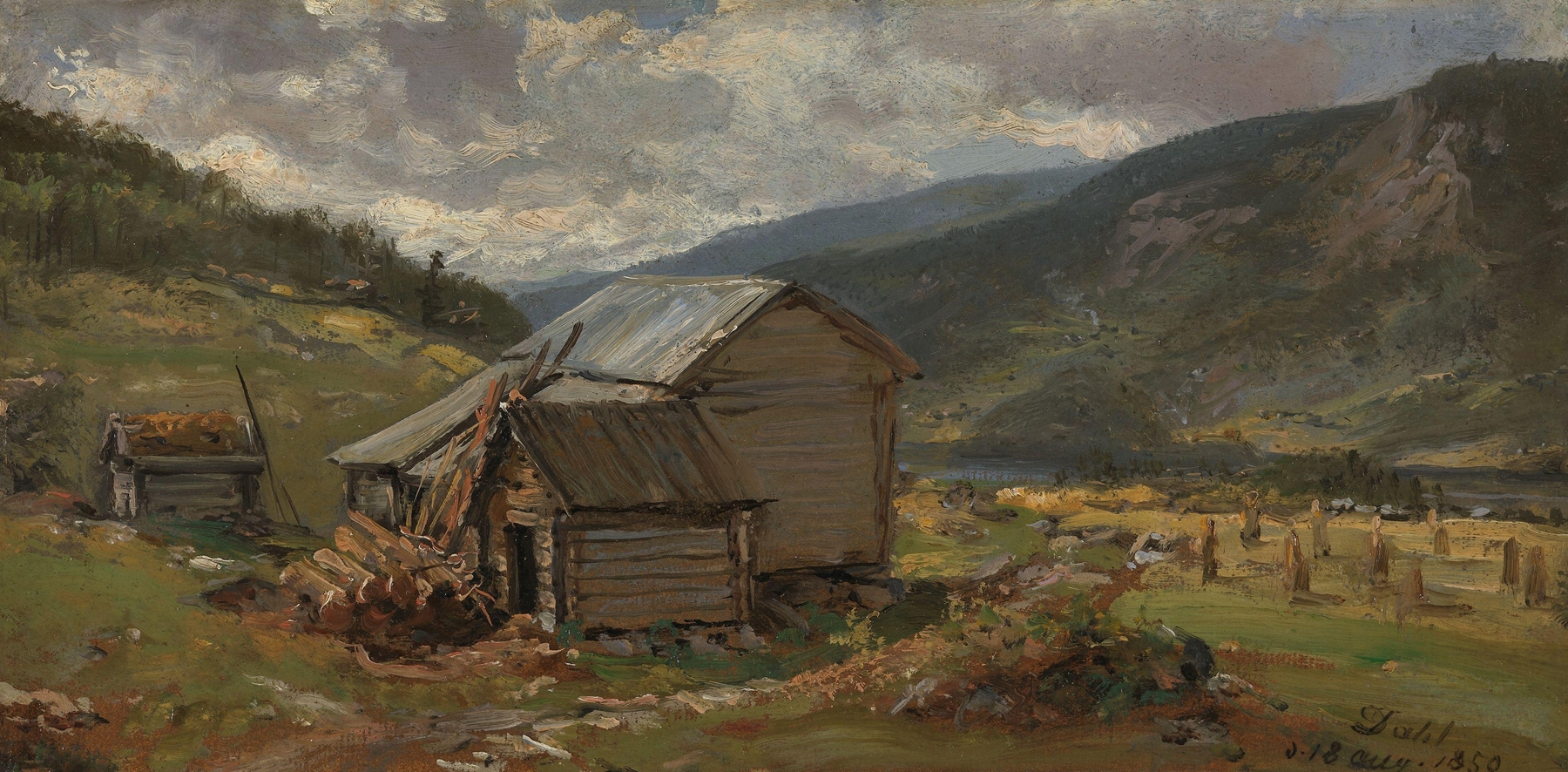
The stillness of the landscape, punctuated by the whispers of nature, speaks to the unseen stories of loss that ripple beneath the surface, suggesting that beauty is often intertwined with sorrow. In 1856, during a period marked by romanticism in art, Johan Christian Dahl was immersed in the exploration of nature and its emotional resonance. Working from his studio in Dresden, he captured the essence of the Elbe River, reflecting not only his deep appreciation for the natural world but also the broader existential themes that preoccupied artists of his time. As a pioneer of landscape painting in Norway, Dahl's work helped shape the movement, revealing the profound connections between environment, emotion, and the human experience.