The Enlightened Stone Retreat — History & Analysis
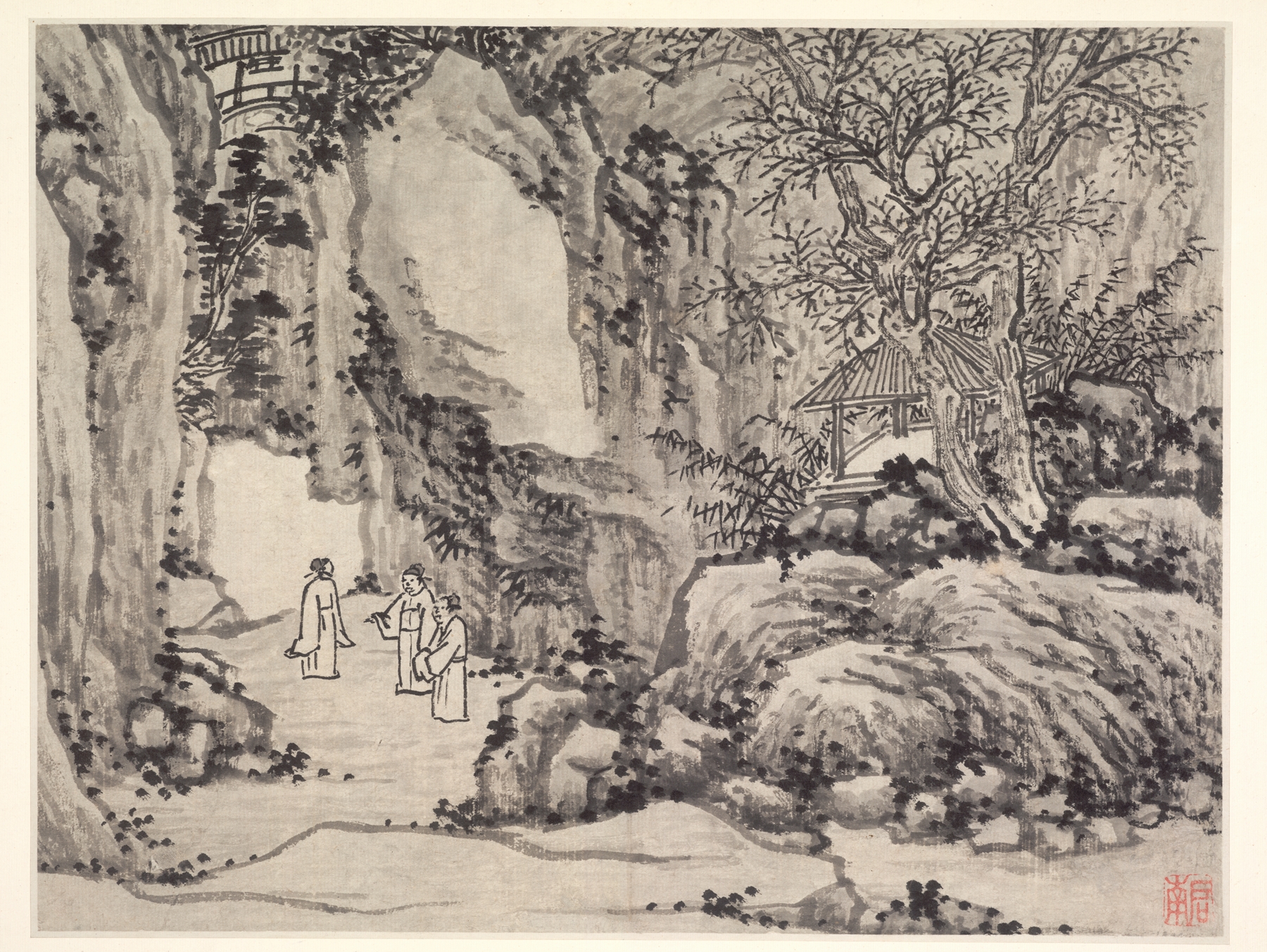
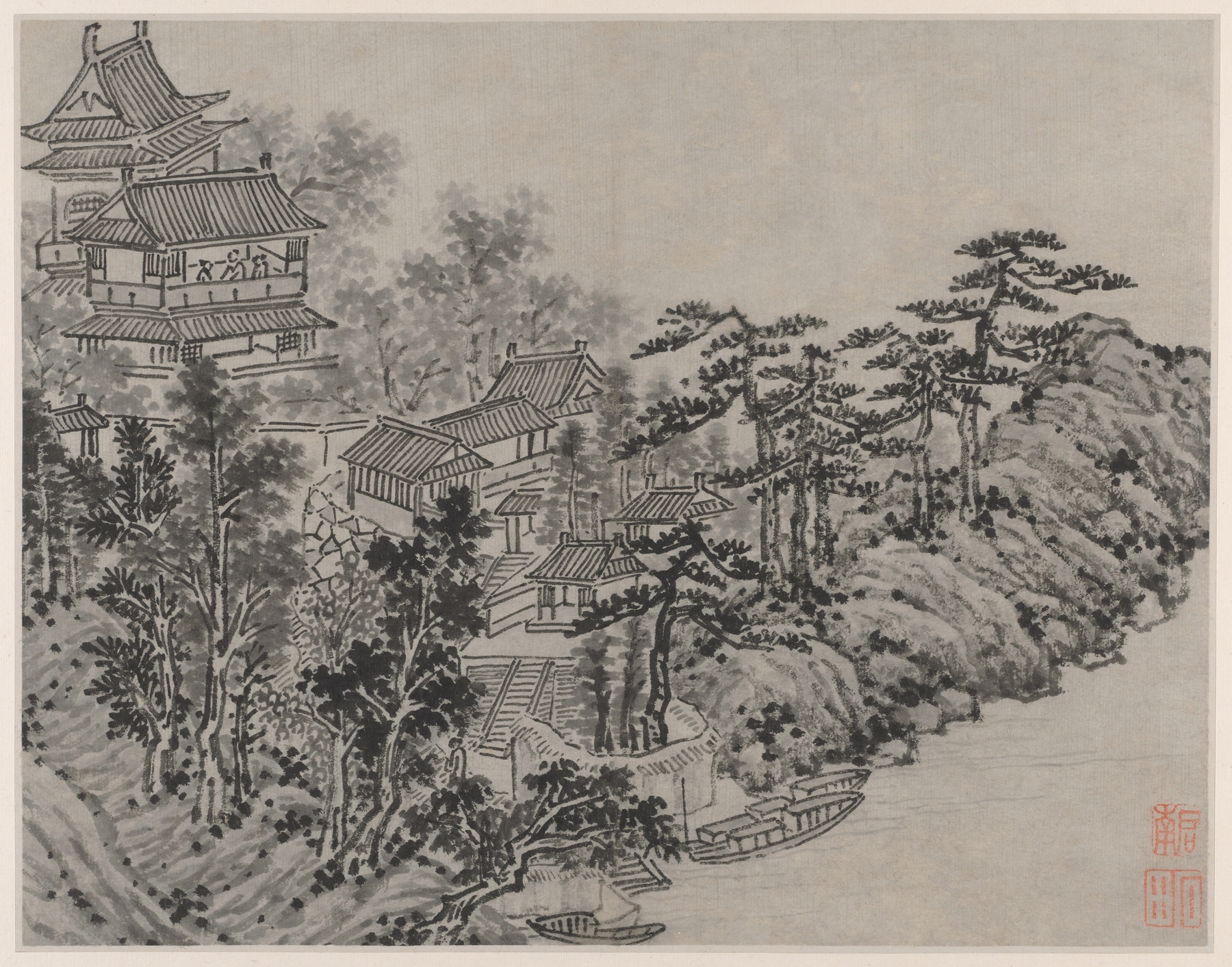
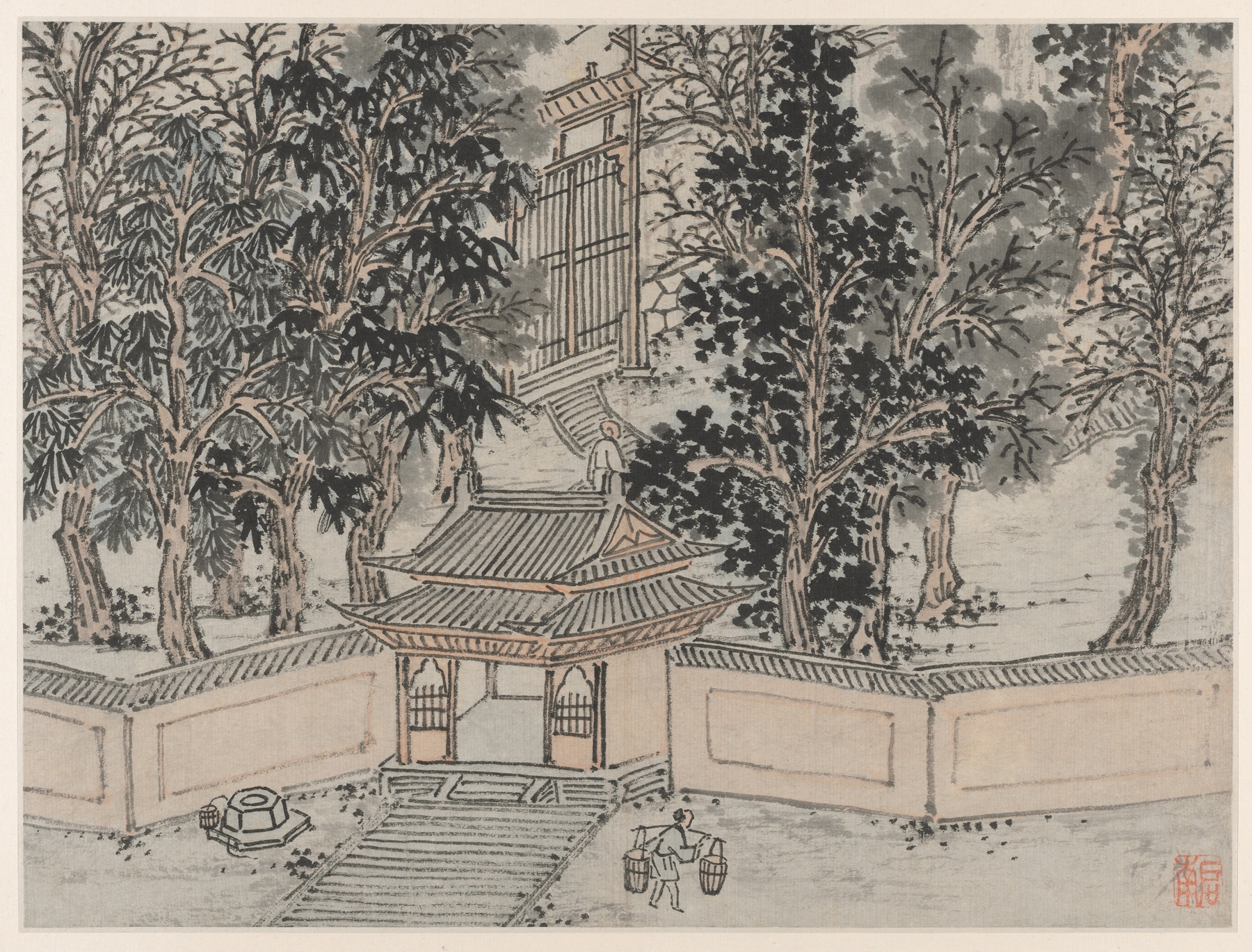
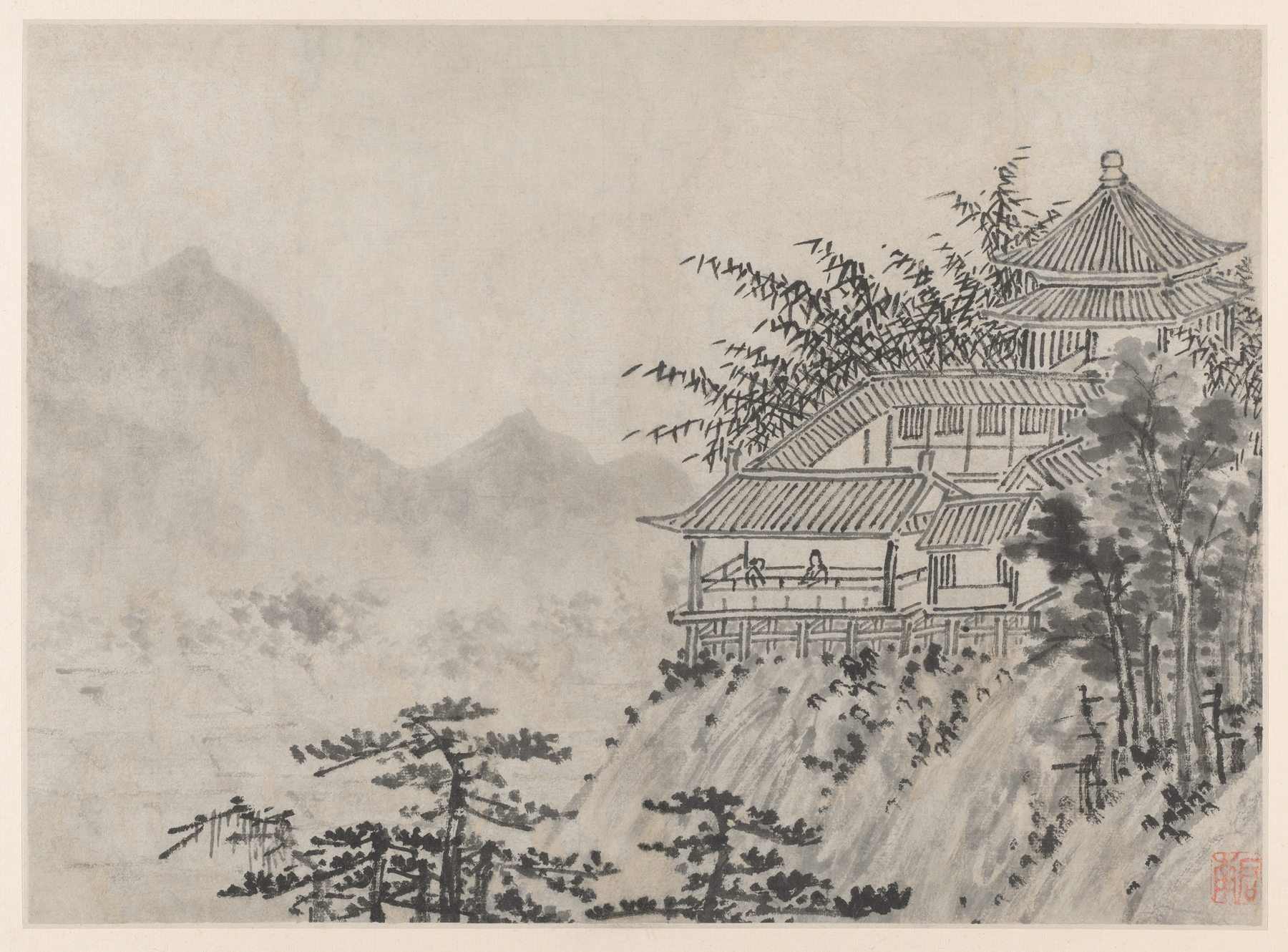
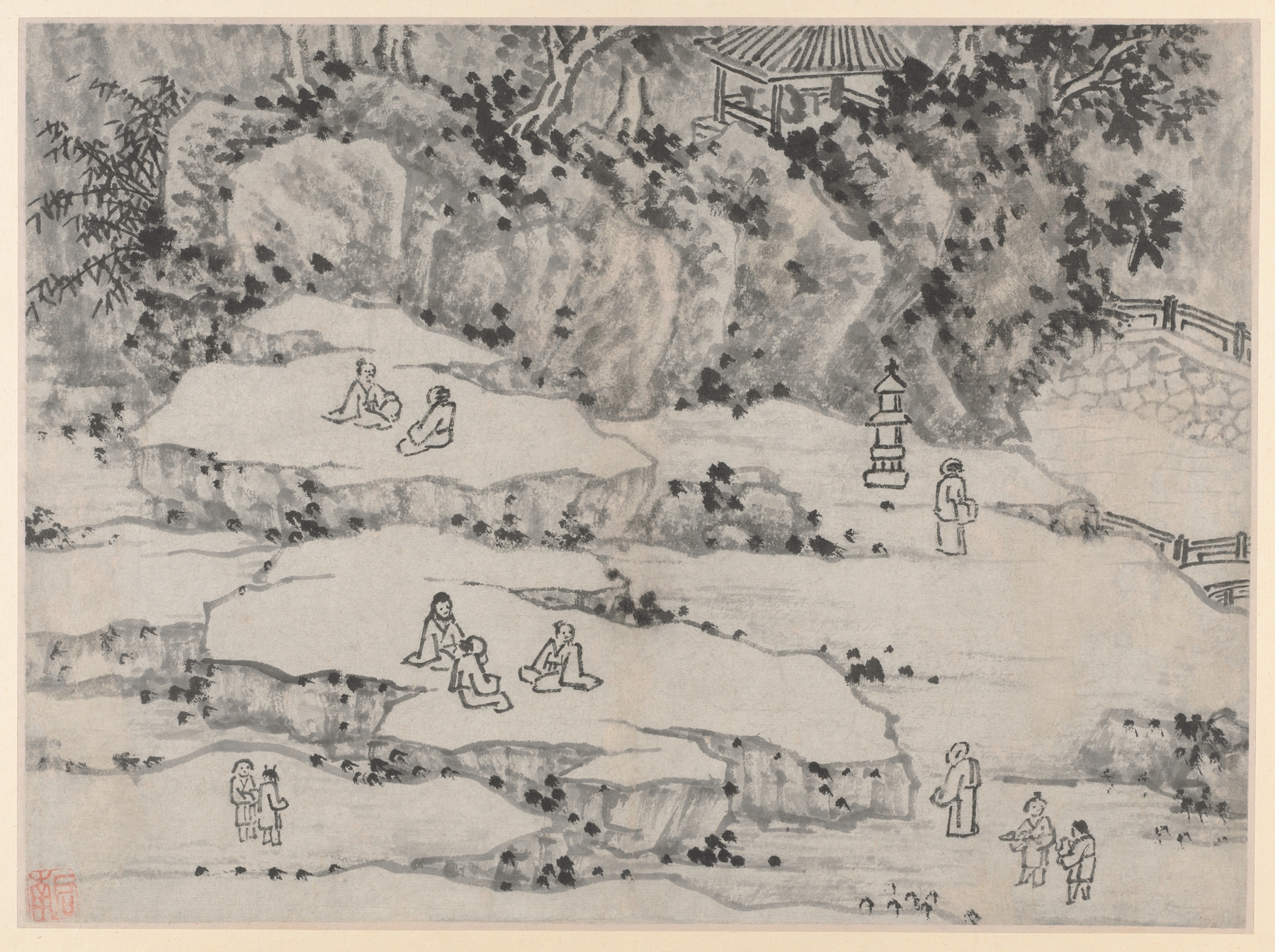
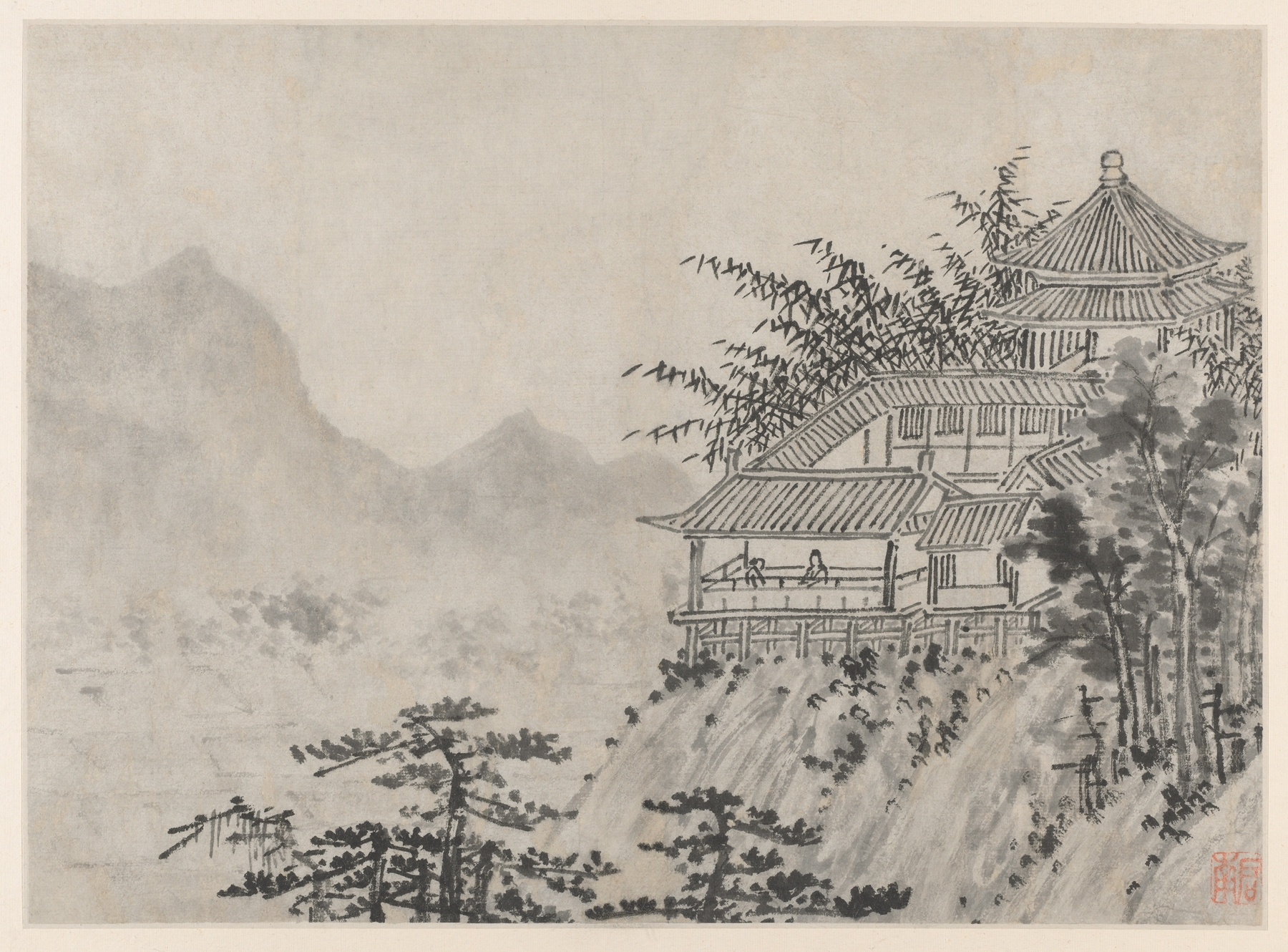
Is this a mirror — or a memory? In The Enlightened Stone Retreat, the viewer is invited to confront the delicate interplay of tranquility and turbulence, as the serene beauty of nature disguises the potential for underlying violence in the human experience. First, look to the left at the intricate details of the rocky outcrop, where the delicate brushstrokes create a textured landscape fraught with tension. The muted greens and earthy browns harmonize with soft washes of ink, drawing the eye across the canvas.
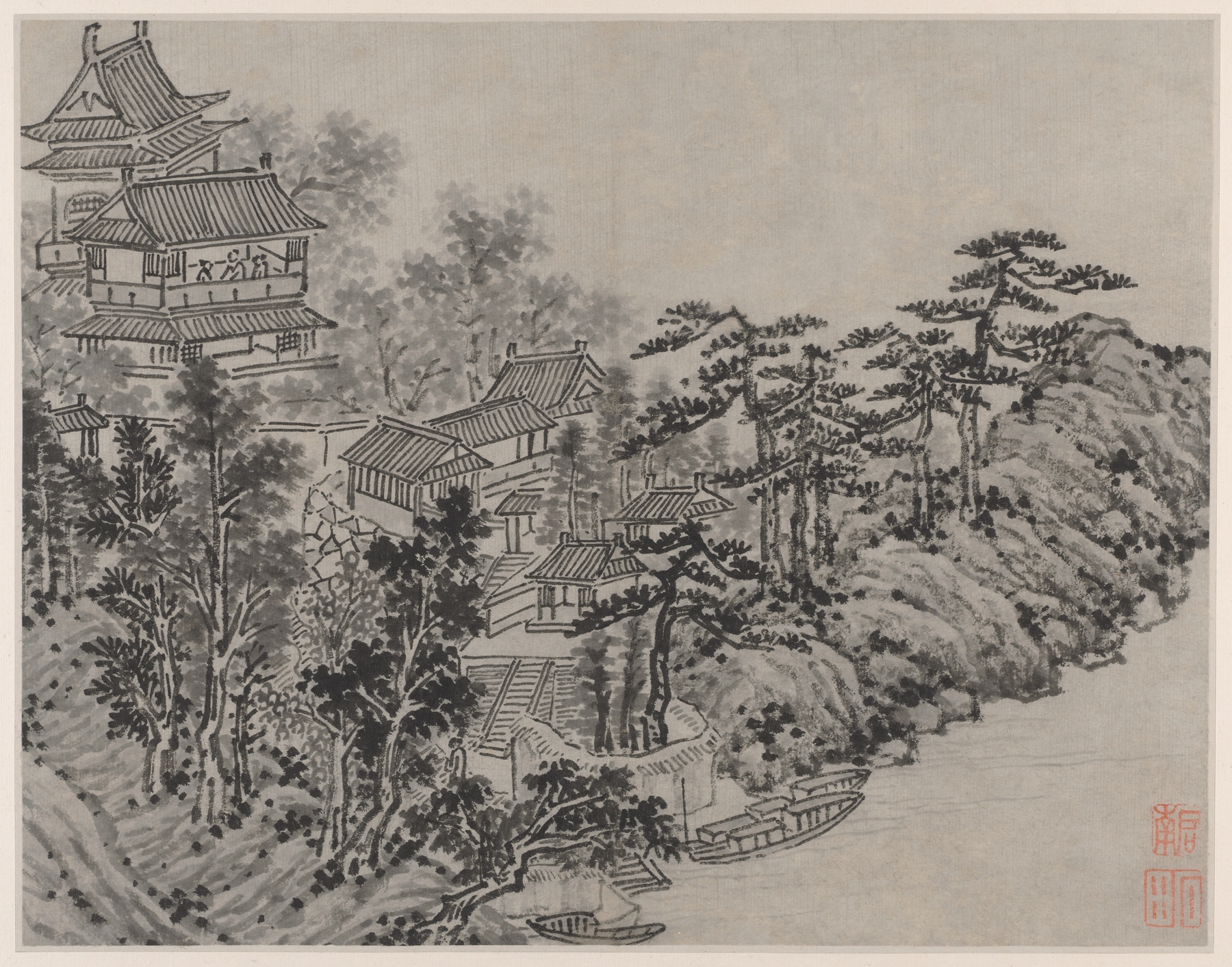
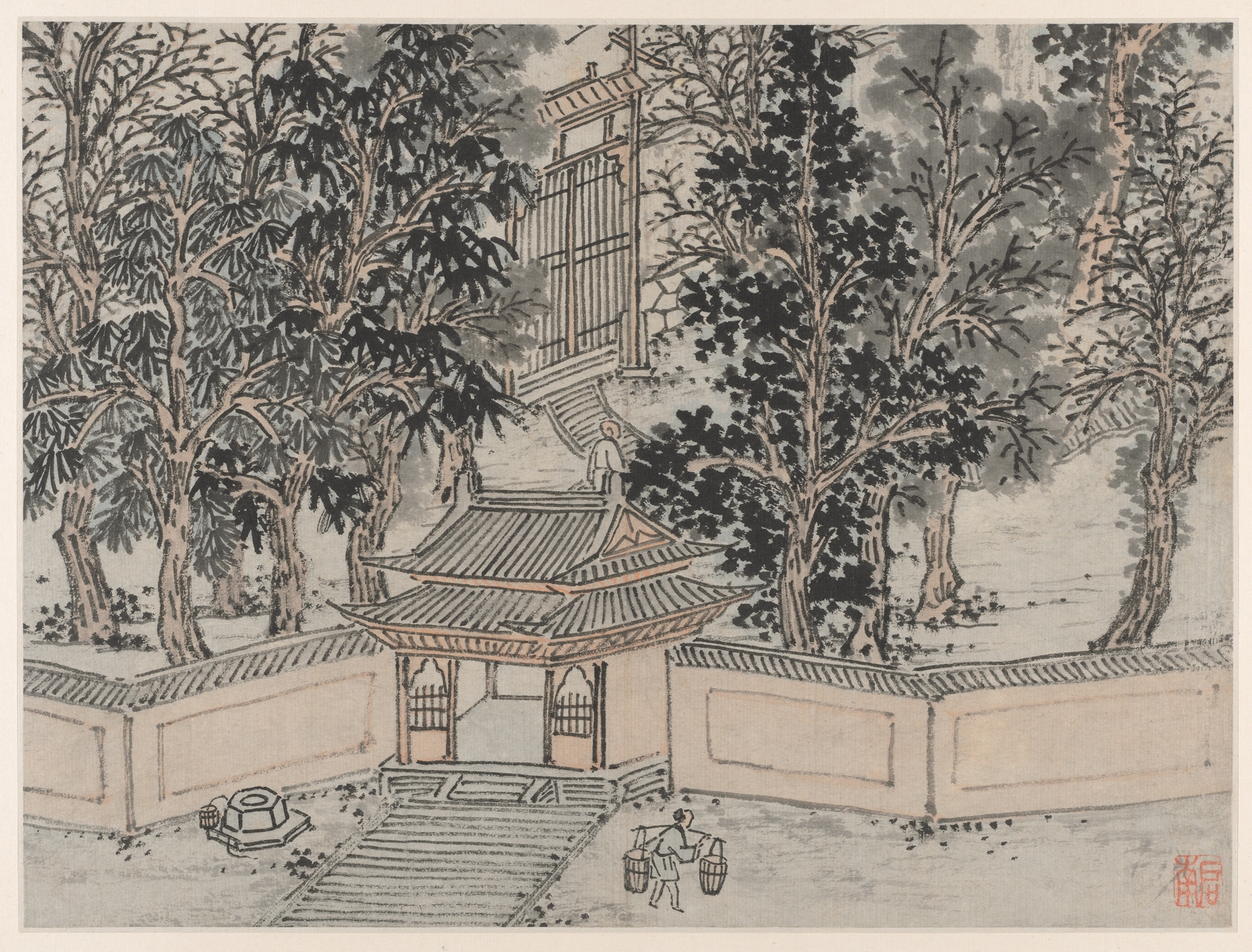
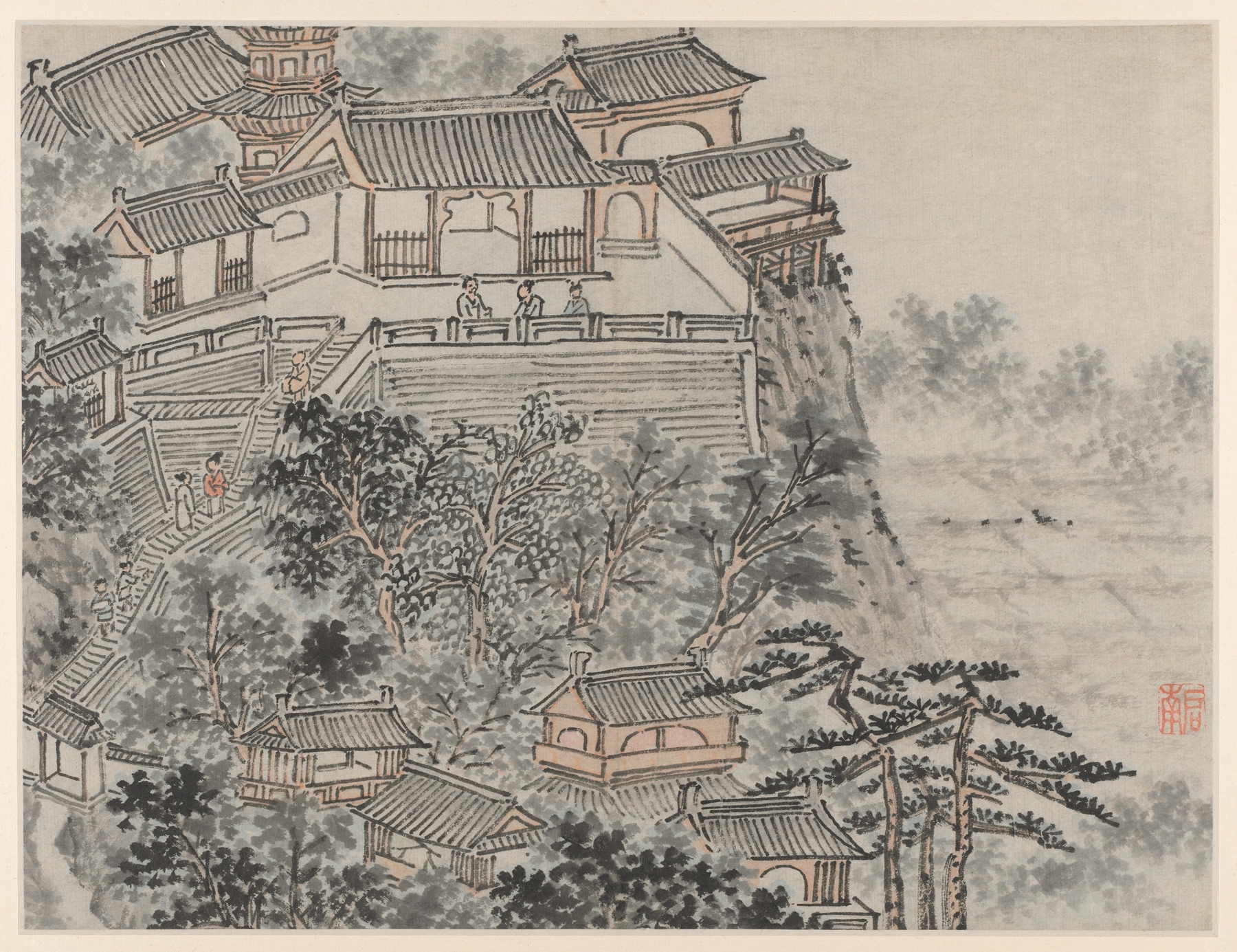
The subtle layering of colors, combined with Shen Zhou's masterful use of negative space, evokes a sense of quiet contemplation, inviting you to explore the contrasts between the serene and the chaotic. Within the painting, the juxtaposition of sturdy stone formations against the flowing water suggests fragility amidst strength. The graceful bends of the creek, like whispers of nature, hint at a narrative of violence subdued, while the towering rocks stand resolute, embodying a silent struggle. Each element contributes to the tension between peace and the potential for conflict, urging the viewer to reflect on their own memories and the echoes of violence within them.
Shen Zhou created The Enlightened Stone Retreat in China during a time when the Ming dynasty was flourishing artistically and culturally. Painted after 1490, he was deeply influenced by the literati tradition, emphasizing the expression of personal emotion through landscape art. At this period, the world was marked by political shifts, and the artist sought solace in nature, capturing both beauty and the shadows that linger beneath the surface.