The Enlightened Stone Retreat, from Twelve Views of Tiger Hill, Suzhou — History & Analysis
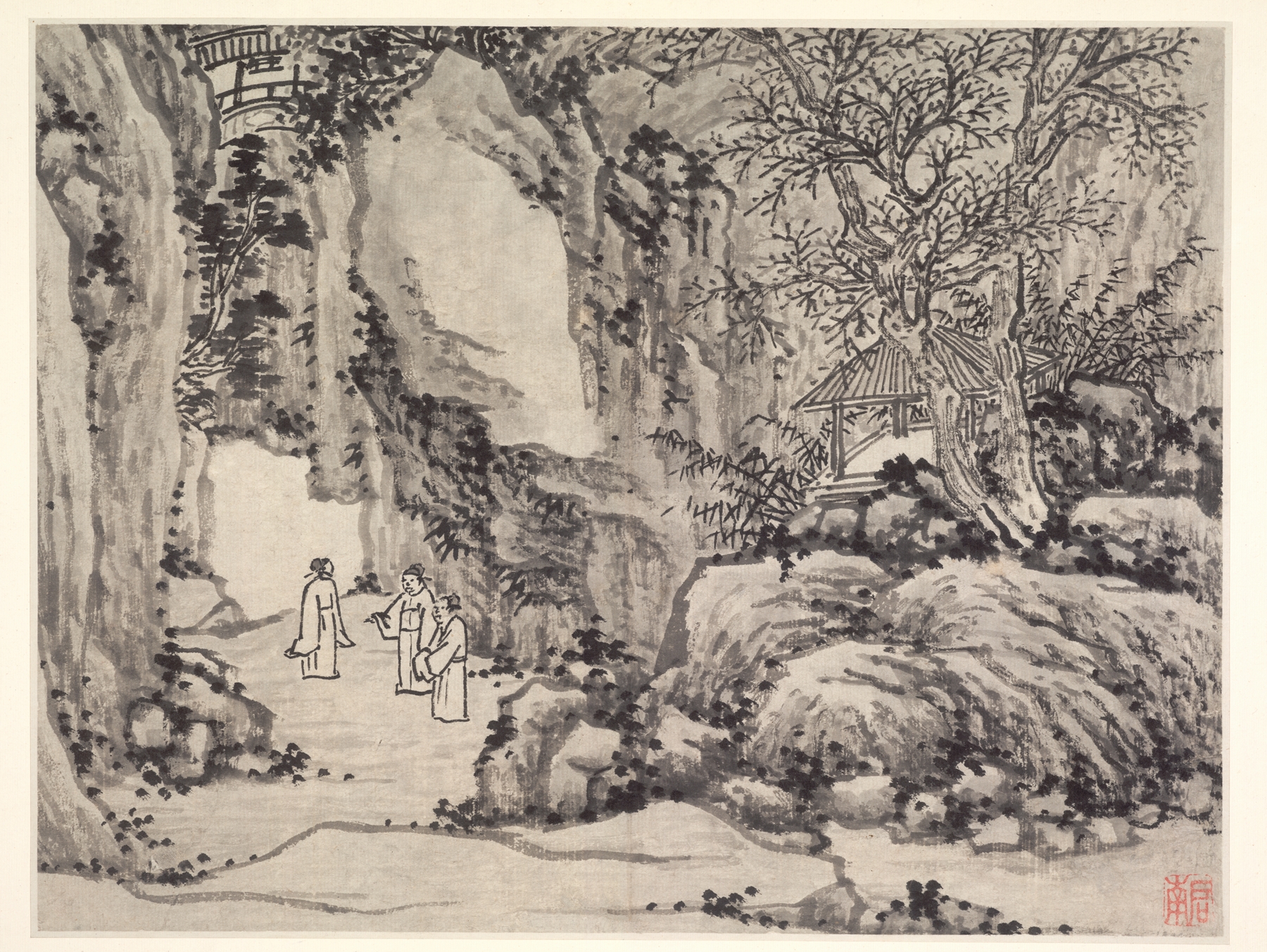
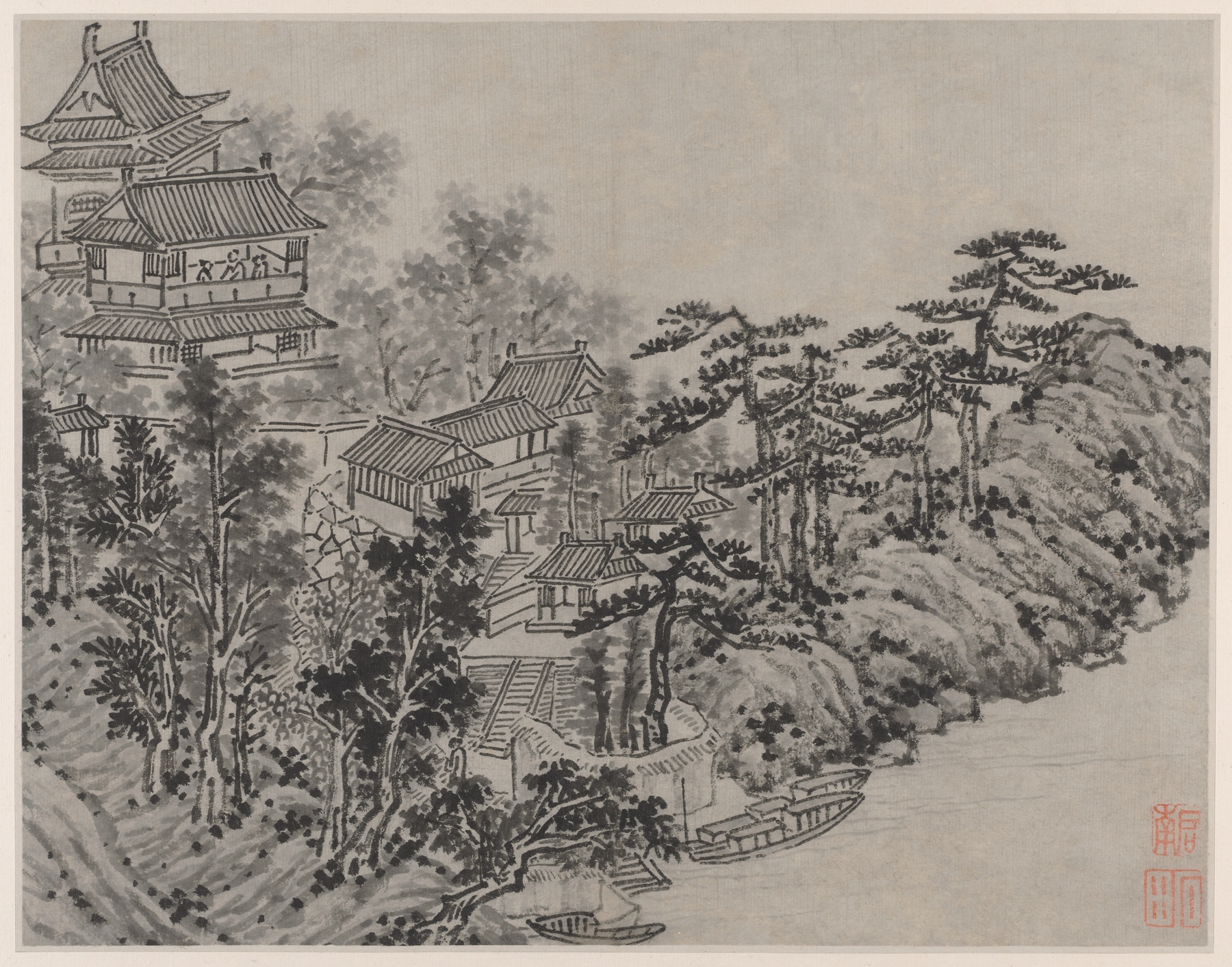
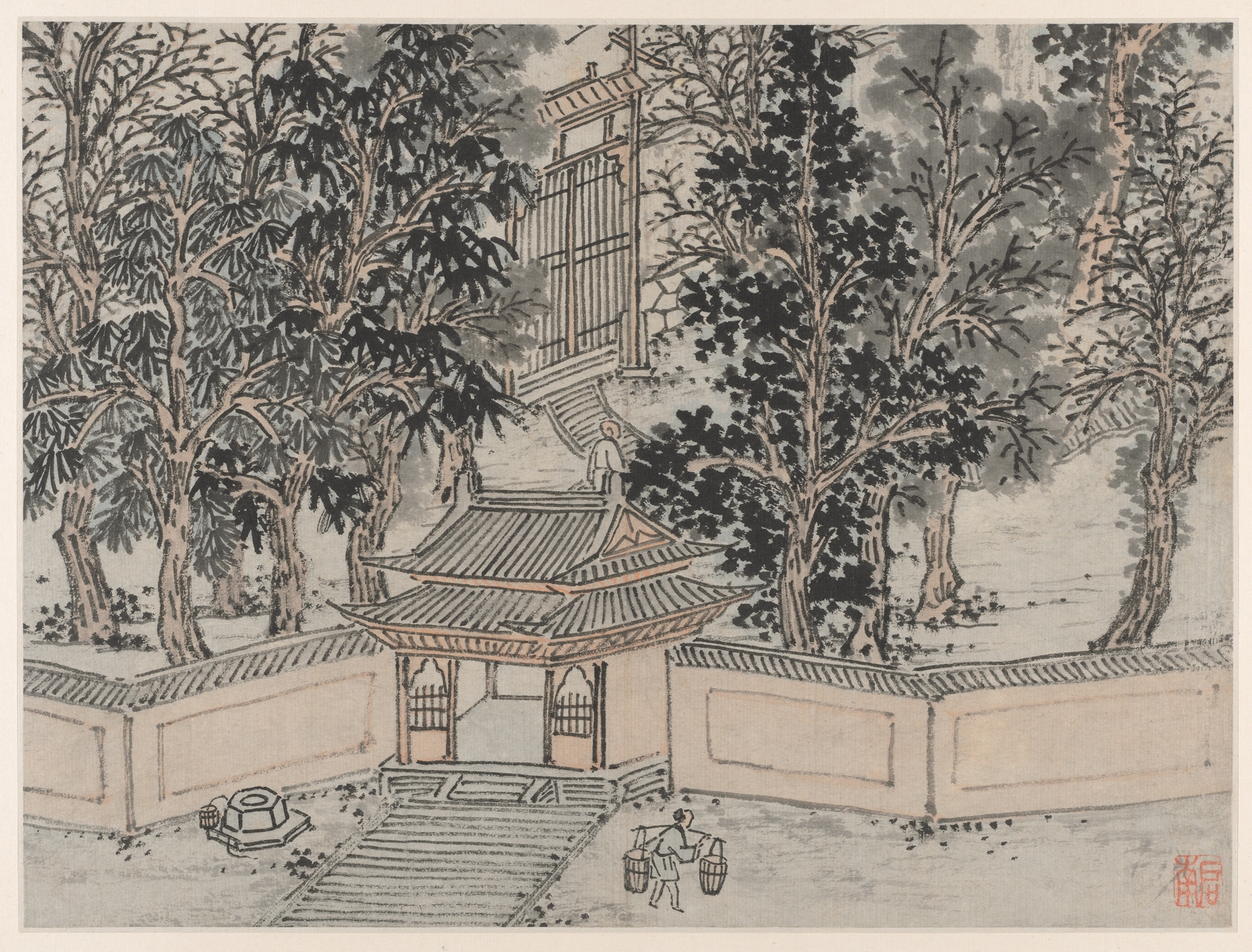
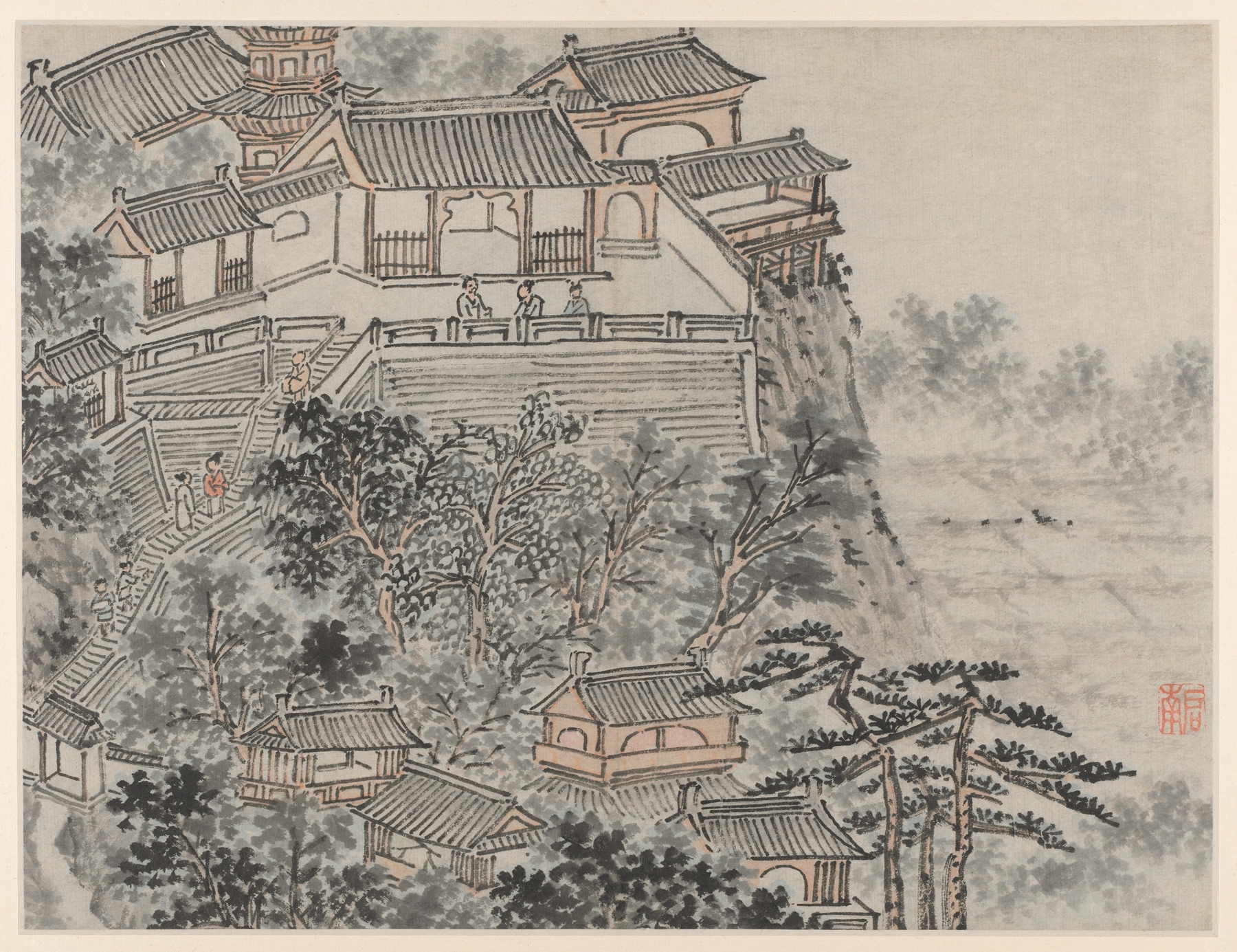
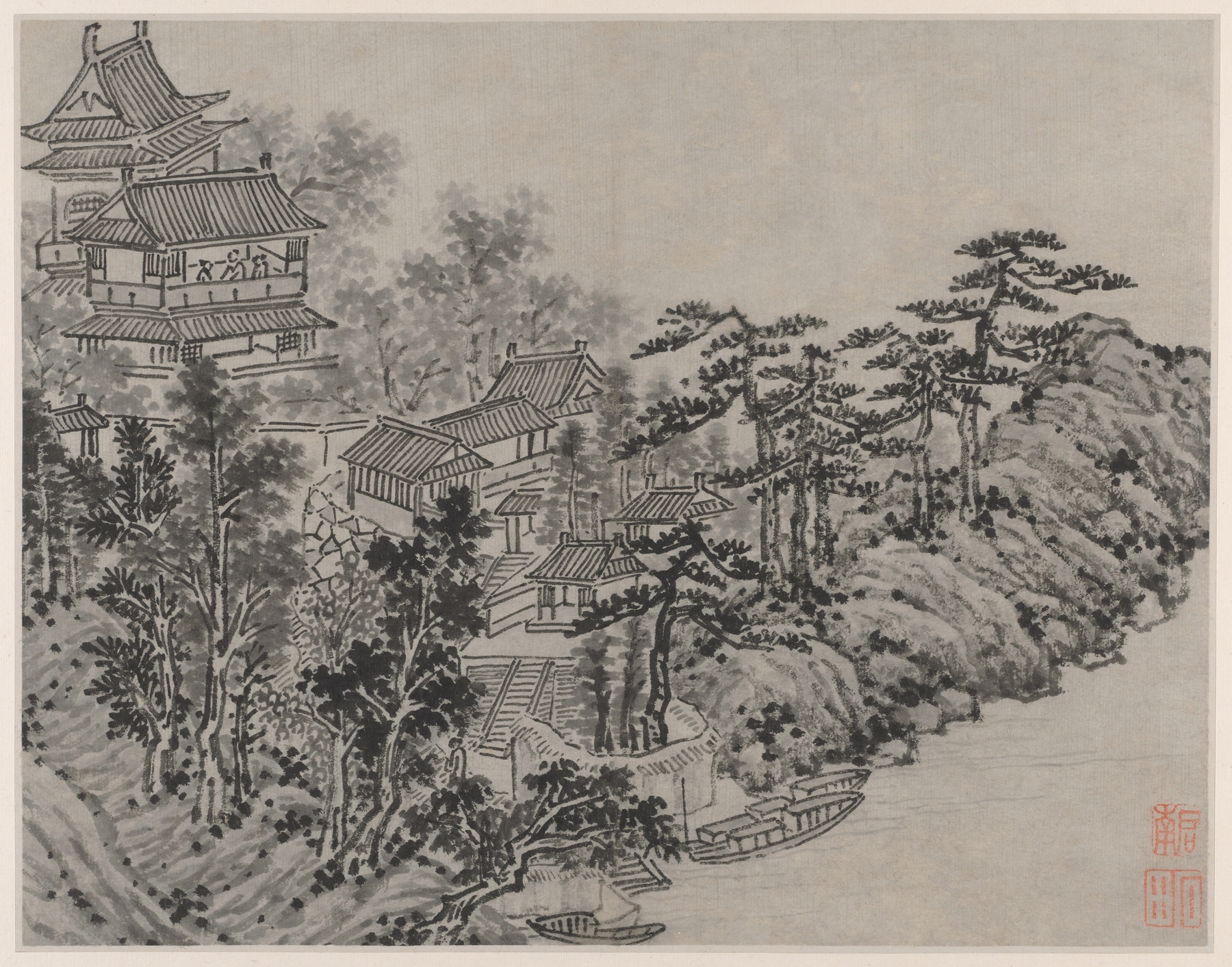
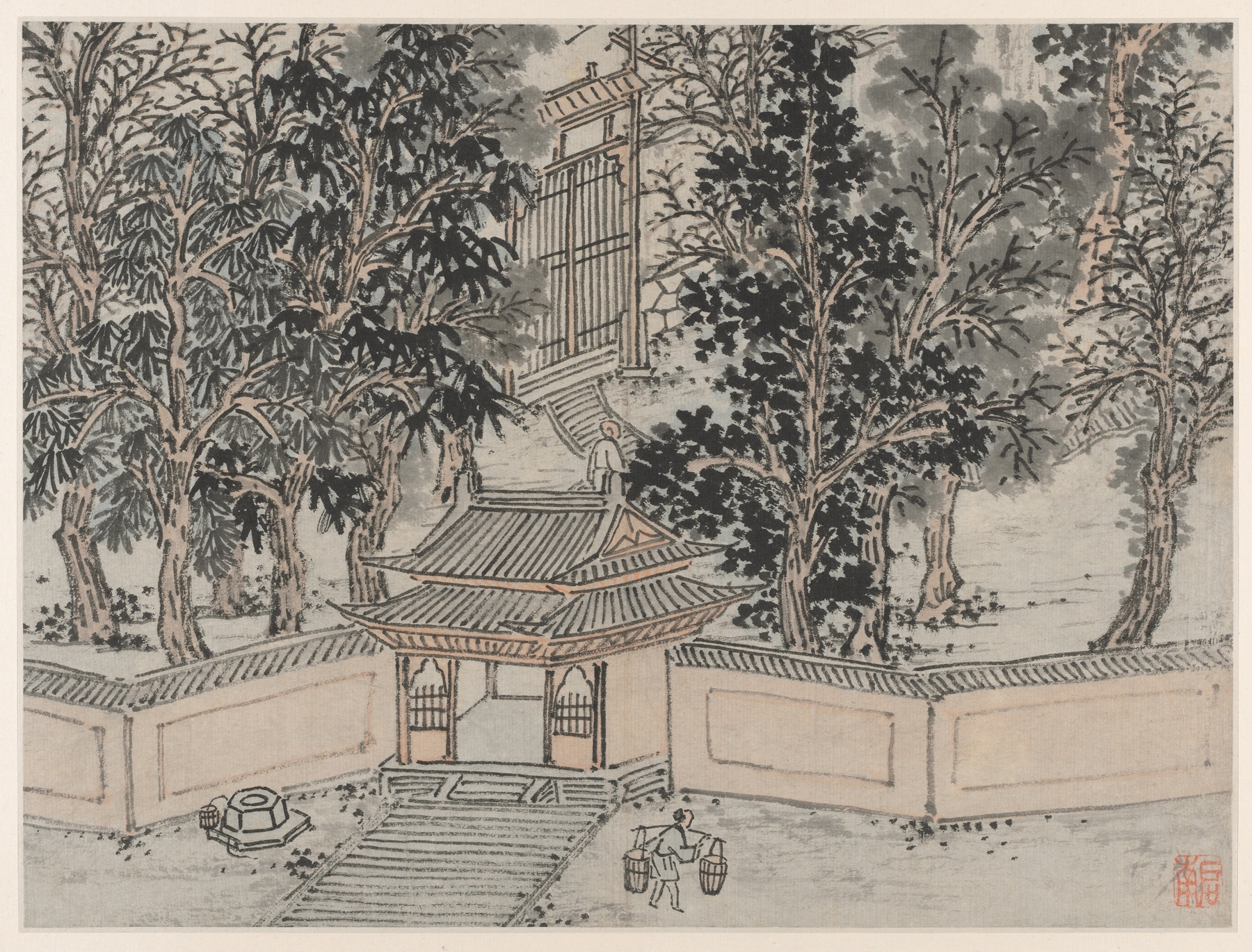
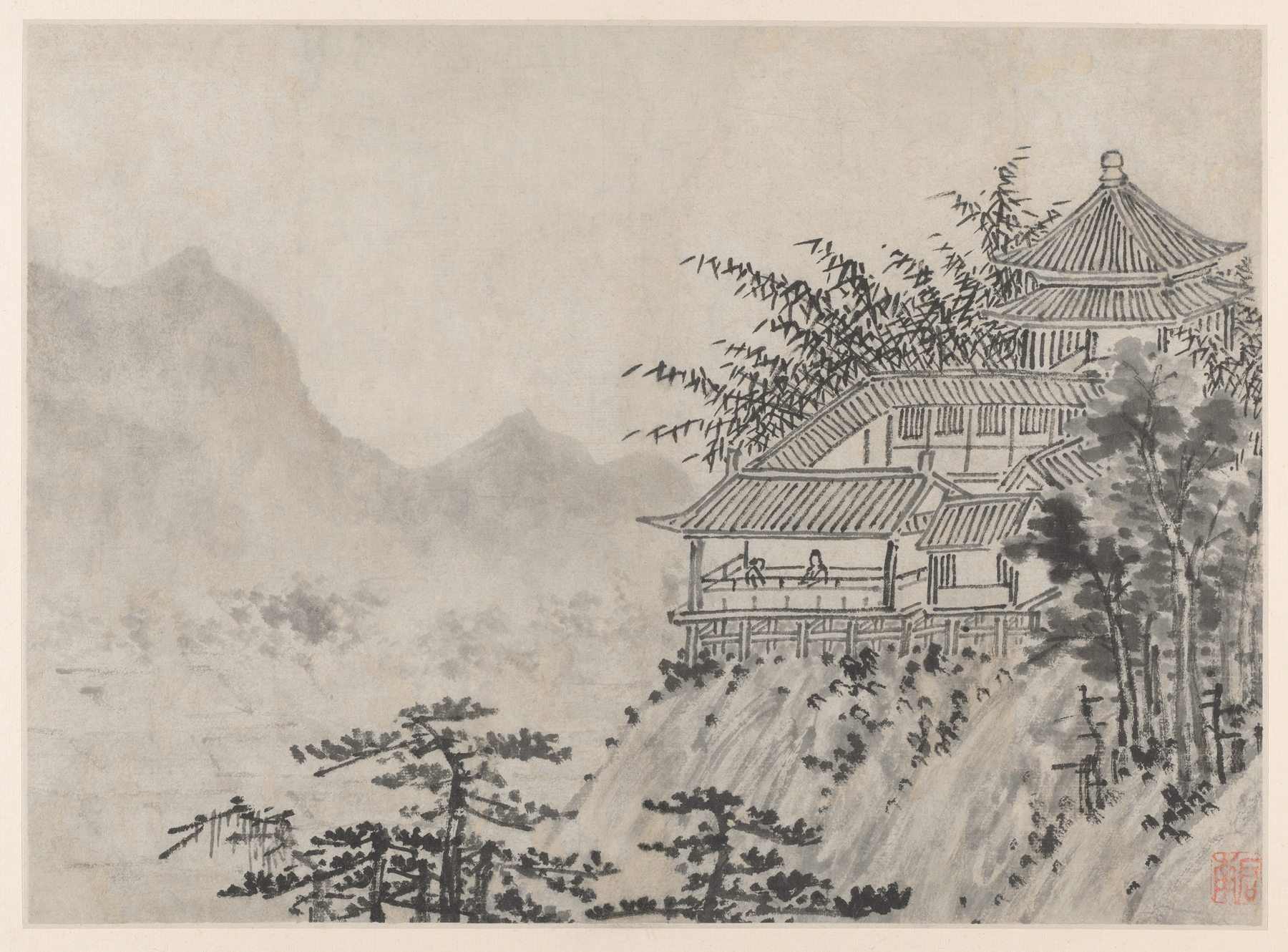
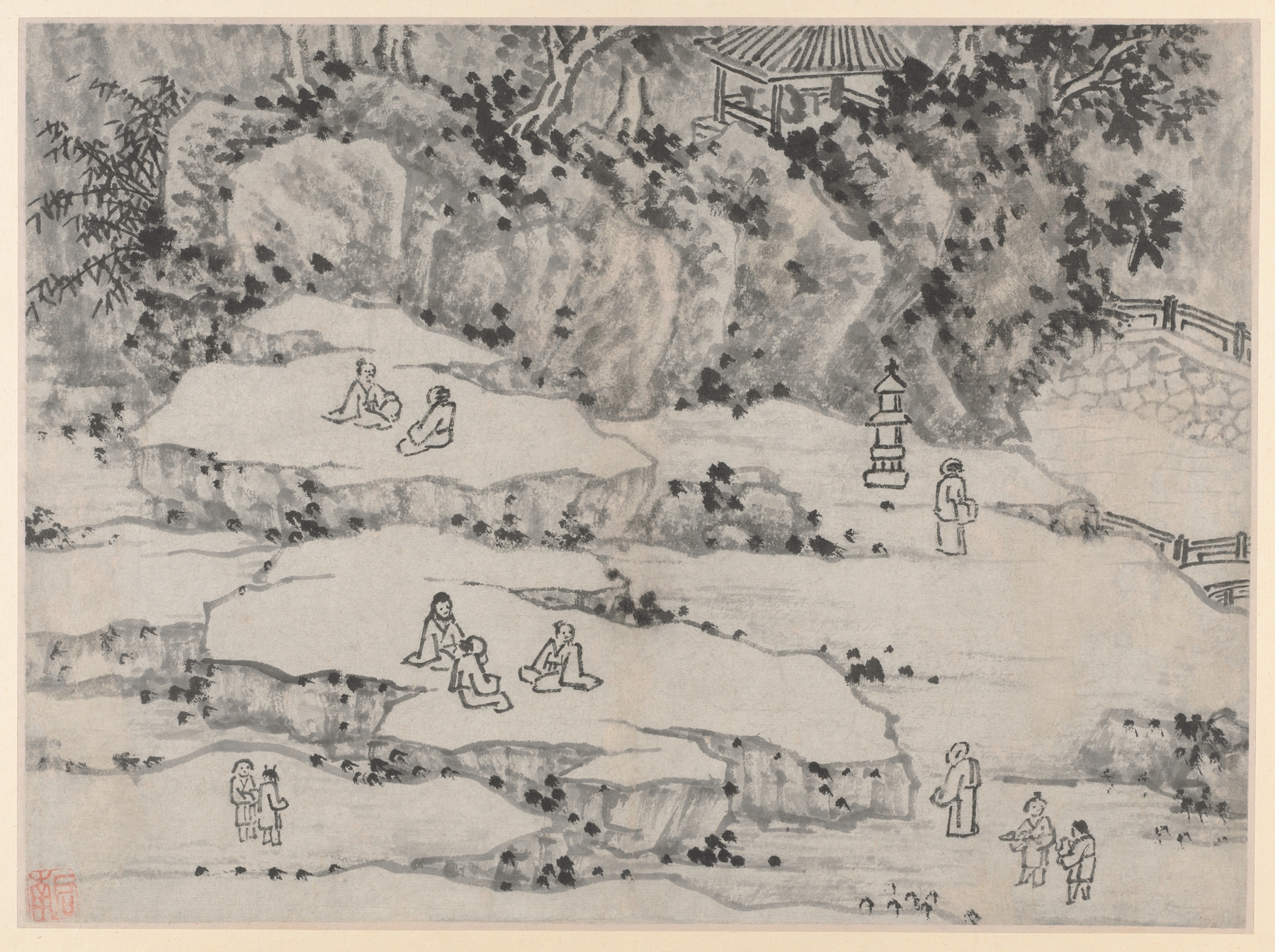
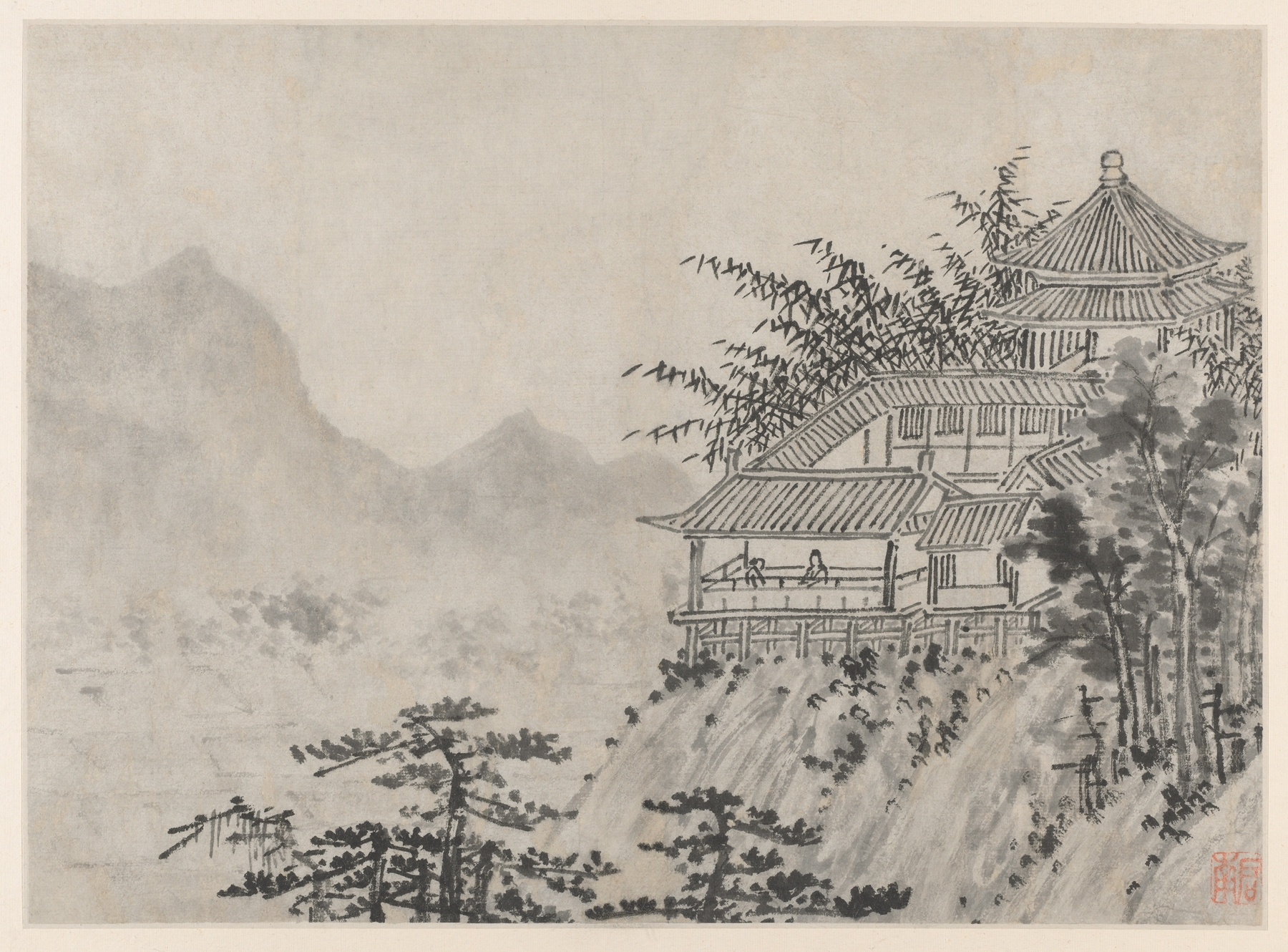
“To paint is to remember what time wants us to forget.” This sentiment encapsulates the essence of nostalgia, an emotion that weaves through the very fabric of memory and art. It beckons us to revisit moments long past, inviting us to explore what it means to truly reflect on our experiences. Focus first on the tranquil greenery that encircles the central stone retreat, where soft ink strokes evoke a sense of serenity and timelessness. The delicate interplay of shade and light draws the eye, leading us toward the retreat’s serene architecture nestled amidst the lush landscape.
Notice how the muted colors—subtle greens, gentle browns, and ochres—reflect the tranquility of nature, while the meticulous detailing embraces the viewer, inviting contemplation. Beneath the surface lies a profound interplay between solitude and enlightenment. The retreat symbolizes a haven for introspection, suggesting a journey toward self-discovery, while the surrounding flora embodies the passage of time—ever-present yet fleeting. The juxtaposition of the solid stone against the ephemeral beauty of nature highlights the tension between permanence and transience, urging us to reflect on what persists in our own lives despite the relentless march of time.
Created after 1490, The Enlightened Stone Retreat emerged during a period of significant transformation in Chinese art, where literati painting began to flourish. Shen Zhou, a prominent figure of the Wu School, sought to blend poetry, philosophy, and painting, reflecting the ideals of his time. This work serves as both a personal and cultural meditation, capturing the essence of a changing world while honoring the traditions of the past.