The Fallen Soldier — History & Analysis
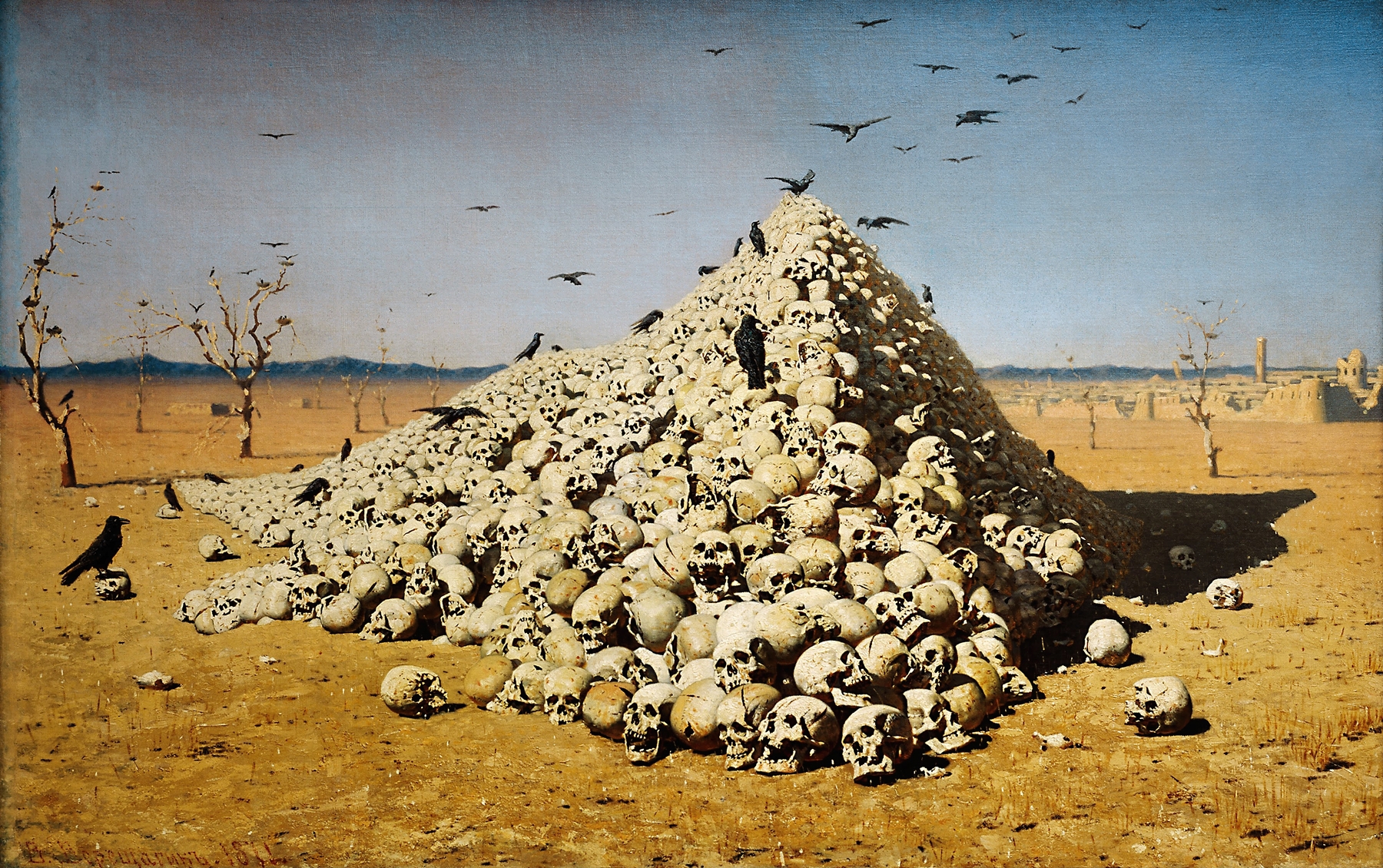
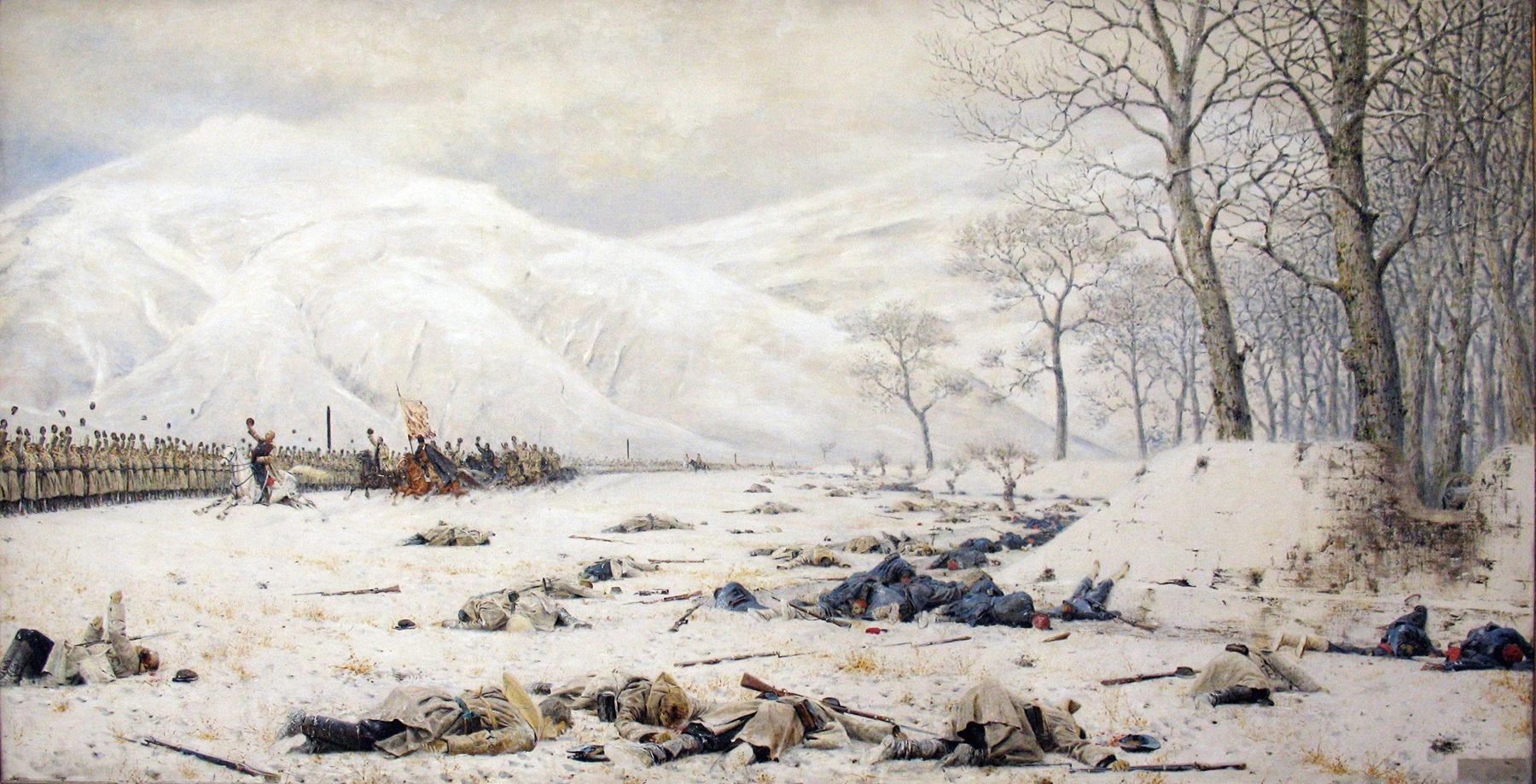
“The canvas doesn’t lie — it simply waits.” In the deliberate stillness of The Fallen Soldier, there is a profound balance struck between the weight of sorrow and the inevitability of fate. The artwork invites us to reflect on the fragility of life and the enduring nature of sacrifice. Look closely at the forlorn figure sprawled across the earth, where the muted earth tones blend with traces of blood. The soldier's lifeless body occupies the foreground, starkly contrasting with the horizon that glimmers with the faintest hint of dawn.
Notice how the somber palette envelops the scene in a heavy silence, while the gentle light seeps in, illuminating the hope of a new day — a complex dance of despair and possibility. Delve deeper, and you’ll find the intricate details that speak to the emotional tension within the composition. The soldier's facial expression, a blend of serenity and pain, encapsulates the ultimate sacrifice, while the shadow cast behind him suggests the weight of loss carried by those left behind. Around him, the landscape appears both beautiful and desolate, a reminder of the duality of life and death, and how war leaves its mark on both the fallen and the living.
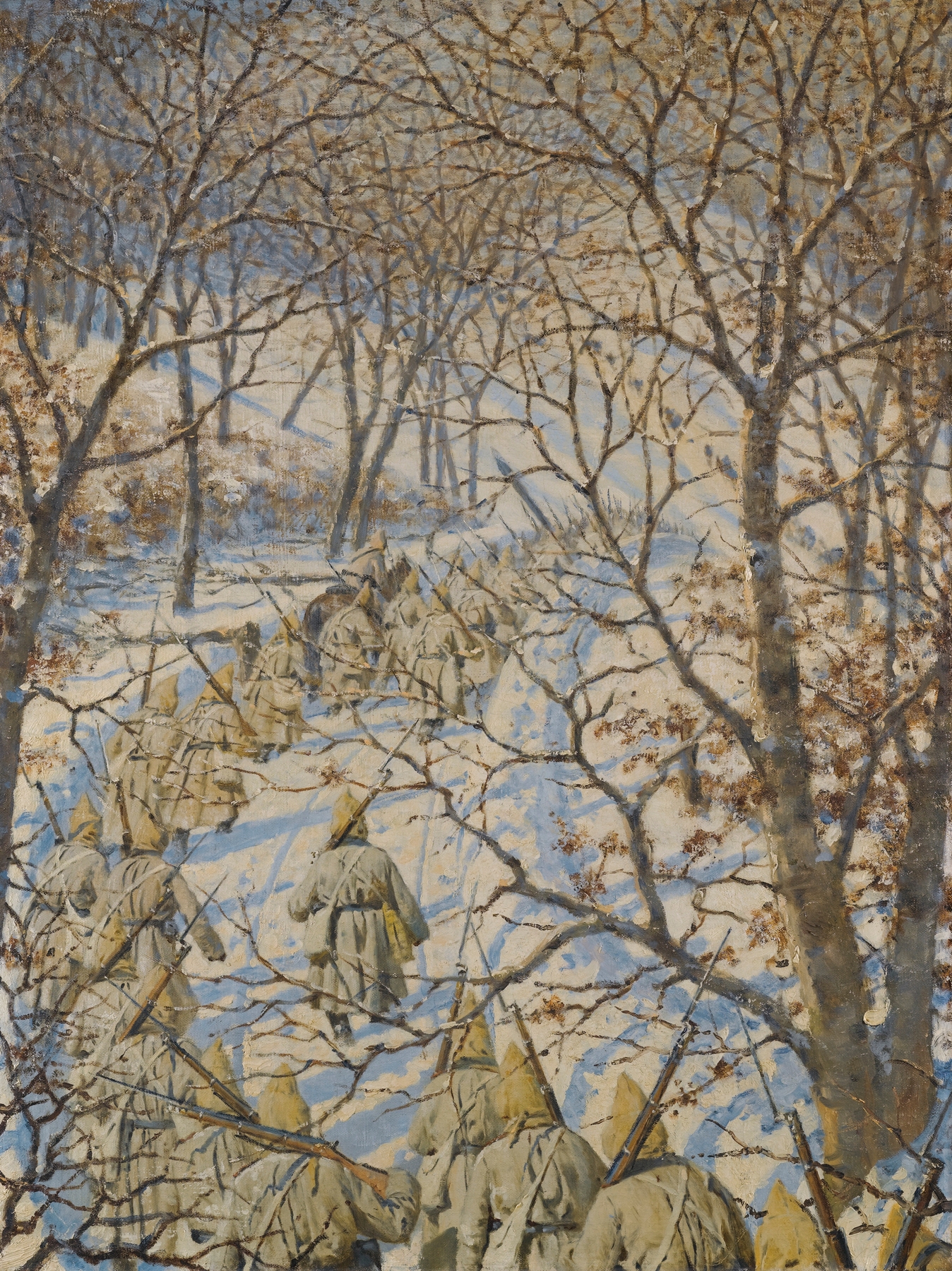
Vasily Vereshchagin painted this work during a period marked by significant turmoil and transformation in the art world. While the exact date of creation remains unknown, it is believed to have been produced amidst his travels to war-torn regions, capturing the raw realities of conflict. Known for his anti-war sentiments, he sought to convey the deeper truths of human experience and the haunting consequences of battle, making this piece a poignant reflection of his artistic ethos.