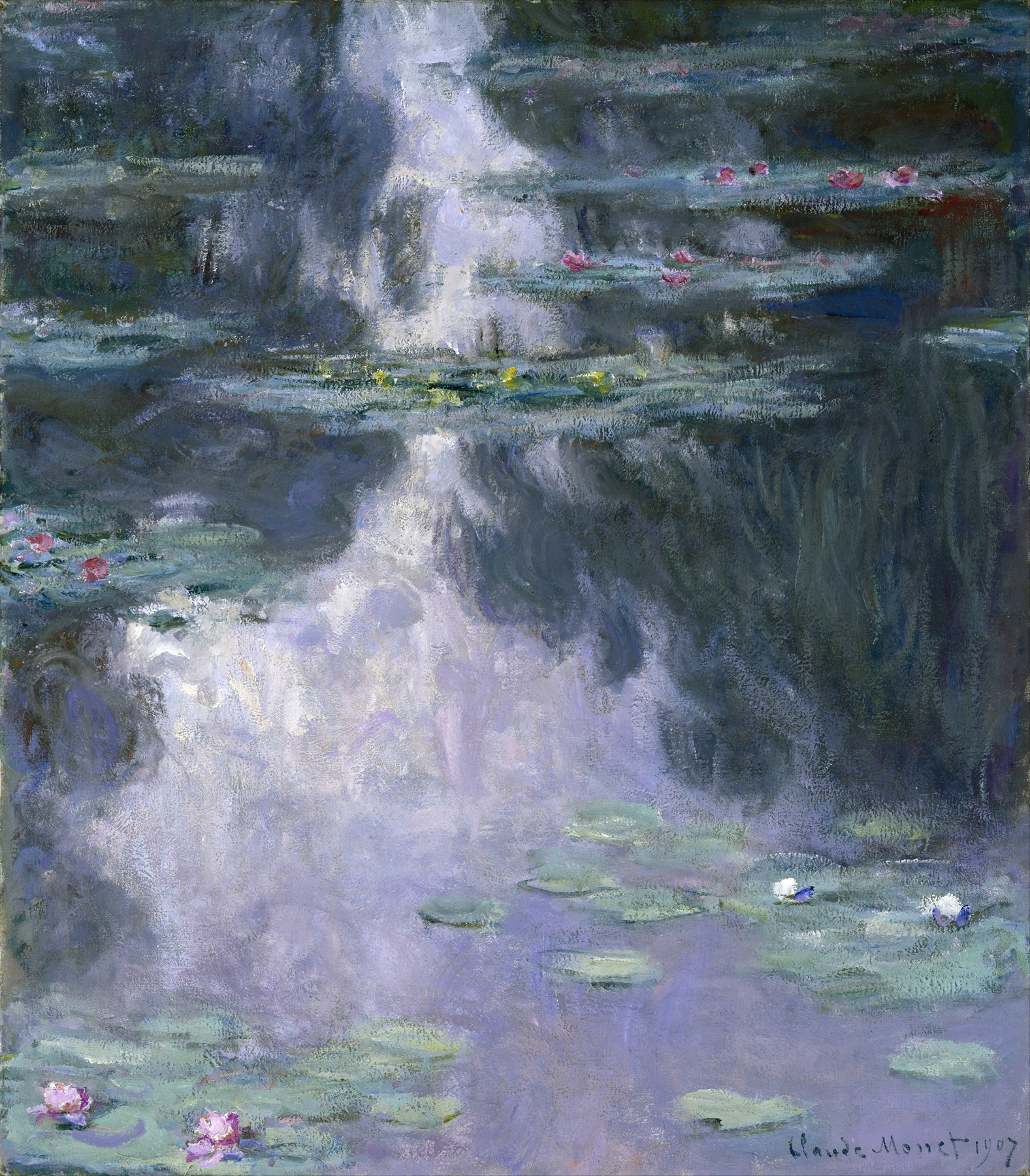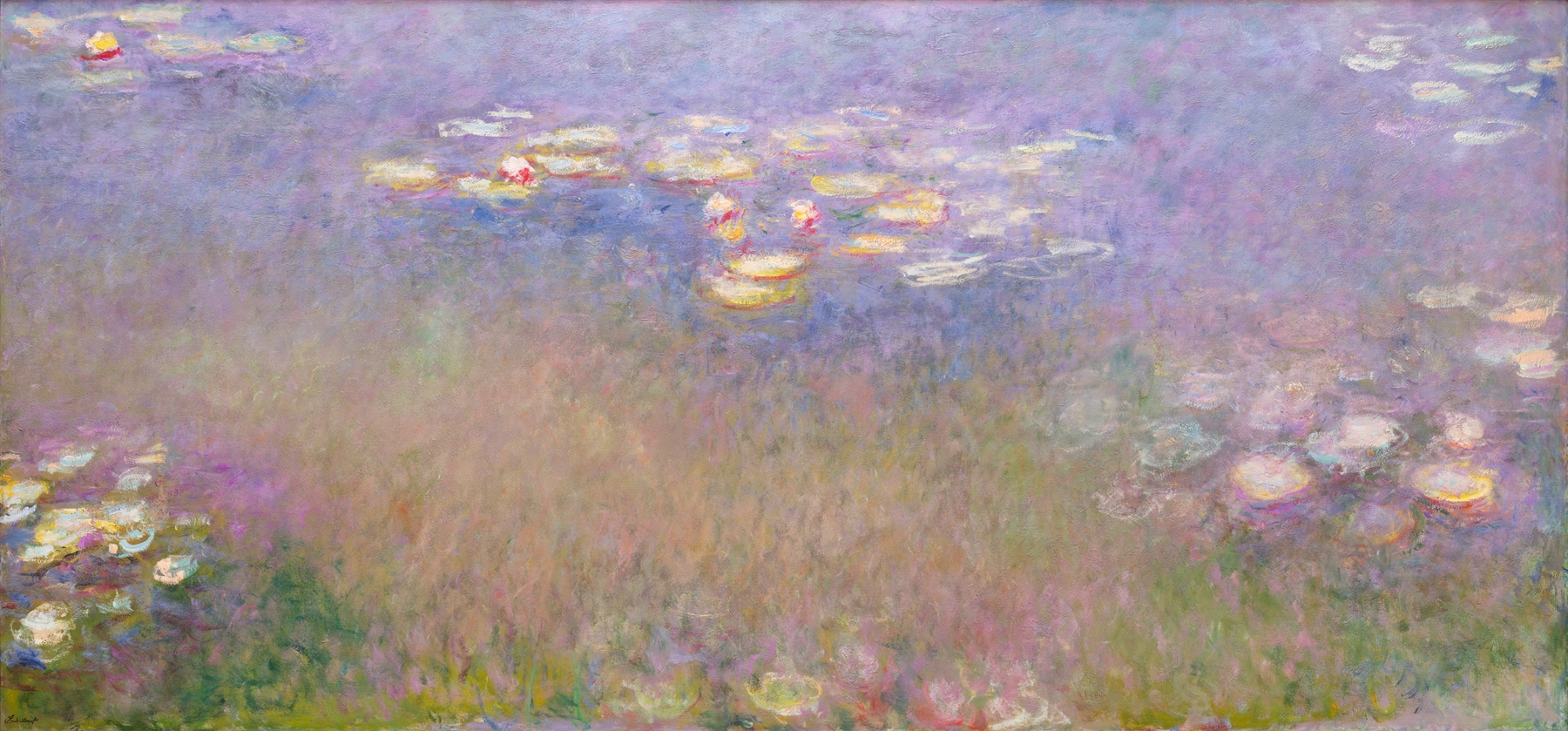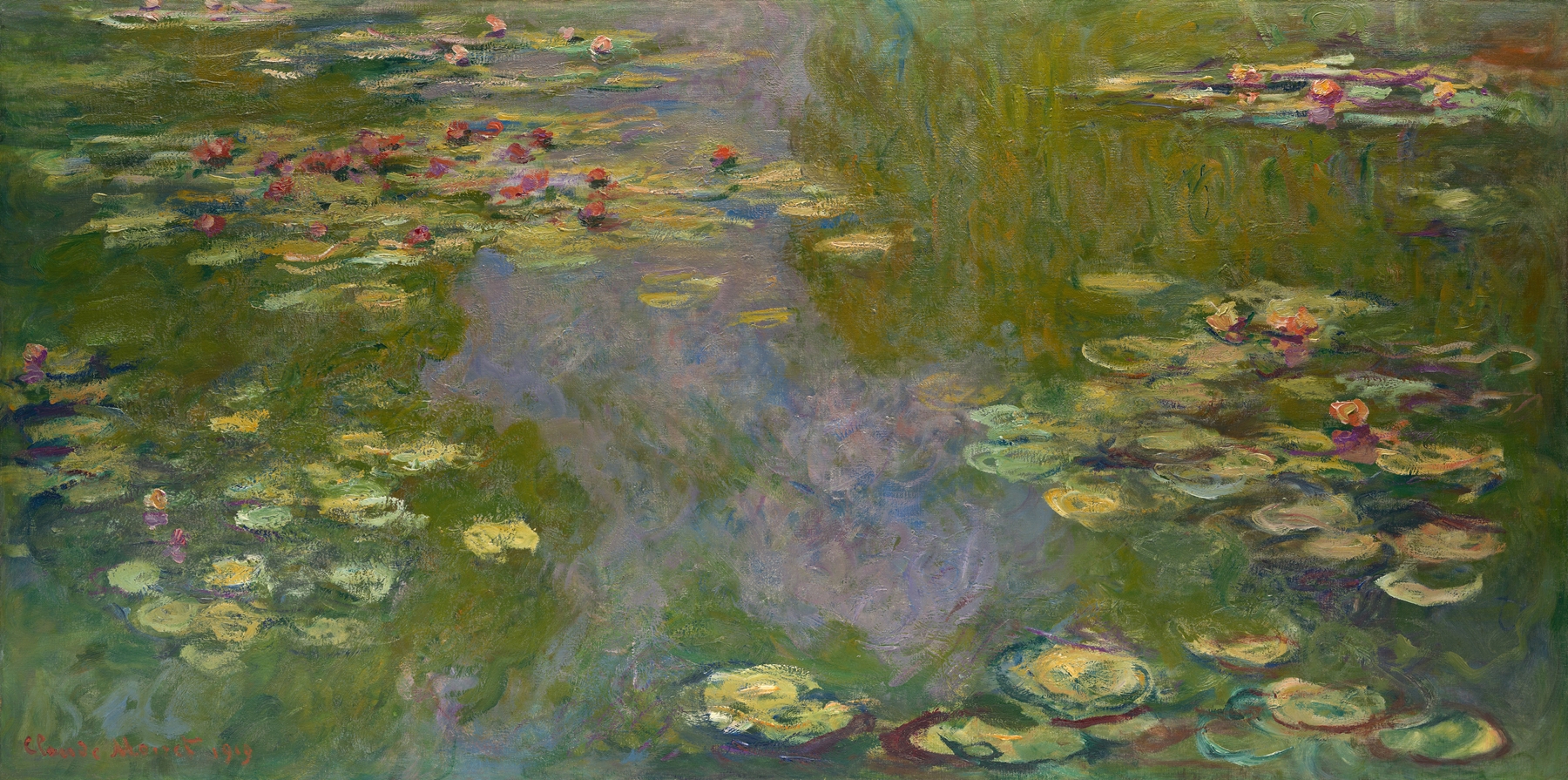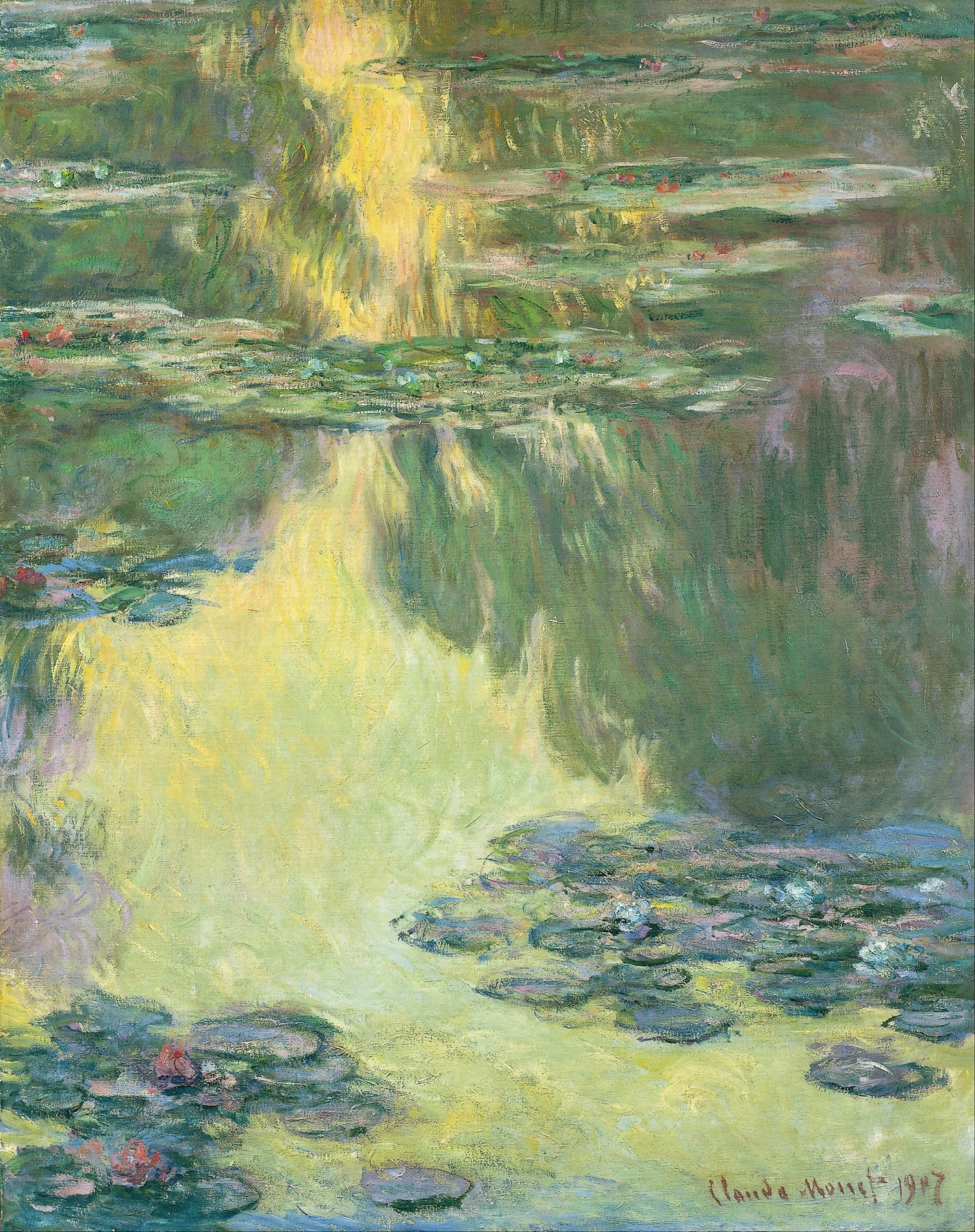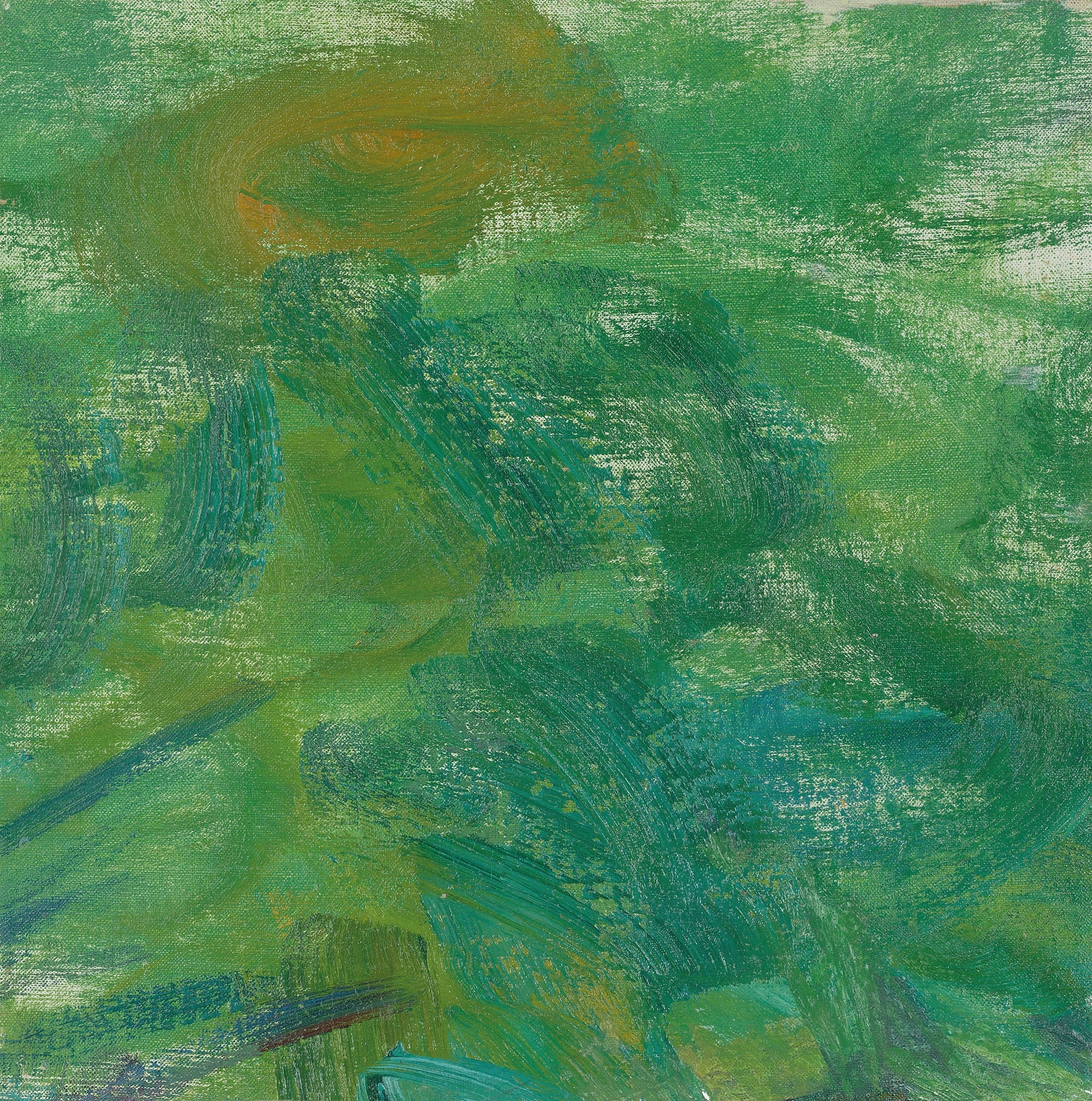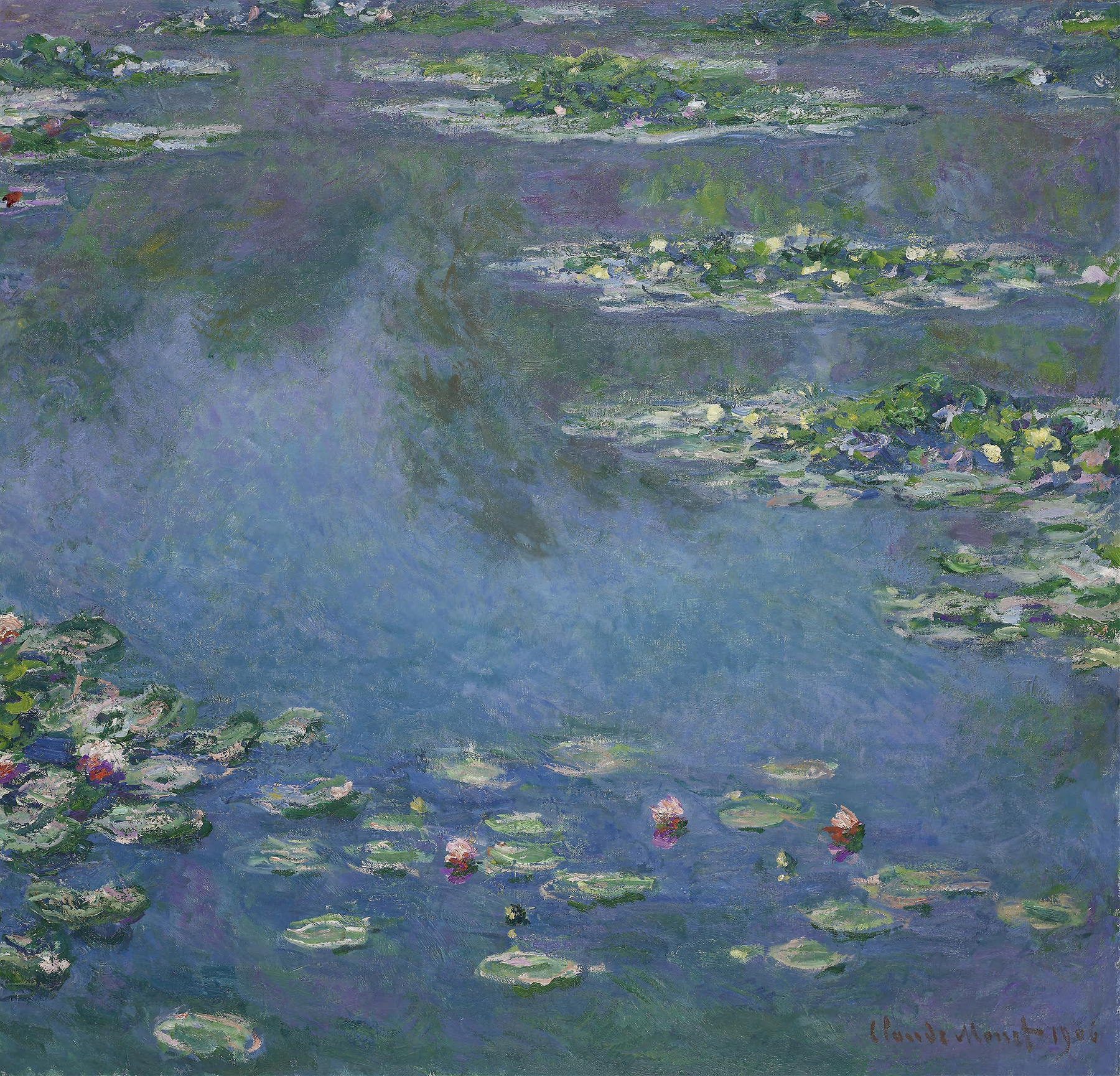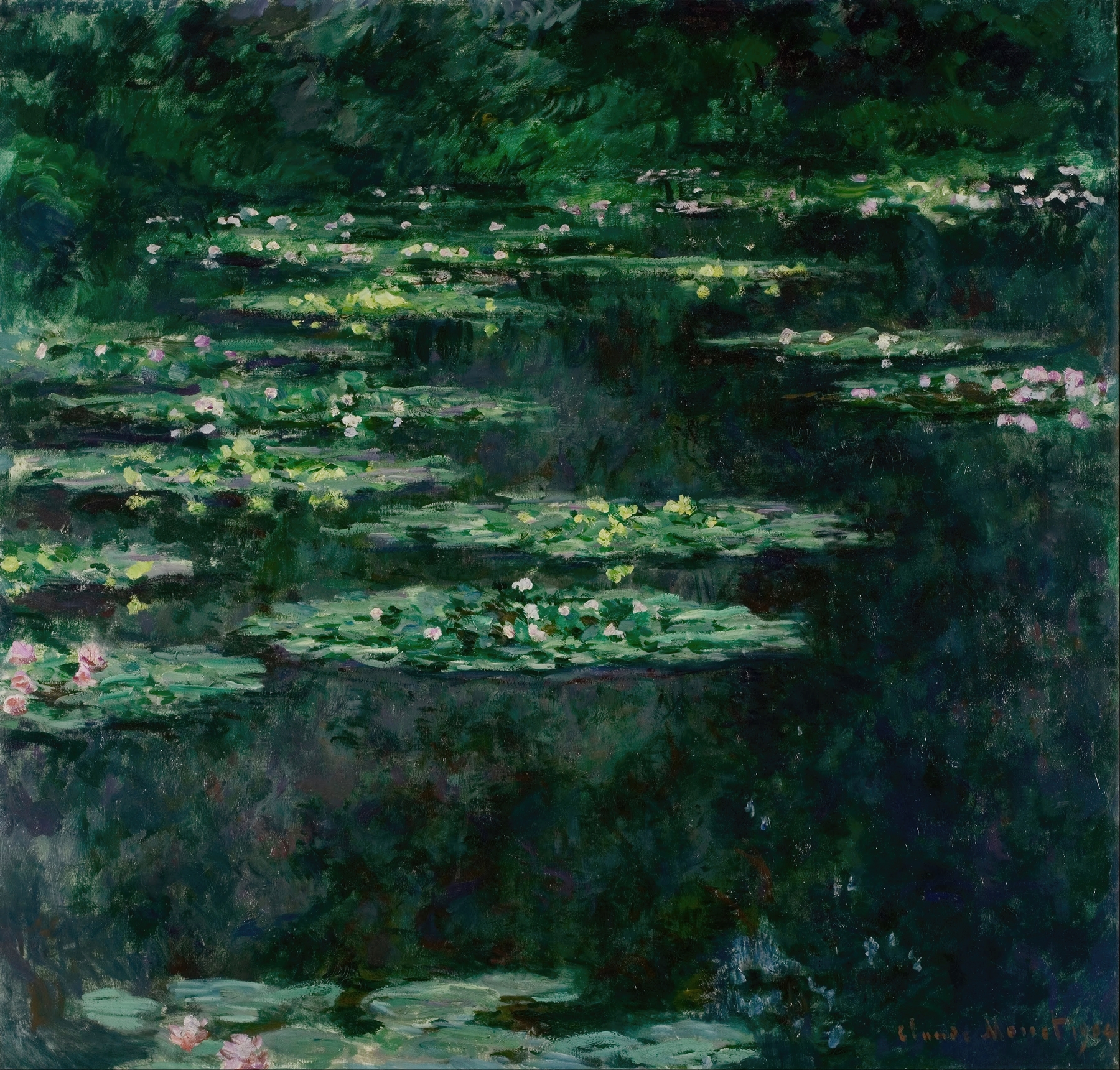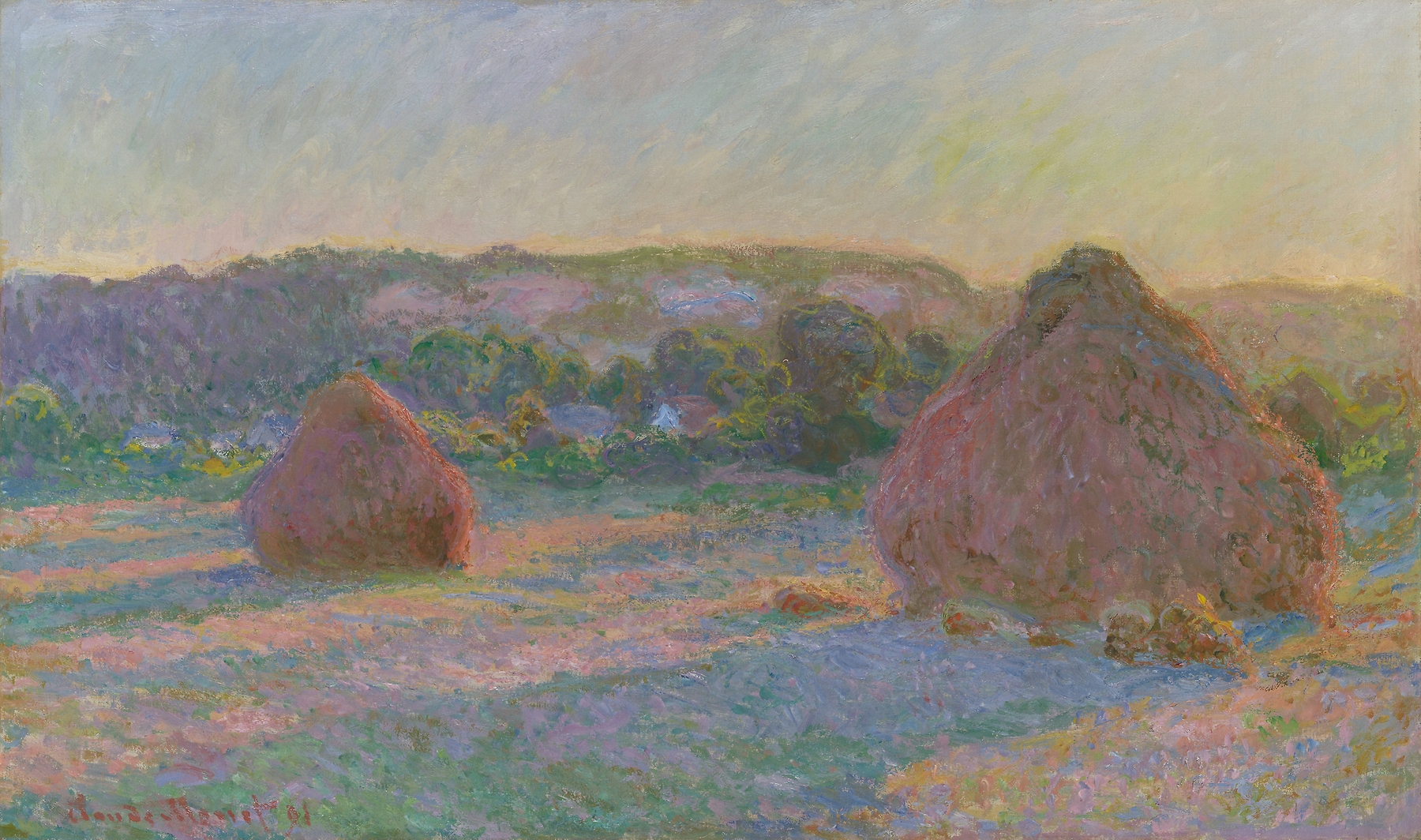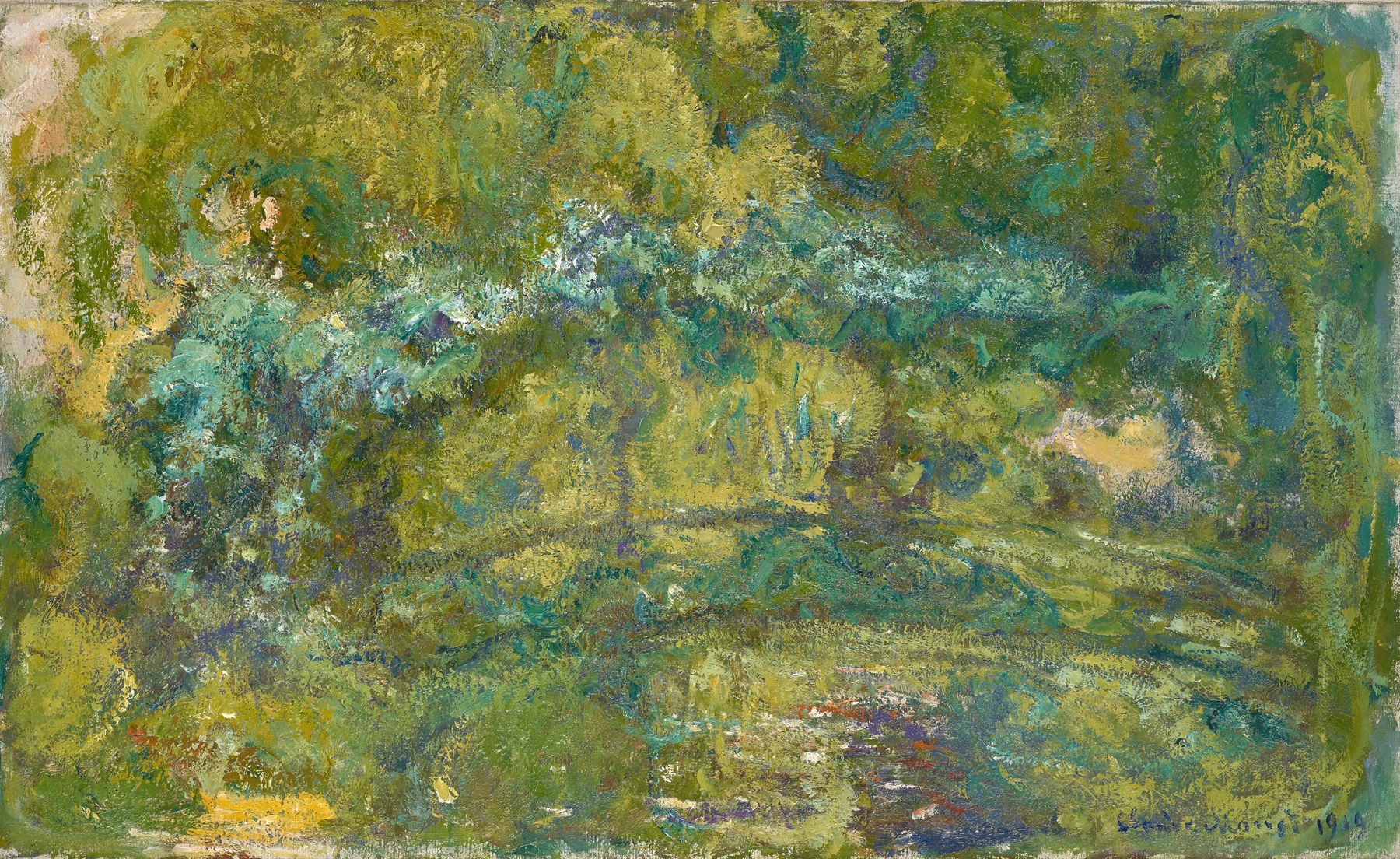
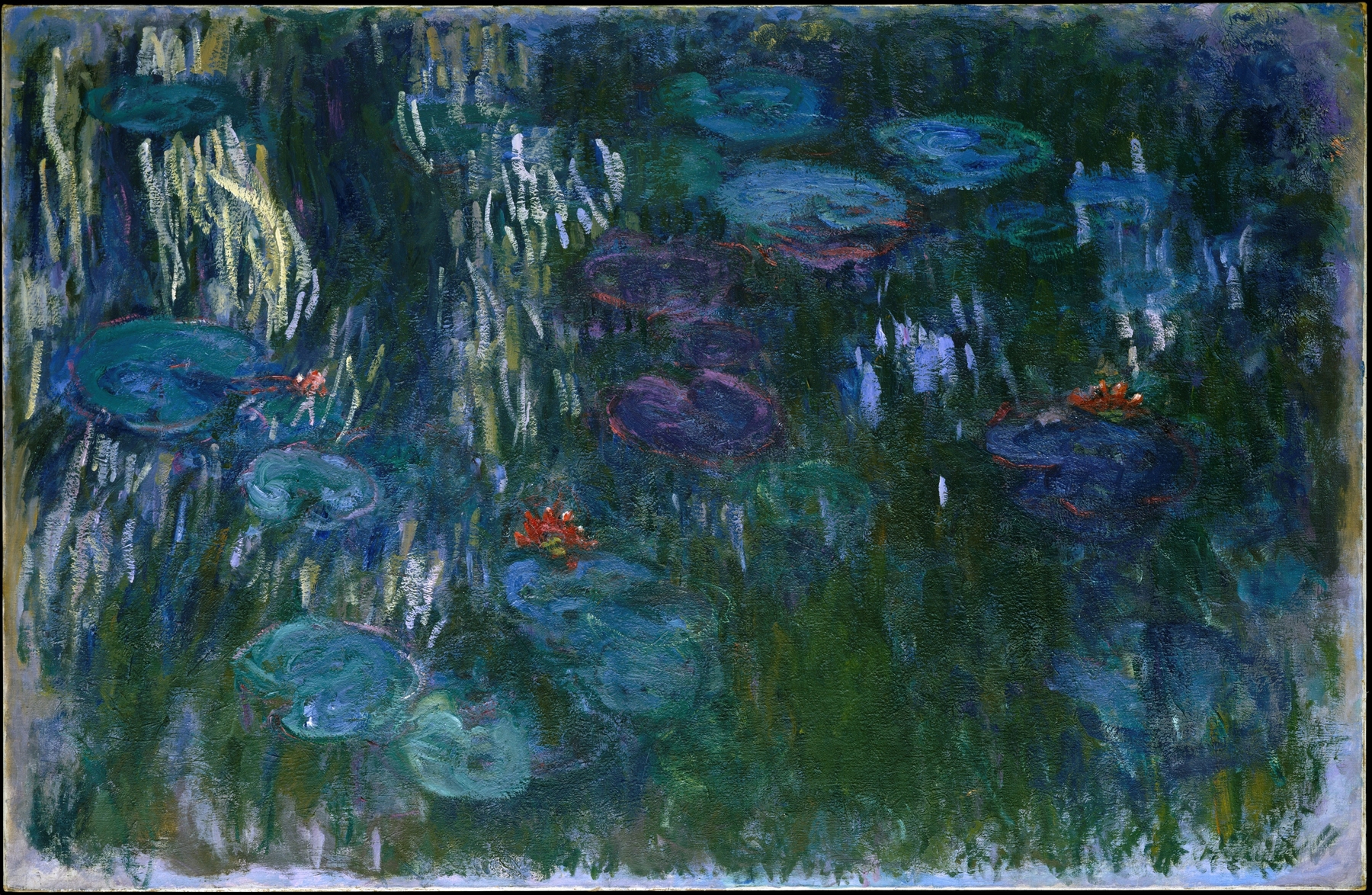
Can paint confess what words never could? In *The Footbridge over the Water-Lily Pond*, Claude Monet captures a moment steeped in ecstasy, where nature’s beauty transcends the mundane and invites viewers into a tranquil reverie. Look to the center at the delicate footbridge, elegantly arching above the pond. Notice how the vibrant blossoms of water lilies spread across the surface, creating a lively contrast against the soft greens and blues of the surrounding foliage. The dappled light filters through the leaves, casting playful reflections, emphasizing the interplay of water and light—a hallmark of the artist's technique. Monet’s brushwork, loose and impressionistic, brings a sense of movement to the scene, allowing the viewer to feel the gentle sway of nature. Beneath this serene surface, hidden meanings emerge. The juxtaposition of the sturdy footbridge with the ephemeral water lilies hints at the fragile balance between human constructs and the natural world. The shimmering essence of the water evokes a sense of fleeting beauty and the passage of time, reflecting Monet’s own quest for capturing moments that resonate with emotion. Each brushstroke, intentional yet spontaneous, conveys an underlying yearning for connection with the eternal. Created in 1919, this work came during a period of personal turmoil for the artist, as he dealt with the loss of his beloved wife and the ravages of World War I. Monet painted in his garden at Giverny, a sanctuary of inspiration amidst the chaos of the world. This period marked a continued evolution in his style, emphasizing color and light as vital elements of expression, ultimately leading to a transcendent and meditative experience within his art.