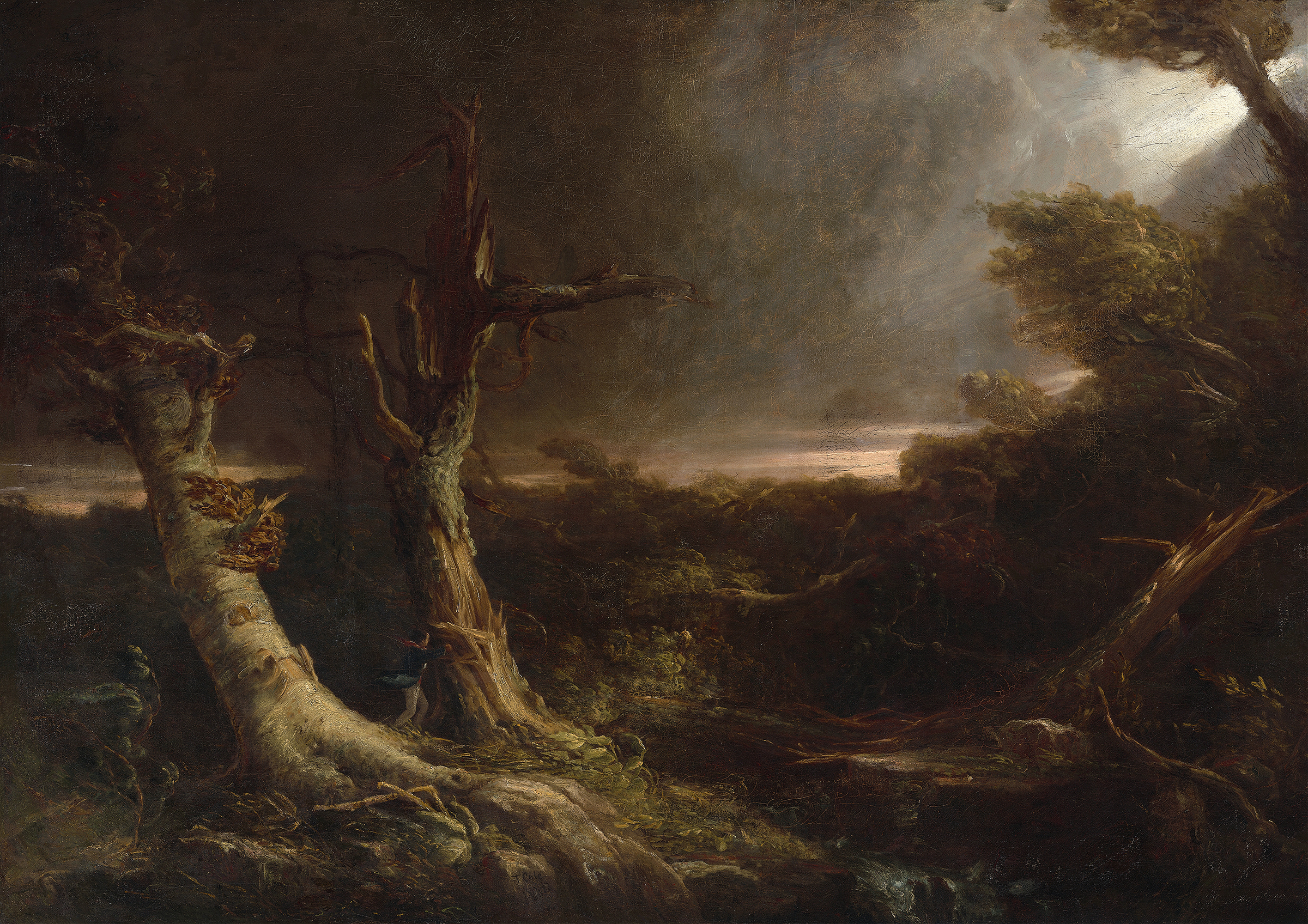
The Garden of Eden — History & Analysis
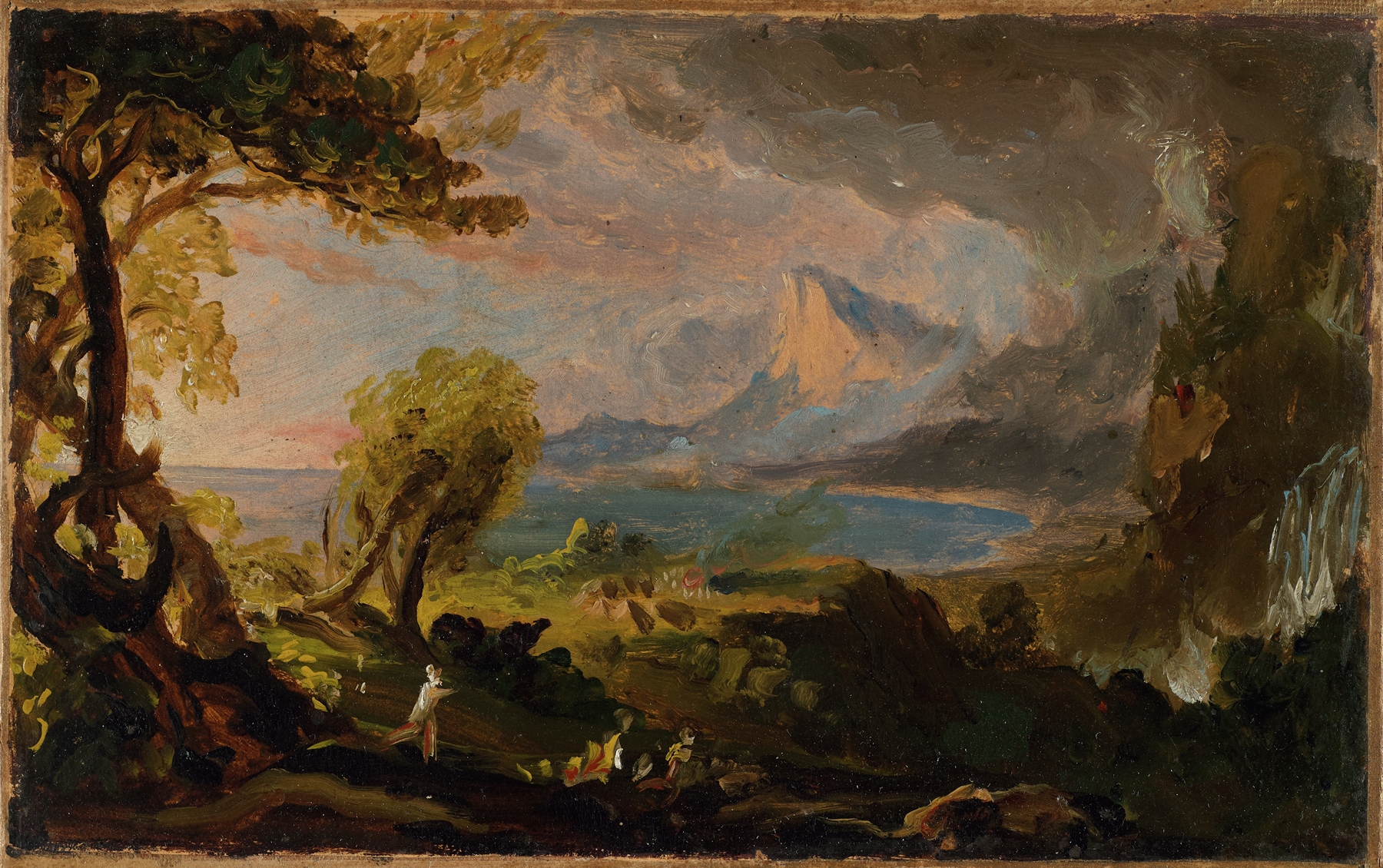
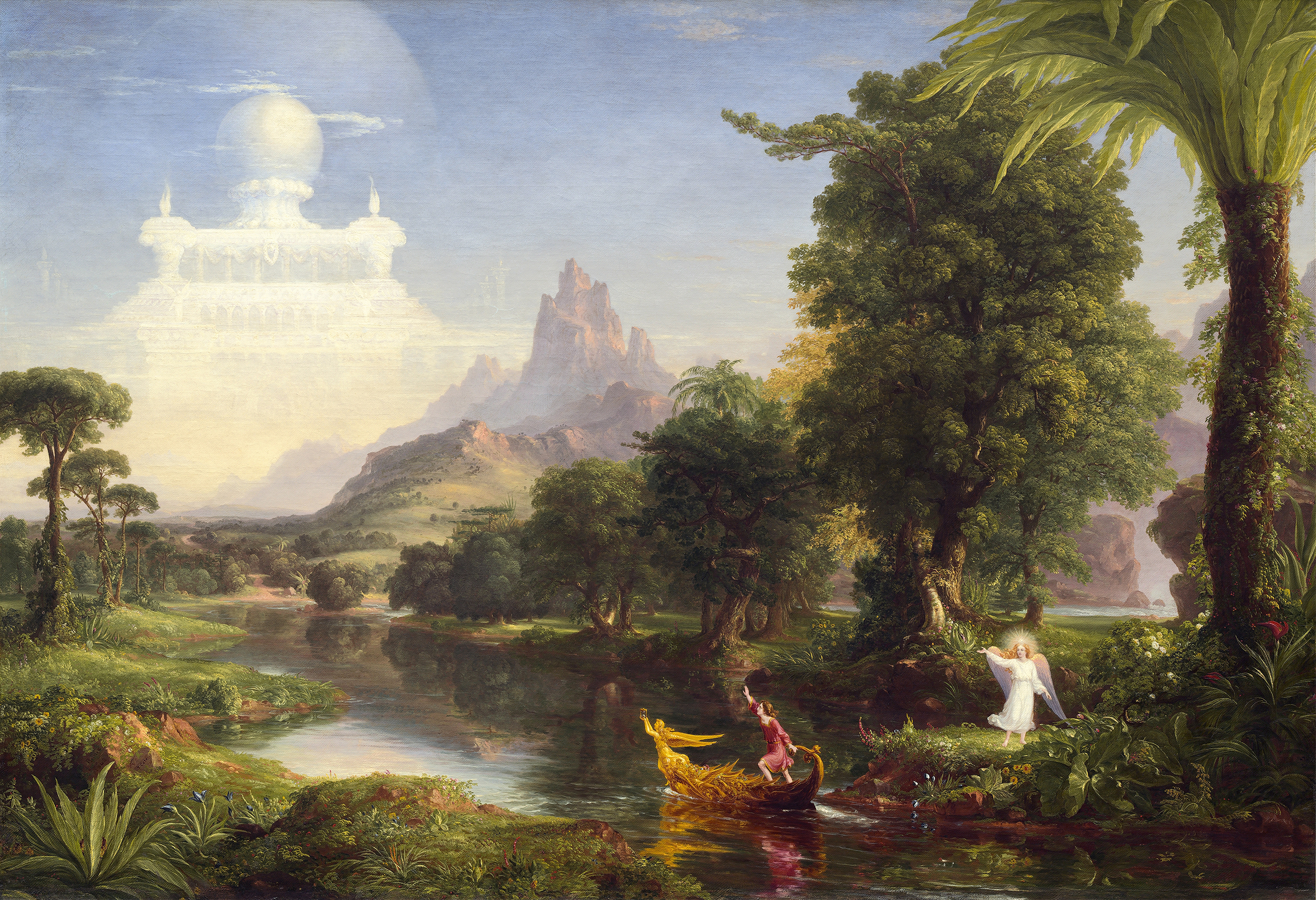
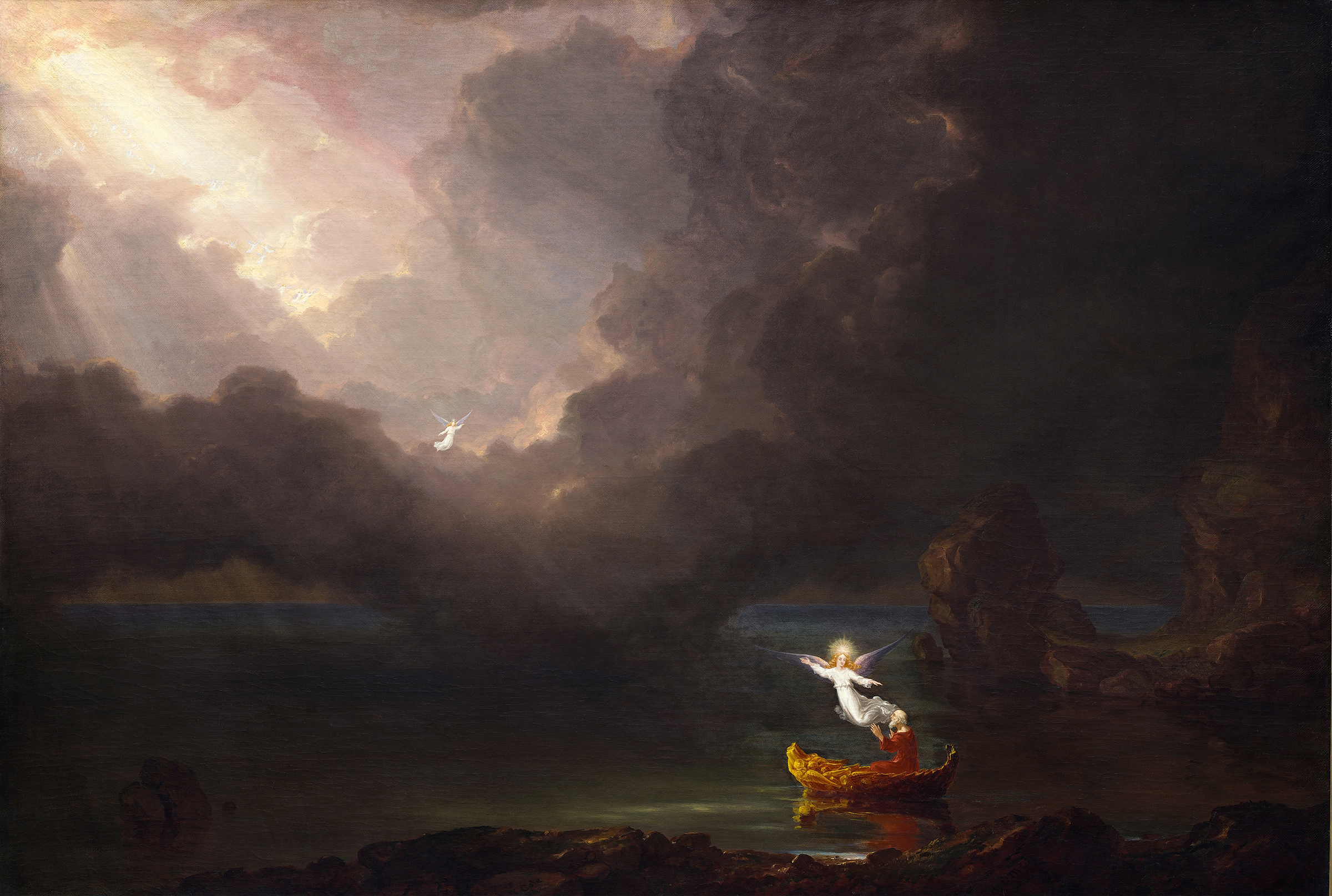
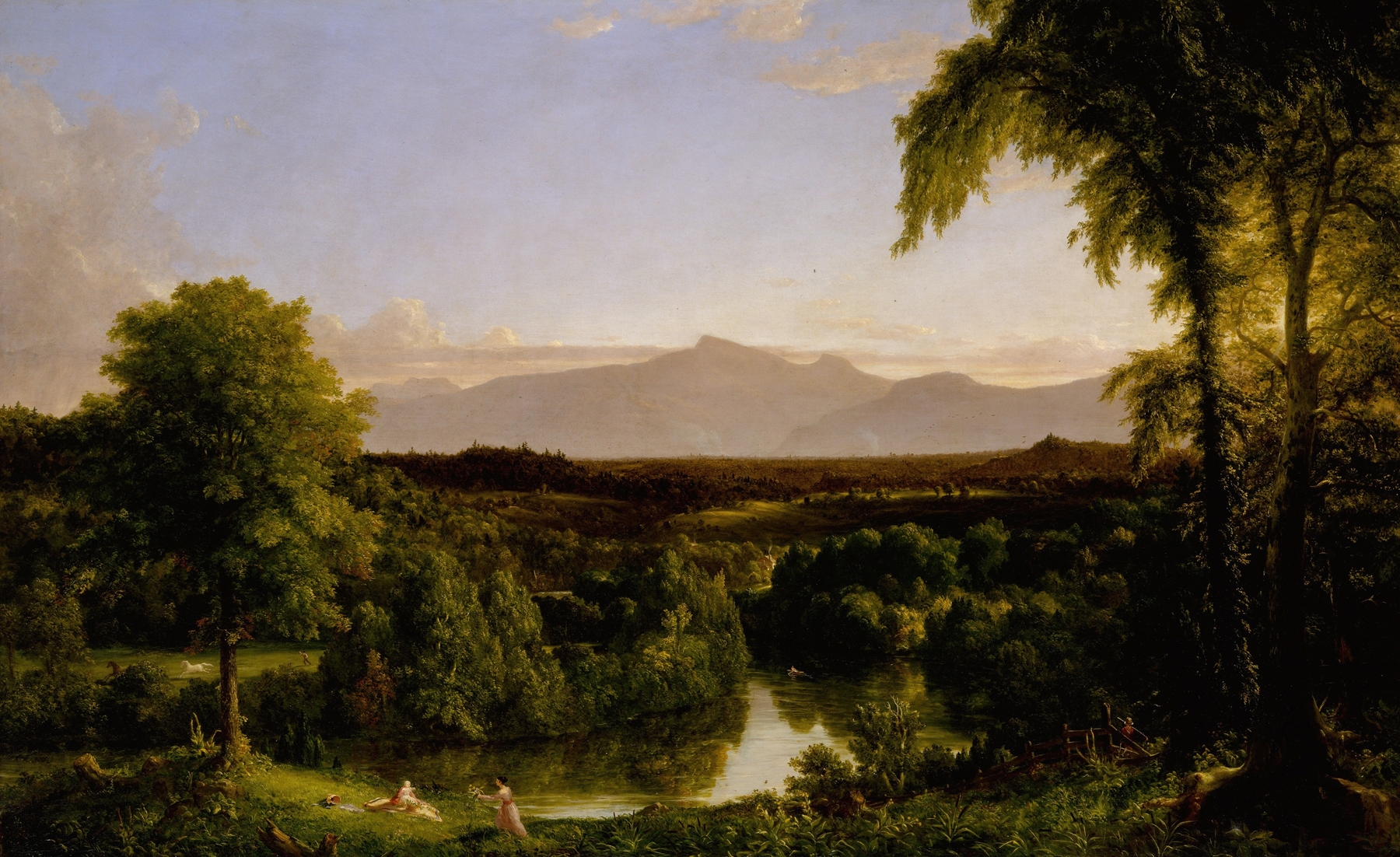
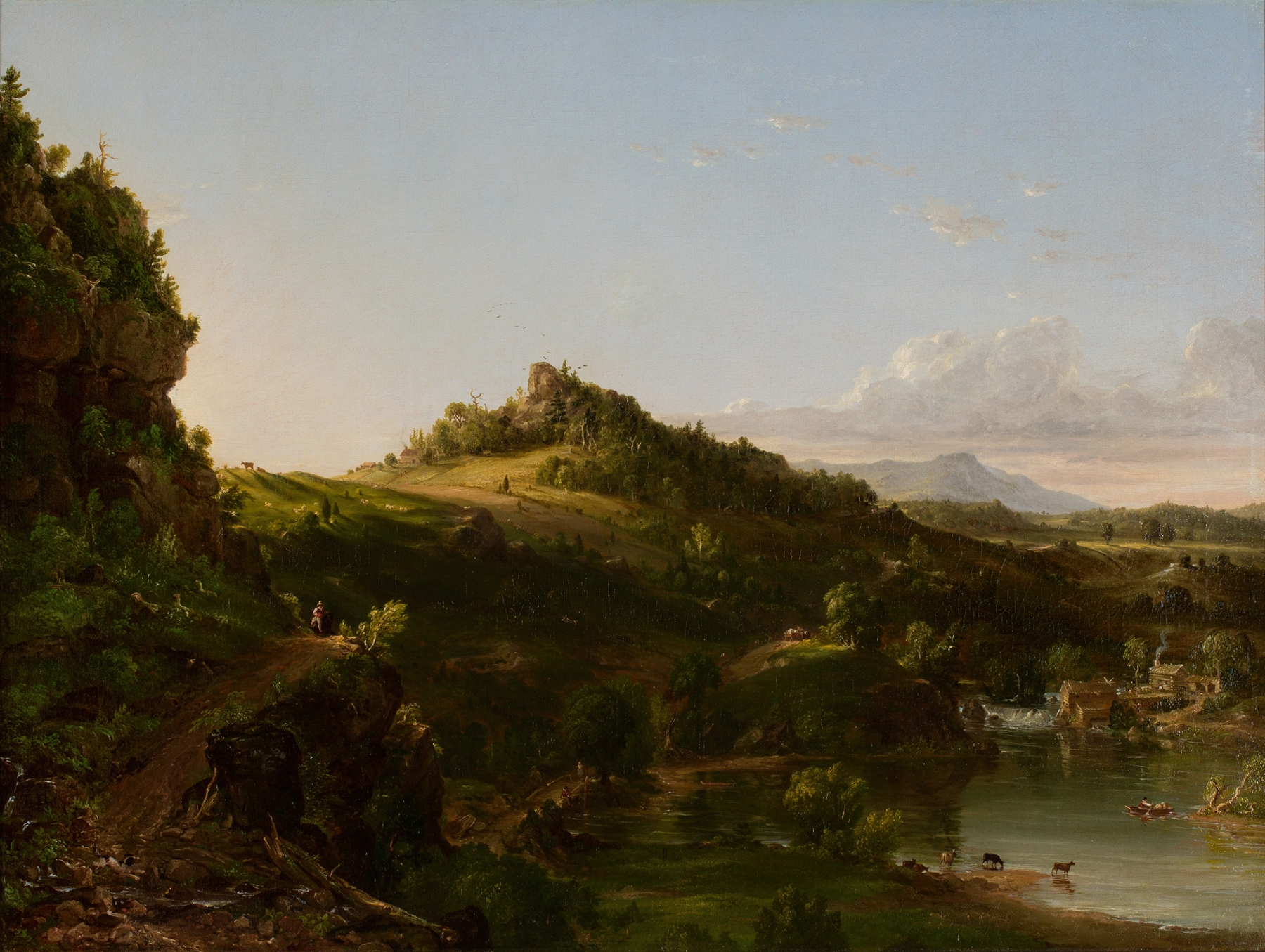
A soft haze blankets the landscape as morning light spills over the horizon, illuminating a lush paradise. In the foreground, a gentle stream winds through vibrant flora, where exotic blooms burst in vivid color, drawing the eye in wonder. Adam and Eve stand in awe, their forms delicate amidst the grandeur of nature, as if they themselves are part of this divine creation. A sense of tranquility hangs in the air, accompanied by the faint rustle of leaves, whispering the secrets of the world around them. Look to the left at the towering trees, their leaves a brilliant mix of greens, suggesting vitality and abundance.
Notice how the light dances across the surface of the water, reflecting a kaleidoscope of colors that mirror the garden's splendor. The artist’s technique captures each detail with precision; the carefully layered brushstrokes evoke a sense of depth, inviting you to lose yourself in the expansive scene. The composition draws your gaze toward the central figures, framing them within a sanctuary of nature that feels both sacred and untouched. Deeper insights emerge in the contrasting elements of bliss and fragility. The celestial light surrounding Adam and Eve symbolizes purity and innocence, while the looming shadows in the distance hint at the fragility of paradise.
The diverse flora, with its richness and vibrancy, serves as a reminder of the bounties of creation, yet juxtaposed against the figures, it evokes a poignant sense of transience and the impending loss of Eden’s simplicity. Created in 1828 during a pivotal moment in American art, the work reflects Thomas Cole's vision as a founder of the Hudson River School, a movement that emphasized the beauty of the American landscape. The artist, inspired by Romantic ideals, sought to portray not just nature’s beauty, but its deeper philosophical meanings. At the time, Cole was exploring themes of nature, spirituality, and humanity's connection to the divine, forging a path for future artists to contemplate the sublime in their landscapes.