The Grand Canal in Venice with the Palazzo Corner Ca’Grande — History & Analysis
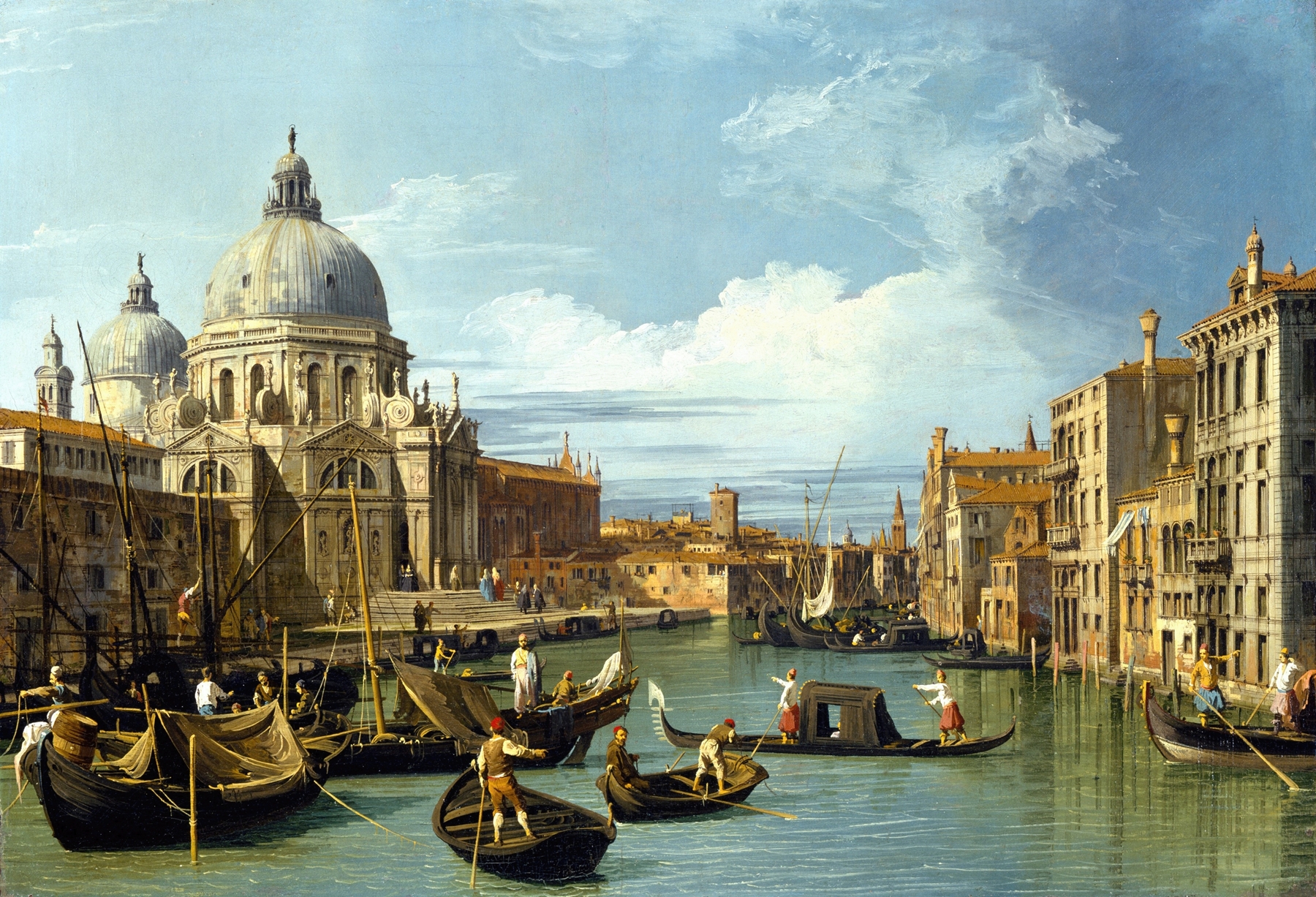
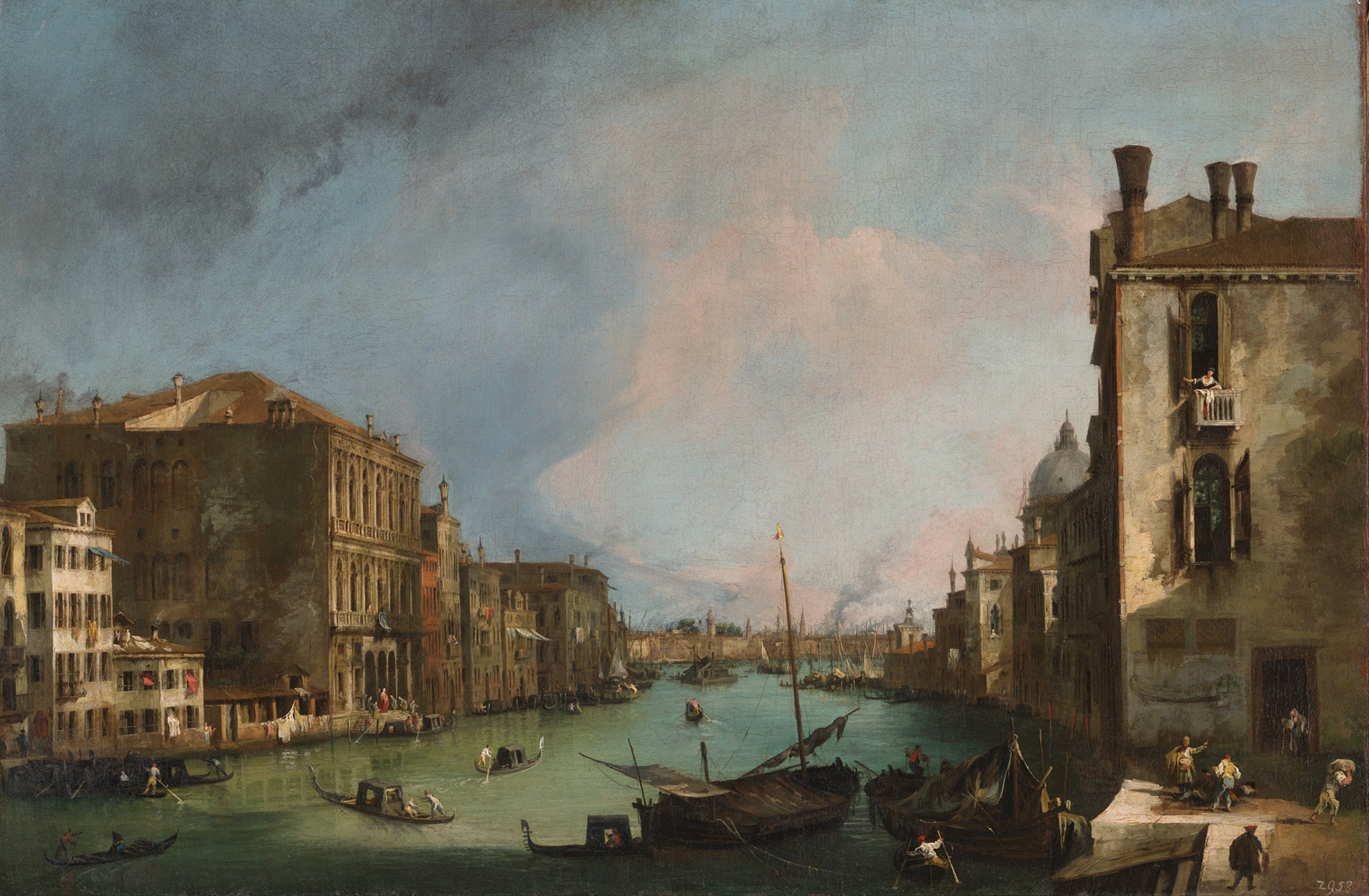
“Sometimes beauty is just pain, disguised in gold.” In the enchanting twist of light upon water, rebirth finds its most exquisite expression. The scene invites us to consider the duality of life, where the serene beauty of Venice masks deeper currents, both historical and personal. Look to the right at the Palazzo Corner Ca’Grande, its grand architecture reflecting the opulence and complexity of Venetian life. The shimmering waters of the Grand Canal cradle the structure, while subtle hues of blue and gold dance upon the surface, embodying both tranquility and a fleeting, almost ephemeral quality.
Notice how the artist captures the bustling activity—boats glide gently beneath the bridge, the figures appearing as small, animated brushstrokes, lending a sense of movement against the stillness of the water. Beneath the tranquil exterior lies a tension between grandeur and transience. The palatial facade, while magnificent, suggests the weight of history and the passage of time. Canaletto's precise detailing contrasts with the fluidity of the water, reminding us that even in beauty, there are echoes of struggle and change.
This interplay speaks to the soul of Venice itself, a city forged from resilience, constantly reborn through the layers of its rich narrative. Created in 1722, this work emerged during a period of artistic renewal in Venice, where Canaletto was at the height of his career. The city was a nexus of trade and culture, and the artist's focus on architectural precision and sublime landscapes reflected the burgeoning interest in realism and perspective. As he painted, the world was witnessing transformations—both in Venice, recovering from past conflicts, and in Europe, as the Enlightenment began to take root, promising new ideas and discoveries.