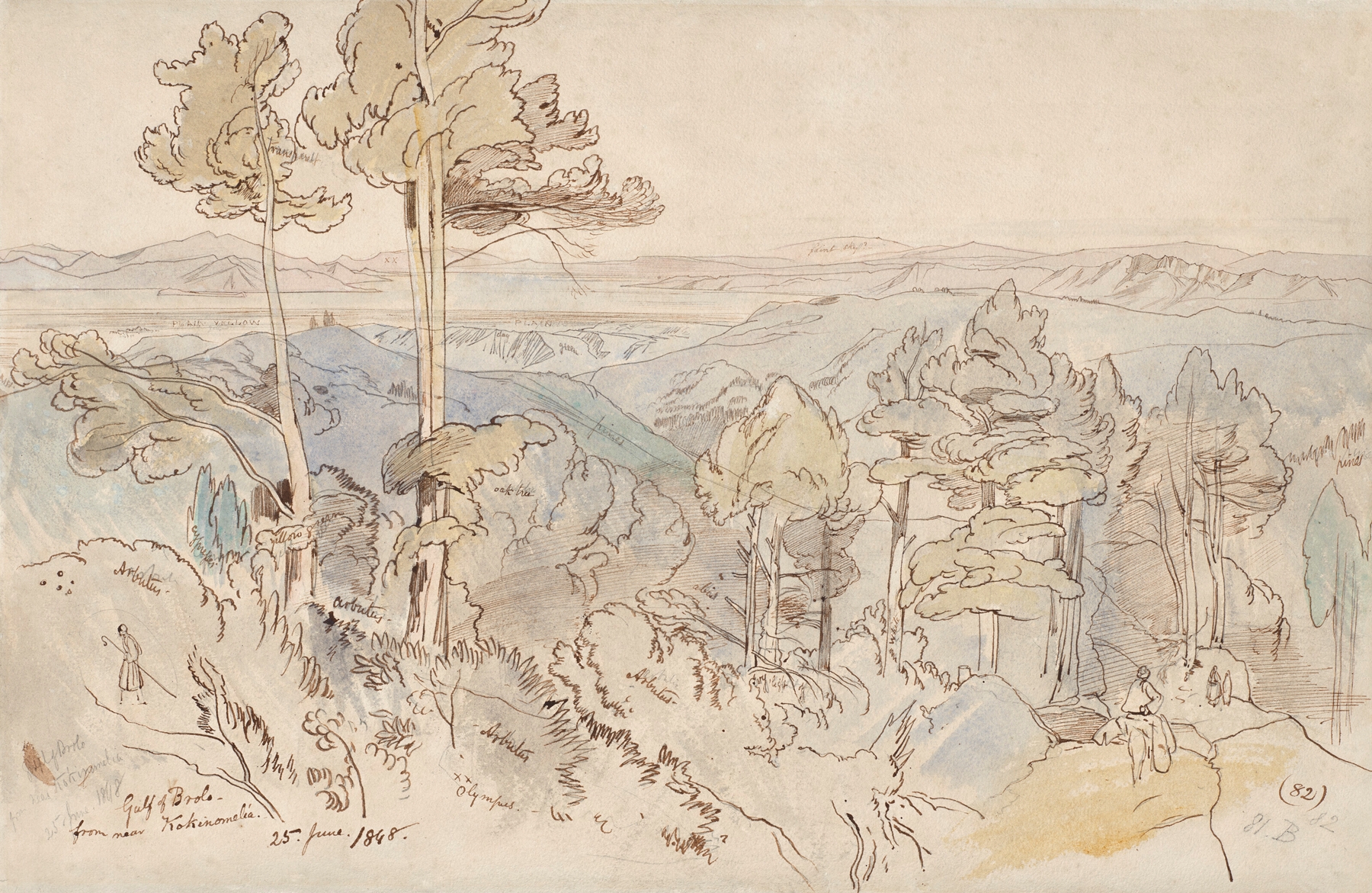
The Gulf of Brolo from near Kokkinomilia — History & Analysis
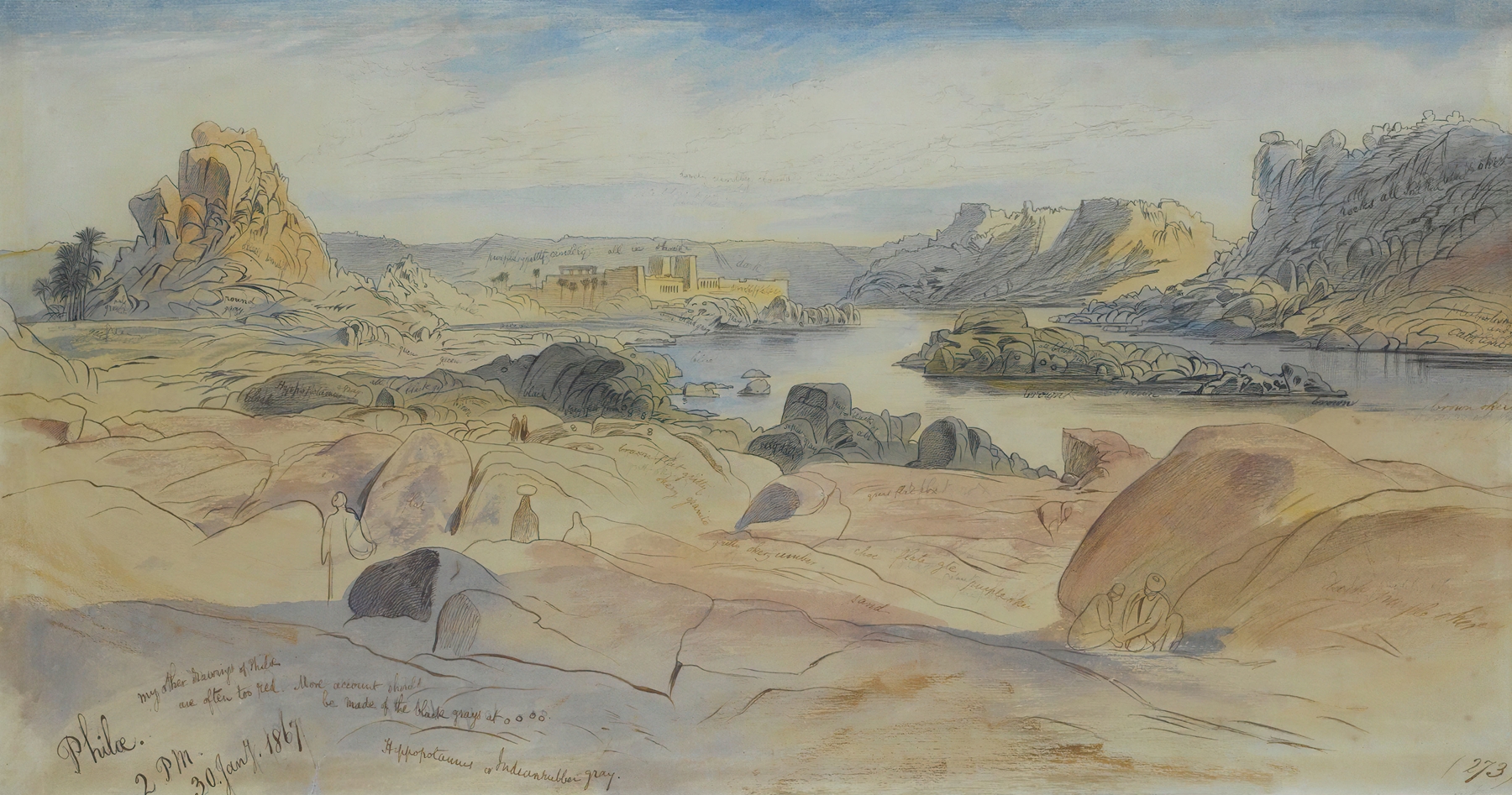
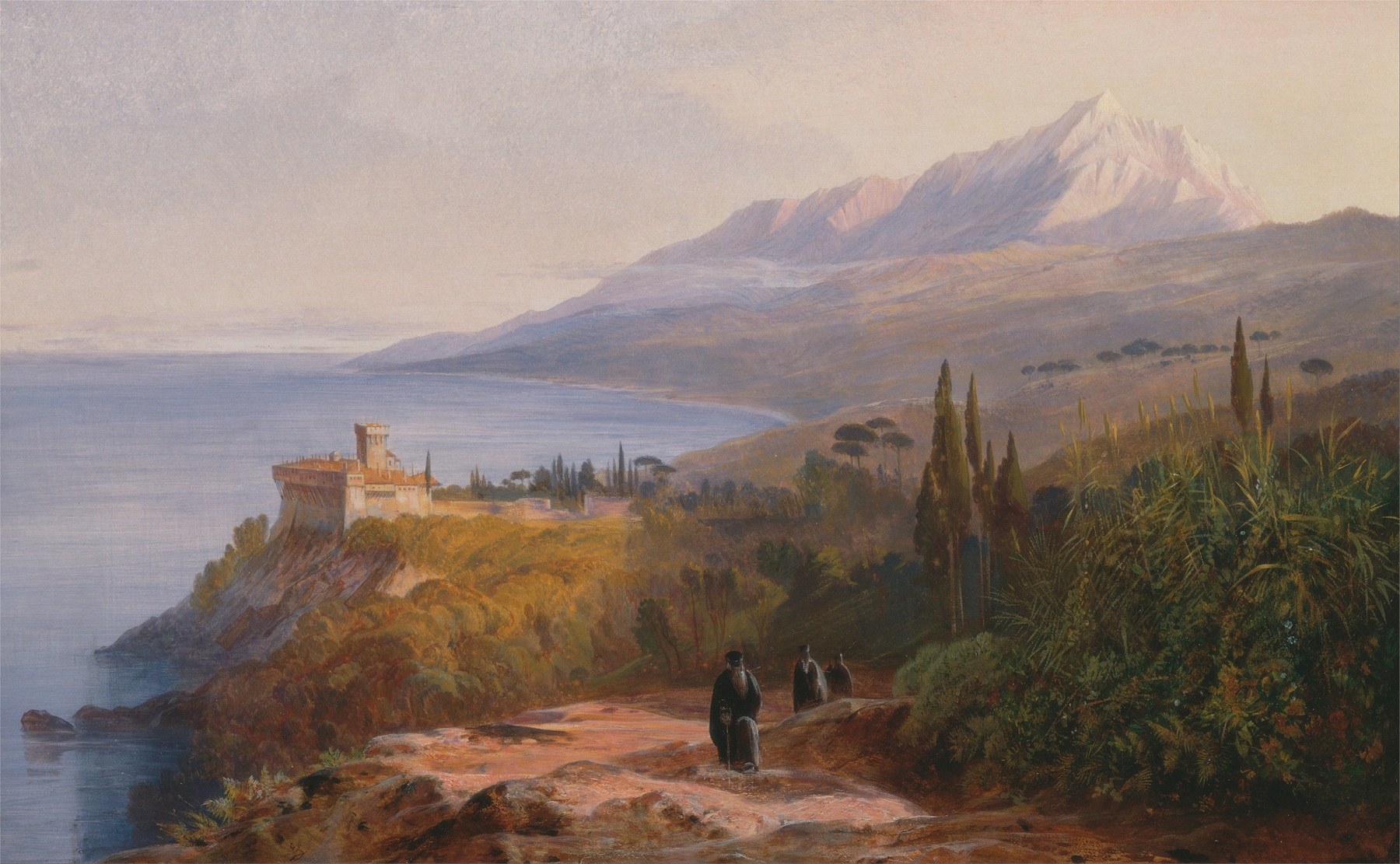
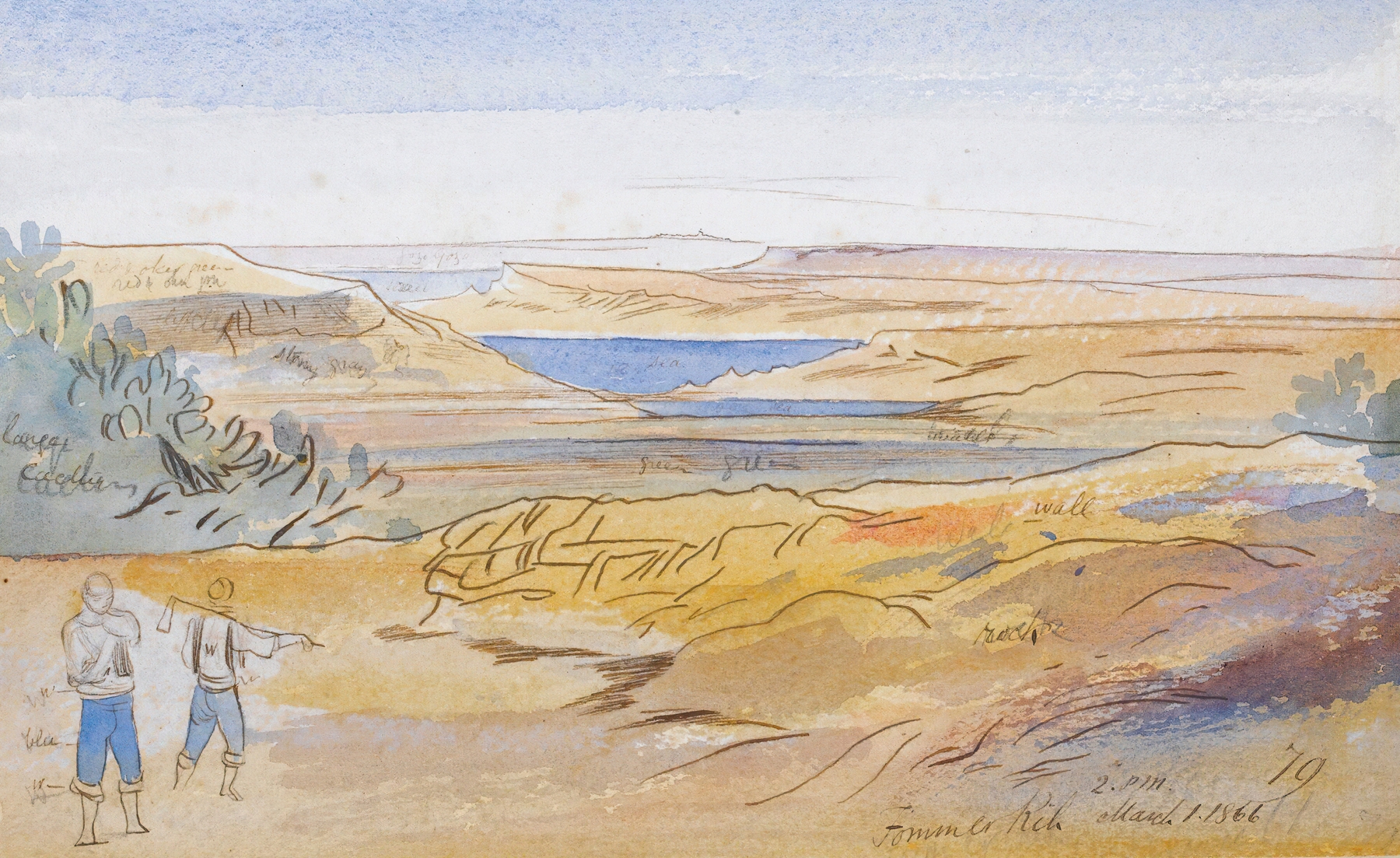
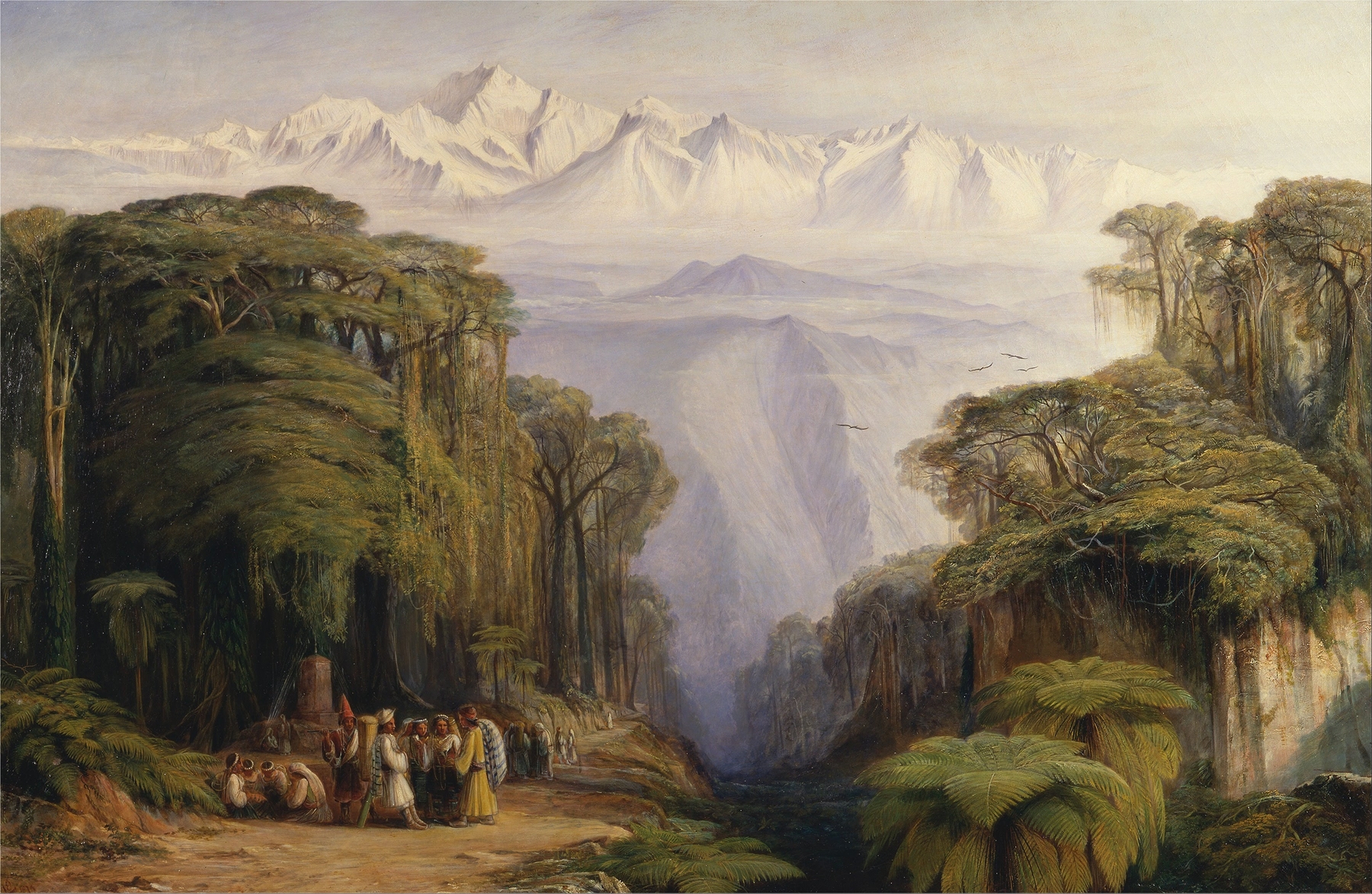
“The canvas doesn’t lie — it simply waits.” In the stillness of solitude, one encounters the profound essence of loneliness that permeates the landscape. Look to the horizon where the azure sea meets the sky, stretching infinitely. Notice how the light glimmers on the water’s surface, creating a shimmering path that seems to beckon yet remains out of reach. The rugged cliffs to the left rise with a quiet ferocity, etched with shades of ochre and earthy greens, while the gentle waves lap against the shore, their rhythmic motion grounding the otherwise vast emptiness. Hidden within this tranquil vista is a tension between isolation and beauty. The absence of human presence amplifies the emotional weight of the scene, inviting viewers to contemplate their own experiences of solitude. The interplay of light and shadow evokes feelings of longing, while the starkness of the landscape serves as a reminder of nature’s indifference to human existence. Each brushstroke speaks silently of yearning — a desire for connection amid the encompassing silence. In 1848, Edward Lear painted this piece during a time of reflection and transition in his life, having traveled extensively through Italy and Greece. The artist was well-acquainted with loneliness, often grappling with personal melancholy and isolation from social circles. His work during this period showcases a shift toward capturing the emotive qualities of landscapes, as the Romantic movement began to embrace the nuanced relationship between humanity and nature.