The Gulf of Naples — History & Analysis
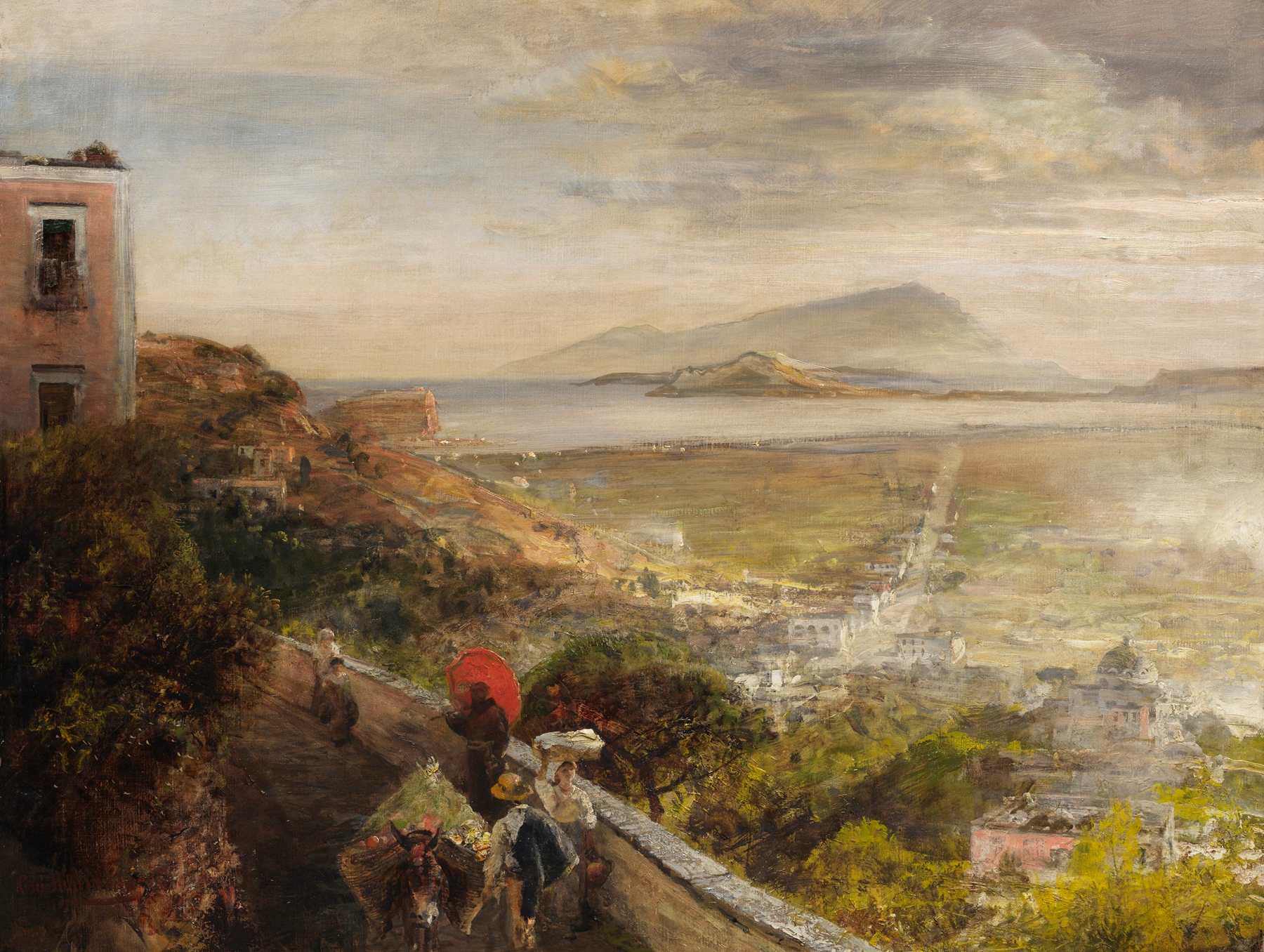
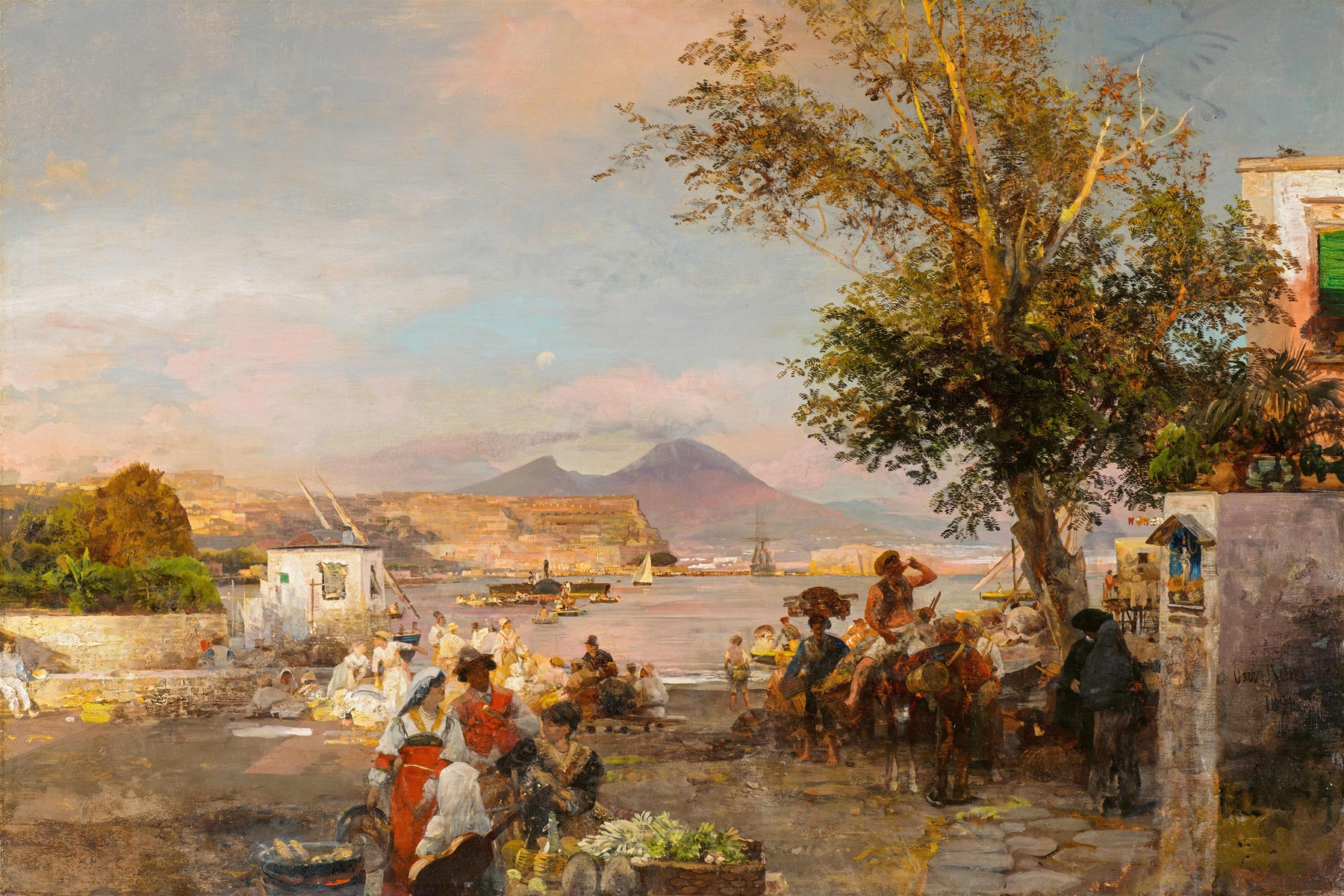
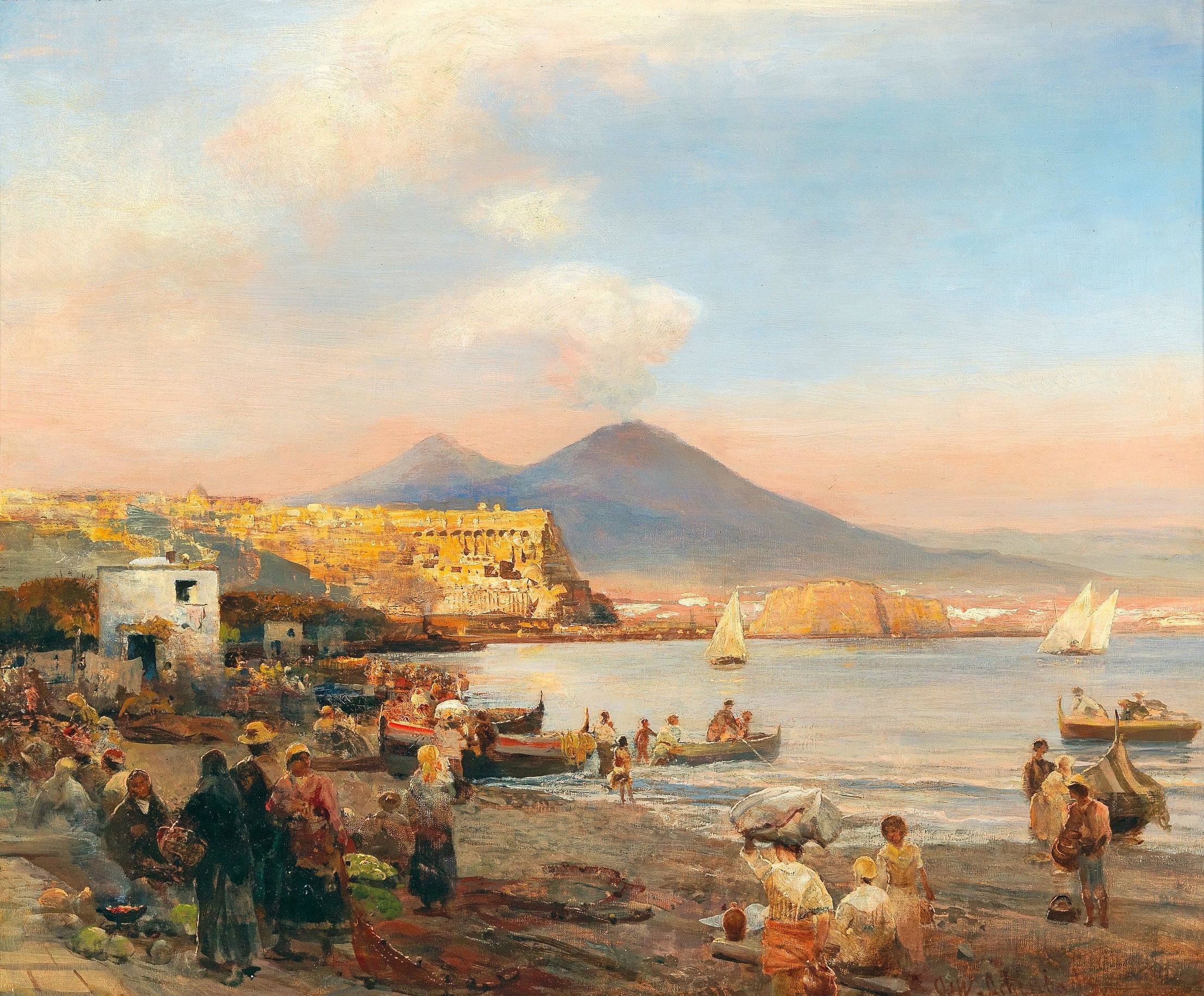
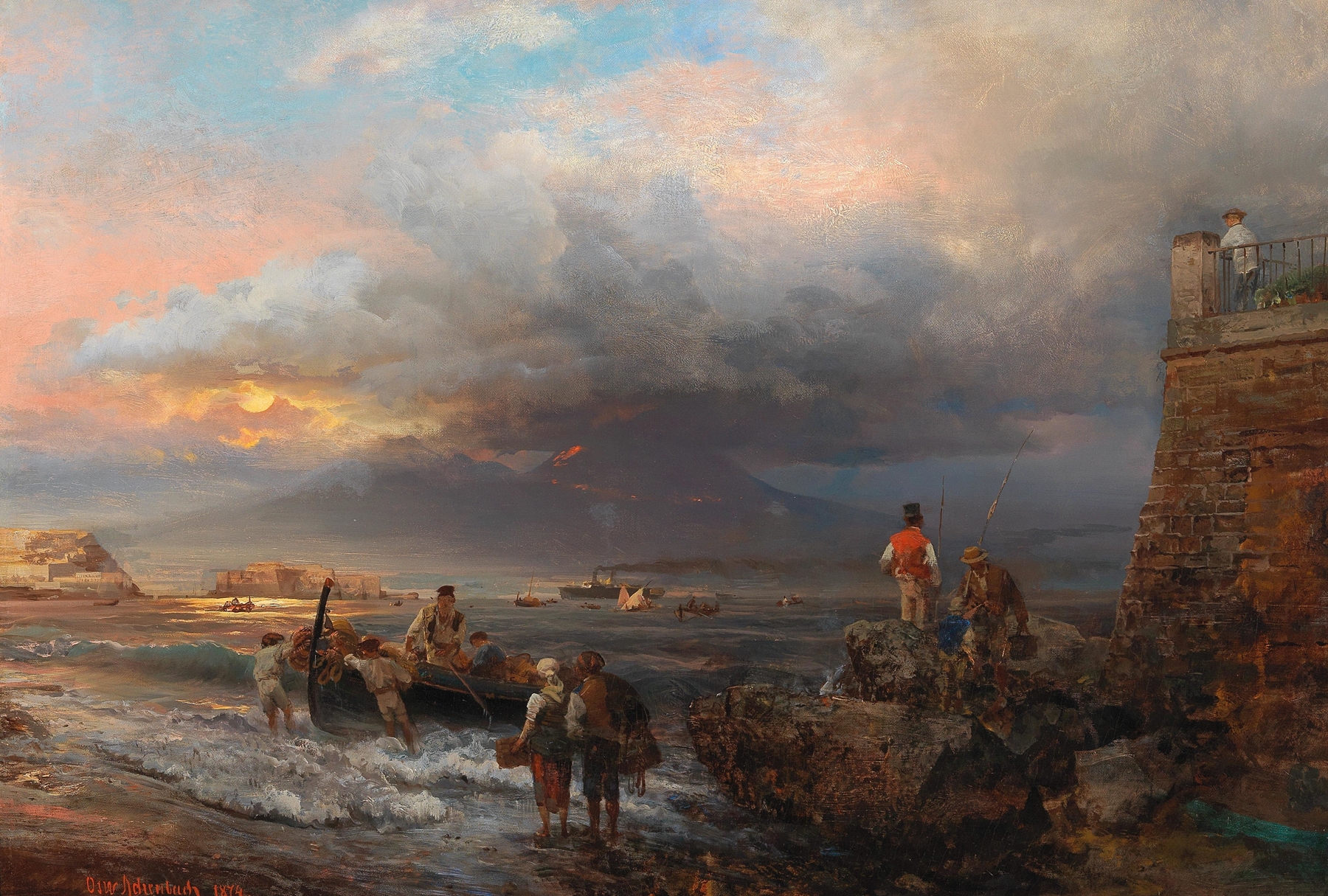
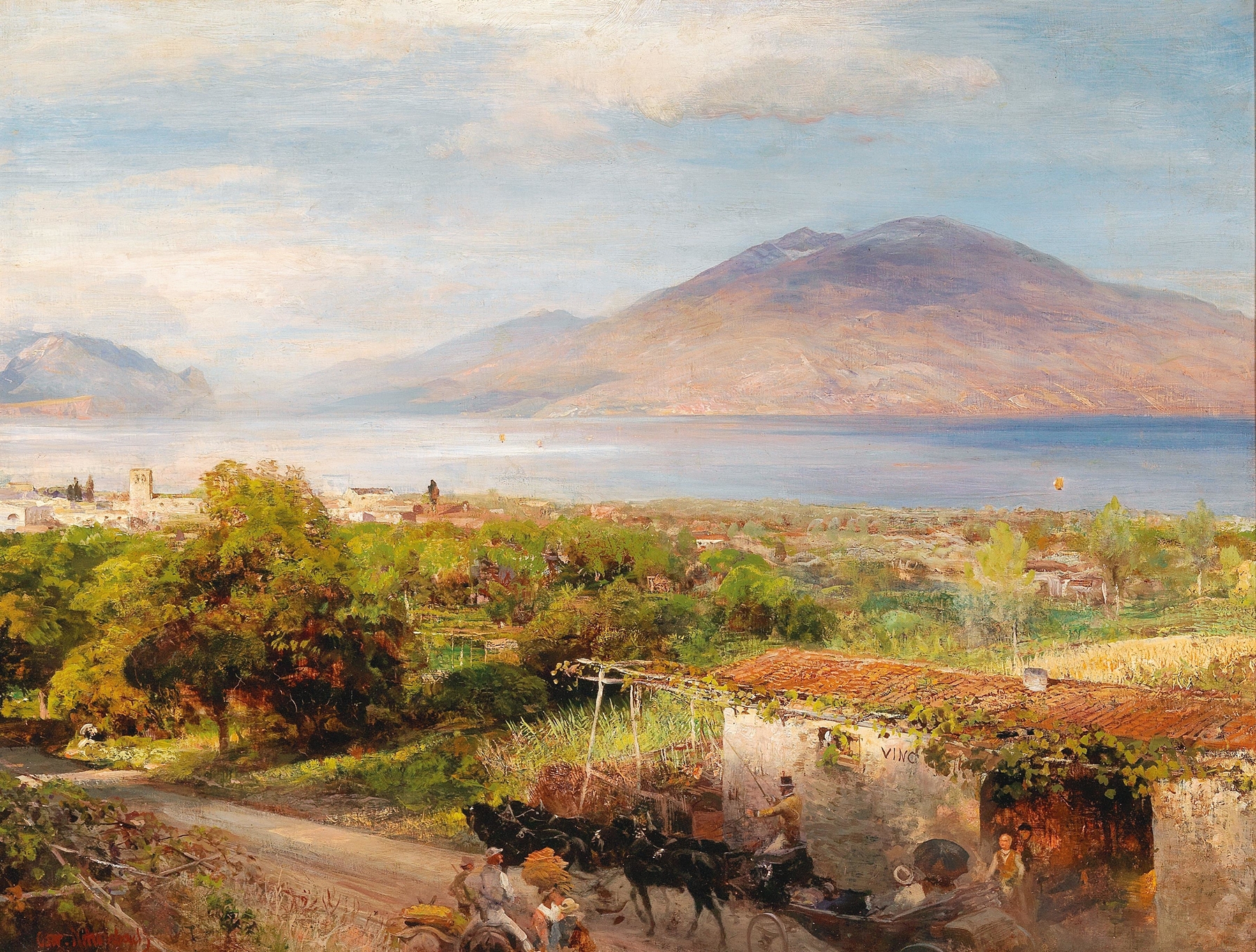
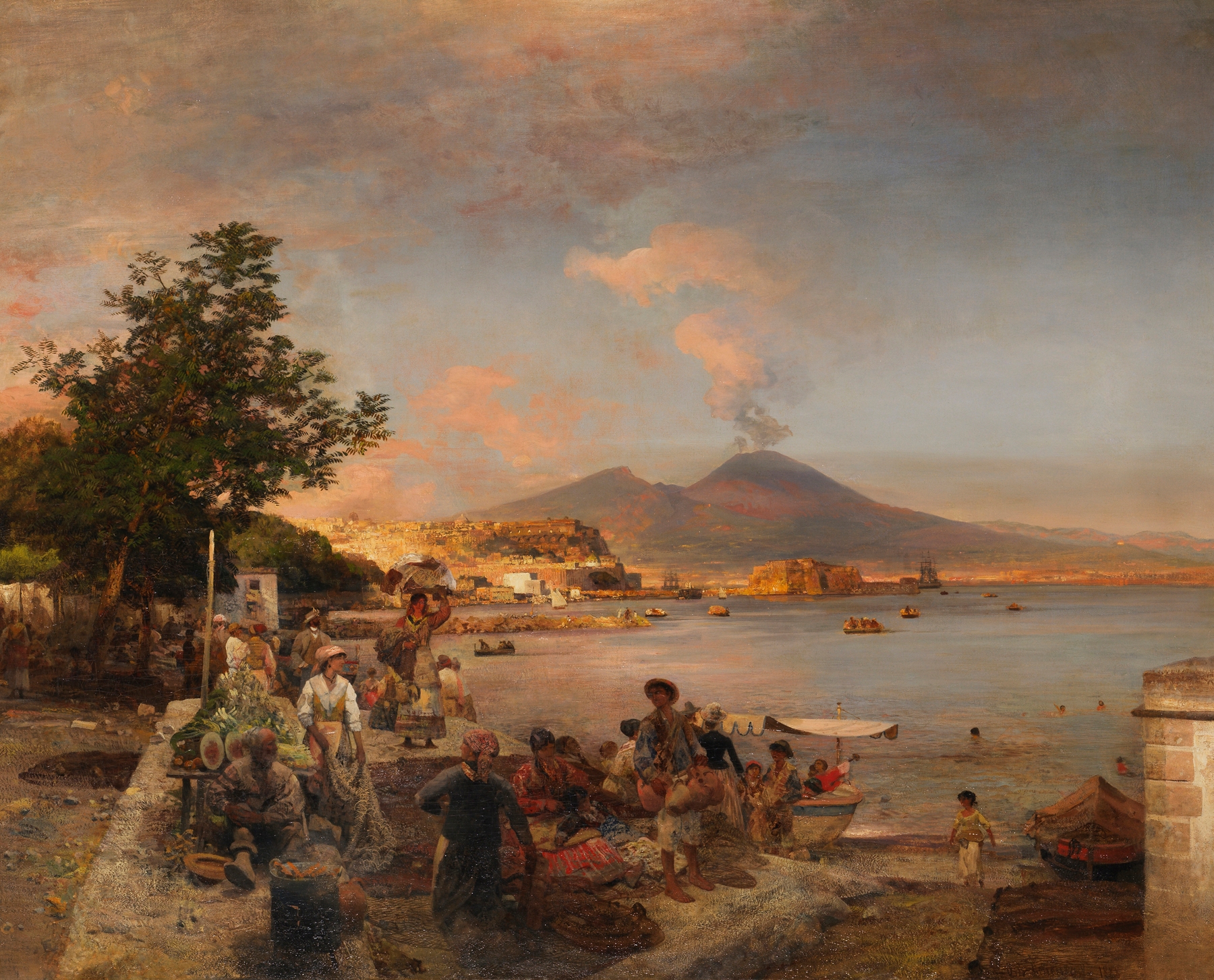
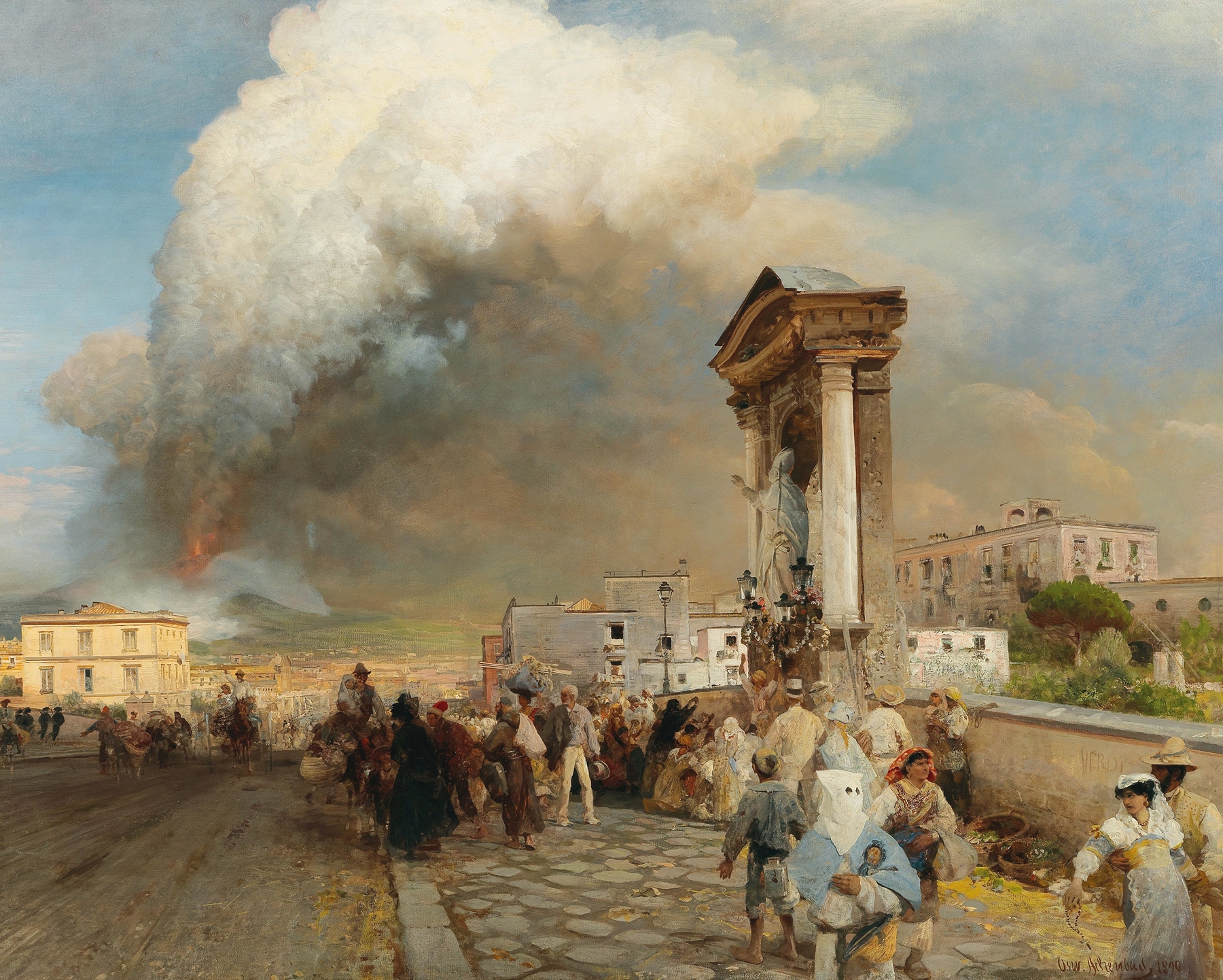
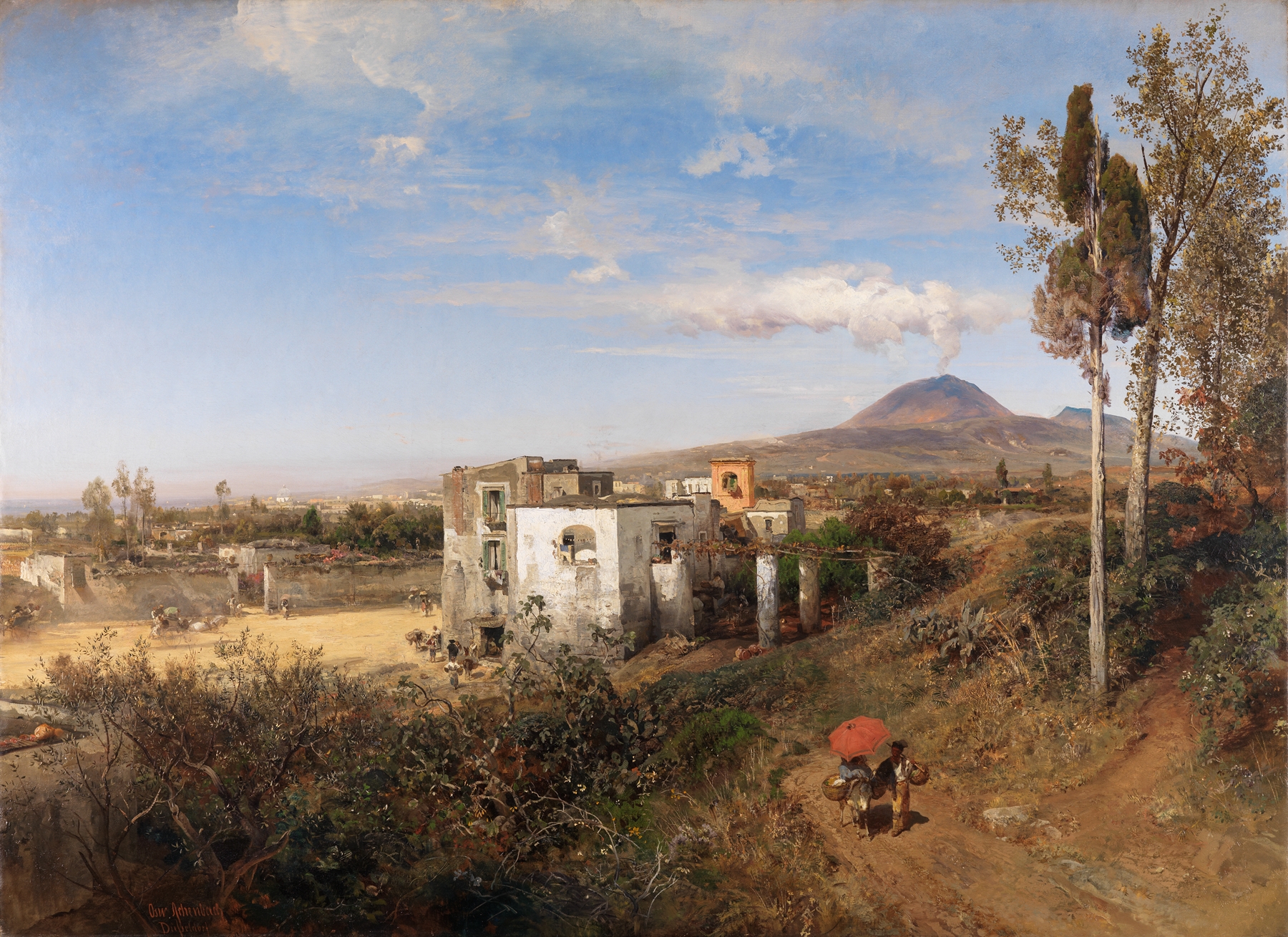
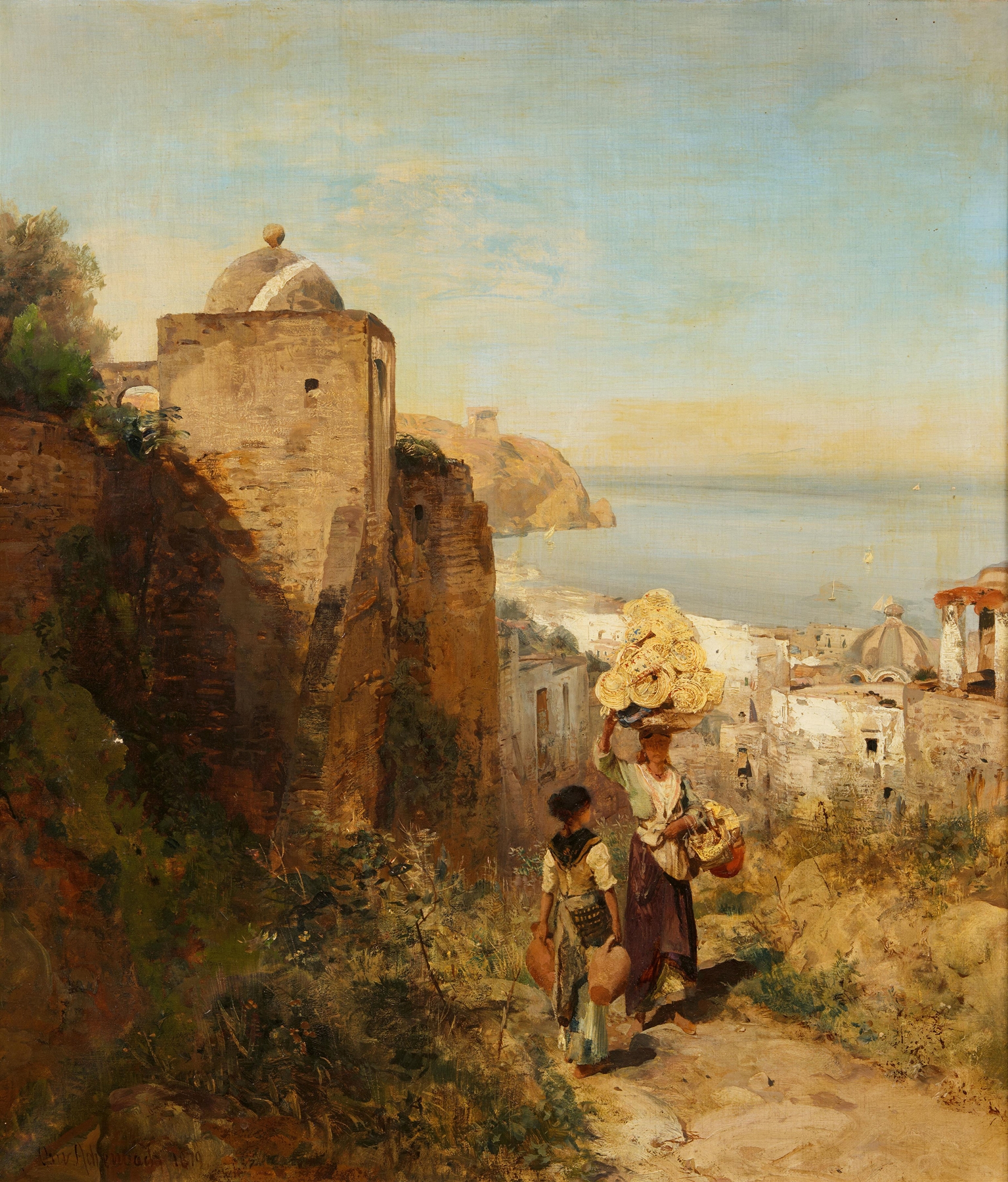
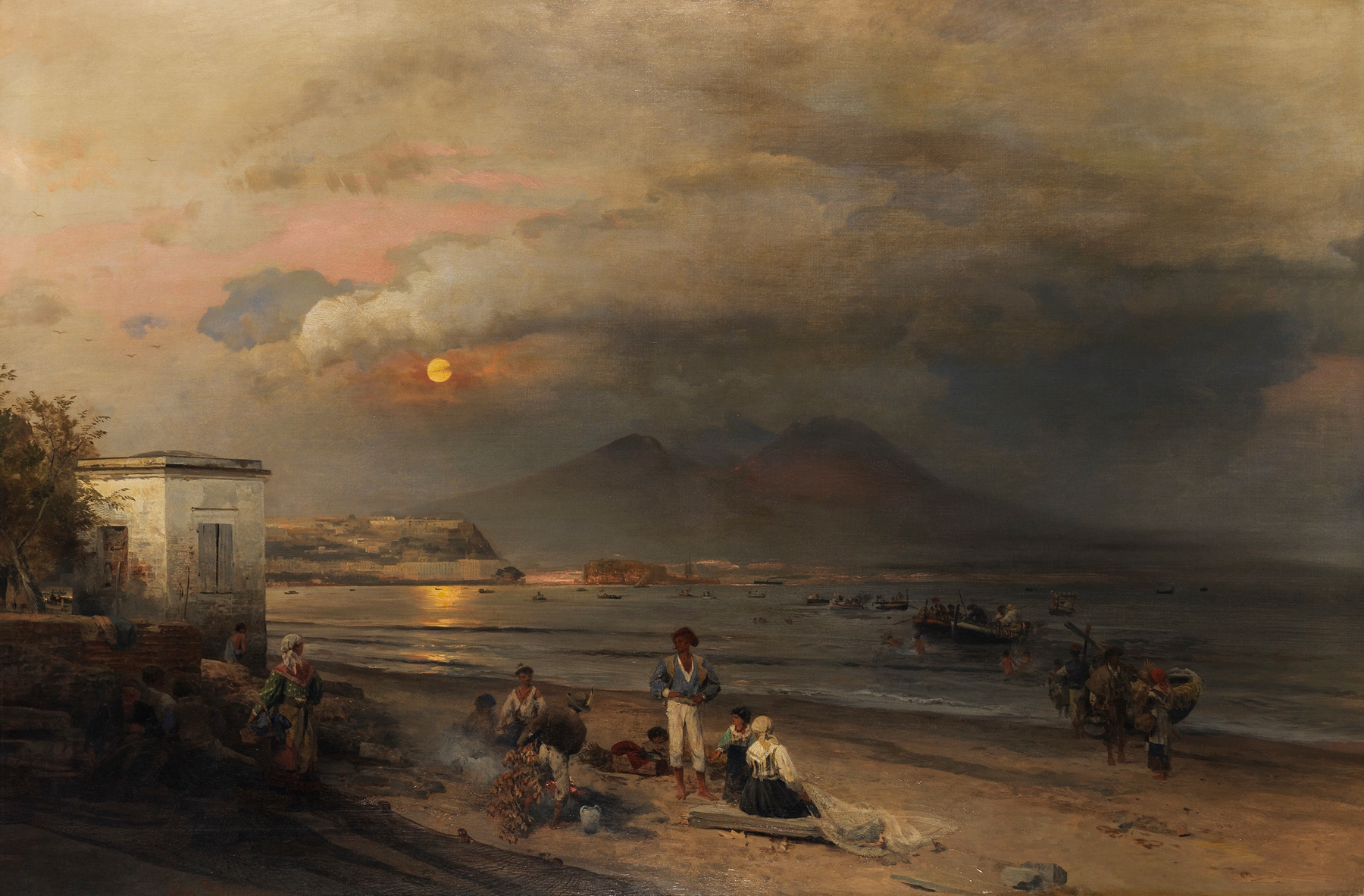
When did color learn to lie? In the vibrant hues of blue and gold, emptiness finds its voice, whispering the secrets of the sea and sky. Look to the horizon, where the sun meets the shimmering waves, its golden light casting delicate reflections on the water's surface. Gaze at the bold strokes that form the distant coast of Naples, the cliffs rising dramatically against a backdrop of soft clouds. Notice how the artist’s palette dances between deep cerulean and warm ochre, creating a sense of depth that draws the eye across the canvas.
The juxtaposition of tranquil water and rugged land evokes a delicate balance between beauty and desolation. Yet, beneath the surface, a tension brews. The vastness of the sea envelops the land, suggesting both liberation and isolation, while the brilliance of the sunlight contrasts sharply with the shadows lurking in the corners of the composition. Despite the vibrant colors, an unsettling emptiness prevails, hinting at the solitude that often accompanies such picturesque scenery.
This dichotomy invites the viewer to ponder the duality of existence — beauty intertwined with loneliness. During the time The Gulf of Naples was painted, Achenbach was deeply engaged in his exploration of landscape, capturing natural beauty with a fresh perspective. Working in the mid-19th century, he was influenced by Romanticism and the burgeoning plein air movement, which celebrated the immediacy of nature. As he stood before the Mediterranean, the artist reflected the period's fascination with light and color, creating a work that resonates with the duality of captivating scenery and poignant isolation.