Ländliches Fest am Ufer der Bucht von Neapel — History & Analysis
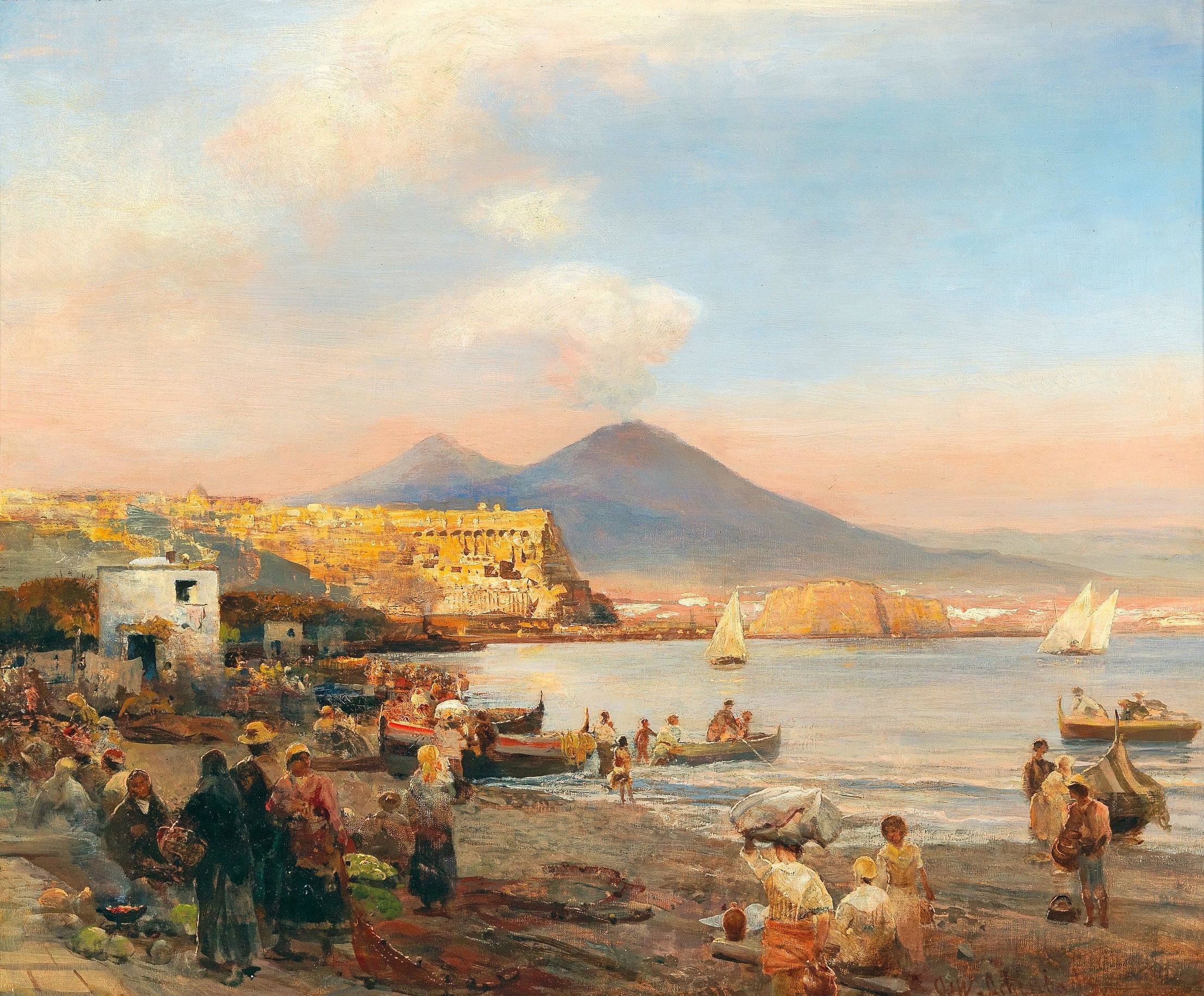
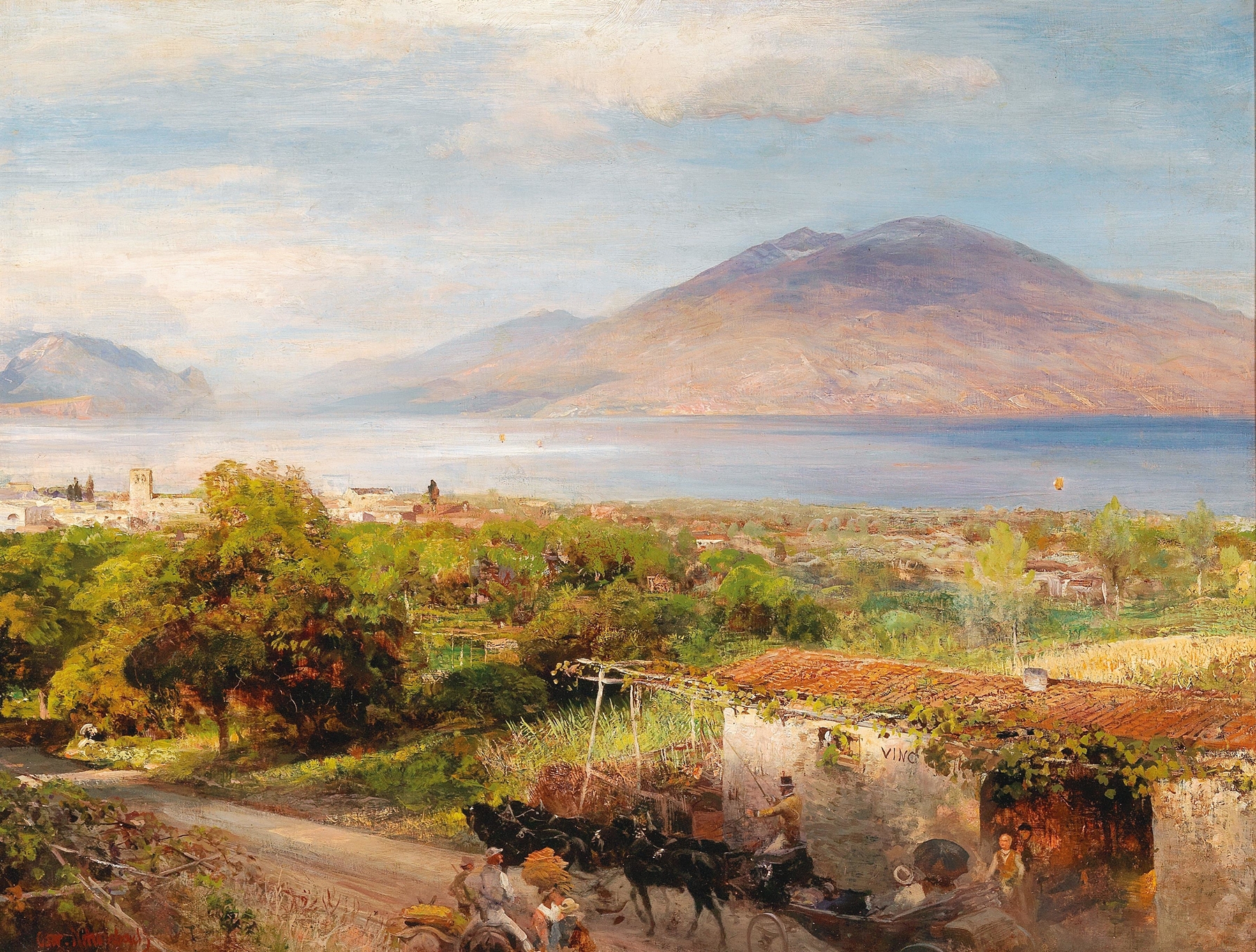
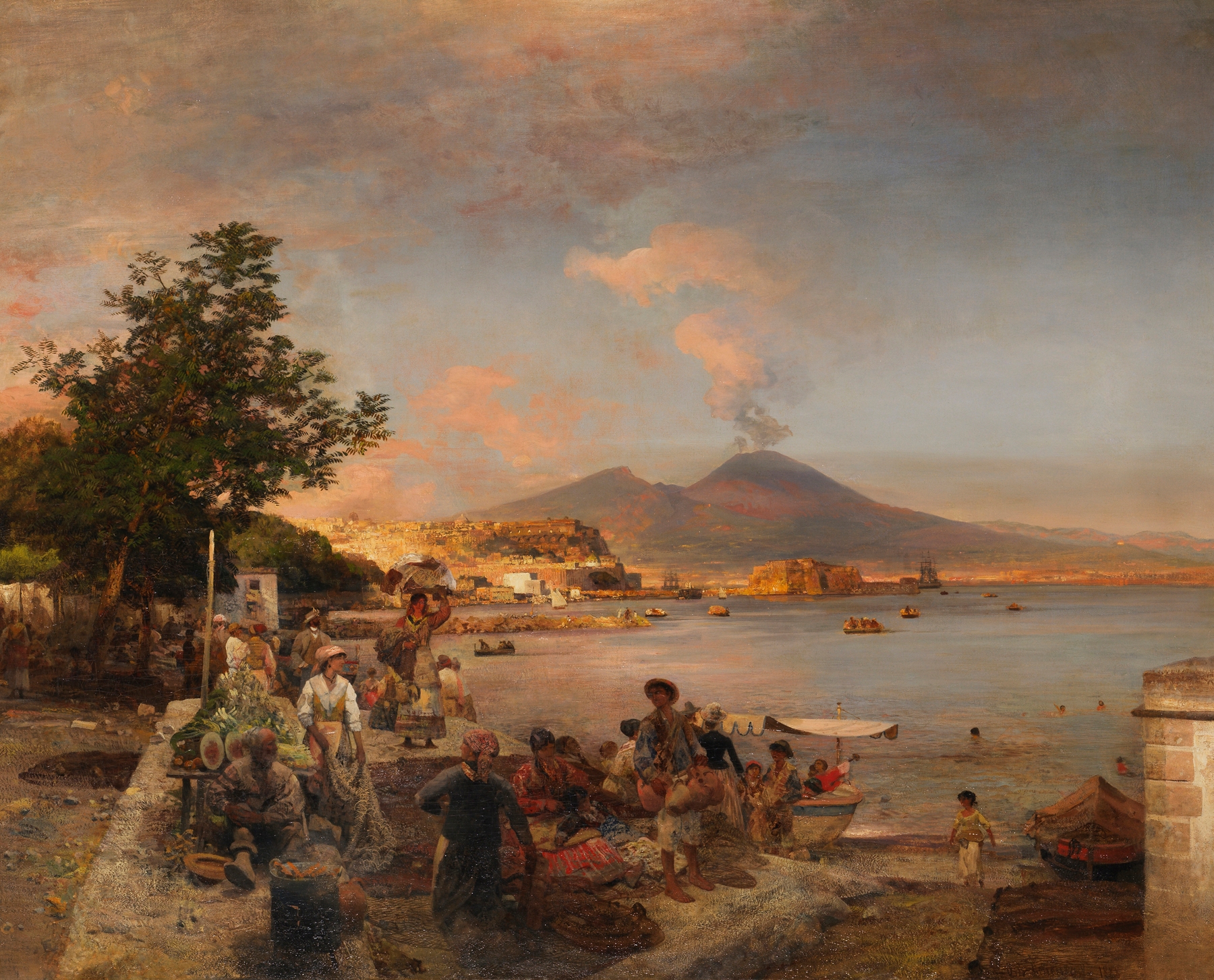
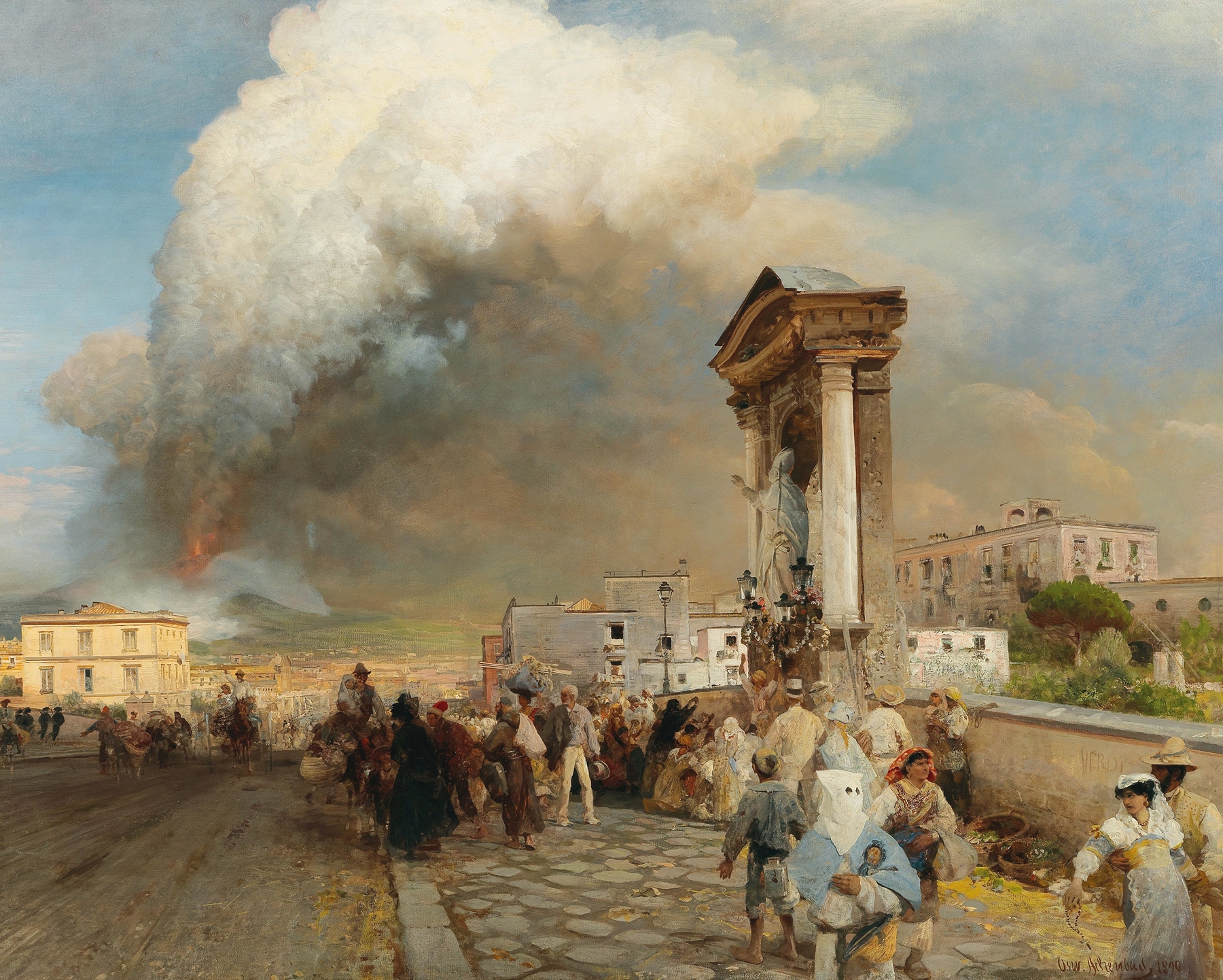
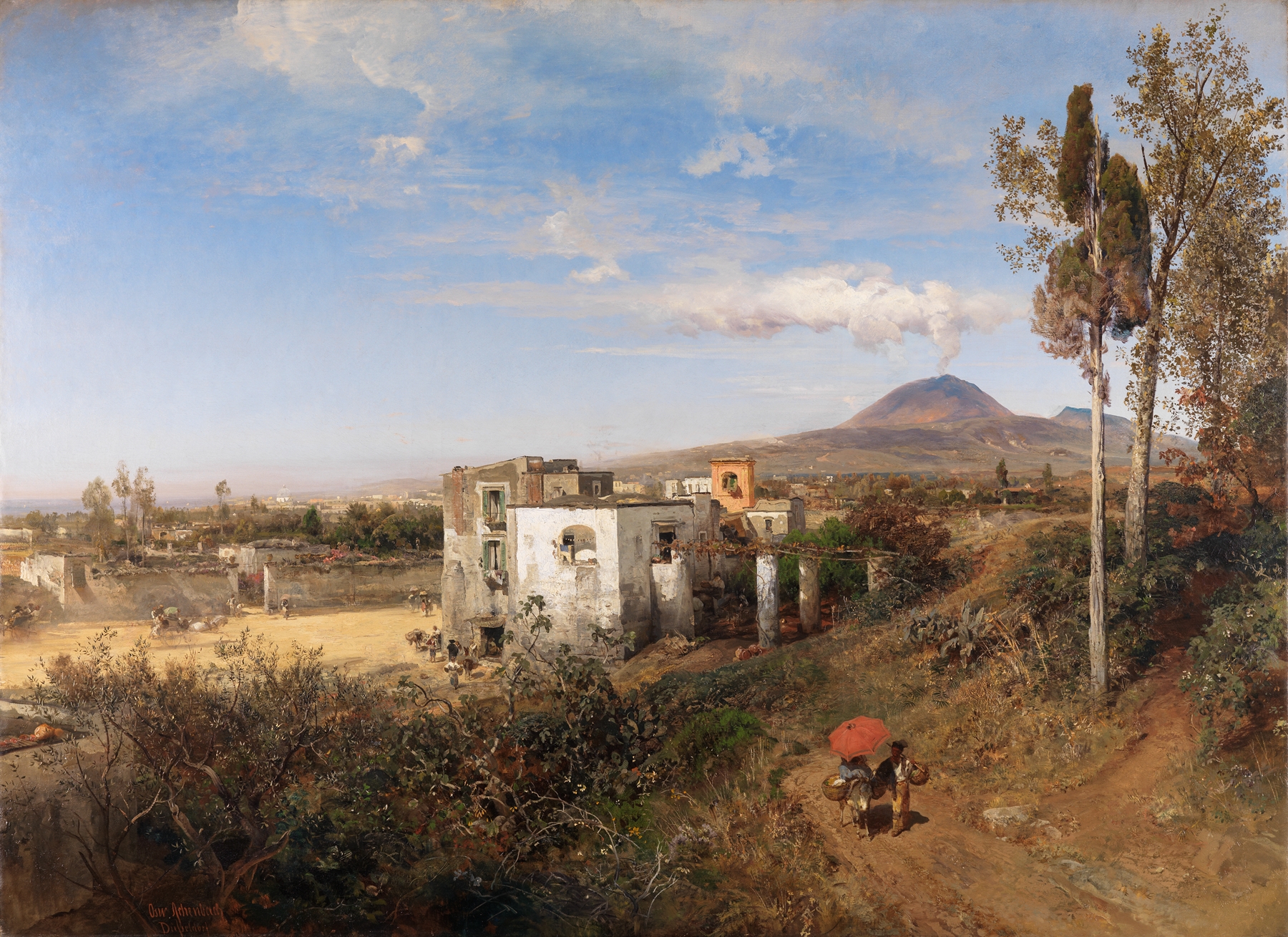
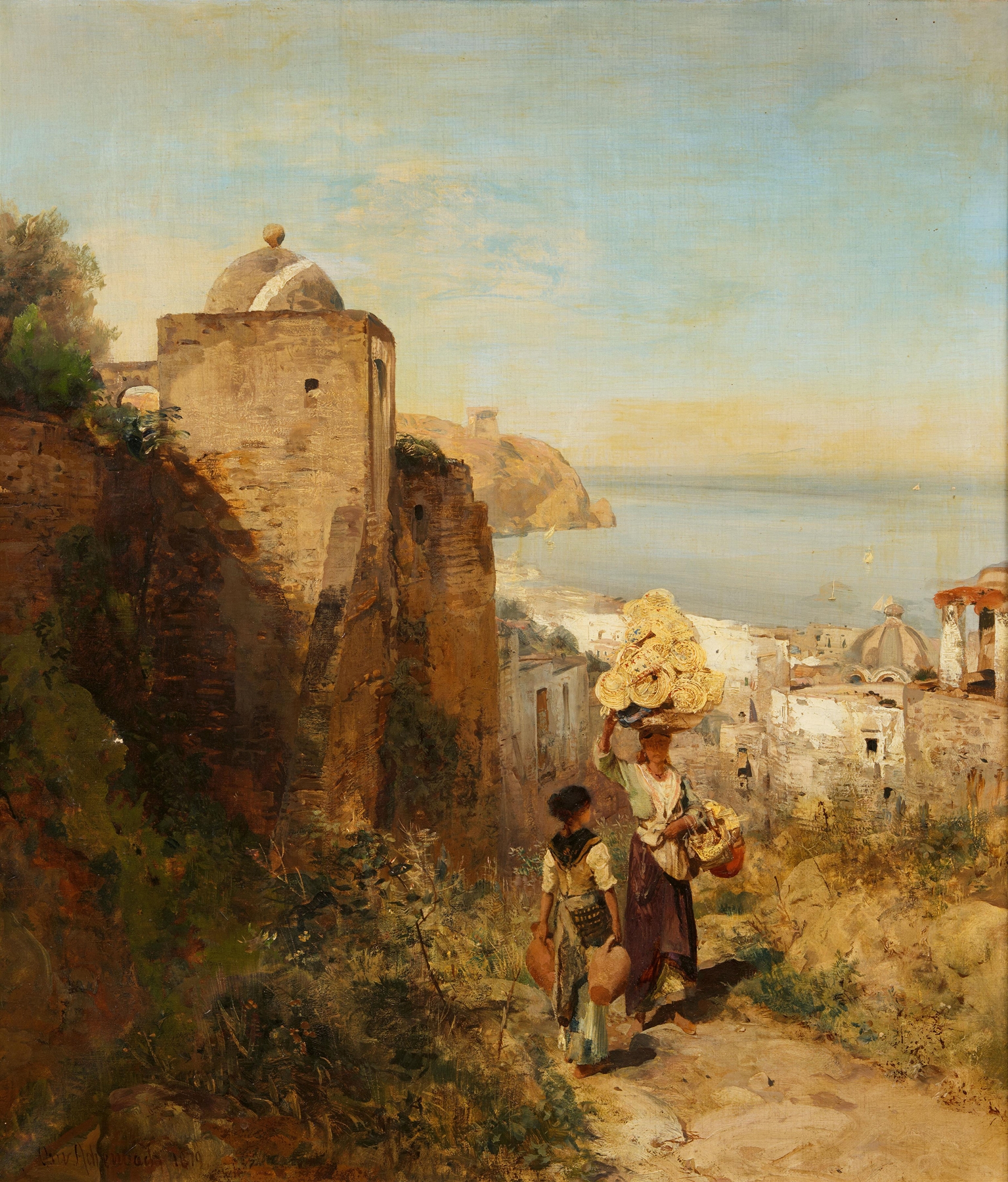
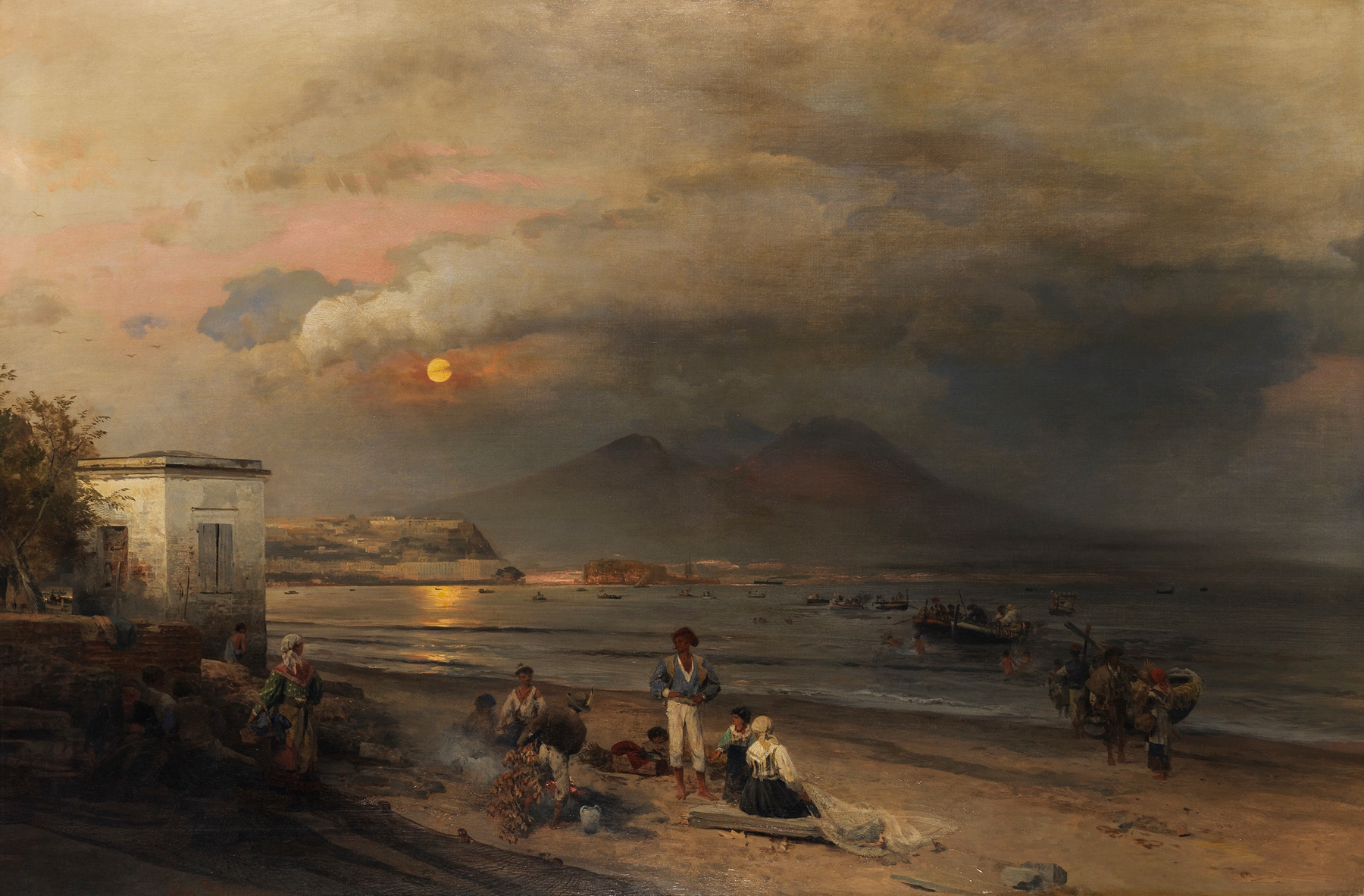
“Every silence here is a confession.” In the realm of color, we often discover the whispers of emotion, revealing secrets that words cannot convey. Look to the left, where soft hues of blue and green merge seamlessly in the bay, inviting you to dwell in the tranquil waters of Naples. The artist masterfully employs a warm palette, inviting sun-drenched yellows and oranges that dance across the canvas, creating a harmonious interplay with cooler tones. Notice how the figures, adorned in lively attire, seem to pulse with life, their gestures frozen yet alive, as if caught in a moment of shared joy.
The composition draws your gaze toward a central gathering, where the essence of the festive spirit unfolds beneath gentle strokes. The contrasts are striking: the vibrancy of human activity juxtaposed with the serene backdrop of nature. Here, the lively celebration is enveloped by the tranquil bay, symbolizing the delicate balance between festivity and nature's calm. Each character embodies a facet of the collective experience, their faces reflecting stories of connection, while the shadows lurking at the periphery suggest untold narratives of solitude.
In 1891, Oswald Achenbach painted this scene during a period when he was deeply influenced by the interplay of light and landscape. Living in Düsseldorf, at the heart of the Romantic movement, he sought to capture the beauty of the Italian countryside, intertwining personal emotion with the idyllic charm of rural life. This work encapsulates his mastery of color and light, marking a significant point in his artistic evolution as he embraced the vibrancy and warmth of the southern landscape.