The Halt Of Horsemen On The Beach — History & Analysis
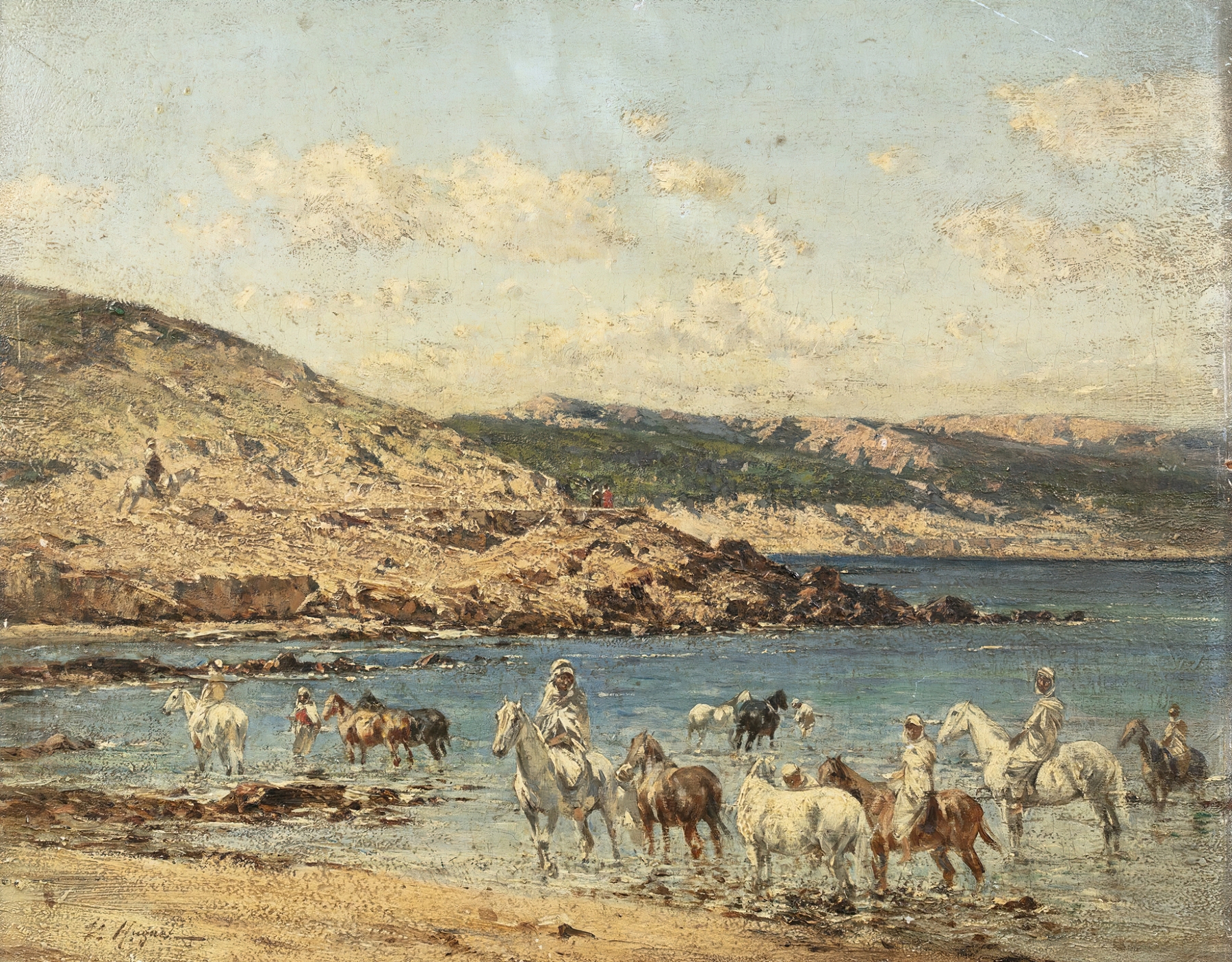
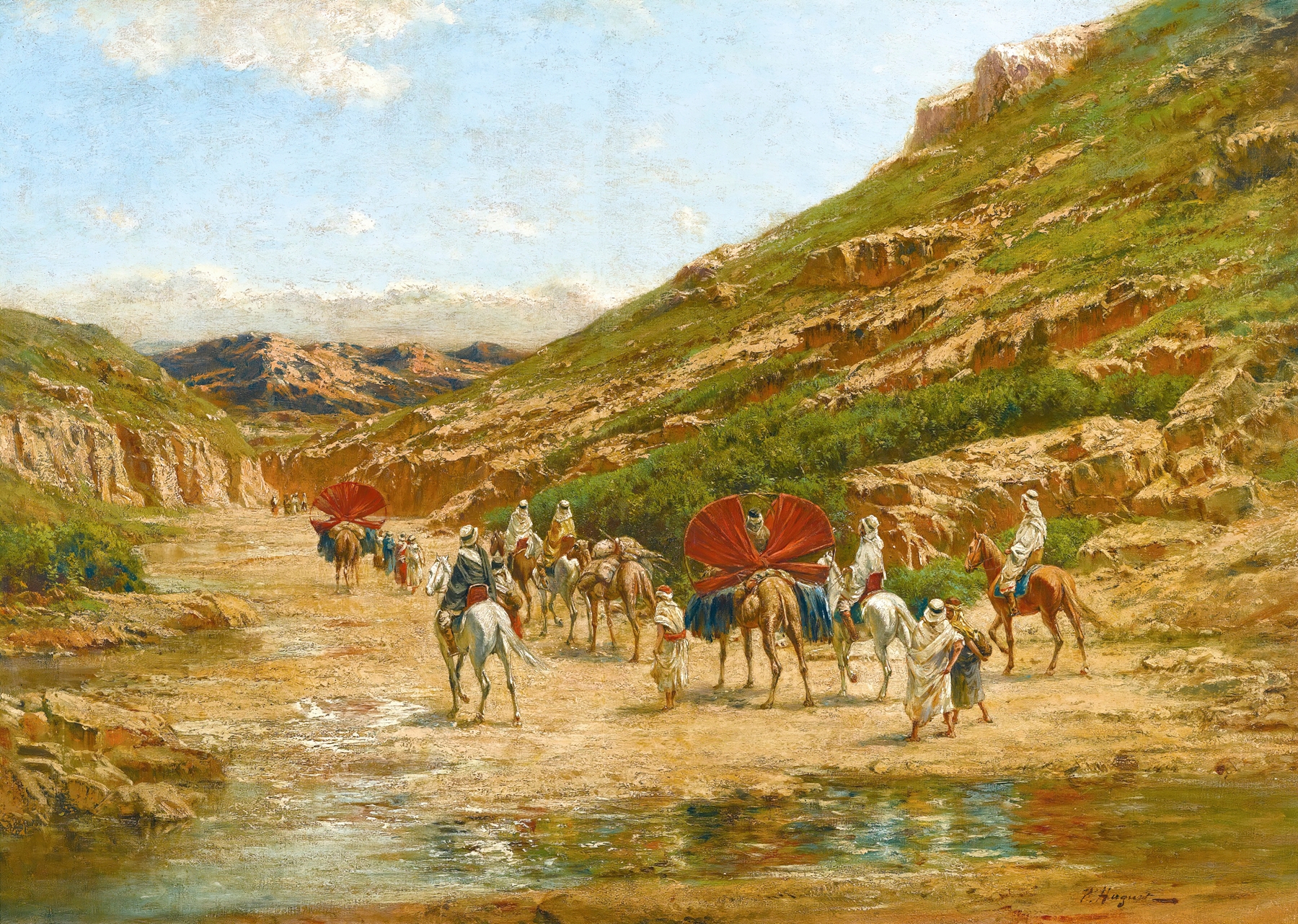
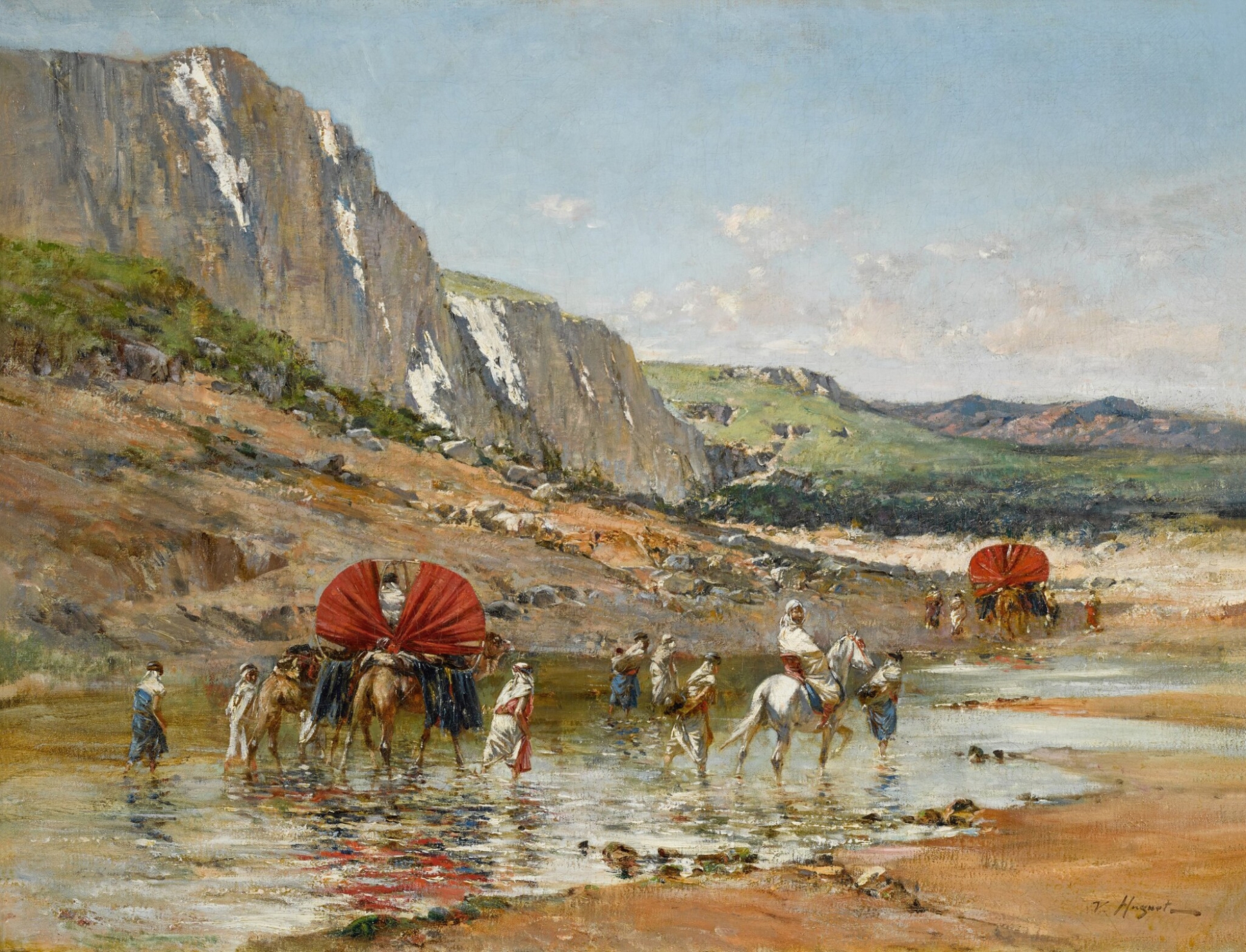
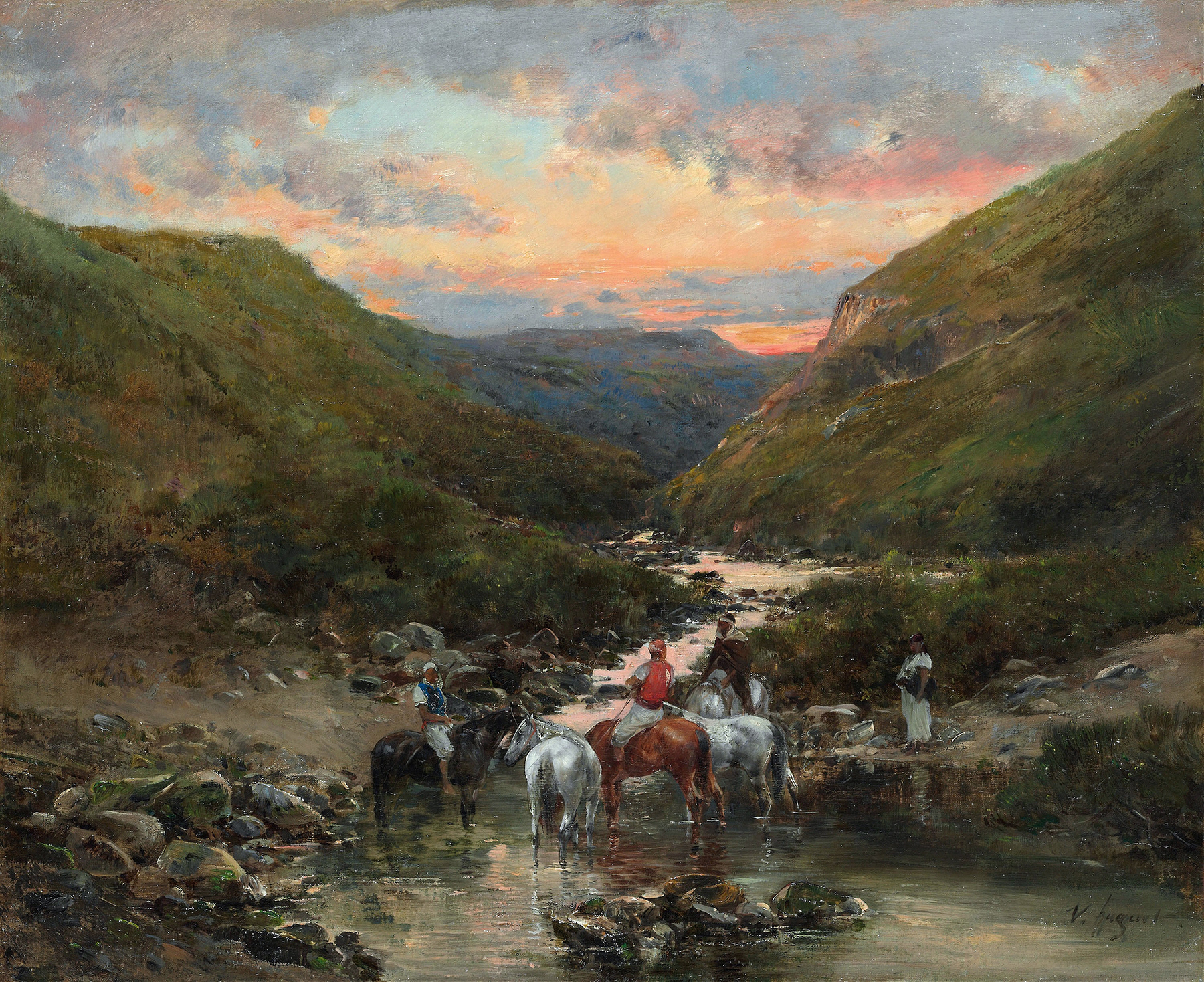
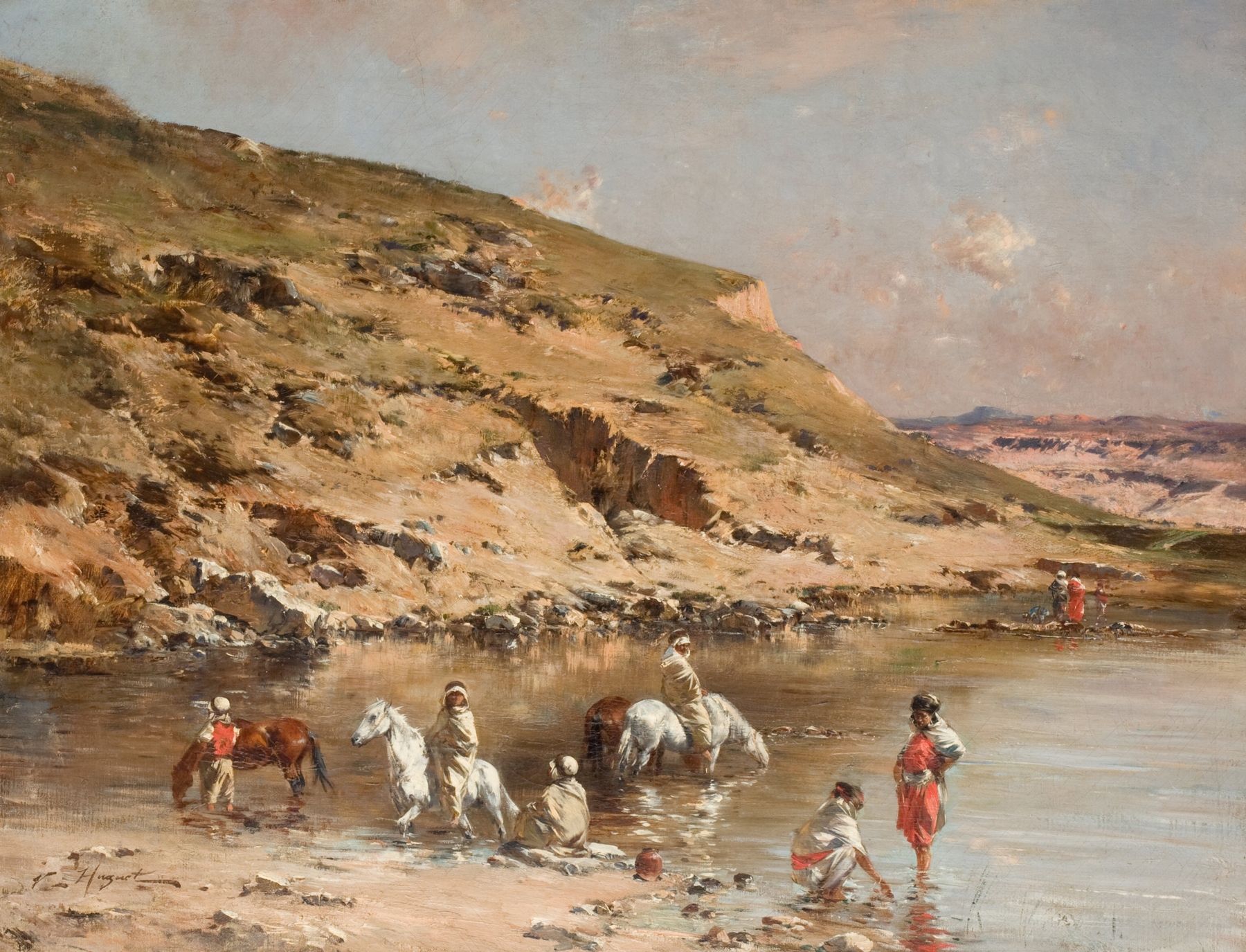
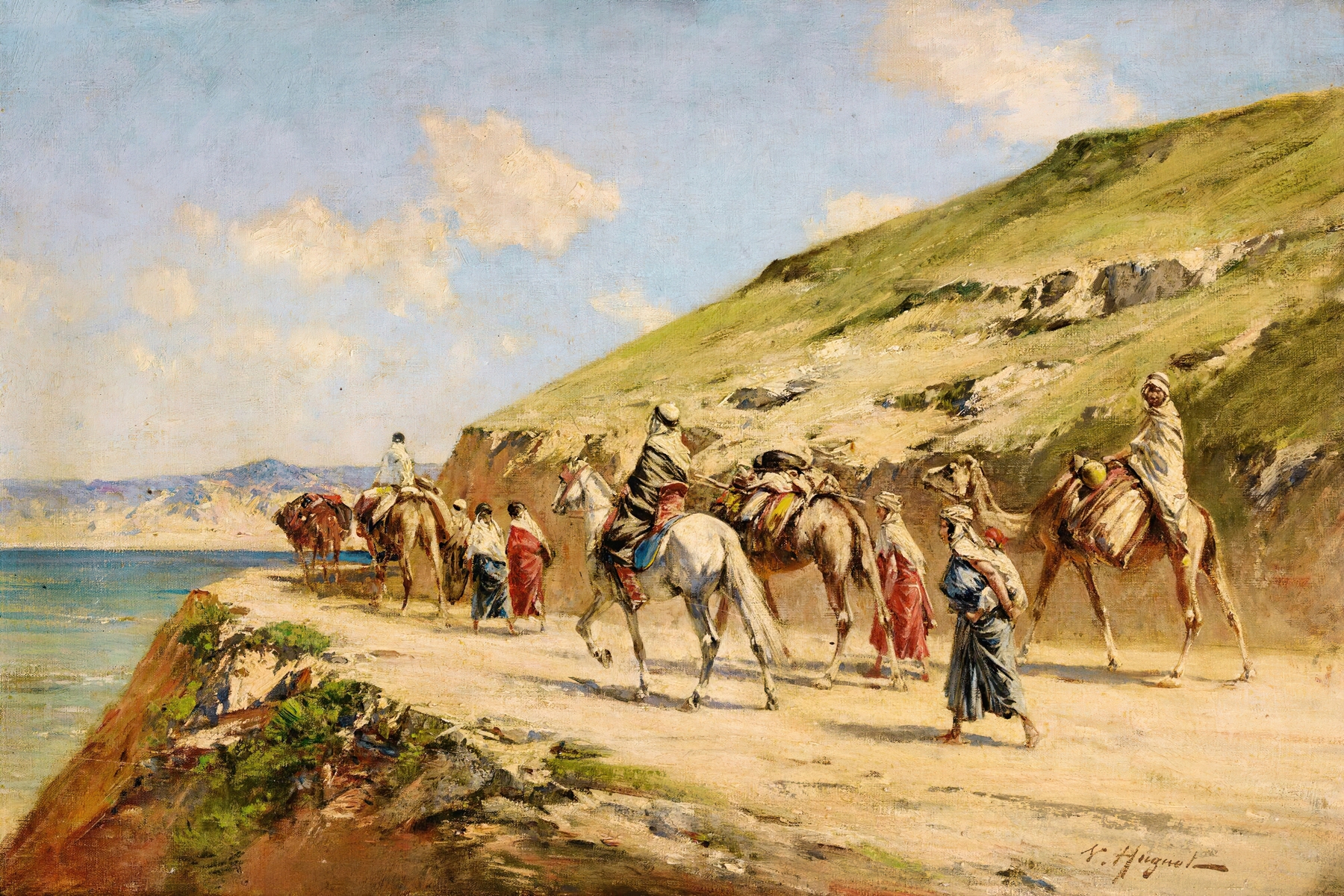
Can beauty exist without sorrow? The Halt Of Horsemen On The Beach whispers of both splendor and melancholy, inviting us to ponder the delicate balance between transcendence and the weight of existence. Look to the center of the canvas, where two horsemen stand poised on the shore, their silhouettes stark against the backdrop of a tumultuous sky. The waves crash at their feet, capturing not merely a moment but a feeling, as the swirling clouds seem to echo the conflict within. Notice how the light dances across the water, reflecting a palette of deep blues and grays that harmonizes with the earthiness of the riders’ attire.
Huguet’s brushwork is fluid yet deliberate, drawing the eye to the tension between the power of nature and the stillness of the figures. Dive deeper, and you’ll find a contrast that resonates beyond the picturesque. The horsemen, though majestic, appear almost solemn, encapsulated in a moment of hesitation. Their attire suggests nobility, yet their stillness hints at something unspoken—a pause before a journey, perhaps, or a reflection on the transitory nature of life.
Here, the interplay of light and shadow invokes a sense of longing, as if they teeter on the edge of both adventure and introspection, embodying the dualities of strength and vulnerability. Created during a prolific period in his life, the artist painted this piece in the late 19th century, a time when he was deeply immersed in capturing the beauty of landscapes and human forms. At that moment, Huguet was influenced by the naturalism movement, striving to depict not just the exterior beauty of his subjects but also the emotions imbued within them. This painting stands as a testament to his quest for capturing that ineffable connection between man, nature, and the depths of the human experience.