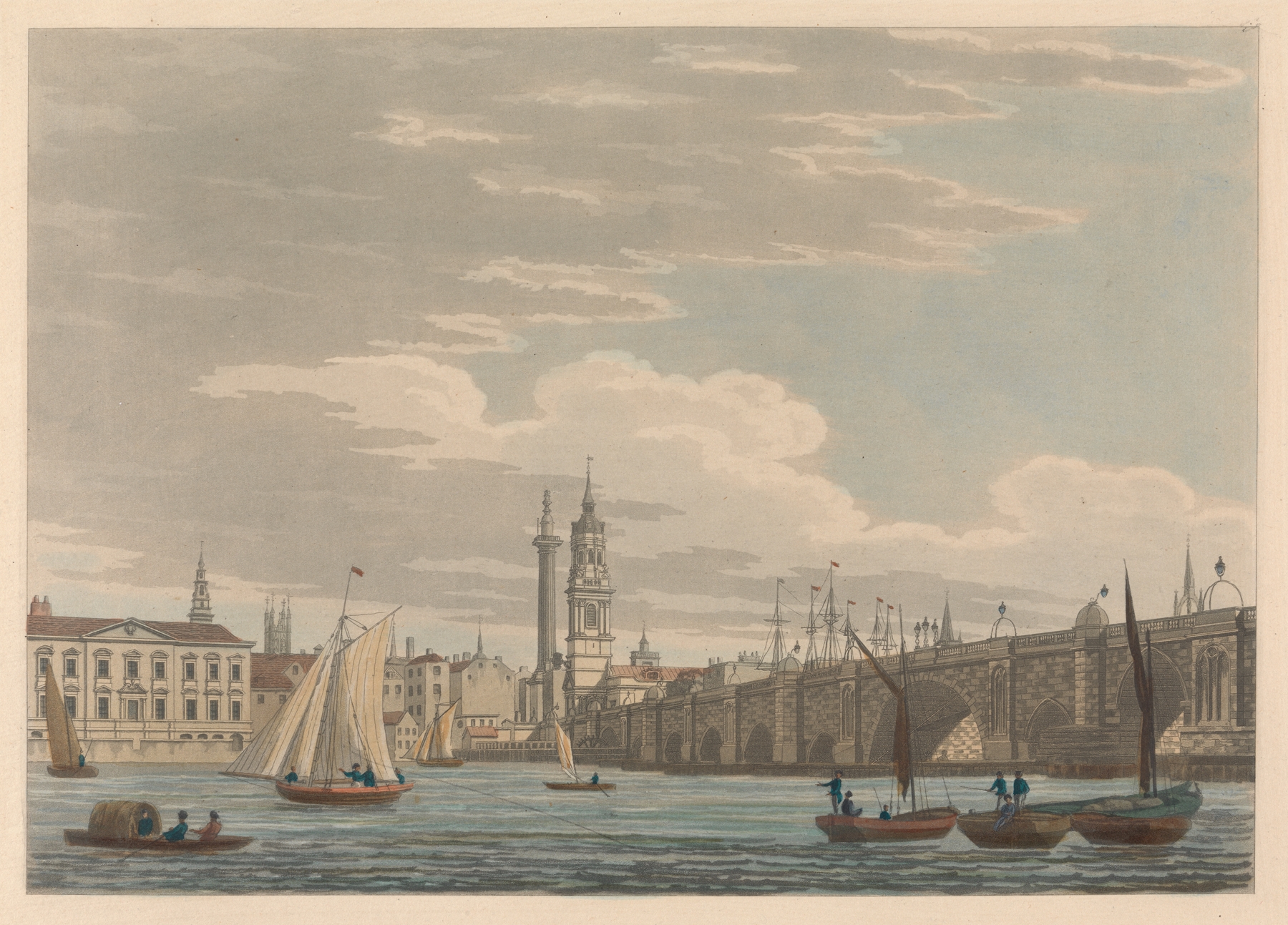
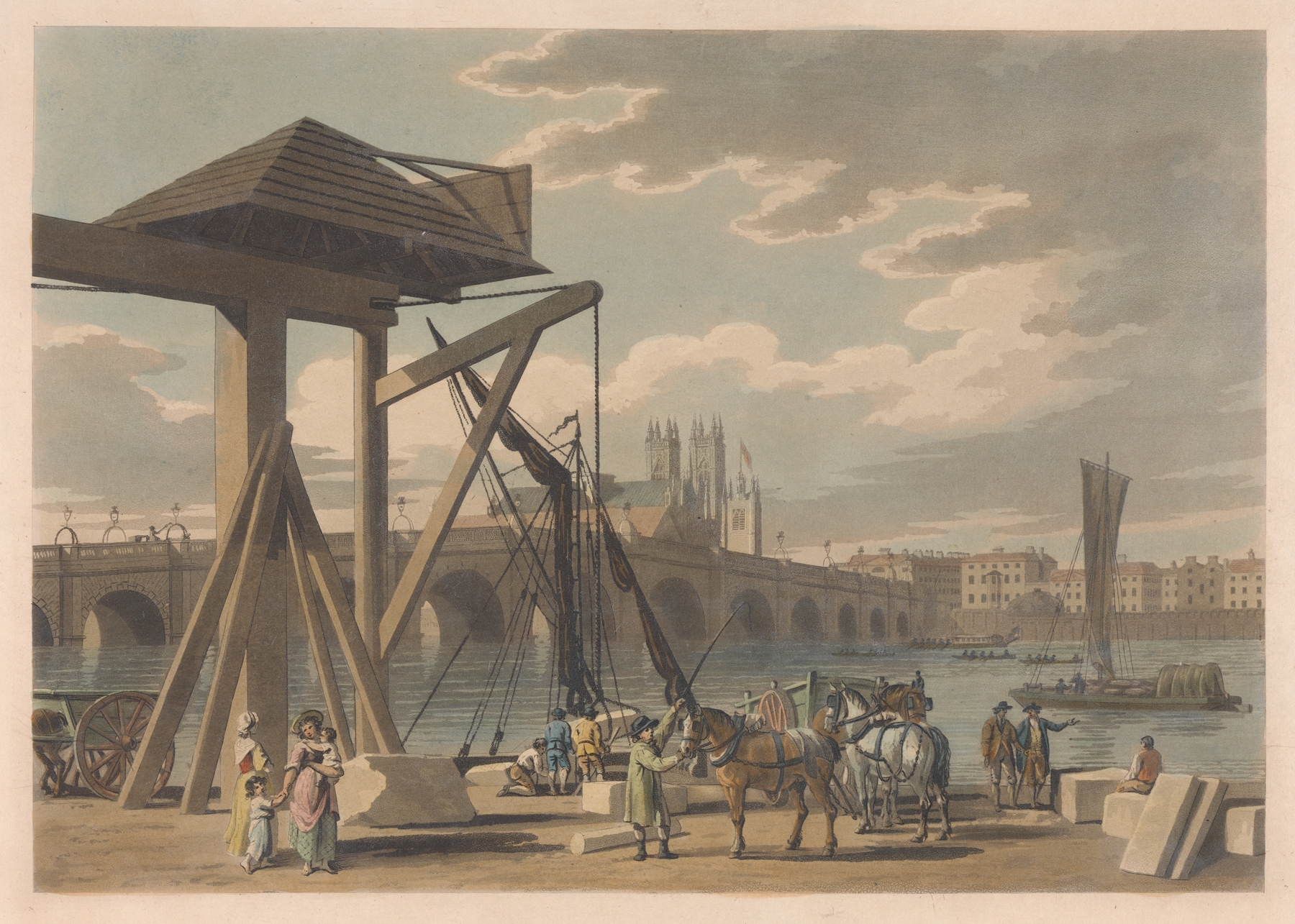
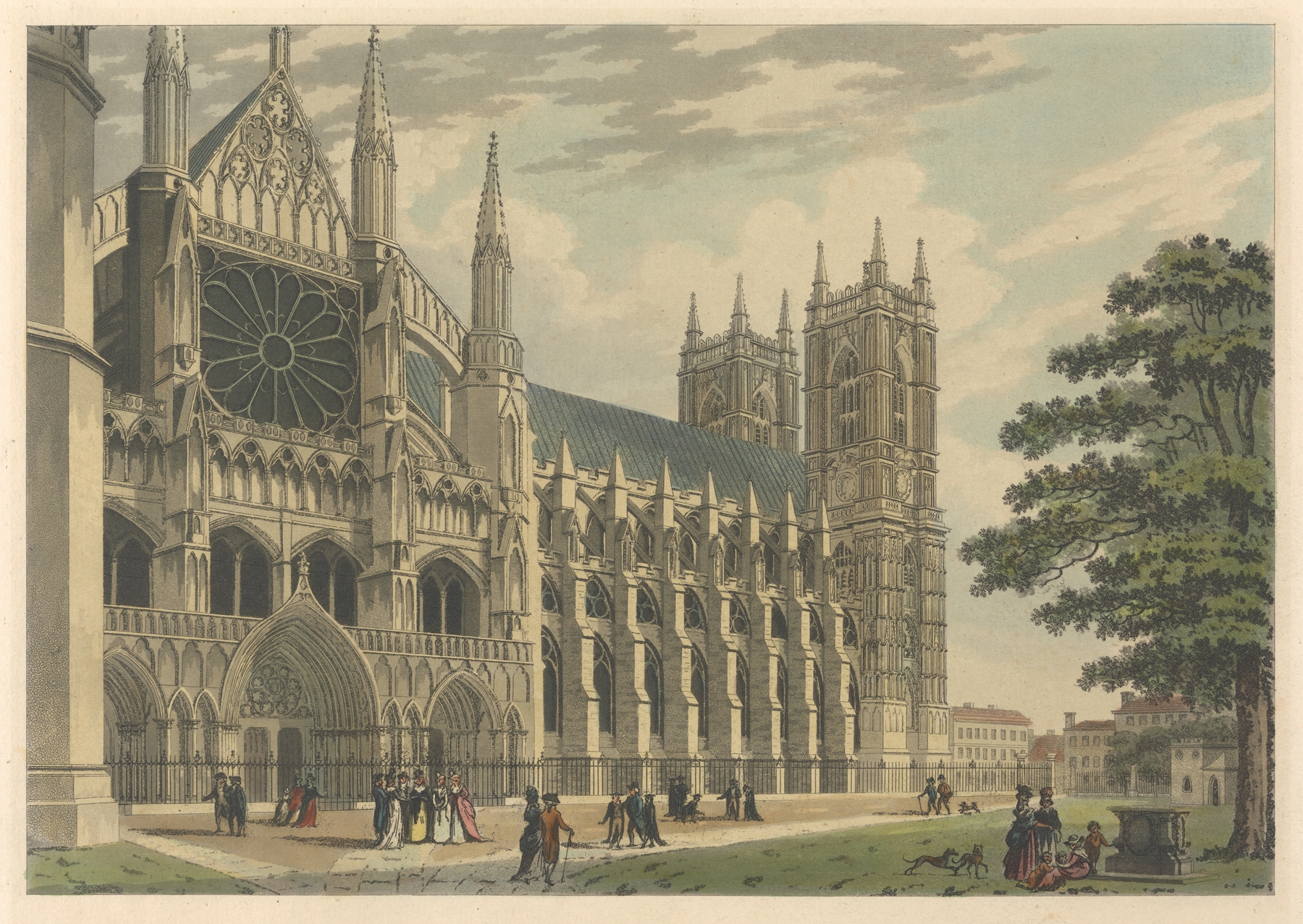
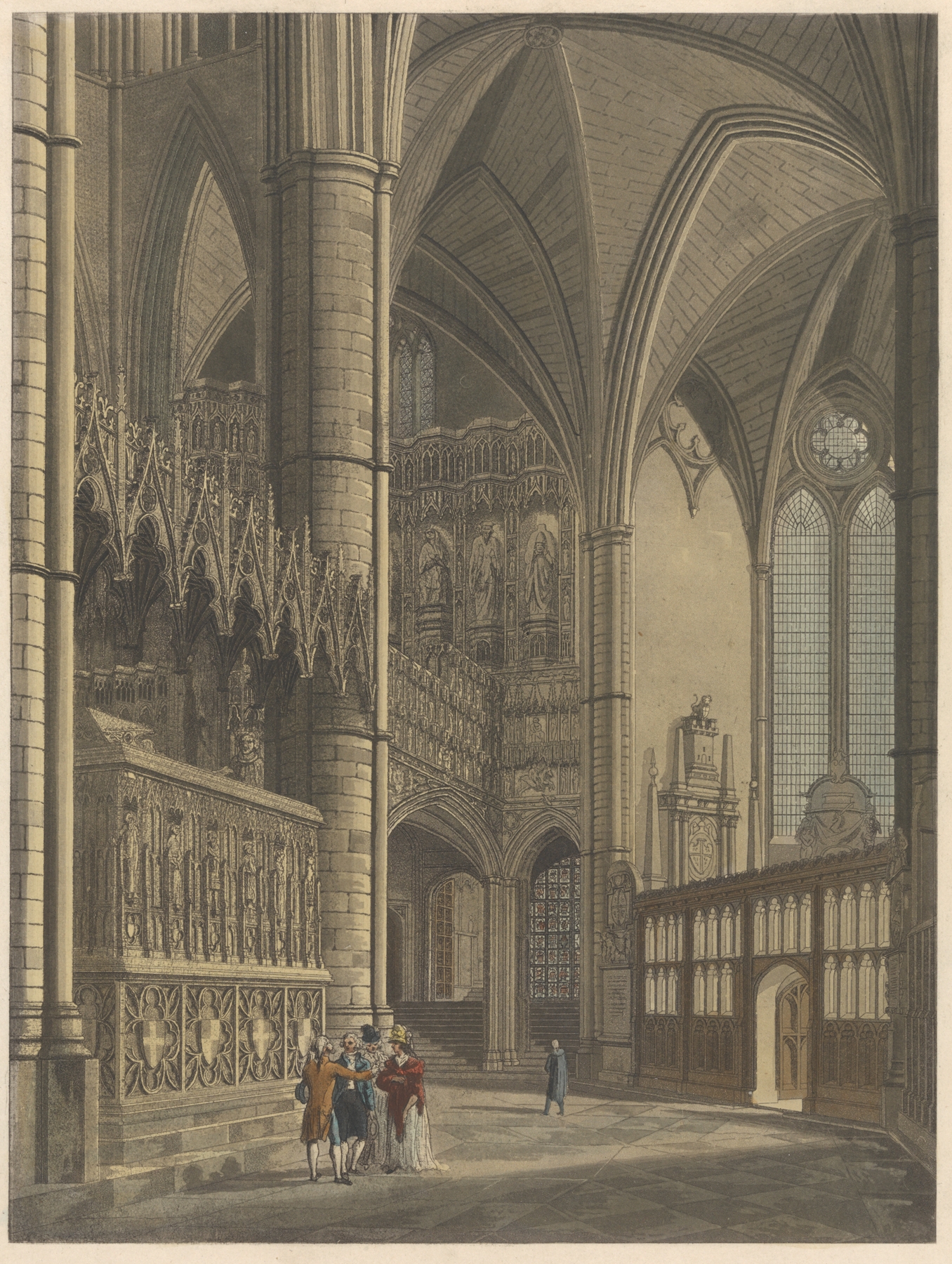
The Mews — History & Analysis
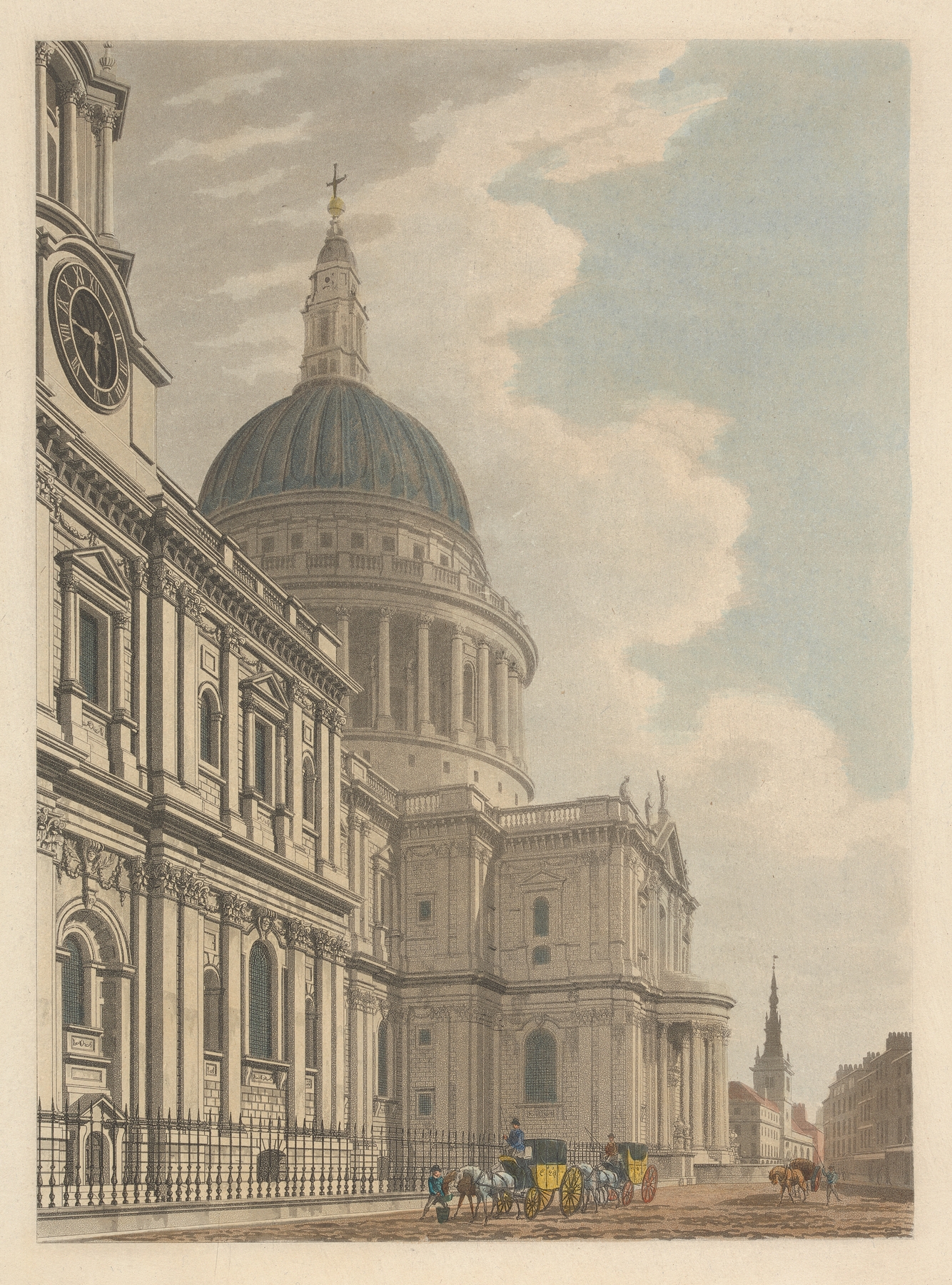
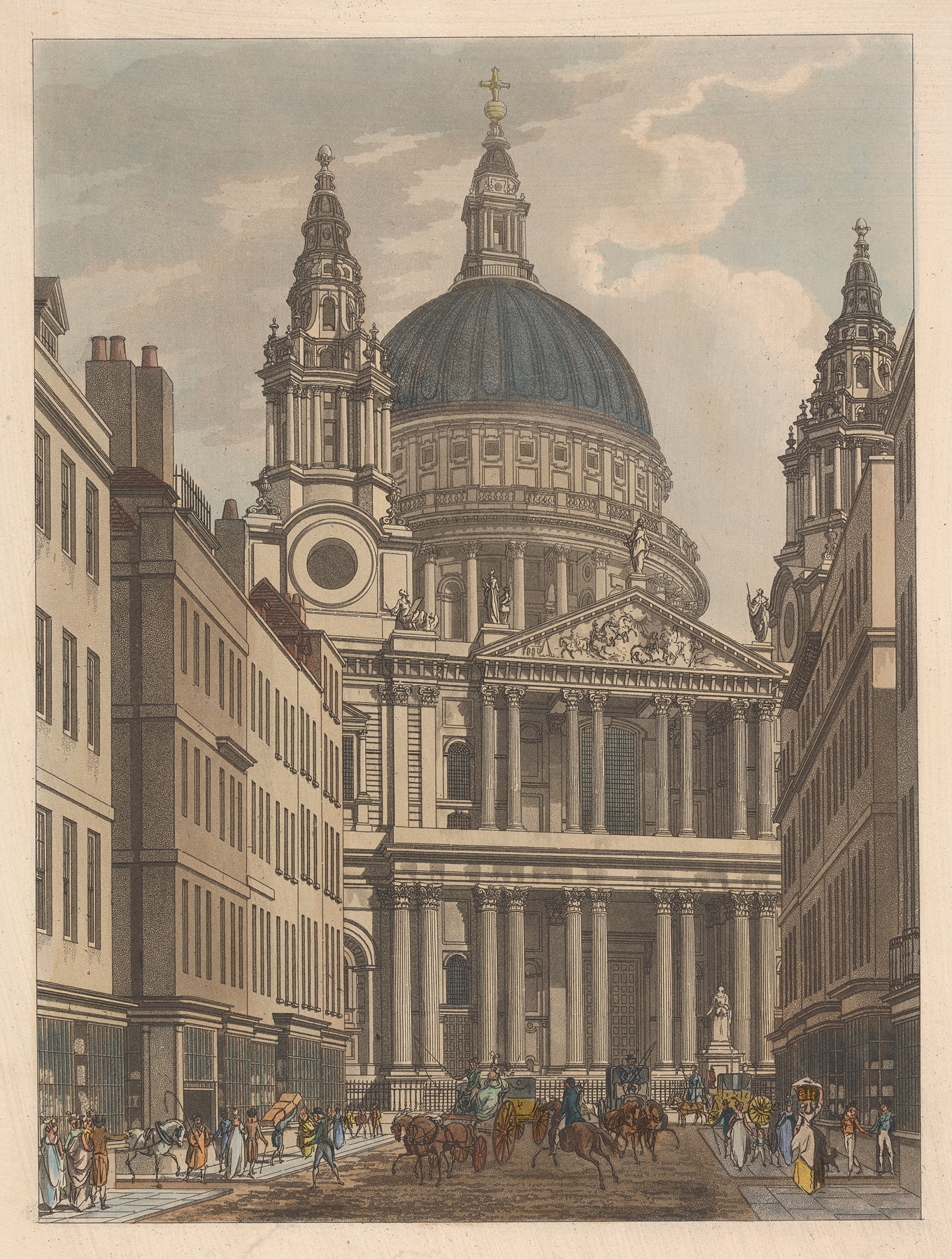
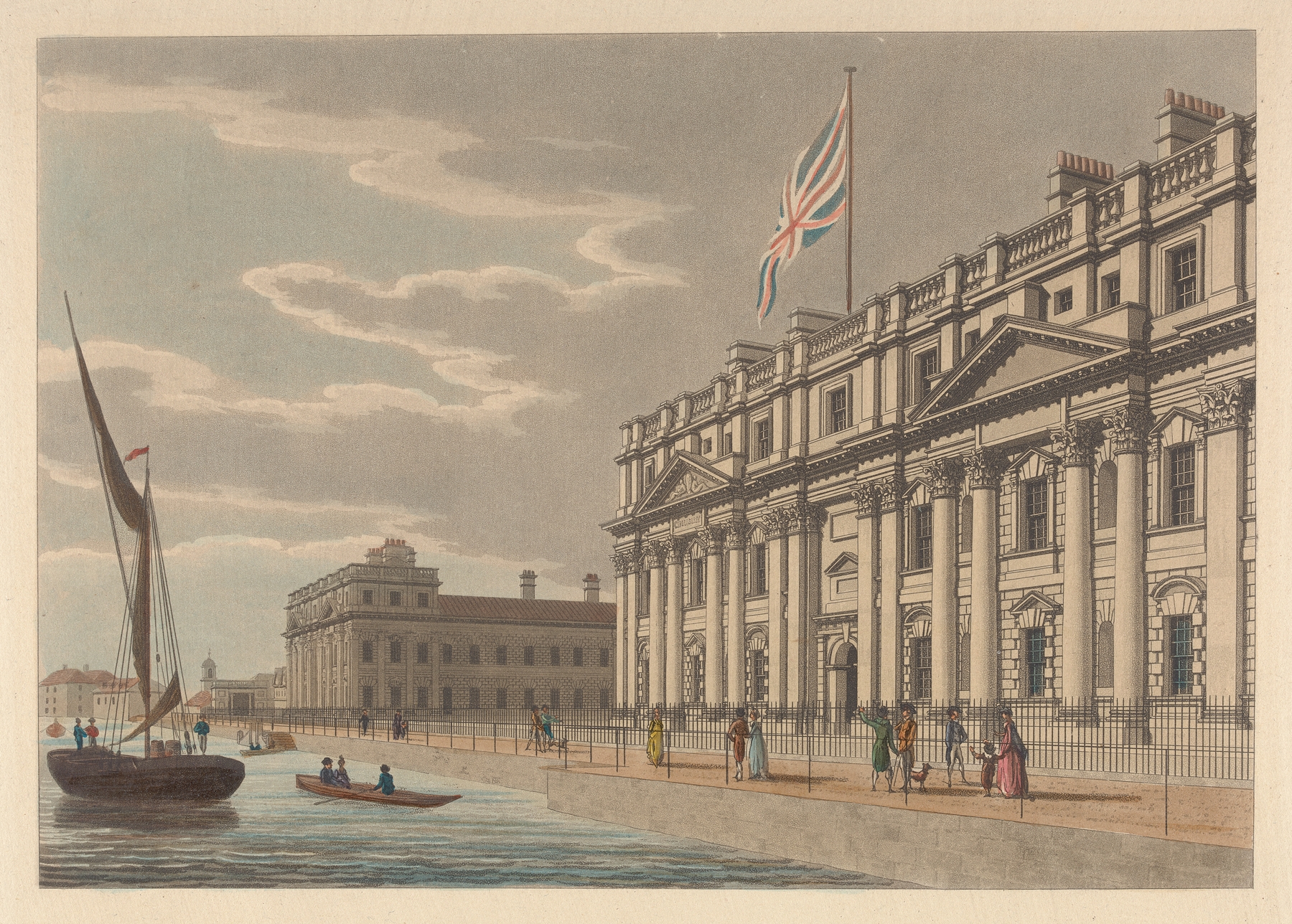
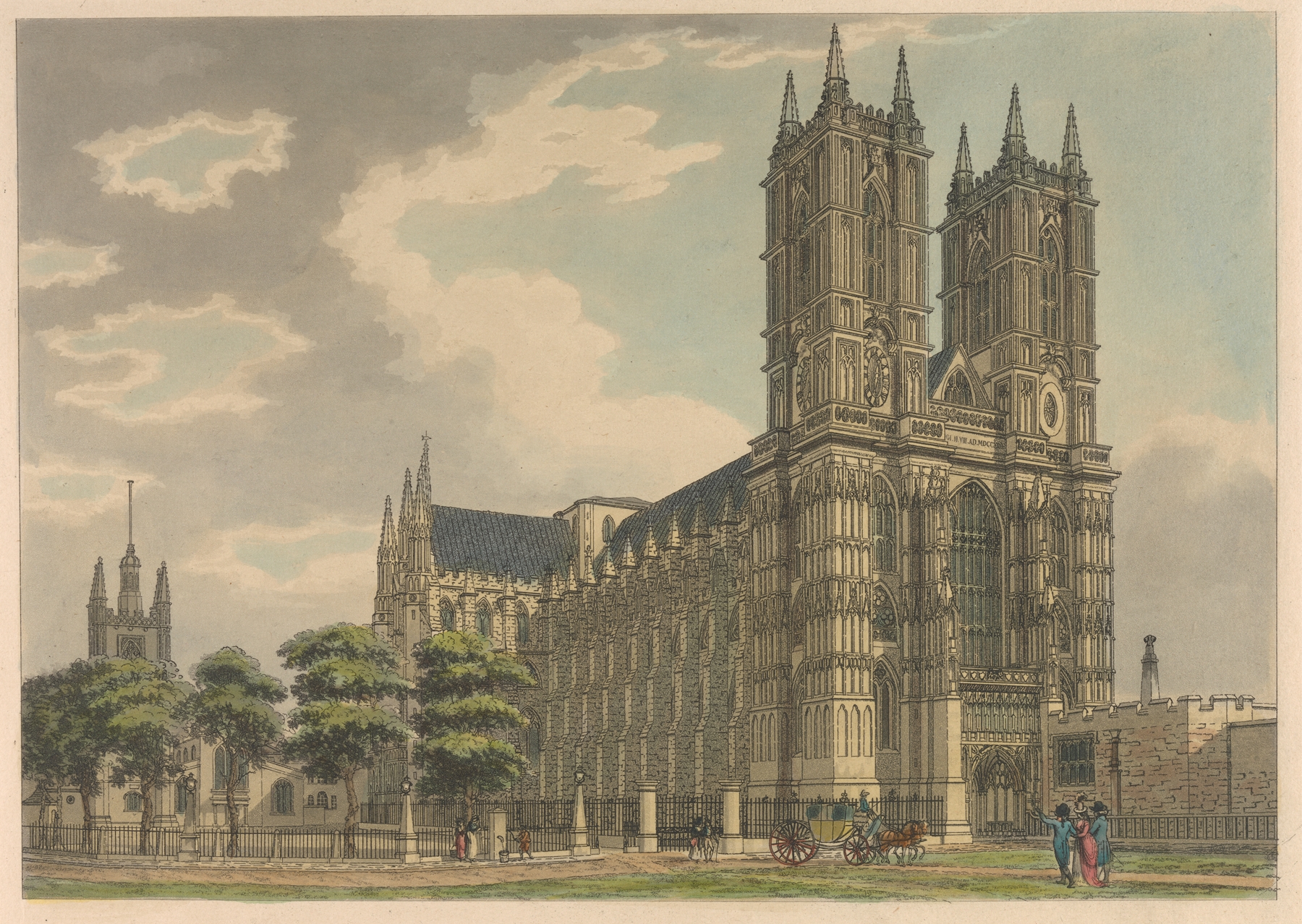
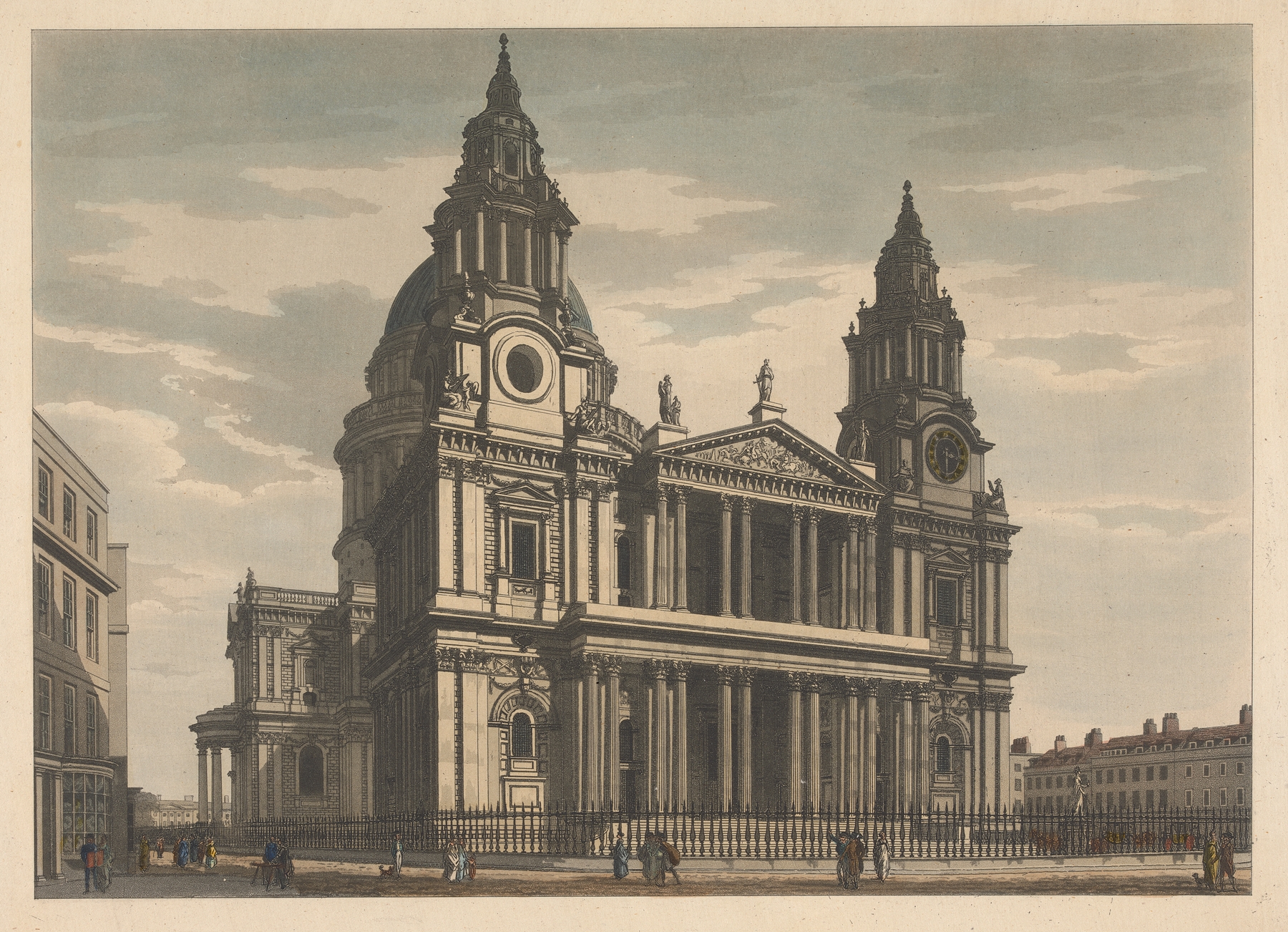
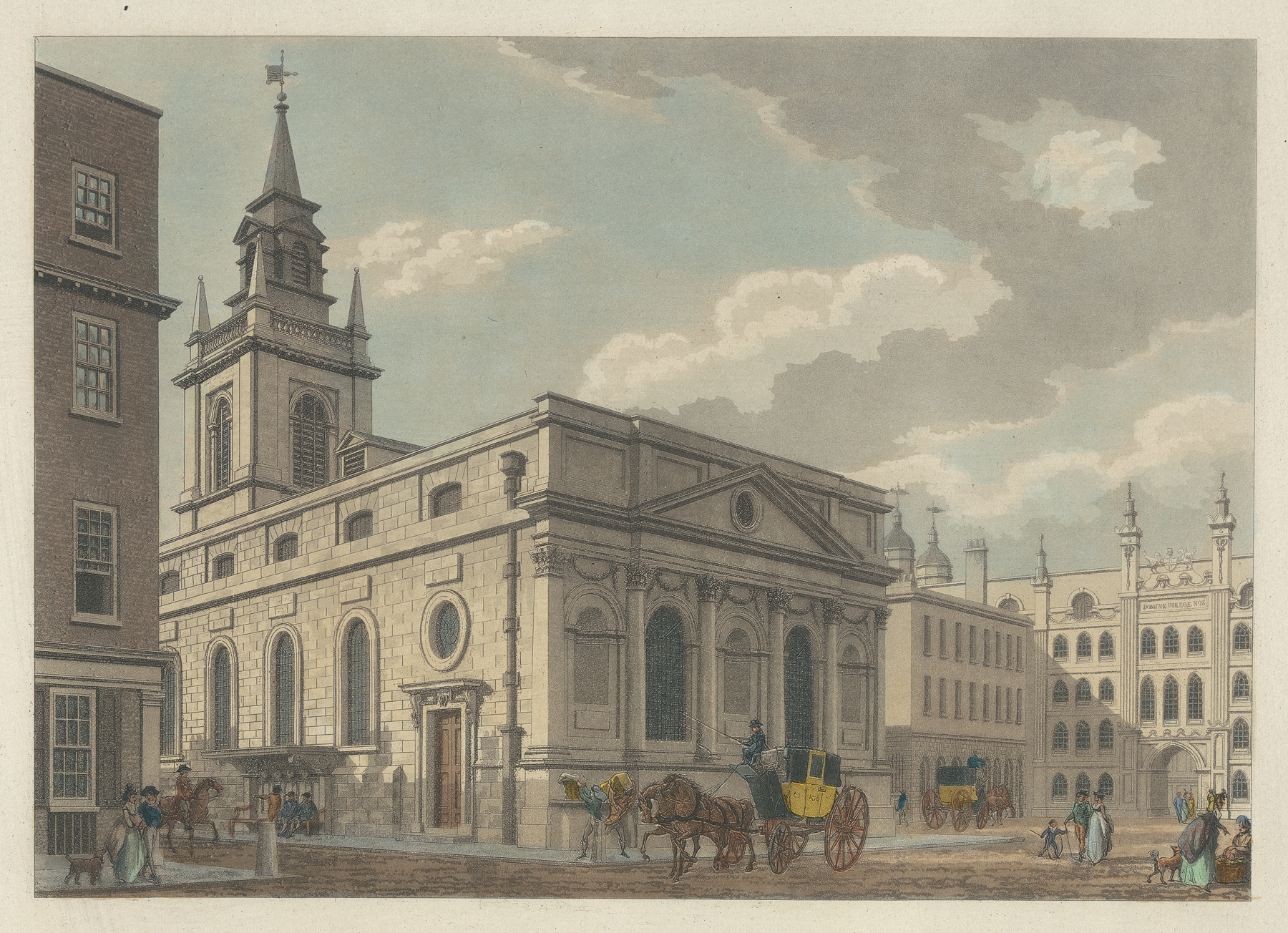
What if silence could speak through light? In Thomas Malton’s The Mews, a hushed elegance envelops the scene, inviting contemplation of the subtle movements that breathe life into stillness. Focus first on the soft illumination cascading from the upper left, which gently highlights the architectural details of the mews. Notice how the light dances across the cobblestone, creating a rhythmic interplay between shadow and brightness.
The delicate strokes define the forms of the buildings and the figures below, capturing the essence of a moment suspended in time. The palette of muted earth tones evokes a sense of nostalgia, while hints of pastel suggest the fleeting quality of the day. Delve deeper into the composition, where the juxtaposition of sturdy architecture and the delicate, almost ephemeral figures creates a fascinating tension. The absence of loud colors or exaggerated gestures emphasizes the quiet life of the mews, yet the posture of the figures—head tilted, shoulders relaxed—suggests an unspoken conversation, a shared experience amidst their surroundings.
Each detail, from the gentle sway of a curtain to the posture of a horse, speaks to a life lived quietly yet fully. Painted in 1794, this work reflects Malton’s dedication to capturing urban life in London during a time of artistic exploration and social change. As an architect and topographer, he sought to blend meticulous observation with artistic expression, documenting the transformation of cityscapes while contributing to the burgeoning trend of architectural representation. In this moment, Malton stands at the intersection of observation and artistry, immortalizing the ordinary with a profound clarity.