The Molo — History & Analysis
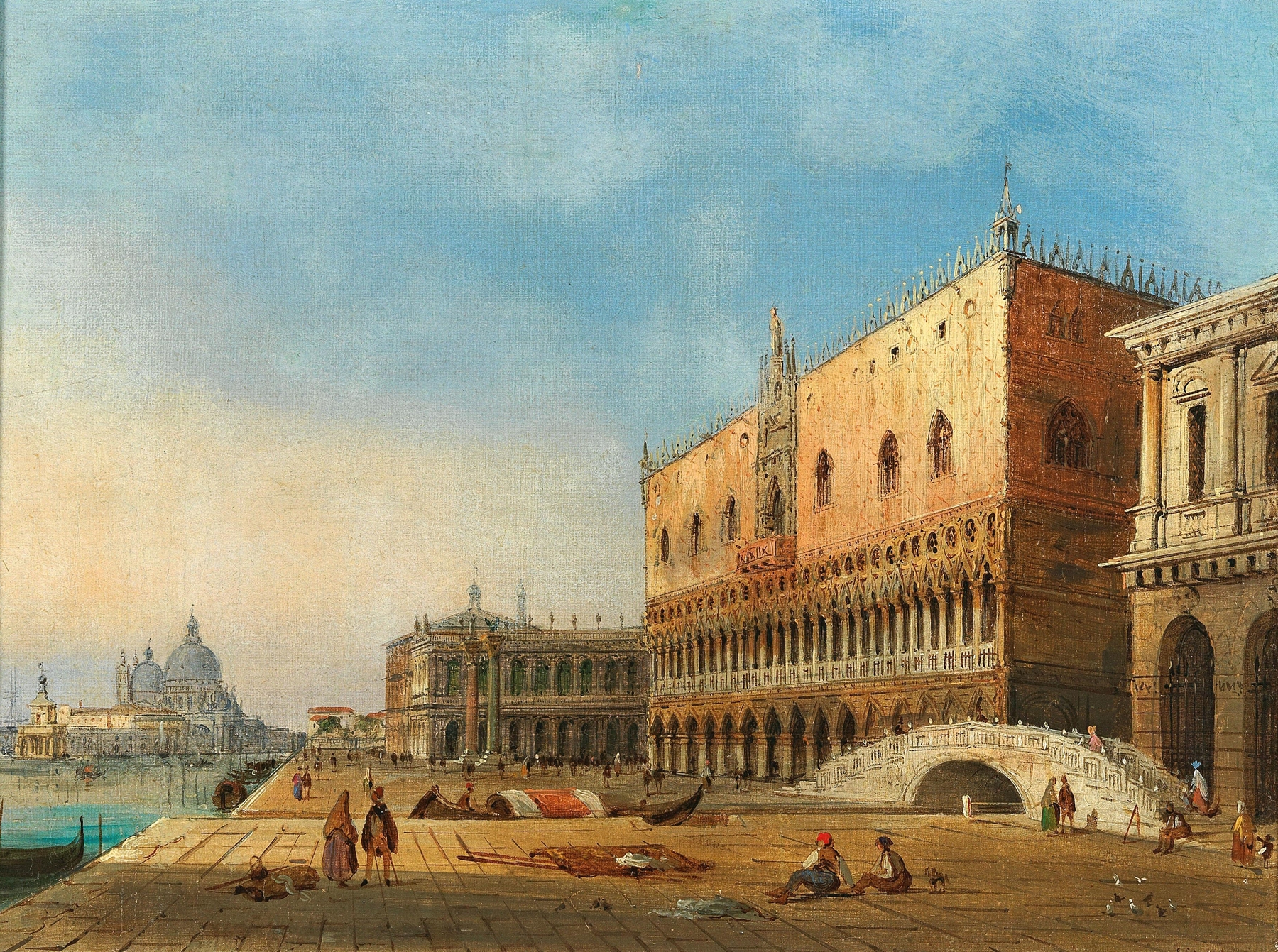
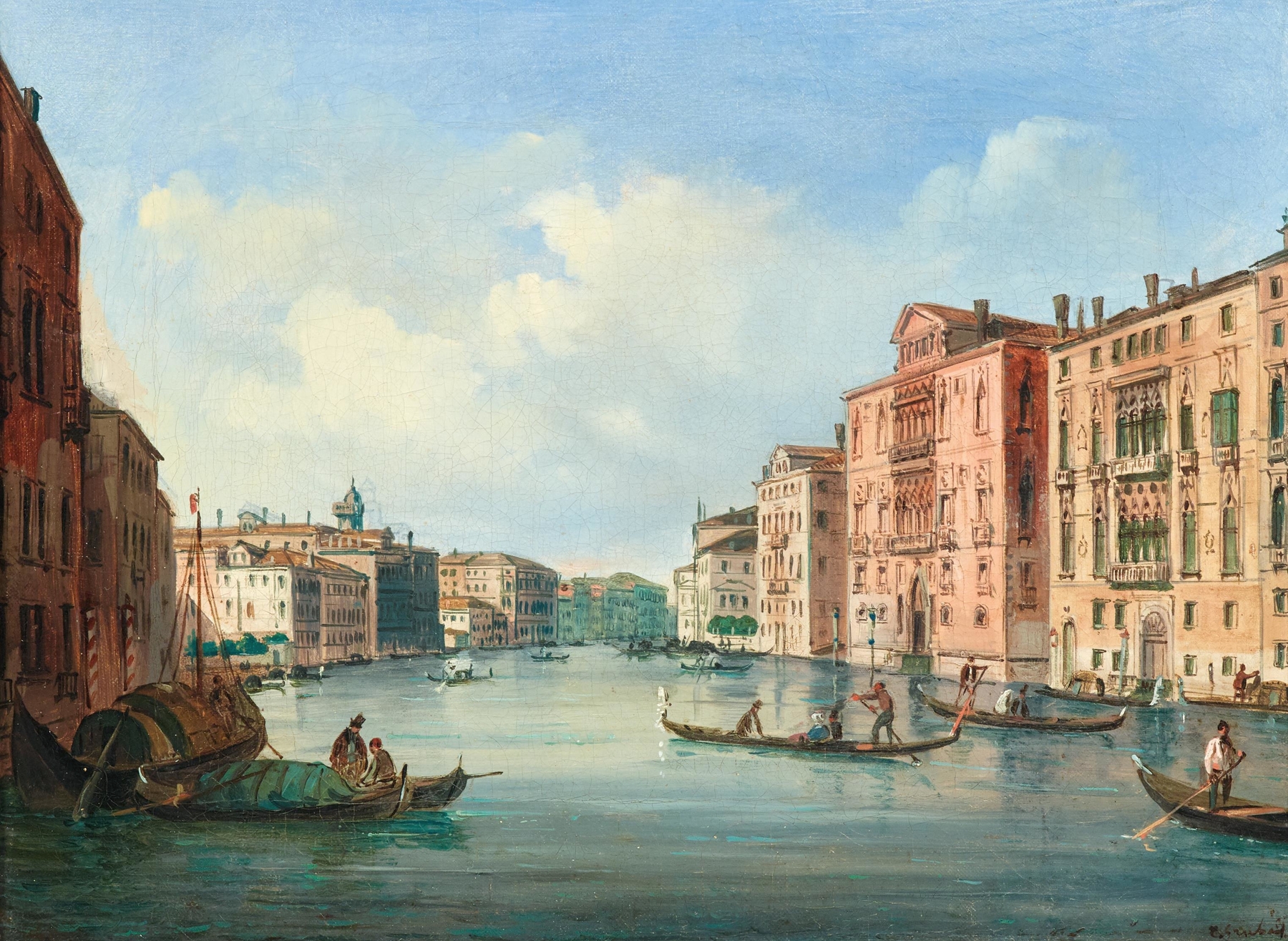
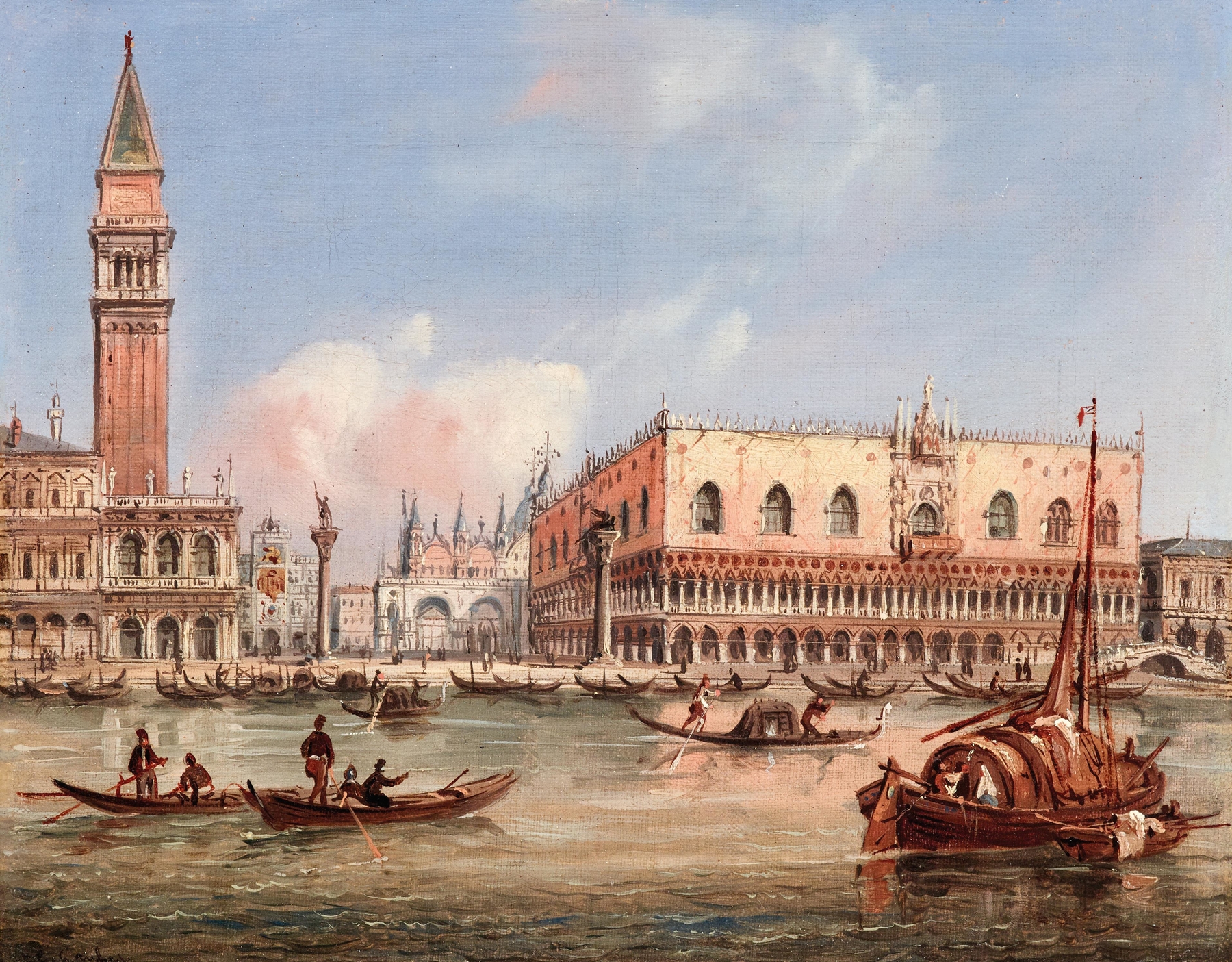
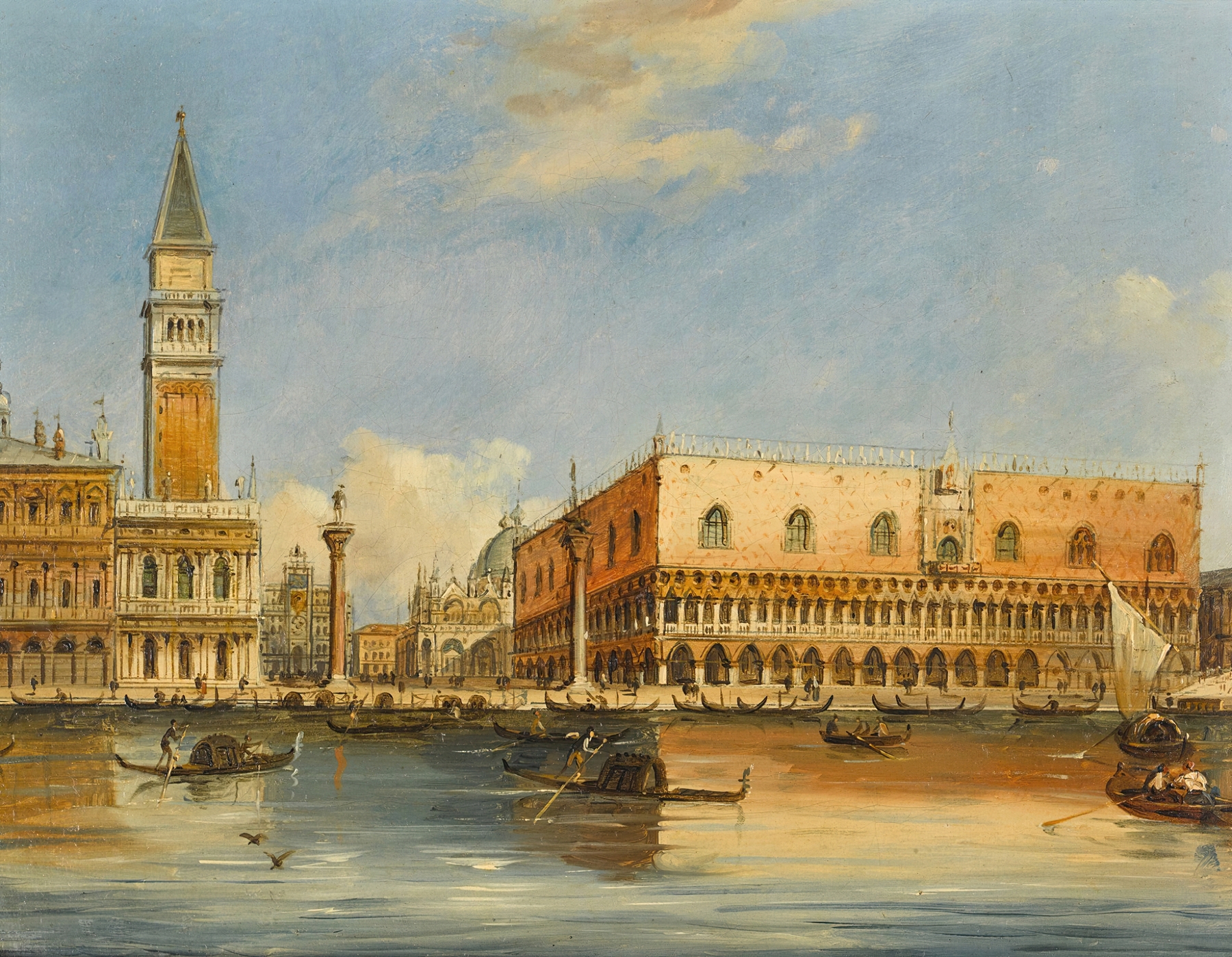
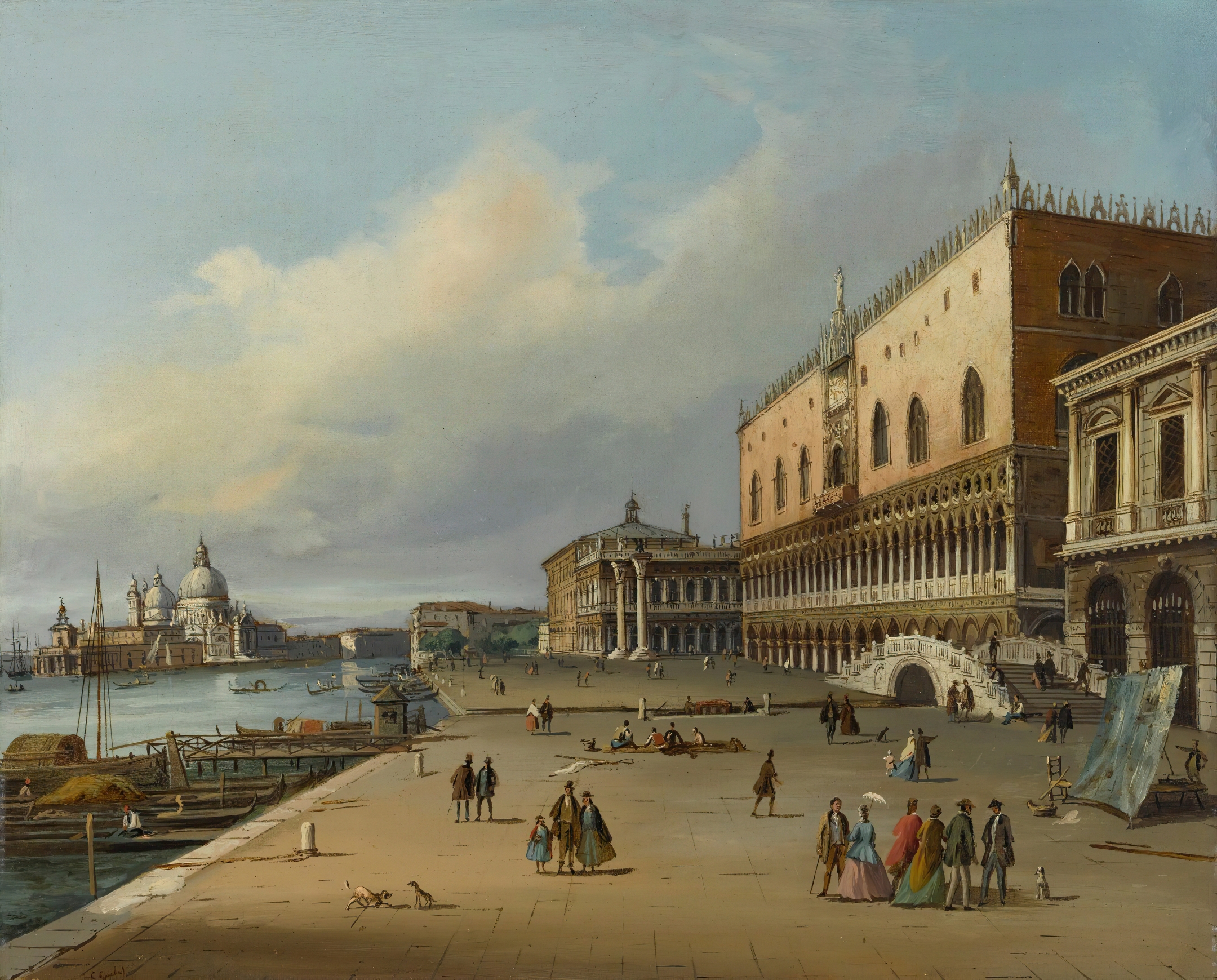
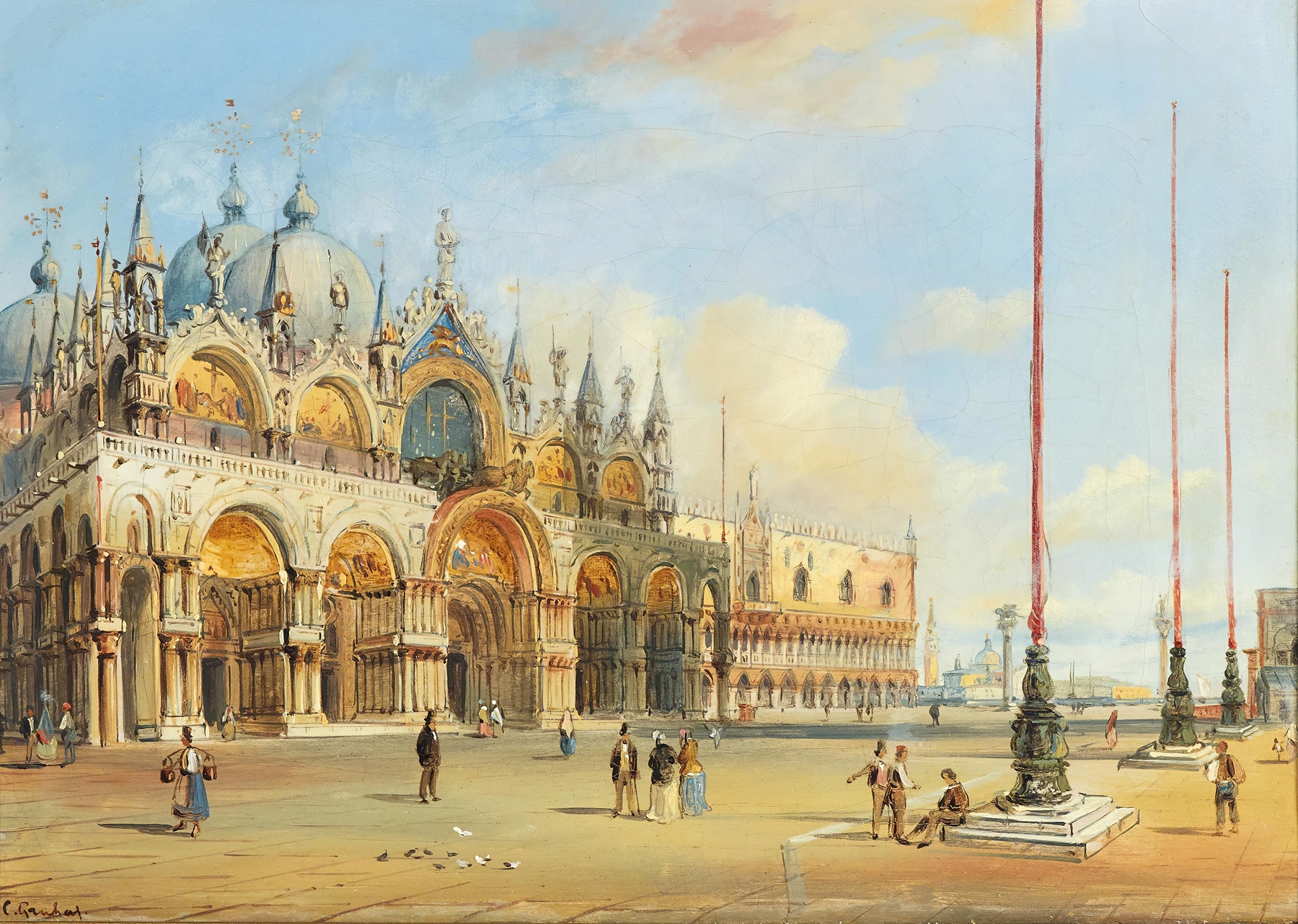
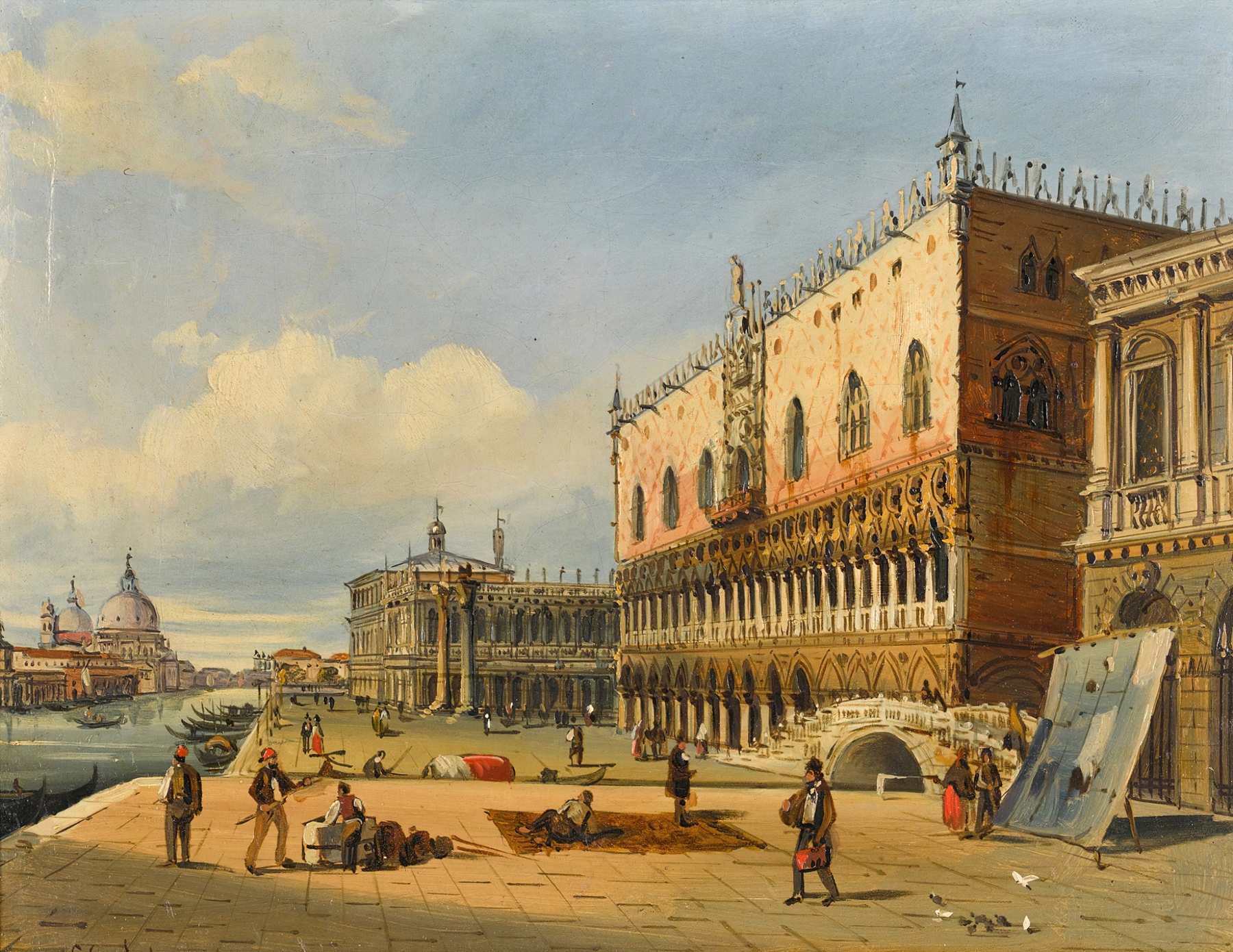
What if silence could speak through light? In the interplay between shadow and brilliance, a haunting narrative of grief unfolds, beckoning the viewer to listen closely to the visual symphony. Focus on the silvery reflections dancing upon the water surface. Look to the left at the distant masts of boats, their silhouettes emerging as solemn figures against the backdrop of a muted sky.
The color palette—soft grays and blues—creates a melancholic atmosphere, where light serves not merely as illumination but as a poignant reminder of absence, capturing the weight of memory that lingers in the air. Notice how the distant horizon fades into haziness, suggesting the ephemeral nature of time and loss. Each brushstroke conveys a love for the fleeting beauty of a moment while simultaneously expressing the ache that accompanies it.
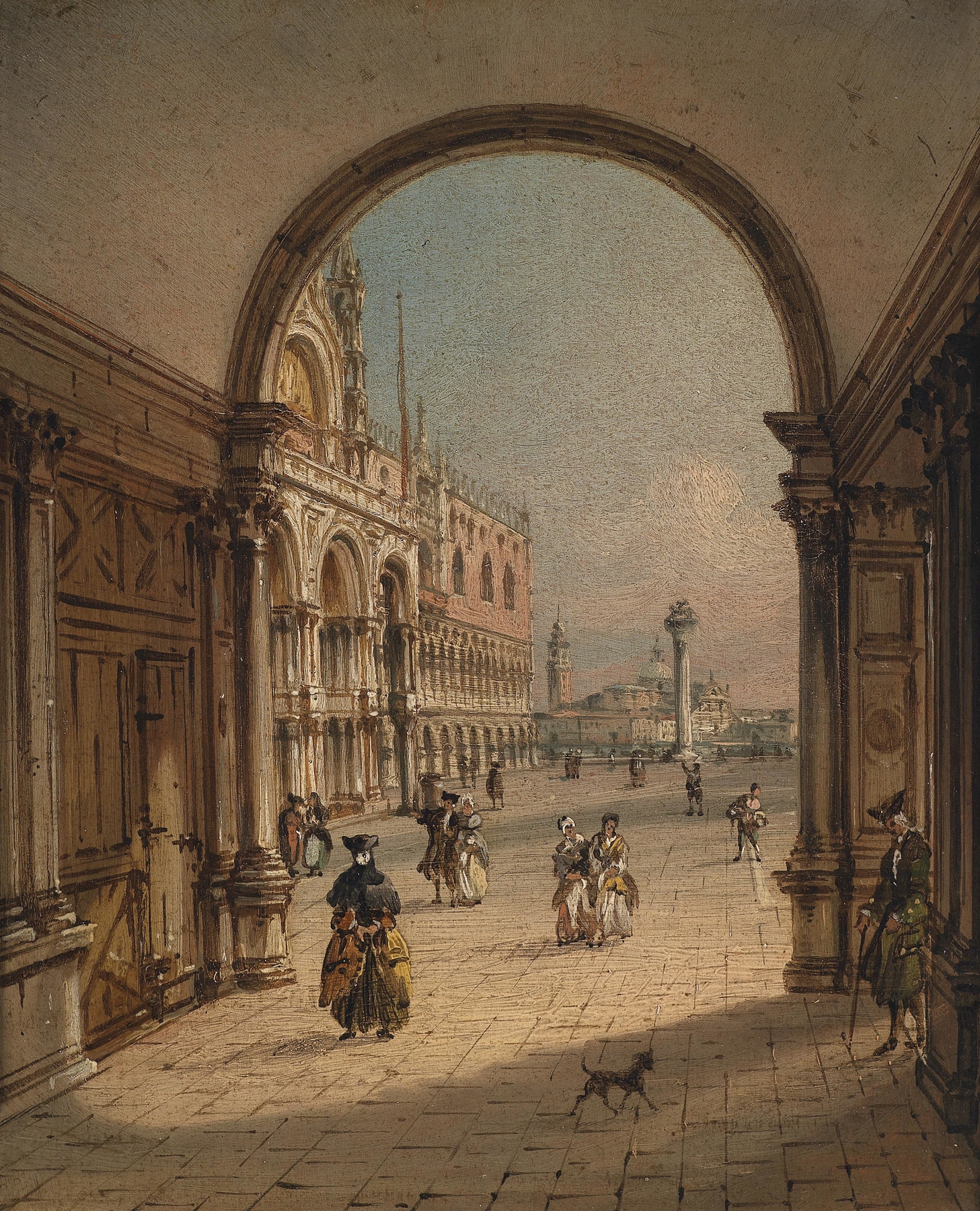
The stillness of the water mirrors the stillness of a quiet heart, allowing us to grasp the emotional depth woven intricately into what may seem like a simple landscape. Created during an indeterminate period, Grubacs was likely influenced by the tides of change sweeping through the European art scene. Residing in a world where artists were beginning to explore deeper emotional contexts in their works, he rendered The Molo amidst a backdrop of personal and collective grief, reflecting a society grappling with loss, yet finding solace in the beauty of the world around them.