The Mountain Ford — History & Analysis
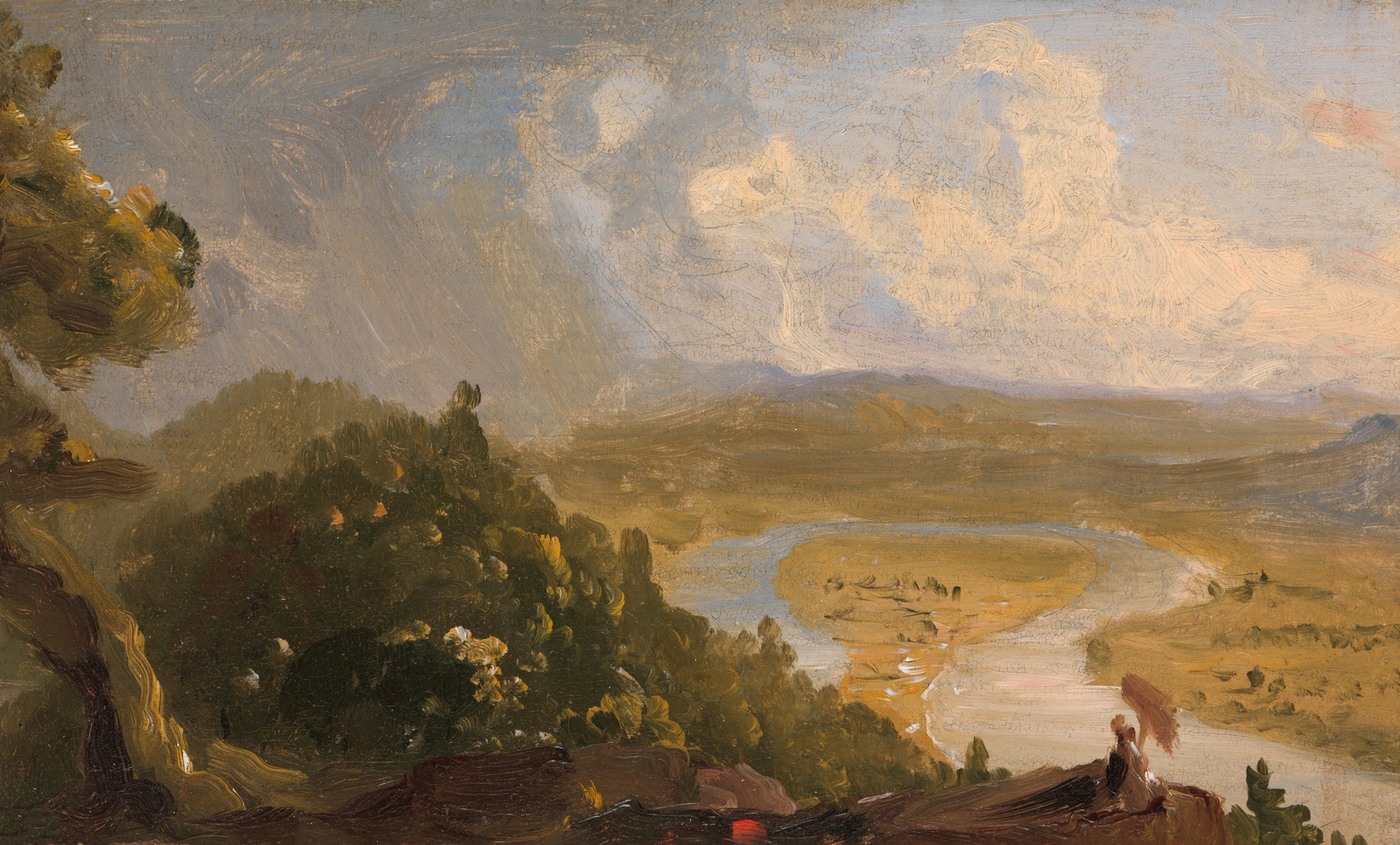
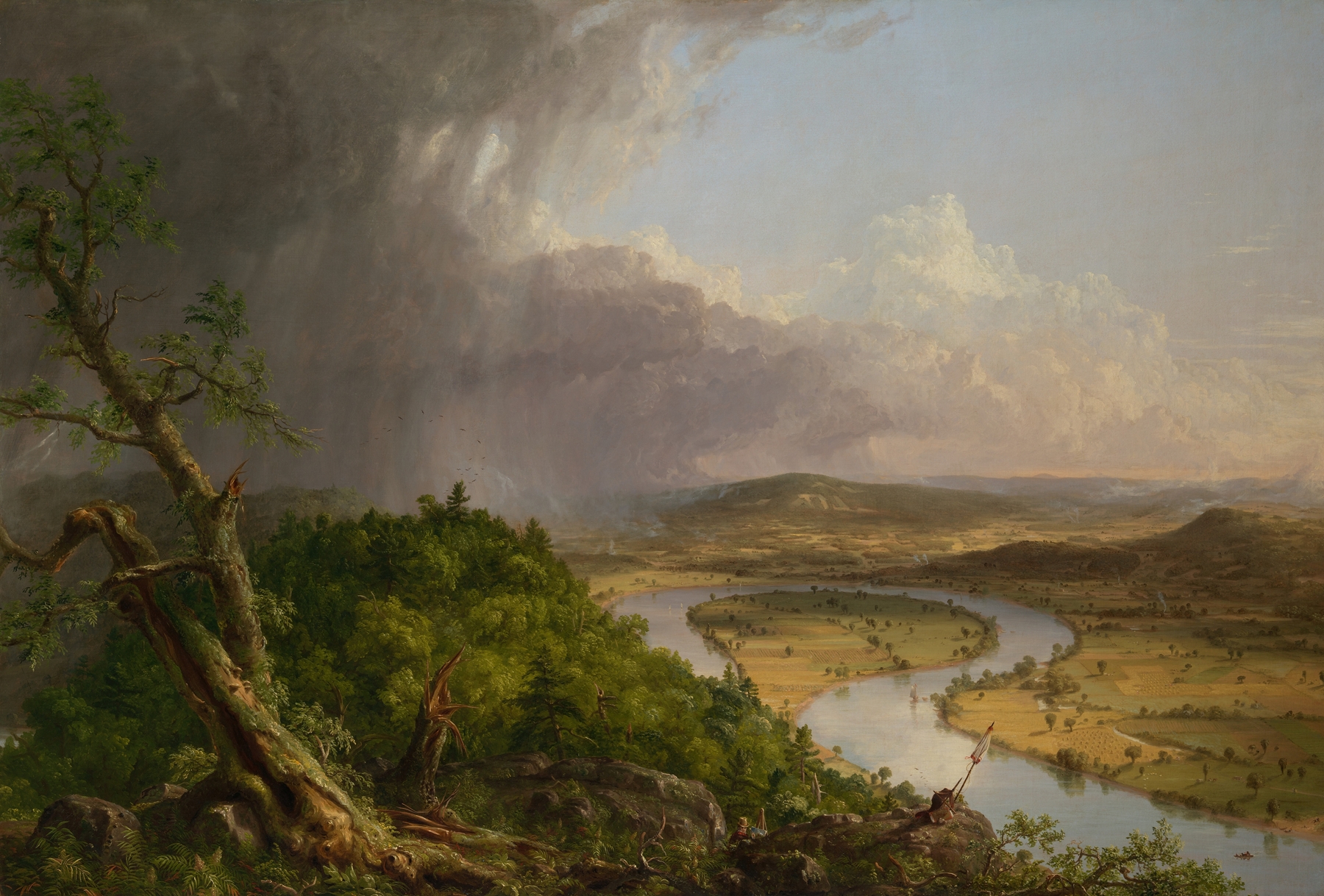
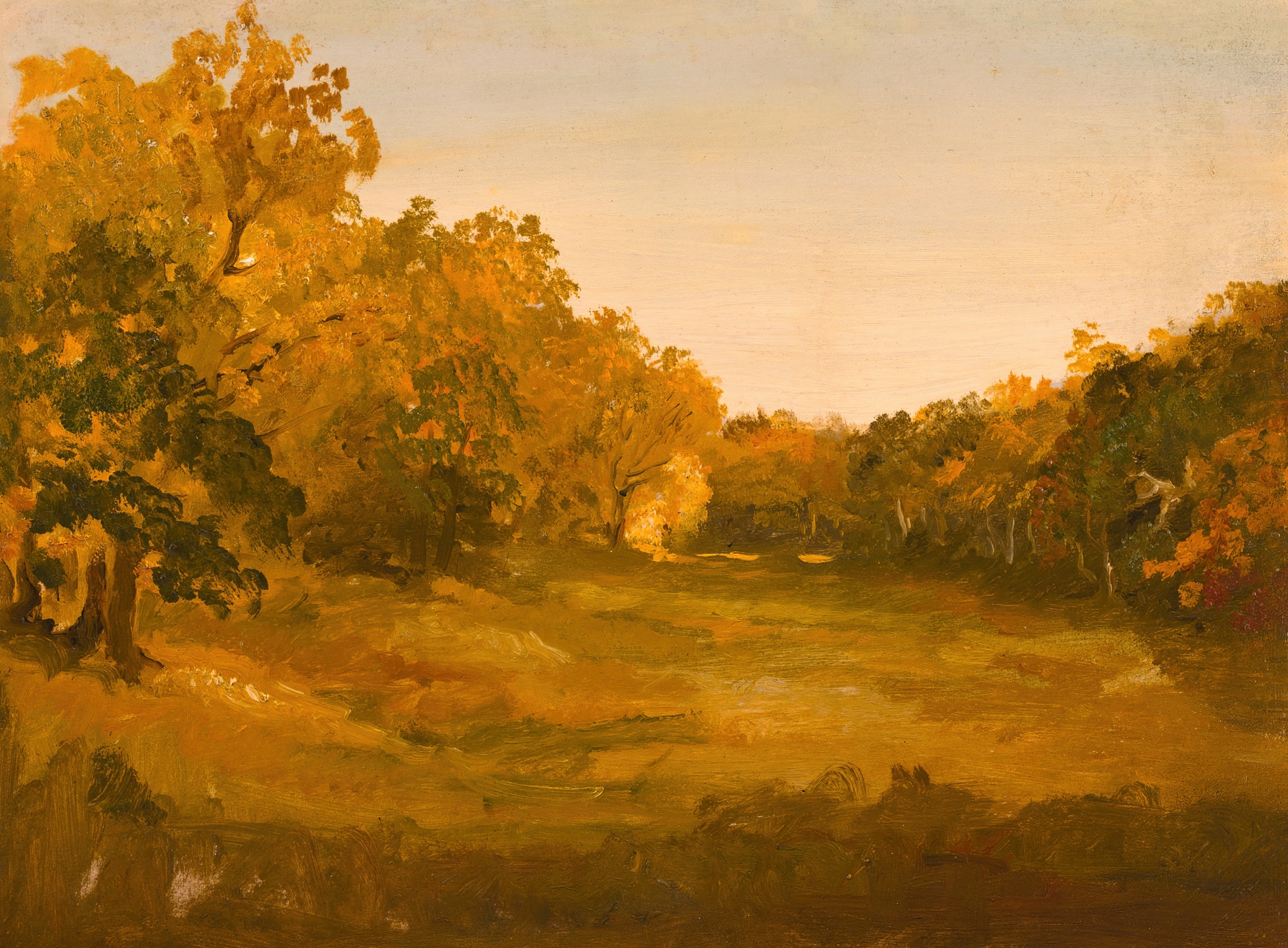
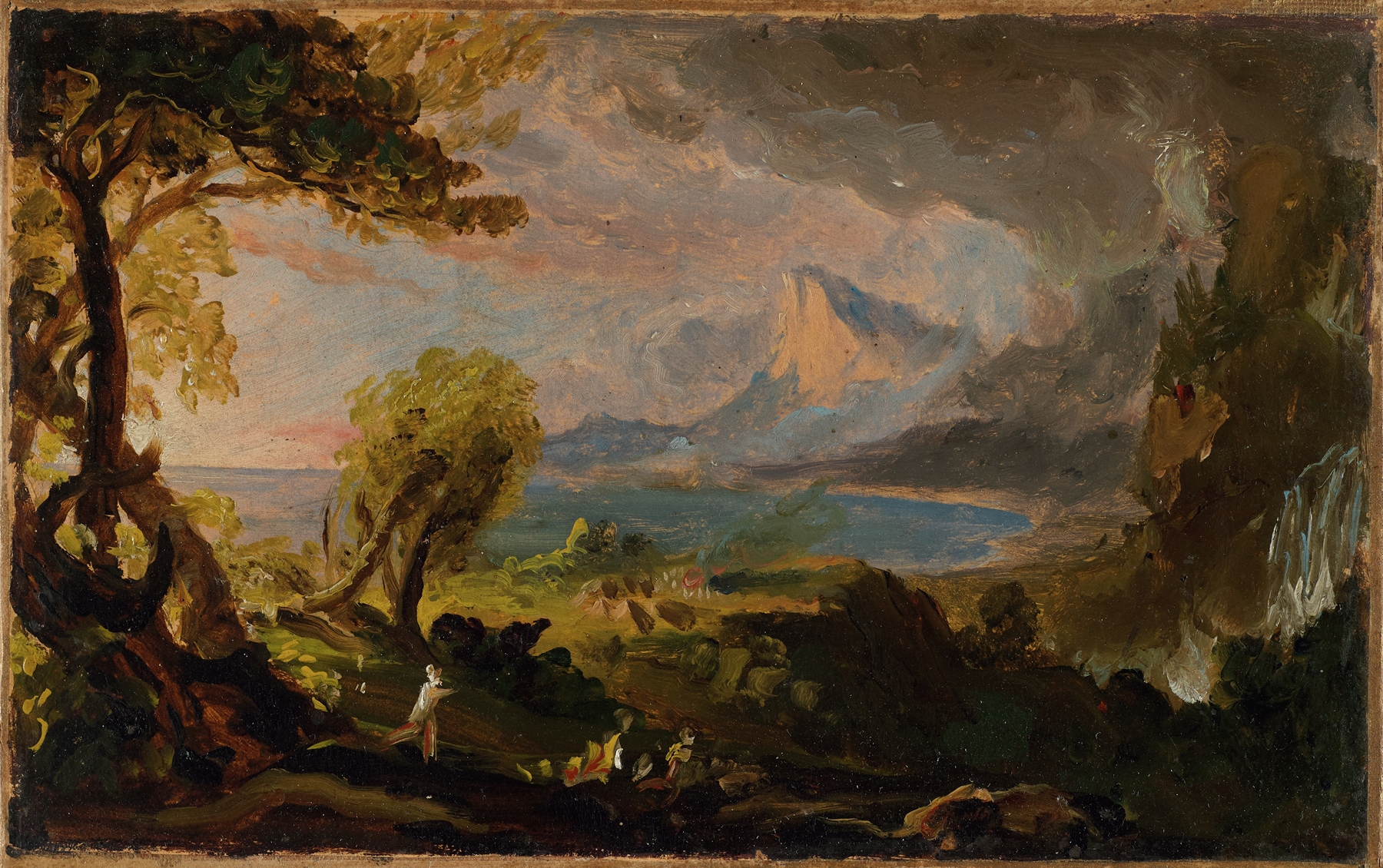
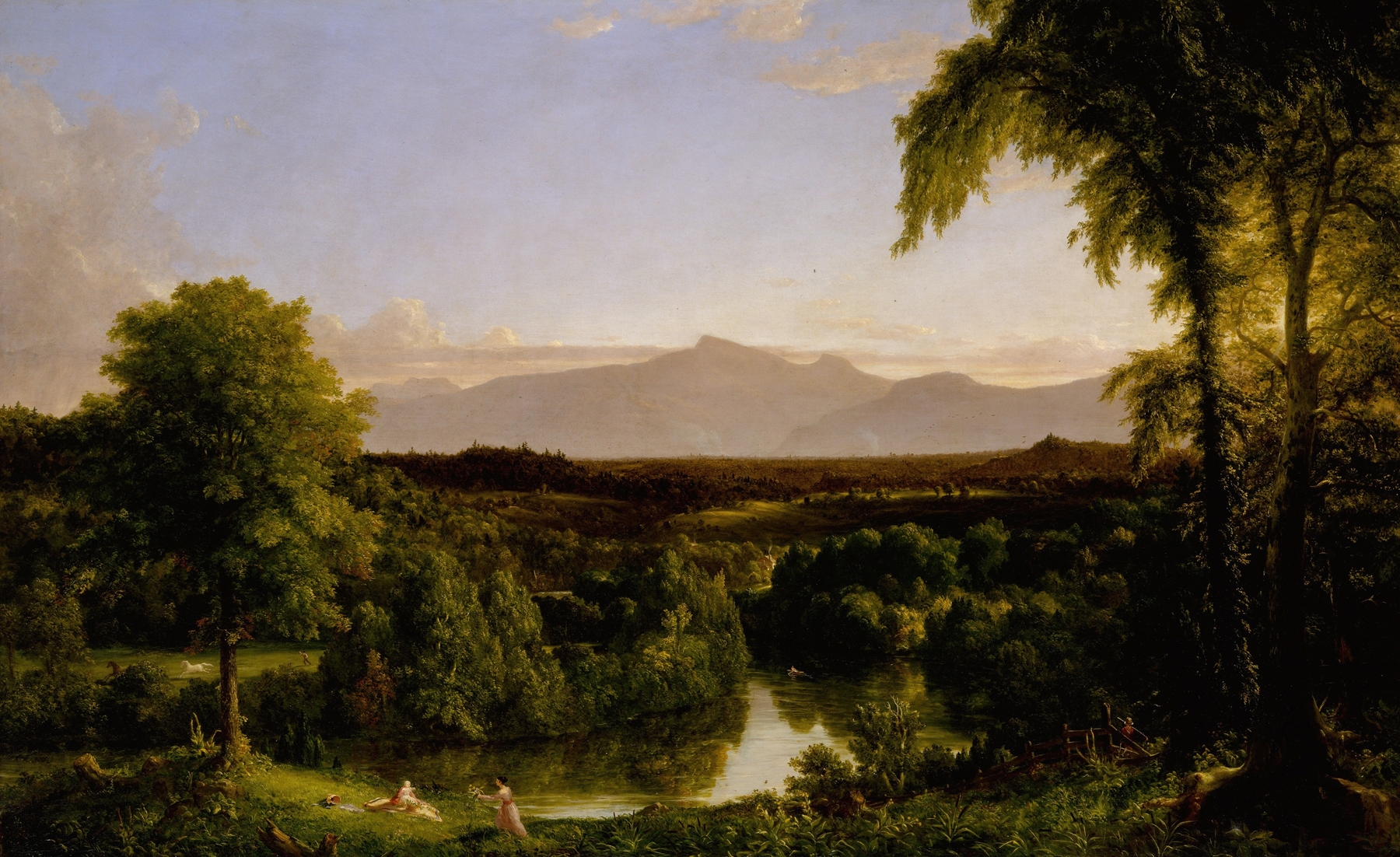
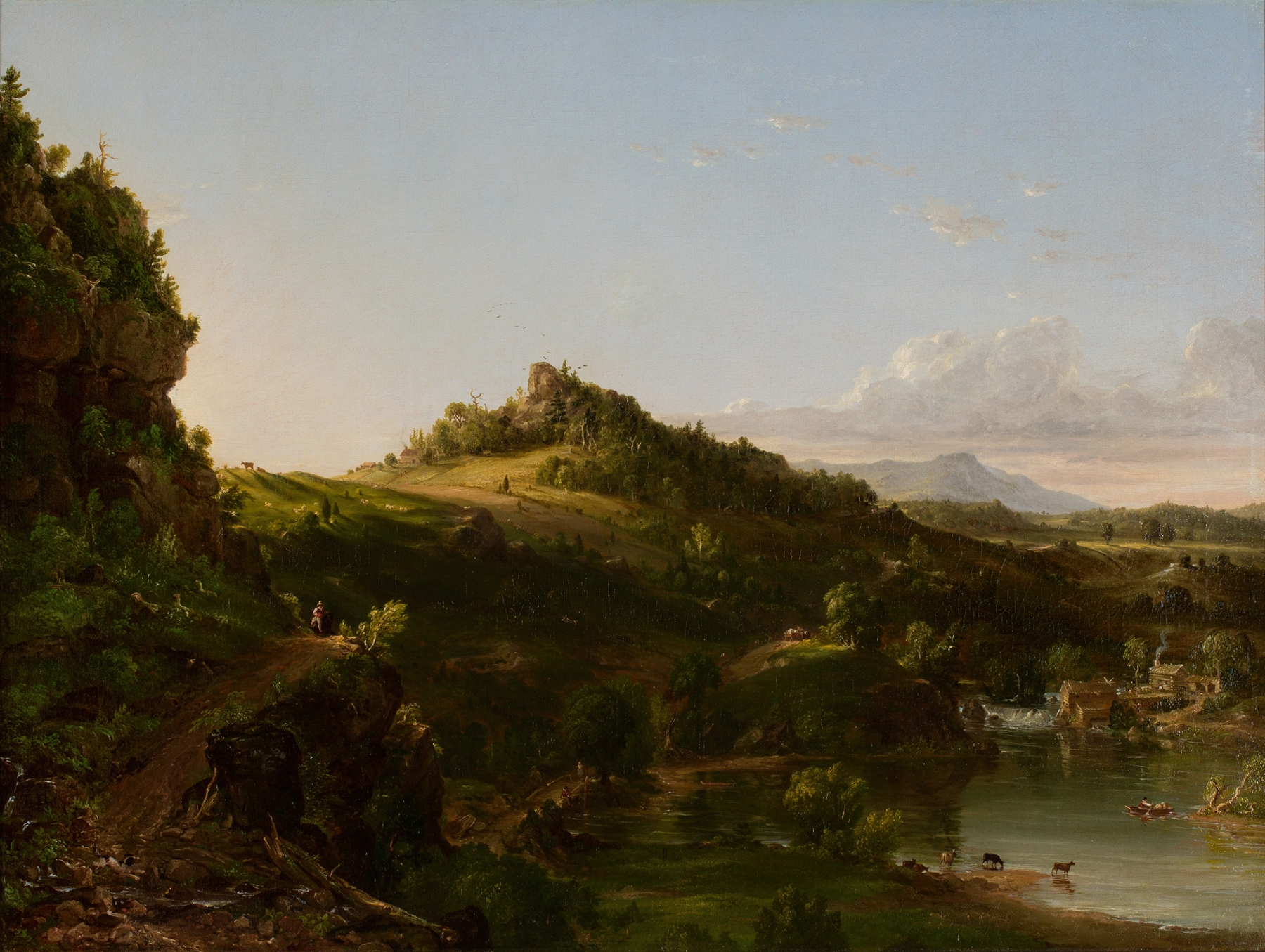
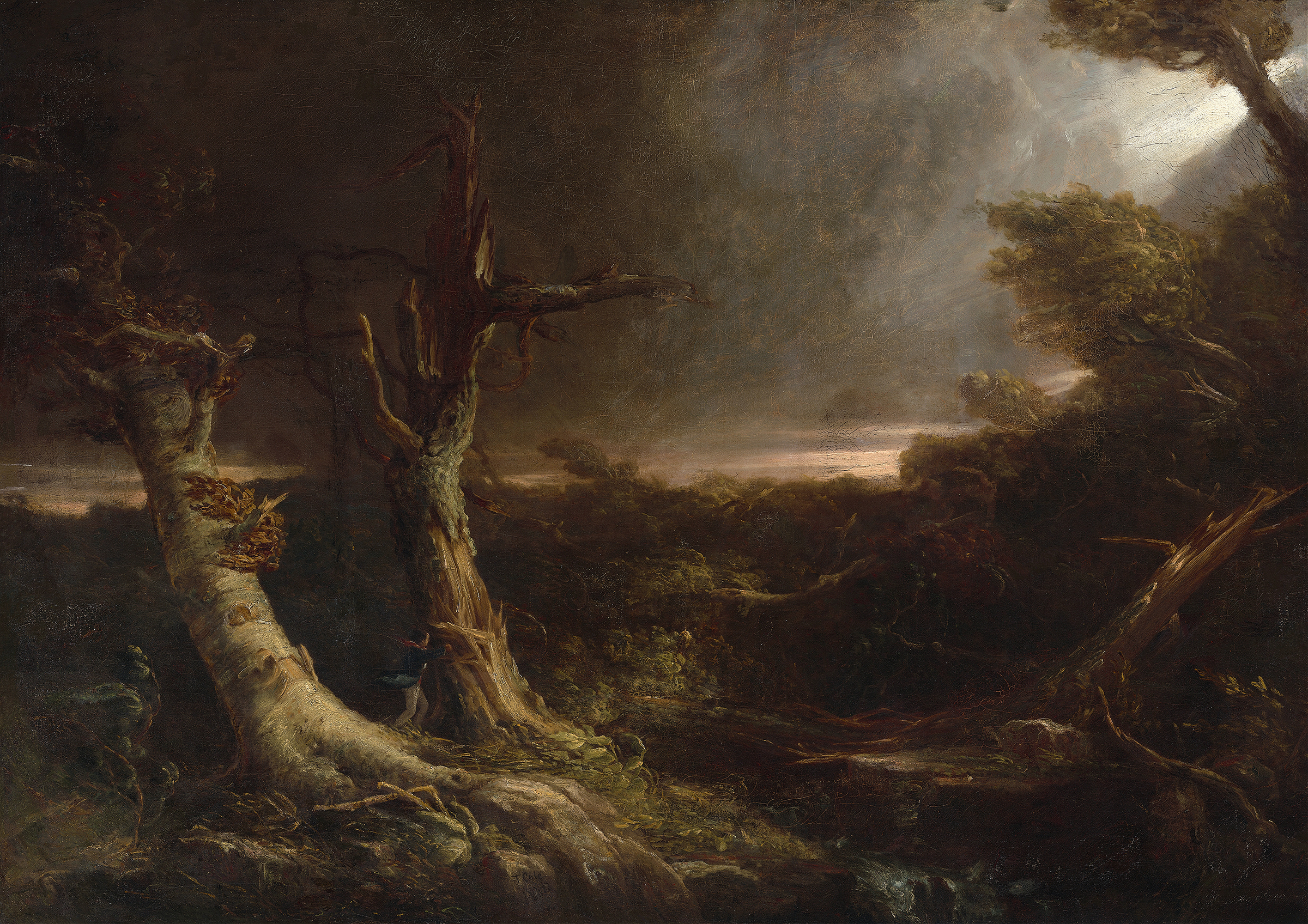
“Sometimes beauty is just pain, disguised in gold.” In The Mountain Ford, an evocative landscape unfurls, revealing the bittersweet essence of nature’s allure and the emptiness it can conceal. Look to the left at the serene water's edge, where the gentle ripples reflect the soft hues of dawn. The foreground invites exploration with its textured foliage, a rich tapestry of greens and earthy browns. Notice how the light dances across the surface of the stream, illuminating the rocks beneath while casting elongated shadows that hint at secrets just out of sight.
The mountains rise majestically in the background, their peaks brushed with a golden glow that captures the eye, seemingly promising adventure yet suggesting a distance that evokes solitude. Within this harmonious scene lies a tension: the juxtaposition of beauty and isolation. The vibrant colors mask a sense of loneliness, with the solitary figure crossing the ford appearing almost dwarfed by the vast landscape. Each stroke speaks of a yearning for connection amidst the wilderness, a reminder of the emptiness that can accompany grand vistas.
The stillness of the water contrasts with the tumultuous peaks, reflecting the duality of existence—how nature’s grandeur can both inspire and evoke a profound sense of longing. Thomas Cole painted this piece in 1846, a pivotal moment in American landscape painting as he sought to express the sublime beauty of the natural world. At this time, Cole was deepening his exploration of romantic ideals, influenced by the American frontier's vastness and the complexities of human emotion intertwined with nature. The Mountain Ford encapsulates his vision, highlighting the interplay between humanity and the untamed wilderness during a period marked by both expansion and reflection.