The Mountain of Five Cataracts — History & Analysis
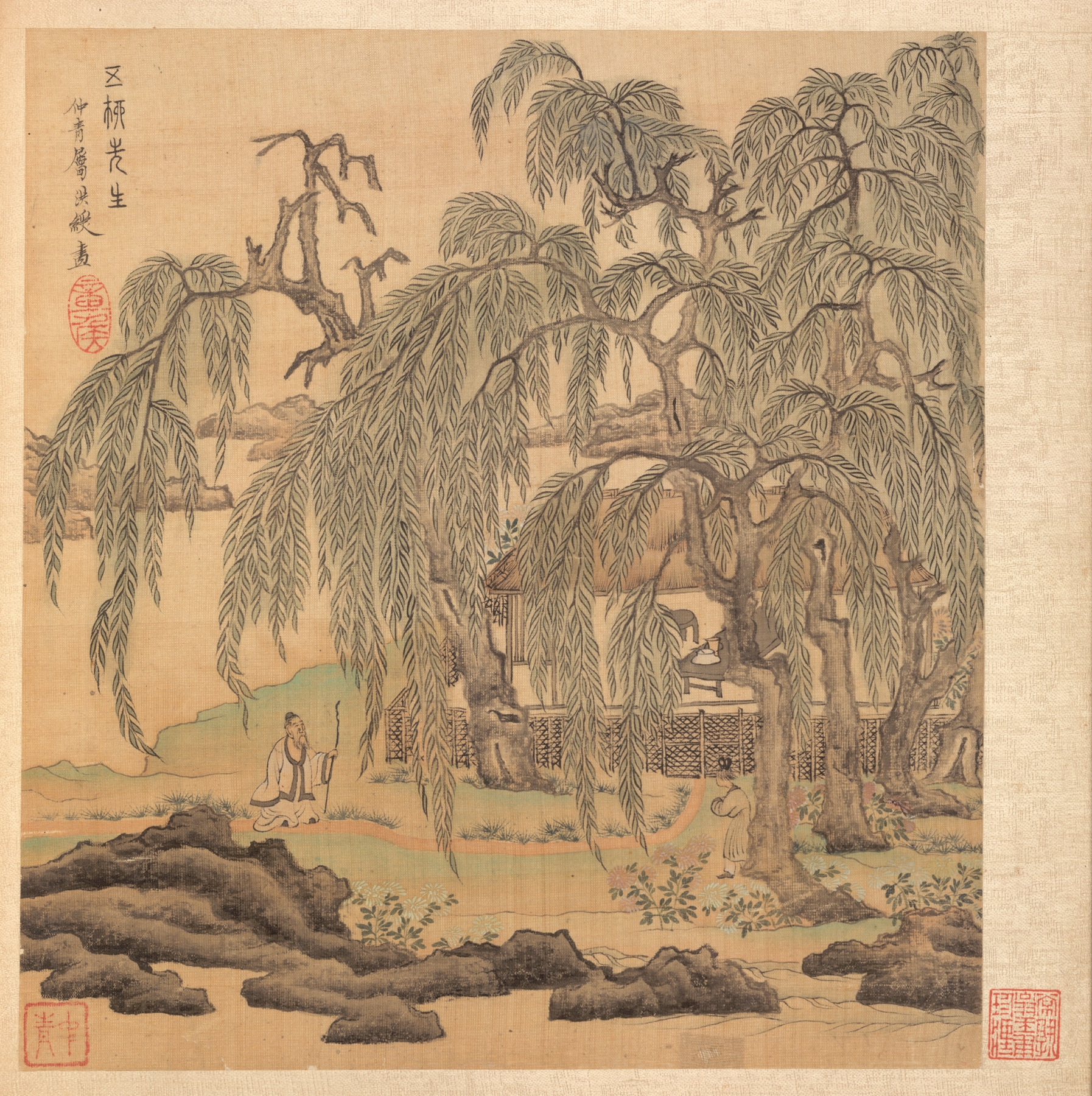
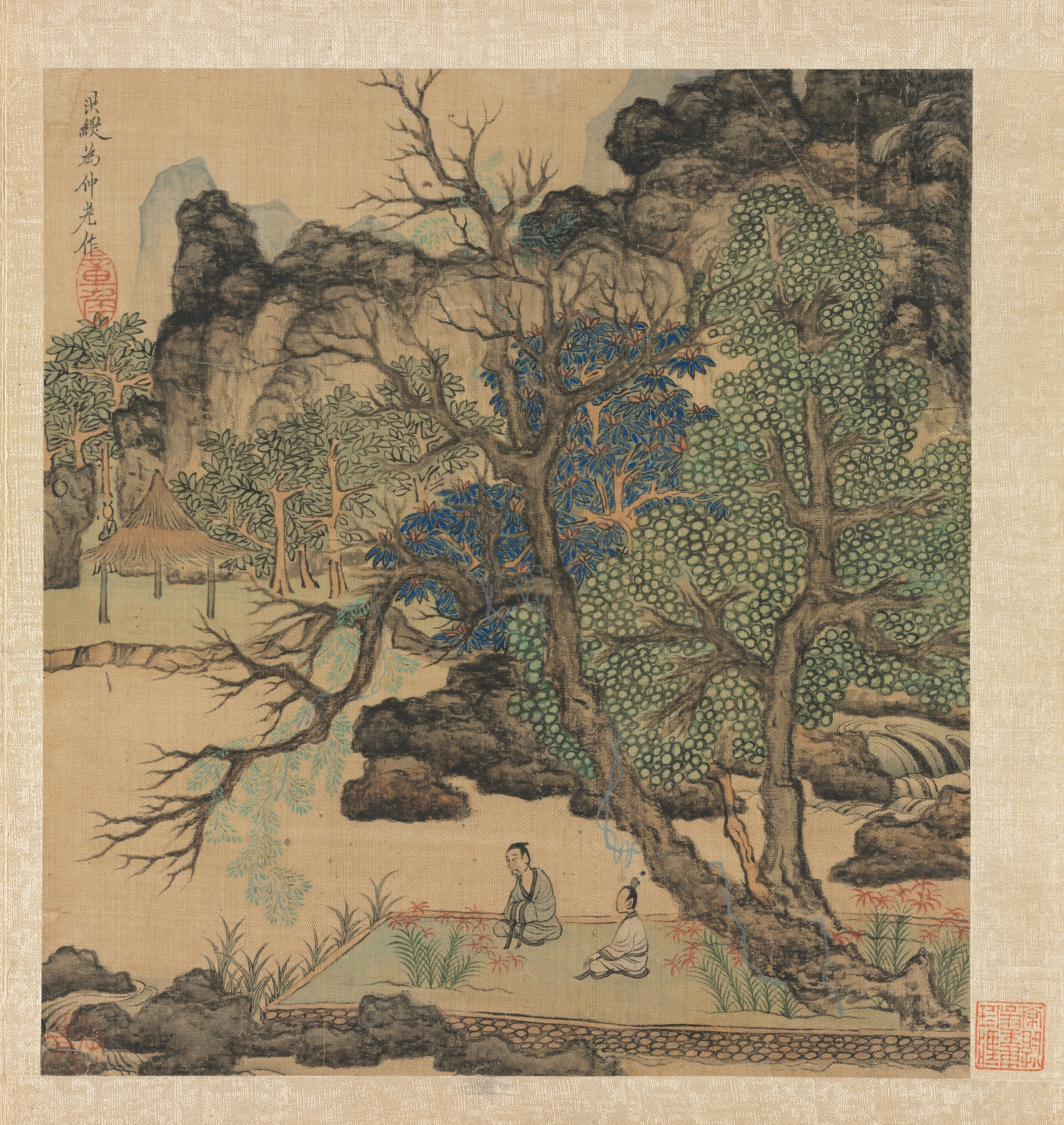
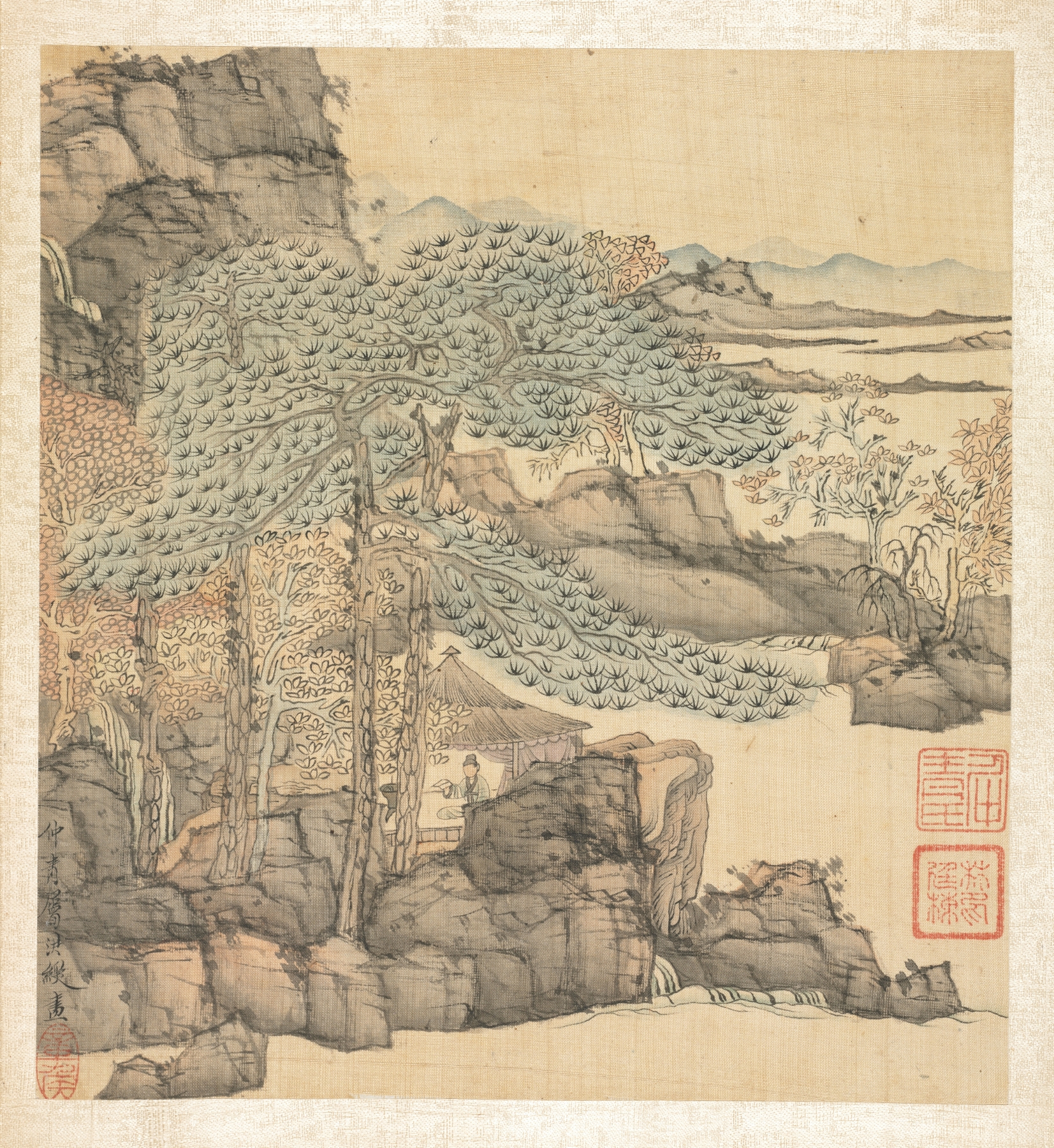
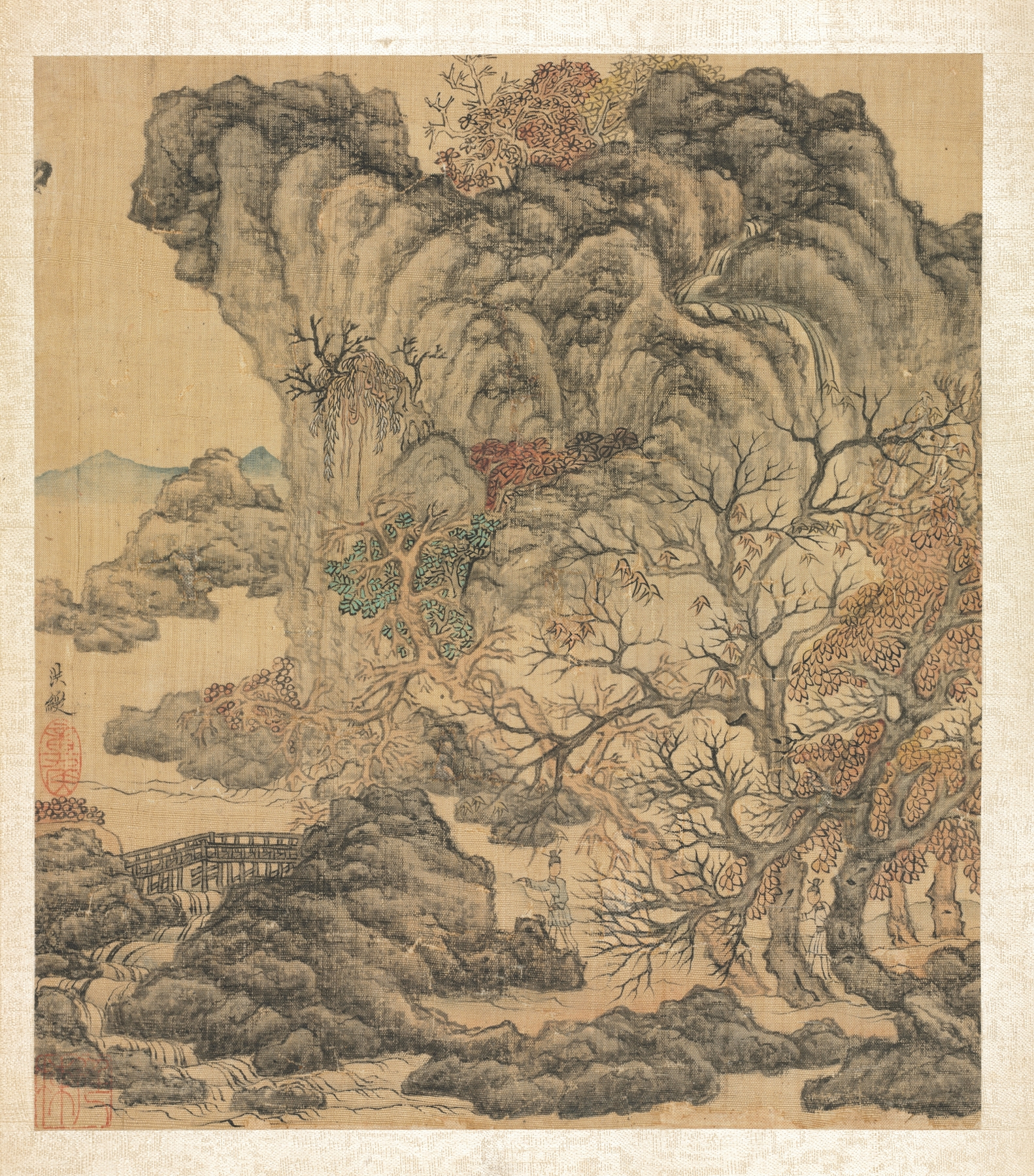
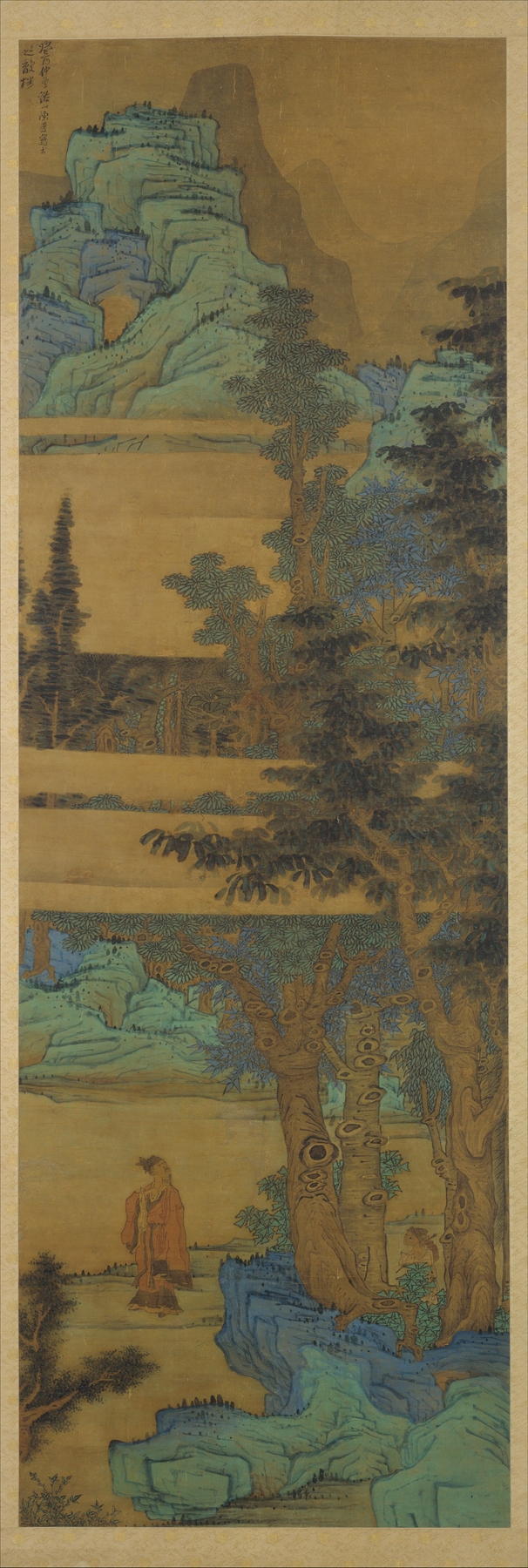
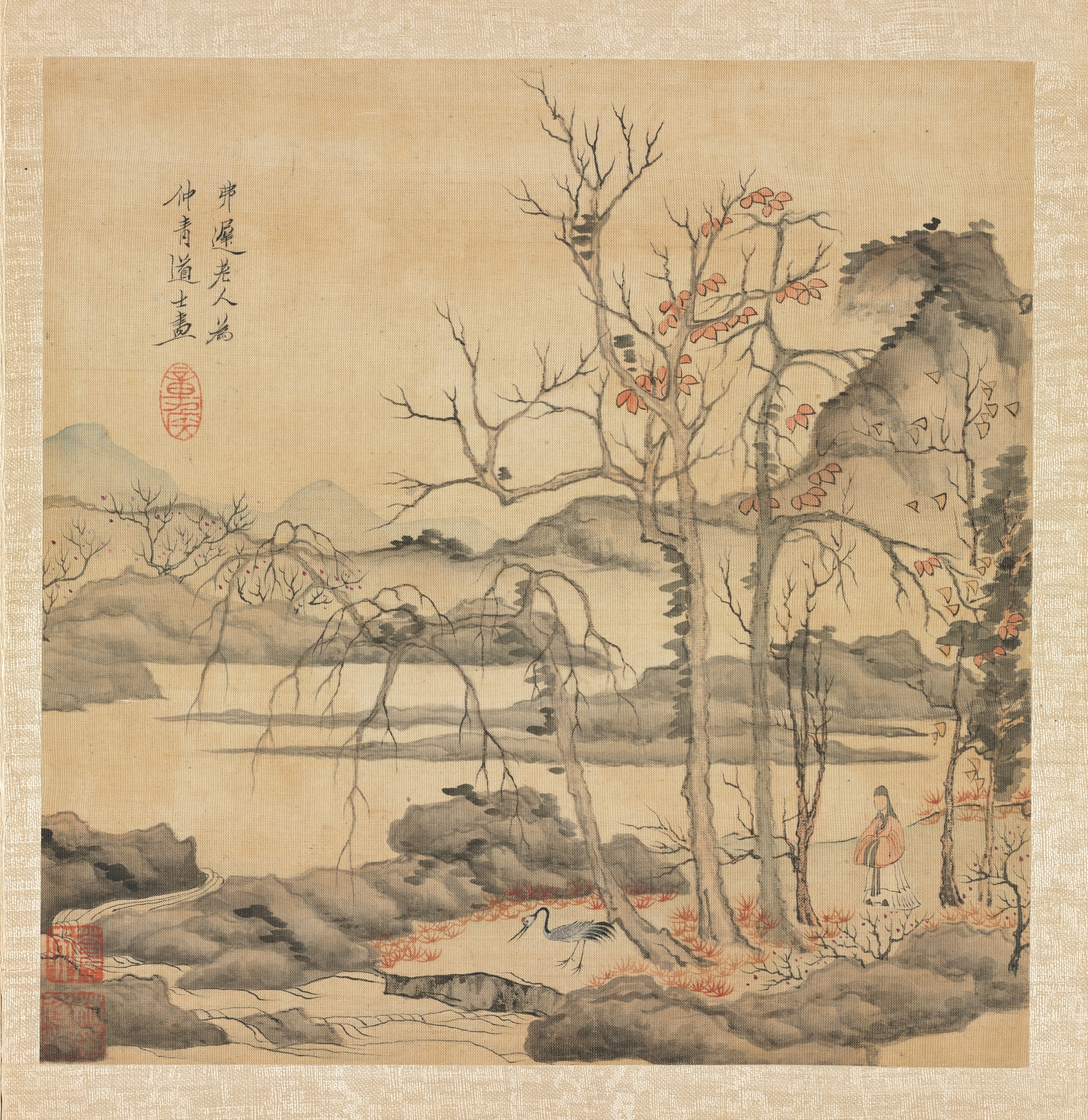
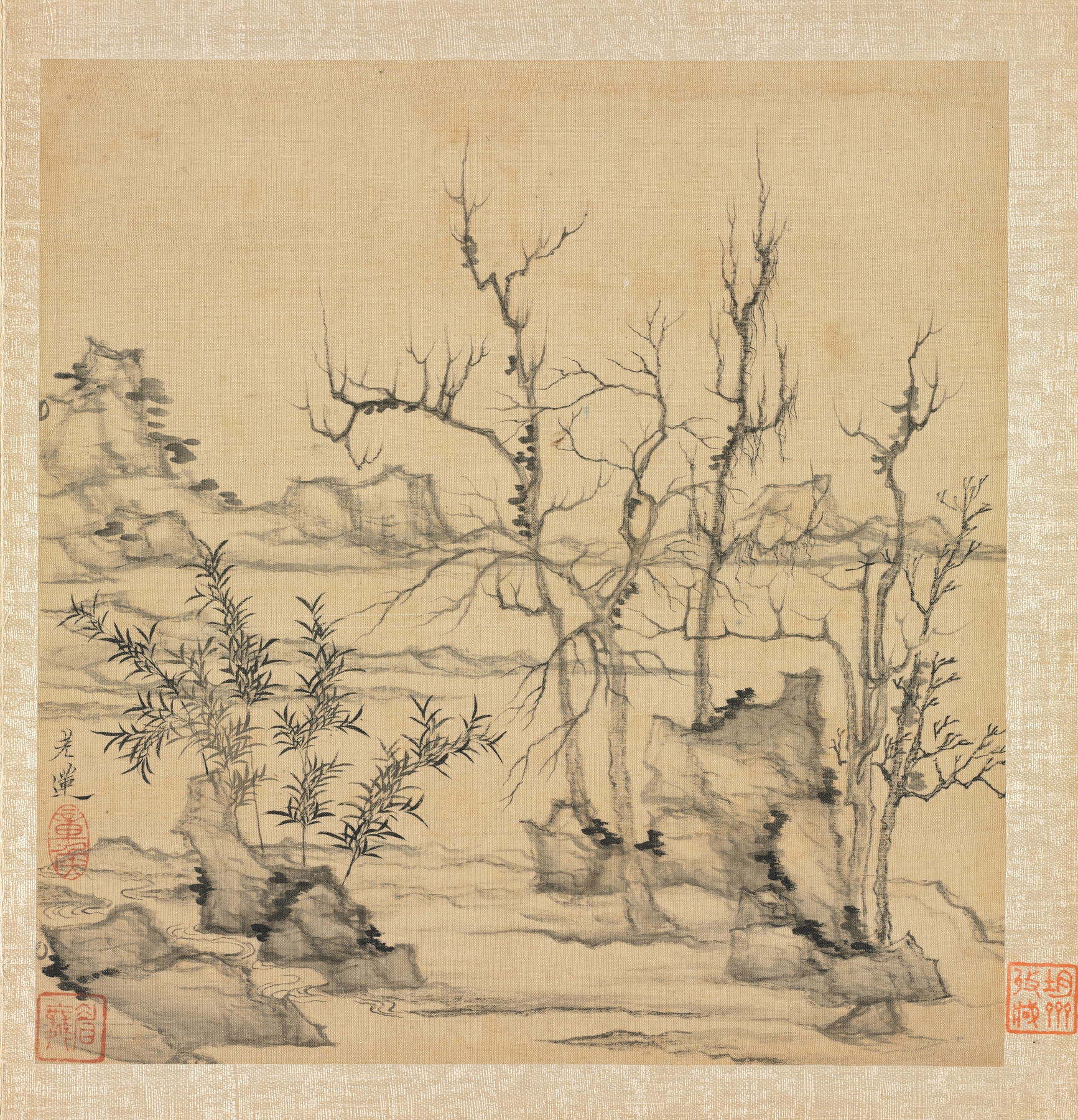
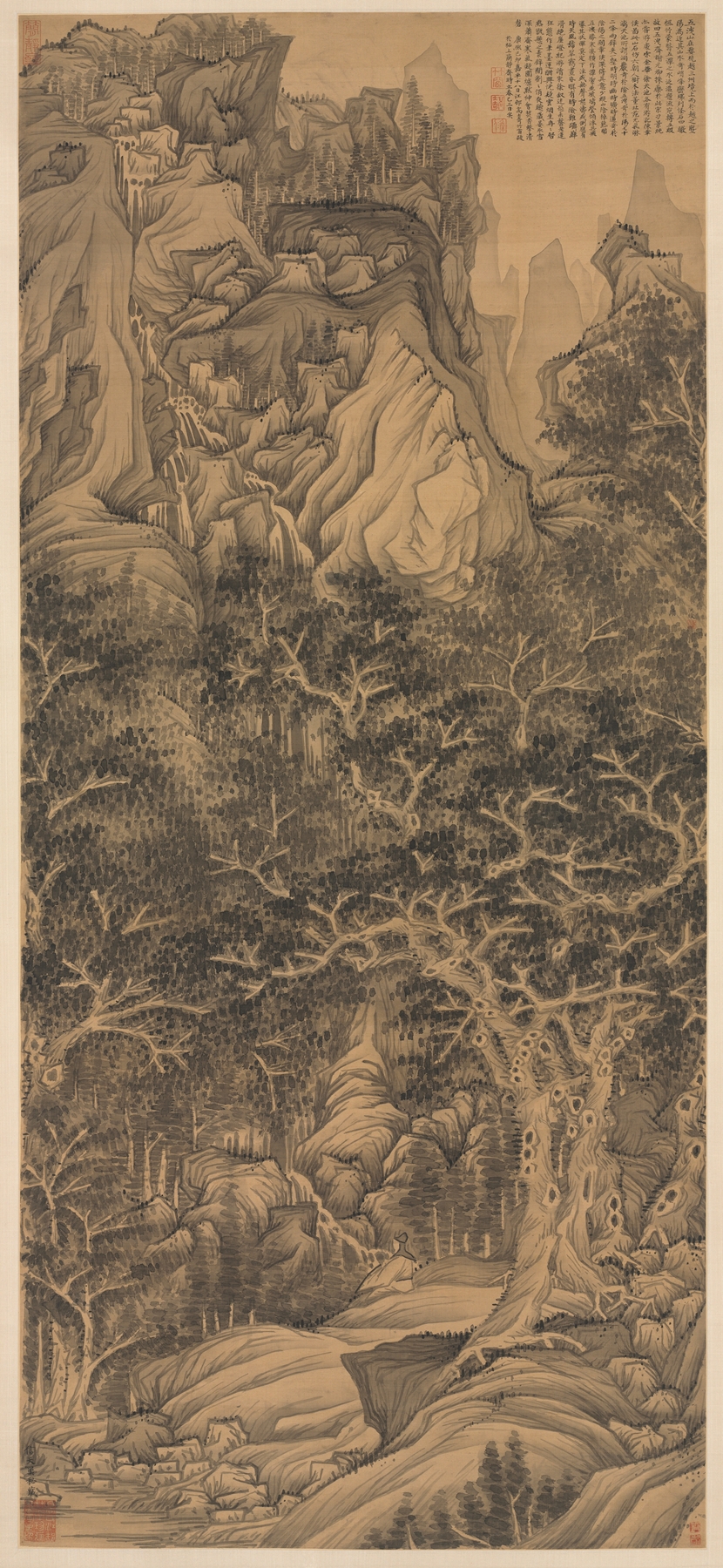
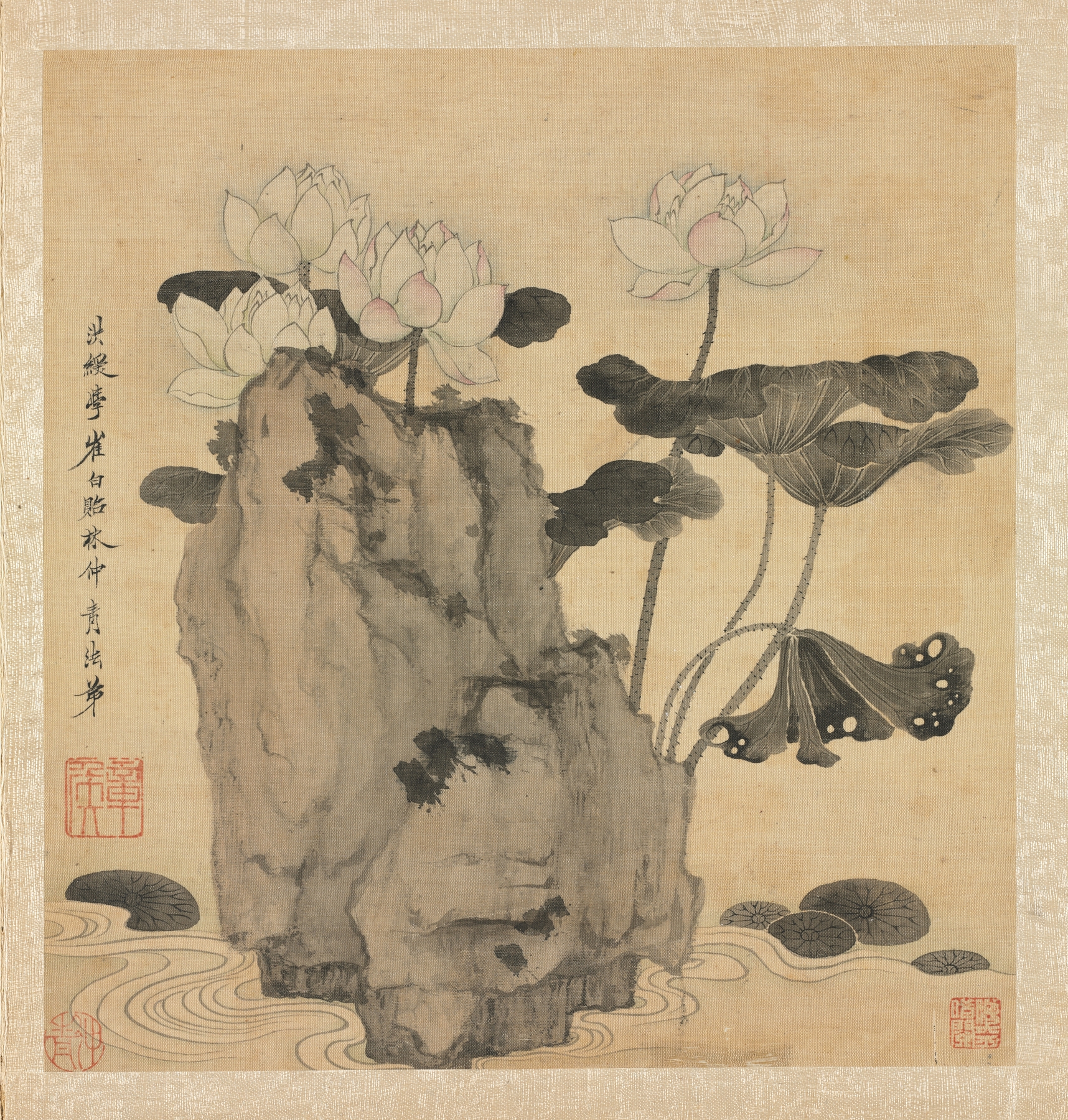
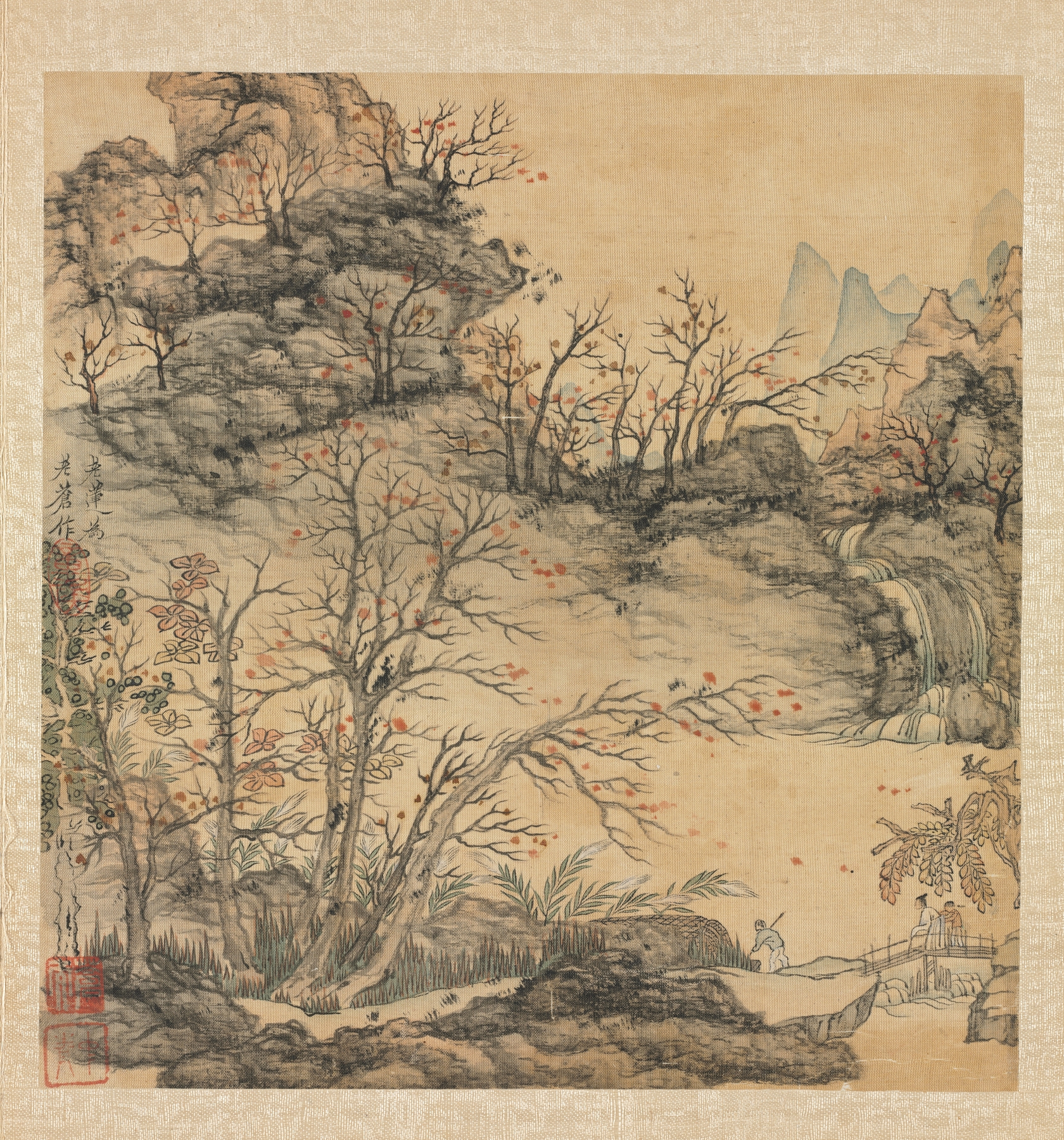
Did the painter know this moment would outlive them? The essence of innocence lingers, captured forever between brush strokes and vibrant pigments. Focus first on the cascading waterfalls, each a silken ribbon that weaves through the rugged landscape. The artist skillfully employs delicate lines to portray the mountain's majestic peaks, their grandeur enhanced by the soft mist that hovers above. Notice how the colors shift from deep greens at the base to ethereal blues and whites at the summits, creating a serene yet powerful contrast that invites contemplation.
Each element is arranged with intention, guiding the eye upward, urging the viewer to embrace both the beauty and the complexity of nature. In the foreground, small figures traverse the rocky terrain, their presence evoking a sense of scale and vulnerability against the towering backdrop. This juxtaposition emphasizes the theme of innocence; the simplicity of humanity stands in stark contrast to the overwhelming power of nature. One can sense the fleeting nature of life, a reminder that even the smallest beings can find their place amidst such grandeur.
The waterfalls, with their rhythmic flow, symbolize purity and the passage of time, whispering secrets of both joy and loss. Created in 1650 during a time of artistic exploration and cultural transition in China, this work reflects Chen Hongshou's mastery in blending detailed realism with expressive landscapes. As he painted, the world around him experienced significant changes, with the Ming Dynasty's collapse leading to a period of introspection and renewal. This painting serves as a testament to the resilience of beauty amidst change, capturing a moment that resonates through the ages.