Landscape in the Style of Ni Zan — History & Analysis
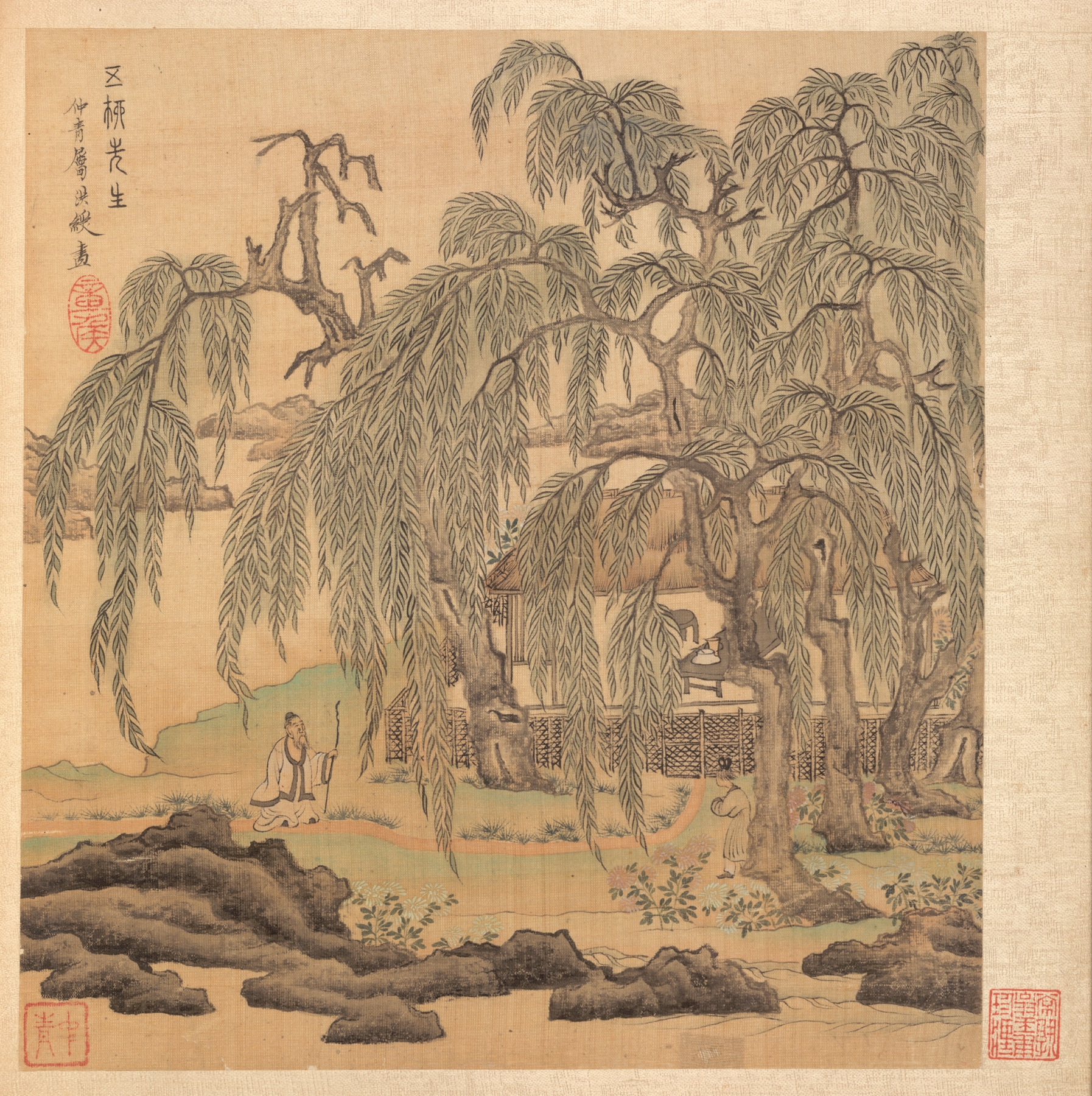
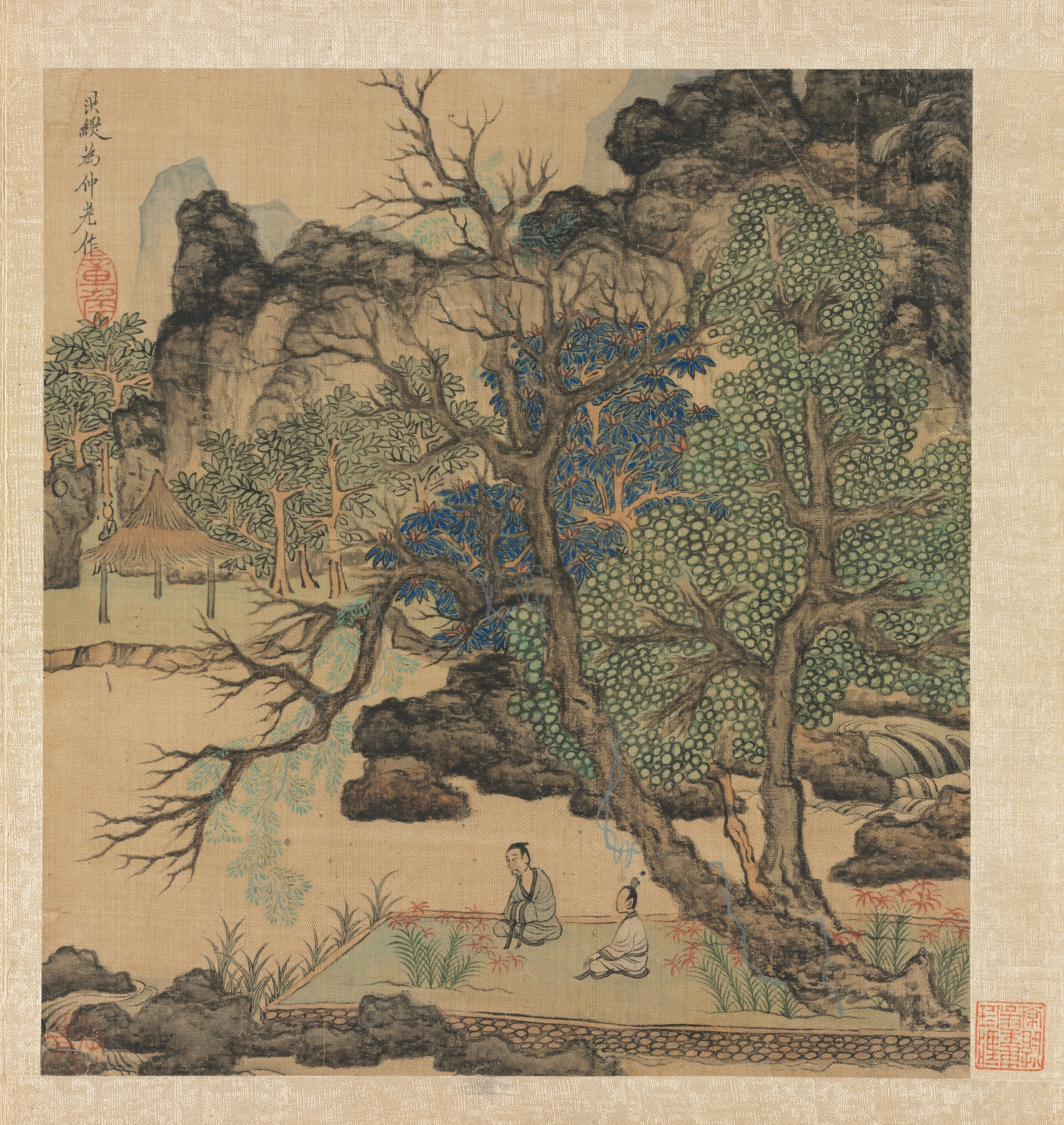
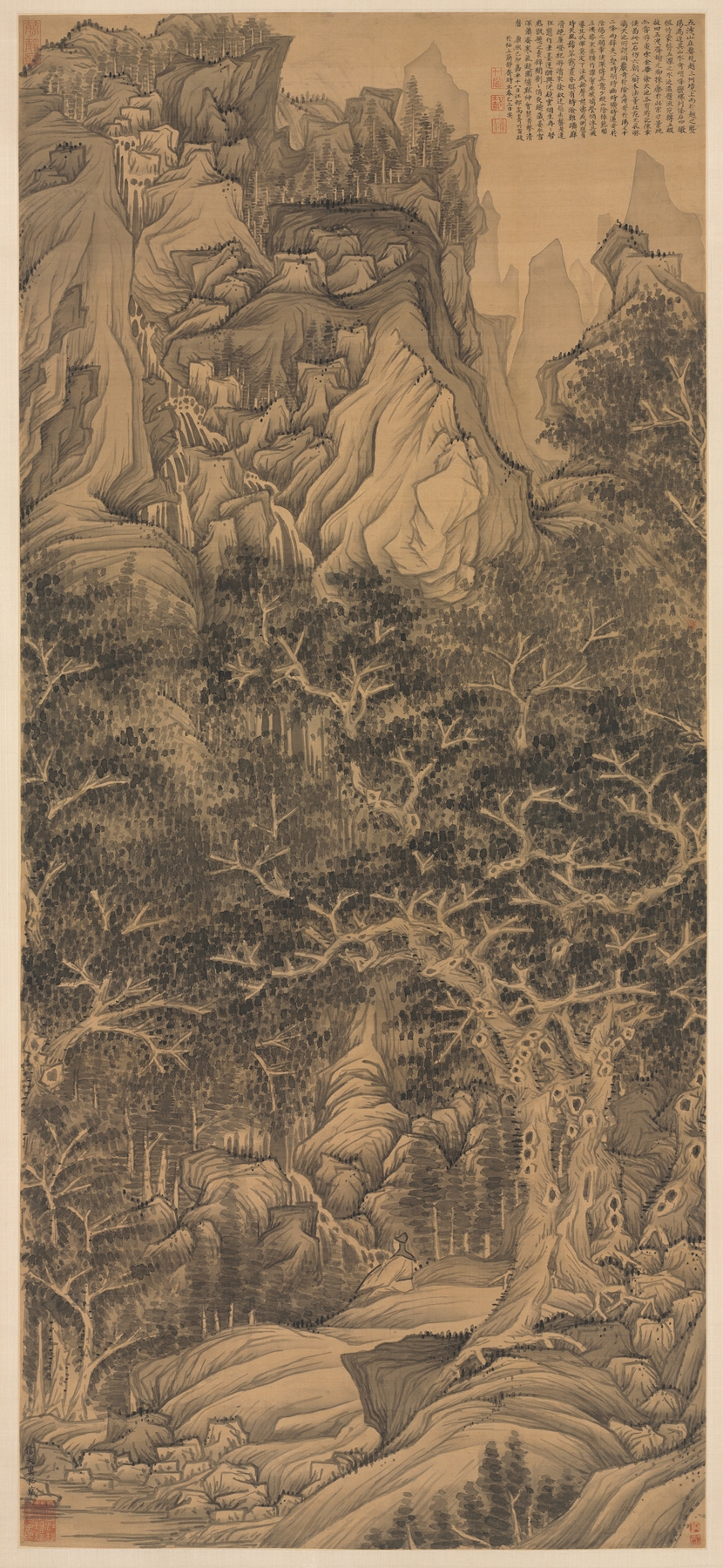
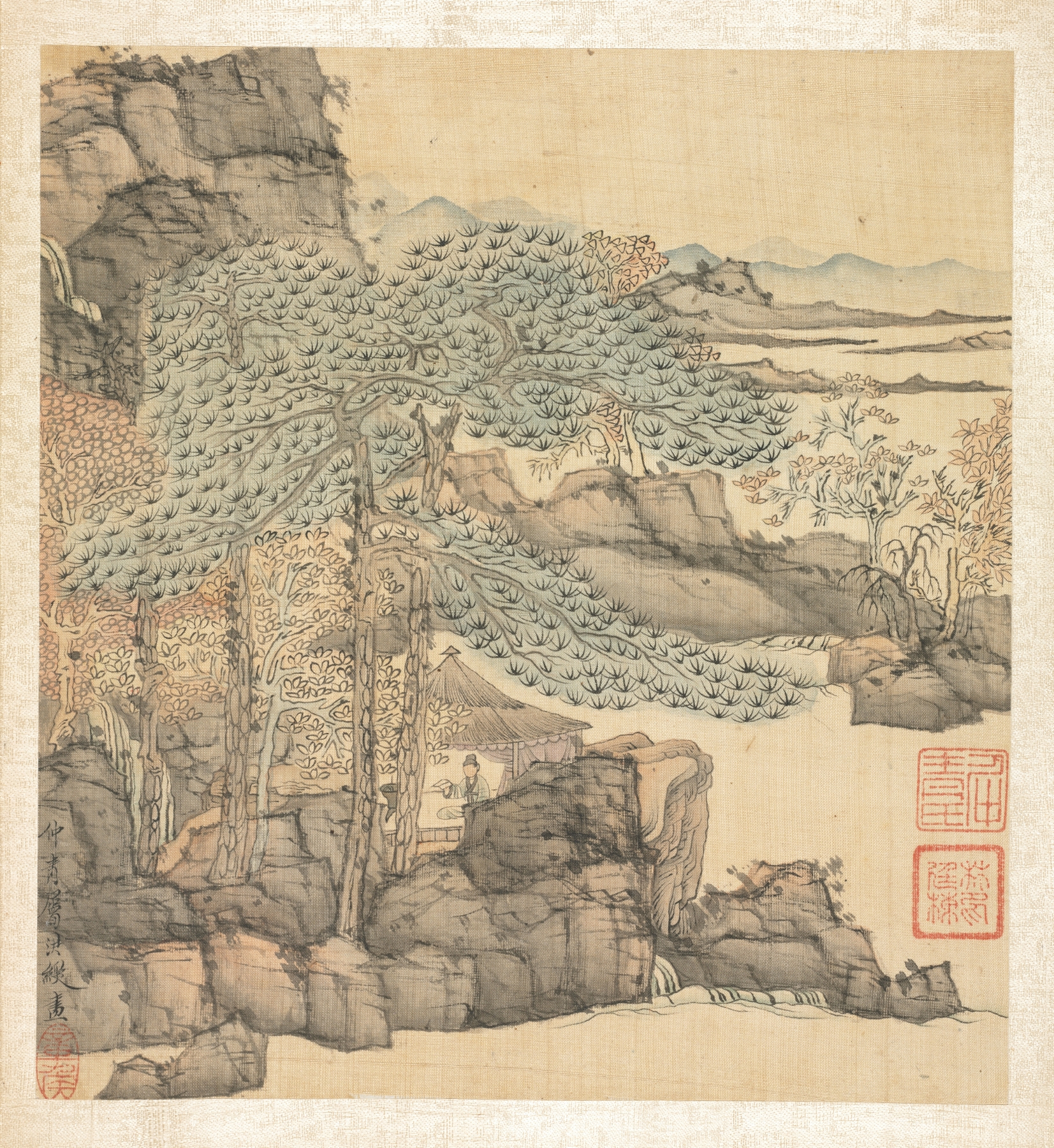
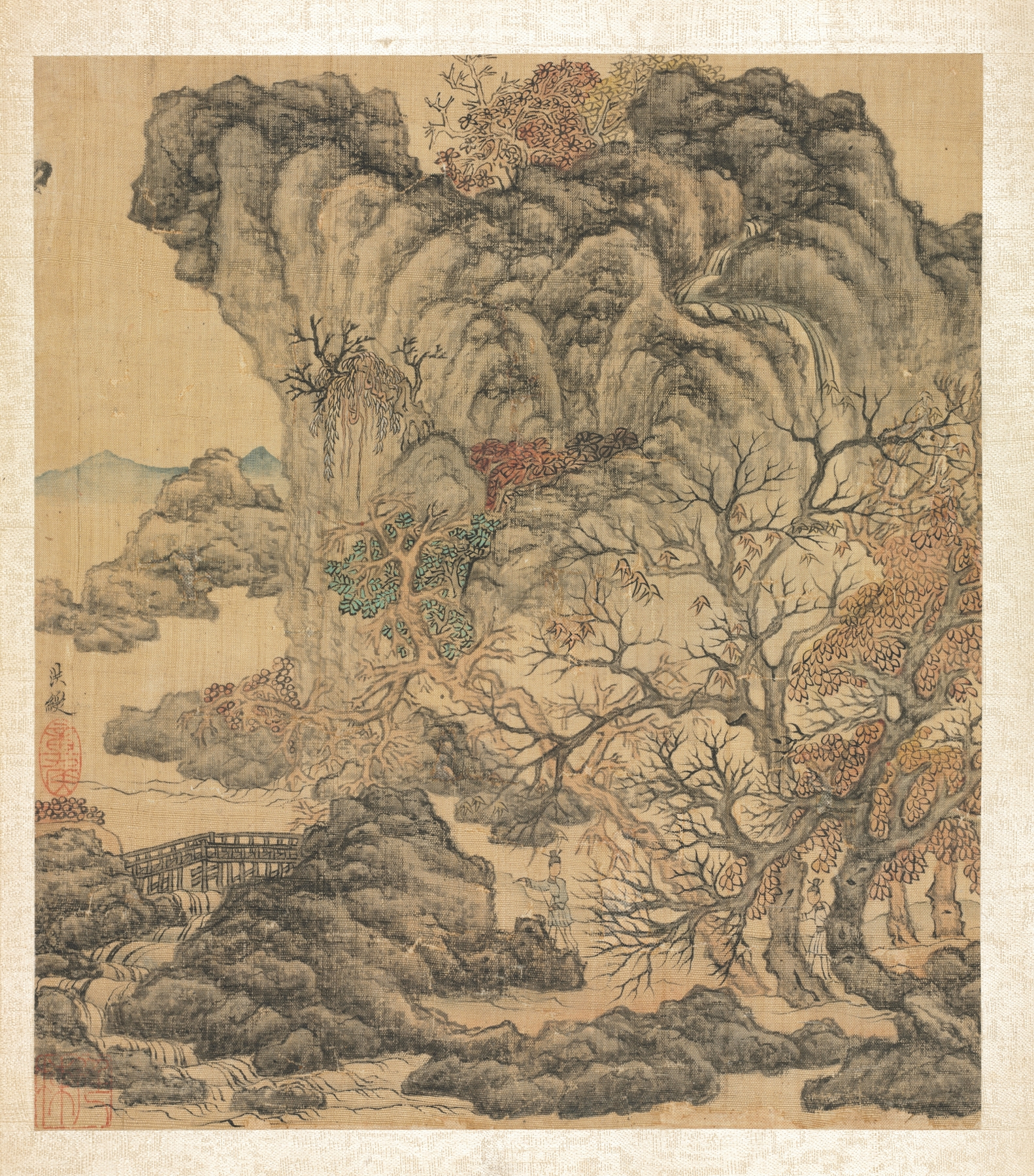
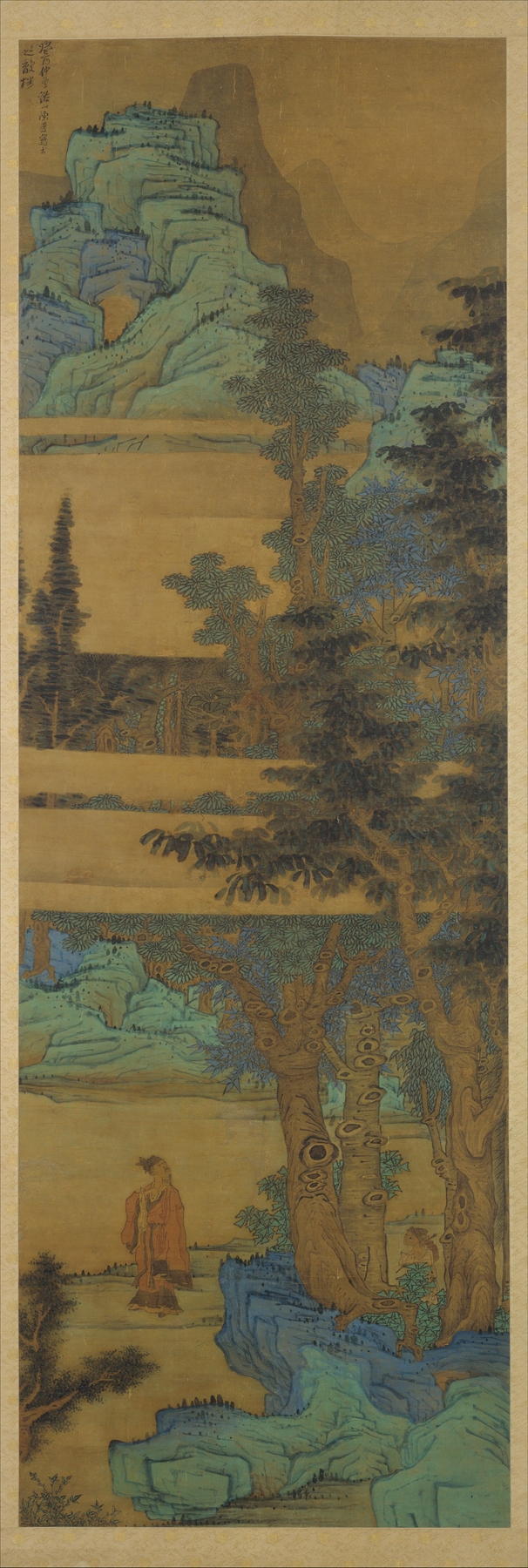
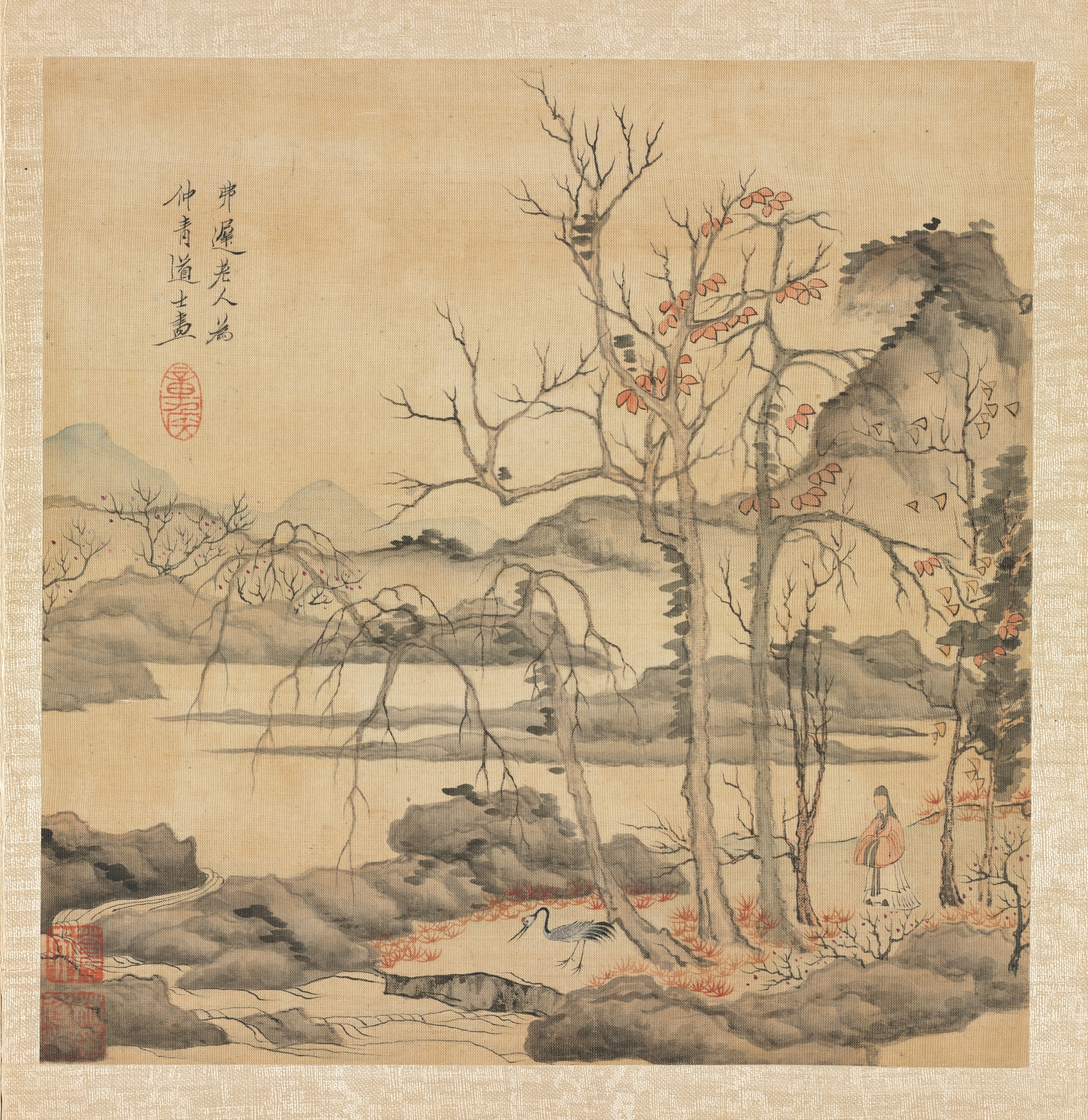
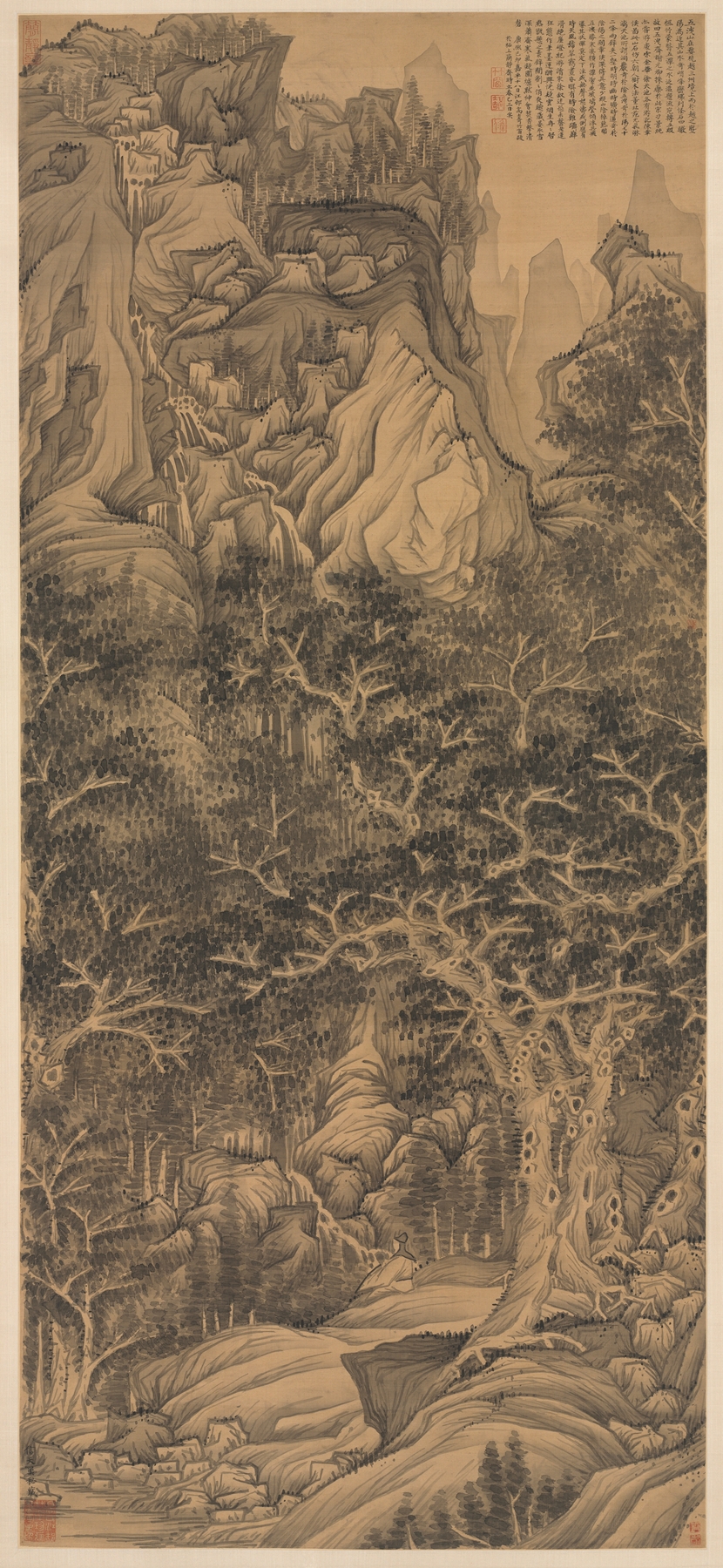
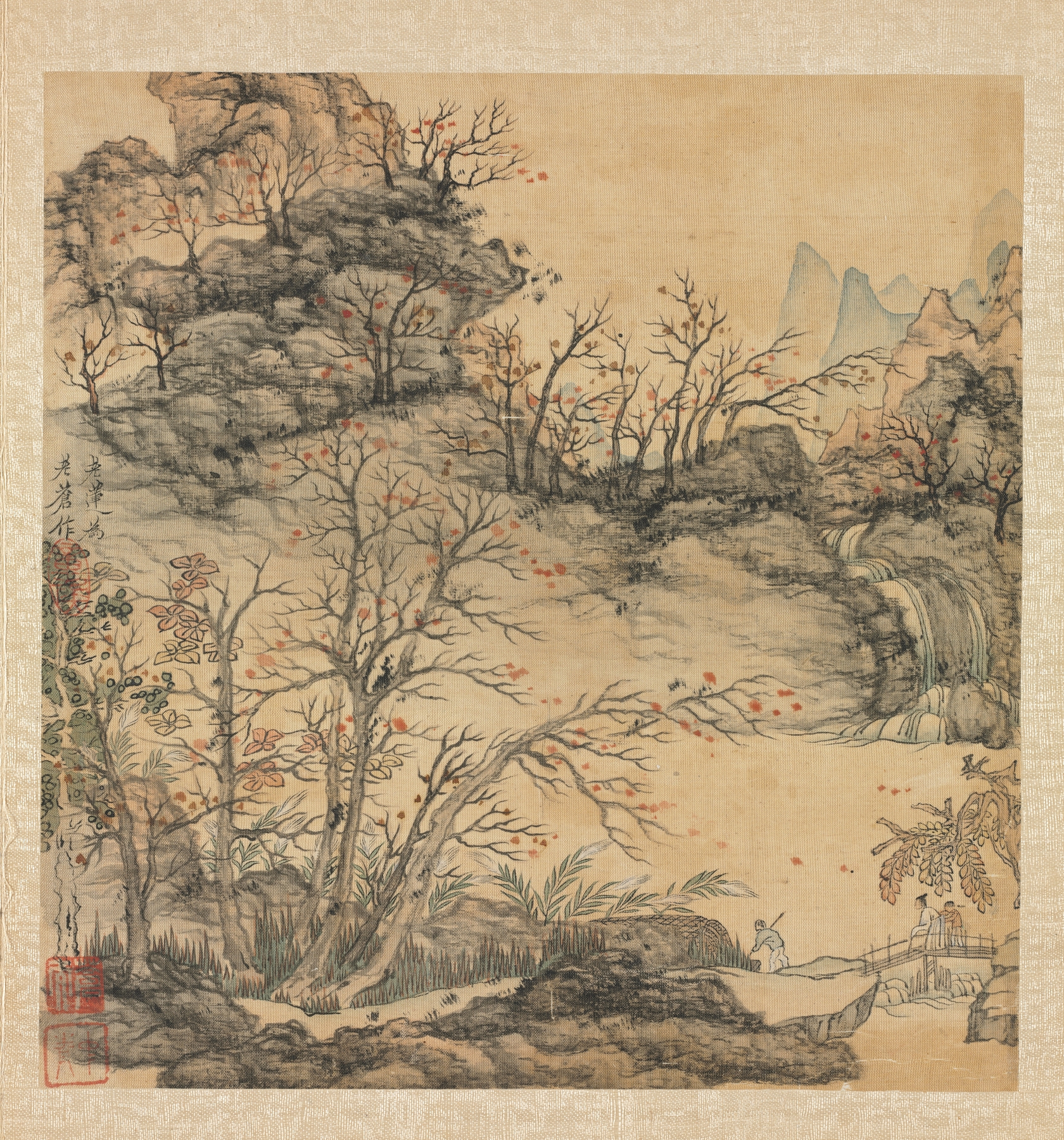
Could a single brushstroke hold eternity? In the delicate world of Chinese landscape painting, the answer is a resounding yes, reflecting not just the natural beauty but also the deep-seated obsession with the impermanence of life. Look closely at the sweeping strokes that define the mountains, each one guiding your gaze across the undulating landscape. Notice how the rich greens of the trees contrast with the muted blues of the distant hills, creating a depth that invites contemplation. The subtle use of ink washes enhances the ethereal quality, as if the scene hovers between reality and dream.
The scattered figures, almost ghostlike, add an element of scale, suggesting a profound connection between humankind and the vast, timeless nature surrounding them. Within these strokes lies a tension between solitude and the longing for connection. The mountains loom large, yet the tiny figures seem dwarfed by their majesty, evoking feelings of isolation amidst grandeur. This juxtaposition speaks to an obsession with both nature's overwhelming power and the fragility of human existence.
Each detail, from the carefully rendered rocks to the delicate trees, invites viewers to explore their place in the universe—a contemplation of presence in an ever-changing world. During the years 1598-1652, the artist crafted this piece in the midst of a rich cultural dialogue in China, where landscape painting became an expression of personal philosophy and emotional resonance. Chen Hongshou was influenced by earlier masters like Ni Zan, striving to convey the spiritual and philosophical depths of nature while reflecting the societal shifts of the time. This period saw the intersection of artistic tradition and personal expression, which profoundly shaped the trajectory of Chinese ink painting.