The Mountain of Five Cataracts — History & Analysis
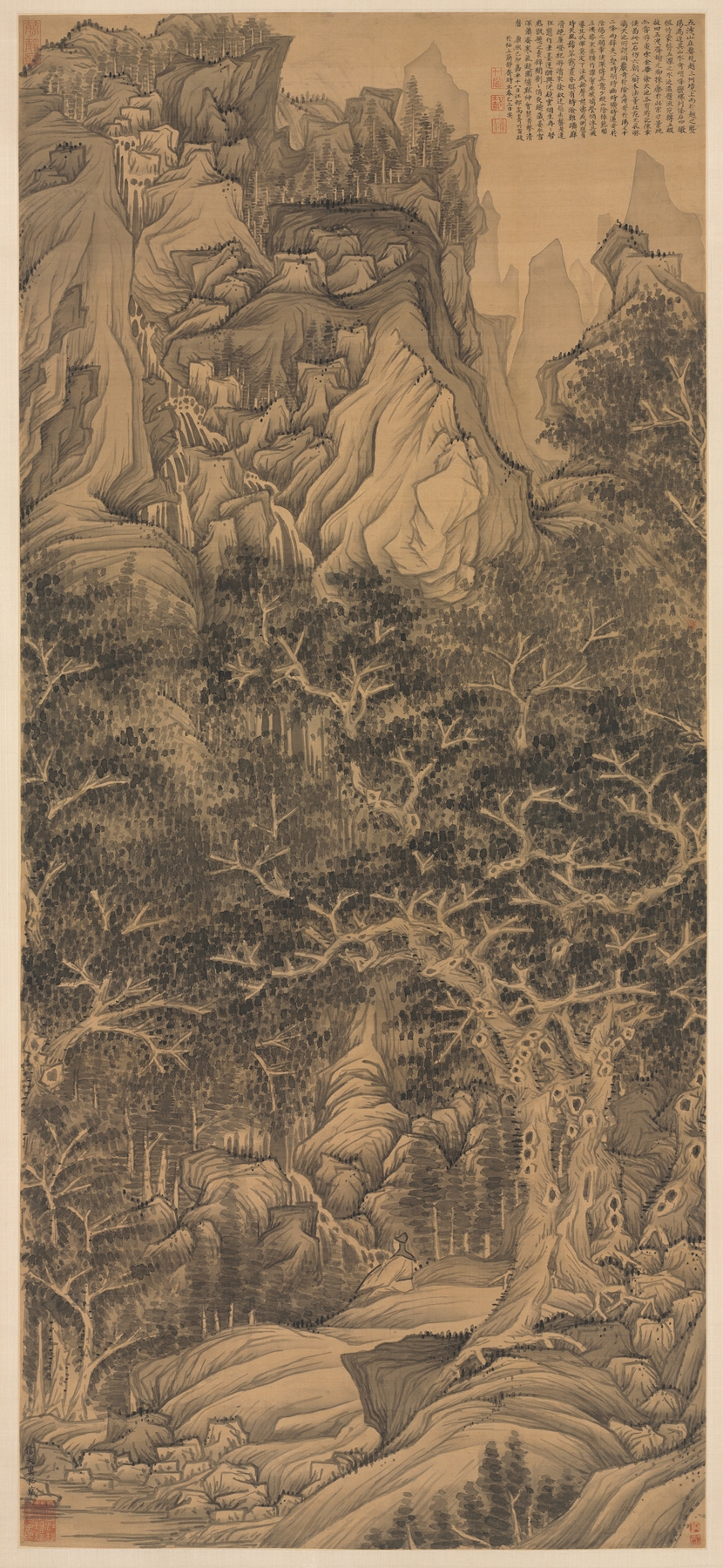
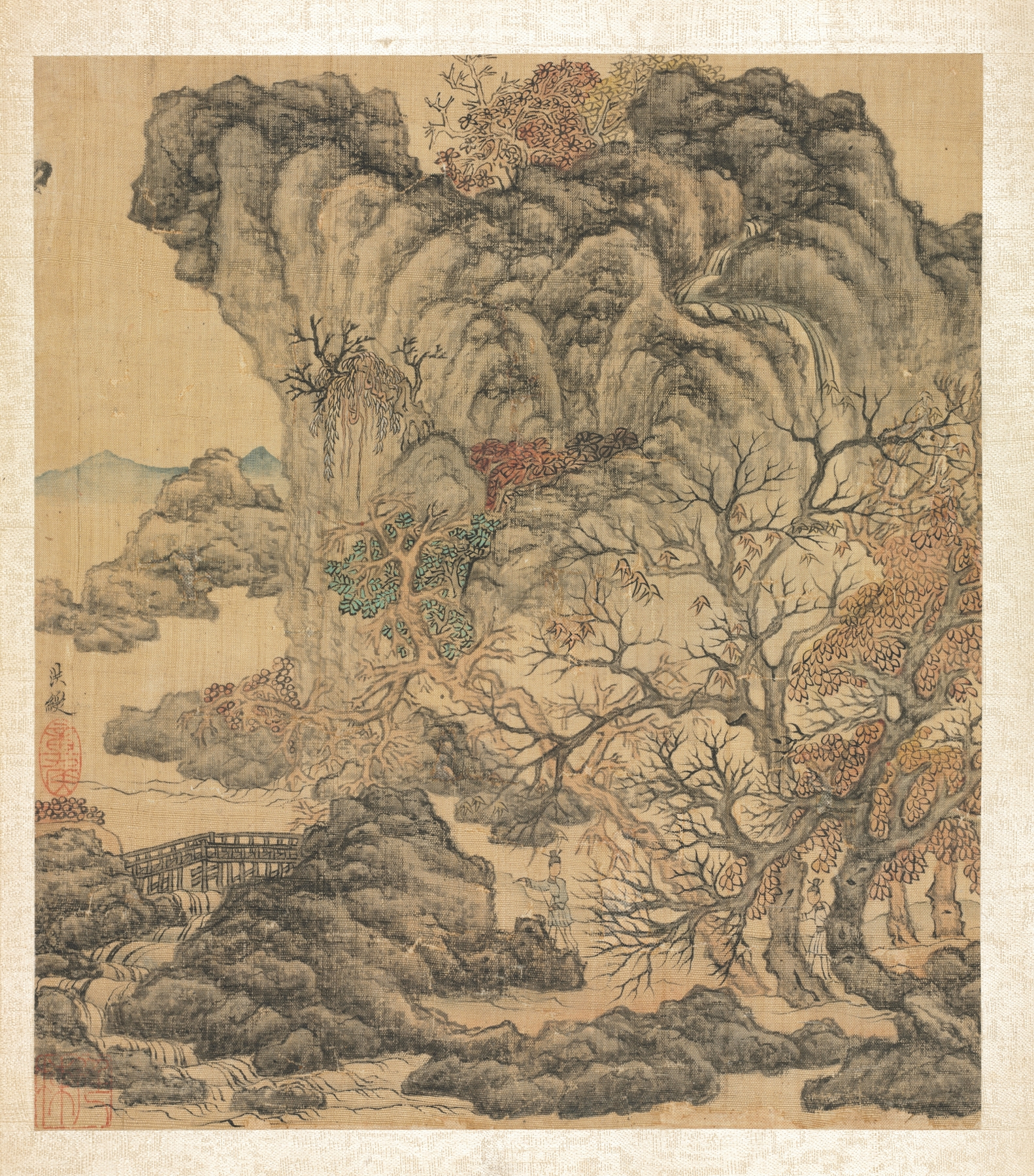
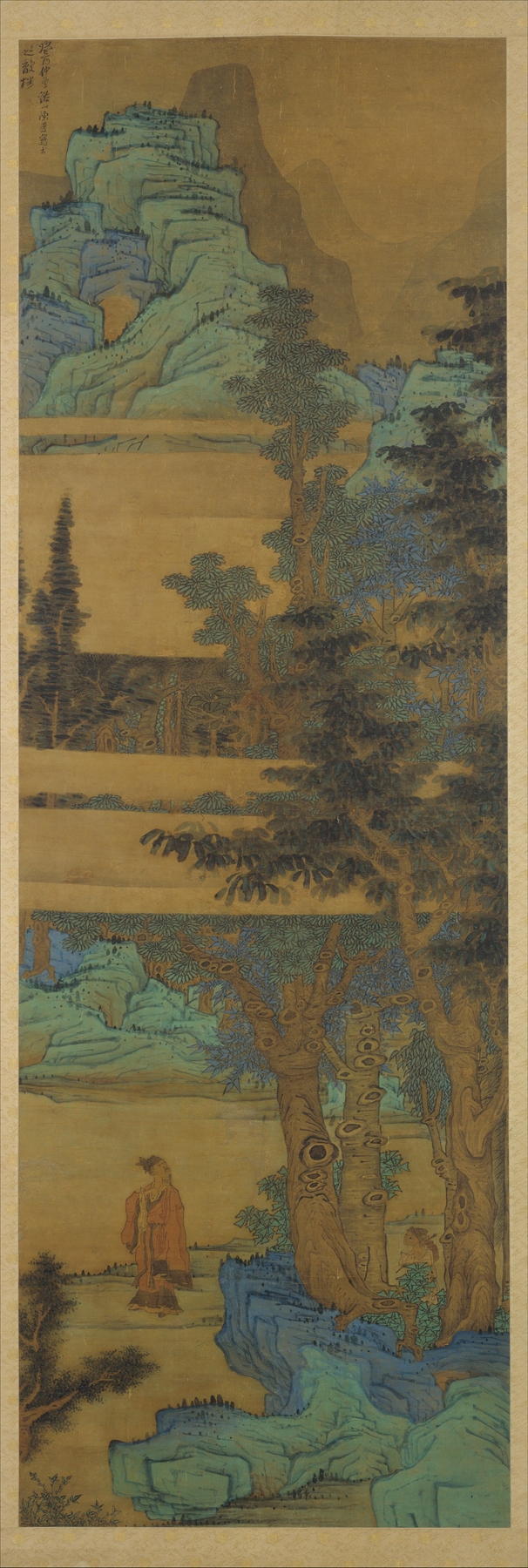
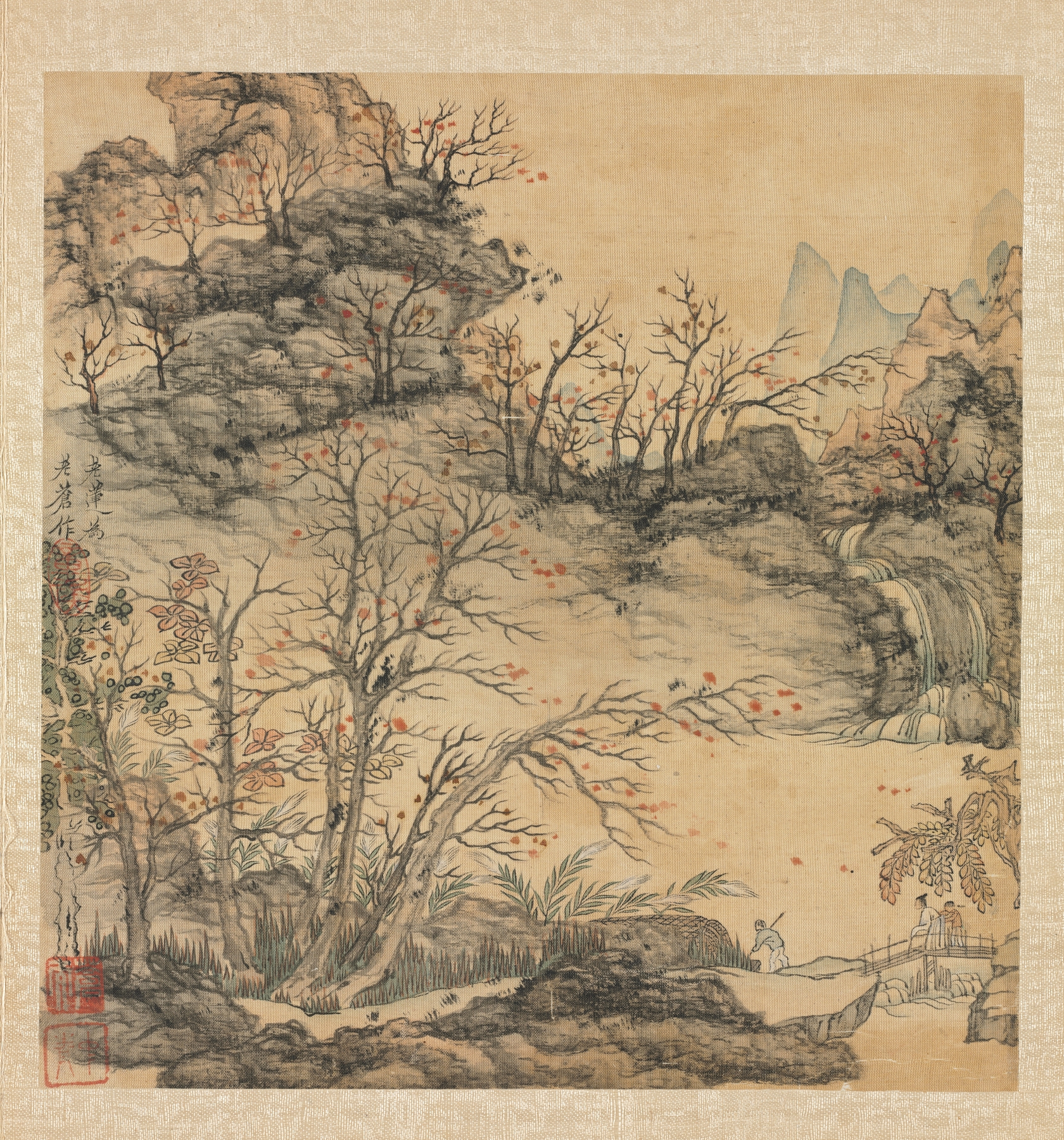
What if beauty was never meant to be finished? In The Mountain of Five Cataracts, an obsession with nature’s grandeur emerges, inviting us to grapple with the sublime. Look to the upper left corner where the peaks rise sharply against the sky, their jagged edges rendered with meticulous brushstrokes that evoke both strength and fragility. Focus on the cascading waterfalls flowing down the mountainside, each stream captured in layers of translucent blues and whites, creating a sense of movement that contrasts with the stillness of the surrounding landscape.
The careful use of ink wash enriches the scene, allowing shadows and light to dance across the rock faces, while the delicate outlines of the trees below provide a grounding presence. The emotional tension in this work lies in the interplay between chaos and order. While the tumultuous waterfalls symbolize the relentless passage of time, the serene mountain backdrop suggests permanence and stability. This dichotomy reveals a deeper reflection on humanity’s fleeting existence against the immovable force of nature.
The spectral figures of travelers, small and almost insignificant, stand in awe of the beauty around them, embodying the perpetual quest for understanding amidst overwhelming grandeur. In 1650, during the Ming-Qing transition in China, the artist was immersed in a period of cultural upheaval and artistic innovation. Living in a society that cherished both traditional landscape painting and the emerging individual expression, he sought to capture the essence of nature’s beauty, merging detailed realism with personal interpretation. This painting reflects not only a moment in his artistic journey but also the broader dialogues within that dynamic landscape of art.