Scholar-recluse in blue-green landscape — History & Analysis
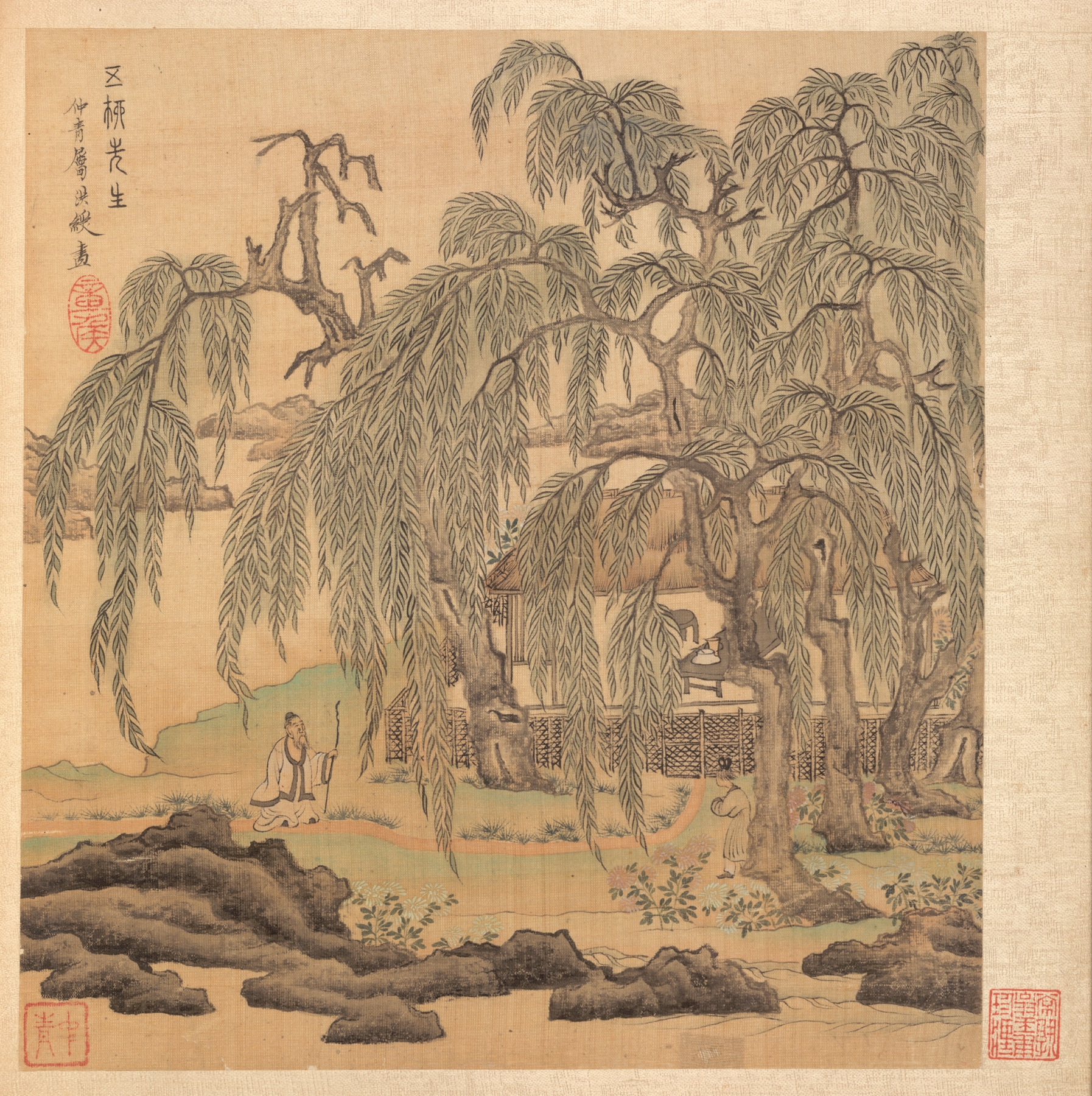
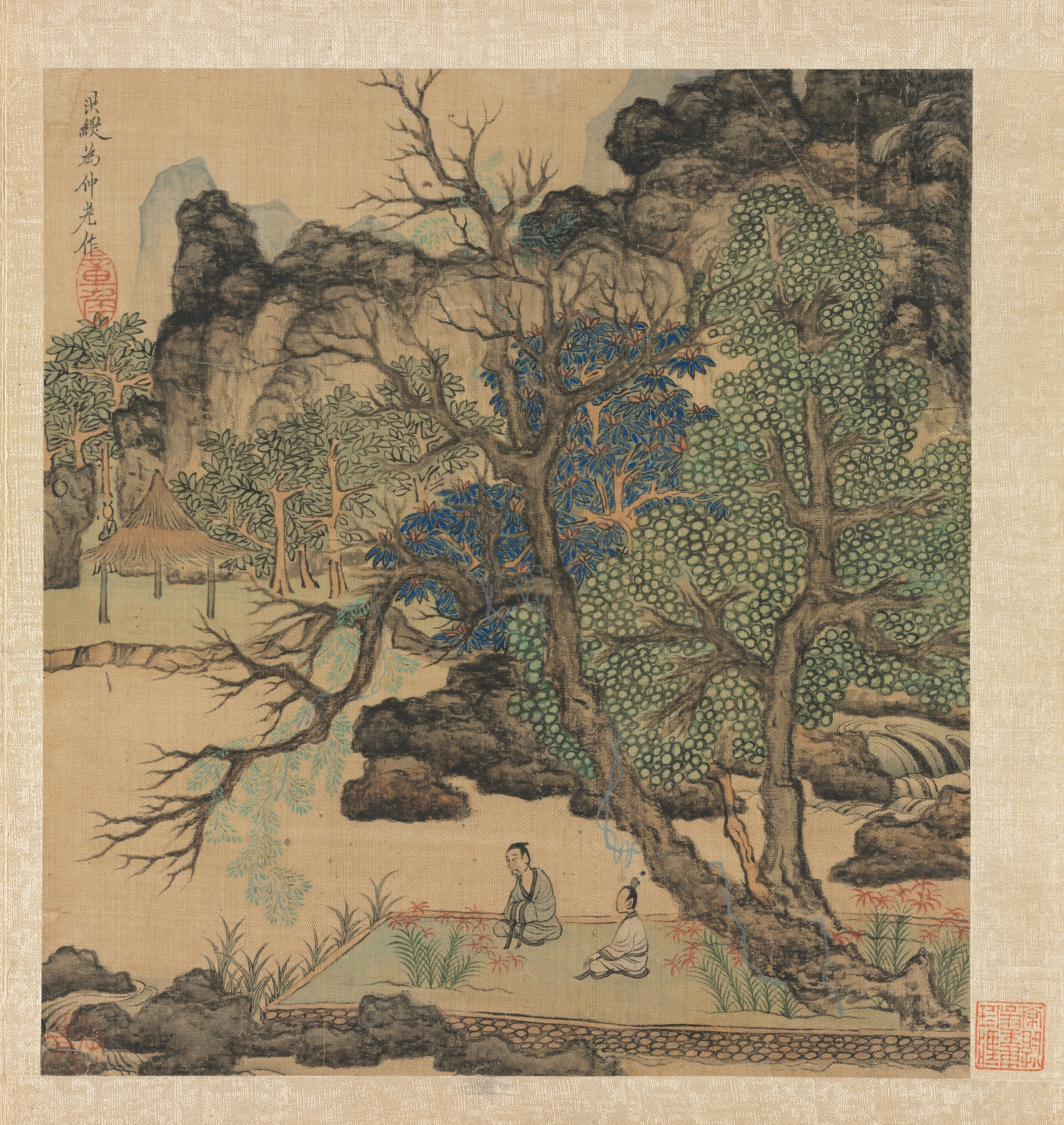
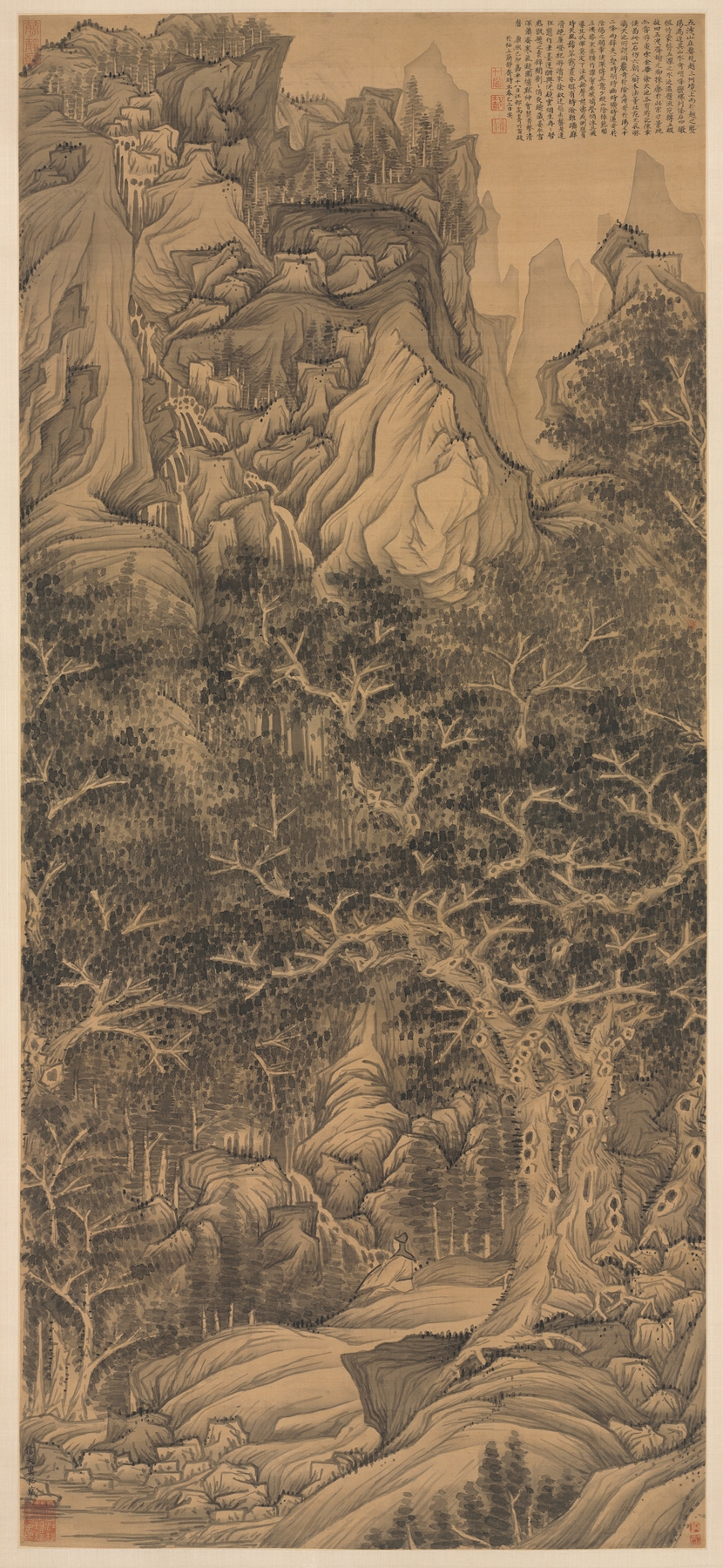
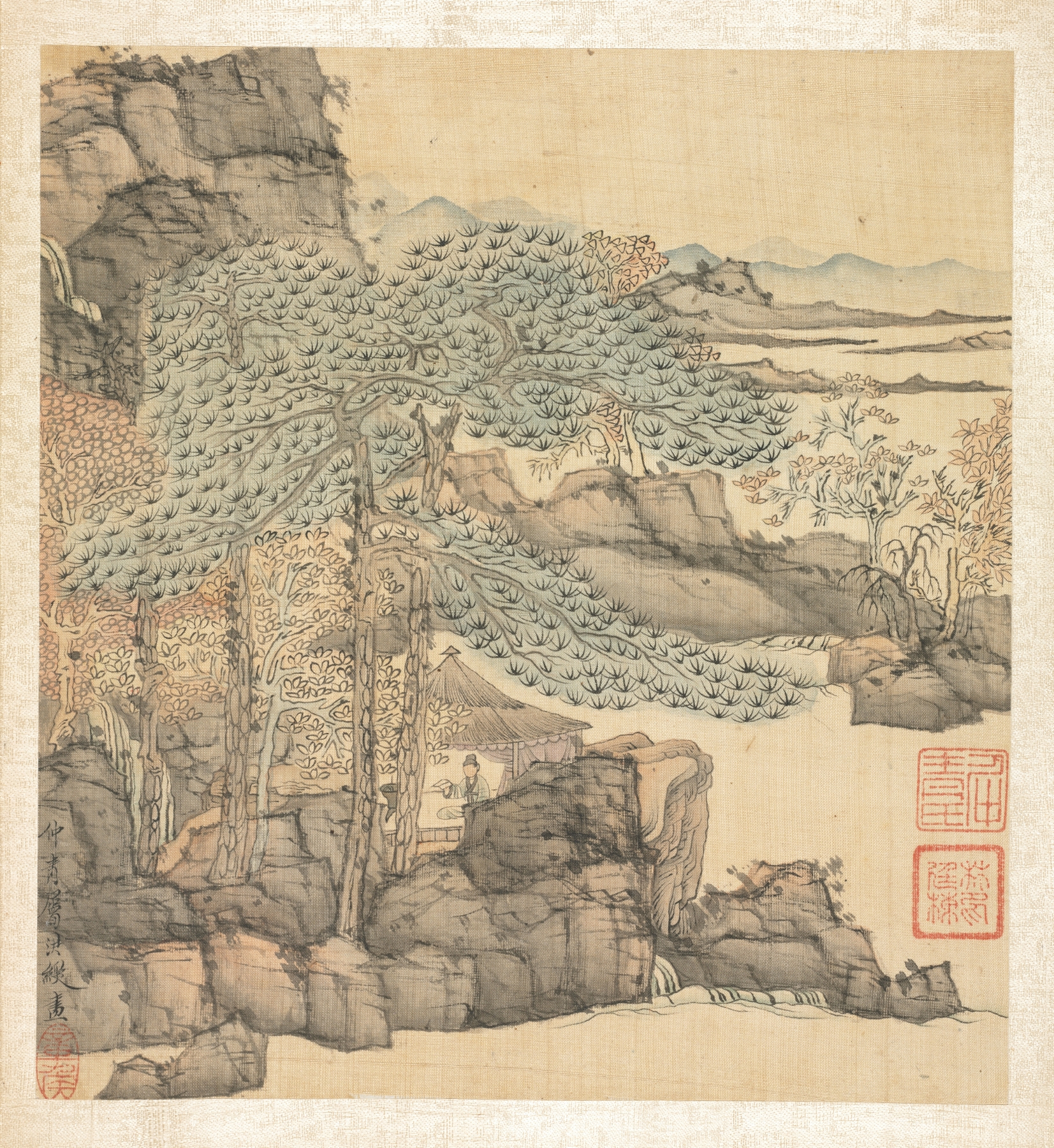
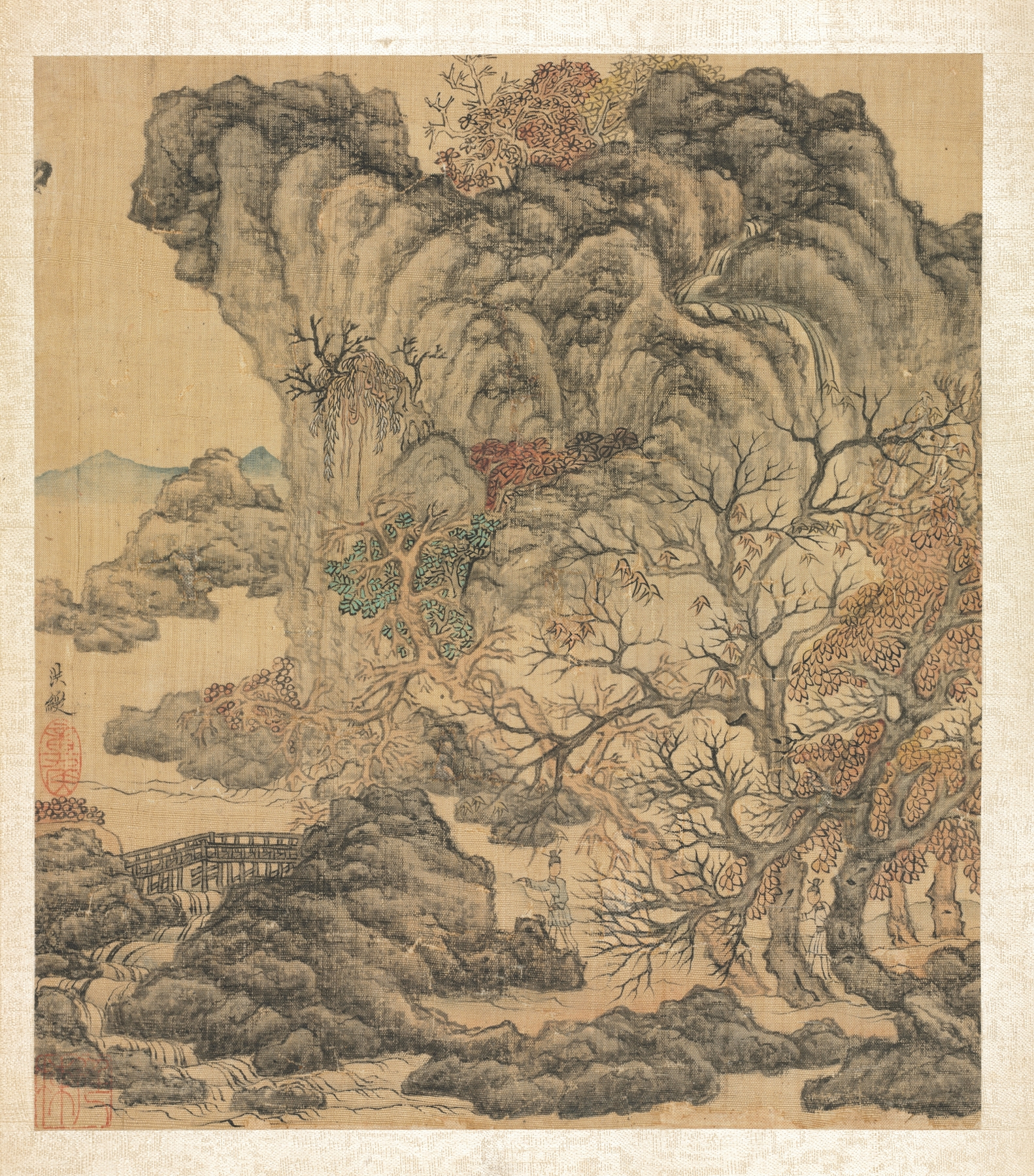
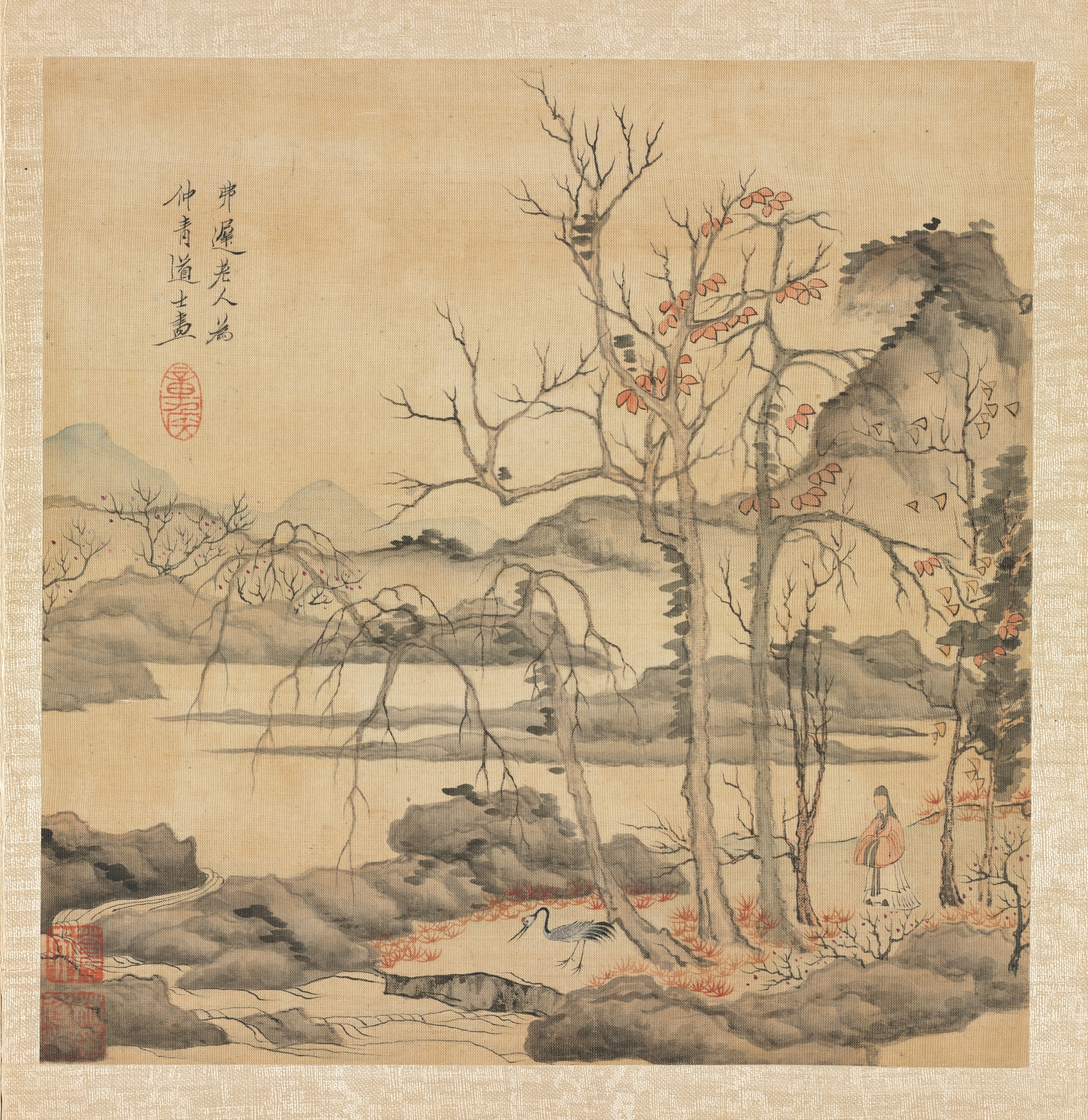
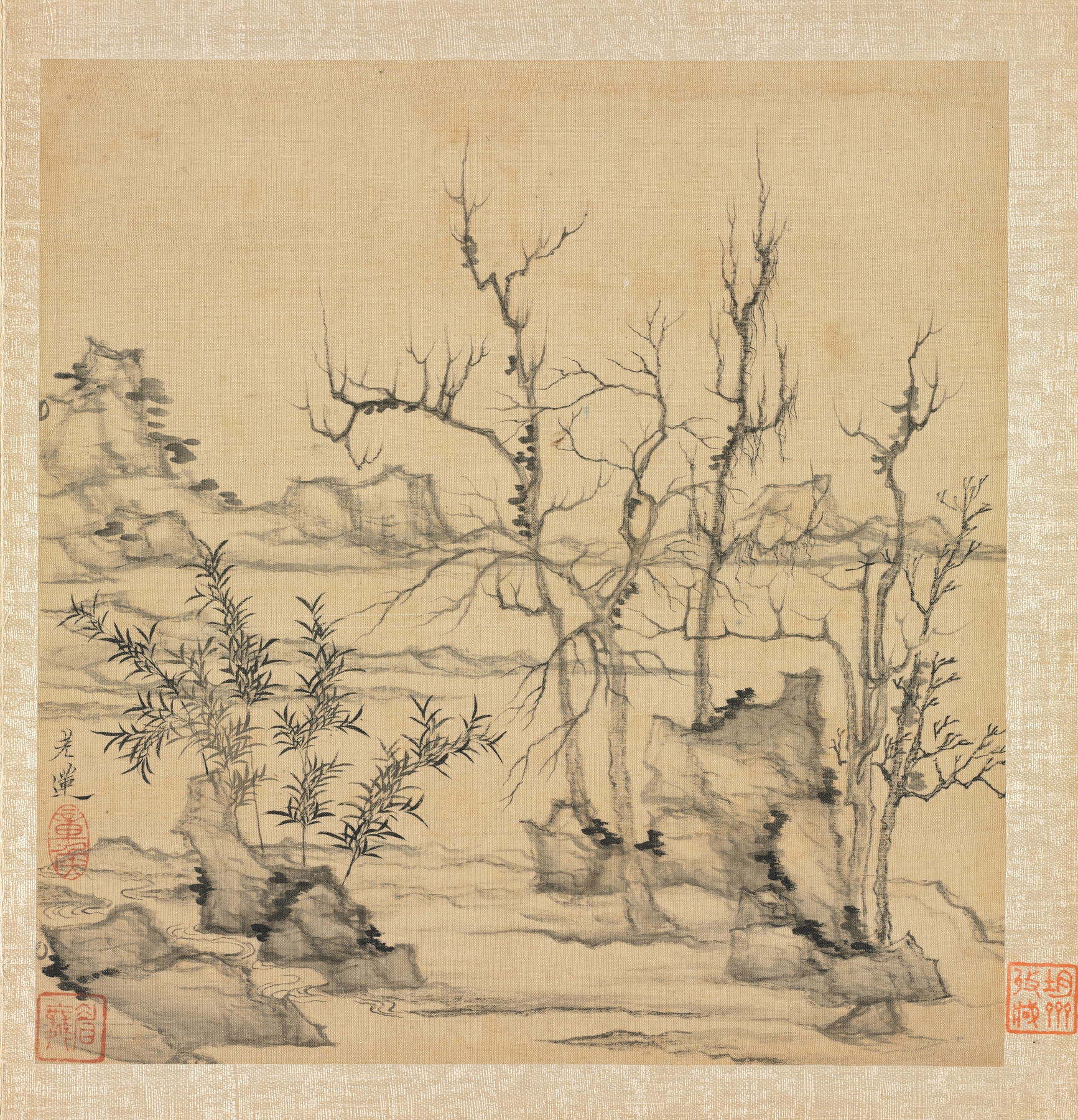
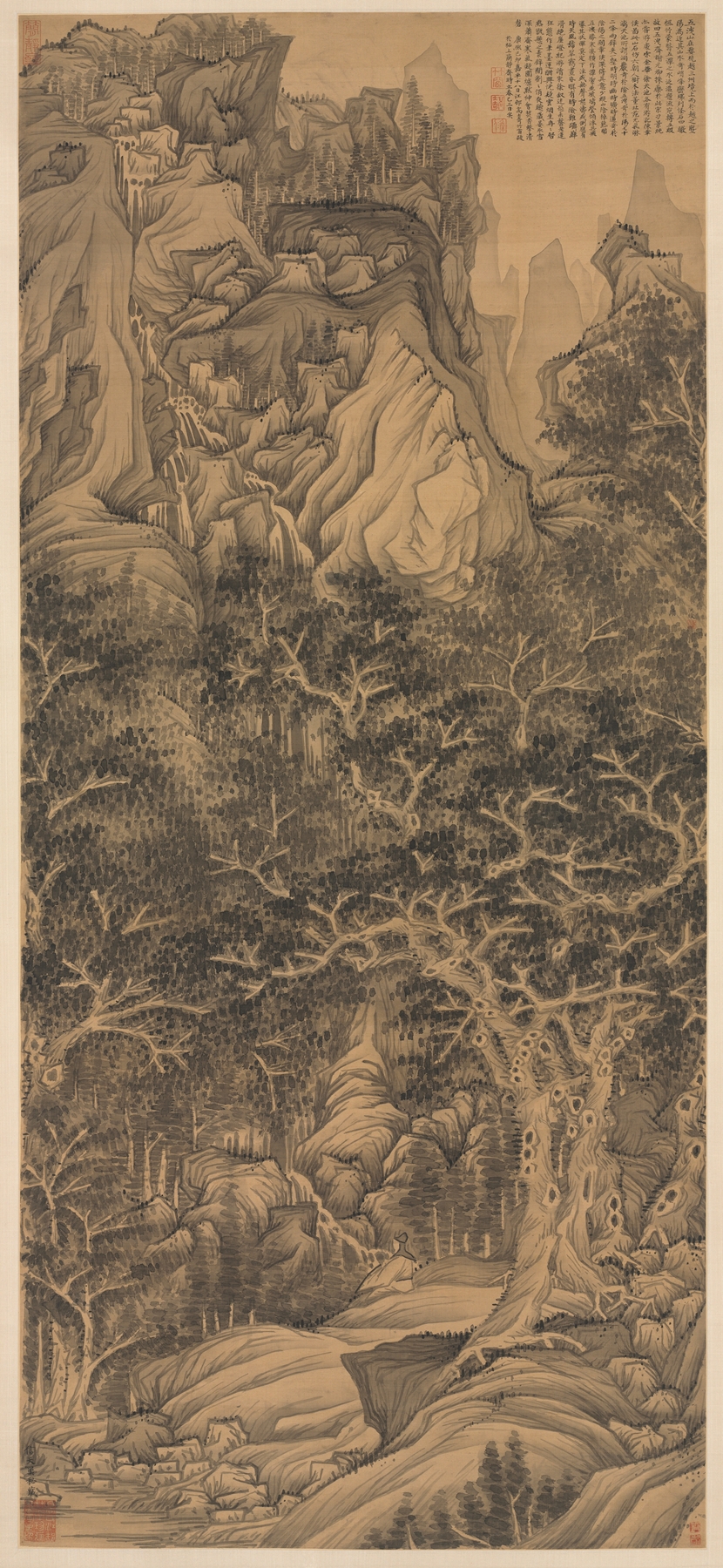
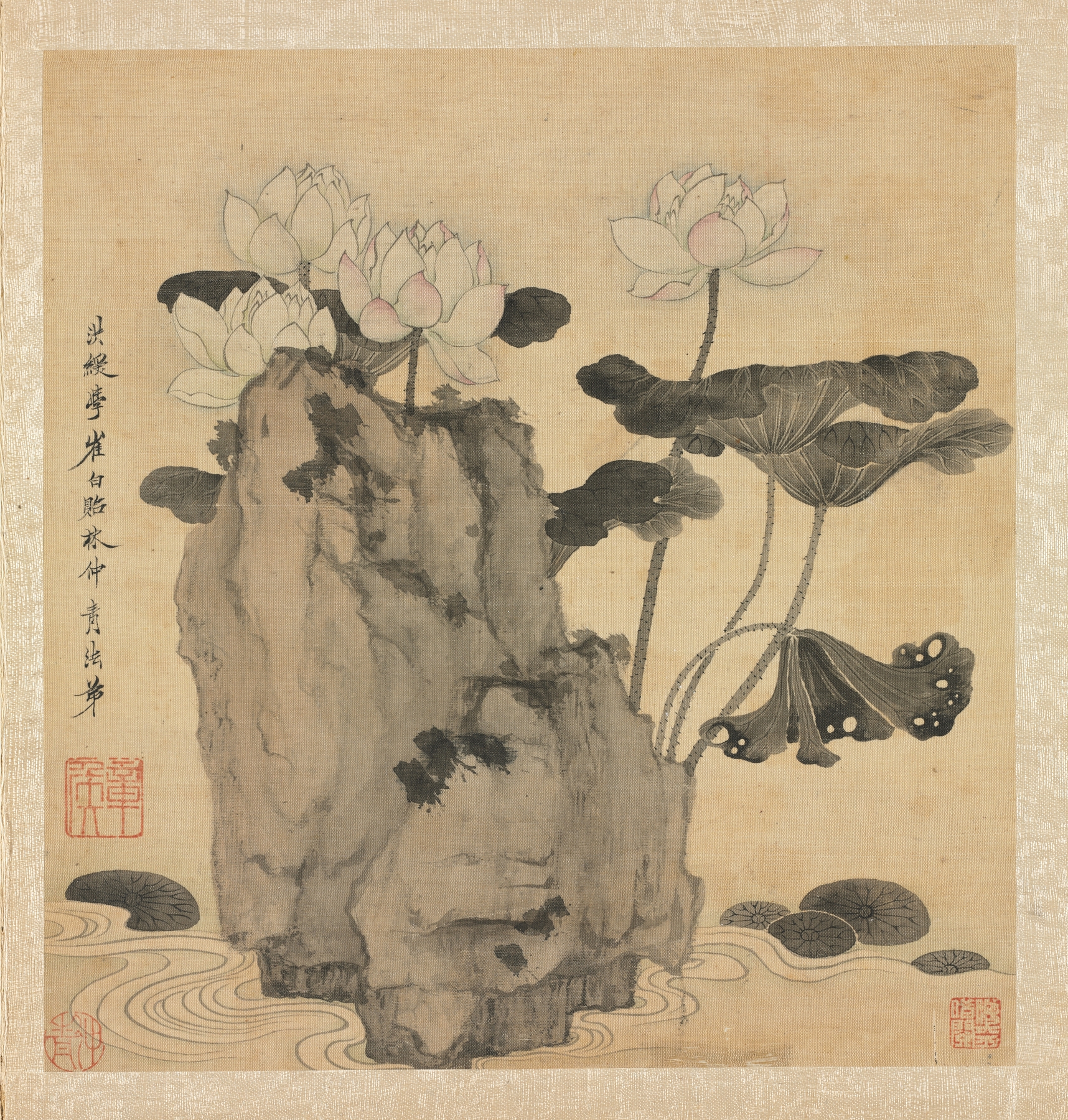
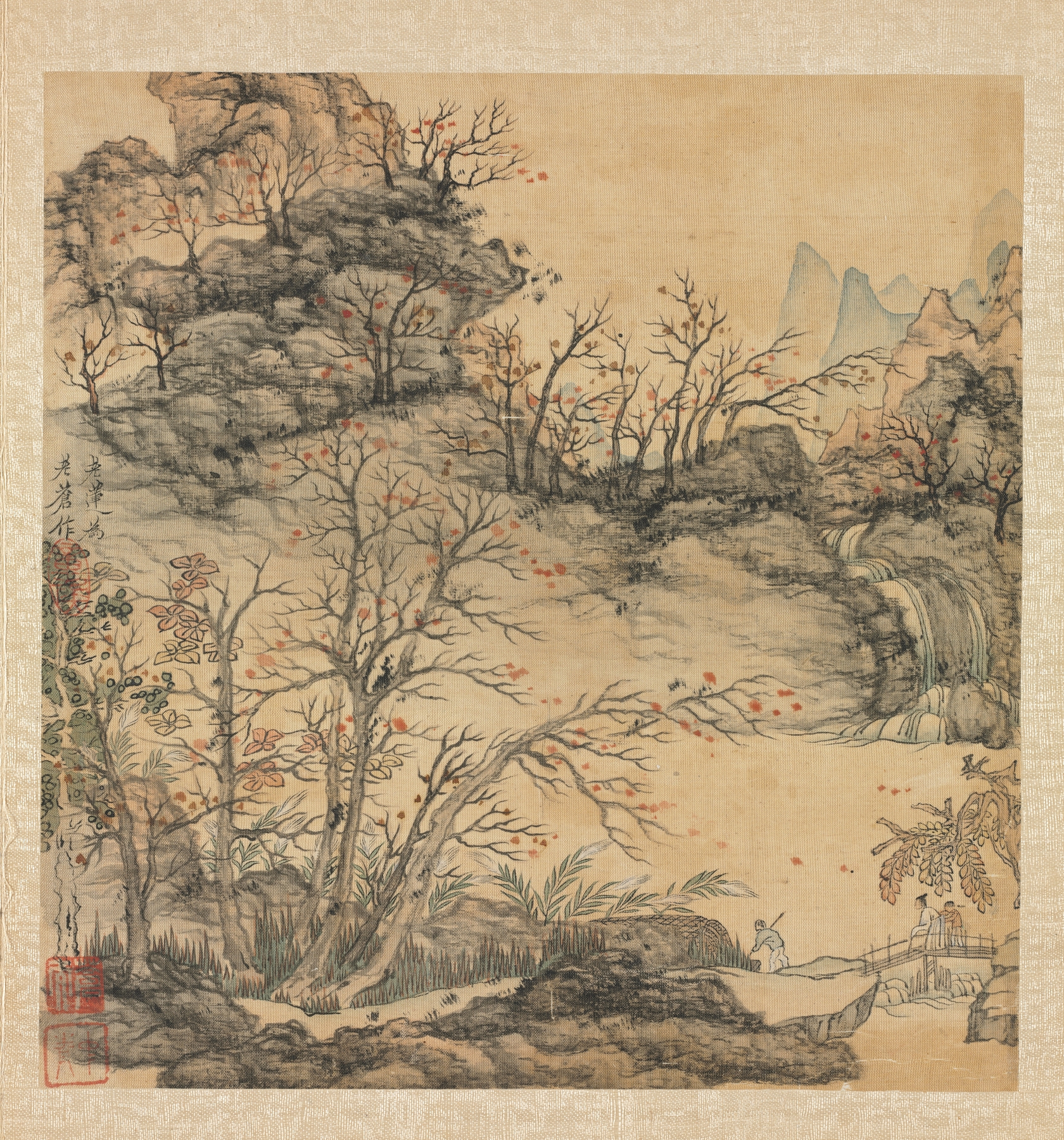
What if silence could speak through light? In Scholar-recluse in blue-green landscape, a world of desire unfolds, where the solace of solitude meets the vibrant pulse of nature. Look to the center, where the scholar sits quietly, draped in robes that harmonize with the lush greens and blues surrounding him. Notice how the gentle curves of the mountain behind him cradle his form, while the delicate brush strokes of the leaves seem to whisper secrets of the earth.
The interplay of light and shadow creates an ethereal glow, drawing the eye to the scholar’s contemplative expression, evoking a profound sense of introspection. Delve deeper into this tranquil scene, and you’ll find contrasts that speak volumes — the serenity of the scholar juxtaposes with the vibrant, almost tumultuous landscape around him, suggesting an inner conflict between the desire for knowledge and the allure of the natural world. The soft blues and greens not only reflect the beauty of the scenery but also embody the longing for peace amidst the chaos of existence.
Each element, from the way the scholar's fingers lightly touch the text before him to the distant peaks that loom like unresolved thoughts, encapsulates this tension. In 1633, Chen Hongshou painted this work during a time when China was experiencing cultural resurgence yet faced significant social strains. Living in the historical context of the late Ming to early Qing dynasty, the artist drew from a rich tradition of literati painting, infusing it with his personal reflections on isolation, knowledge, and the wisdom of nature during his time in Hangzhou.