Autumn Landscape — History & Analysis
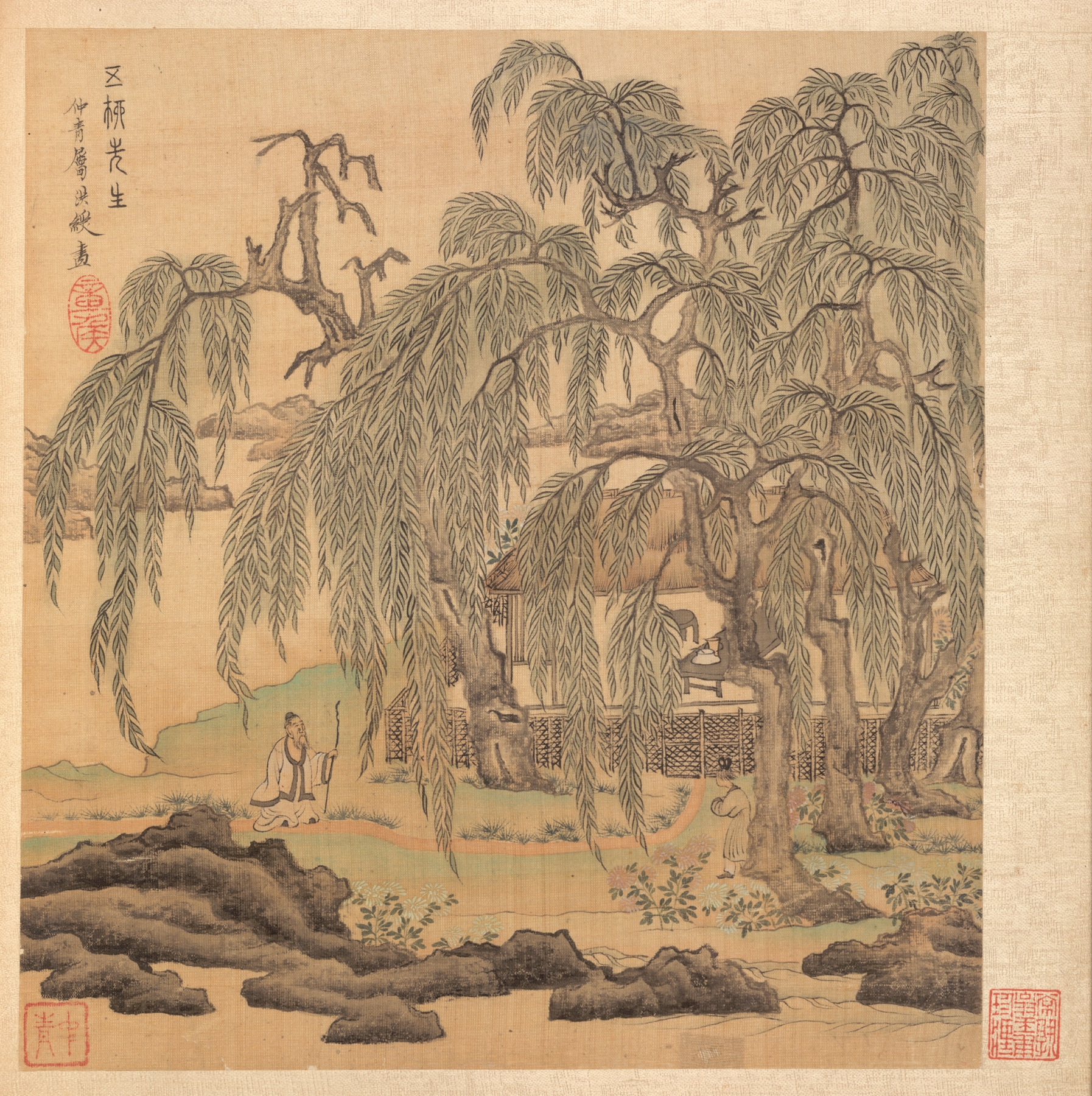
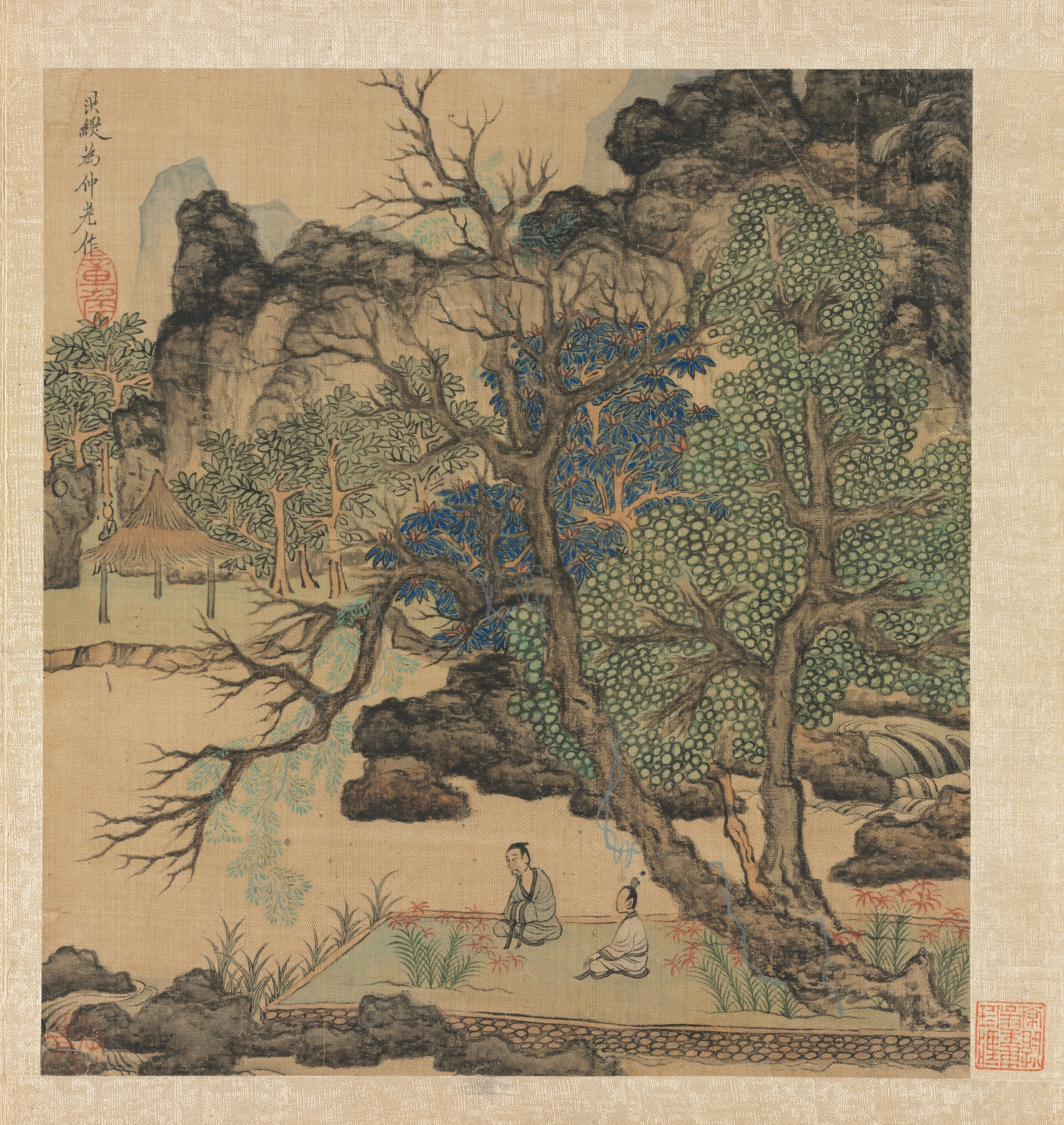
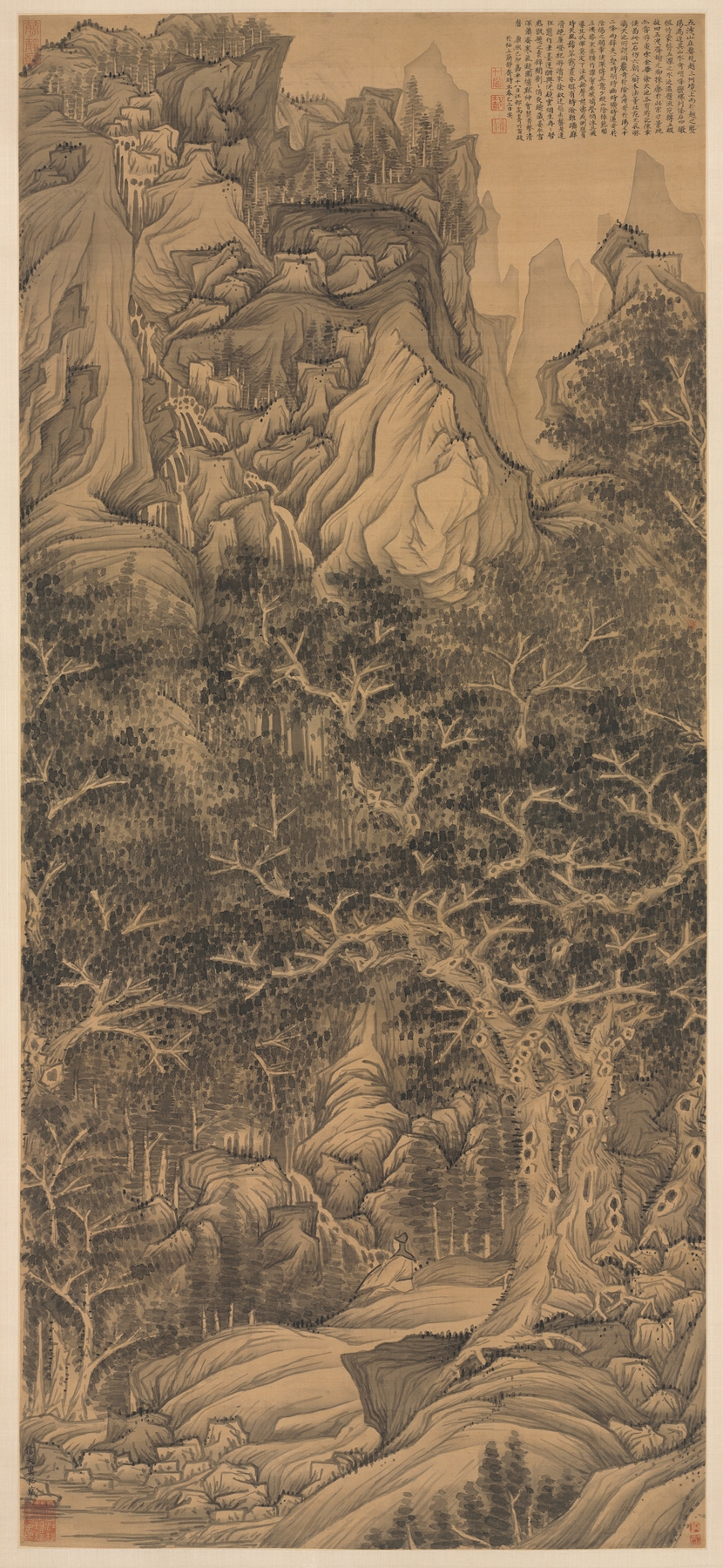
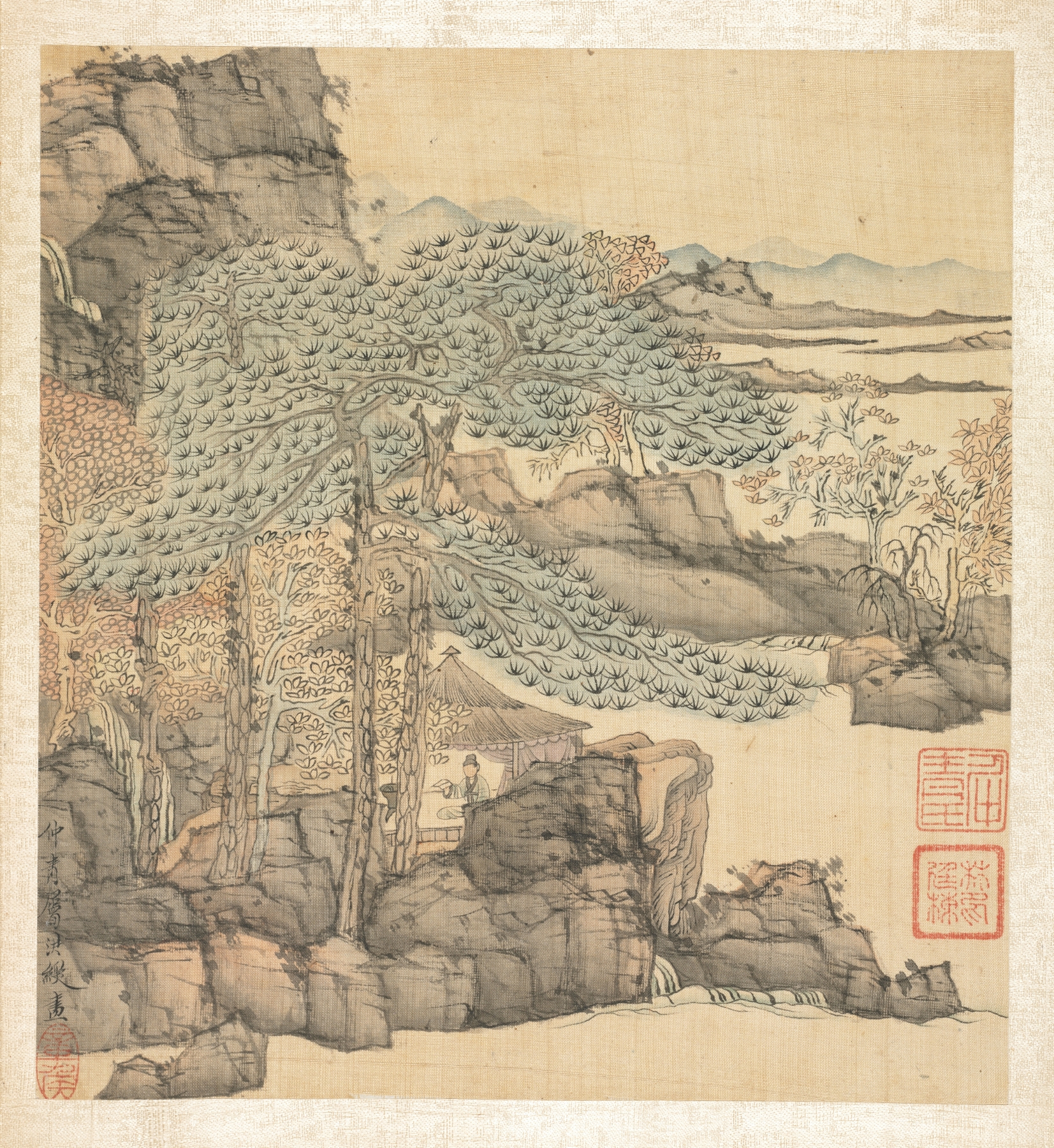
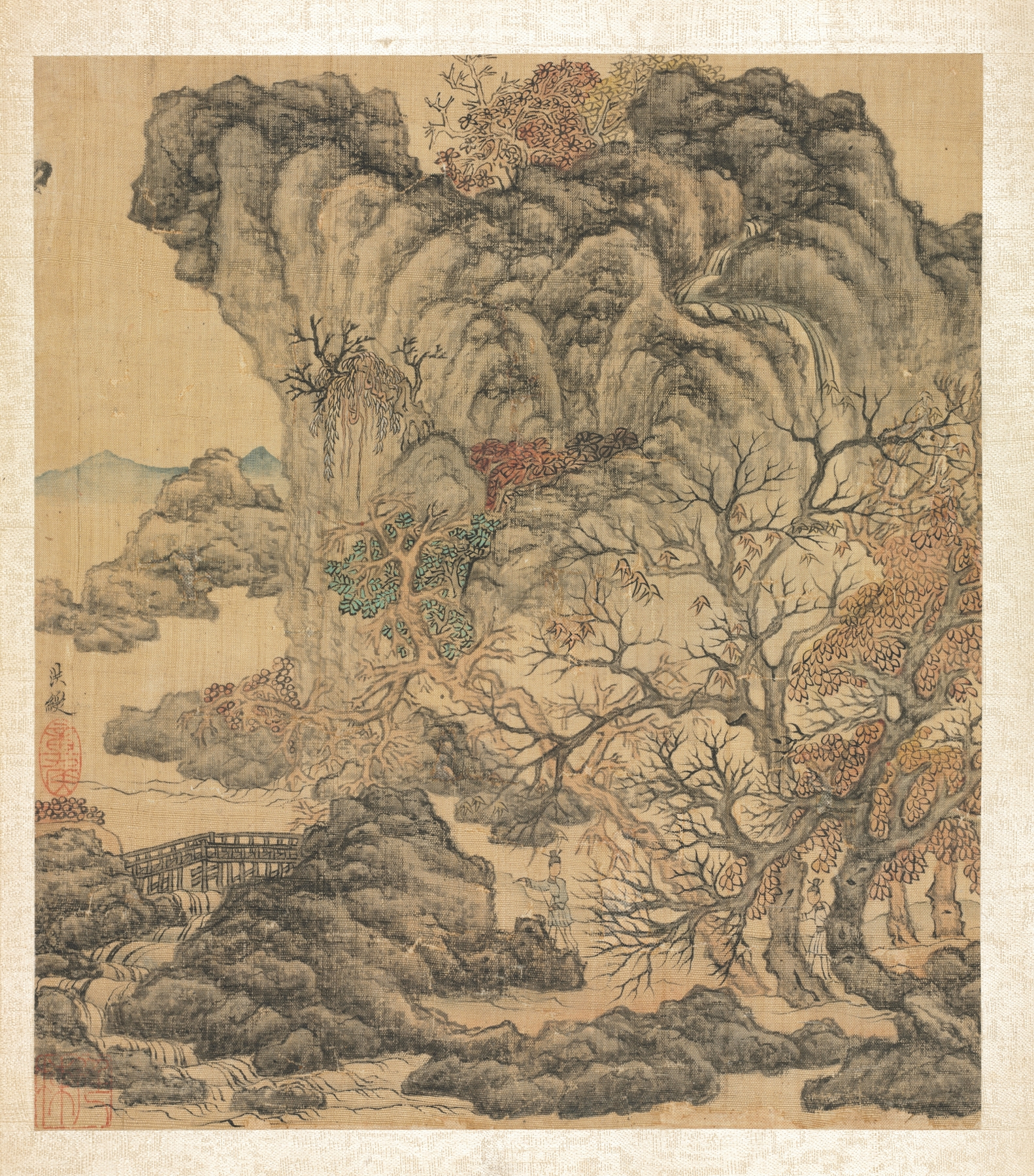
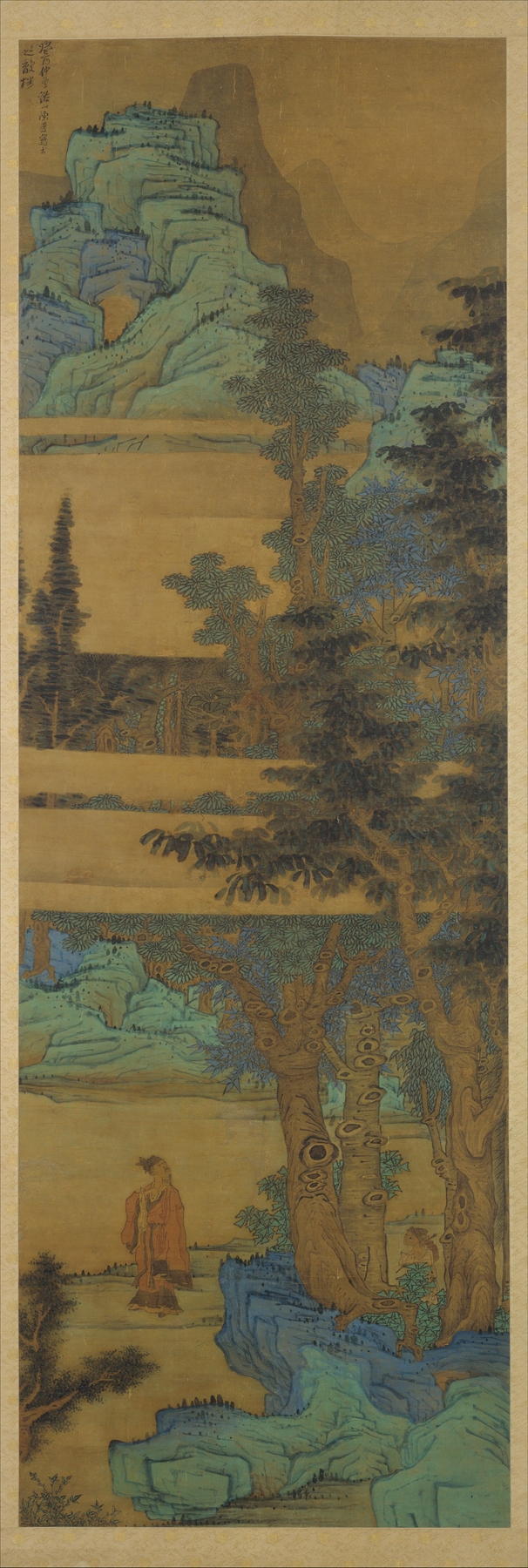
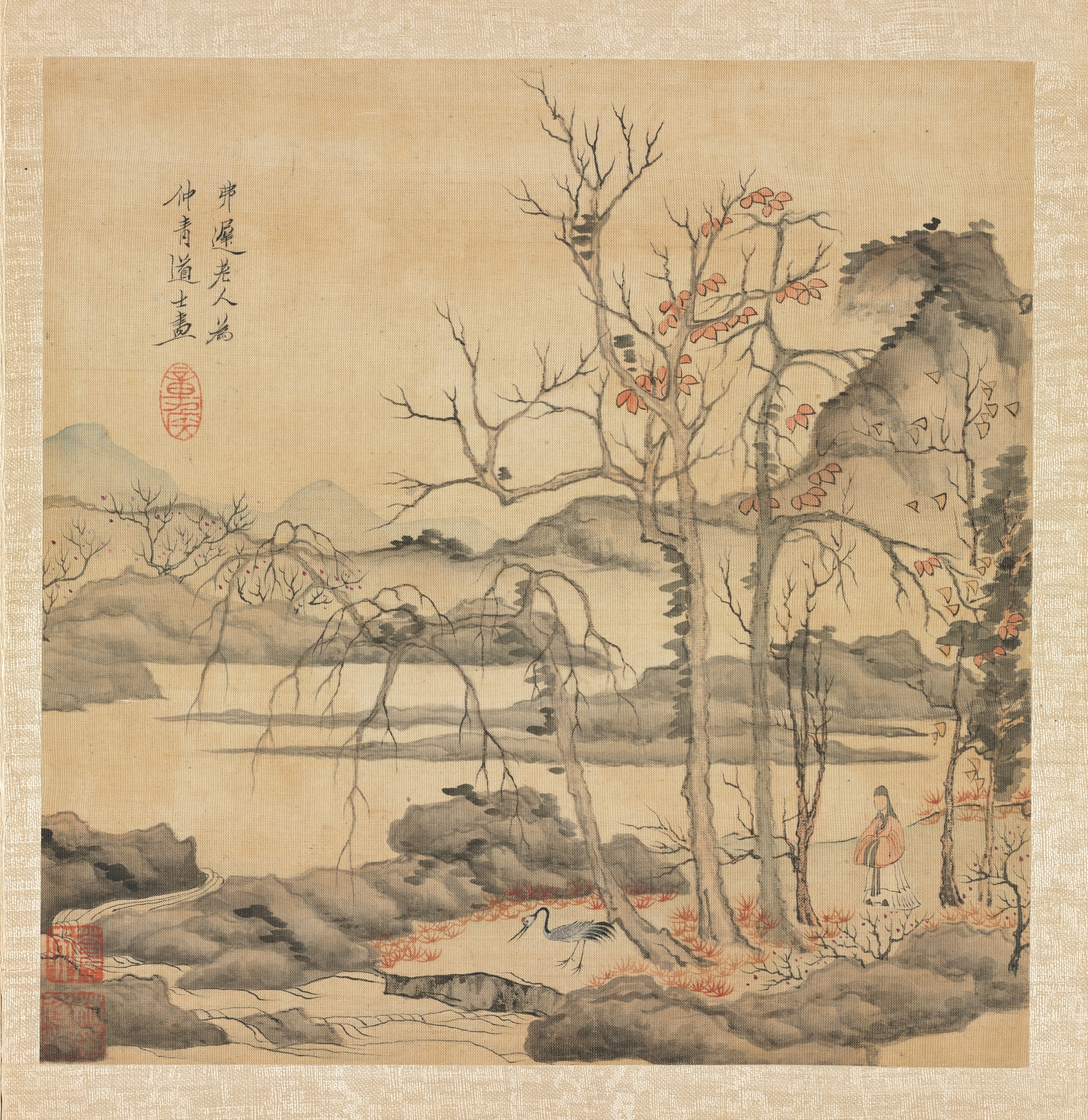
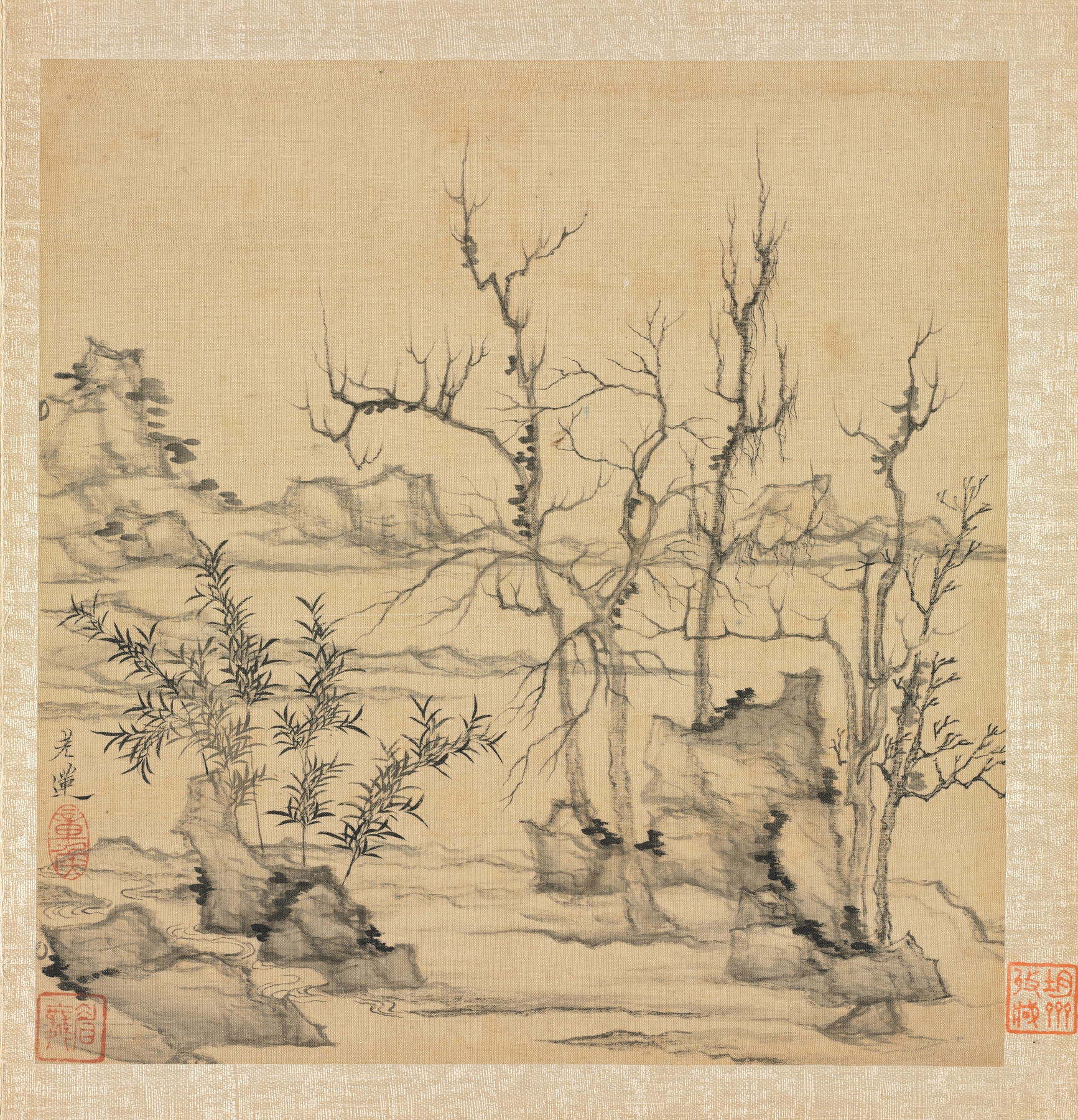
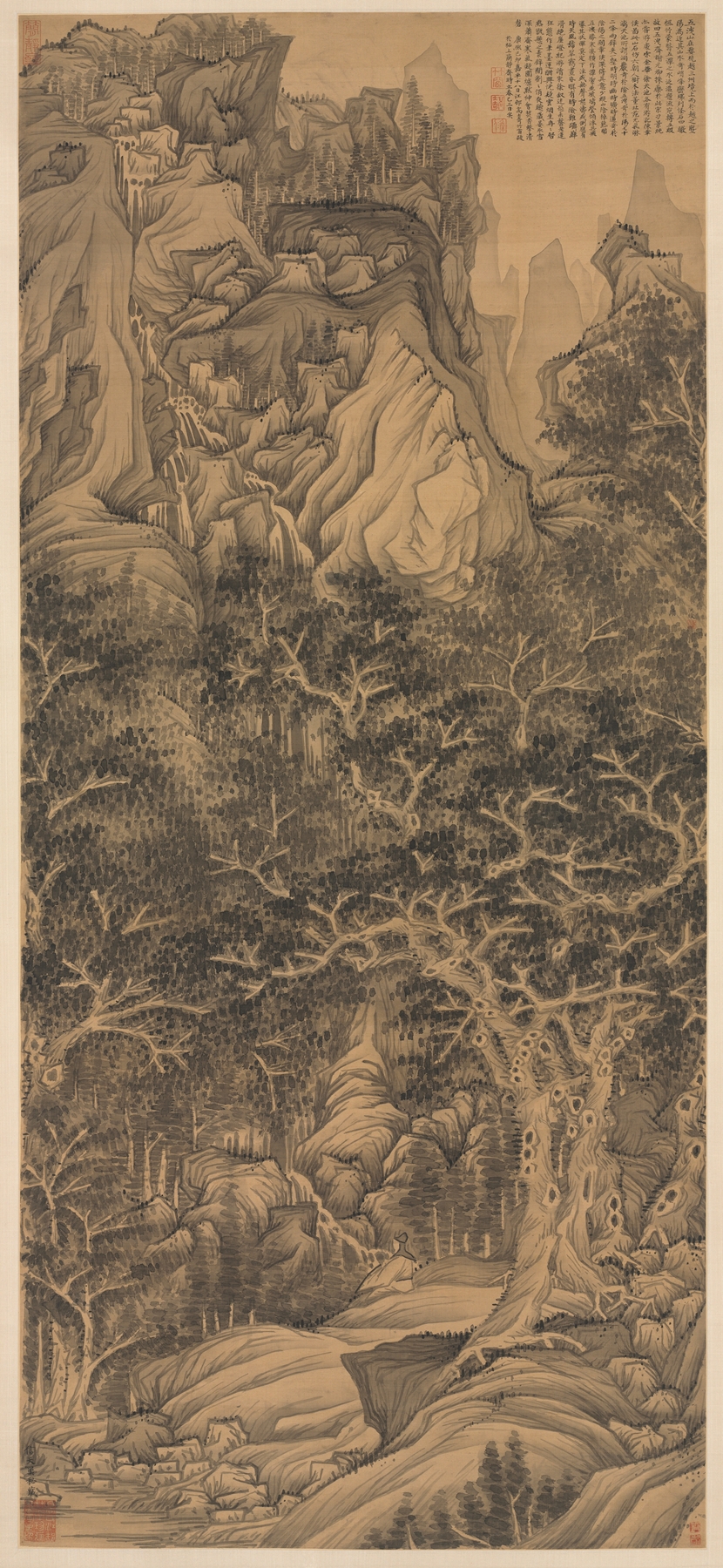
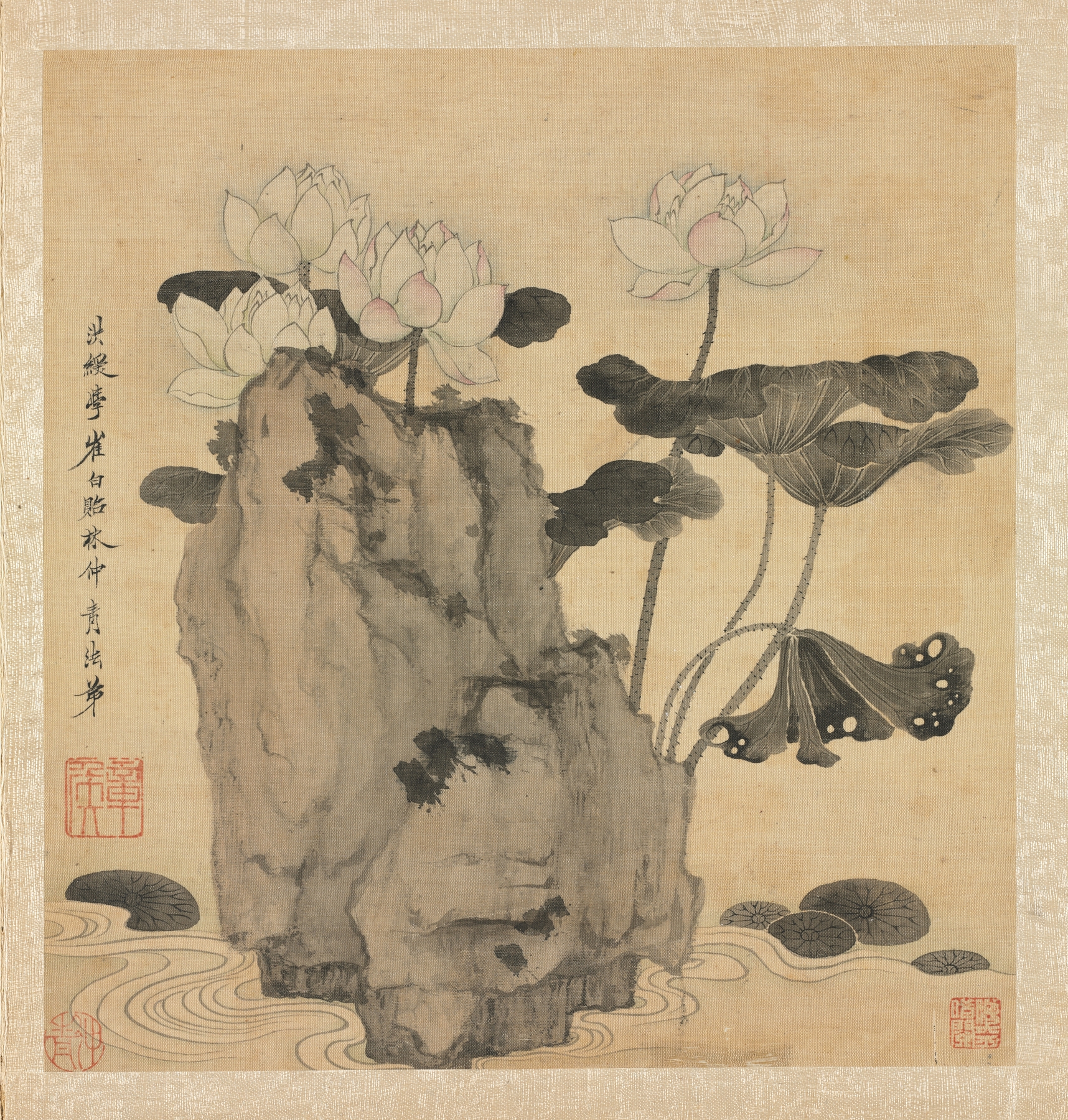
Where does light end, and longing begin? In the tranquil embrace of autumn, the world shifts from vibrant greens to a palette drenched in golds and browns, revealing a truth that resonates deeply within us. Focus on the intricate details of the foliage, where every brushstroke captures the essence of falling leaves. Notice how the warm hues blend seamlessly with cool whispers of air, creating a dynamic tension between warmth and chill. The composition draws the eye to the horizon, where the sky melds with the earth, suggesting an infinite journey beyond the canvas.
Each element—trees, clouds, and distant mountains—interacts as if in conversation, delivering a profound sense of harmony punctuated by the delicate balance of light. Yet, within this serene landscape lies an emotional undercurrent. The trees stand resolute, their branches reaching outward as if yearning for connection, while the stillness of the water reflects not just the environment but the internal landscapes of the soul. This dichotomy speaks to feelings of solitude and belonging, hinting at deeper narratives of transition and the cyclical nature of life.
Here, the autumn season becomes a metaphor for change, loss, and the bittersweet beauty that accompanies each phase of existence. Created between 1598 and 1652, this work emerged during a period of significant cultural transformation in China. Chen Hongshou, an influential figure in the Ming dynasty, was celebrated for his ability to blend traditional techniques with a nuanced emotional palette. As the world around him transitioned toward the Qing dynasty, his art captured the shifting tides of thought, reflecting both personal and collective truths in a time of uncertainty and change.