Mr. Five Willows (Wuliu), Tao Yuanming — History & Analysis
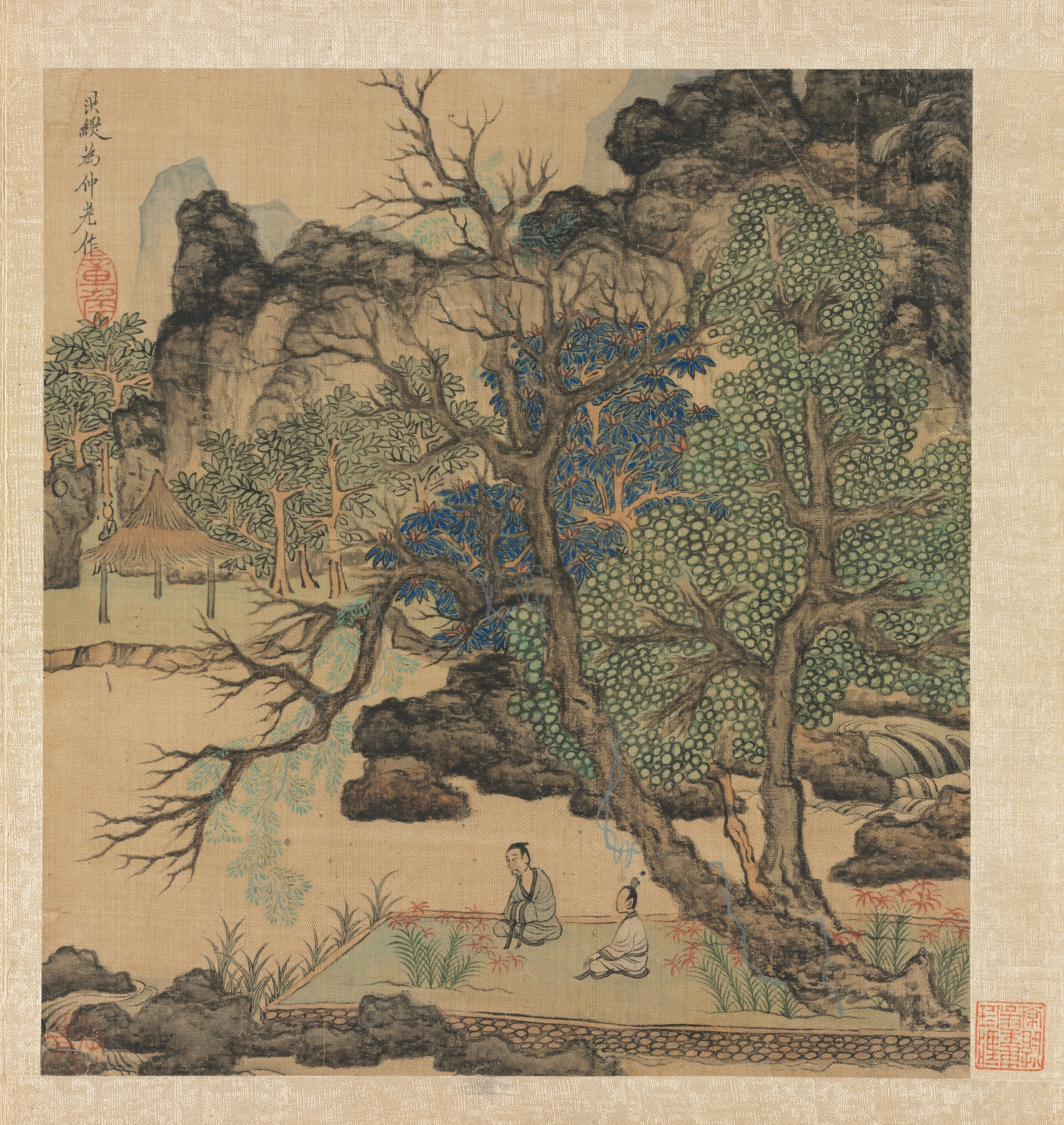
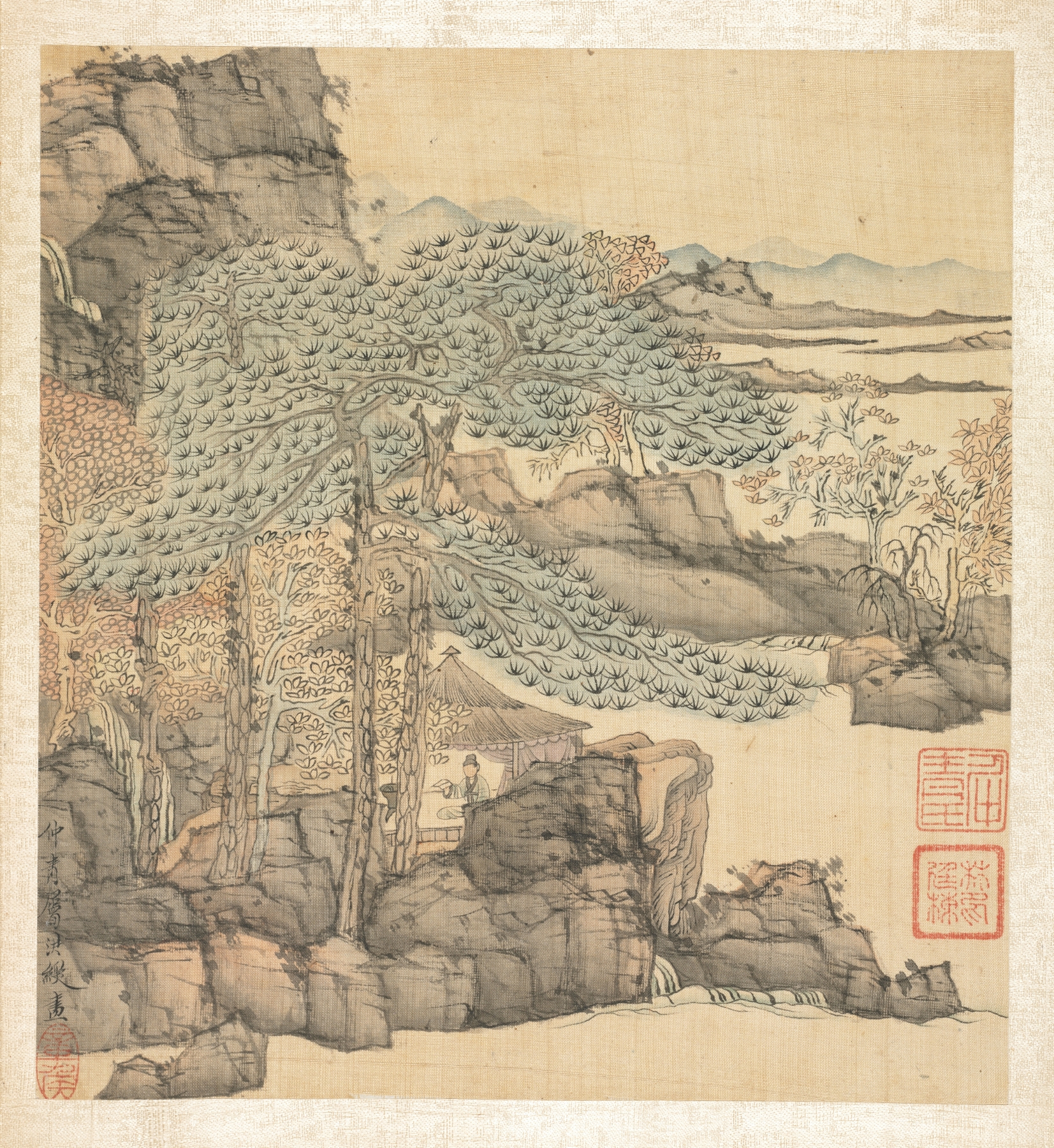
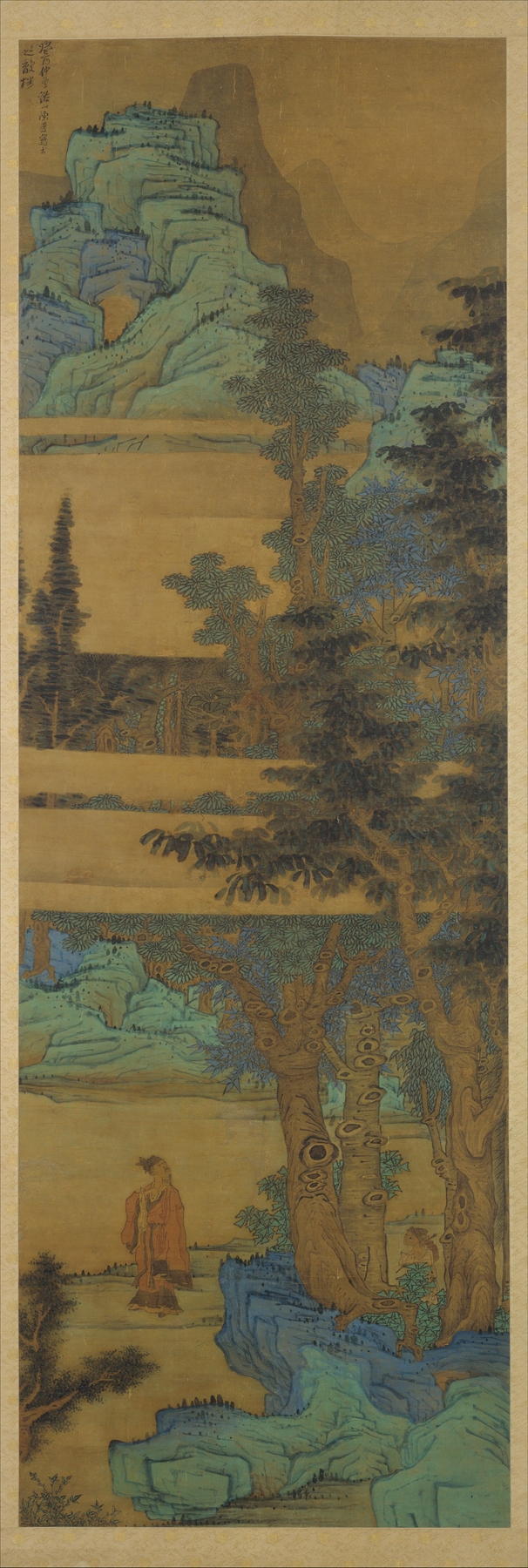
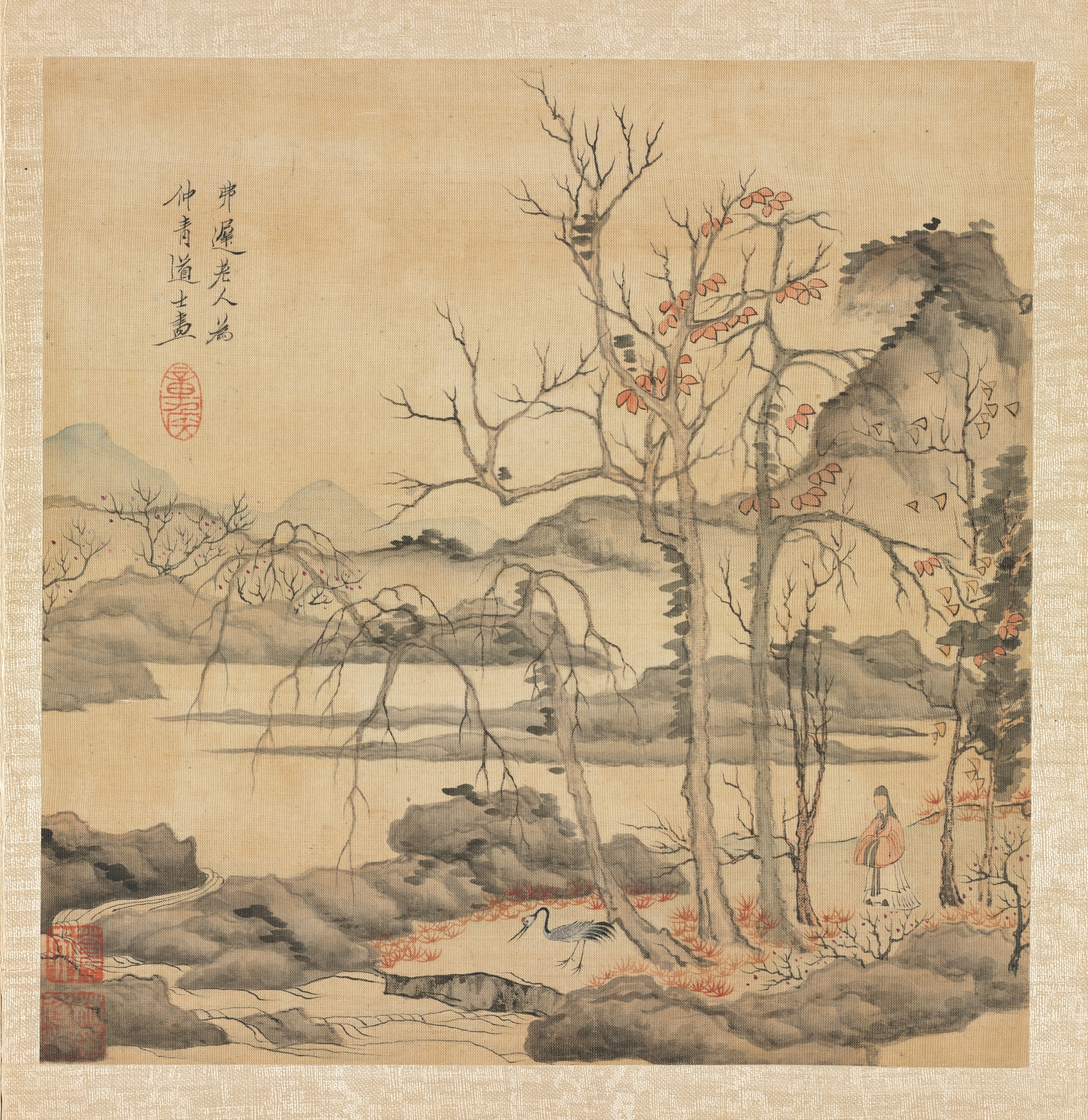
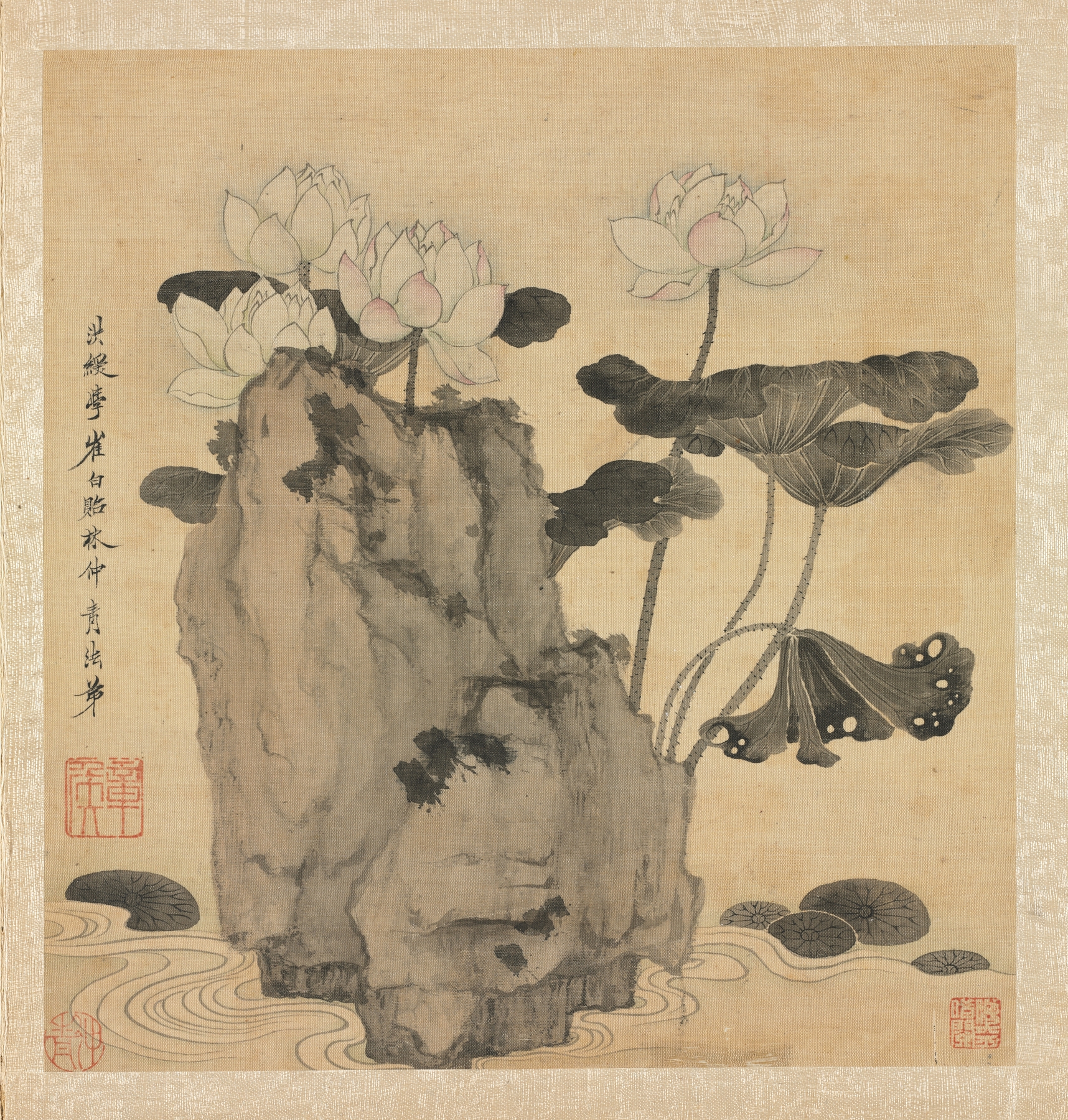
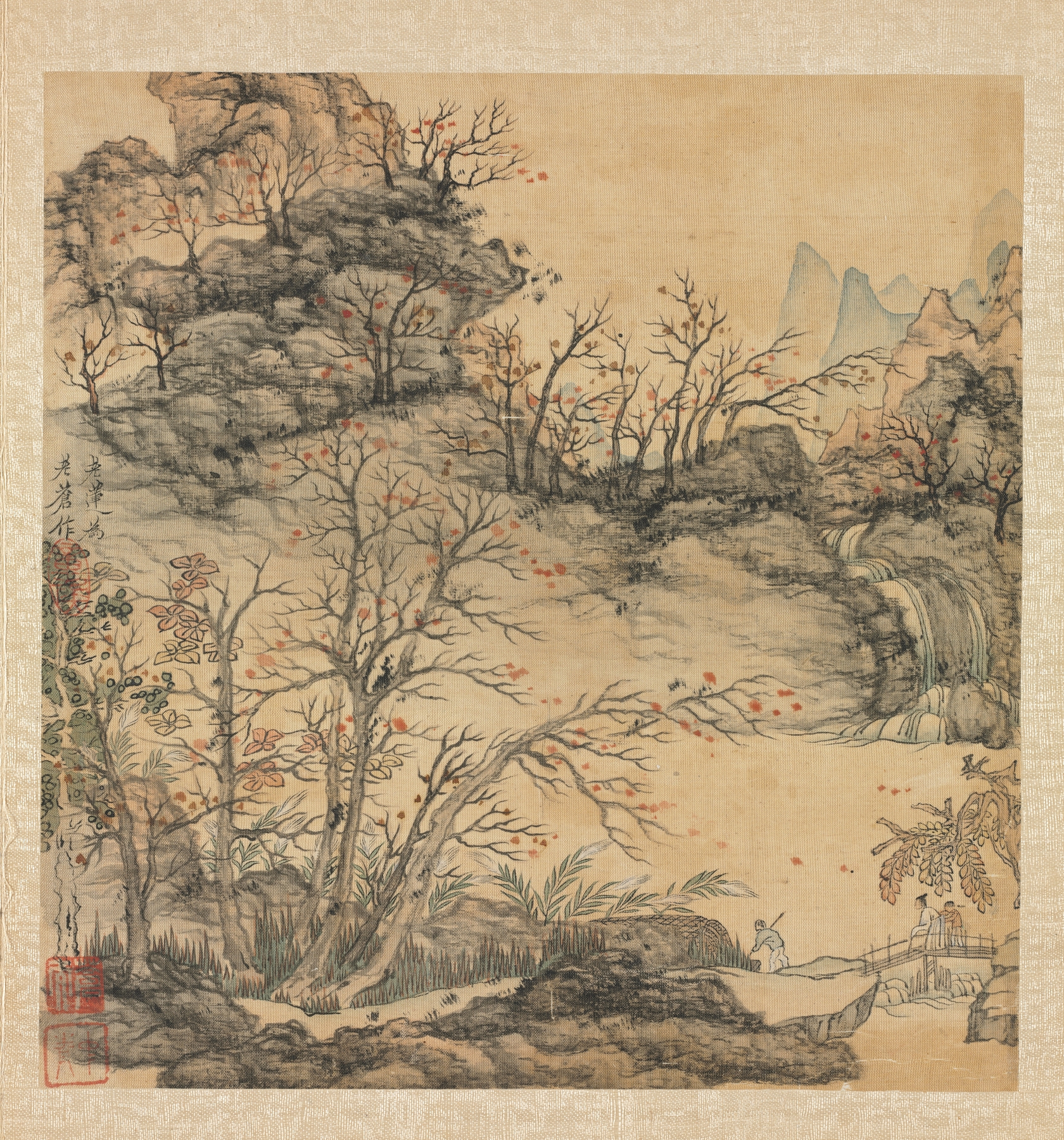
Can paint confess what words never could? In Mr. Five Willows, the essence of decay whispers through the vibrant strokes, inviting contemplation of life’s transience. Look to the left at the figure seated beneath a canopy of willows, draped in flowing garments that blend harmoniously with the surrounding foliage. The artist employs delicate brushwork to convey the intricate textures of the leaves and the softness of the fabric, making them almost tangible.
A gentle play of light filters through the branches, casting an ethereal glow that highlights the subtle expressions of serenity and melancholy on the figure’s face, drawing the viewer into this tranquil yet fleeting moment. The juxtaposition of vitality and decay permeates the composition. The willows, lush yet fragile, symbolize nature’s beauty intertwined with its eventual decline, mirroring the human experience. The thoughtful expression of the figure suggests a quiet resignation to the passage of time, hinting at deeper reflections on solitude and ephemerality.
Each element holds significance, creating a poignant dialogue between life, nature, and the inevitable decline that follows. Painted during a period of personal turmoil and social upheaval, the artist created this work between 1598 and 1652 in China. The time was marked by political instability and cultural shifts, influencing the introspective nature of his art. Chen Hongshou, known for his mastery of detail and emotion, sought to capture the complexity of human existence amidst the impermanence surrounding him, revealing insights that continue to resonate.