Travelers in an Autumn Landscape — History & Analysis
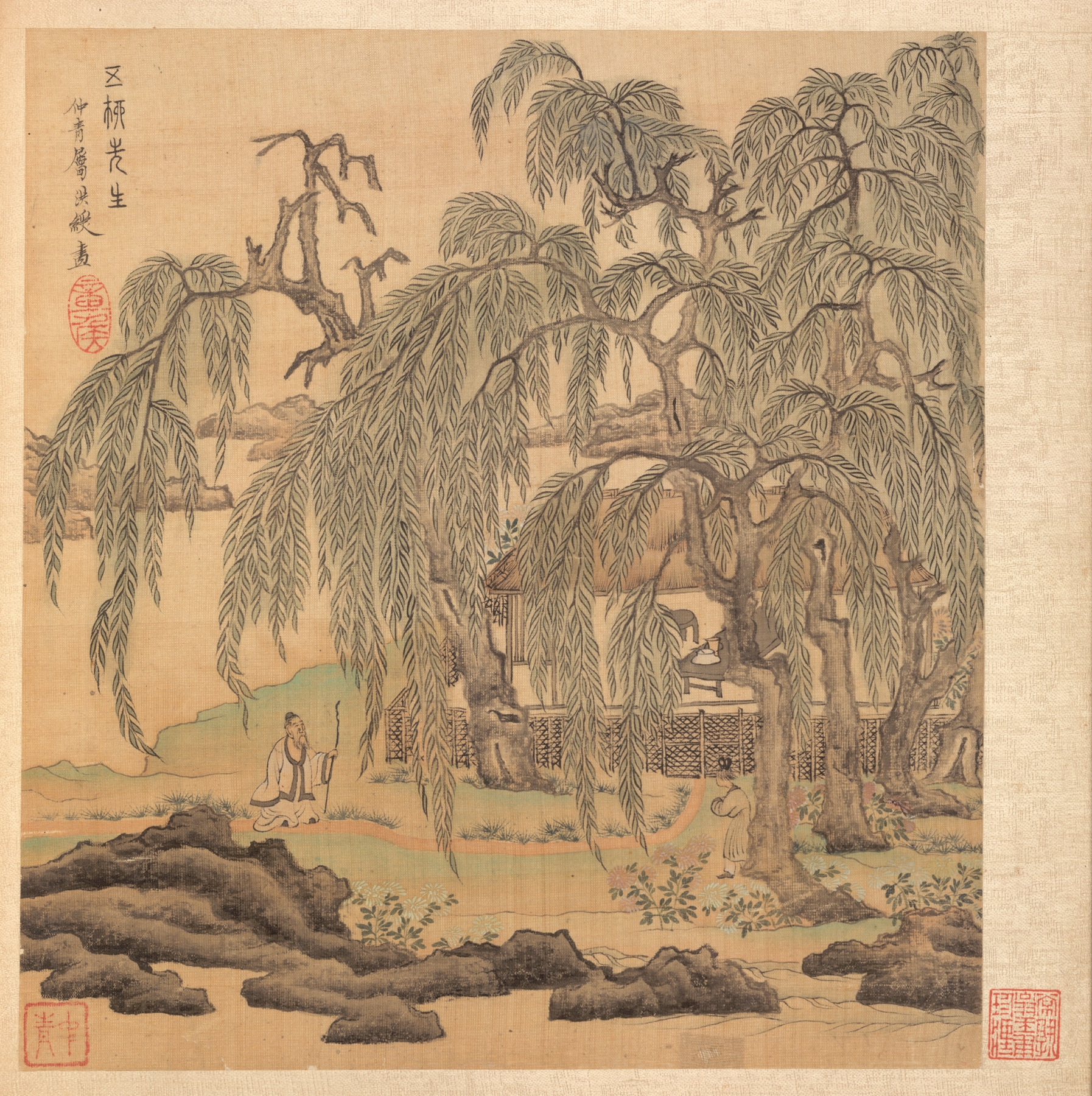
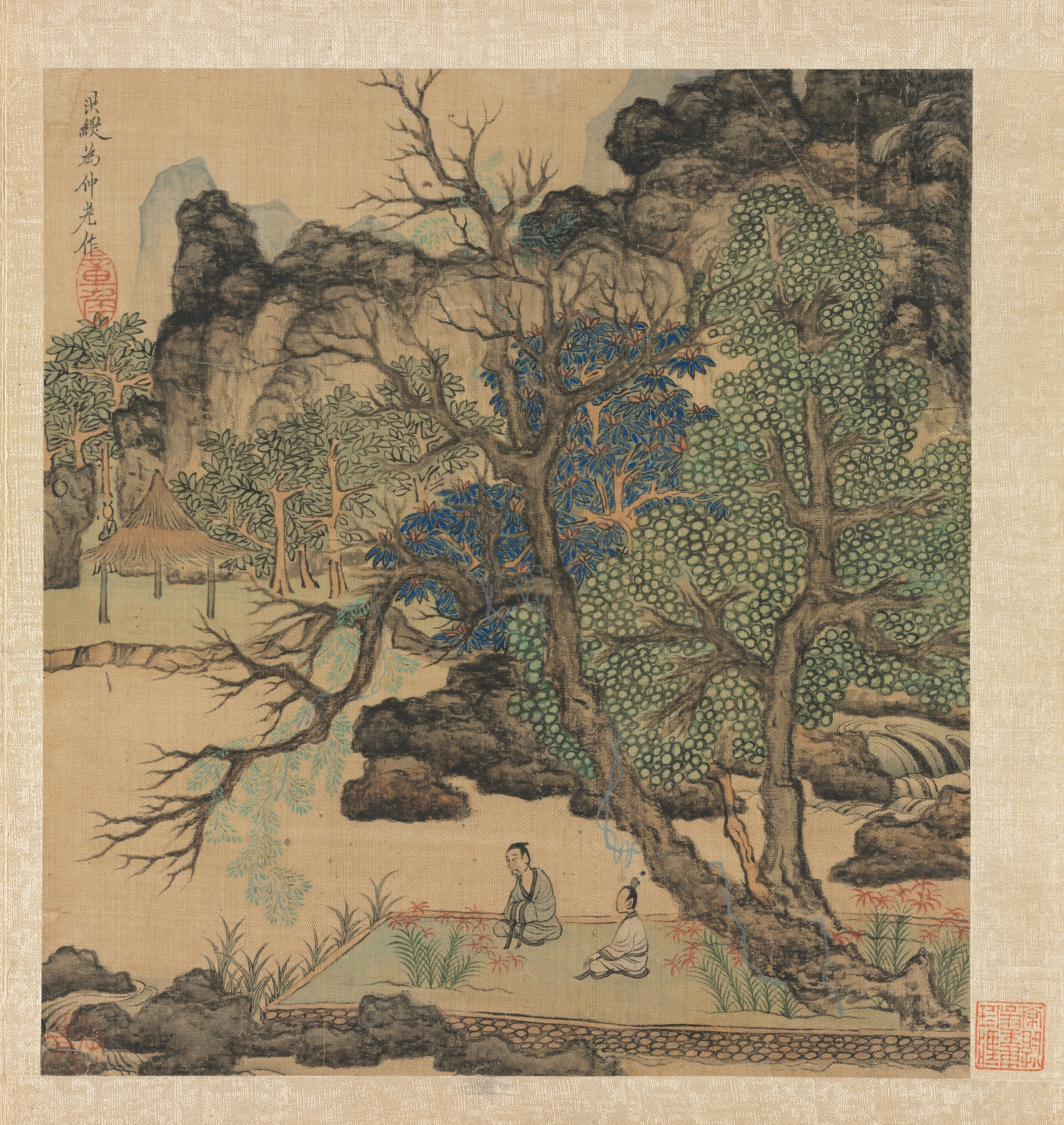
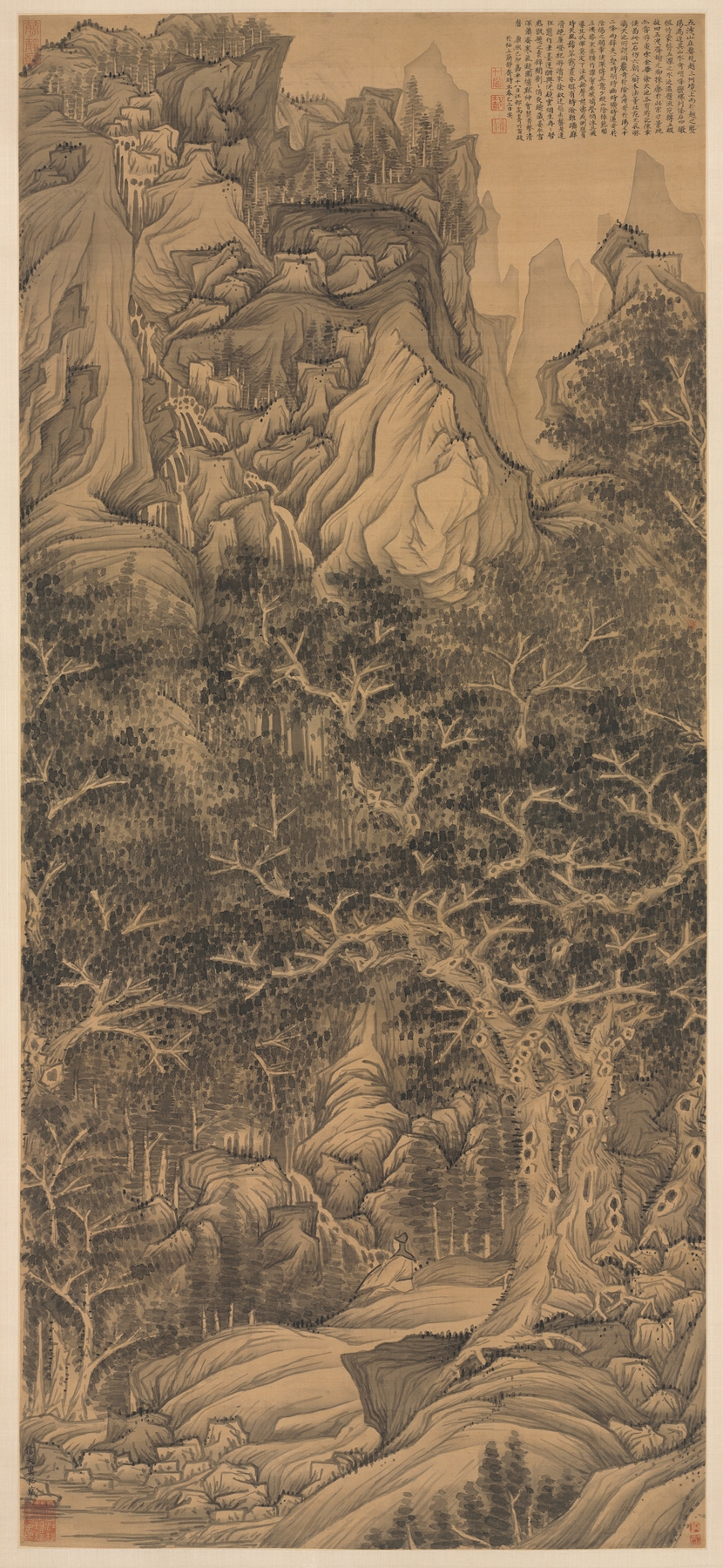
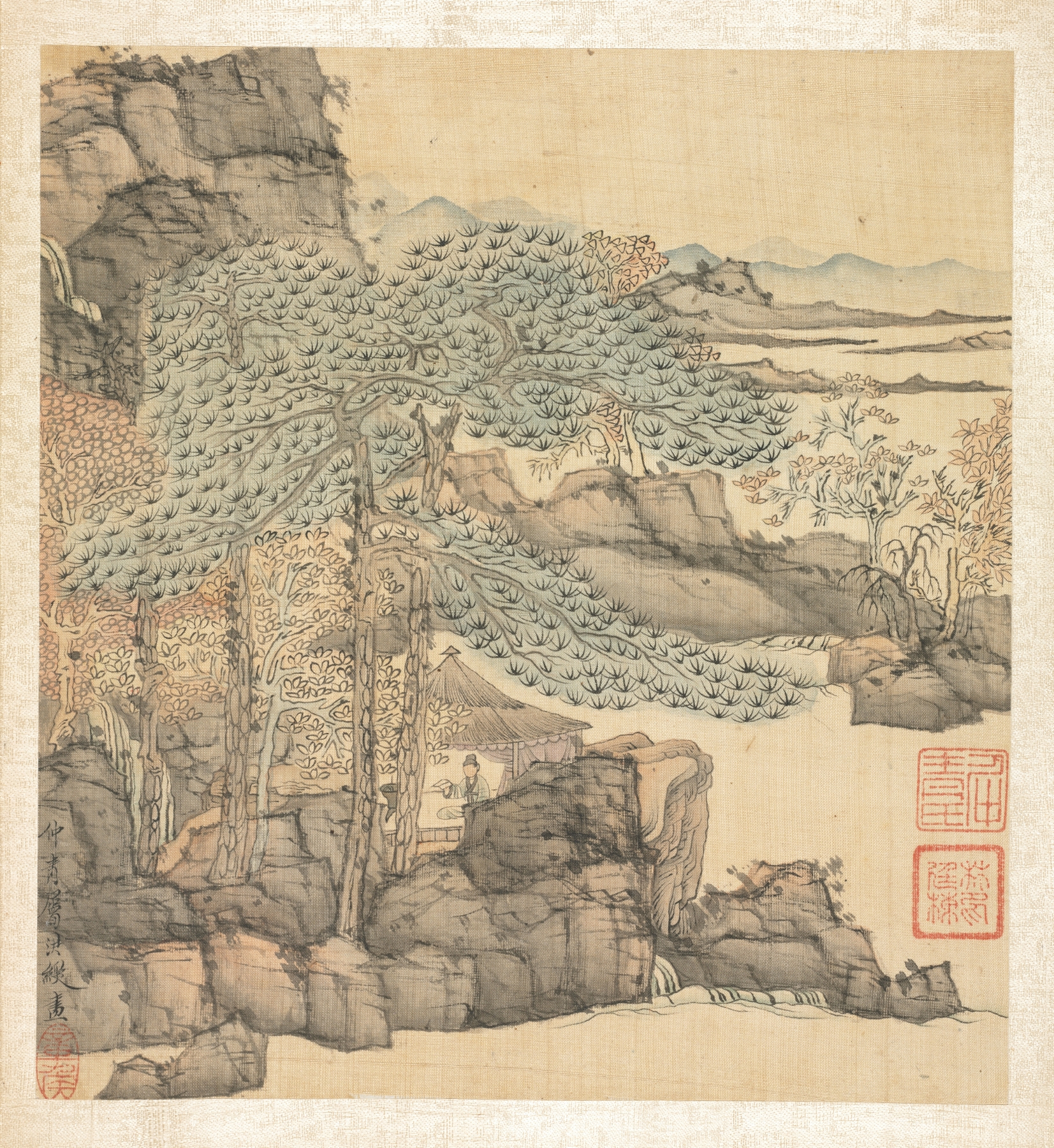
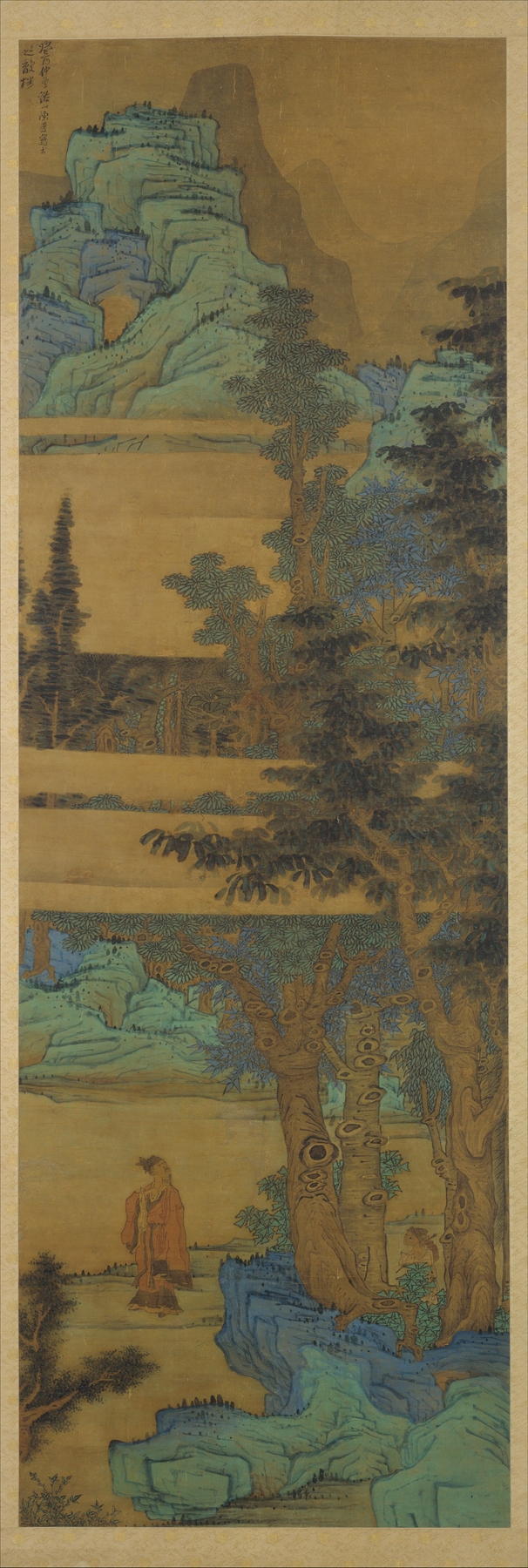
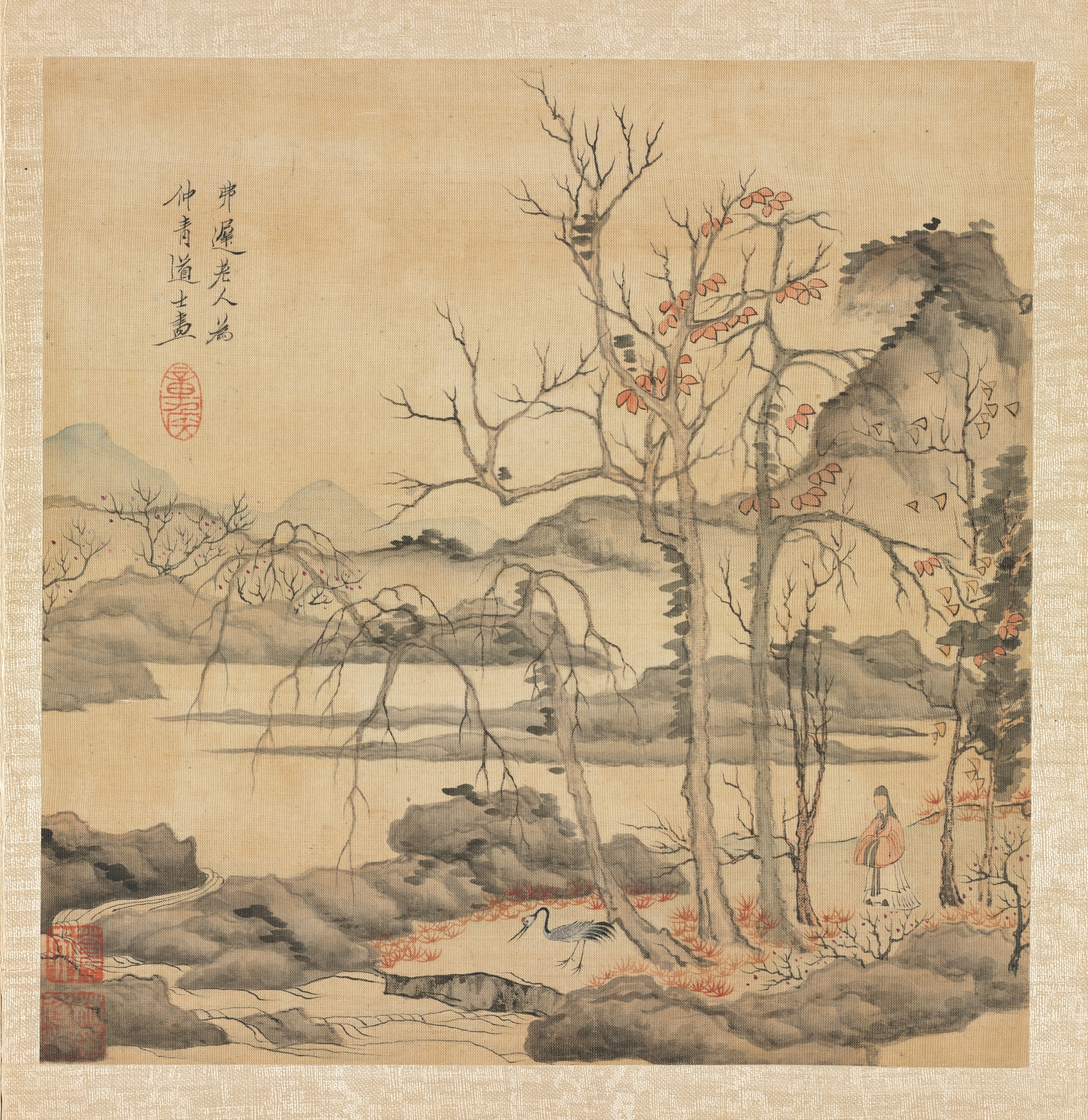
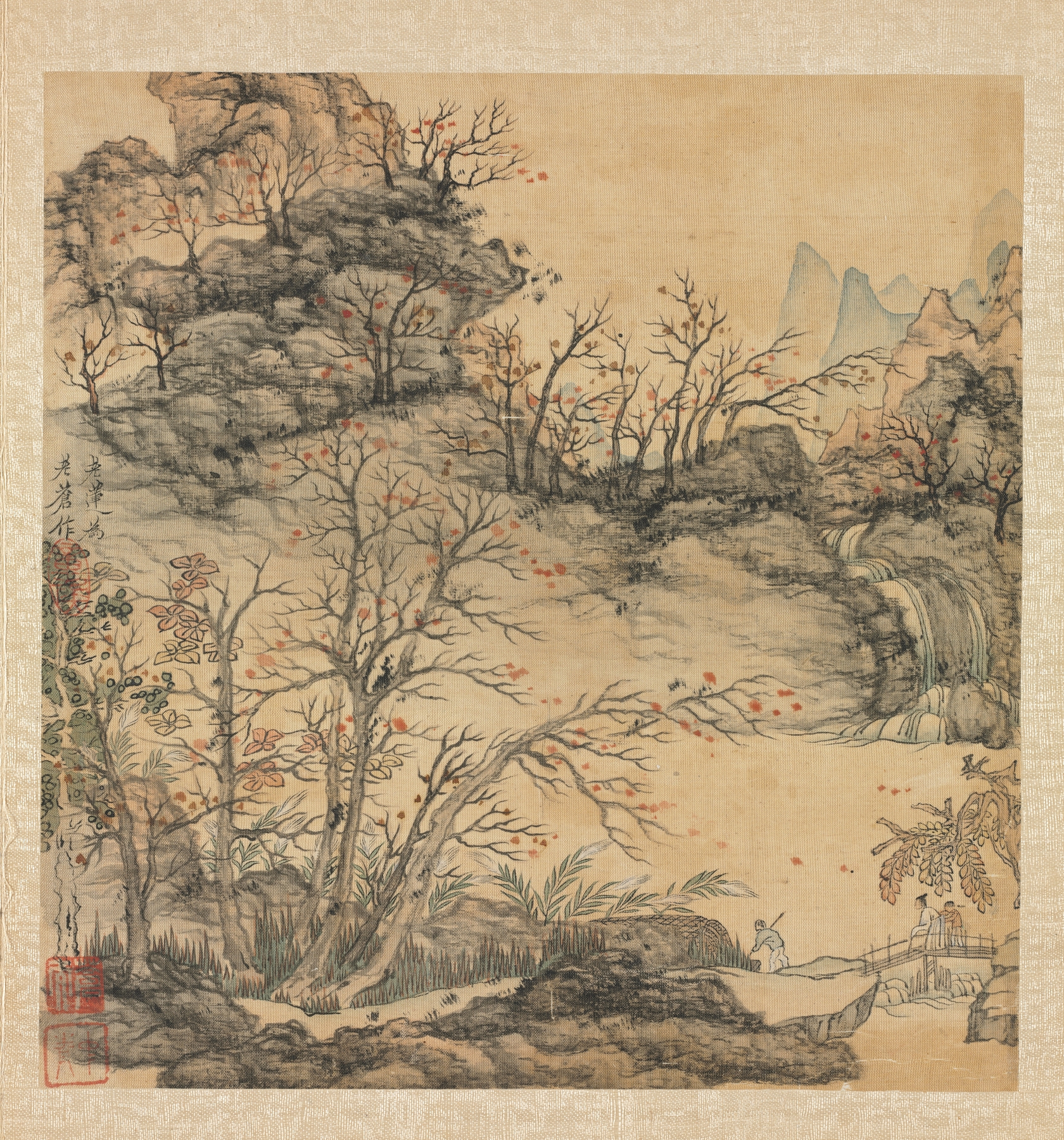
“Sometimes beauty is just pain, disguised in gold.” In Travelers in an Autumn Landscape, a delicate balance of harmony and unease unfolds, inviting contemplation of nature's duality. Look to the foreground, where two travelers meander through a sprawling autumnal landscape, their figures rendered with intricate detail. The vibrant reds and golds of the foliage envelop them, a striking contrast to the muted earth tones of the path beneath their feet. Notice how the brushstrokes vary, with gentle sweeps showing the movement of leaves and crisp lines defining the travelers’ garments, anchoring the moment in a tranquil yet dynamic motion.
The subtle interplay of light and shadow creates depth, enhancing the illusion of space amidst the autumn splendor. As you delve deeper, the juxtaposition of the serene landscape against the figures’ solitude emerges as a poignant reflection on human existence. The travelers, though surrounded by nature's beauty, appear lost in thought, suggesting a yearning for connection that eludes them. Each element in the painting, from the swirling clouds to the distant mountains, adds layers to this emotional narrative, portraying a world where beauty and melancholy coexist.
The gold and crimson hues serve not only as visual delight but also as a reminder of the impermanence of life. Created between 1598 and 1652, this work represents a crucial period for Chen Hongshou as he navigated the complexities of the late Ming Dynasty. The artist, known for his refined brushwork and sensitivity to landscape, painted during a time of political upheaval and cultural transition. This artwork captures the essence of that era, merging personal introspection with broader societal reflections.