The Nodding Stone Terrace, Tiger Hill, and the Thousand-Man Seat — History & Analysis
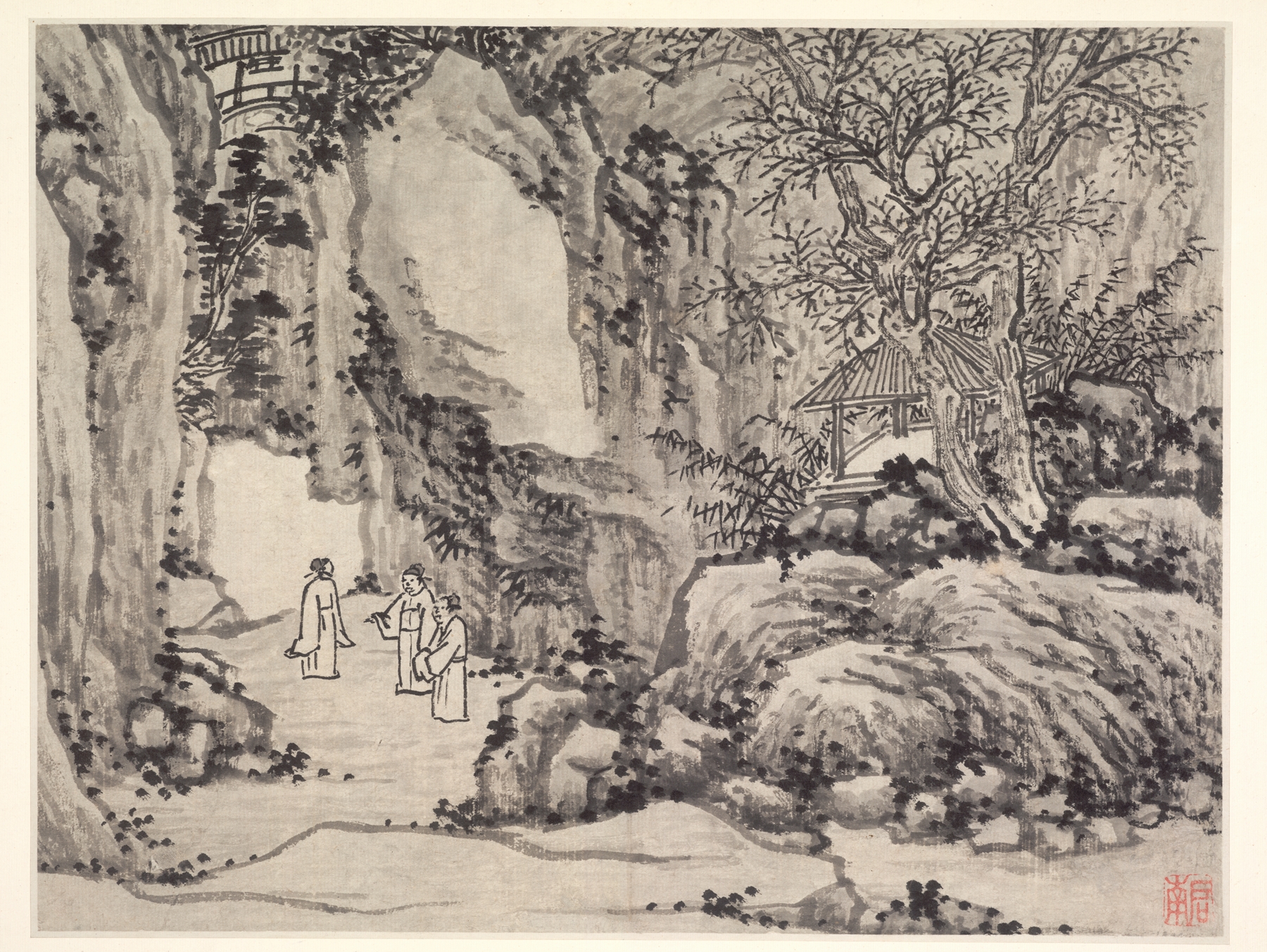
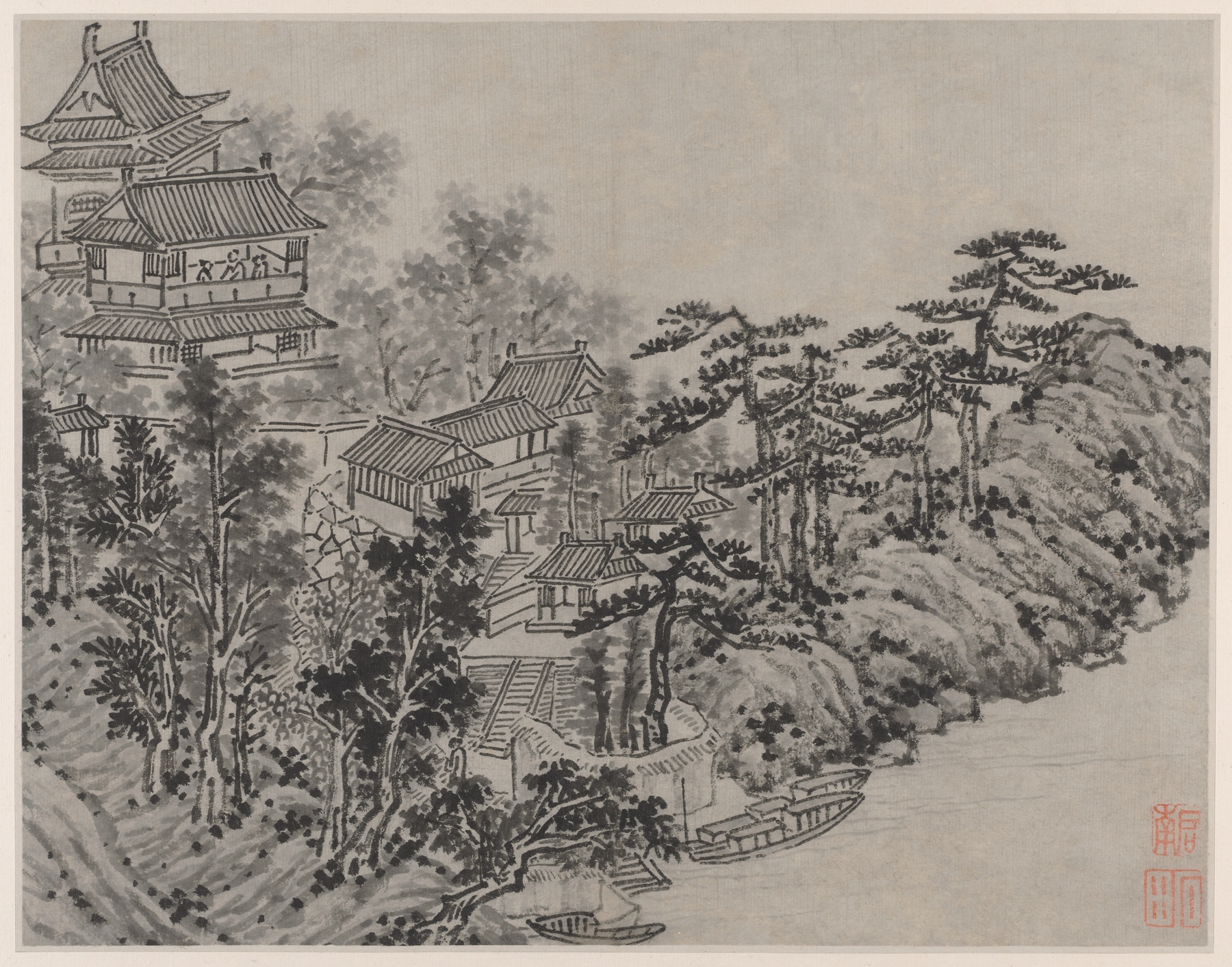
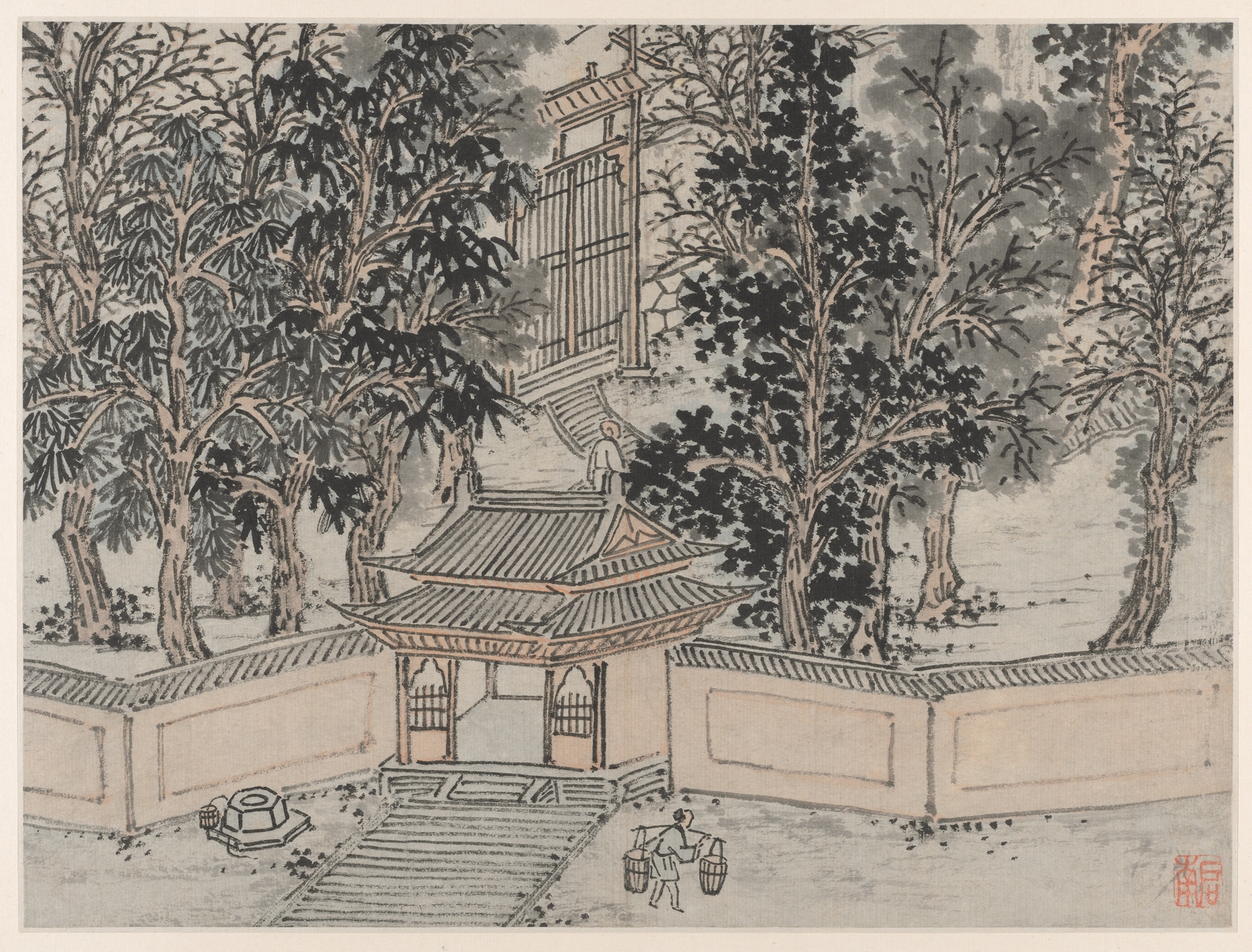
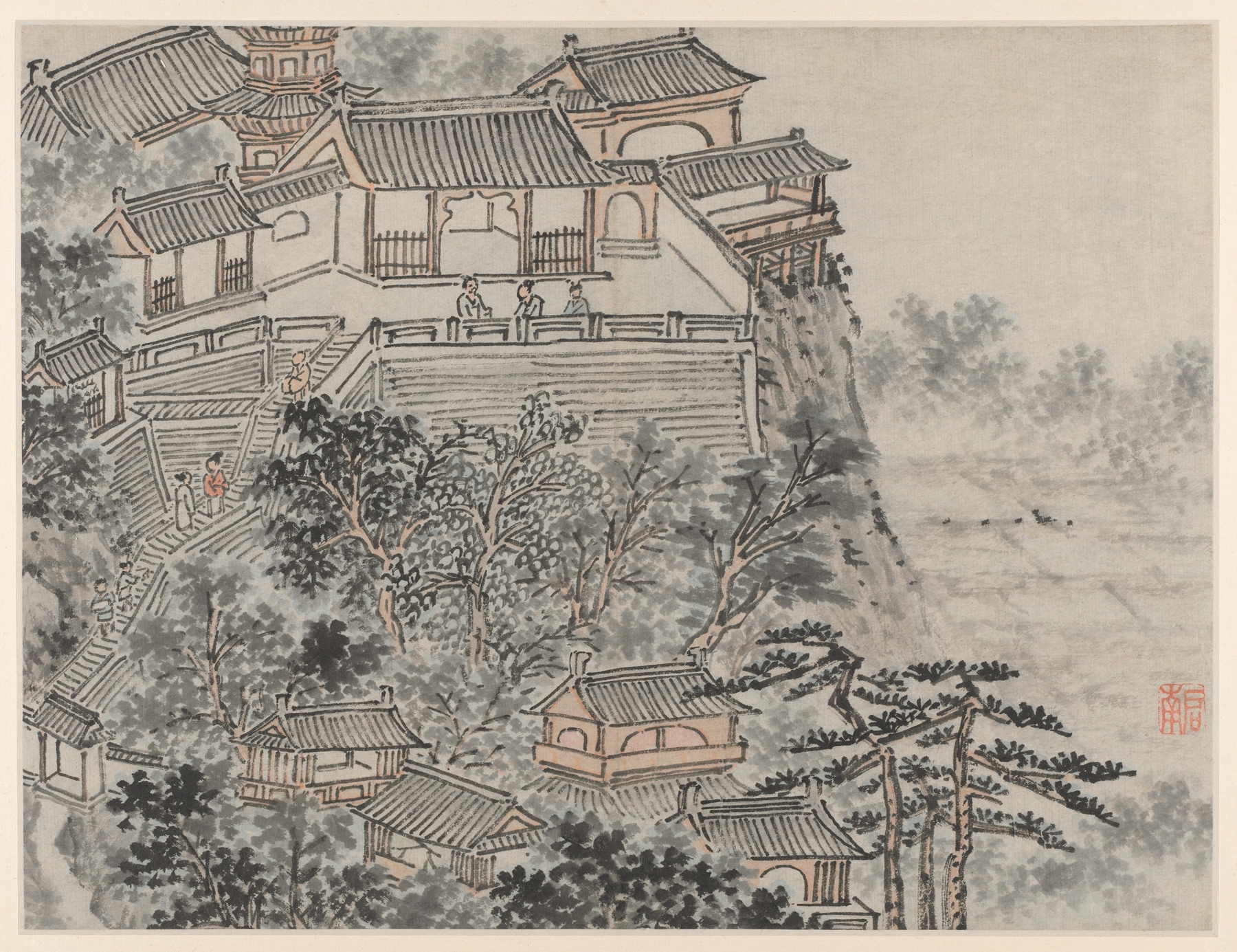
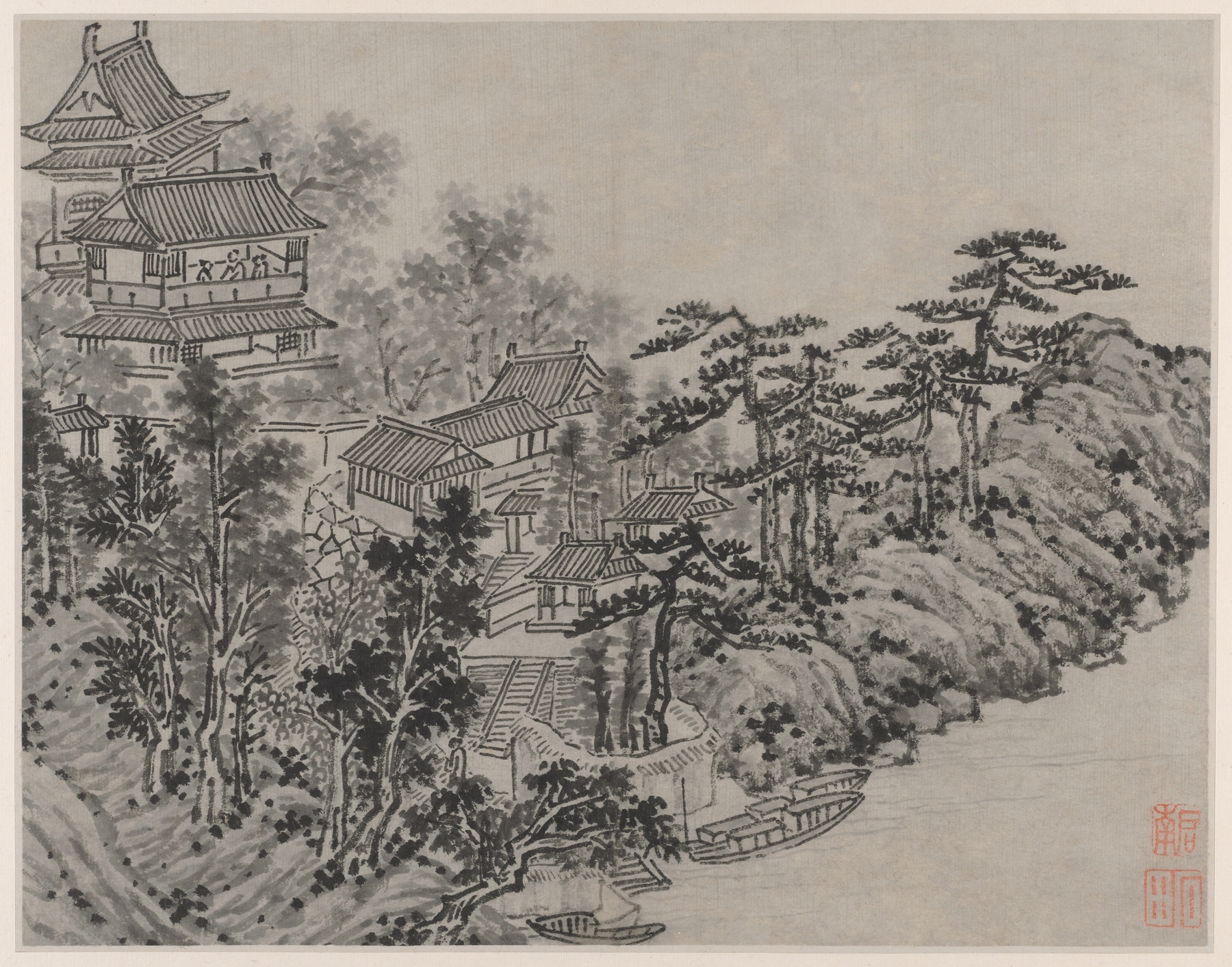
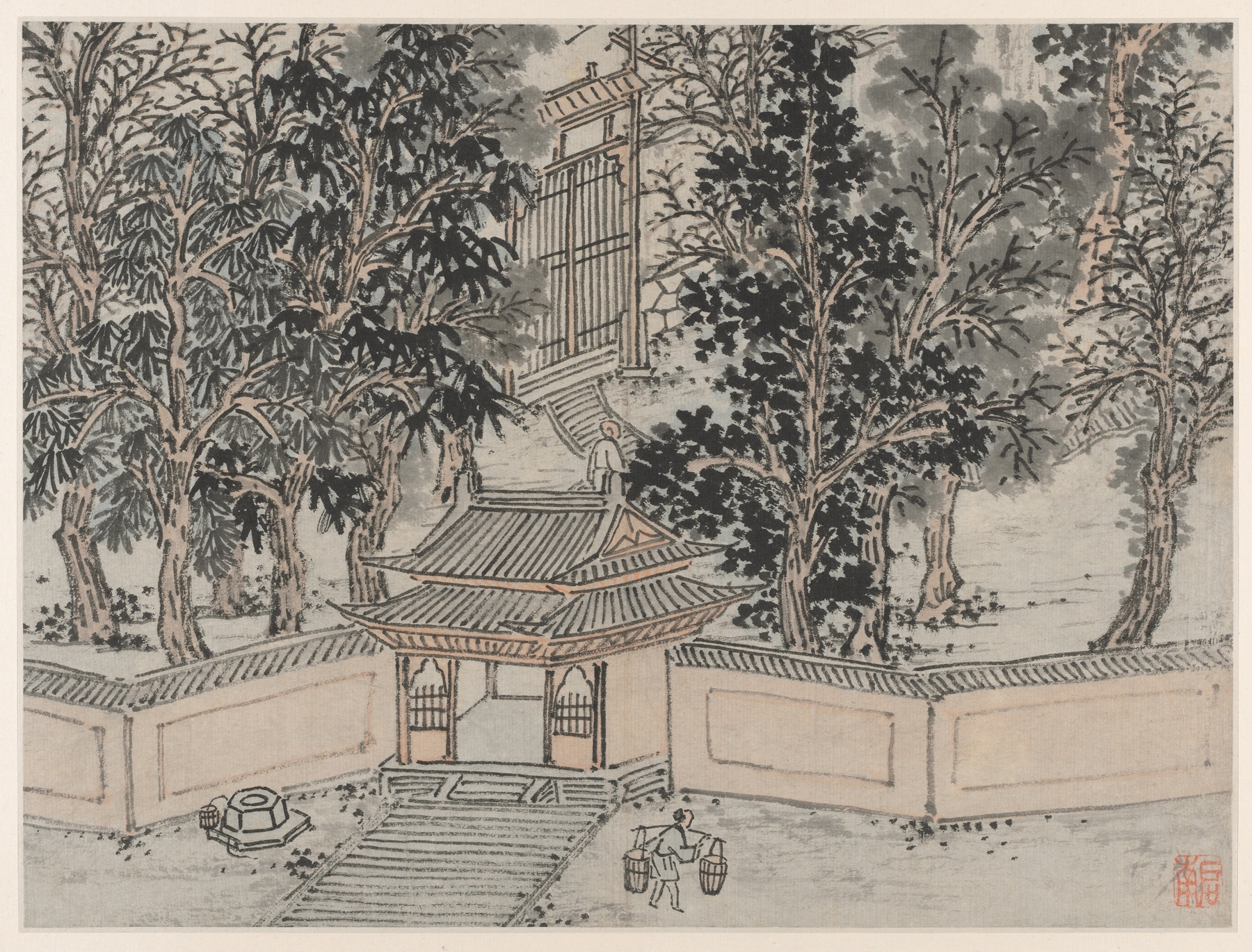
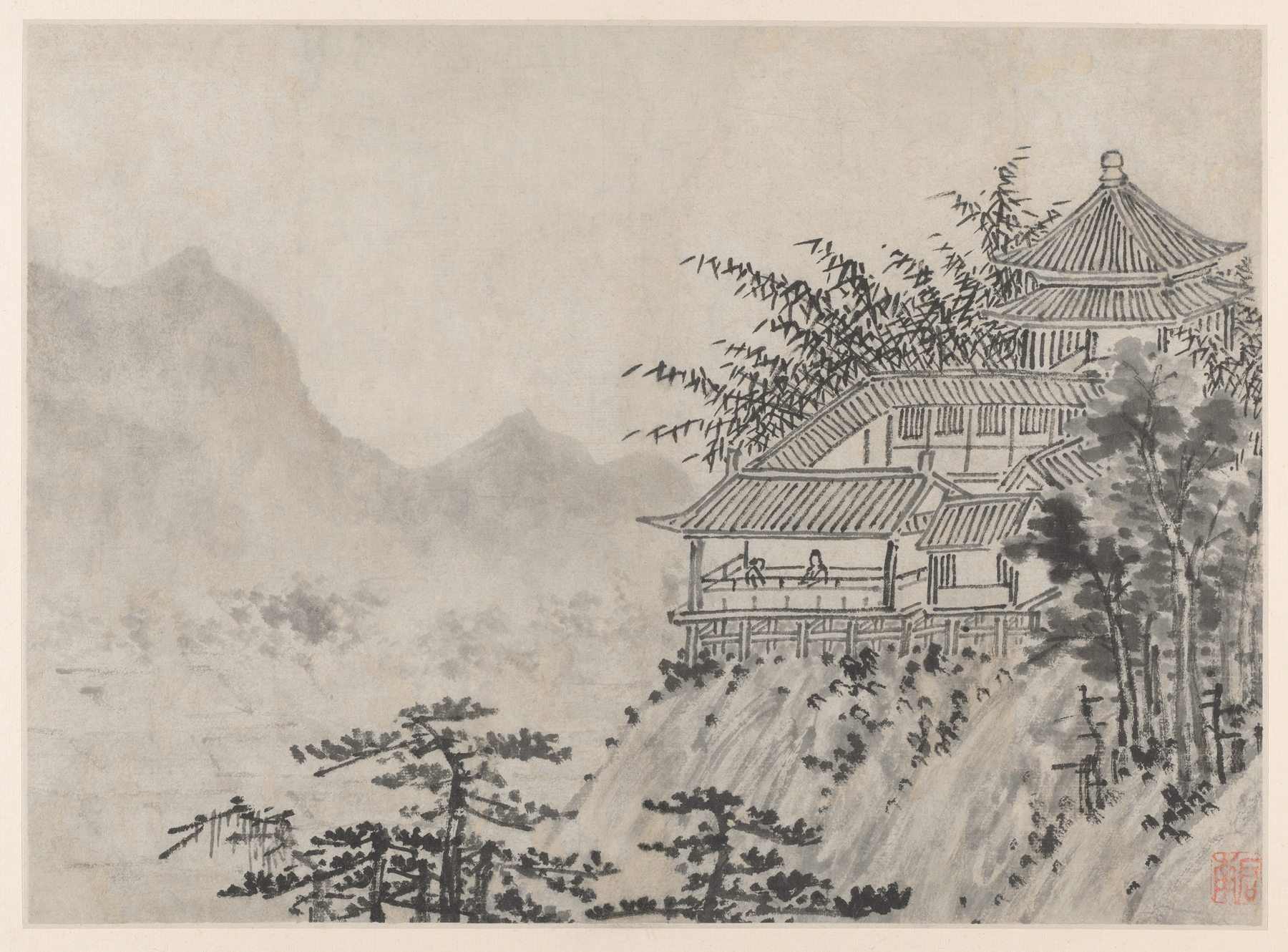
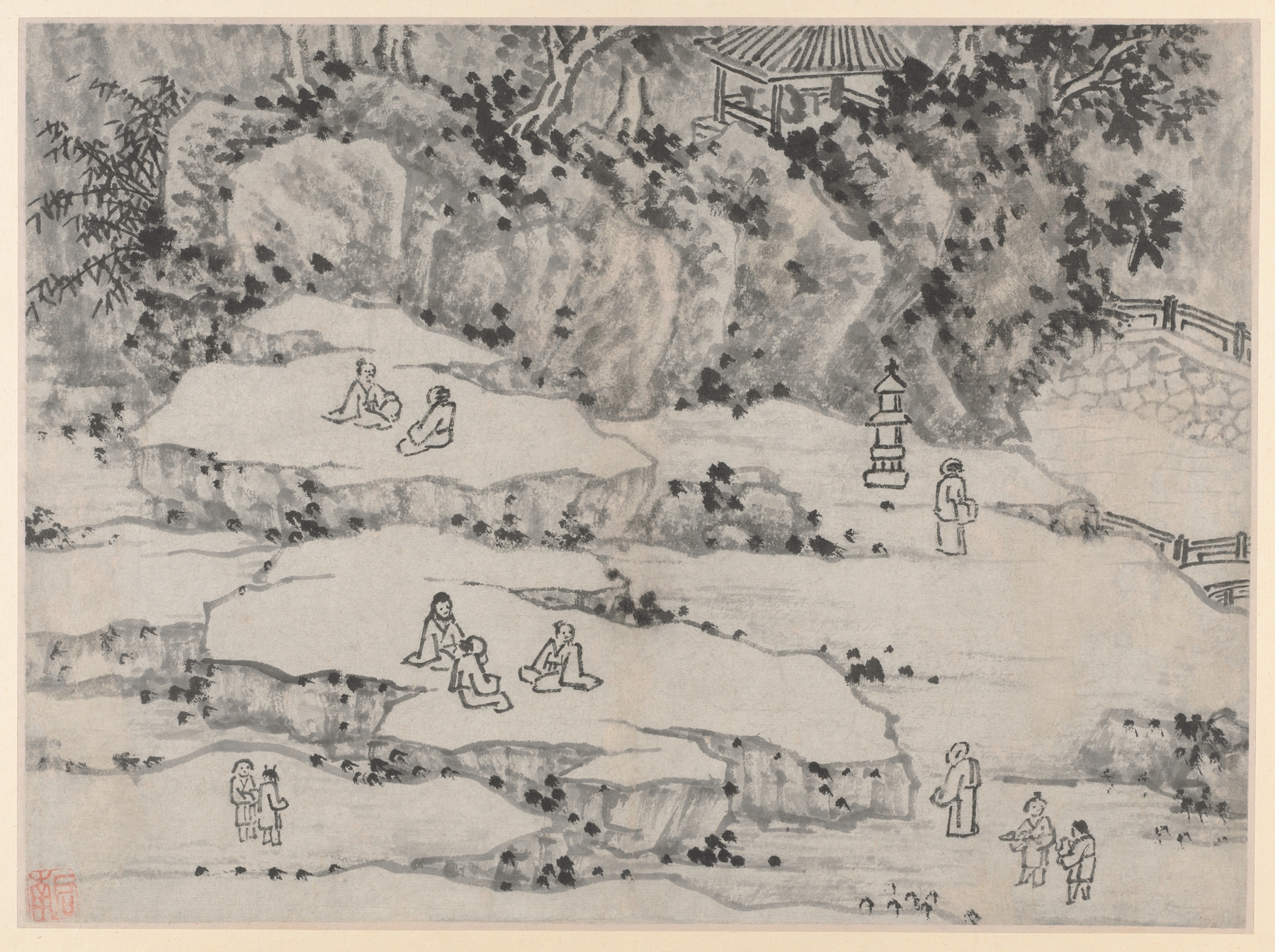
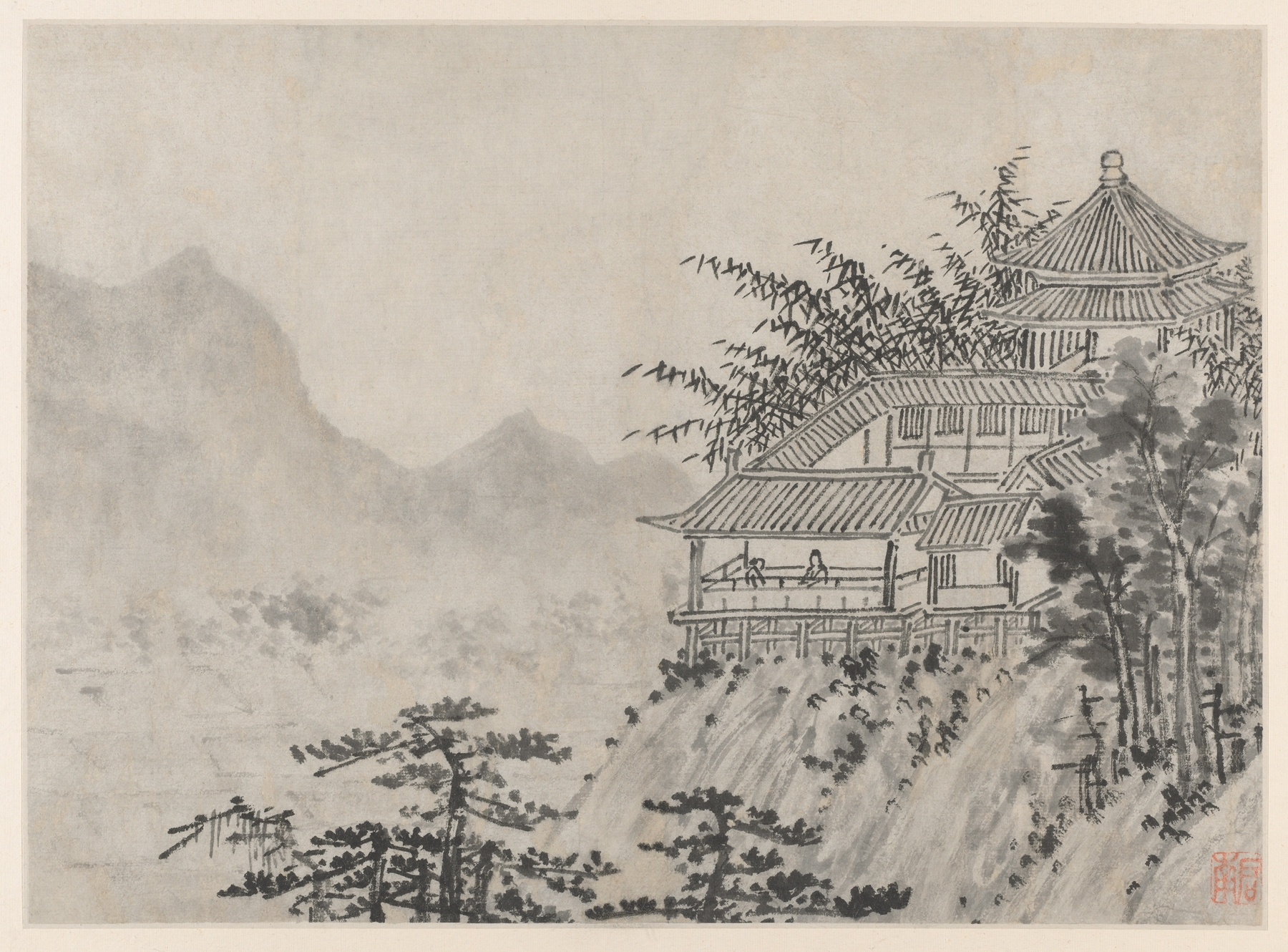
Can paint confess what words never could? In the delicate strokes of The Nodding Stone Terrace, Tiger Hill, and the Thousand-Man Seat, yearning finds its voice, whispering secrets of longing and nostalgia through the language of landscape. Look to the left at the tranquil waters that reflect the soft, muted hues of the mountains, where each brushstroke seems to quiver with a sense of serenity. Notice the intricate detailing of the rocks and trees, each rendered with a gentle hand, suggesting a harmony between nature and spirit.
The composition invites the viewer’s gaze along a sinuous path that winds through the scenery, drawing attention to the pavilion perched atop the hill, a symbol of aspiration and refuge. The subtle gradations of ink create a depth that is both inviting and elusive, enriching the emotional landscape that Shen Zhou masterfully conjures. Beneath the surface, the painting speaks of solitude and connection, where the juxtaposition of barren rocks and lush foliage embodies the tension between desolation and vitality. The pavilion, almost a mirage, stands as a metaphor for unattainable desires—an unreachable sanctuary amidst the chaos of existence.
This duality prompts the viewer to reflect on their aspirations and the nature of fulfillment, weaving a rich tapestry of longing throughout the composition. Created after 1490, this work emerged during Shen Zhou’s later years, when he was deeply entrenched in the literati culture of Ming China. It coincided with a time of intellectual flourishing and artistic exploration, as he sought to harmonize traditional ink painting with personal emotion. This reflects both his personal journey and the broader shifts in the artistic landscape of his era, where the expression of individual sentiment became increasingly paramount.