The Norman Gate and Deputy Governor’s House — History & Analysis
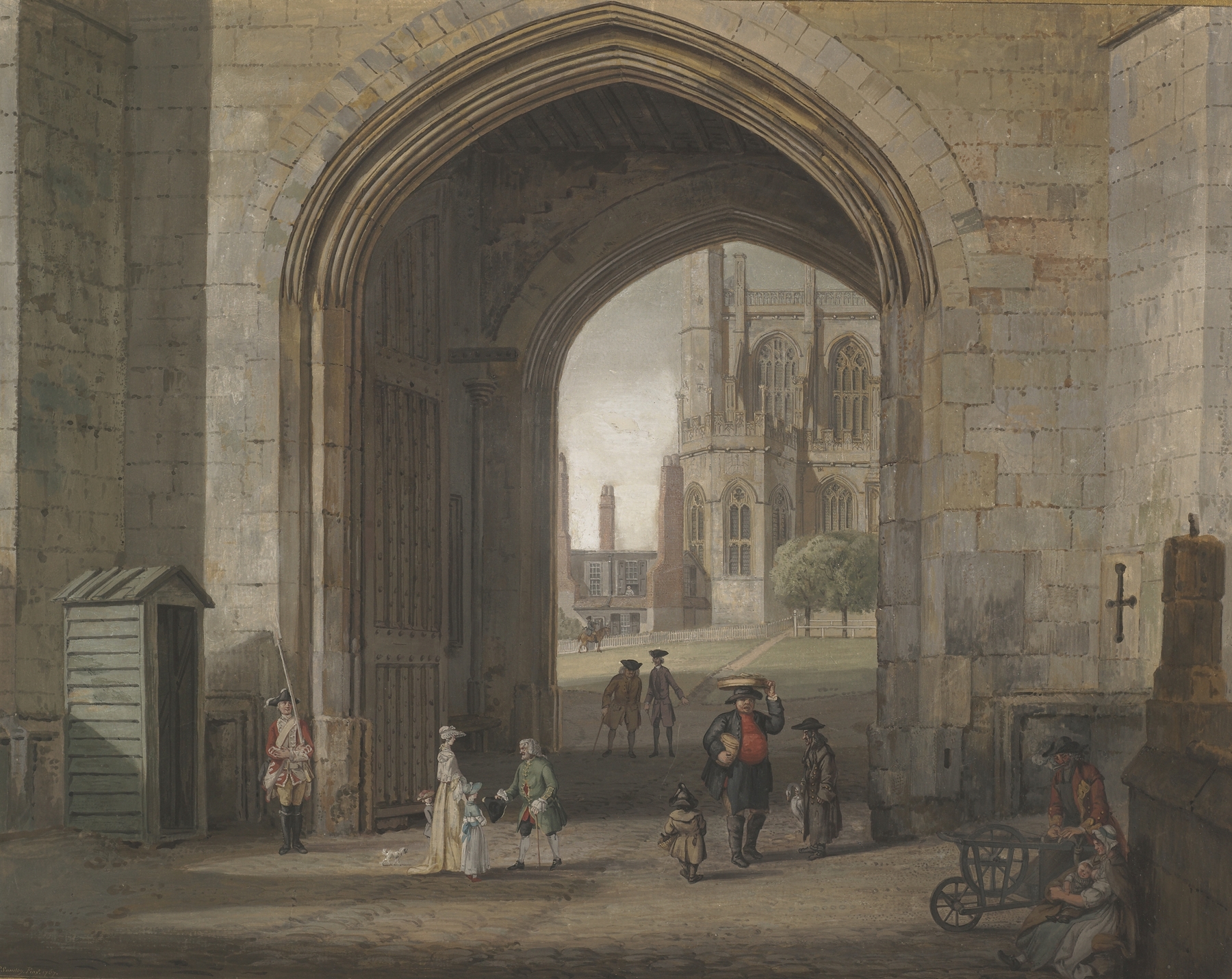
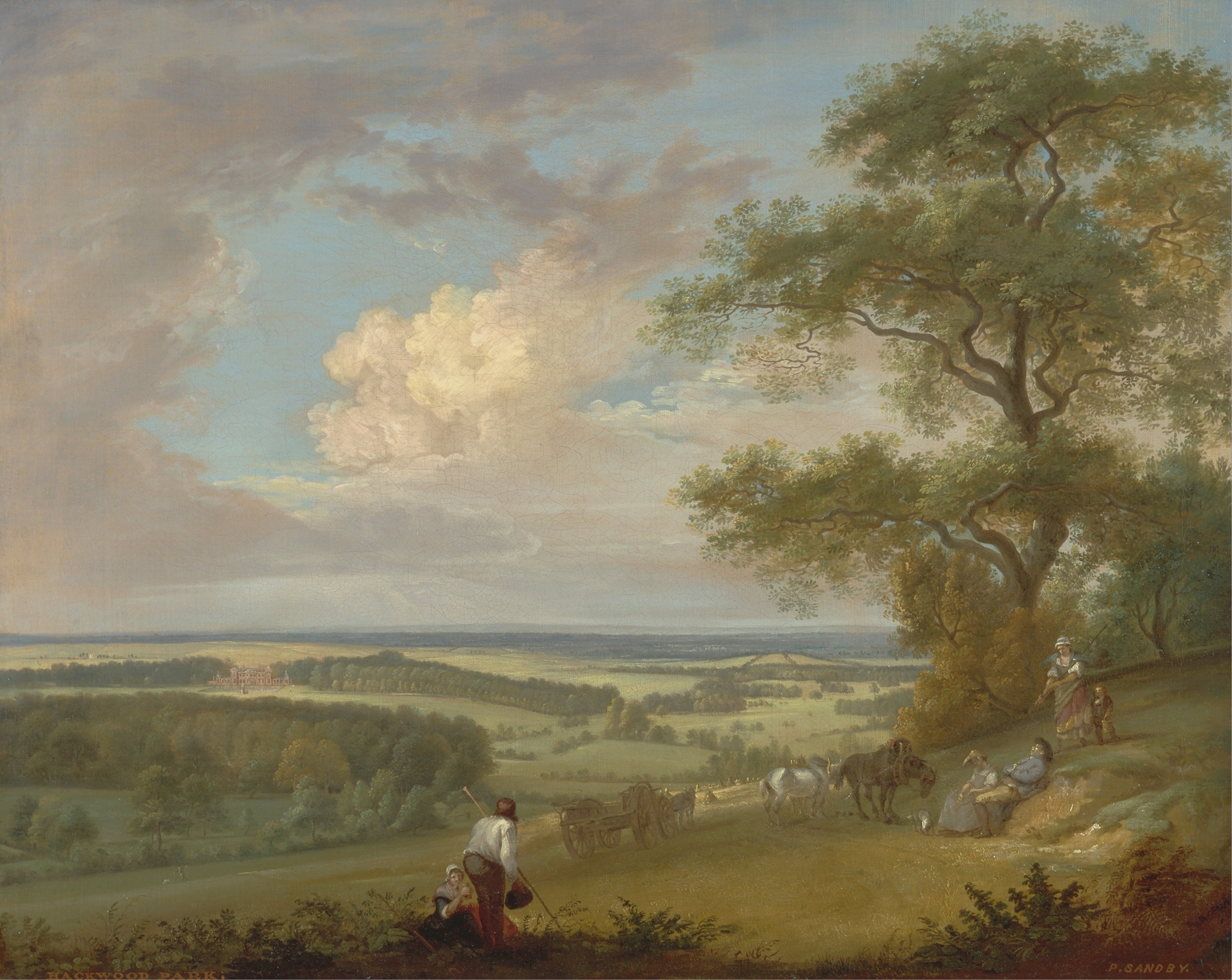
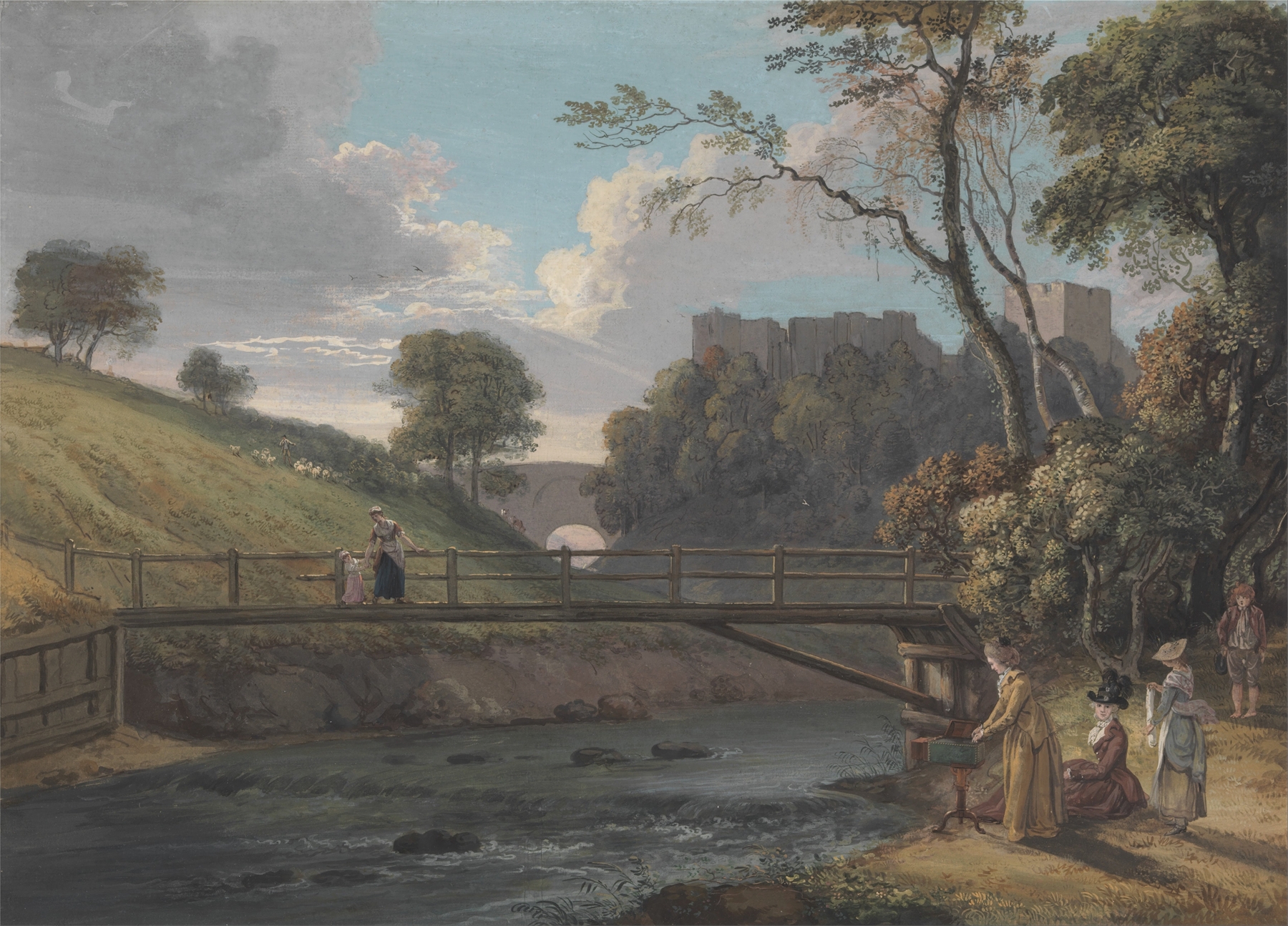
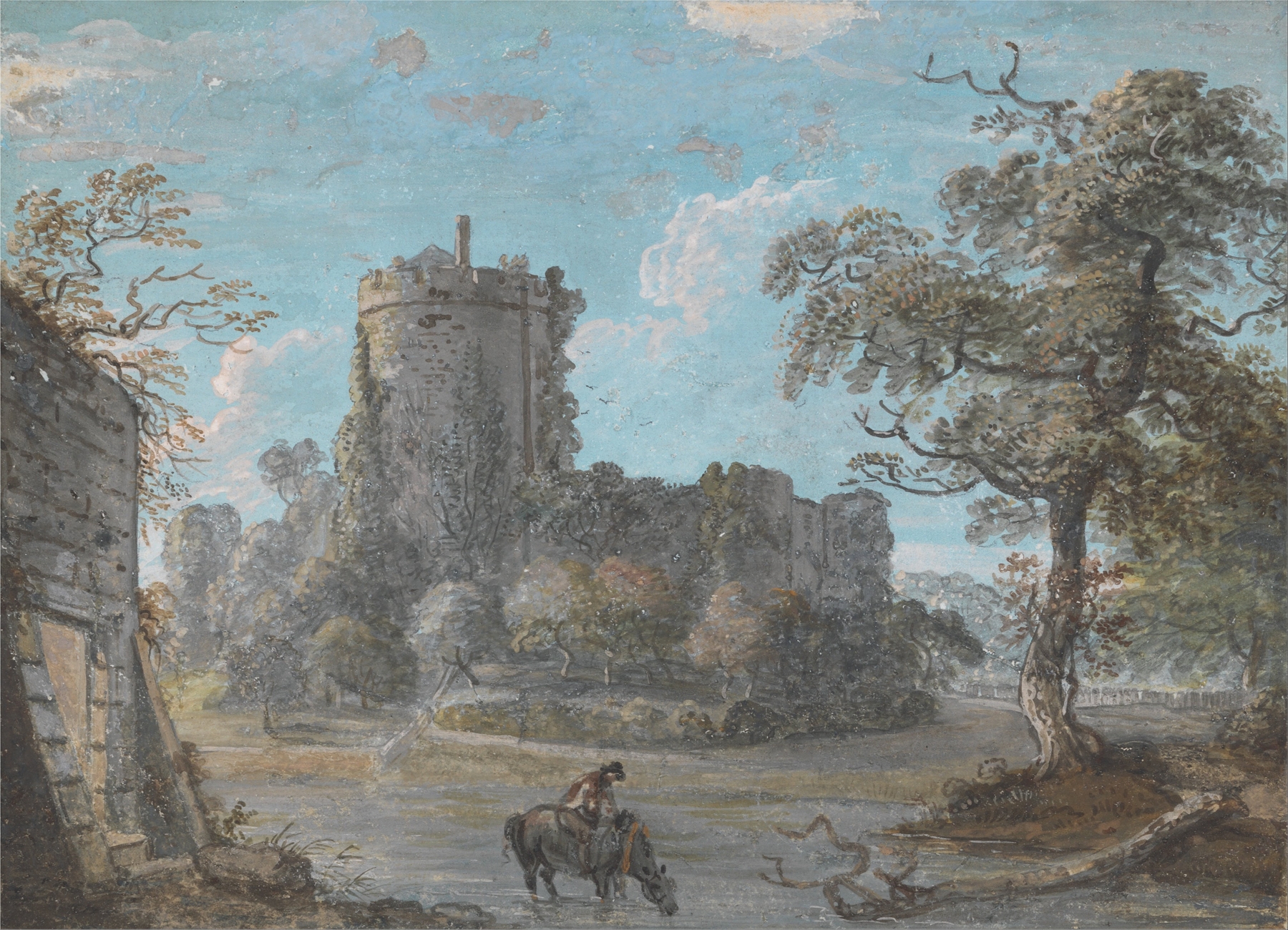
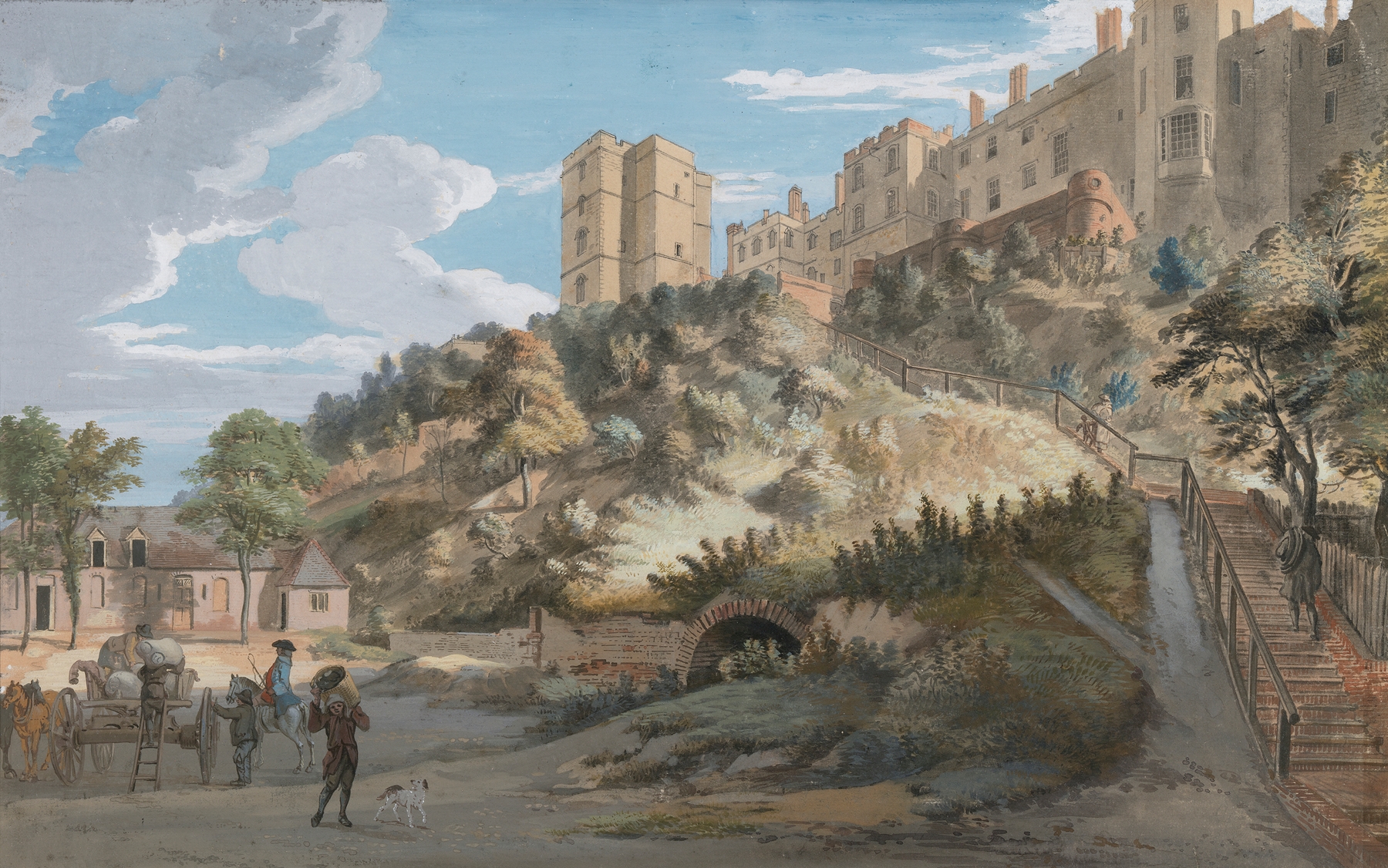
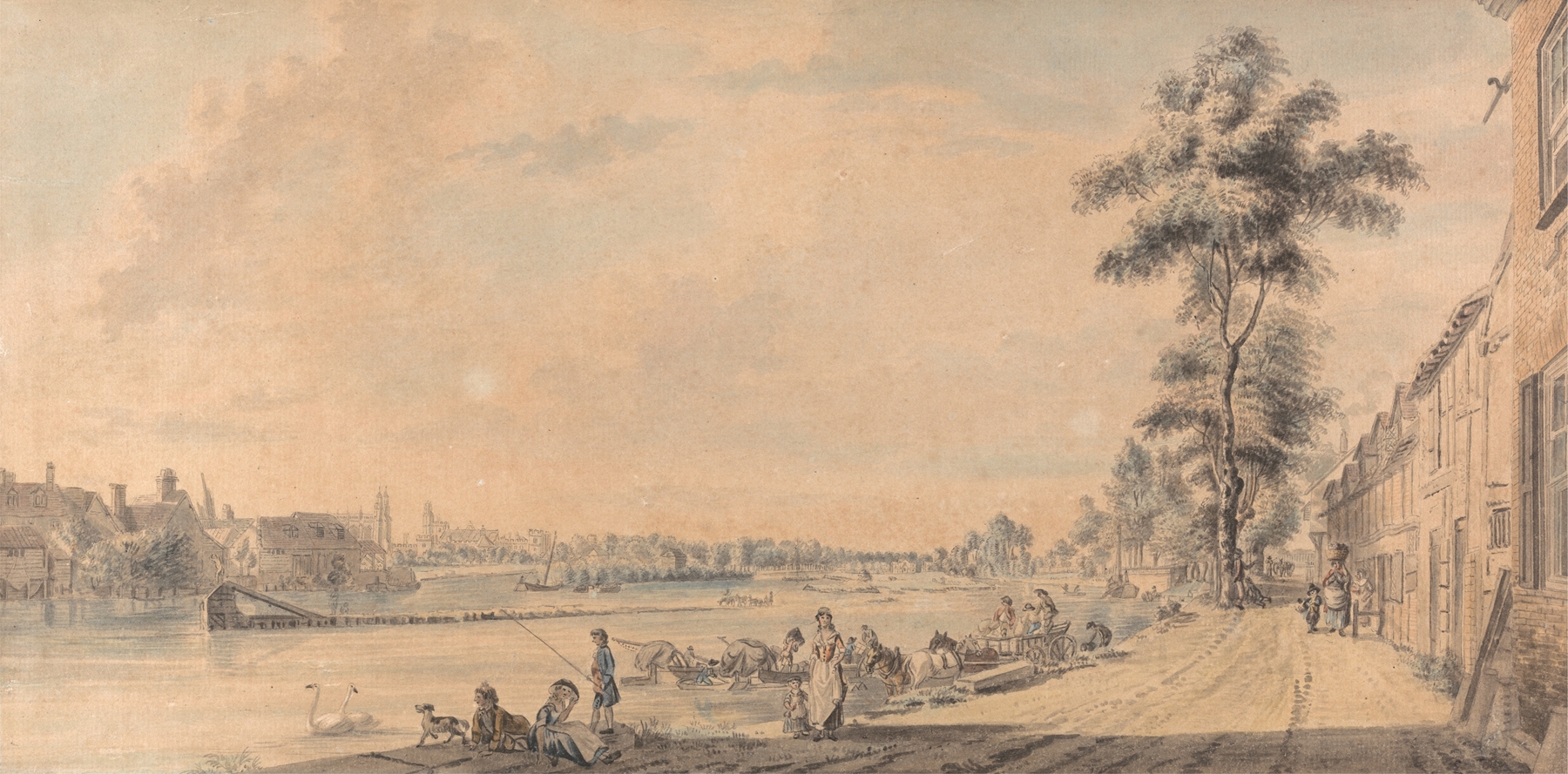
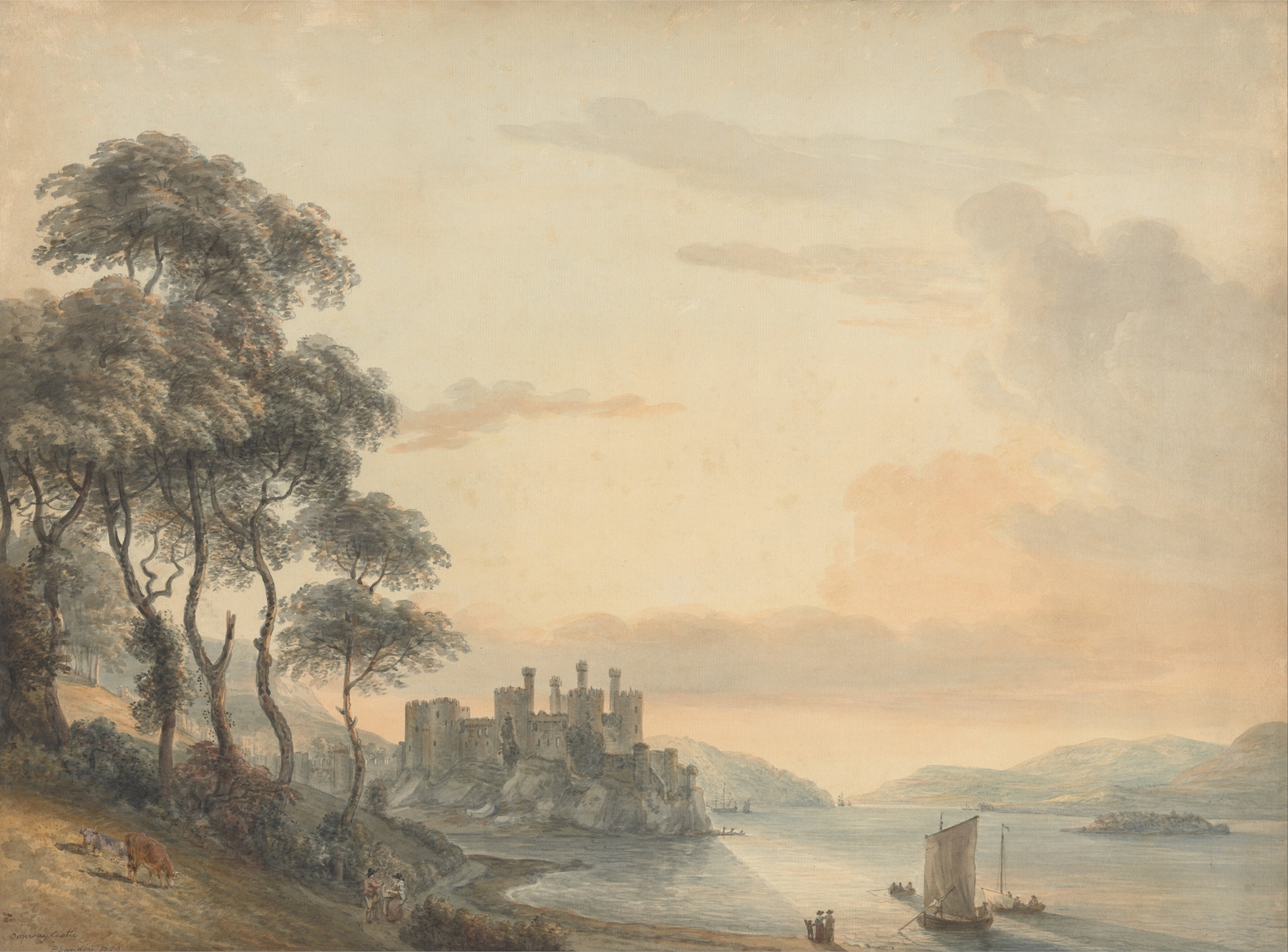
What if beauty was never meant to be finished? In the delicate lines and soft hues of the landscape, a memory lingers, both captured and elusive. Look to the left at the harmonious blend of earth and sky, where the gentle arch of the Norman Gate beckons. The careful strokes evoke a sense of nostalgia, guiding your gaze toward the stately Deputy Governor’s House nestled within the verdant embrace of nature.
Notice how the dappled sunlight filters through the foliage, casting intricate shadows that dance upon the ground, a testament to the artist's mastery of light and composition. The juxtaposition of the sturdy architecture against the ephemeral landscape reveals the tension between permanence and transience. The muted colors evoke a wistful yearning, suggesting a forgotten past that clings to the present. Small details, like the fluttering leaves and the distant figures, hint at stories untold, infusing the scene with an emotional depth that resonates beyond its tranquil appearance.
Created in the mid-18th century, this work reflects Paul Sandby’s role as a pioneer of English watercolor landscapes. At the time, he was engaged in illustrating the natural beauty surrounding his home, capturing both the picturesque and the historic, as England underwent significant social and artistic changes. This piece, though undated, embodies a moment in Sandby’s life where memory and landscape converged, inviting viewers to linger in its beauty.