The North Terrace, Windsor Castle, Looking West — History & Analysis
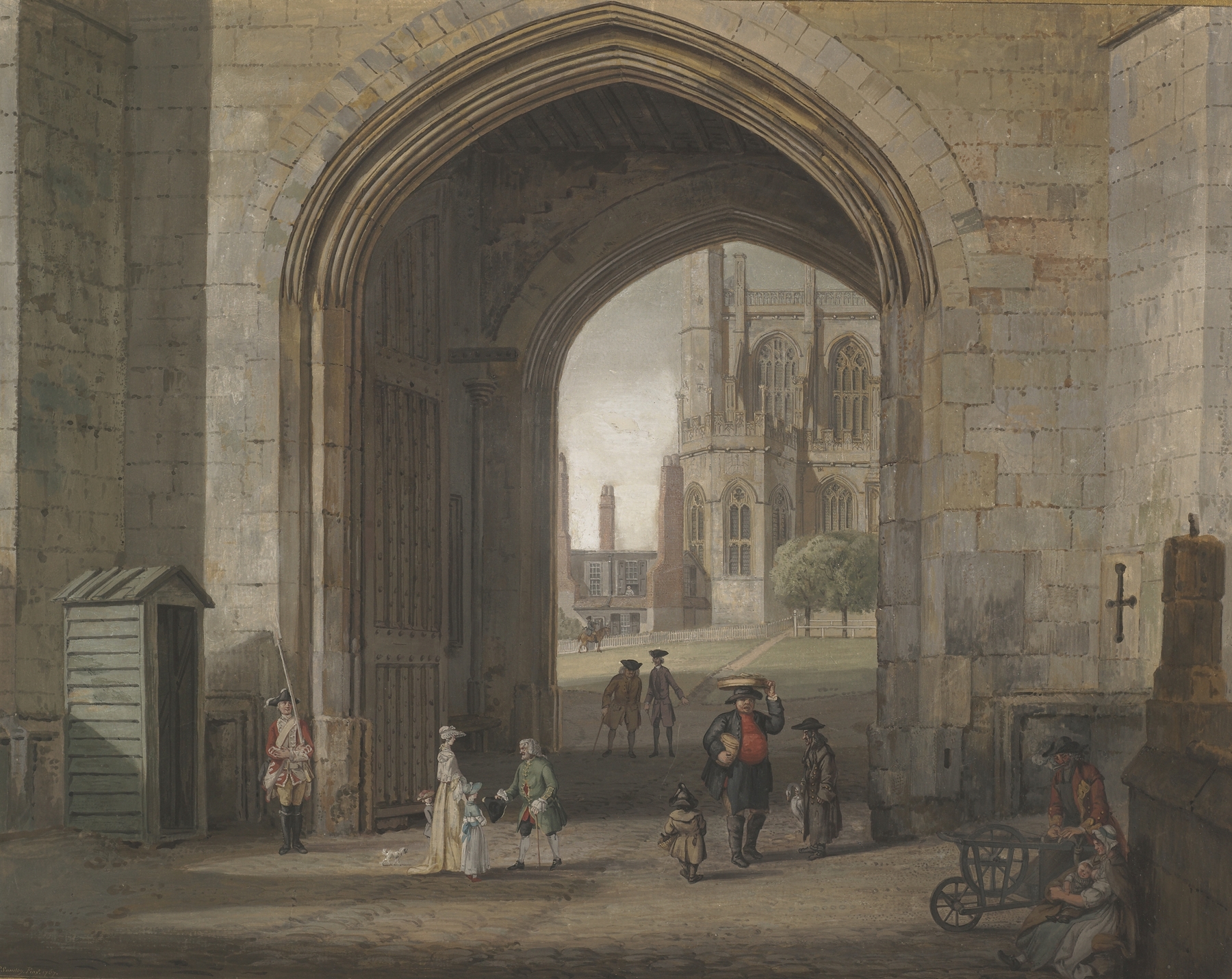
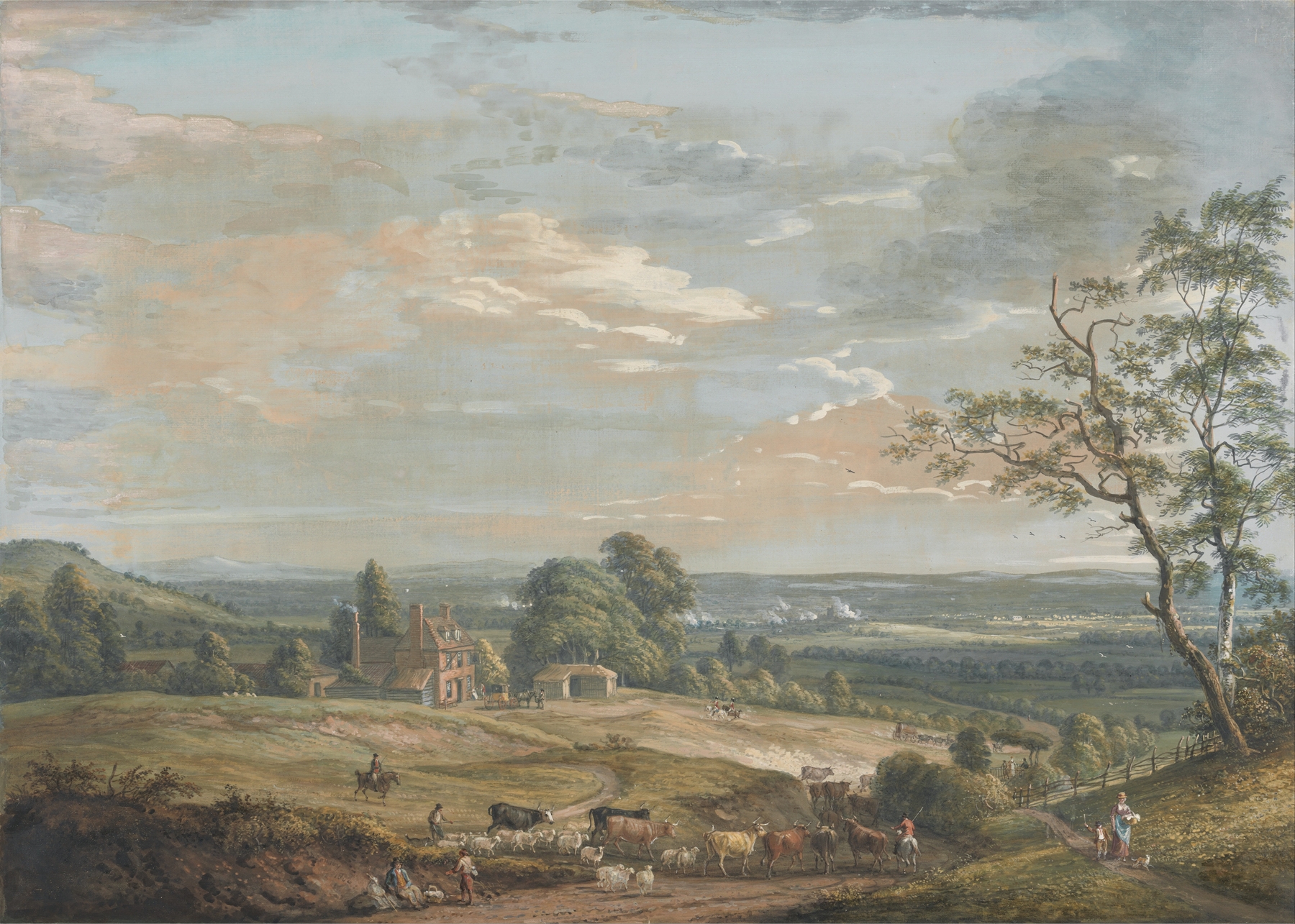
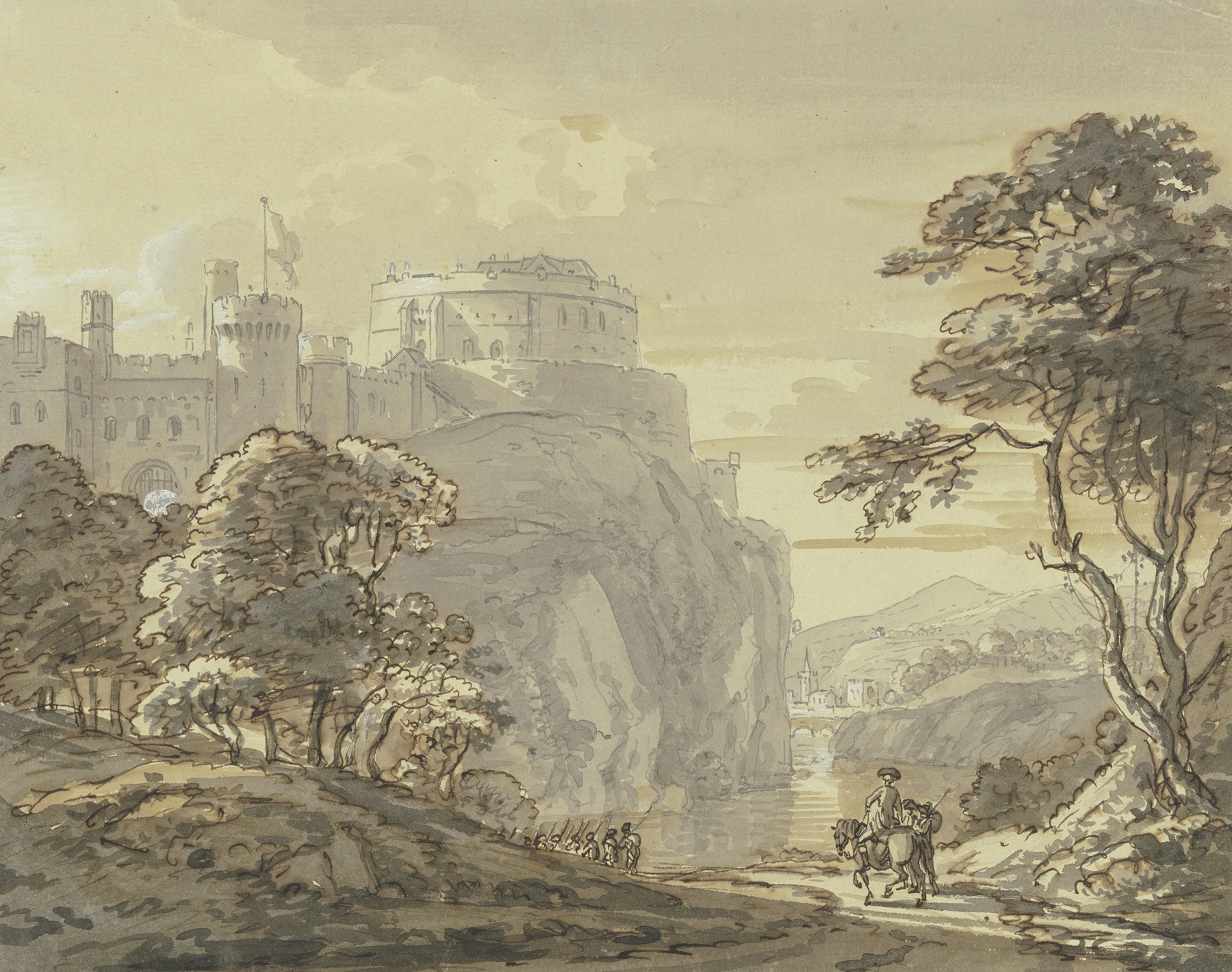
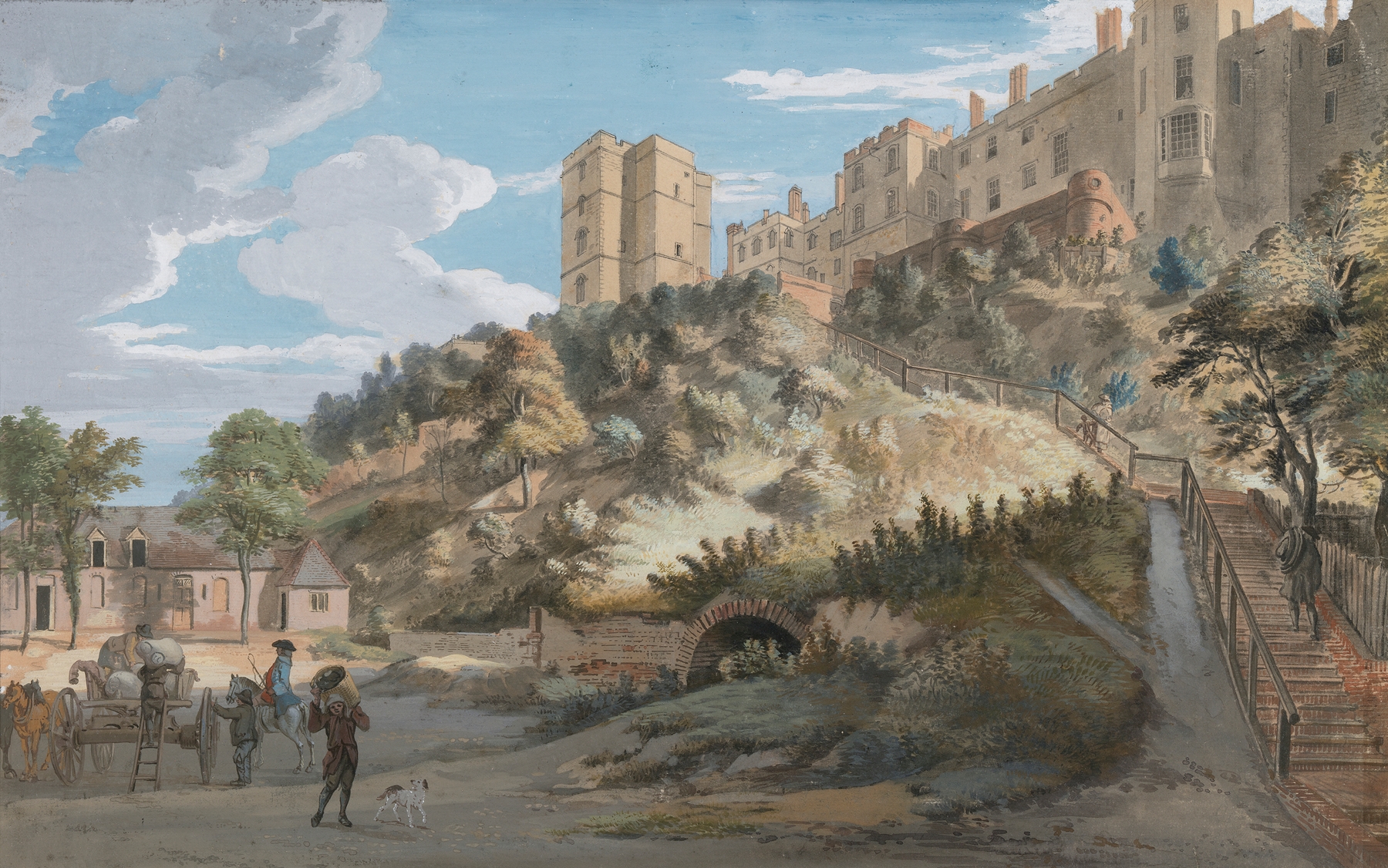
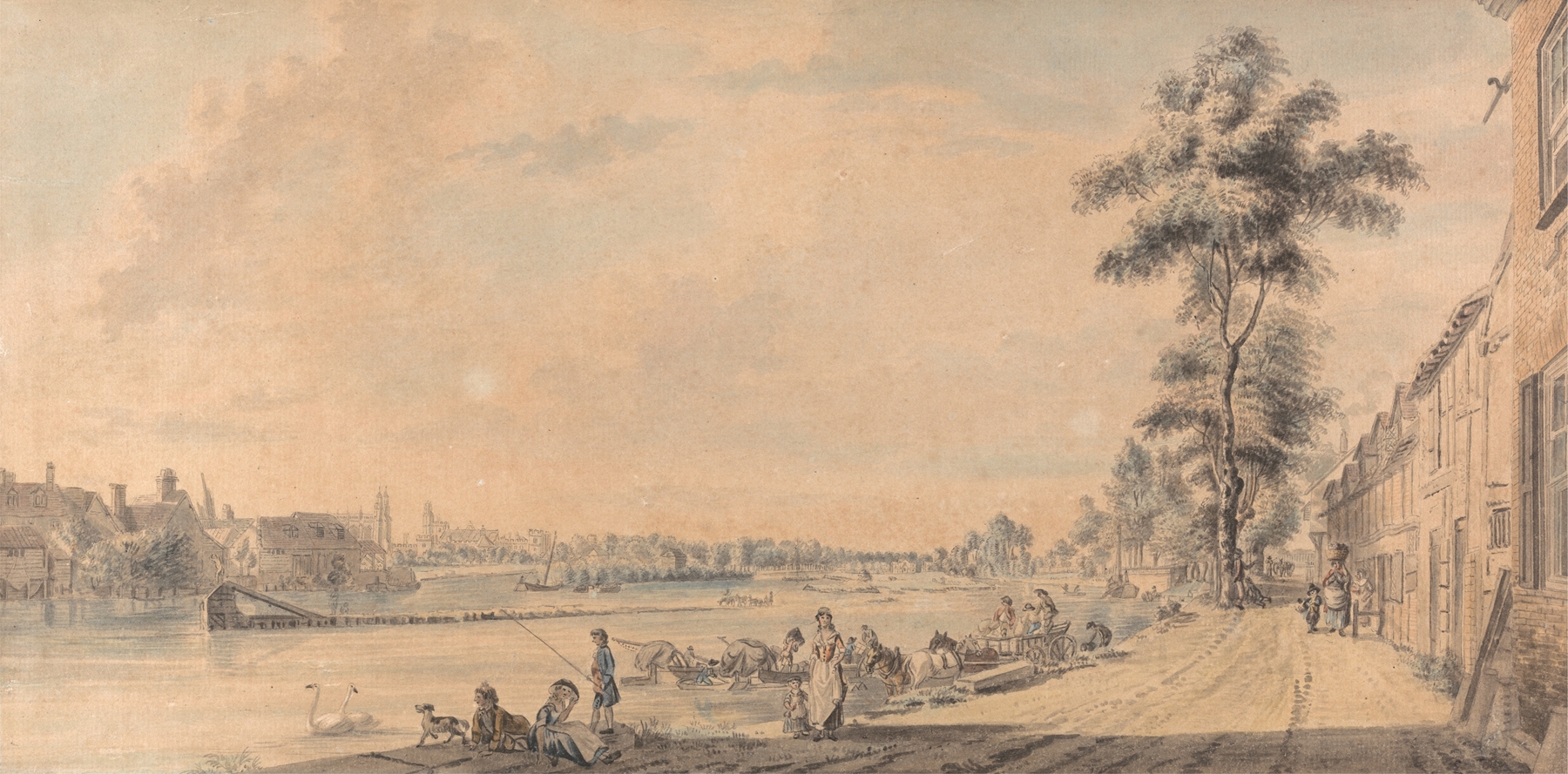
Did the painter know this moment would outlive them? The scene captured in The North Terrace, Windsor Castle, Looking West breathes with a timeless beauty, inviting viewers to explore the extraordinary interplay of light, color, and architecture. Focus first on the expansive terrace that stretches across the foreground, where the delicate strokes illustrate the stone's texture, hinting at the passage of time. Notice how the warm, golden sunlight bathes the scene, casting soft shadows that enhance the architectural details of the castle.
The lush greenery is painted with vibrant greens, contrasting beautifully against the cool blues of the sky, drawing the eye towards the horizon where the landscape meets the heavens. Within this tranquil vista lies a deeper narrative of majesty and history, inviting contemplation of both nature and human creation. The interplay between the serene sky and the sturdy castle suggests a dialogue between permanence and transience, as the meticulously cultivated gardens symbolize the effort to harmonize nature with artifice. The distant clouds hinting at change whisper the inevitability of time, urging the viewer to reflect on their own relationship with the fleeting moment.
Paul Sandby painted this work during the mid-18th century while in England, a period marked by the burgeoning appreciation for landscape art and the picturesque. Known as the father of British watercolor, Sandby was deeply influenced by his surroundings, capturing the essence of both the English countryside and architectural landmarks. His engagement with the Romantic movement laid the groundwork for future generations of artists to explore the emotional connections between people and the landscapes they inhabit.