The old mill — History & Analysis
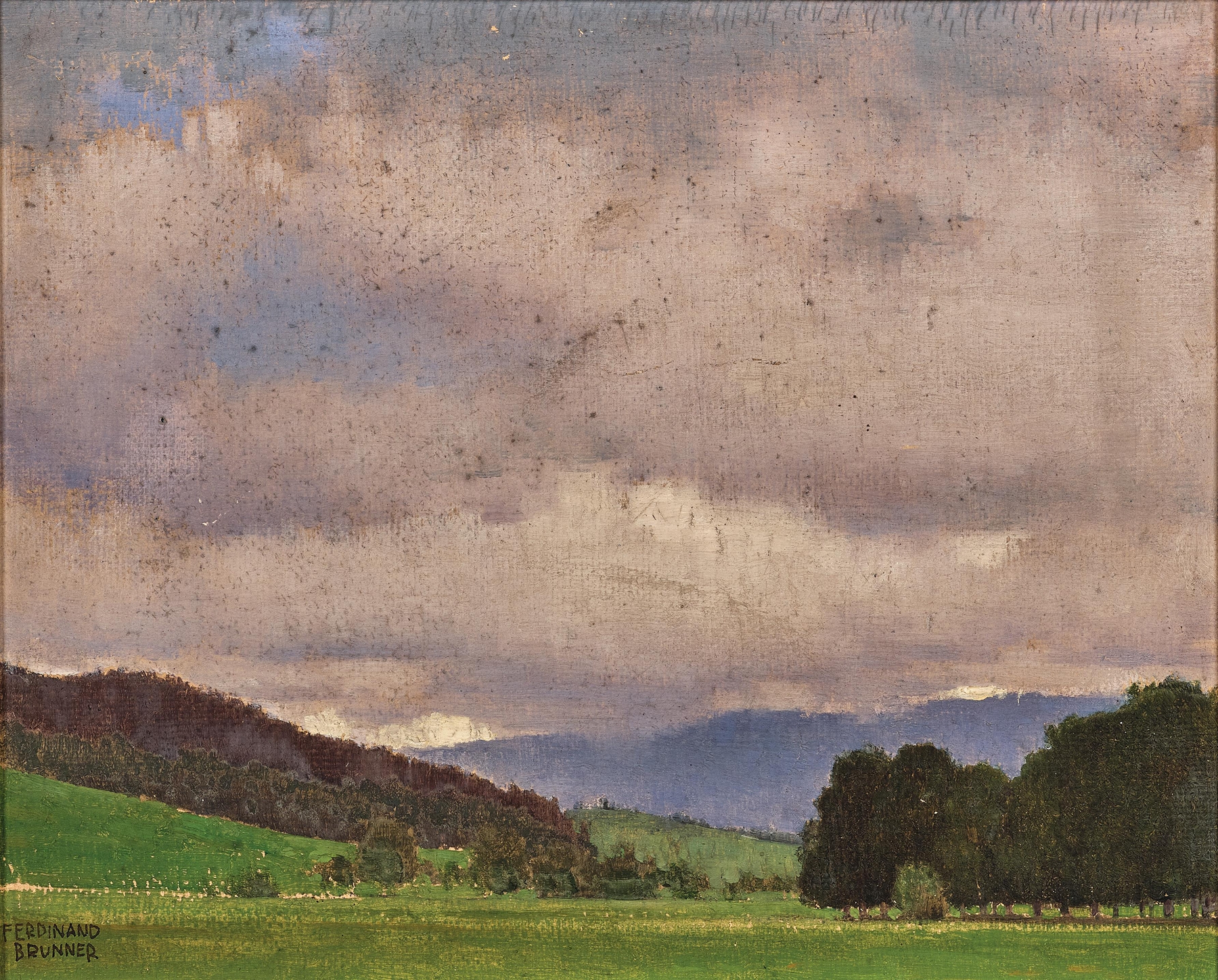
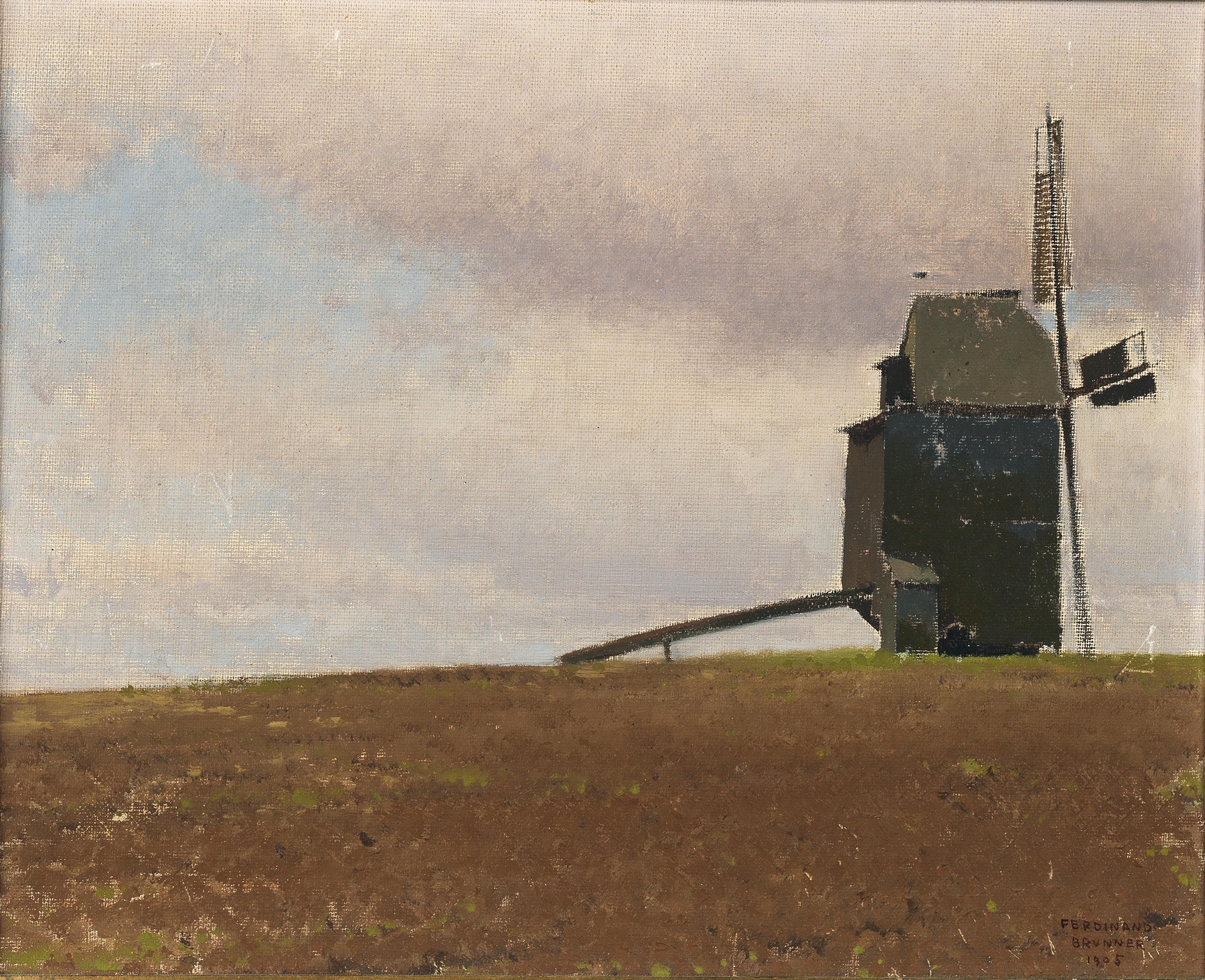
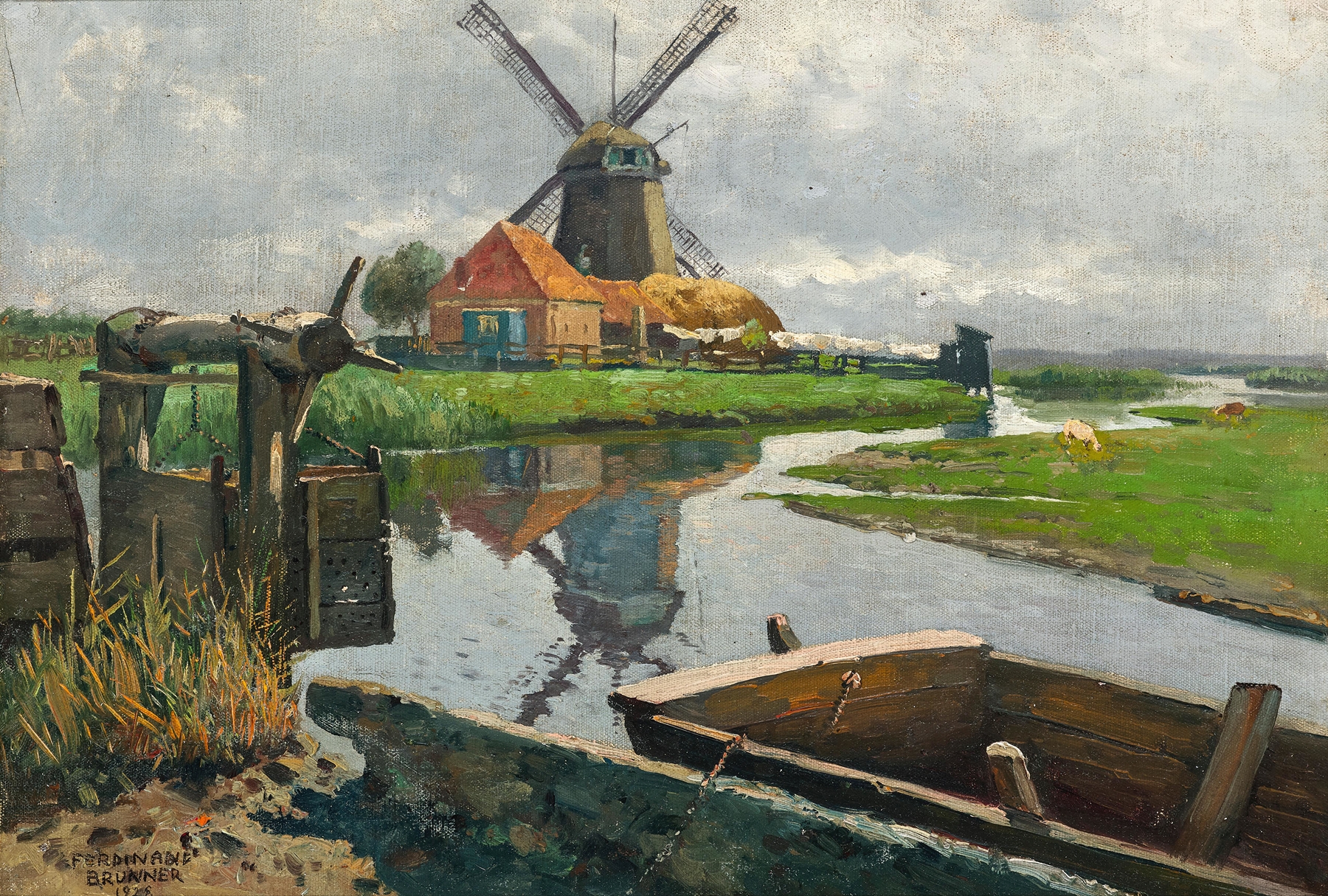
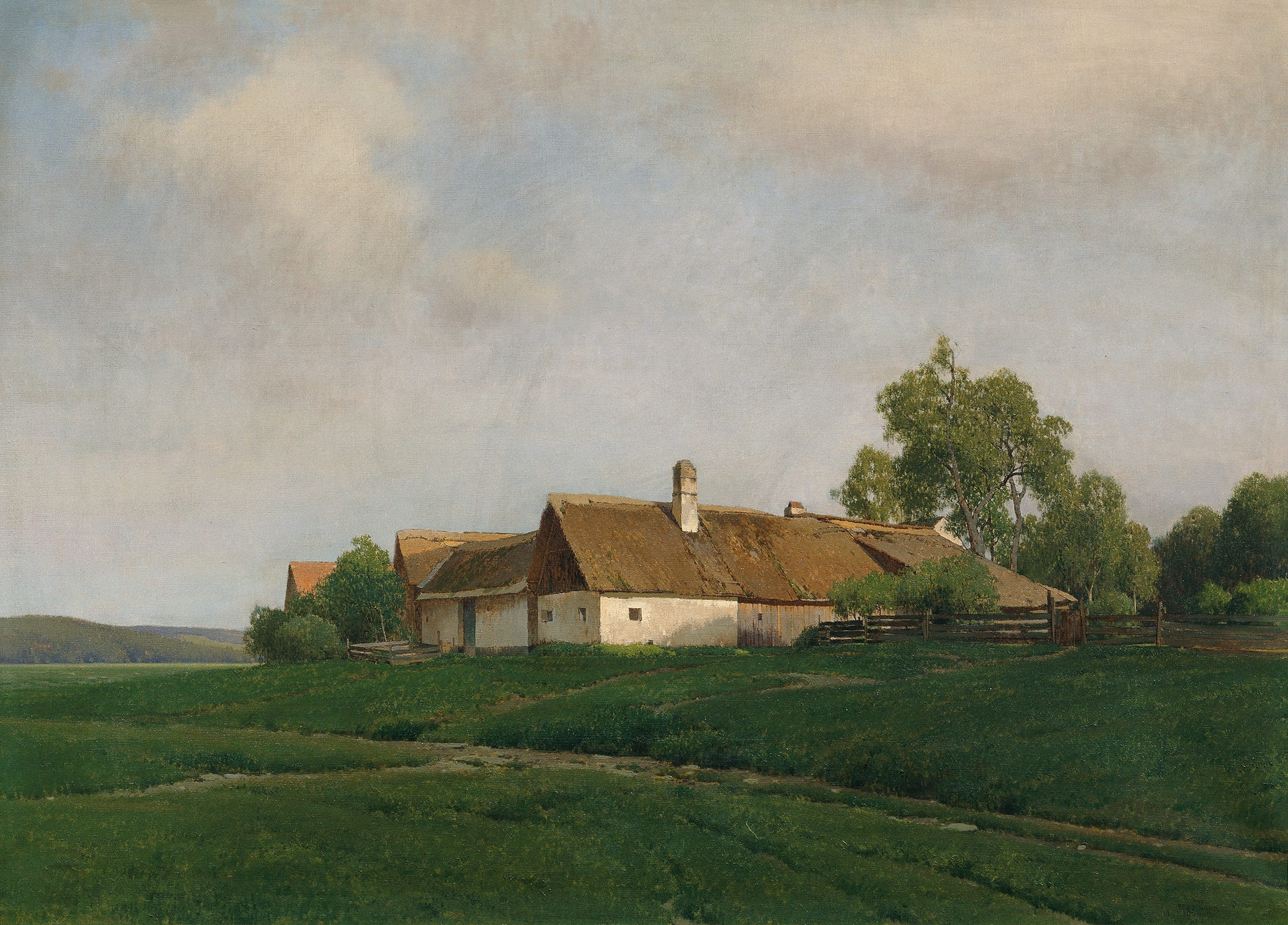
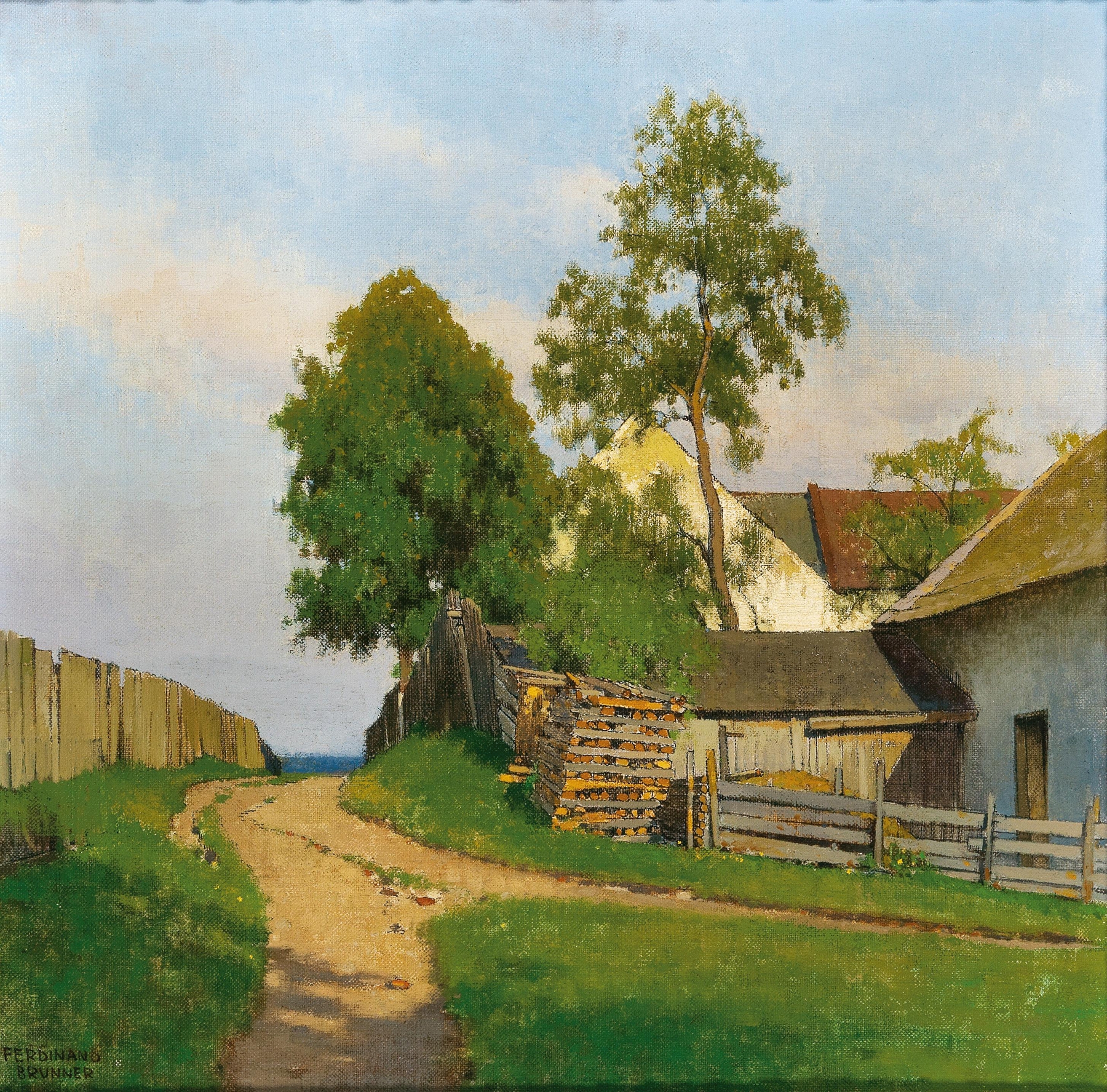
Who listens when art speaks of silence? In the stillness of The Old Mill, the world pauses to reflect on the passage of time and the stories of creation that linger in every brushstroke. Look to the left at the weathered wooden beams, their grain whispering tales of labor and love. The soft hues of ochre and deep greens envelop the scene, offering a sense of nostalgia as light filters through the trees, casting dappled shadows on the ground. The mill stands sturdy yet worn, a testament to resilience, while the gentle flow of water hints at life’s continuing journey.
Notice how the artist skillfully blends impressionism with realism, drawing us in with meticulous detail that speaks of both nature and craftsmanship. Beneath the tranquil surface, a tension emerges between decay and rejuvenation. The mill, a relic of the past, suggests the inevitability of change, while the vibrant surrounding flora embodies the hope of renewal. Each brushstroke captures not just the physical structure but also the very essence of creation, reminding us of the life cycles that govern existence.
This duality evokes an emotional pull, urging us to consider our own connections to history and the natural world. Ferdinand Brunner painted The Old Mill in 1906, a period marked by a transition in art as artists began to explore both impressionistic techniques and the representation of everyday life. Living in Europe, Brunner was influenced by the rise of modernism while holding onto the rich traditions of the past. As he created this work, the art world was on the brink of dramatic changes, reflecting a society grappling with modernization and the relentless march of time.