The Pine Retreat — History & Analysis
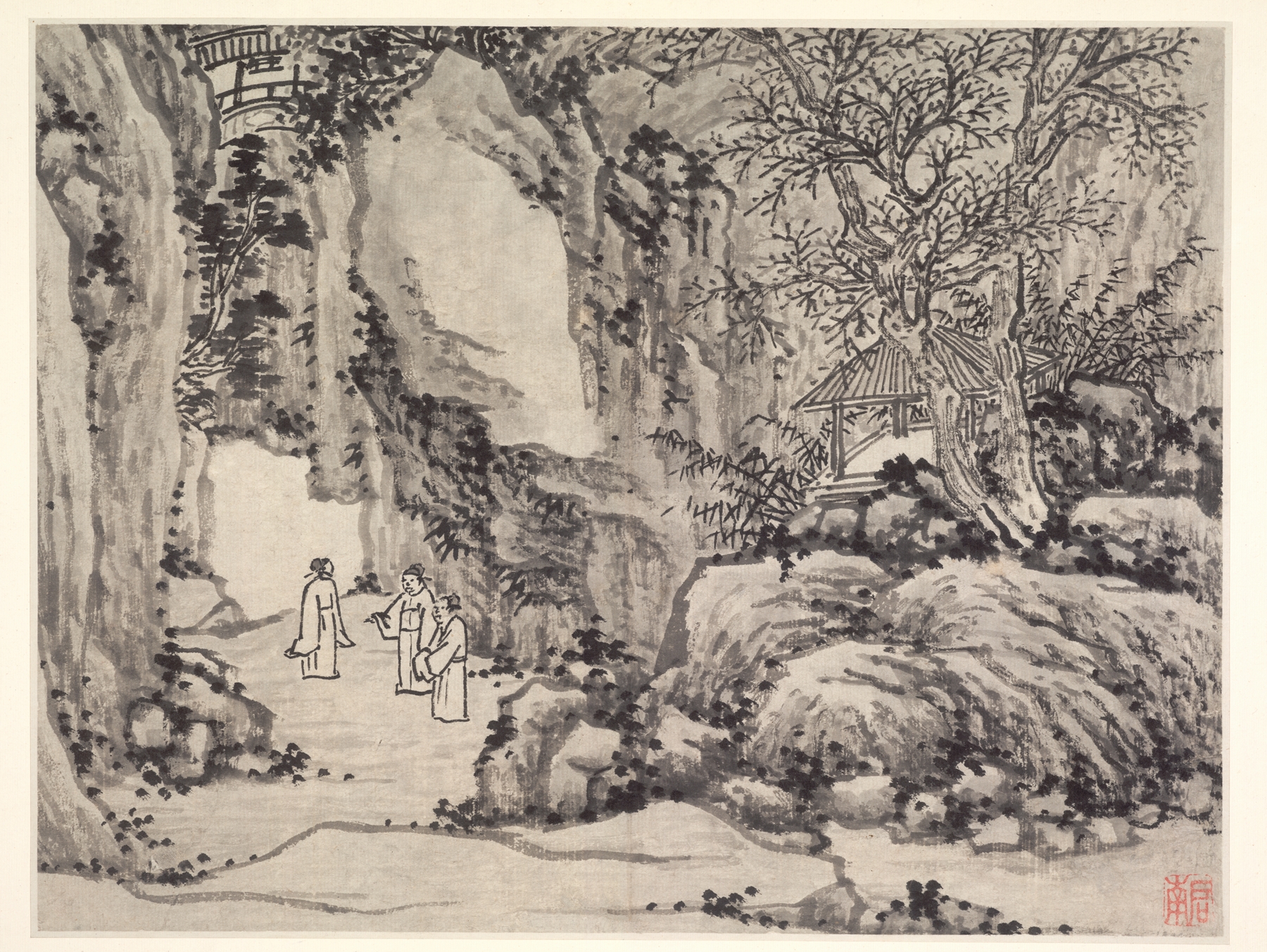
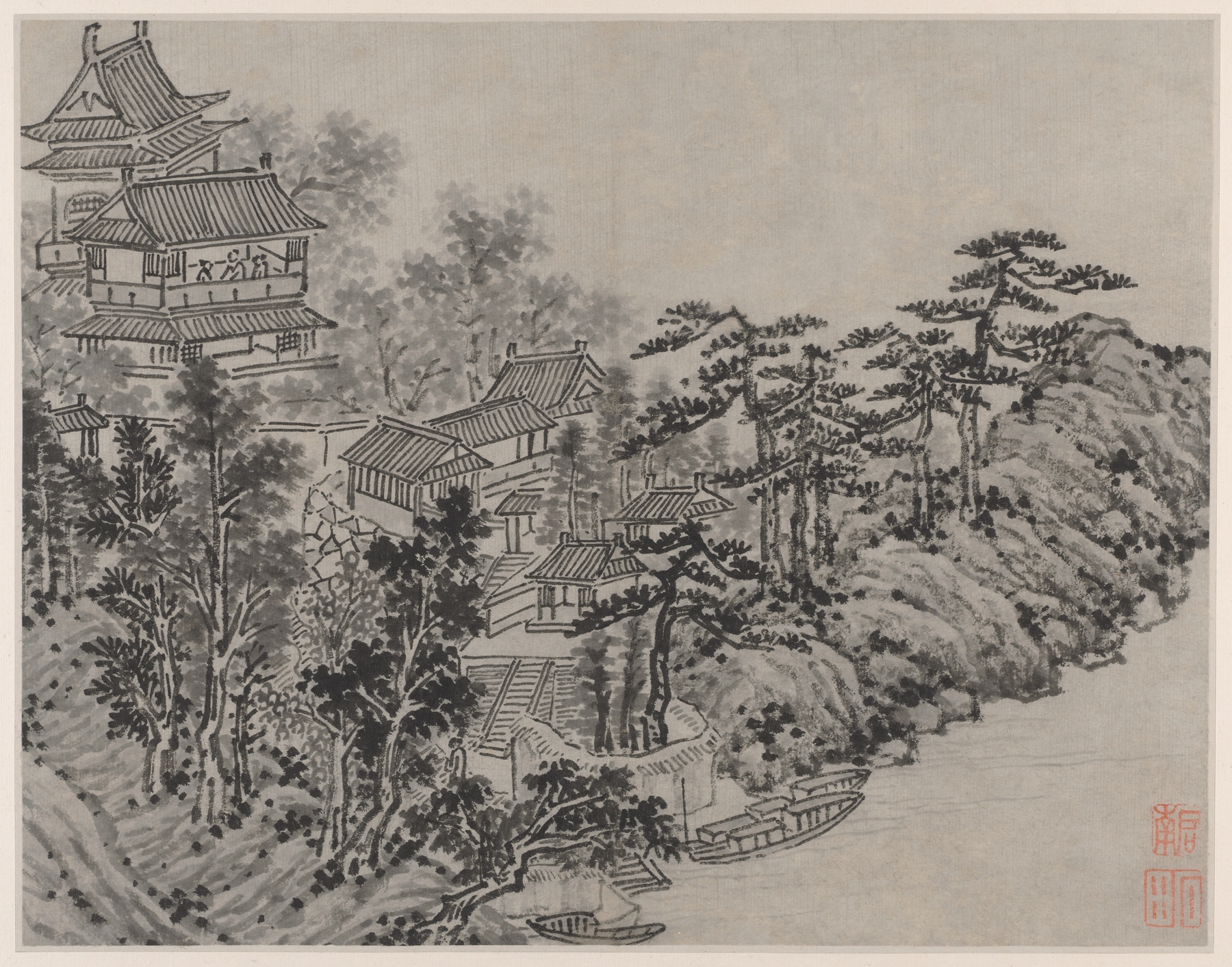
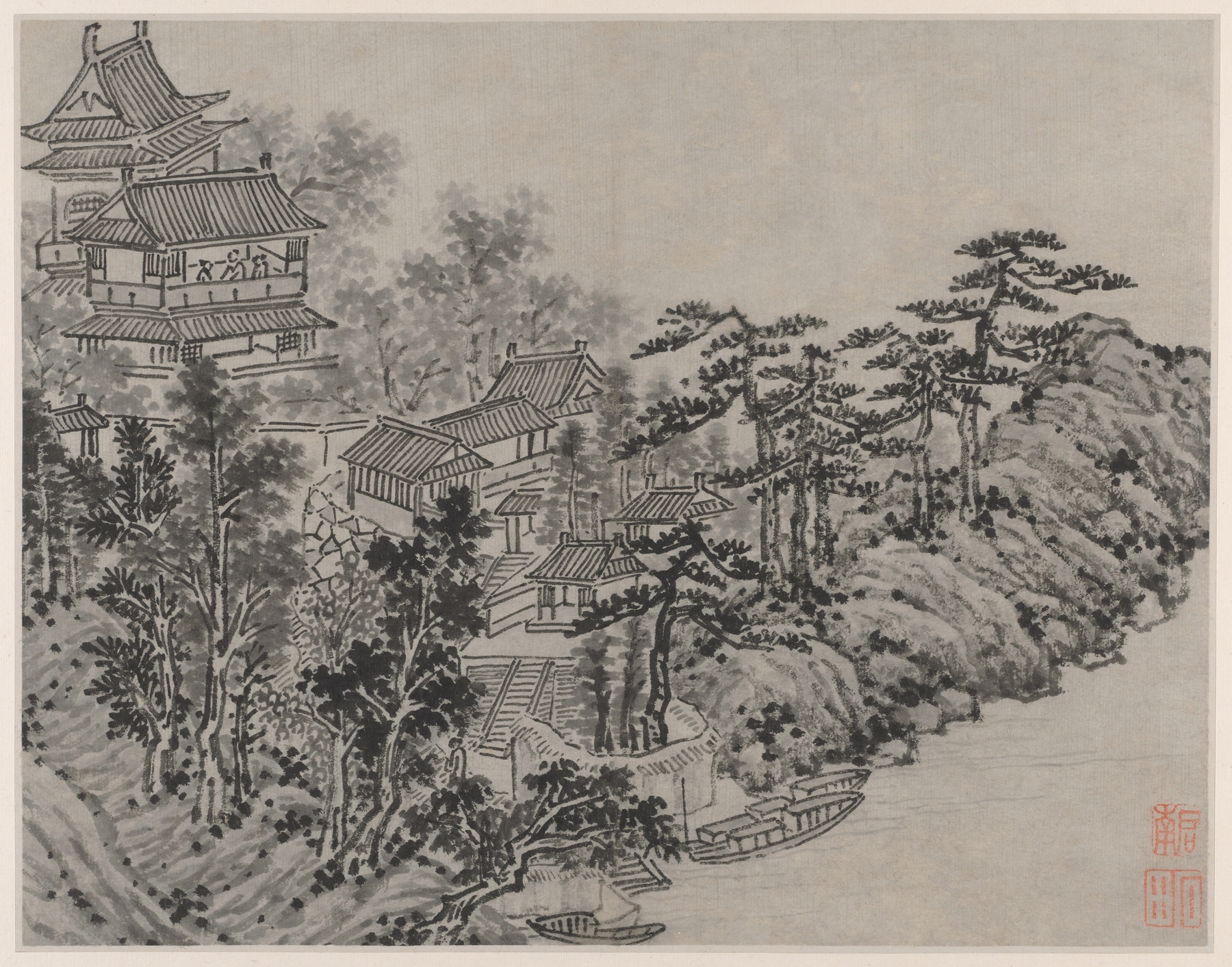
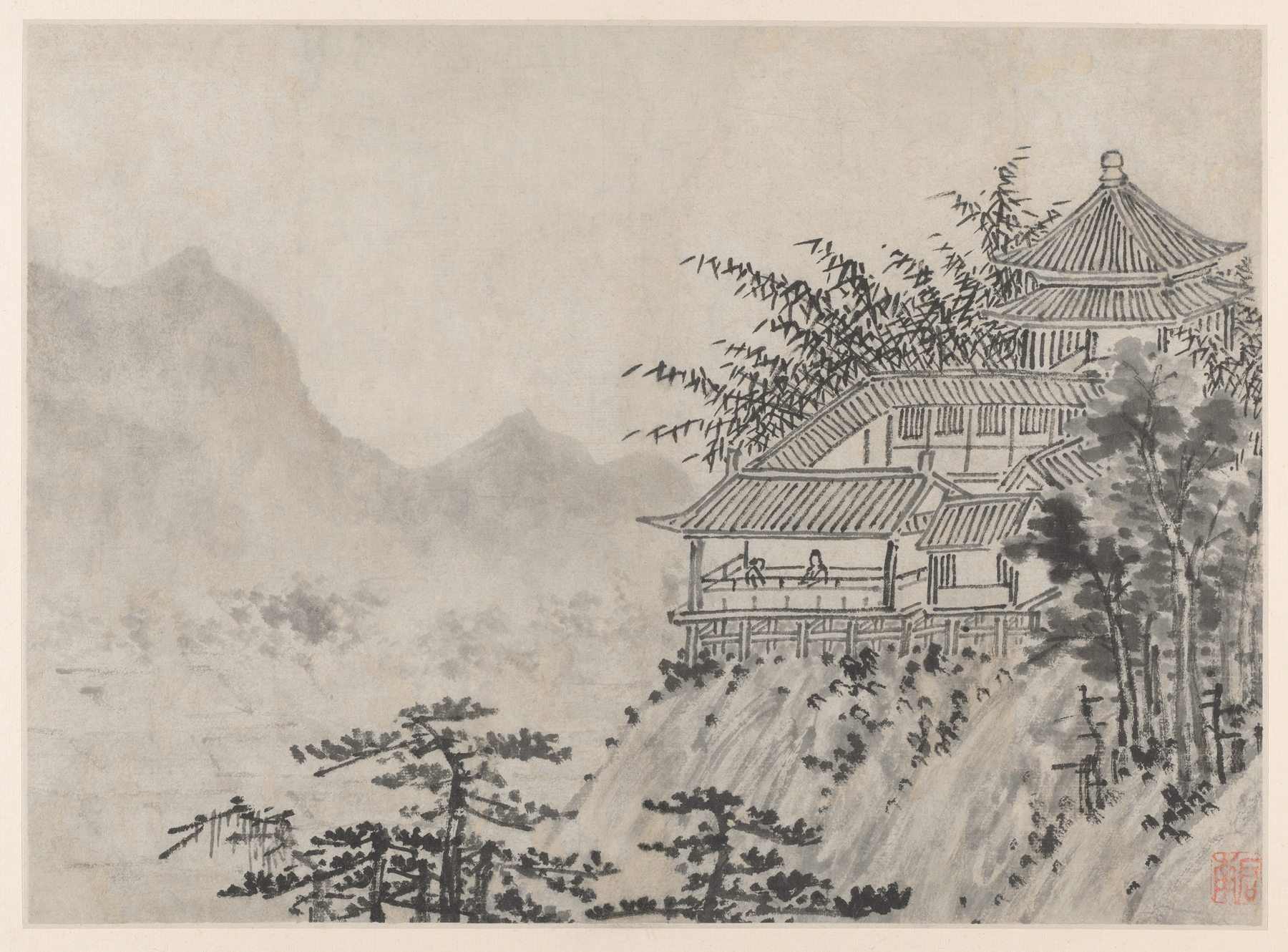
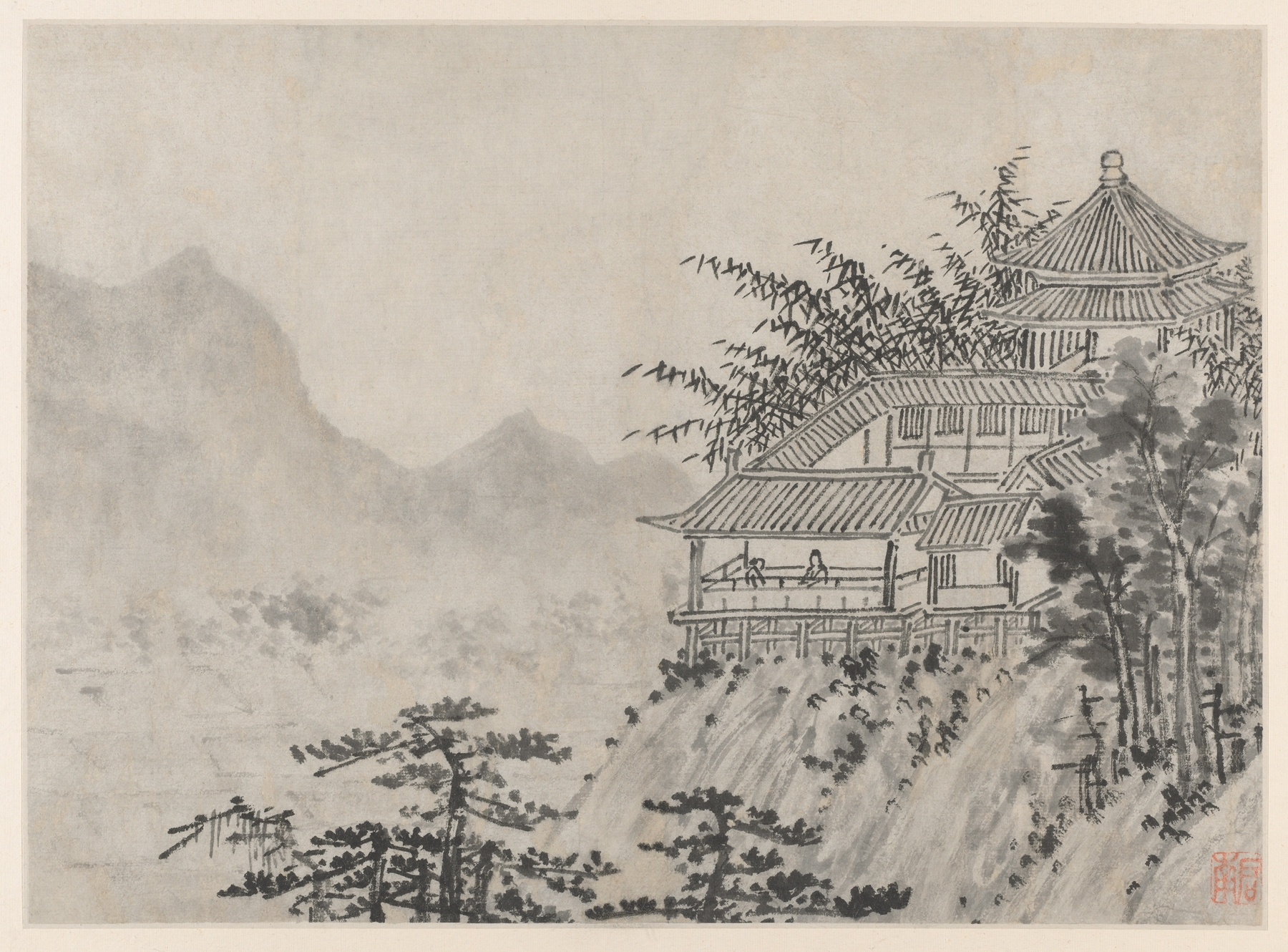
Where does light end, and longing begin? In the delicate brushstrokes of a master, the boundary between nature and the soul blurs into a harmonious dance. Look to the left at the towering pines, their emerald needles whispering secrets to the wind. The artist employs a soft yet vibrant palette, contrasting the deep greens of the foliage with the warm golden hues of a distant sun. Notice how the layers of ink and wash create an ethereal atmosphere, inviting the viewer to step into a serene world.
Each movement of the brush seems to resonate with the gentle sway of the trees, capturing a sense of stillness that pulses with life. Within this tranquil landscape lies an emotional core. The solitary figure beneath the pines evokes both meditation and isolation, embodying the tension of searching for peace amidst the vastness of nature. The subtle interplay of light reveals a longing—an ache for connection or understanding that transcends the mere physical.
Every stroke invites contemplation, suggesting that movement, though often imperceptible, stirs within every observer's heart. Shen Zhou painted this work after 1490, during a period of profound personal and artistic development in his life. As a leading figure of the Ming Dynasty, he was influenced by both Zen Buddhism and the literati ideals that valued nature and introspection. His artistic journey mirrored the shifting currents of society, as traditional values started to meld with new philosophical inquiries, shaping a legacy that continues to inspire seekers of beauty and meaning.