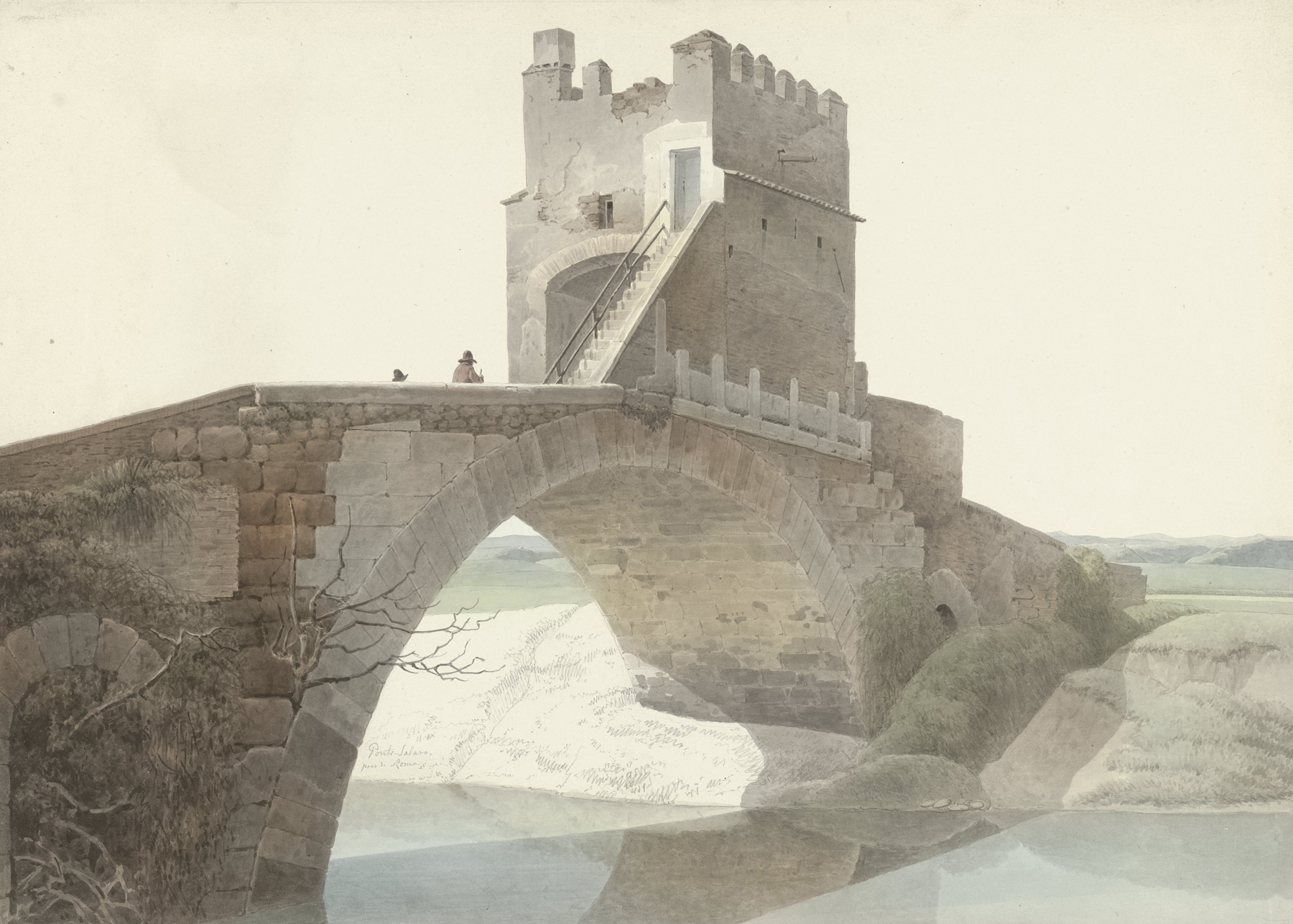
The Ponte Salario, near Rome — History & Analysis
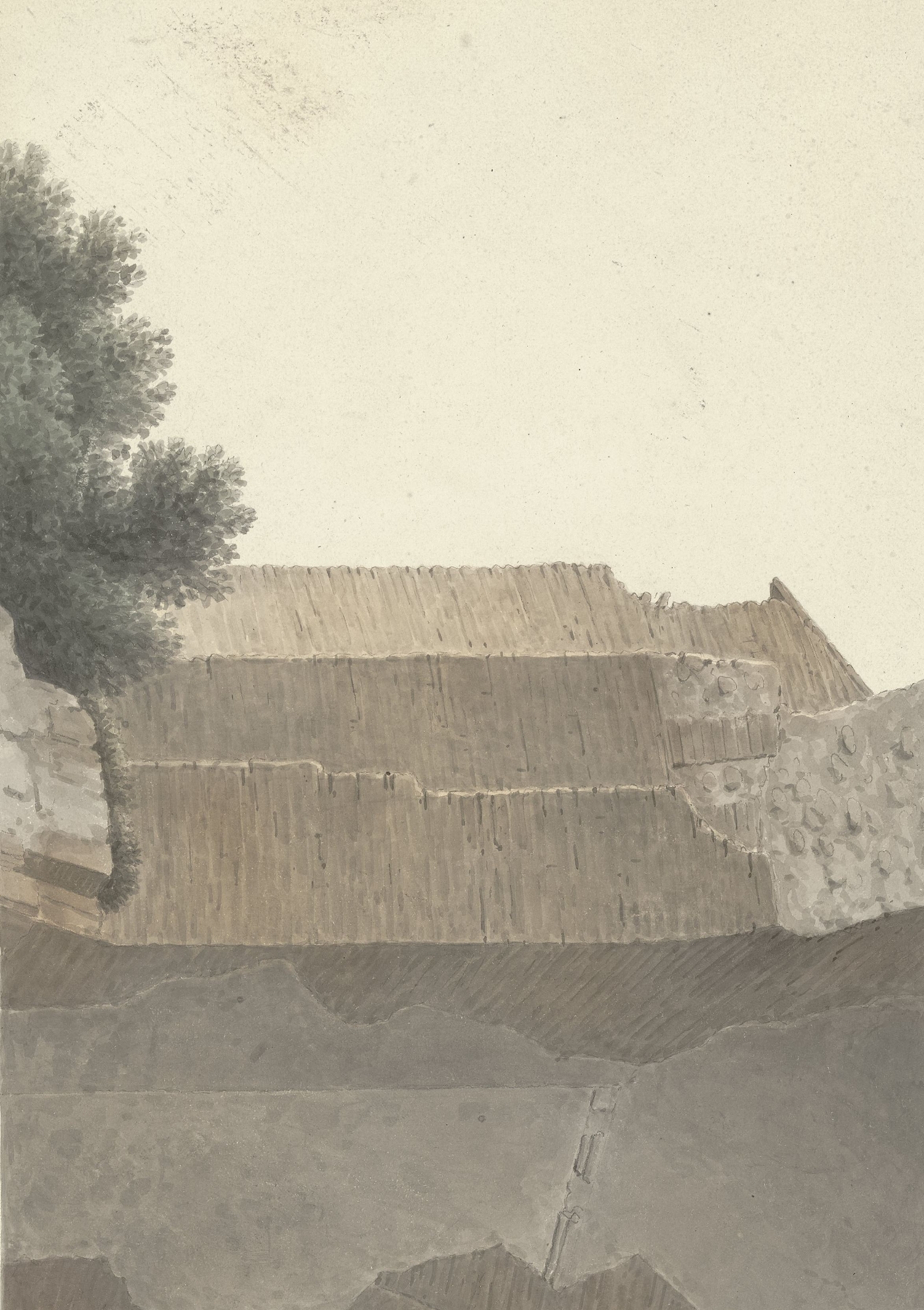
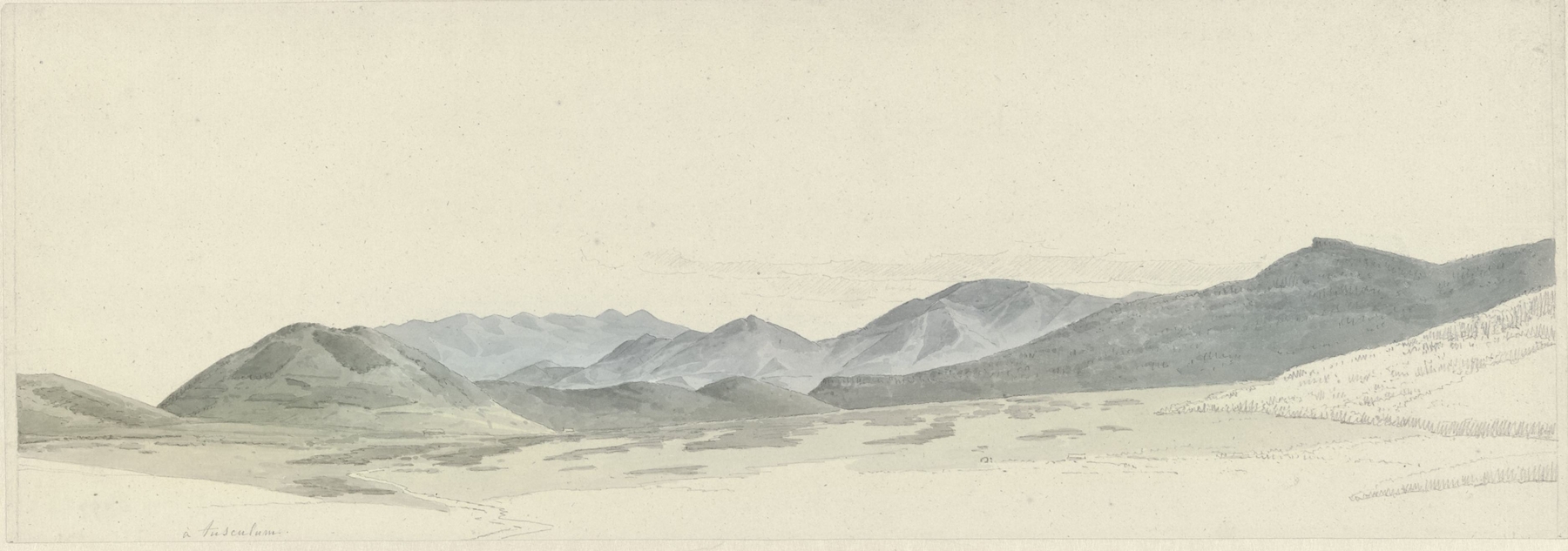
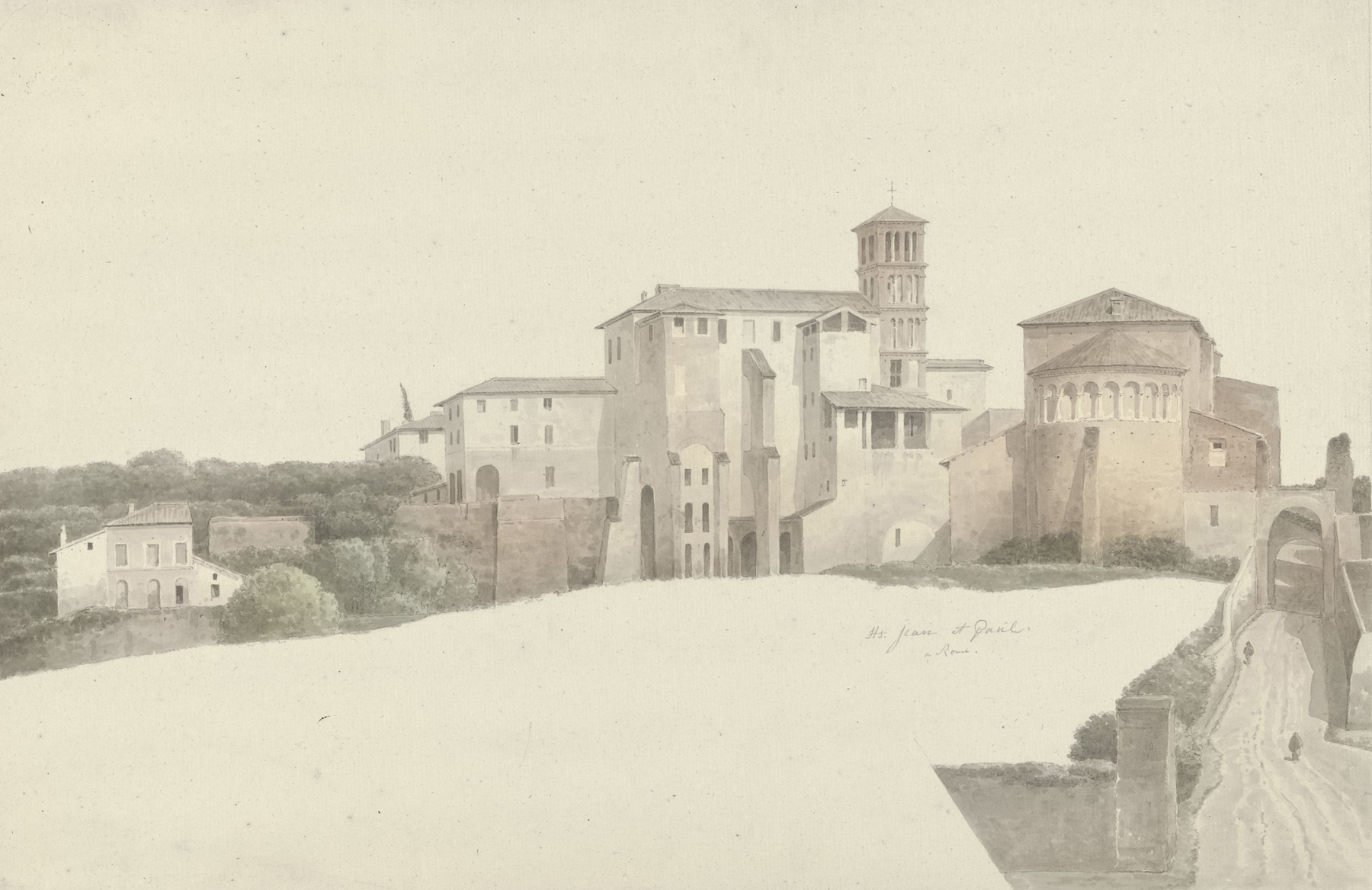
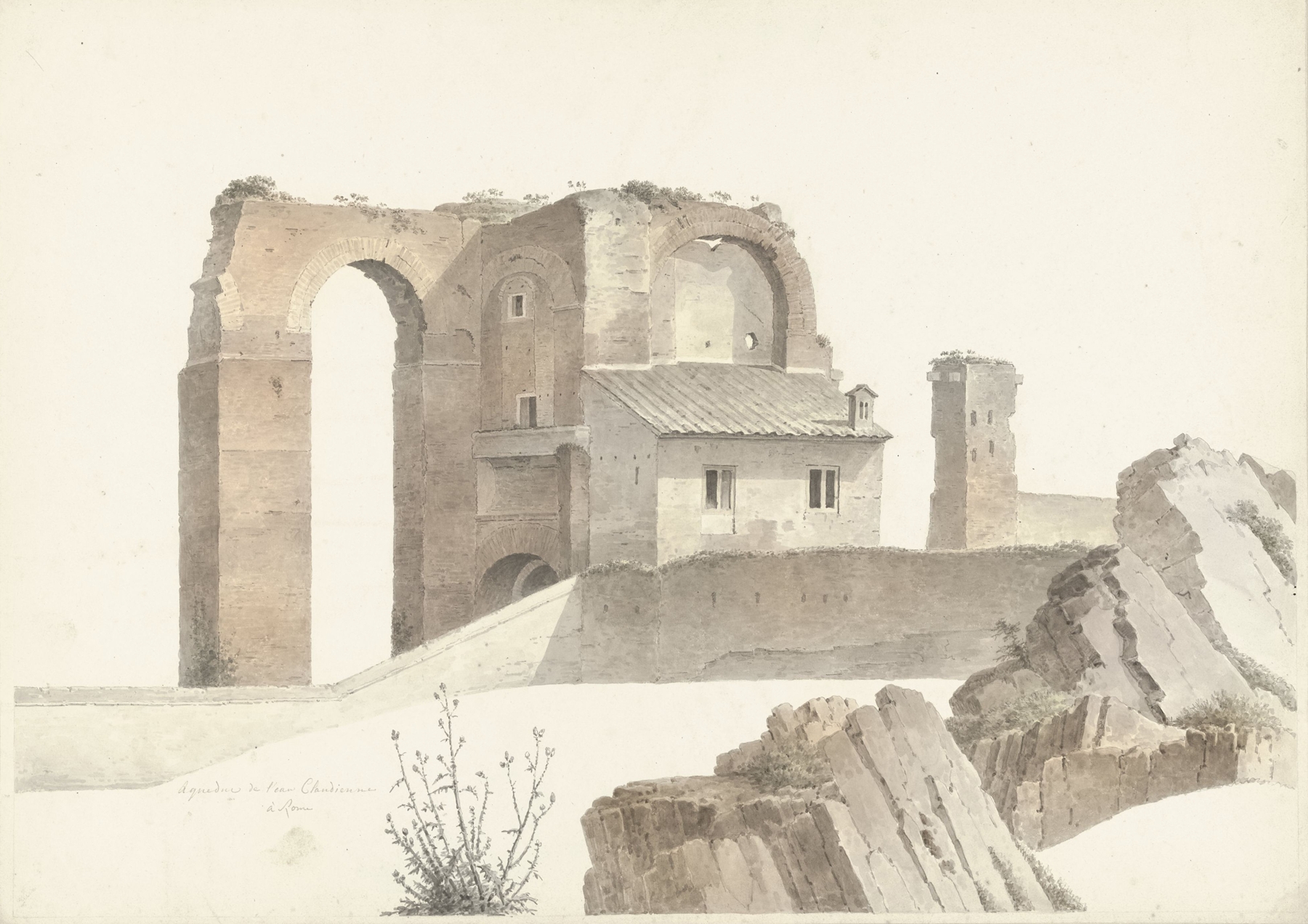
“To paint is to remember what time wants us to forget.” In the delicate interplay of landscapes, the essence of legacy is captured, reminding us that every brushstroke holds not only beauty but also the passage of time. Look to the left at the shimmering surface of the river, where gentle ripples dance beneath the golden sunlight. The bridge, a solemn sentinel, arches gracefully over the water, inviting the eye to trace its elegant contours. Notice how the soft, earthy palette of greens and browns harmonizes with the brilliant azure of the sky, evoking a sense of tranquility while simultaneously hinting at the eternal cycles of nature. The meticulous attention to detail in the foliage and the rugged textures of the stone infuse the scene with life and depth. Yet, beneath this serene exterior lies a poignant contrast. The vibrant life of the landscape suggests resilience, while the structure of the bridge speaks of human endeavor and transience. Each element, from the delicate clouds to the sturdy stones, represents different facets of existence—nature’s eternal dominance over time and the fleeting imprints of humanity’s achievements. This duality invites reflection on what is left behind and what endures, highlighting the fragile yet compelling battle between permanence and ephemerality. In the years between 1809 and 1812, Josephus Augustus Knip was immersed in the lush landscapes of Italy, capturing the essence of Rome's surroundings. Amidst the shifting tides of Romanticism, he sought to evoke emotion through nature, reflecting a world that cherished both the grand and the intimate. His fascination with legacy resonated deeply during this period, as artists grappled with the fleeting nature of beauty in an ever-changing world.