The Porto di Lido, with the Fortezza Sant’Andrea on the Left — History & Analysis
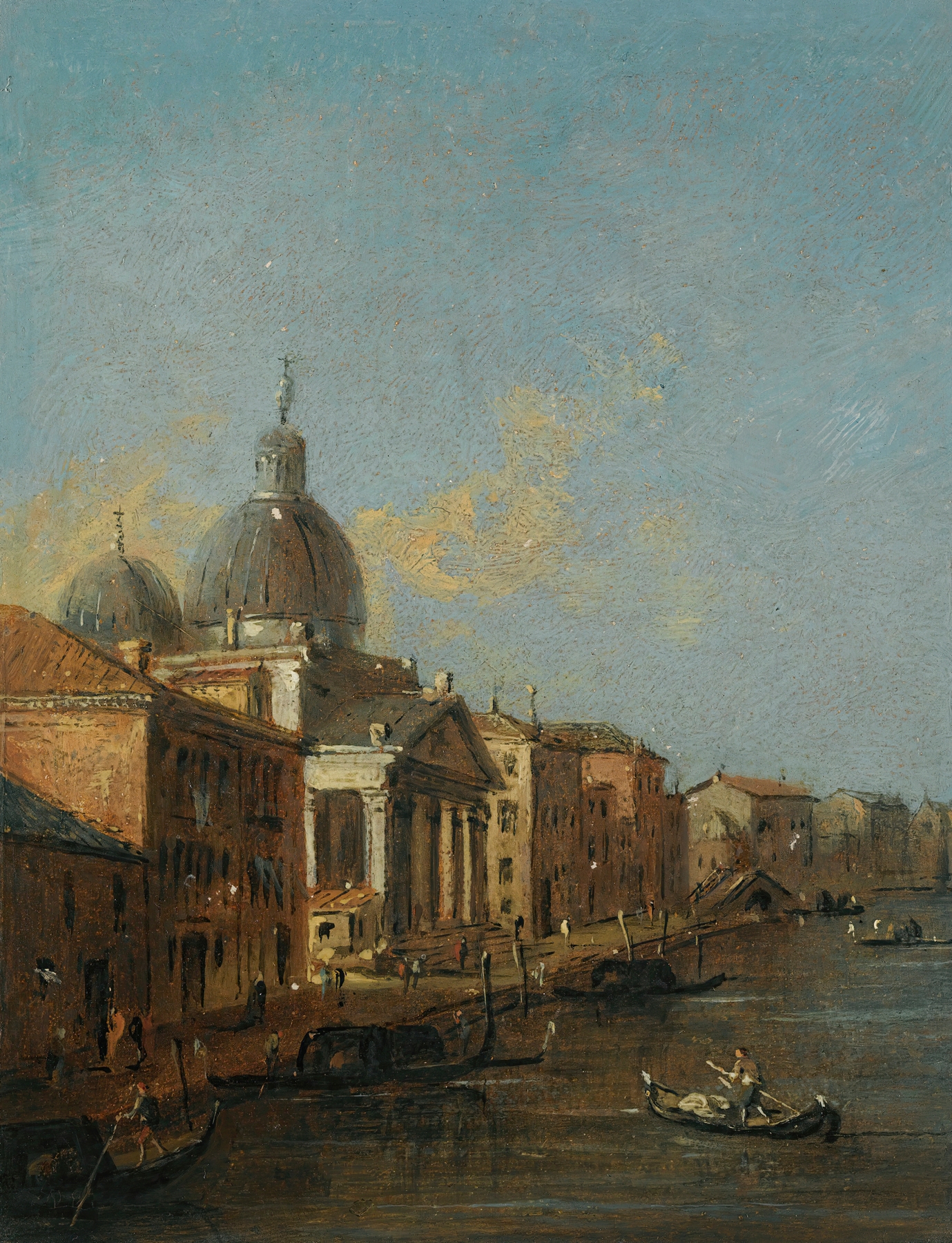
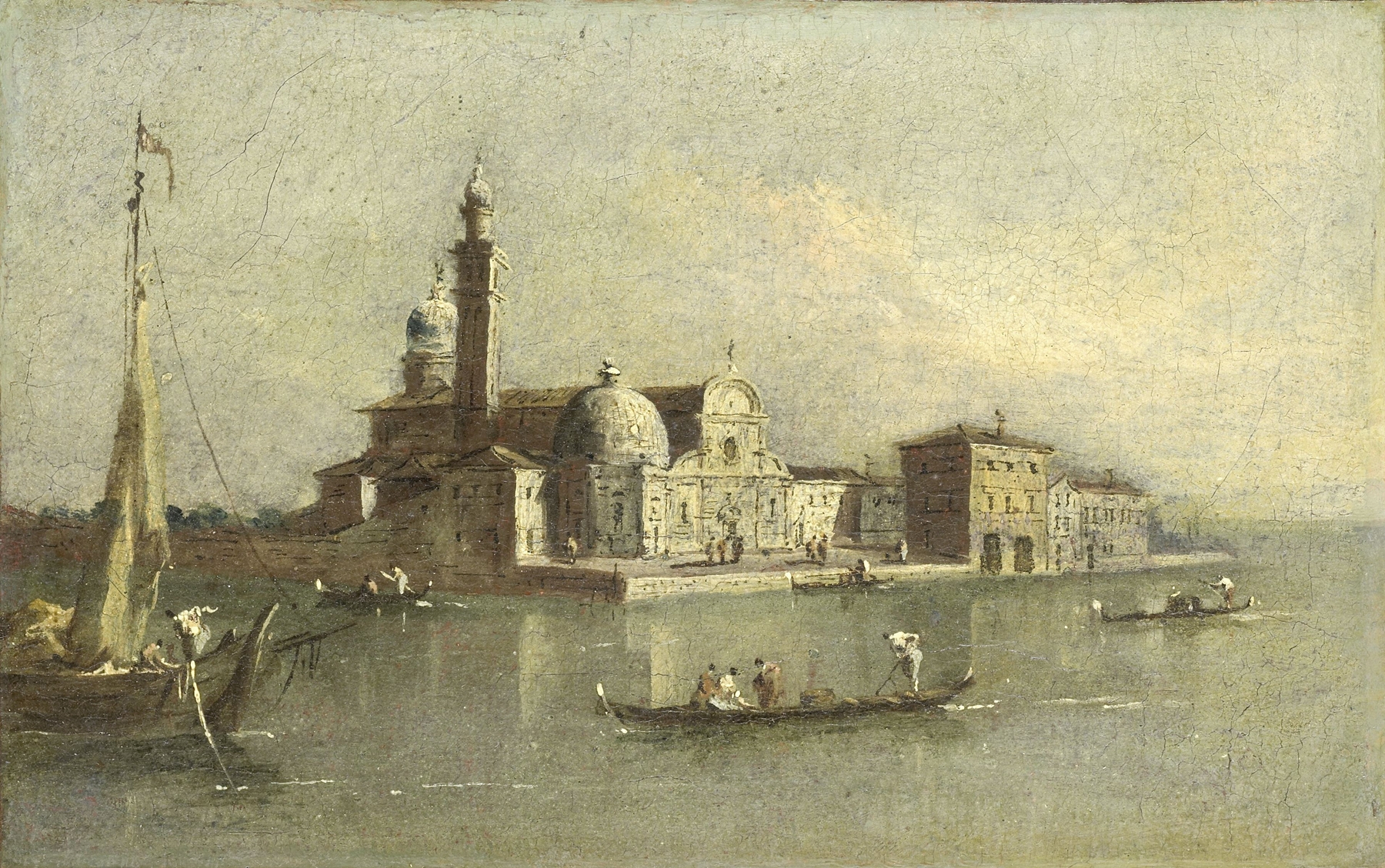
When did color learn to lie? In The Porto di Lido, with the Fortezza Sant’Andrea on the Left, serene hues wash over the canvas, inviting viewers to question the veracity of their perceptions. The gentle interplay of light and shadow suggests a tranquil moment suspended in time, yet whispers hint at deeper truths beneath the surface of the painted scene. Look to the left at the imposing silhouette of the Fortezza Sant’Andrea, its ancient stones softened by a warm glow from the setting sun.
The rich blues and soft pinks blend harmoniously in the sky, while the water reflects these shades, creating a soothing rippling effect. Notice how the composition is anchored by the fortress, serving as a steadfast reminder of history, while the boats and figures in the foreground breathe life into the scene, their movement captured with delicate brushwork that evokes both calm and energy. Yet, beneath this surface calm lies a tension between the man-made and the natural, the stillness of the water contrasting with the distant activity of life on the horizon. The palette evokes a sense of nostalgia, perhaps hinting at the passage of time and the impermanence of existence.
The boats, though gently bobbing in the water, symbolize the constant flux of life, while the sturdy fortress stands vigil, a testament to enduring resilience amidst change. Painted between 1804 and 1828, Guardi's work emerged during a period of significant transition in Venice's artistic landscape. As the city faced political upheaval and shifting cultural tides, Guardi sought to capture the ethereal beauty of its coastal scenery. His focus on luminosity and atmosphere reflected a broader movement towards Romanticism, where emotion and individual experience took center stage, aligning his vision with the evolving heart of art during this time.